Cacao fermentation
Almost every chocolate bar starts as beans left to ferment for about a week in their own pulp. Fermentation makes the raw material that roasting later turns into chocolate flavour. Without fermentation, a roasted bean stays bitter and astringent.
What is cacao fermentation?
Cacao fermentation, also called cocoa bean fermentation, is what happens to fresh cacao beans in their own sugary pulp after the pod is opened, usually over five to seven days. Yeasts, lactic acid bacteria and then acetic acid bacteria feed on the pulp in overlapping waves, the mass heats to 45 to 50 °C, the seed dies, and its own enzymes break proteins and sugar down into the amino acids and simple sugars that roasting turns into chocolate flavour.
The microbes belong to the families that raise bread, brew beer, sour sauerkraut and turn wine into vinegar. They feed on the sweet pulp around the bean, and their acid and heat do the rest. Left too long, the same mass starts to rot, which is where the ham and blue cheese in a bad bar usually come from.
Most of the world’s cocoa is grown on small West African farms, where the usual ferment is a heap under banana leaves. The bars on Chof that name a method mostly say a wooden box, for about six days. The method alone does not make a bar better, and most wrappers do not say how the beans were fermented.
Holding a bar? Scan it in the Chof app to see how its beans were fermented, where that is known. Scan it in Chof
- Day 0A living seed: purple and tight, in white pulp.
- Day 2The seed has died, and its membranes give way.
- Day 4Brown spreads in from the edge.
- Day 6Brown and open, ready to dry.
Who ferments the beans
Usually not the chocolate maker. A farmer opens the pods, and the wet beans are fermented on the farm, in a heap or a few boxes, or sold the same day to a cooperative, an estate or a central fermentary that ferments for many farms. The person running the fermentary decides when to turn the mass and when to stop, lot by lot, by temperature and cut test.
A maker buys the dried beans and chooses lots by cut test and a sample roast. Some ask for a protocol: Friis Holm sells Nicaraguan Chuno turned twice and turned three times, as two bars. A few makers grow and ferment their own cacao, as Fu Wan does in Pingtung, Taiwan. Where a bar below names its fermentary, the note says who ran the ferment.
- FarmPicks the ripe pods and opens them.
- Farm or fermentaryFerments the wet beans. Decides when to turn and when to stop.
- DryingFive to fourteen days in sun, a solar tunnel or a dryer.
- Cooperative or exporterGrades the dried beans by cut test and ships them.
- MakerChooses lots, roasts and makes the bar. Some ask for a protocol.
What happens during fermentation, day by day
A cacao pod holds 30 to 40 seeds in a white, sweet, sharply acidic pulp. Once the pod is open, yeasts and bacteria work through that pulp in overlapping waves, and each one changes the acidity, the heat or the air the next one gets. Their acid, alcohol and heat kill the seed around the second day, and only then can its own enzymes reach the proteins and sugars a living seed keeps apart. The drawing follows one box. A heap, a basket or a sack goes through the same waves at its own pace.
A week in a fermentation box
One box, from the day the pods are opened. The numbered lines mark what happens when.
In a typical box ferment the mass warms from about 27 °C to about 48 °C around day three and eases to about 41 °C by day seven. Yeasts lead in the first day, lactic acid bacteria grow alongside them to about day three, acetic acid bacteria follow from hour 36 to hour 120, and Bacillus and moulds take over after that. In the drawing the mass is turned at 48 and 96 hours. In one Nicaraguan box the pulp pH was 3.8 at the start and 4.6 at day six, and it reached 8.5 at day twelve in the half left in. The bean turns from purple to brown and then dark.
- Seed dies, day 2. Around 48 hours, heat and acid have killed the seed, and its own enzymes start work.
- Turned again, day 4. This box is turned at 48 hours and again at 96. Each turn lets air in, and the acetic acid bacteria pick up again.
- Cut test, day 6. Around day six a cut shows brown, open beans, and most boxes stop.
- Too long, day 12. Left in until day twelve, the pulp pH reached 8.5 and smoky, medicinal compounds built up.
The drawing as a table
| Time | Mass temperature | Pulp pH | Microbes at work | Turned | Bean |
|---|---|---|---|---|---|
| Day 0 | 27 °C | 3.8 | Yeasts, Lactic acid bacteria | Purple | |
| Day 1 | 34 °C | Yeasts, Lactic acid bacteria | Purple | ||
| Day 2 | 45 °C | Yeasts, Lactic acid bacteria, Acetic acid bacteria | Yes | Purple | |
| Day 3 | 48 °C | Lactic acid bacteria, Acetic acid bacteria | Purple | ||
| Day 4 | 47 °C | Acetic acid bacteria | Yes | Part brown | |
| Day 5 | 45 °C | Acetic acid bacteria, Bacillus and moulds | Part brown | ||
| Day 6 | 43 °C | 4.6 | Bacillus and moulds | Brown, open | |
| Day 7 | 41 °C | Bacillus and moulds | Brown, open | ||
| Day 12 | Not drawn | 8.5 | Bacillus and moulds | Dark |
Yeasts
Hanseniaspora, Pichia, Saccharomyces. From hour 0, strongest in the first day.
The pulp is acidic, sugary and nearly airless. Yeasts turn its sugars into ethanol and carbon dioxide, and their enzymes break the pulp down until it drains away as sweatings.
If the ferment stopped here: Slaty or purple, astringent and bitter, with little for a roaster to work with.
Lactic acid bacteria
Limosilactobacillus fermentum, Lactiplantibacillus plantarum. Hours 0 to 72, busiest from 24 to 48.
Present from the first hour and growing alongside the yeasts. They eat citric acid and sugar and make lactic acid, and the pulp slowly becomes less acidic. As it drains, air starts to reach the mass.
If the ferment stopped here: Under-fermented: mostly purple, with harsh acidity and thin flavour.
Acetic acid bacteria and heat
Acetobacter pasteurianus, A. ghanensis, A. senegalensis. Hours 36 to 120.
Turning lets air in. Acetic acid bacteria oxidise the ethanol to acetic acid, and the reaction heats the mass to 45 to 50 °C. Heat and acid soak into the seed and kill it, usually around day two or three, and the pH inside the bean falls from about 6.5 to between 4.5 and 5.
If the ferment stopped here: Sharp and vinegary, with the first brown showing at the edge of a cut bean.
Enzymes inside the dead seed
The bean’s own enzymes. From about hour 48.
Once the seed dies, its membranes give way and enzymes meet what they were kept apart from. Proteases cut storage proteins into peptides and free amino acids, invertase splits sucrose into glucose and fructose, and the purple anthocyanins break down and seep out. Once air reaches the mass, polyphenol oxidase starts turning the remaining polyphenols brown, and the browning carries on through drying.
If the ferment stopped here: Well fermented: brown and open, with the acidity in balance and ready for the roaster.
Louis Pasteur called fermentation la vie sans l’air, life without air, and the first day in a cacao box is exactly that. The rest of the week is what happens when air is let back in.
Drying is the second half of the same process. Over five to fourteen days on sun decks, in solar tunnels or in a dryer, the beans drop from about 55% moisture to about 7%, acetic acid evaporates, and polyphenol oxidase browns what is left of the purple. Dry too fast and acid stays trapped in the bean. Dry too slowly and mould moves in.
Over-fermentation, under-fermentation and the cut test
Fermentaries judge a ferment by cutting a handful of wet beans each day towards the end. Brown spreading in from the edge and an open, cracked texture say it is nearly done. The cut test the trade means comes later, on dried beans: 300 are cut lengthwise and counted by colour. Brown and open is well fermented, purple is under-fermented and slaty grey never fermented. ISO 2451 caps the slaty and mouldy share by grade, and trade contracts use their own terms: Good Fermented allows at most 5% slaty beans, Fair Fermented 10%.
- SlatyNever fermented.
- PurpleUnder-fermented.
- Part brownPartly fermented.
- Brown, openWell fermented.
- DarkOver-fermented, though some varieties dry this dark anyway.
- Pale, openA well-fermented white Criollo bean.
The colour rule has exceptions. White-seeded Criollo beans carry little of the purple pigment, so they stay pale however well they ferment, and some varieties dry dark brown after an ordinary ferment. The drawings on this page follow a purple-seeded bean, the common case.
Mikkel Friis-Holm puts the right length at five to six days: too short and the bar stays bitter, too long and it drifts toward blue cheese. His Rugoso “Bad Fermentation” is the short end, made on purpose.
What too long does was measured in 2026. Krause and Steinhaus split two boxes, 500 kg in Nicaragua and 50 kg in Costa Rica, and left half of each in until day twelve and day nine. In the Nicaraguan box the pulp pH climbed from 4.6 to 8.5. Guaiacol tripled in one lot and rose tenfold in the other, and 4-ethylphenol went from about 2 to over 45 micrograms per kilo, against an odour threshold of 23. Those molecules smell of smoke, medicine and horse blanket.
The trade has long blamed smoky notes on beans dried over wood fires. A companion study by the same group confirmed that wood smoke leaves a near-identical set of molecules, with 2,6-dimethoxyphenol as the marker of smoke contact. The authors suggest tracking pH alongside the cut test to decide when to stop.
Rugoso, stopped early and fermented in full
Both bars are made from Rugoso, a cacao variety from Nicaragua. Friis Holm stopped its ferment early on purpose and says not all of the beans turned brown. ZOTO’s Rugoso had five days in a 1048 kg box, turned twice, to a profile ZOTO drew up for Ingemann in Nicaragua. The makers, roasts and cocoa percentages differ too, so the ferment is not the only variable.
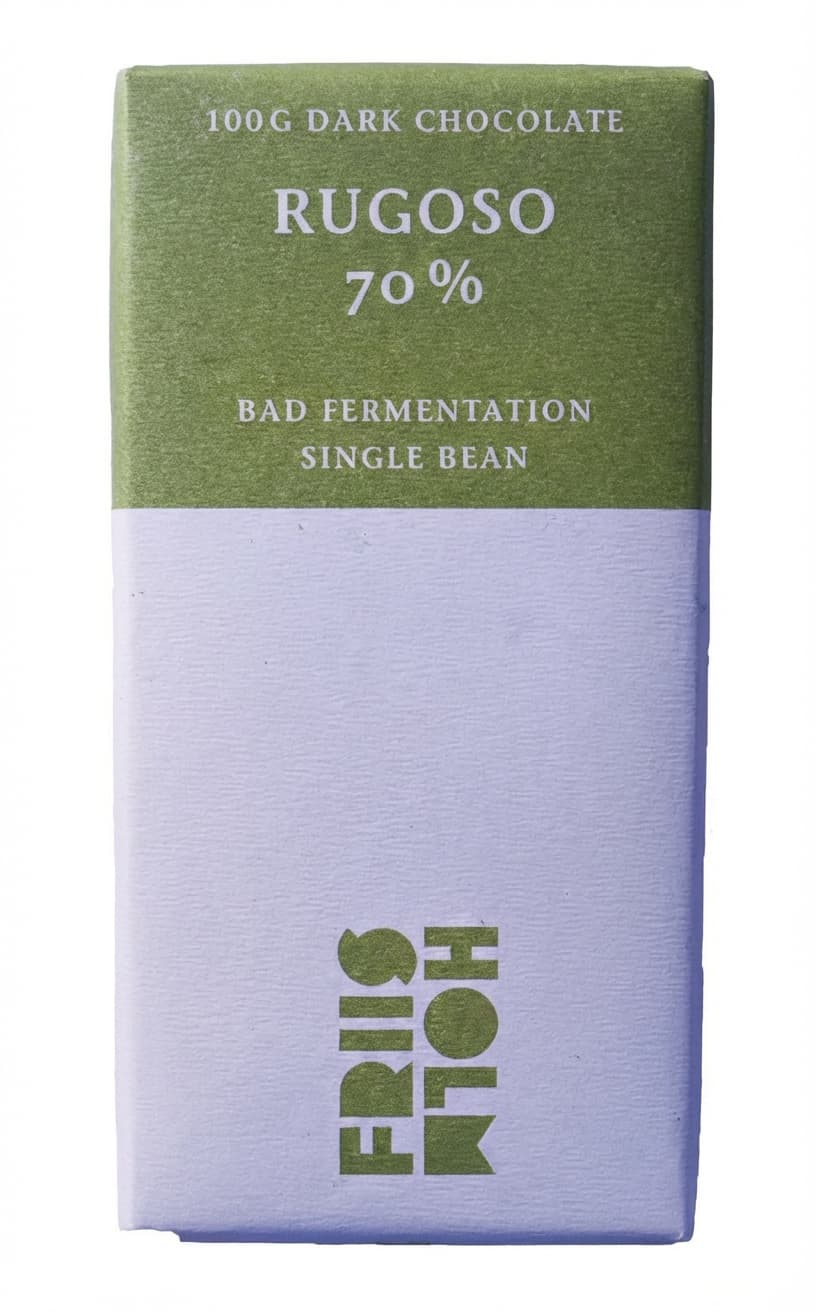 Friis Holm
Rugoso 70% Bad Fermentation
70%darkNicaraguaFermented for a fraction of the usual time, on purpose. Friis Holm says not all of the beans turned brown.
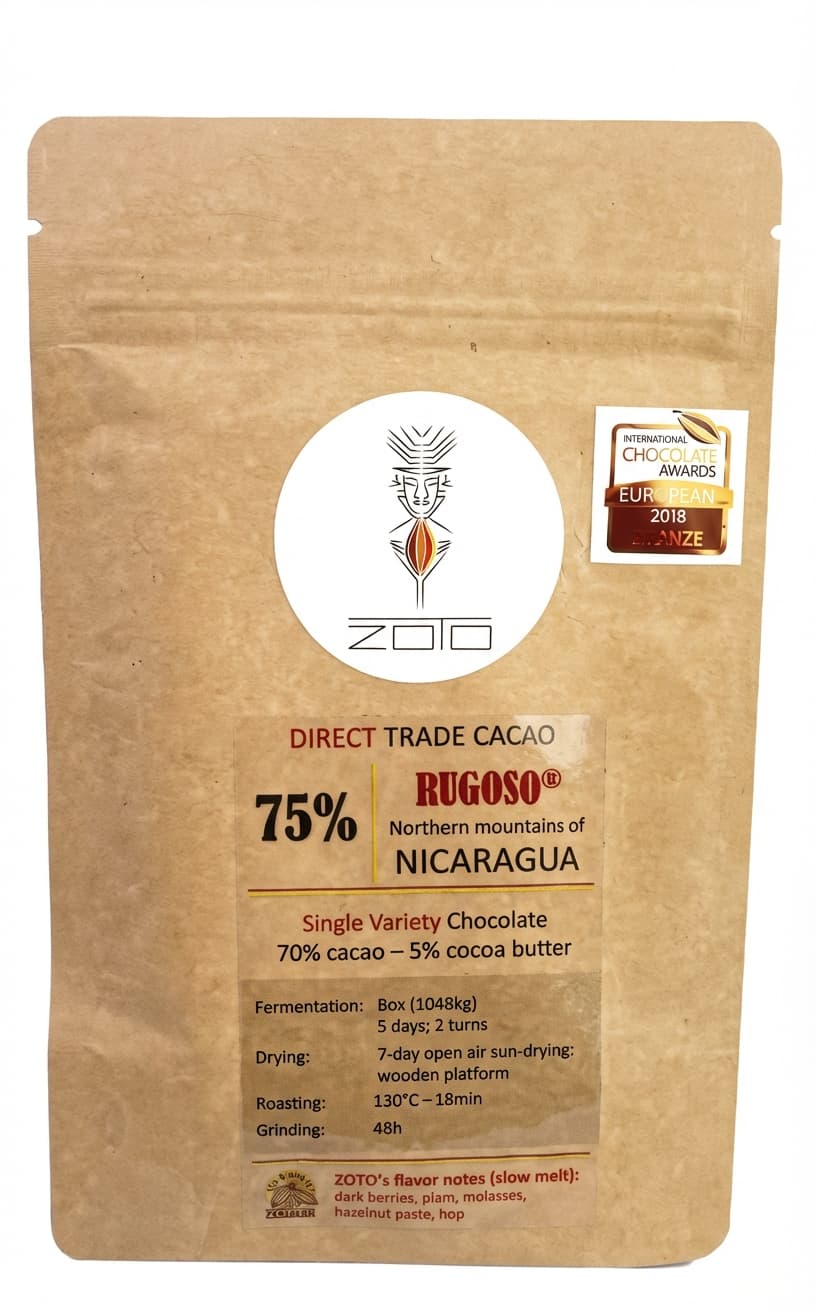 ZOTO
ZOTORugoso 75%
75%darkNicaraguaFive days in a 1048 kg box, turned twice, then seven days of sun drying on wooden platforms.
In the catalogue: Box · 120 h (5 days) · turning: 2 turns · sun-dried
Fermentation faults you can taste
A taste can point to a step in the process without proving it.
| You taste | From the ferment | Or from another step |
|---|---|---|
| Ham, blue cheese, sweat | From the ferment: Usually a mass left too long. | |
| Smoke, medicine | From the ferment: Can be a mass left too long. | Or from another step: Drying over a wood fire leaves near-identical molecules, and a cut test cannot tell the two apart.Mirzam Papua New Guinea 72%, dried over smouldering coals |
| Sharp, vinegary acidity with nothing behind it | From the ferment: An early stop, or drying too fast. | Or from another step: A light roast, a short conche, or the variety. |
| Astringency that grips after the sugar fades | From the ferment: Under-fermentation, which leaves more of the polyphenols in the bean. | Or from another step: Washed cacao, on purpose. |
| Musty, mouldy, cardboard | From the ferment: A very long ferment, once moulds take over. | Or from another step: More often slow drying or damp storage. |
Tasting one of these notes? Scan the bar in the Chof app to check how its beans were fermented, where that is known. Scan it in Chof
Cacao fermentation methods
Eight words turn up on wrappers, and they describe different things. Four name the vessel, two describe how the air and the microbes are steered, and two say something was added or nothing was done. Chof stores one method per bar, so a box ferment with a wine yeast is recorded as a box.
The vessel
Box, heap, tray and basket name what holds the beans. A bigger, better-insulated mass holds more heat.
Box fermentation
Fermentation in slatted wooden boxes, from 50 kg micro-lots to boxes over a tonne, often stacked in tiers so the mass drops one level at each turn.
A deep mass holds the heat, the slats let the sweatings drain, and each turn moves the beans and lets air in.
Once the box is filled, turning and the day it stops are the main things a fermentary can still change.
- Length
- 5 to 7 days, turned every 24 to 48 hours
- Named by
- 433 published bars on Chof
- On Chof
- Bars include Friis Holm Chuno, Naive Las Trincheras, SOMA Mbingu and ZOTO Rugoso 75, whose box held 1048 kg.
Heap fermentation
A pile of wet beans on banana leaves, covered with more leaves. The smallholder method behind most Ghanaian and Ivorian cocoa.
The leaves hold the heat in. The edges cool faster than the core, so turning evens it out.
- Length
- 5 to 6 days, turned every 48 hours
- Named by
- 4 published bars on Chof
- On Chof
- Bars include ZOTO Manya 60%, a 277 kg heap turned three times. Bullion’s origins page, read in September 2026, lists its Ghana beans as heap-fermented under banana leaves.
Tray fermentation
Shallow wooden trays about 10 cm deep, stacked so air reaches every layer without turning. Developed in Ghana in the 1960s.
Thin layers let the air in on their own, so nobody has to turn the mass.
- Length
- 4 to 5 days, no turning
- On Chof
- Trays turn up on wrappers mostly as drying surfaces.
Basket and sack fermentation
Small lots fermented in baskets or jute sacks lined with leaves, usually by individual farmers before the beans are pooled.
A small mass holds little heat, so it can stall before the acetic phase gets going.
- Length
- 3 to 6 days
- On Chof
- Dandelion Gola Rainforest 70%, from leaf-lined baskets. Oialla Beniano 100%, from suspended baskets.
The air and the microbes
Anaerobic and starter describe how a ferment is steered: by keeping oxygen out, or by adding chosen strains.
Anaerobic fermentation
Fermentation in a closed vessel, barrel or air-evacuated bag.
With the oxygen kept out, the acetic acid bacteria have little to work with, so the yeast and lactic phases run longer.
Mars filed a sealed-container application in 2014. It was published in 2015 and has since been abandoned.
- Length
- 4 to 7 days, often without turning
- Named by
- 5 published bars on Chof
- On Chof
- Bars include La Brigaderie Bonança 70%, and BAR Dark Idukki 60%, fermented two days closed and three open.
Starter culture
Fermentation inoculated with chosen yeasts or bacteria, from wine yeast to laboratory strains, alongside or instead of the wild population.
Added strains get a head start on the wild ones, and the aim is for one lot to ferment more like the next.
Two yeasts added at the start raised free amino acids by 35.5% at 144 hours (Dias et al., in press). A nine-strain community reproduced fine-flavour attributes for a trained panel (Gopaulchan et al., 2025).
- Length
- 4 to 6 days
- On Chof
- Bars include Fu Wan Alice and Taiwan #9, and Dandelion Camino Verde. Chof has no starter value, so these are recorded under their vessel or as other.
Something added, or nothing done
A co-ferment adds something to the mass. Washed cacao skips the ferment.
Co-fermentation
Fermentation with fruit, spice, wood or leaves mixed into the mass.
The added material ferments with the pulp, and the aim is for some of its aroma to reach the bean.
In a 2007 trial in Bahia, Brazil, Amelonado beans fermented in bags of cupuaçu or soursop pulp tasted of the fruit in the nibs and the chocolate, which also had less cocoa flavour and more astringency than the control (Eskes et al., 2009).
- Length
- As long as the base ferment
- Named by
- 7 published bars on Chof
- On Chof
- Bars include kamm Palo Santo. Ivee Promenade’s blackcurrant bar ferments dried beans a second time.
Washed cacao (lavado)
Beans washed free of pulp and dried without fermenting. Lavado is the Mexican trade term.
With the pulp gone there is nothing for the microbes to ferment, so the polyphenols stay in the bean.
The Dominican Republic’s Sánchez grade is also unfermented, but dried with the pulp on.
- Length
- No fermentation
- Named by
- 1 published bar on Chof
- On Chof
- Bars include ruvido Passatempo.
Some fermentaries also drain or remove part of the pulp before the box. ZOTO’s Ganzo from Peru went into a pre-drained 650 kg box for six days, and its Yunga from Ecuador into pre-drained crates for five. Kokoa Kamili lets its beans drain partly overnight. In a 2026 trial on an Amazon farm, the share of pulp removed and the time in the box both moved the acids.
- Box: 95%
- Co-ferment: 2%
- Other: 2%
- Anaerobic: 1%
- Heap: 1%
- Washed (lavado): under 1%
Among bars on Chof that name a method, with shares rounded. Chof has no separate value for basket or starter ferments.
Bars that say how they were fermented
Every bar on Chof has four fields for the ferment: method, length, turning and drying. They are filled from the wrapper, the maker’s reply and public pages such as the maker’s or a retailer’s website, and left blank when none of those says.
The note under a card is the maker’s or the fermentary’s own account. The line beneath it, where there is one, is the protocol as the Chof catalogue holds it.
- Say something about how the beans were fermented: 27%
- State how many days: 9%median 6 days
- State a turning schedule: 2%
Catalogue read .
Same beans, one more turn
Friis Holm makes two bars from Nicaraguan Chuno fermented for five days. The double-turned beans were turned at 48 and 72 hours, and the triple-turned beans were turned again at 96. Each turn lets air into the mass and restarts the acetic phase.
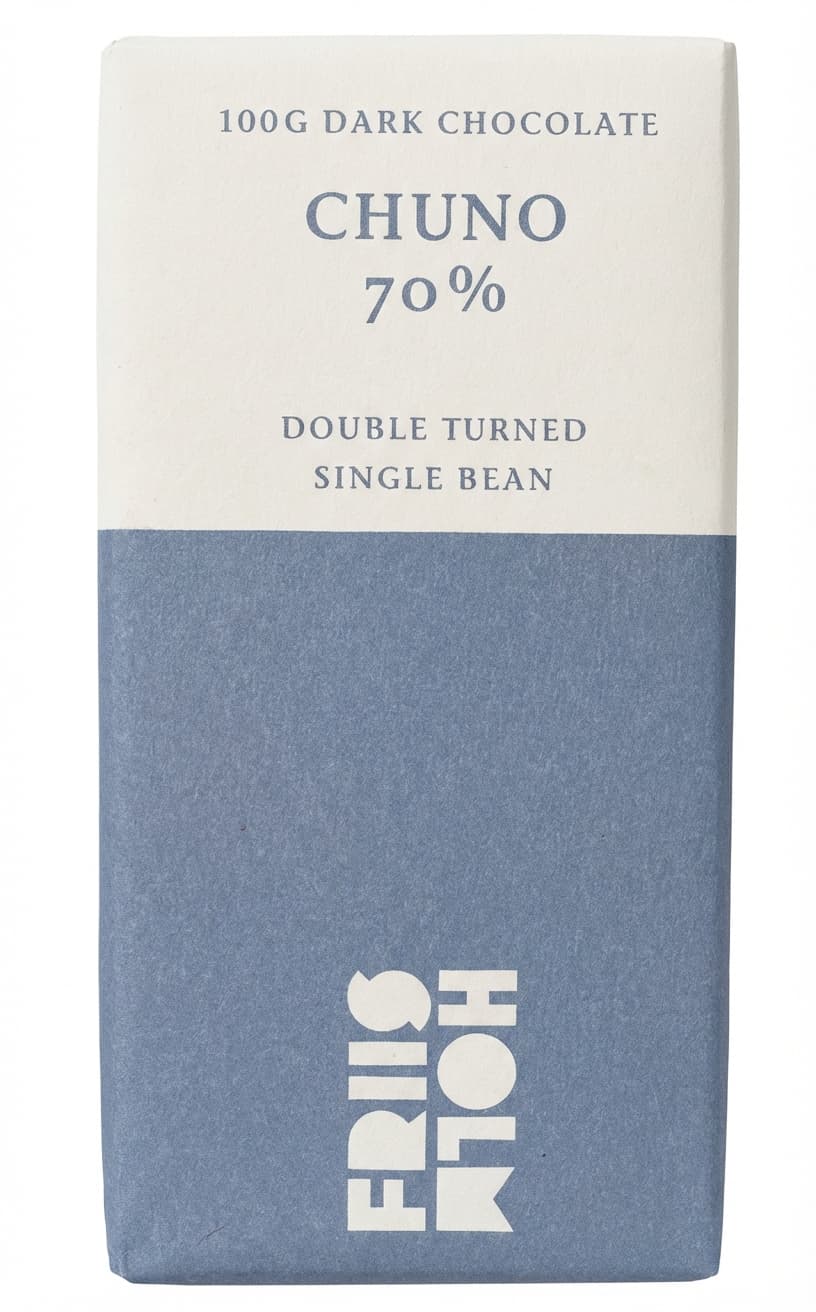 Friis Holm
Chuno 70% Double Turned
70%darkNicaraguaFive days in the box, turned at 48 and 72 hours.
In the catalogue: Box · 120 h (5 days) · turning: twice (at 48h and 72h)
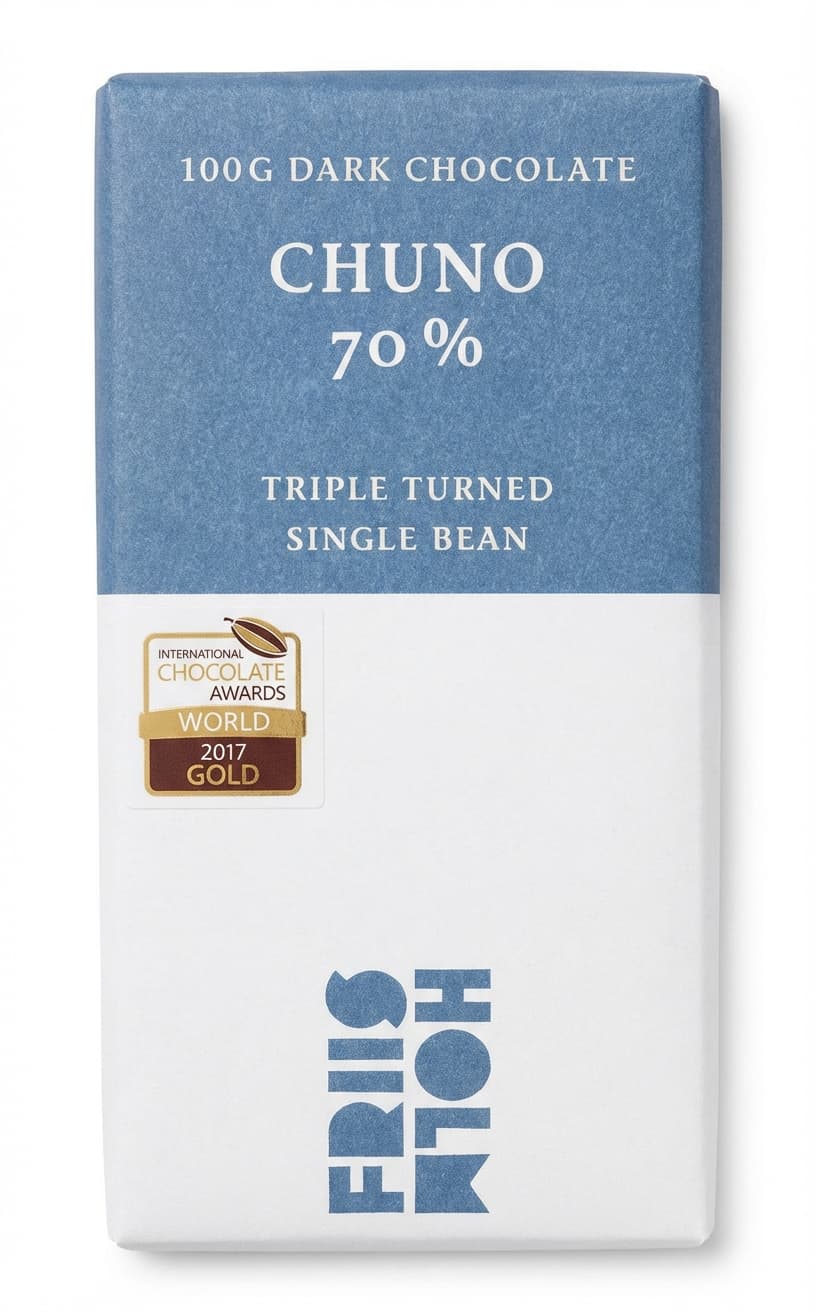 Friis Holm
Chuno 70% Triple Turned Single Bean
70%darkNicaraguaThe same five days, with a third turn at 96 hours.
In the catalogue: Box · 120 h (5 days) · turning: 3 times during fermentation
Same beans, dried at two speeds
Friis Holm dries one Madagascar lot two ways and sells both. The fast-dried beans got eight hours of sun a day from the first day. The slow-dried beans got two hours on the first day, four on the second and six on the third, then eight. Fast drying keeps more of the acetic acid in the bean.
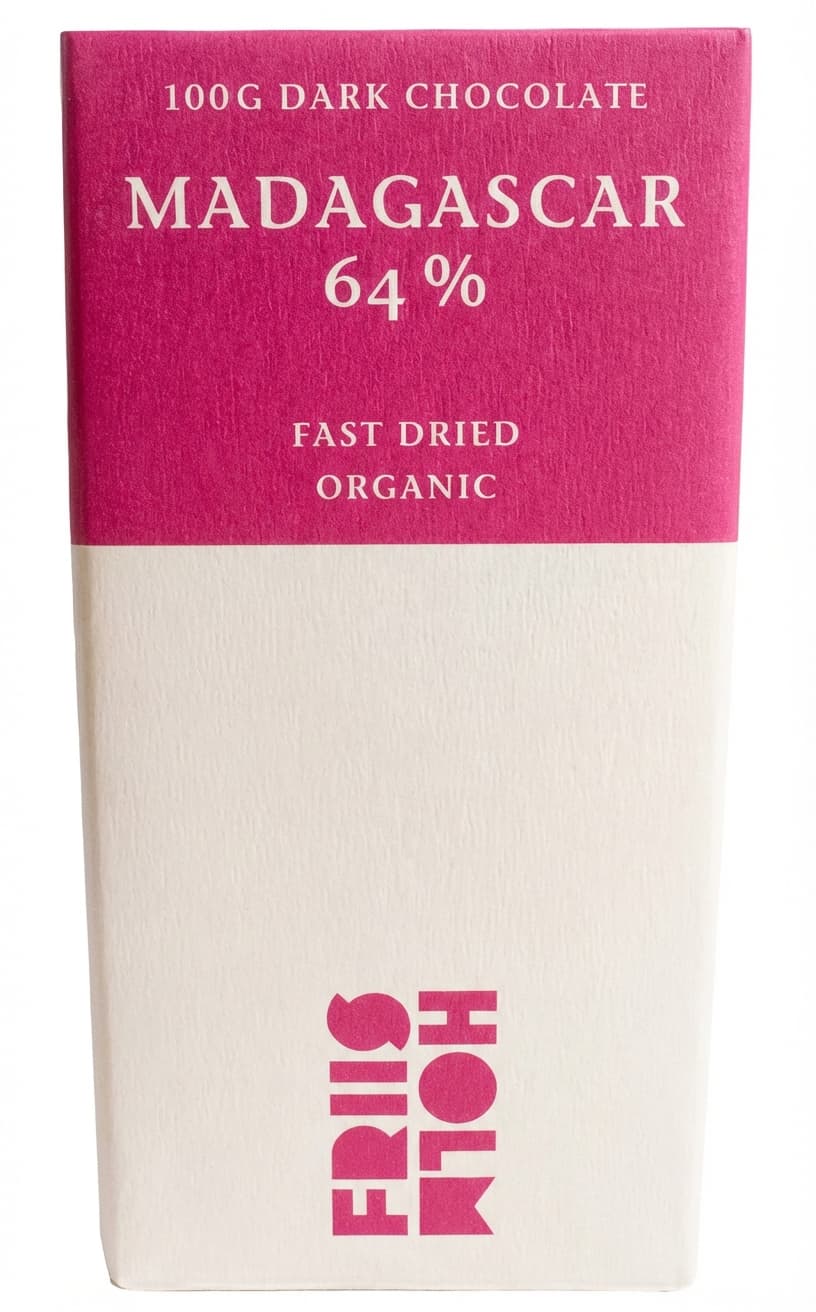 Friis Holm
Madagascar 64% Fast Dried Organic
64%darkMadagascarEight hours of sun a day from the first day.
In the catalogue: Box · sun-dried
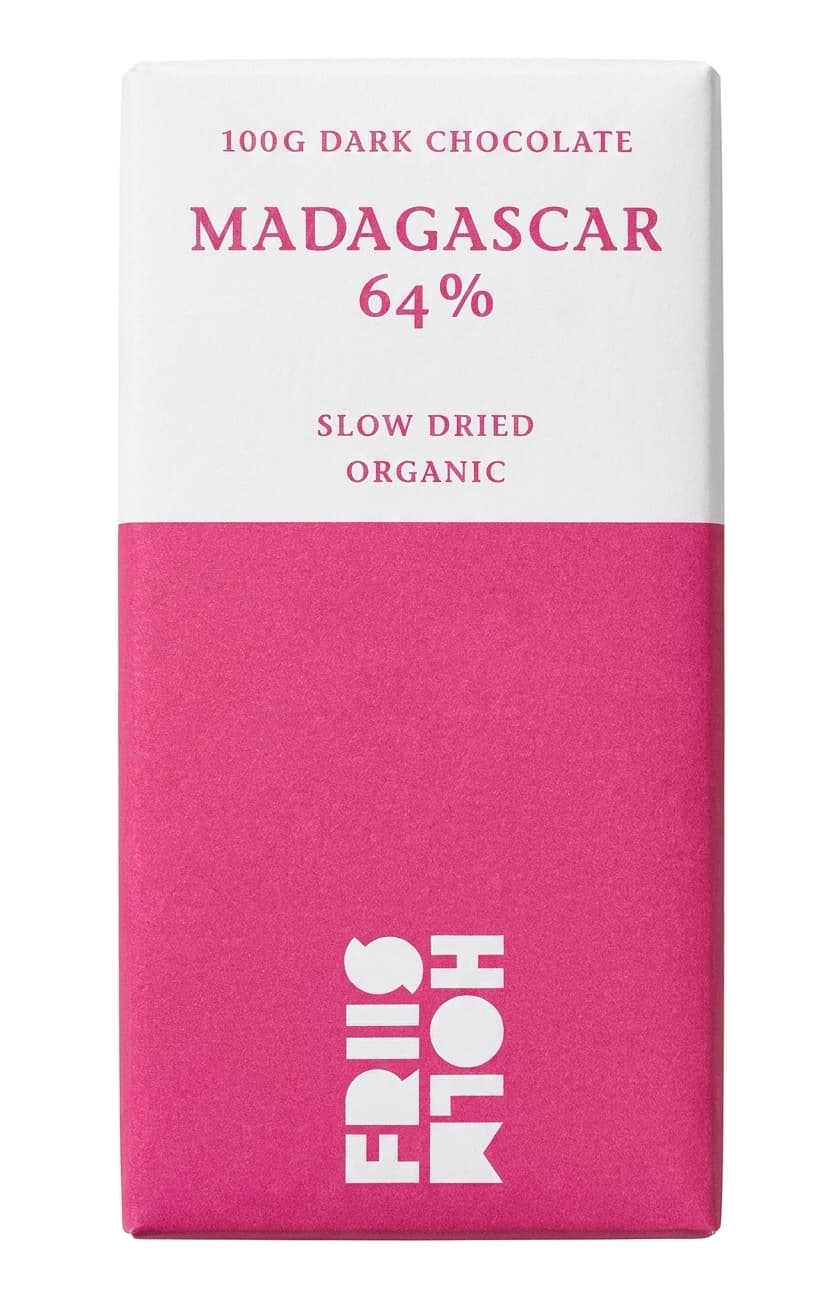 Friis Holm
Madagascar 64% Slow dried
64%darkMadagascarTwo, four and six hours of sun on the first three days, then eight.
One fermentary, many makers
Kokoa Kamili, in the Kilombero Valley in Tanzania, buys wet cacao and ferments it, and most of its customers are chocolate makers. By its own account the beans drain partly overnight, then spend six days in three-tier cascade boxes lined with banana leaves and rice bags, and five to seven days on drying tables. Svenska Kakao adds that the beans are turned on days three and five. Each maker below roasts the same fermentary’s beans to its own recipe.
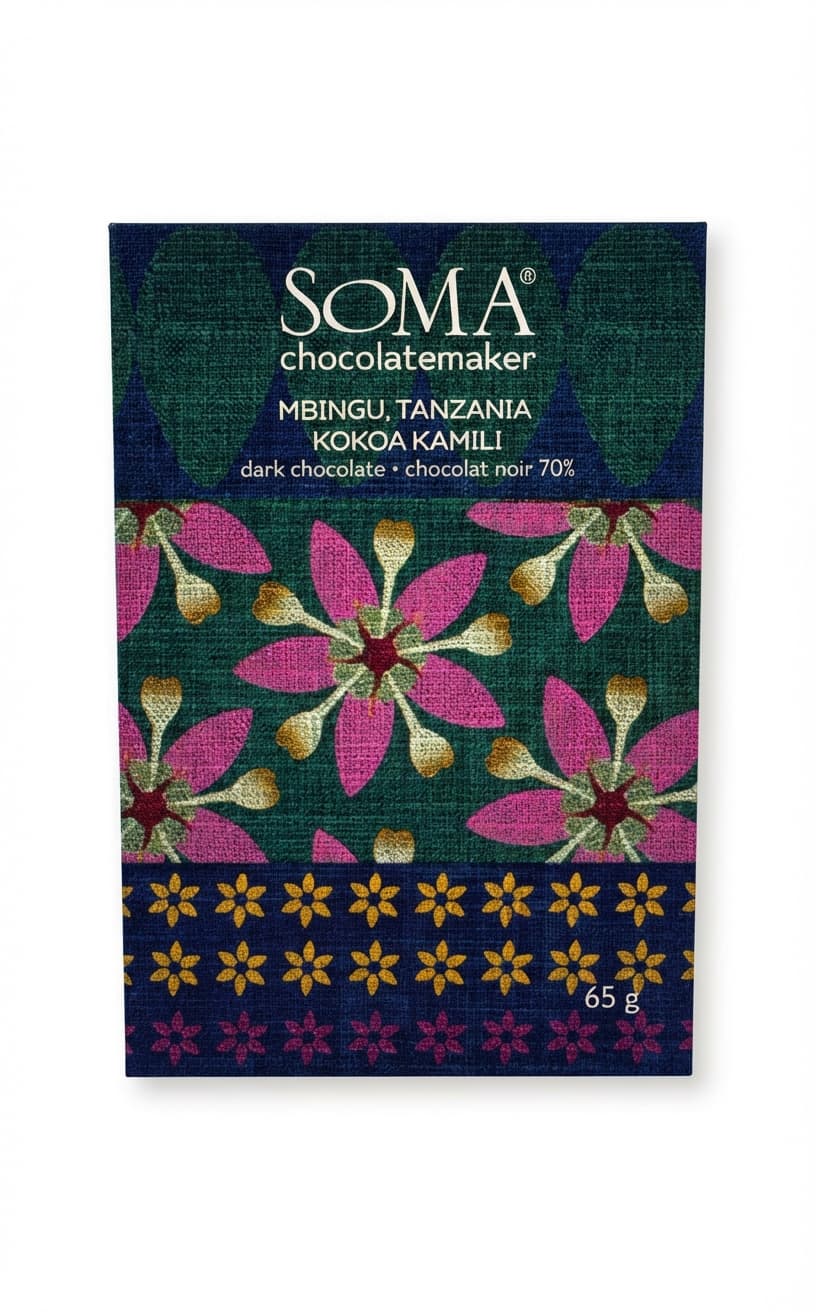 SOMA
SOMAMbingu, Tanzania 70%
70%darkTanzaniaSOMA, in Toronto, names Kokoa Kamili as the fermentary behind this bar.
In the catalogue: Box · 144 h (6 days) · turning: on days 3 and 5 · sun-dried
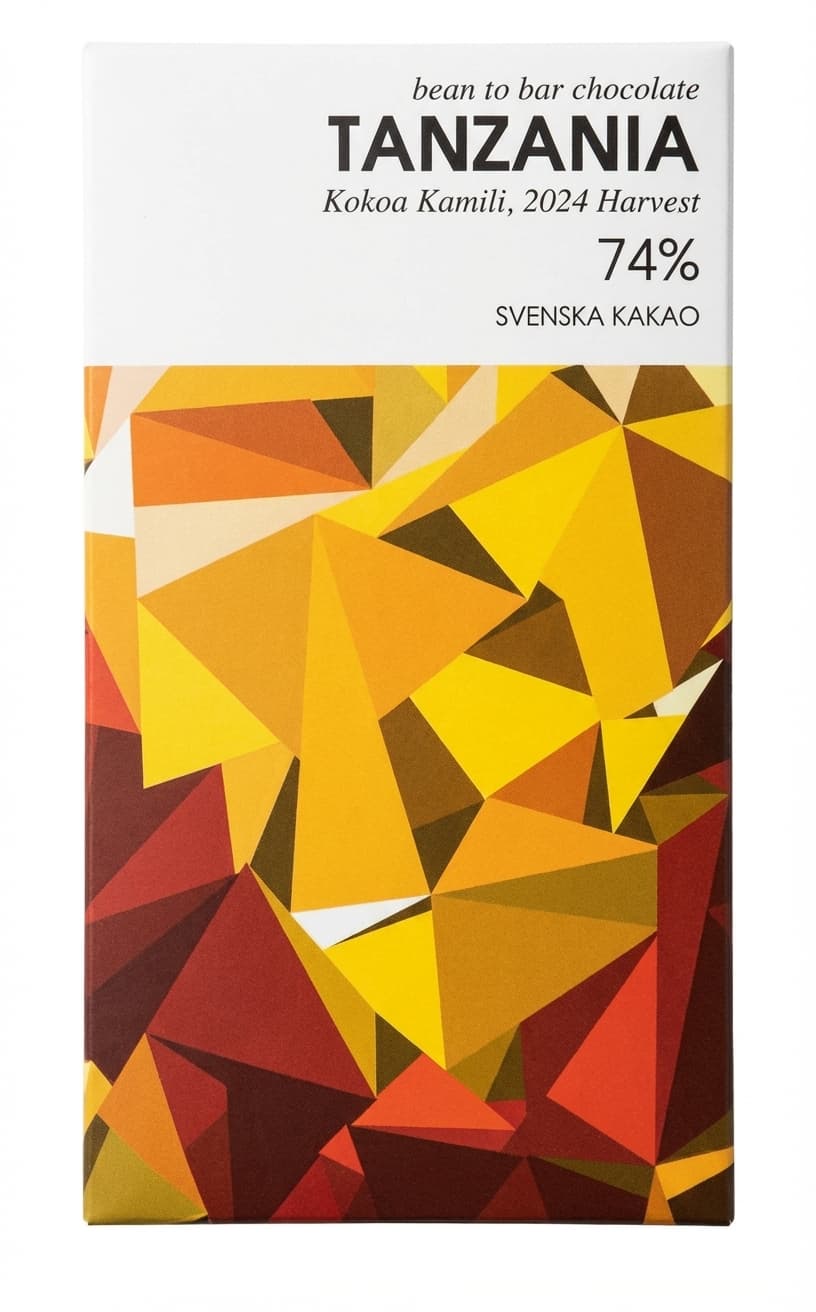 Svenska Kakao
Tanzania 74%
74%darkTanzaniaSvenska Kakao names Kokoa Kamili and gives the turns: days three and five, in eucalyptus boxes.
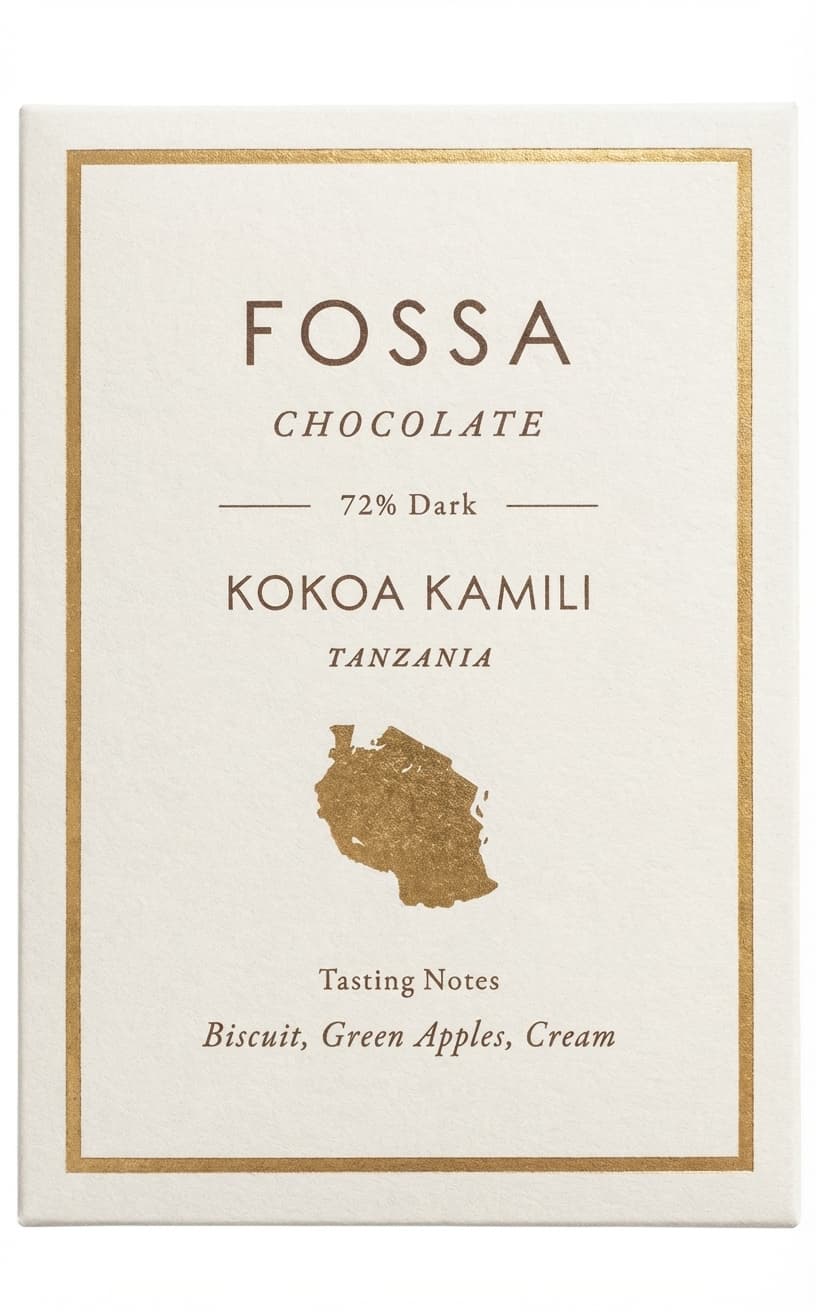 Fossa
FossaKokoa Kamili 72%
72%darkTanzaniaFossa, in Singapore, names Kokoa Kamili as the source of these beans.
In the catalogue: Box · 144 h (6 days) · sun-dried
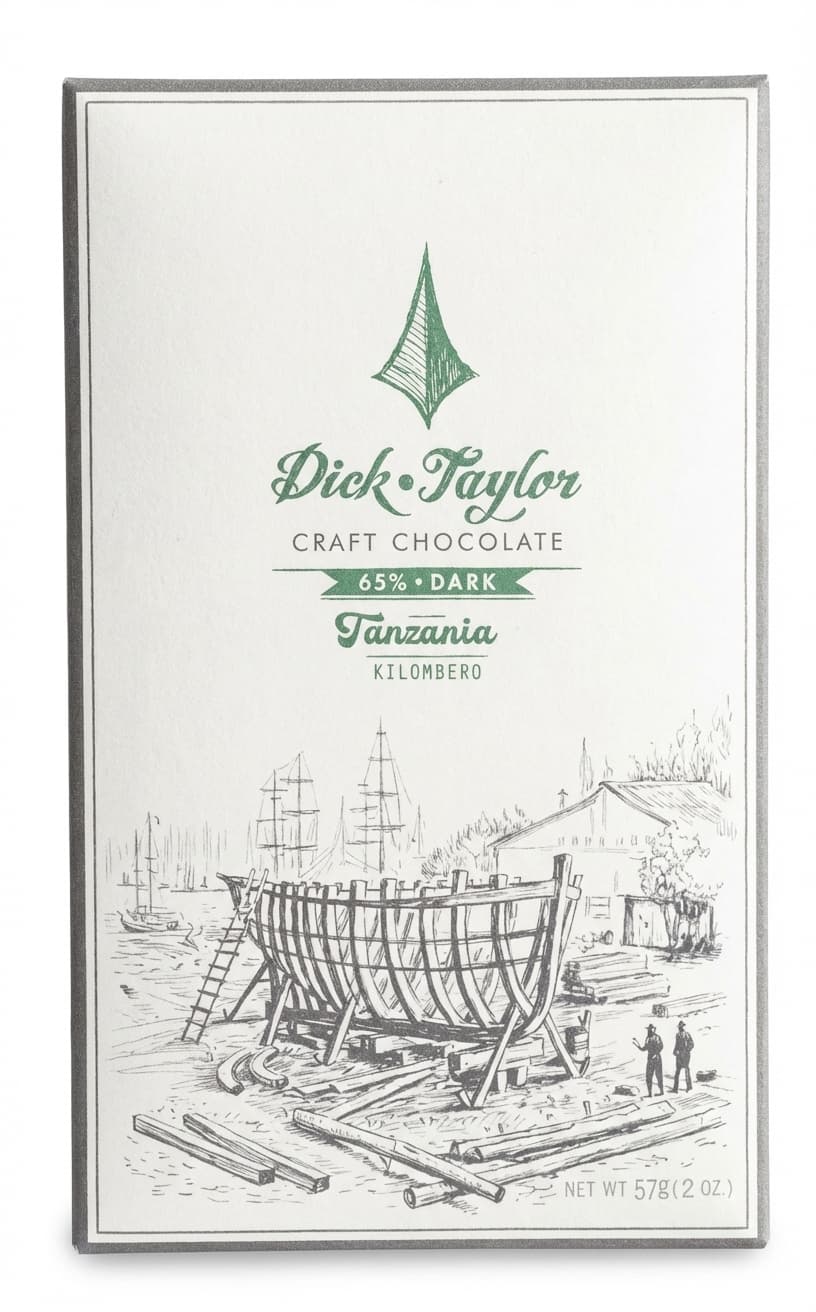 Dick Taylor
Tanzania Kilombero 65% Dark
65%darkTanzaniaDick Taylor, in California, lists Kokoa Kamili as the bean source.
In the catalogue: Box · 144 h (6 days) · sun-dried
Short and long ferments
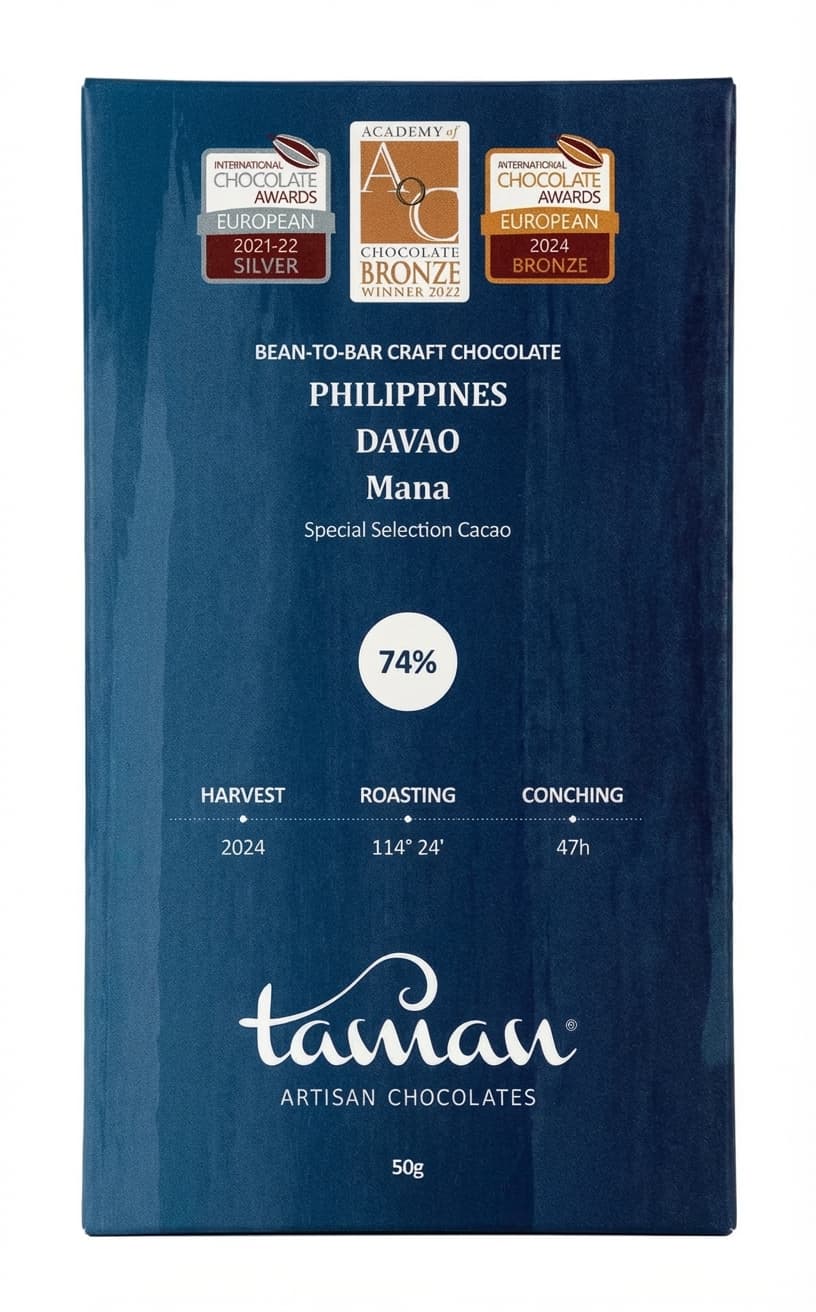
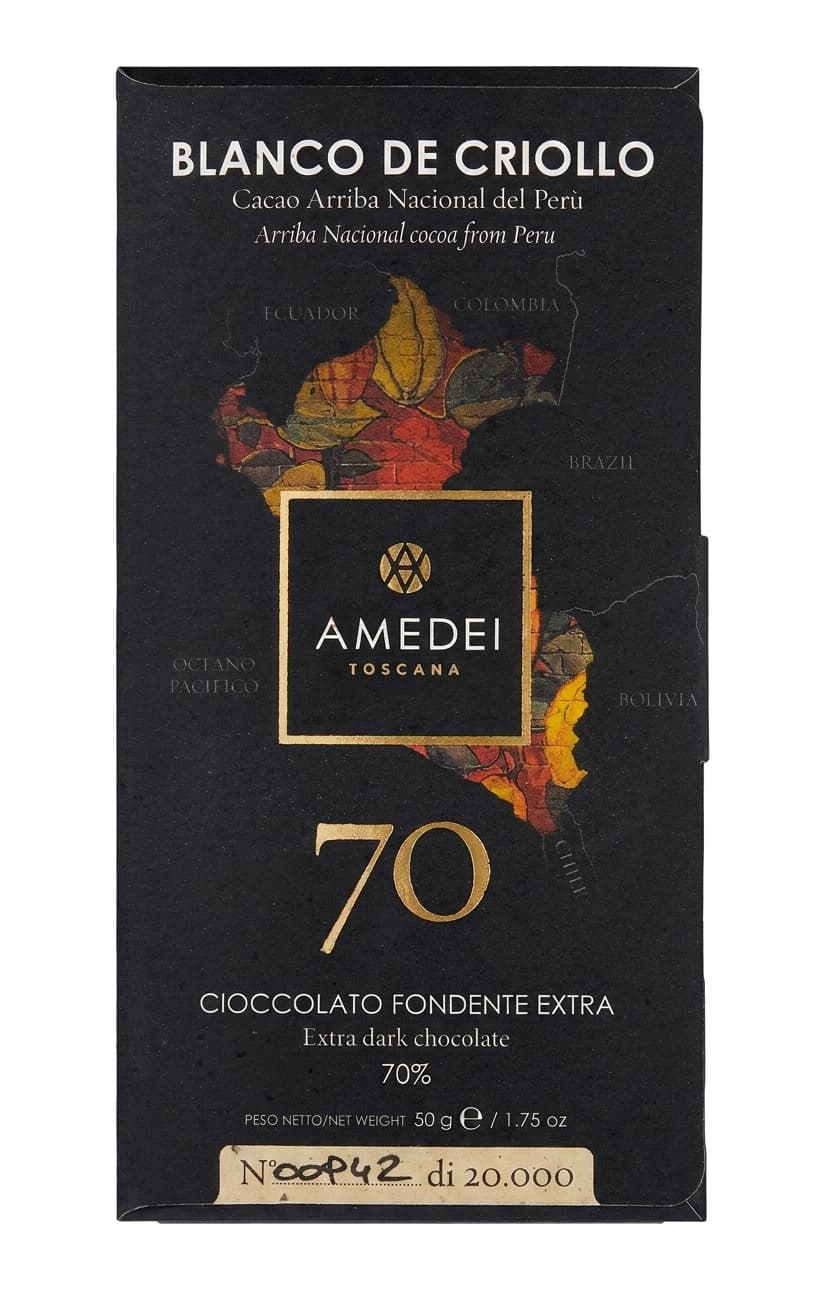
Five to seven days is the usual range. Beans with little purple pigment and astringency, like many Criollo types, are often done in two or three. Qantu stops its Chuncho from Cusco at three days, and Original Beans its wild cacao from the Beni. Oialla ferments its wild Beniano beans, also from the Beni, in baskets for three days. Taman’s Mana beans from Davao, in the Philippines, get four. Amedei gives its Blanco de Criollo seven days, so a Criollo name does not promise a short ferment.
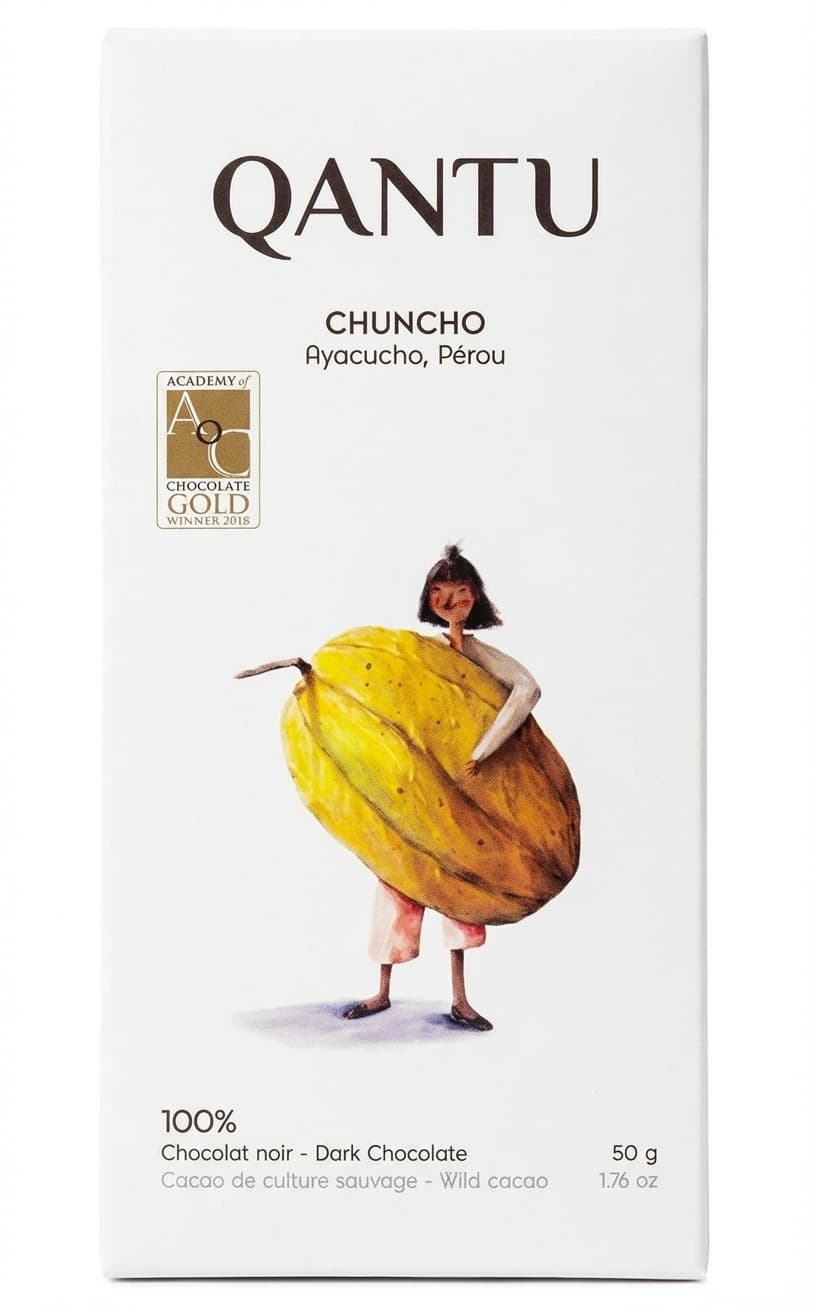 Qantu
QantuChuncho
100%darkPeruThree days in wooden boxes, for Chuncho cacao from Cusco, Peru.
In the catalogue: Box · 72 h (3 days) · sun-dried
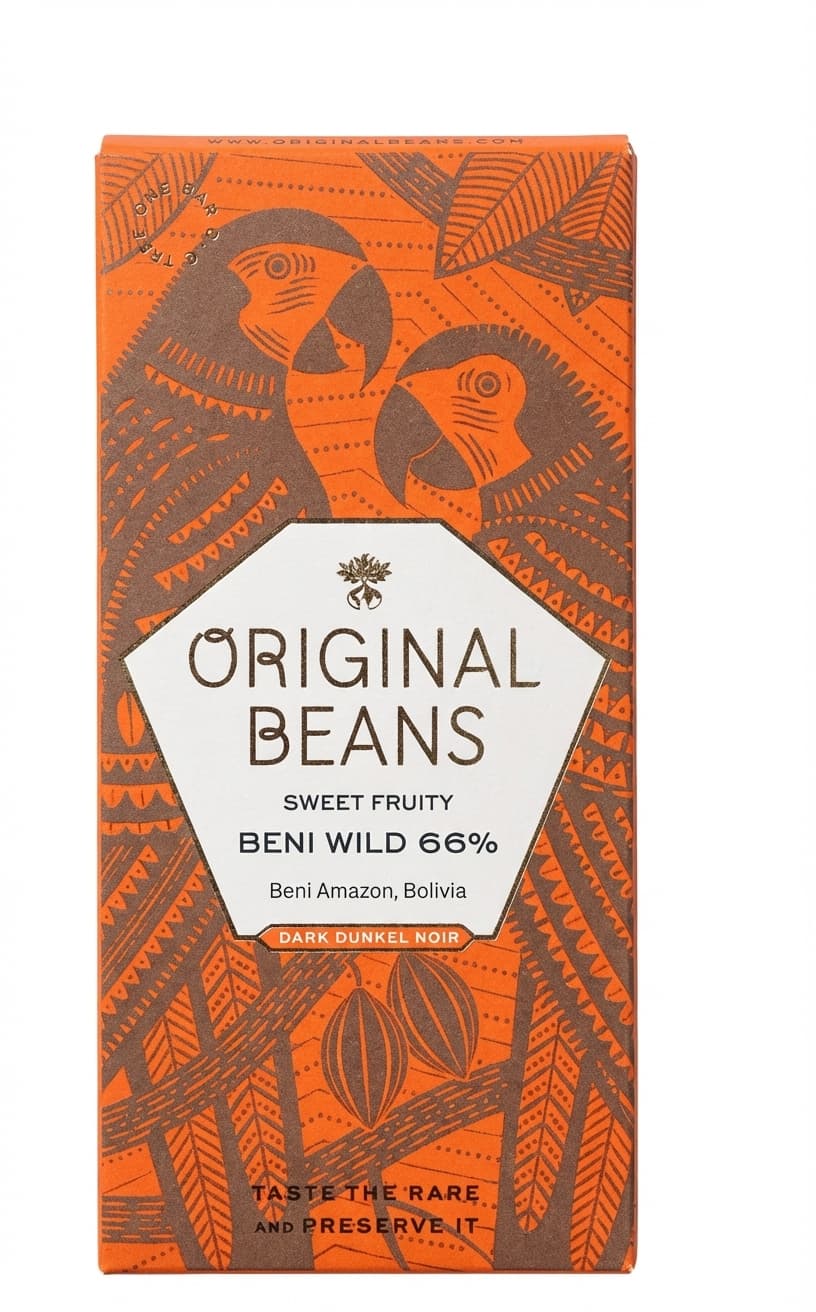 Original Beans
Beni Wild 66%
66%darkBoliviaThree days, for wild cacao from the Beni in Bolivia.
In the catalogue: 72 h (3 days) · sun-dried
 Taman
TamanPhilippines Davao Mana 74%
74%darkPhilippinesFour days in three-tier cascade boxes at a central fermentary, then eight to ten days drying on covered beds.
 Amedei
Blanco de Criollo 70%
70%darkPeruSeven days in tiered wooden boxes, then seven to twelve days drying slowly in solar tunnels.
In the catalogue: Box · 168 h (7 days) · solar-dried
With air, and without
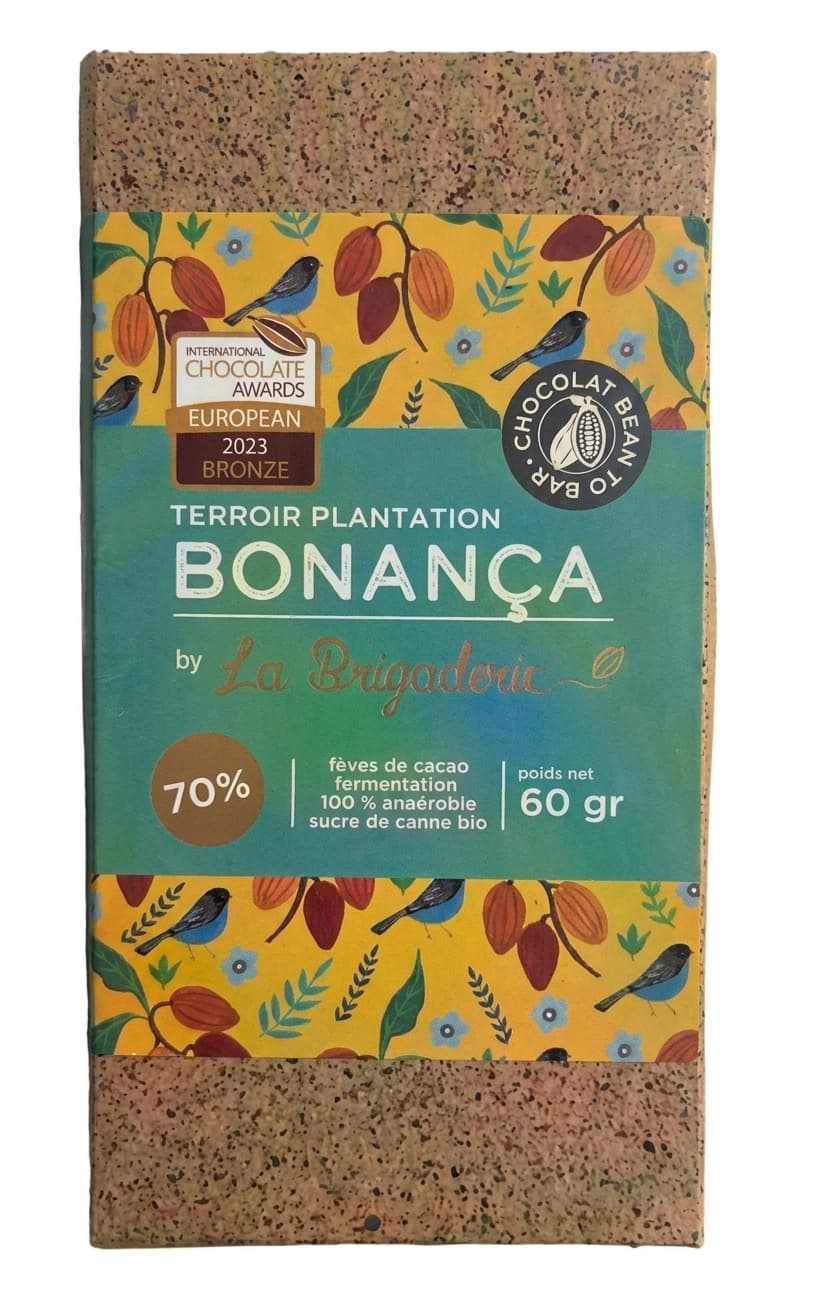
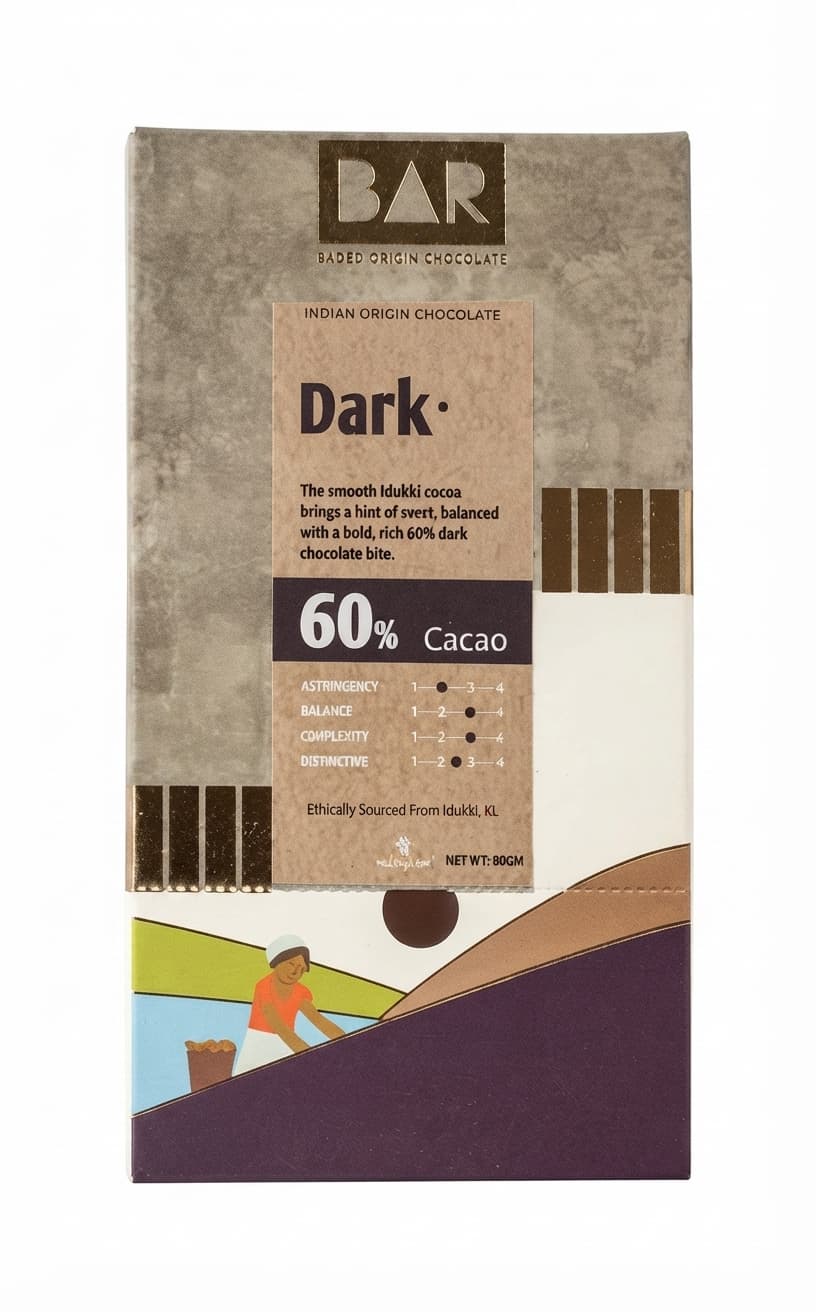
Closing the vessel keeps oxygen from the acetic acid bacteria, so the yeast and lactic phases run longer. Fazenda Bonança in Bahia ferments fully closed. The Idukki beans BAR uses spend two days closed and three days open, a protocol the maker confirmed to Chof in August 2026.
 La Brigaderie
Bonança 70%
70%darkBrazilFully anaerobic, at Fazenda Bonança in Bahia, Brazil.
 BAR Baker's Artisanal Recipes
Dark Idukki 60% Cacao
60%darkIndiaTwo days closed, then three days open. Maker-confirmed.
In the catalogue: Anaerobic · 120 h (5 days) · sun-dried
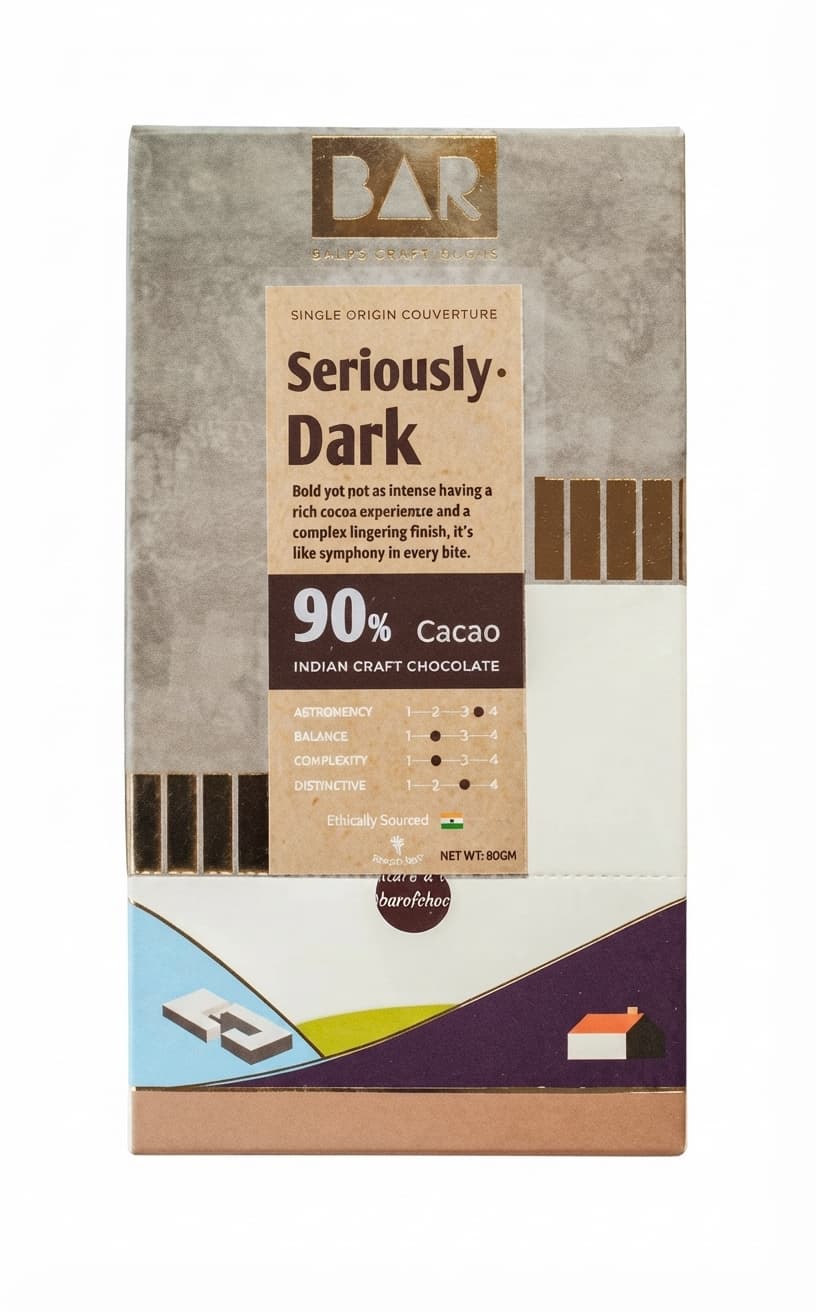 BAR Baker's Artisanal Recipes
Seriously Dark 90%
90%darkIndiaThe same two-plus-three protocol, at 90%.
In the catalogue: Anaerobic · 120 h (5 days) · sun-dried
A chosen yeast
A wild ferment runs on whatever lives on the pod, the knife and the box. A starter adds chosen strains at the start. Fu Wan in Taiwan ferments with red wine yeast alongside the wild population, in a temperature-controlled room. At Camino Verde in Ecuador, Vicente Norero inoculates stacked bags with selected yeasts, and the aim is a ferment that runs alike from lot to lot. In a Brazilian trial, two yeasts added at the start raised free amino acids, the raw material of roast aroma, by about a third.
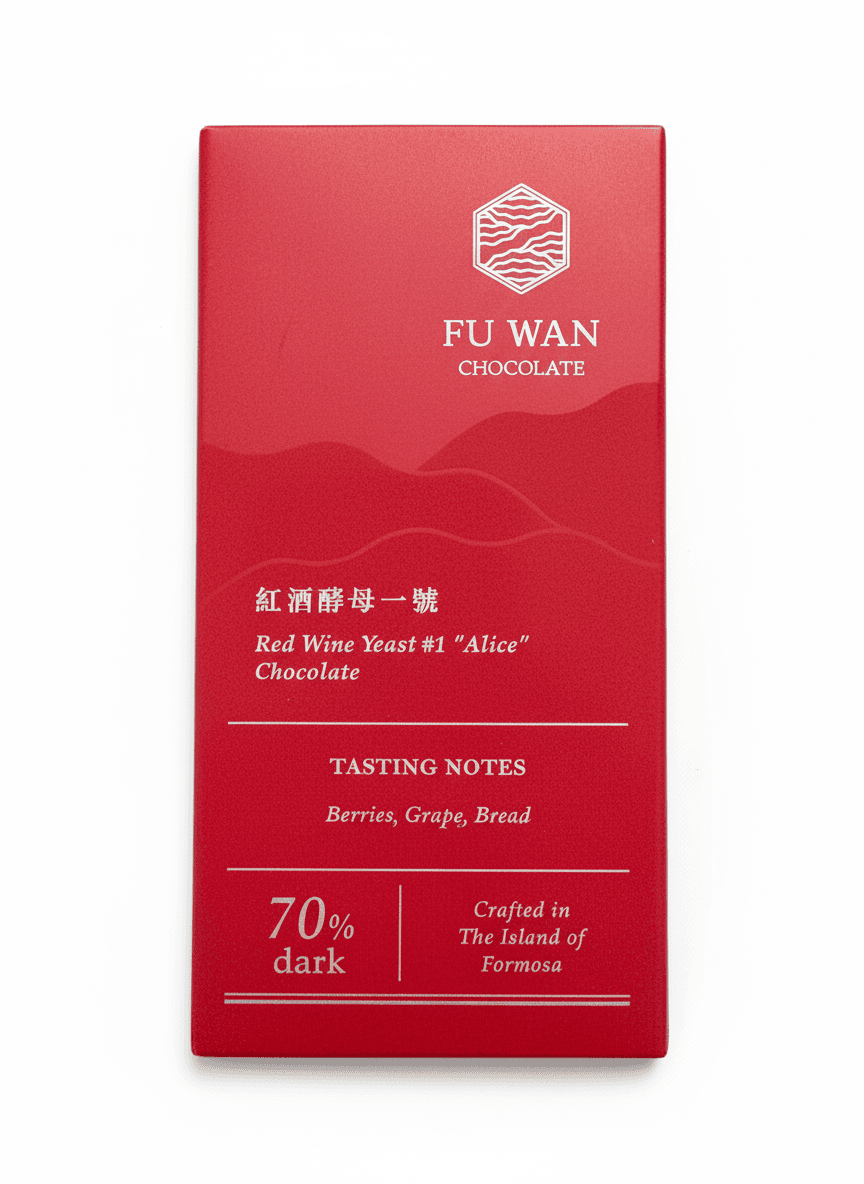 Fu Wan Chocolate
Red Wine Yeast #1 "Alice" Chocolate
70%darkTaiwanRed wine yeast and wild yeast together, then aged in a cool cellar.
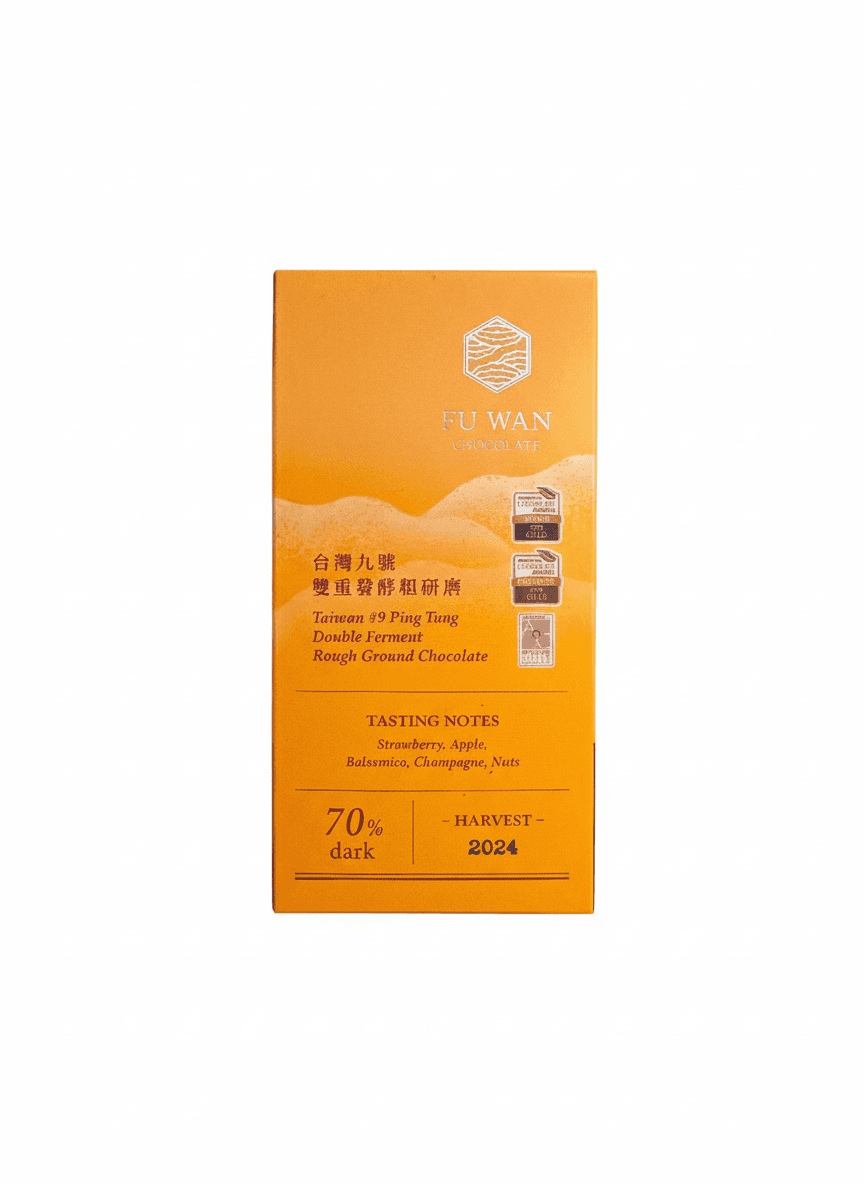 Fu Wan Chocolate
Taiwan #9 Ping Tung Double Ferment Rough Ground Chocolate 70%
70%darkTaiwanSix days, two fermentation cycles, with added cultures.
In the catalogue: Box · 144 h (6 days) · sun and mechanical drying
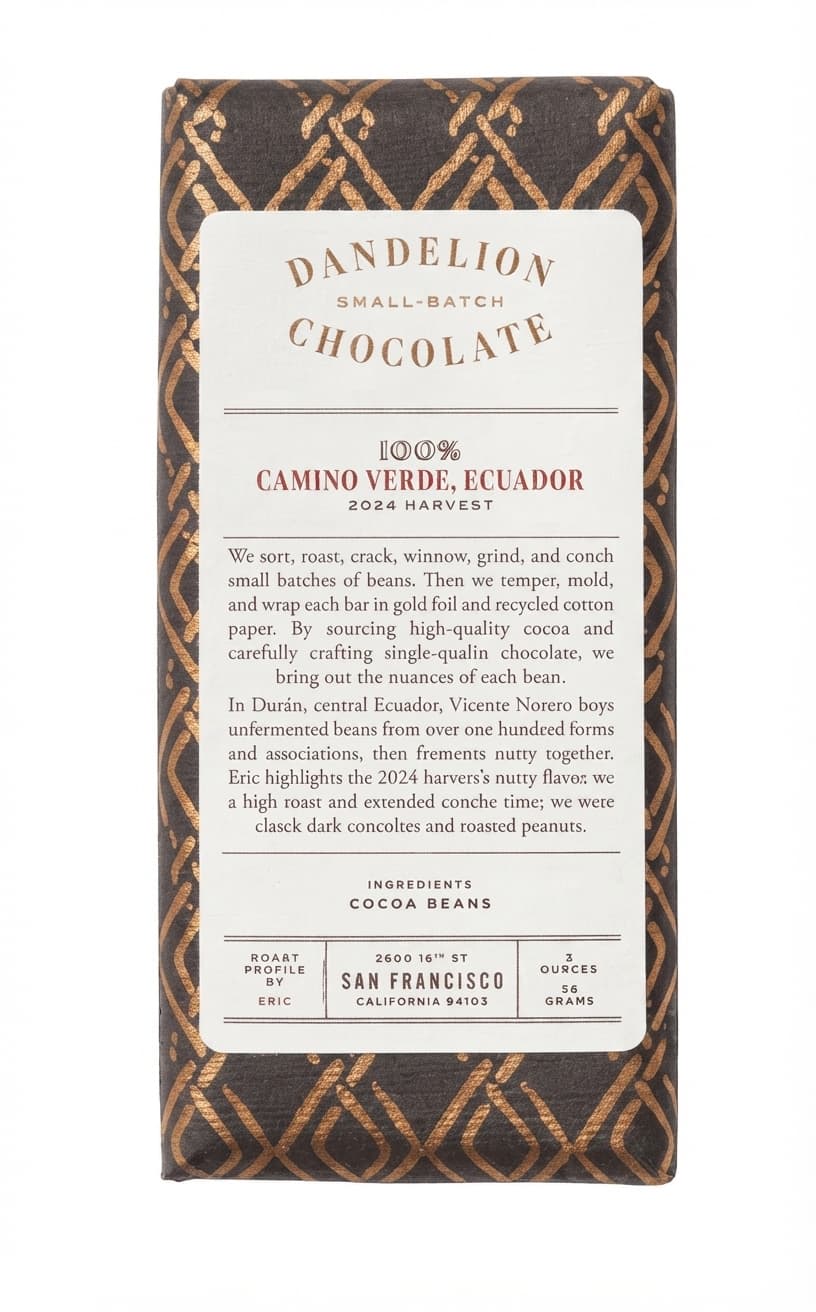 Dandelion Chocolate
Camino Verde
100%darkEcuadorInoculated and fermented in stacked bags by Vicente Norero at Camino Verde.
In the catalogue: Other · sun and mechanical drying
The whole protocol, printed
A few makers print the ferment the way a coffee roaster prints a process: mass, days, turns, drying. ZOTO in Belgium goes furthest and often gives the weight of the fermenting mass.
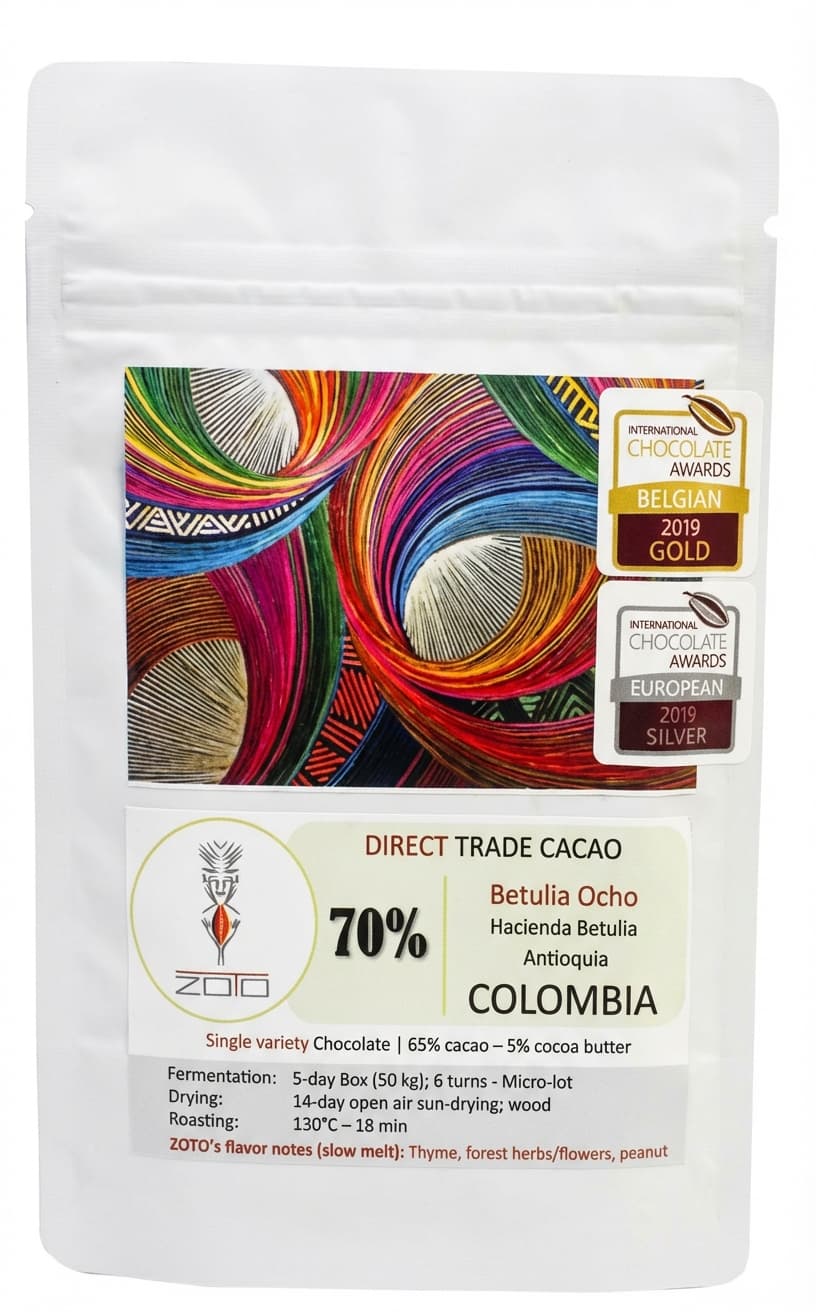 ZOTO
ZOTOBetulia Ocho
70%darkColombiaFive days and six turns, then fourteen days drying in the sun, for a micro-lot of white beans.
In the catalogue: Box · 120 h (5 days) · turning: 6 turns · sun-dried
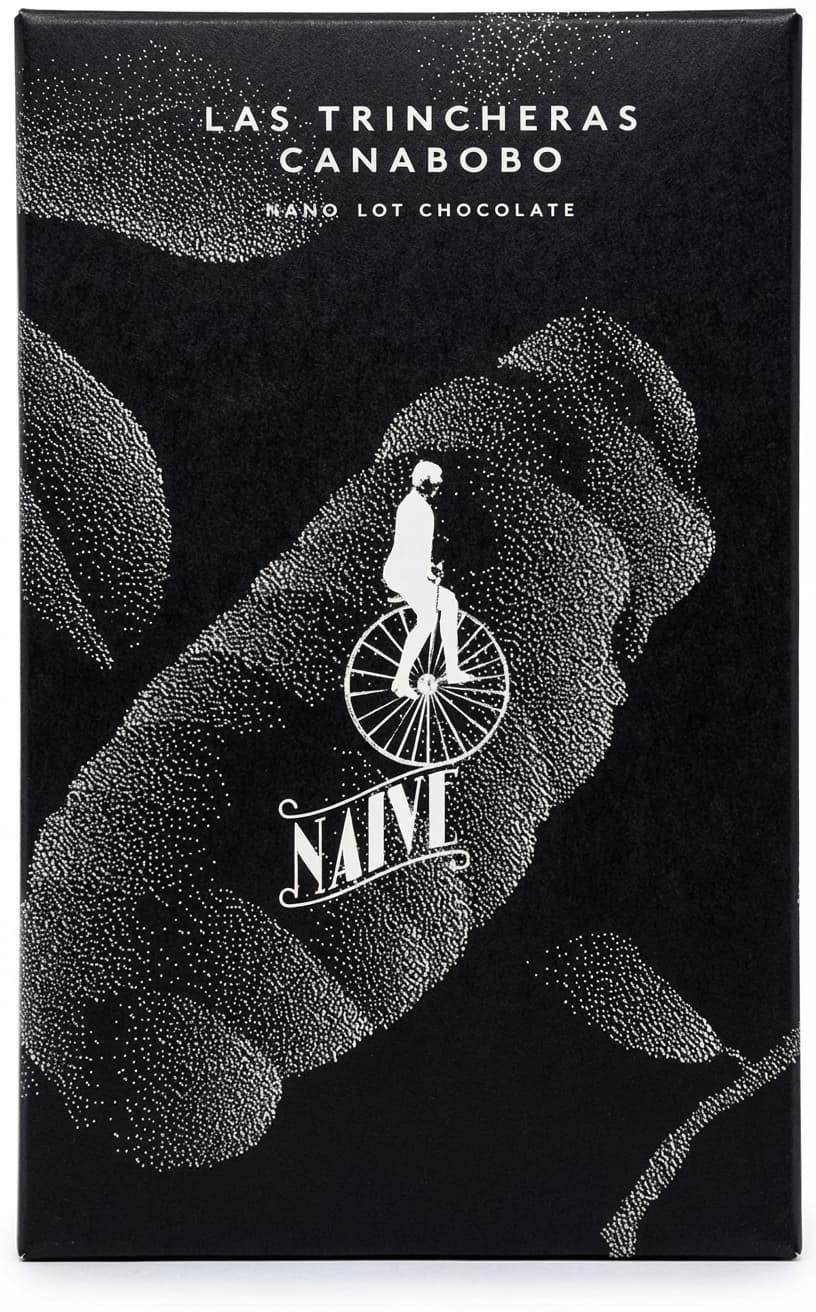 Naive
NaiveLas Trincheras
70%darkVenezuelaFive days in wooden boxes, turned on days two and four.
In the catalogue: Box · 120 h (5 days) · turning: twice (days 2 and 4)
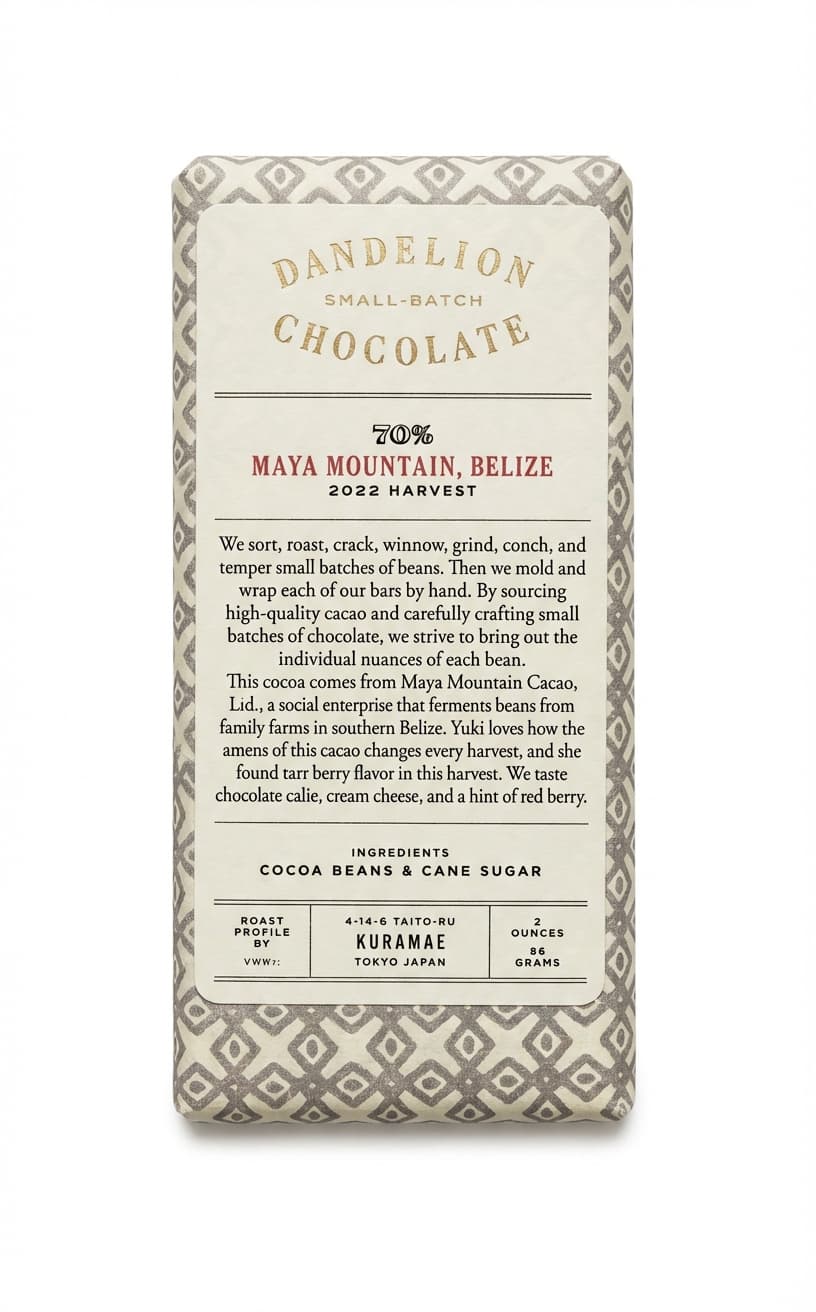 Dandelion Chocolate
Maya Mountain, Belize 2022 Harvest
70%darkBelizeFermented by Maya Mountain Cacao in Belize, in a line of boxes, for six to seven days.
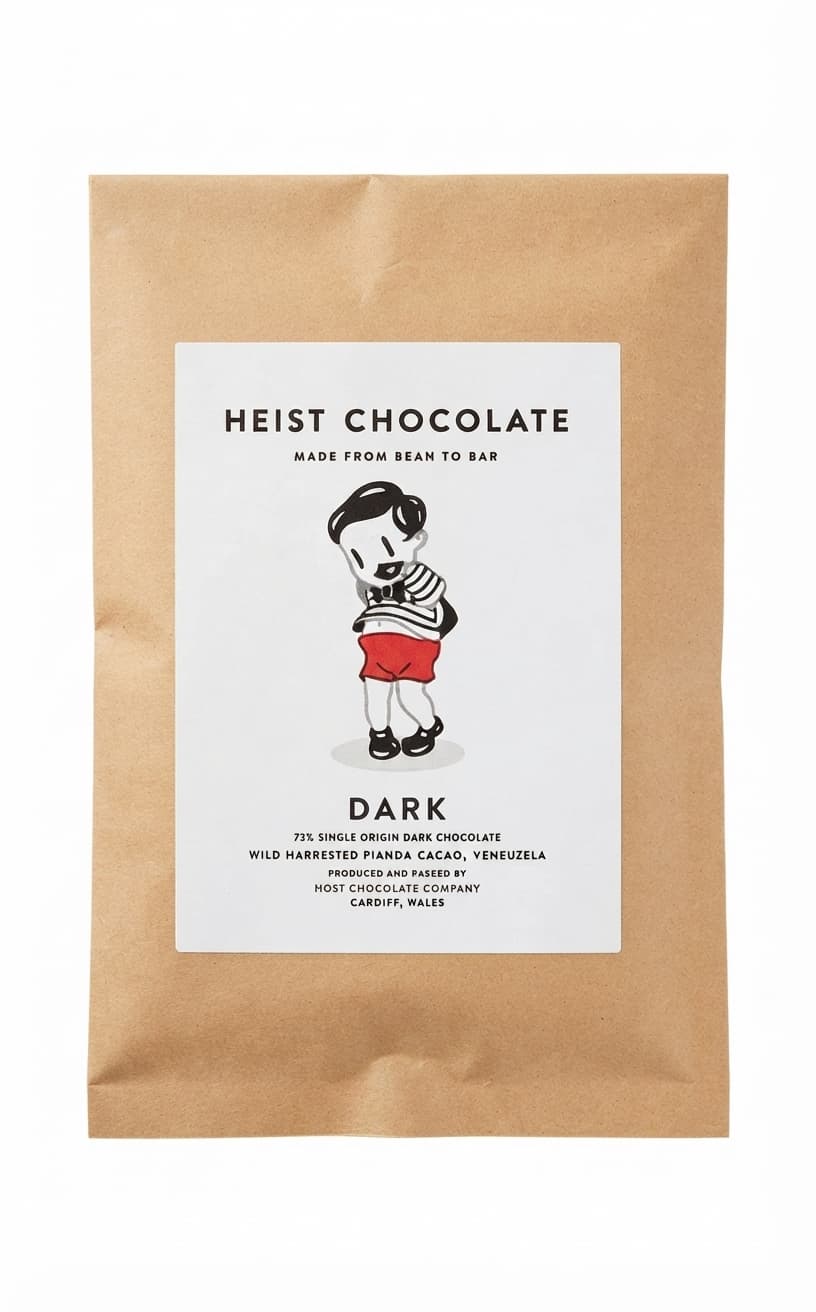 Heist Chocolate
Piaroa 70%
70%darkVenezuelaWooden boxes under leaves inside clay huts called churuatas, turned every 24 hours for six to seven days, then five days in the sun.
In the catalogue: Box · 144 h (6 days) · turning: every 24 hours · sun-dried
Co-ferments and a washed bean
Co-fermentation puts something else in the mass while the microbes work. kamm’s Palo Santo comes from cacao fermented with palo santo wood. Ivee Promenade, in Poland, gives dried Ugandan beans a second ferment with blackcurrant wine. ruvido’s Passatempo skips fermentation altogether. The Buzzz..ed Bar from BAR shows why the record matters. Its beans ferment for six ordinary days at Sadhu Farm near Mangalore, and the Maka di honey ale meets them only after drying, for two days. The wrapper calls it beer-fermented. It is beer-infused, a different step with a different effect.
 kamm
kammPalo Santo
85%darkEcuadorFermented with palo santo wood in the mass.
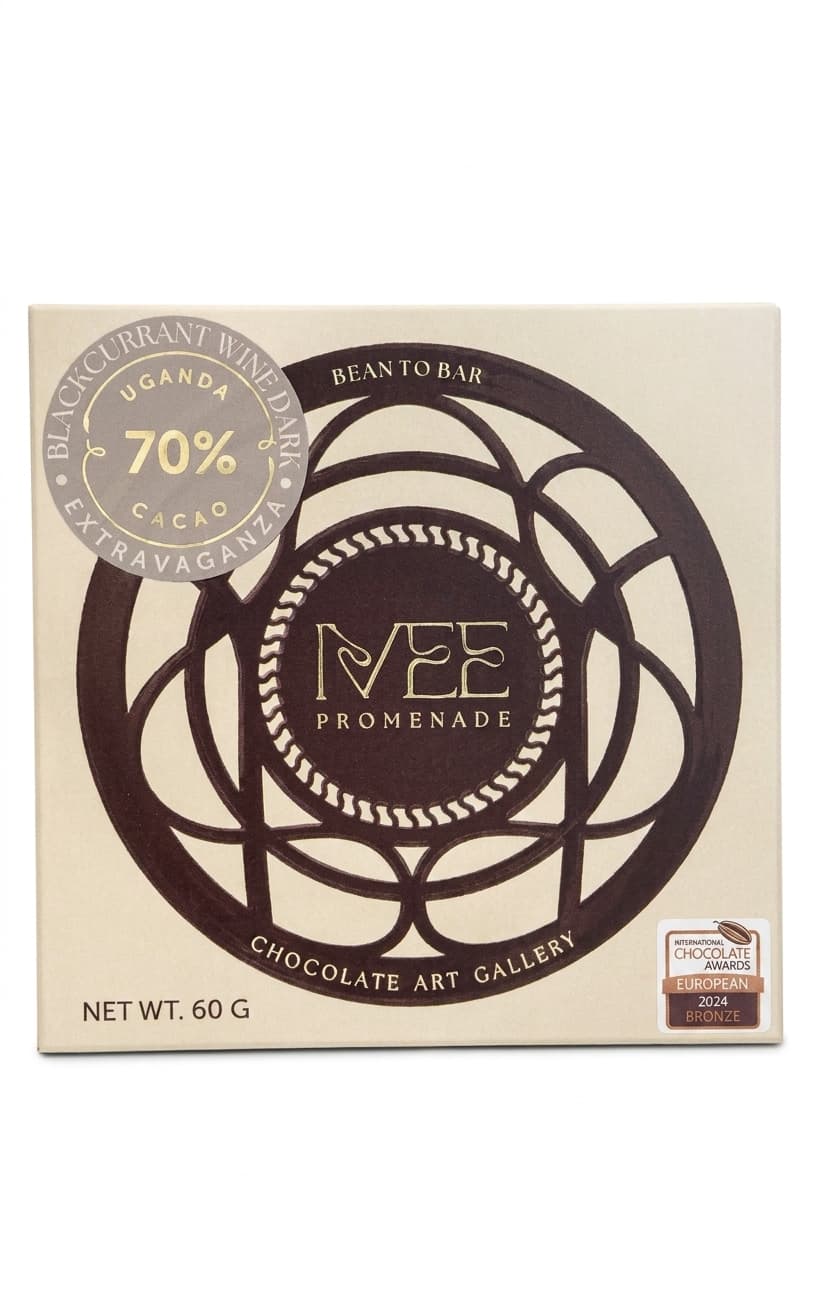 Ivee Promenade
Blackcurrant Wine Dark Extravaganza 70%
70%darkUgandaA second ferment with blackcurrant wine, after the beans reached Poland.
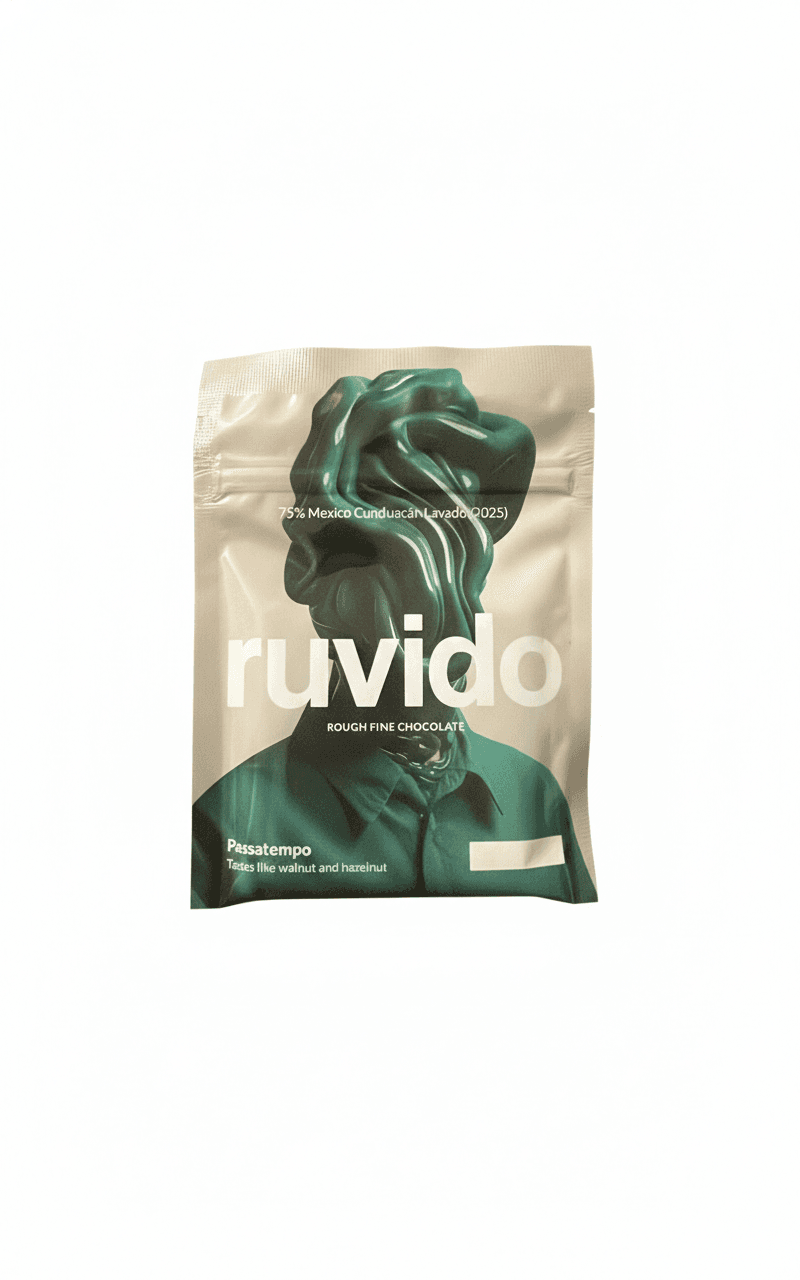 ruvido
Passatempo
75%darkMexicoLavado: washed and dried, never fermented.
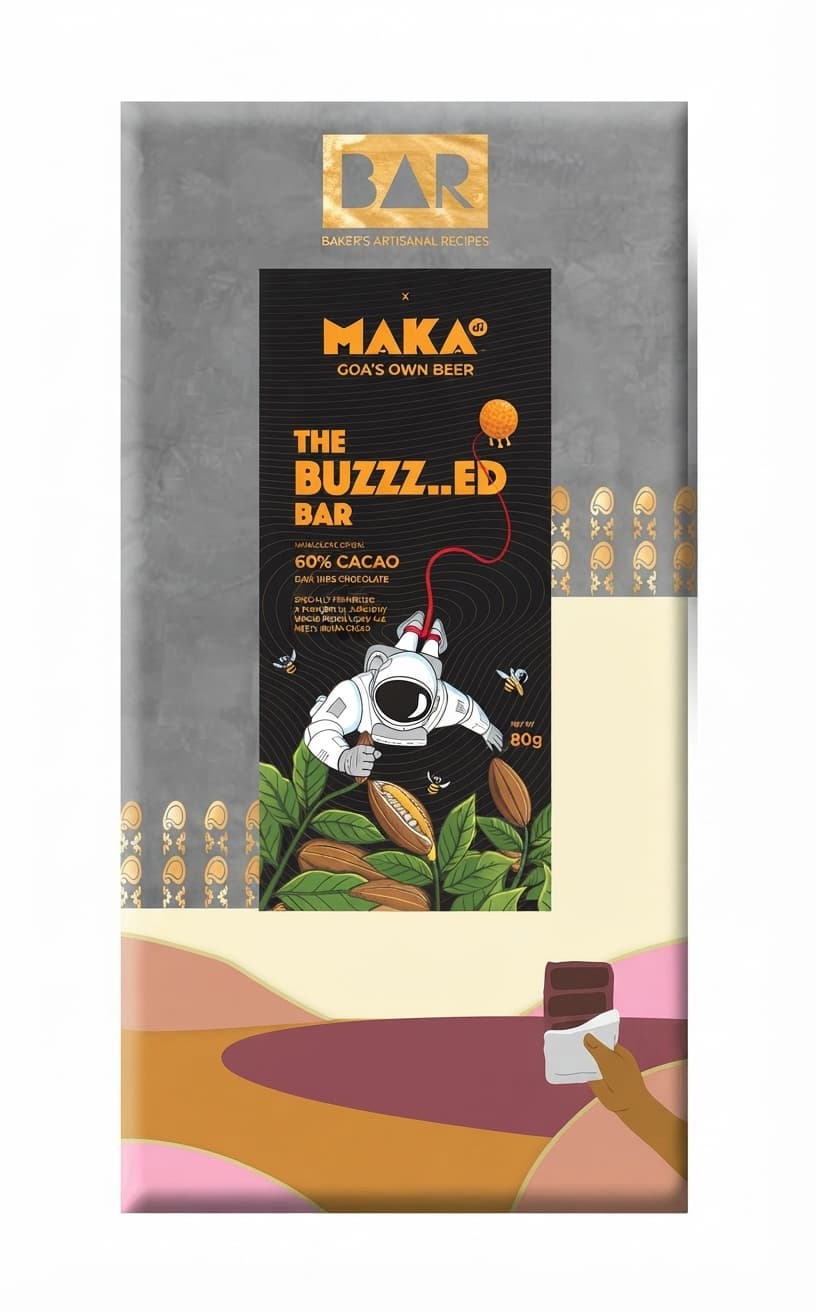 BAR Baker's Artisanal Recipes
The Buzzz..ed Bar 60% - Maka di beer infusion
60%darkIndiaSix days in the box at Sadhu Farm, turned four times, then solar dried. The beer is a two-day infusion of the dried beans.
In the catalogue: 144 h (6 days) · turning: 4 times over 6 days · solar-dried
Make bars? Add the fermentation method, days, turns and drying for each bar. A stated protocol counts toward the process part of the Chof Score.
How the beans were fermented
- Method
- Box, 1048 kg
- Length
- 5 days
- Turning
- 2 turns
- Drying
- 7 days, open-air sun
Origin and process
The trees set the range. Genetics and growing conditions decide how much sugar and aroma the pulp holds and how much pigment and polyphenol the seeds carry, and the ferment and the drying decide where in that range a bean ends up. In a 2018 analysis, the pulp of CCN51, a high-yielding clone, had weaker floral and fruity aromas than the pulp of two other varieties. In a 2026 study, nibs from three farms in Far North Queensland grouped by farm on their aroma compounds, and the balance of lactic to acetic acid, a trace of the ferment, differed between farms. Each farm grew its own trees and fermented and dried its own way, so the study cannot say which of those made the difference. A single-origin claim tells you where the pods grew and little about who fermented them.
Coffee has been here before. Washed and natural are old words, honey processing spread from Costa Rica in the mid-2000s, and anaerobic took off after Saša Šestić won the 2015 World Barista Championship with a carbonic-maceration coffee. The Fermentation Project, a public cupping Lucia Solis and James Hoffmann have set for 3 October 2026, splits one Guatemalan lot four ways: no fermentation, and 48-hour ferments that are wild, Lactobacillus-led or Saccharomyces-led. A consumer almost never gets to taste that experiment with cacao. Friis Holm’s two Chuno bars are the nearest thing on a shelf.
Keep exploring
Not sure which bar to pick? Tell us which bars you’ve tried and get personal recommendations.
Common questions about cacao fermentation
Is all chocolate fermented?
Almost all of it, from supermarket milk chocolate to a single-estate 100%. The exception is washed or lavado cacao, dried without fermenting and used by a few makers for its astringent, tannic character.
How long does cacao fermentation take?
Five to seven days for most cacao. Criollo-type beans with little purple pigment are often done in two or three days, and a mass left well past a week risks over-fermentation. Among the bars on Chof that state a duration, the median is 6 days.
What happens if cacao is not fermented?
The bean stays slaty or purple, astringent and bitter, and it forms far fewer of the amino acids and simple sugars the roast needs. Chocolate made from it tastes flat and tannic. A few makers sell it on purpose as washed cacao.
Is raw cacao fermented?
Usually, yes. "Raw" on a wrapper almost always means unroasted, and the beans were still fermented. A fermenting mass heats itself to 45 to 50 °C, above the 42 °C ceiling many raw-food labels use, a convention with no legal definition.
Which microbes ferment cacao?
Yeasts such as Hanseniaspora, Pichia and Saccharomyces lead in the first day or two, with lactic acid bacteria growing alongside them from the start. Acetic acid bacteria, mainly Acetobacter, take over once air reaches the mass. In 2025 a defined community of nine strains reproduced the attributes of fine-flavour cocoa.
What does over-fermented cacao taste like?
Hammy, cheesy, sweaty, smoky or medicinal. In a 2026 study, boxes left past day six built up guaiacol and 4-ethylphenol, the smoky and medicinal compounds, as the pulp pH climbed. Mikkel Friis-Holm puts it this way: too short and the bar stays bitter, too long and it drifts toward blue cheese.
What is co-fermented or double-fermented chocolate?
Co-fermented means something else was in the mass while it fermented: fruit, spice, wood or leaves. Double-fermented means the beans went through a second fermentation cycle, and how that is done varies by producer. Both differ from an infusion, where dried beans or nibs are soaked in beer, a spirit or a barrel after the ferment.
What is the cut test?
Dried beans are cut lengthwise, 300 at a time in the trade, and sorted by the colour inside. Brown and open is well fermented, purple is under-fermented and slaty grey never fermented. ISO 2451 caps the slaty and mouldy share by grade, and fermentaries also cut wet beans during the ferment to decide when to stop.
Does fermentation change how healthy chocolate is?
It lowers the polyphenols that make raw cacao astringent. In a 2021 study, epicatechin, the main cacao flavanol, fell by half to three quarters over five days of fermentation, and drying and roasting take more. "Raw" and "fermented" are not reliable health labels on their own.
Does Chof reward makers who disclose their fermentation?
Yes. A stated fermentation method, duration, turning schedule or drying method counts toward the process part of the Chof Score. Every named method earns the same credit, and fields a maker never disclosed stay blank.
Sources and further reading
- De Vuyst & Leroy (2020). Functional role of yeasts, lactic acid bacteria and acetic acid bacteria in cocoa fermentation processes. FEMS Microbiology Reviews 44(4), 432–453.The succession on this page, overlaps included: yeasts and lactic acid bacteria grow side by side for the first 24 to 36 hours.
- Schwan & Wheals (2004). The microbiology of cocoa fermentation and its role in chocolate quality. Critical Reviews in Food Science and Nutrition 44(4).The textbook temperature curve, and over-fermentation as a rise of bacilli and moulds.
- De Vuyst & Weckx (2016). The cocoa bean fermentation process: from ecosystem analysis to starter culture development. Journal of Applied Microbiology 121(1).The review behind the starter-culture work on this page.
- Krause & Steinhaus (2026). Off-flavor compounds in fermented cocoa: impact of overfermentation. Journal of Agricultural and Food Chemistry 74(29), 23069–23080.Two boxes split at day six. In the half of the Nicaraguan box left in, the pulp pH rose from 4.6 to 8.5, and the smoky and medicinal phenols rose in both.
- Krause & Steinhaus (2025). Molecular sensory analysis confirms wood smoke exposure as a source of smoky off-flavors in fermented cocoa. Journal of Agricultural and Food Chemistry 73(31), 19663–19669.Wood smoke leaves the same family of smoky phenols as over-fermentation. 2,6-dimethoxyphenol is the suggested marker of smoke contact.
- ISO 2451:2017. Cocoa beans: specification and quality requirements.Grade limits from the cut test: grade 1 allows at most 3% mouldy and 3% slaty beans, grade 2 allows 4% and 8%.
- European Cocoa Association, CAOBISCO and FCC (2023). Cocoa beans: chocolate and cocoa industry quality requirements, second edition.The cut test as the trade runs it: 300 beans cut lengthwise through the middle. Under FCC contract terms, Good Fermented allows at most 5% slaty and 5% defective beans, Fair Fermented 10% and 10%.
- Fermentation and chemical composition as determinants of genetic and biochemical variation in cocoa (Theobroma cacao L.) bean colour (2026). Scientific Reports 16, 14492.Why bean colour is a fermentation signal, with a genetic exception.
- Calvo et al. (2021). Dynamics of cocoa fermentation and its effect on quality. Scientific Reports 11, 16746.Epicatechin fell by 51 to 78% by the fifth day of fermentation.
- Dias et al. (in press, January 2027). Modulation of cocoa fermentation by co-inoculation of Pichia kluyveri CCMA0237 and Hanseniaspora uvarum CCMA0236: targeted chemical profiling and chocolate quality. International Journal of Food Microbiology 462.Two yeasts added at the start raised free amino acids by 35.5% at 144 hours against a spontaneous control.
- Martínez Muñoz et al. (2025). Application of selected starter cultures in cocoa fermentation: effects on sensory-related volatile and non-volatile organic compounds. International Microbiology 28(8), 2609–2618.A four-strain starter of Saccharomyces cerevisiae, Pichia kudriavzevii, Levilactobacillus brevis and Acetobacter okinawensis raised 2-phenylethanol, the rose note.
- Gopaulchan et al. (2025). A defined microbial community reproduces attributes of fine flavour chocolate fermentation. Nature Microbiology 10(9).Nine strains, five bacteria and four fungi, chosen after sampling 66 ferments on three Colombian farms.
- Eskes, Ahnert, Assemat & Seguine (2009). Evidence for the effect of the cocoa bean flavour environment during fermentation on the final flavour profile of cocoa liquor and chocolate. INGENIC Newsletter 12.One kilo of wet Amelonado beans and one kilo of fruit pulp per bag, in the middle of a six-day box. The authors described the nibs and chocolates, and about 20 amateurs in Montpellier compared the chocolates blind.
- Santander et al. (2026). Modulating flavour-related metabolites in cacao fermentation using bioreactors: impact on quality. LWT 255, 119781.A ferment held at 45 °C made more reducing sugars and peptides and fewer phenolics than the comparison lots.
- Chagas-Junior et al. (2026). Effects of partial pulp removal on microbial dynamics and metabolite profiles during on-farm cocoa fermentation. Foods 15(17), 2976.Three boxes on one Amazon farm: all pulp, a quarter removed, half removed. Time in the box and pulp removal both moved the acids.
- Chetschik et al. (2018). Investigations on the aroma of cocoa pulp (Theobroma cacao L.) and its influence on the odor of fermented cocoa beans. Journal of Agricultural and Food Chemistry 66(10), 2467–2472.The pulp of CCN51 had weaker floral and fruity aromas than the pulp of FSV41 and UF564. Through the ferment, some aroma compounds stayed richer in the pulp and others in the bean.
- Wang & Bekker (2026). Compositional profiling of volatile and non-volatile compounds in Australian cocoa nibs: insights into origin-dependent variability. Food Chemistry: X 38, 104220.Nibs from three Far North Queensland farms grouped by farm. Genotype was not held constant.
- Mars, Inc. US patent application 2015/0374007 A1 (filed 2014, published 2015, abandoned).Cocoa fermented in a sealed container at 28 to 50 °C for one to seven days, with an optional yeast starter.
- Friis-Holm Chokolade (2024). Friis-Holm chocolate: uncompromising quality. A Falstaff profile, reprinted on the maker’s site.Mikkel Friis-Holm on how long a ferment should run, and how the double- and triple-turned Chuno bars differ.
- Friis-Holm Chokolade. Madagascar Slow Dried 64%.The two drying schedules: eight hours of sun a day from day one, or two, four and six hours on the first three days, then eight.
- Kokoa Kamili. Operations.A partial overnight drain, then six days in three-tier cascade boxes lined with banana leaves and rice bags, and five to seven days on drying tables.
- Svenska Kakao. Chocolate bars from Tanzania.Kokoa Kamili beans: about six days in eucalyptus boxes, turned on days three and five, then sun-dried on raised beds.
- Friis-Holm Chokolade. Rugoso 70% Bad Fermentation.A short ferment on purpose, in which not all of the beans turned brown.
- Craft Chocolate Store. ZOTO Rugoso Nicaragua Dark 75%, with the maker’s protocol.A 1048 kg box for five days with two turns, then seven days of sun drying on wooden platforms, to a profile ZOTO drew up for Ingemann.
- Craft Chocolate Store. ZOTO Ganzo Peru 75%, with the maker’s protocol.Six days in a pre-drained 650 kg wooden box, turned four times.
- Craft Chocolate Store. ZOTO Yunga Ecuador 80%, with the maker’s protocol.Five days in pre-drained crates holding 250 kg, turned three times.
- Taman Chocolates. Tamna čokolada 74% Mana (in Croatian).Fermented centrally for four days in three-tier wooden cascade boxes, then dried on covered beds for eight to ten days.
- Amedei. Blanco de Criollo.Seven days in tiered wooden boxes, then seven to twelve days drying slowly in solar tunnels.
- Heist Chocolate. Origin.Wooden boxes under leaves inside Piaroa clay huts, turned every 24 hours for six to seven days, then five days of sun.
- Oialla. From bean to bar.Wild Beniano beans fermented in baskets for three days, then dried on a suspended nylon tarp.
- Bullion Chocolate. Origins. Read in September 2026.Ghana: heap fermentation covered with banana leaves, then direct sun drying.
- Dandelion Chocolate (2026). The story behind Maya Mountain Cacao.A line of fermentation boxes in Toledo, Belize, five to seven days.
- The Fermentation Project (2026). Lucia Solis and James Hoffmann: one coffee lot, four treatments, one public cupping on 3 October 2026.One Guatemalan lot: no fermentation, a wild ferment, a Lactobacillus culture and a Saccharomyces culture.
- Cocoa Runners (29 December 2025). Nine predictions for chocolate in 2026.Names Fu Wan, Friis Holm, Mestiço, Baiani and Ivee Promenade among the makers working with fermentation.
Chof Monthly
One email a month: the bars and makers added to Chof, the highest Chof Scores among them, and where to buy them.