Chocolate by Cacao Origin
Cacao origin is where the beans grew. The maker country is where the bar was made. Browse chocolate by cacao-producing country and see how each origin tends to taste.
Where chocolate comes from
The short history, and who grows cacao today.
Chocolate begins with the cacao tree, domesticated more than 5,000 years ago in the upper Amazon of present-day Ecuador. The Olmec, Maya and Aztec of Mesoamerica were the first to turn cacao into a drink, long before it reached Europe. The chocolate bar itself is a 19th-century European invention, from Van Houten's cocoa press in 1828 to Fry's first eating bar in 1847 and Swiss milk chocolate in 1875.
Today most cacao grows far from where it began. Côte d'Ivoire is the largest producer at about 38% of world output in the February 2025 forecast for the 2024/25 crop, followed by Ghana at 12%; Africa as a whole grows about 70% of the world's cacao. The countries that make the most chocolate, such as Switzerland, Belgium and the United States, are different again. The fine-flavour origins craft makers prize are spread across South America, the Caribbean and a handful of islands, which is what this catalog reflects.
Top cacao-producing countries
| Country | Share of world cacao |
|---|---|
| Côte d'IvoireWest Africa | 38% |
| GhanaWest Africa | 12% |
| EcuadorSouth America | 10% |
| NigeriaWest Africa | 7% |
| CameroonCentral Africa | 7% |
| BrazilSouth America | 4% |
| Other producersRest of the world | 21% |
Shares of the 2024/25 world crop of 4.84Mt, in the February 2025 forecast. Source: ICCO Quarterly Bulletin of Cocoa Statistics, Vol. LI No. 1, 2024/25 cocoa year. Each row is rounded on its own, so the column comes to 99%. ICCO revises these every quarter, and its August 2026 estimate puts the same crop at 4.73Mt without a country breakdown. Volume is all this table counts: what growers are paid, and how the cacao was grown, sit outside it and outside the Chof catalog. The largest producers are mostly not the fine-flavour origins the bars on Chof come from, though Ecuador is both.
Most common origins on Chof
Each origin's share of the bars in the Chof catalog, not of world production.
Chof indexes chocolate bars across 50 cacao origins. In the catalog, Peru is the most common origin, at about 12% of bars, followed by India and Ecuador. India ranking this high is a quirk of the catalog, not of world production.
How each origin tastes
Tasting notes recorded most often across each origin's dark bars on Chof.
Origin is one of the strongest predictors of how a bar will taste. How the beans are fermented, roasted and turned into chocolate moves the profile on from there, so two bars from one origin can sit a long way apart.
| Origin | Typical flavour | Bars on Chof |
|---|---|---|
| PeruCriollo, Trinitario | Floral, Citrus, Honey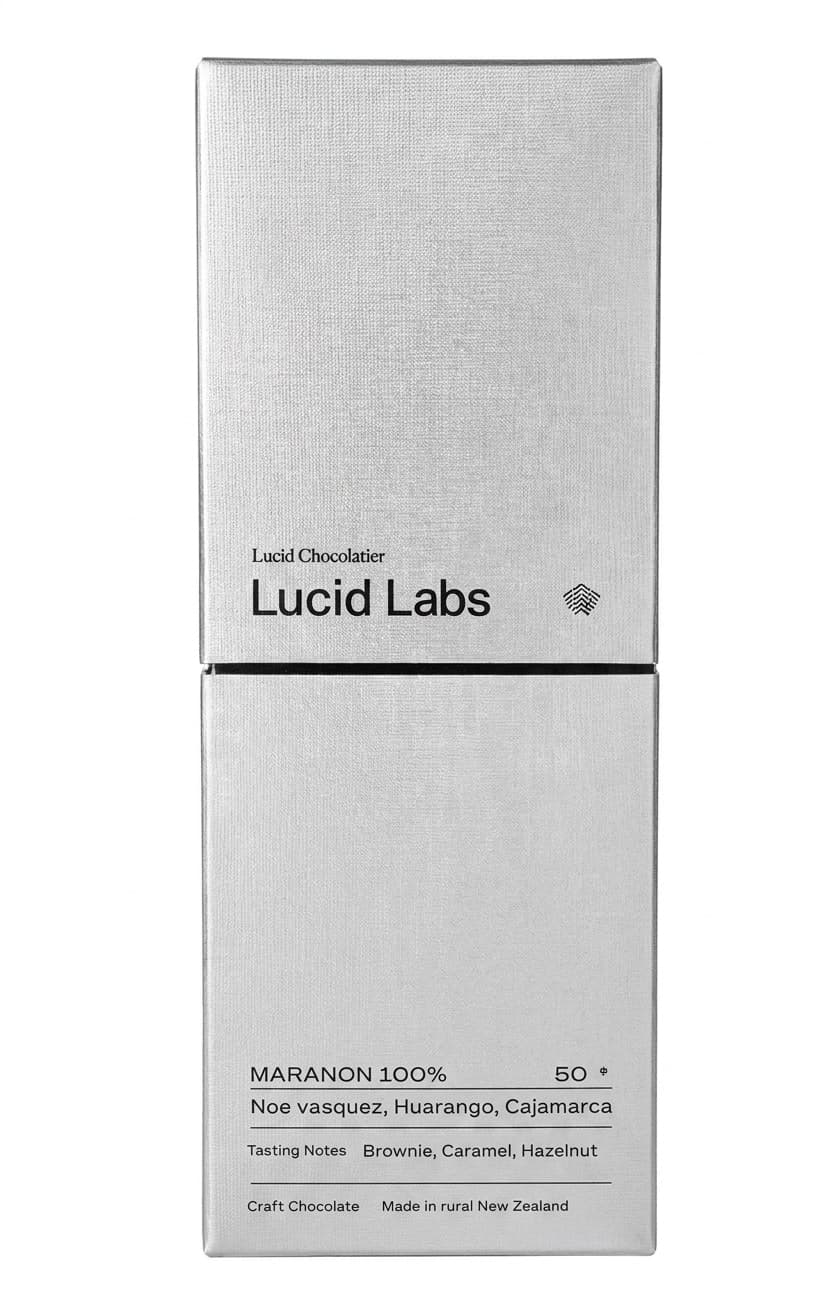 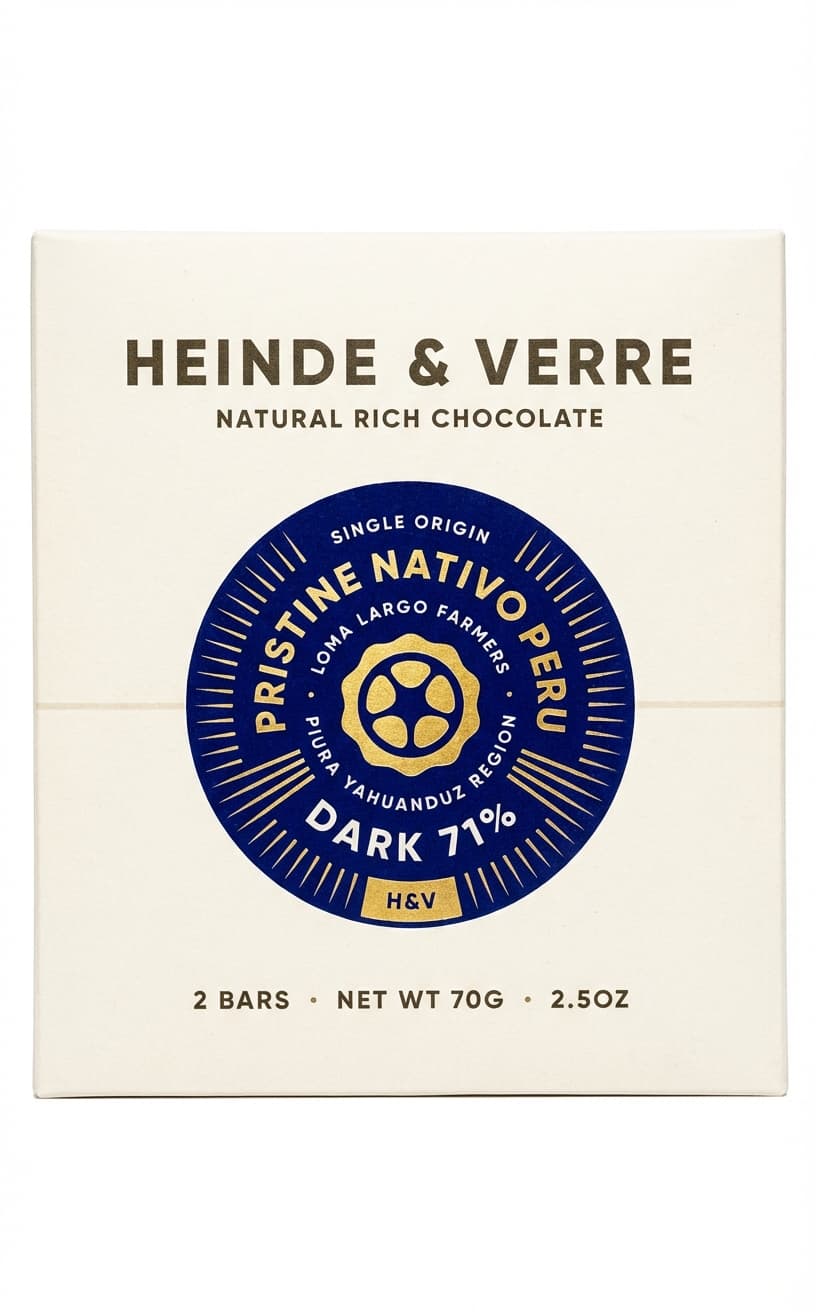 | 250 |
| IndiaForastero, Trinitario | Citrus, Jaggery, Raisin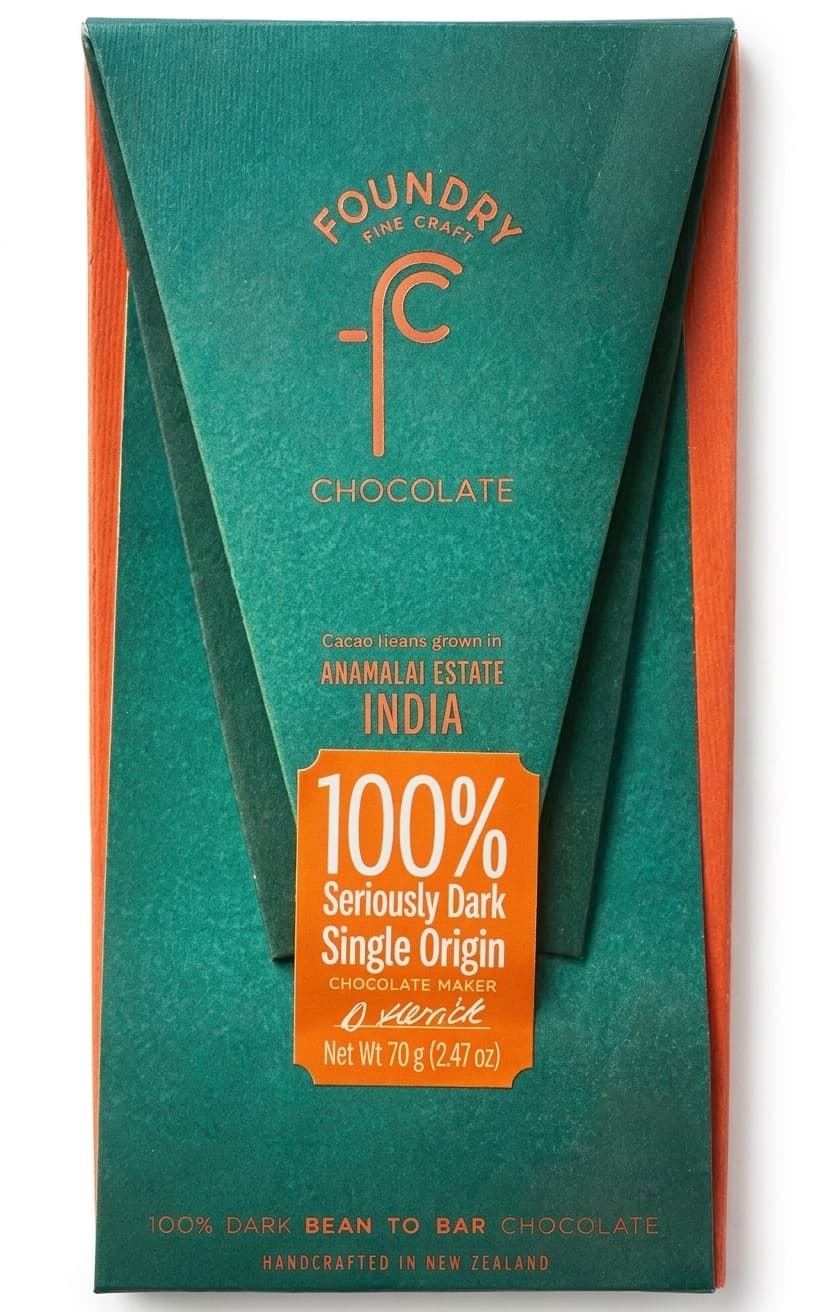 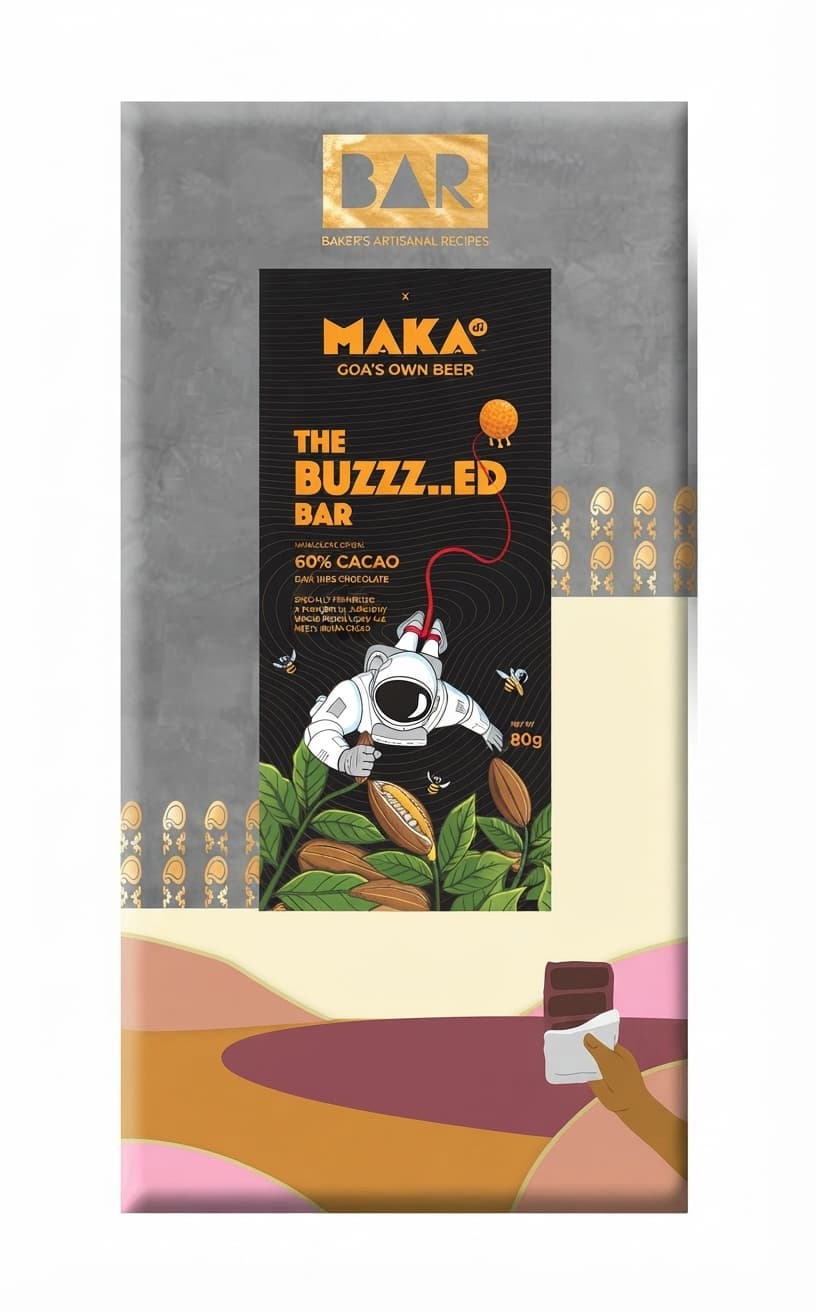 | 246 |
| EcuadorNacional (Arriba) | Floral, Nutty, Honey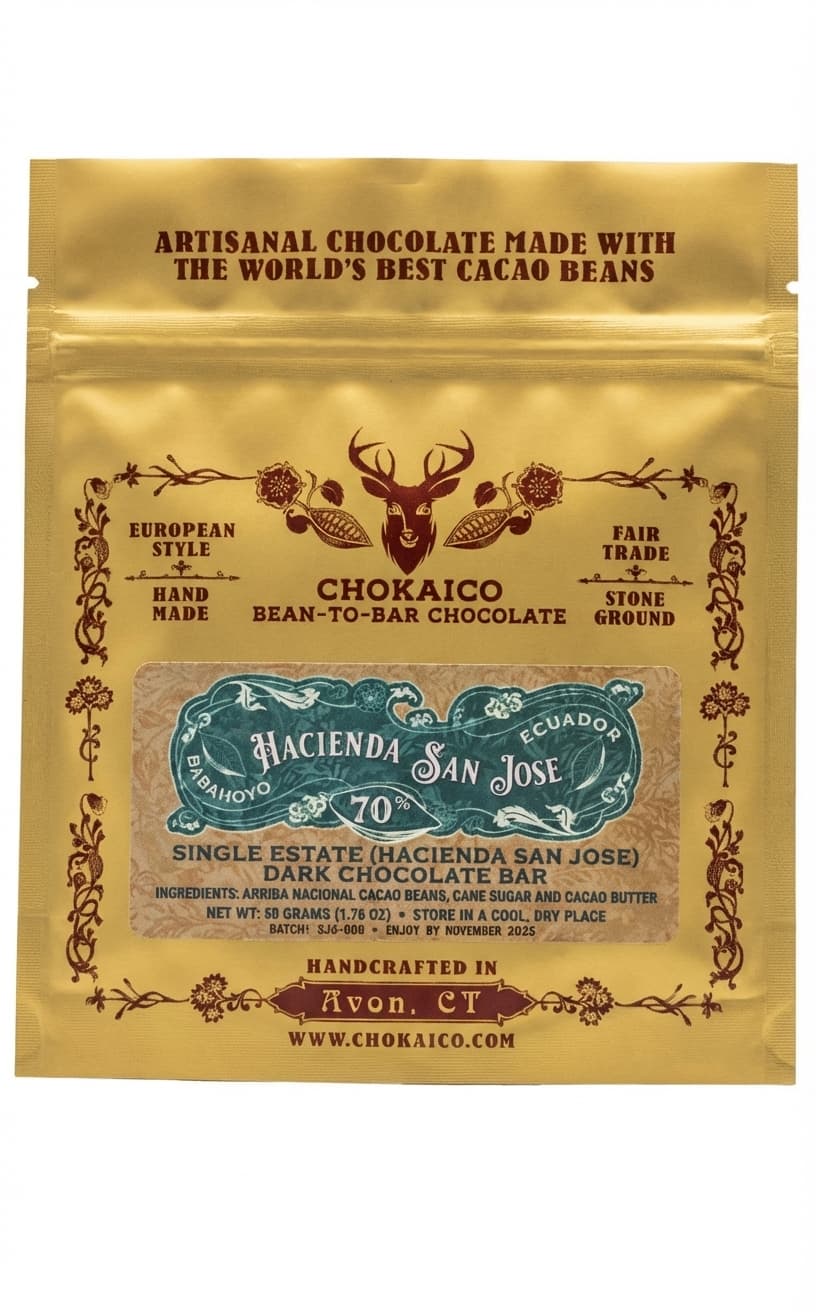 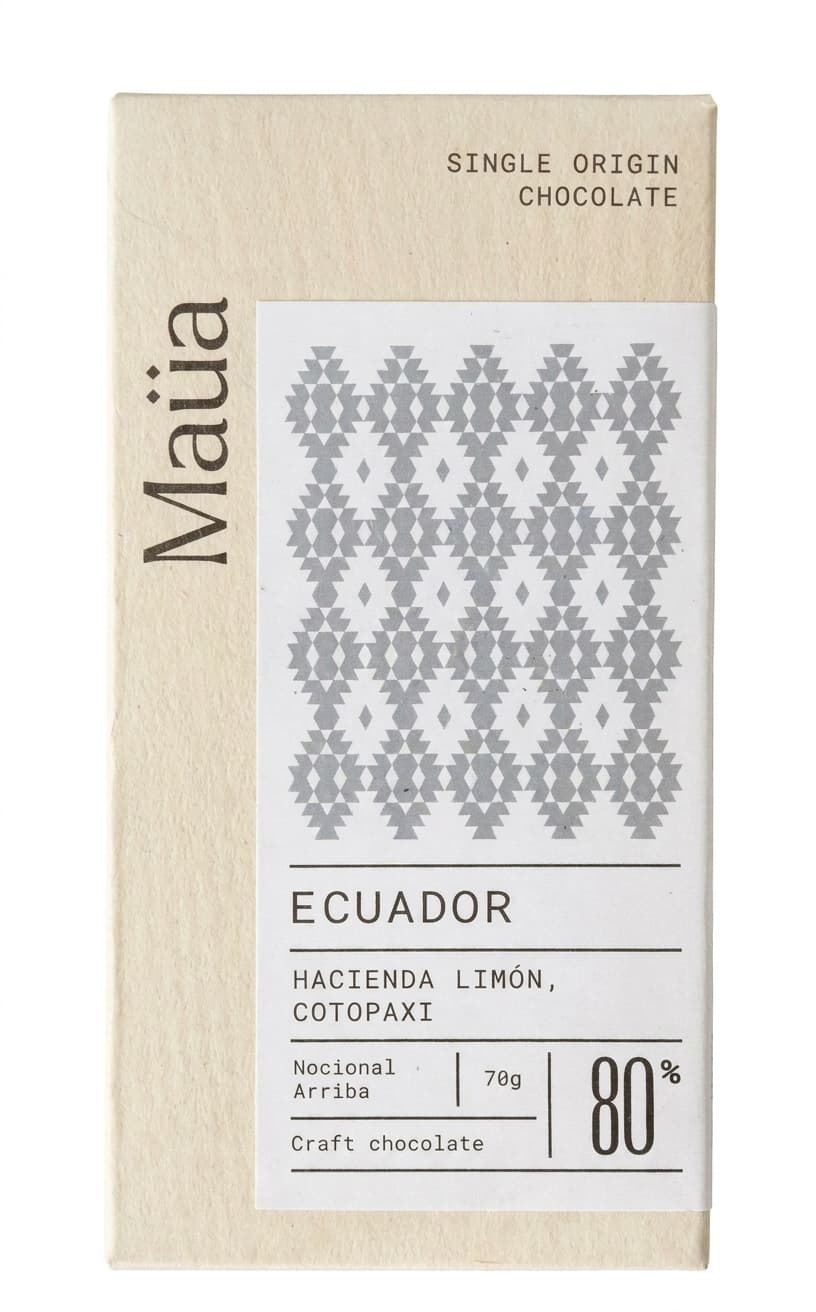 | 184 |
| Dominican RepublicTrinitario (Hispaniola) | Red Fruit, Caramel, Nutty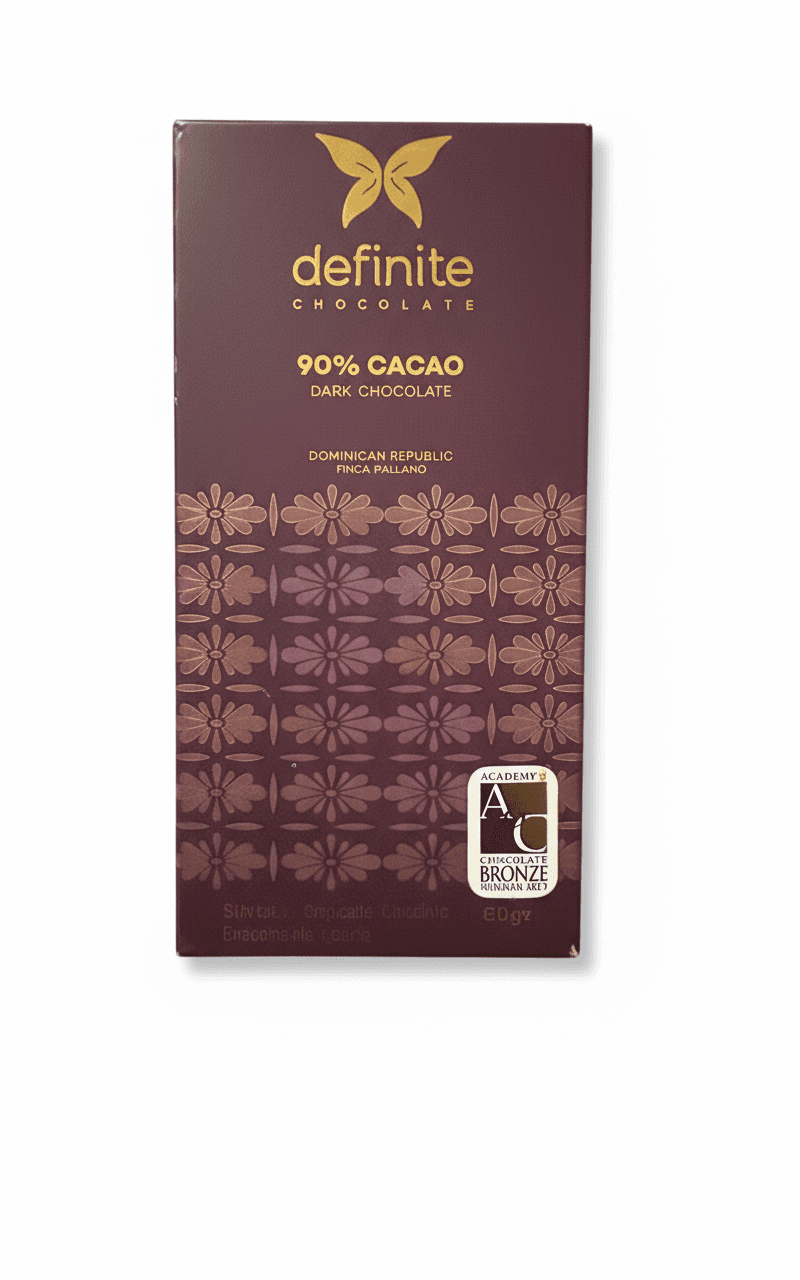 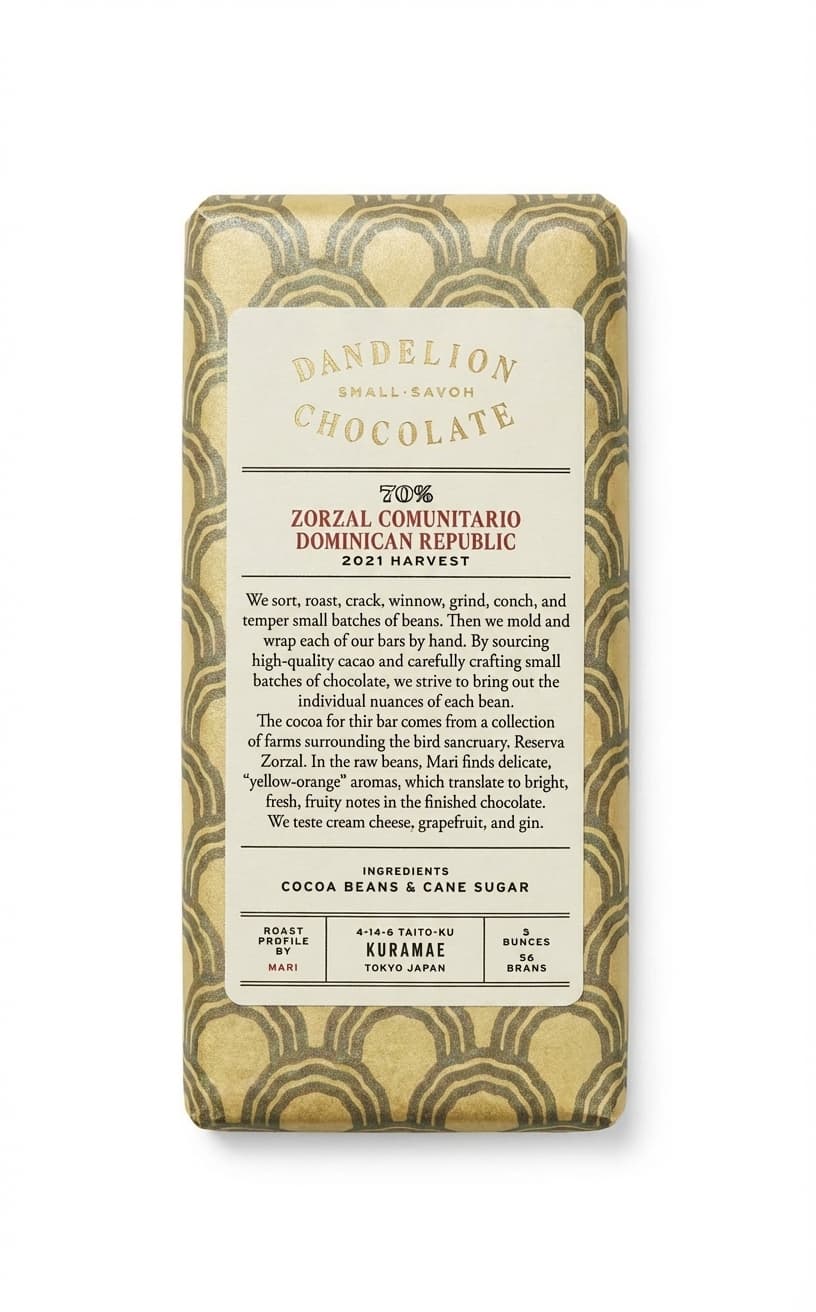 | 132 |
| BrazilForastero, hybrids | Dried Fruit, Citrus, Earthy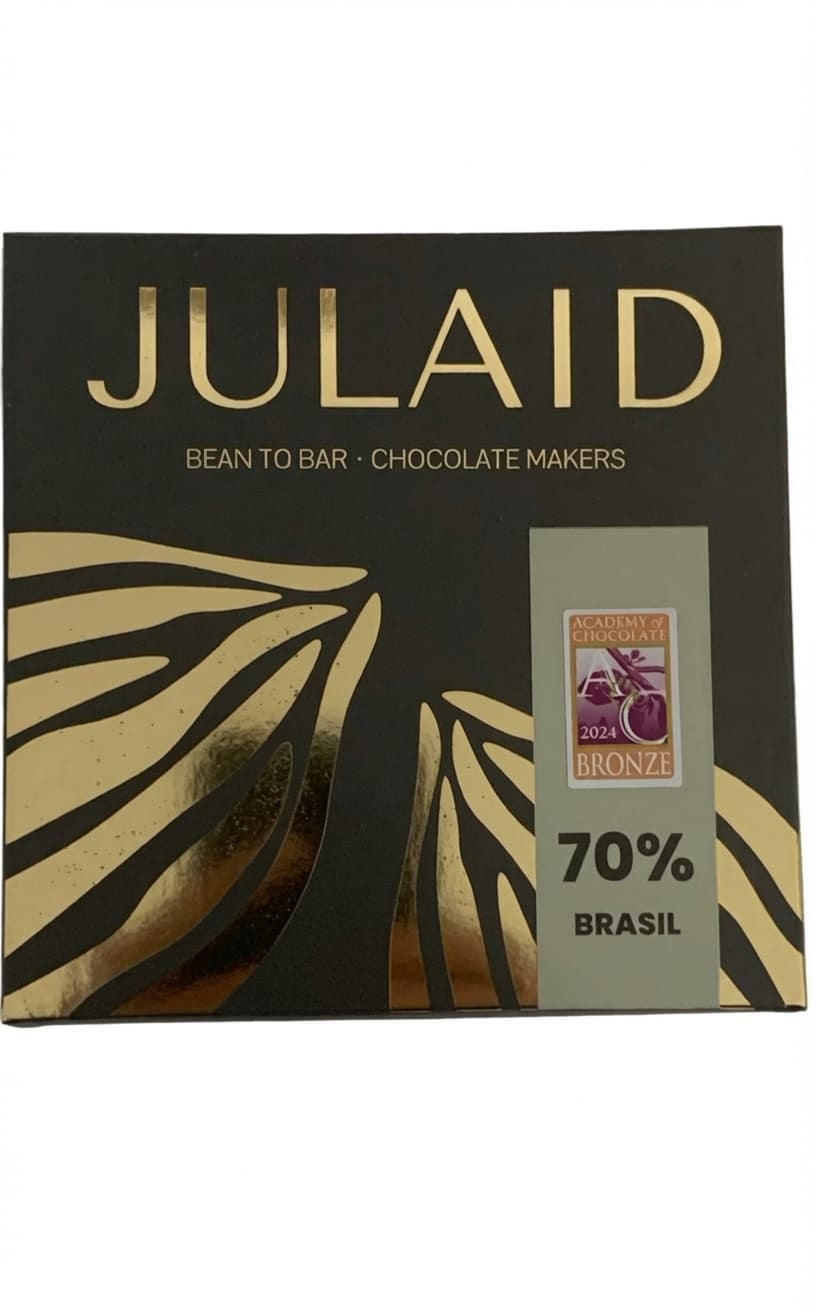 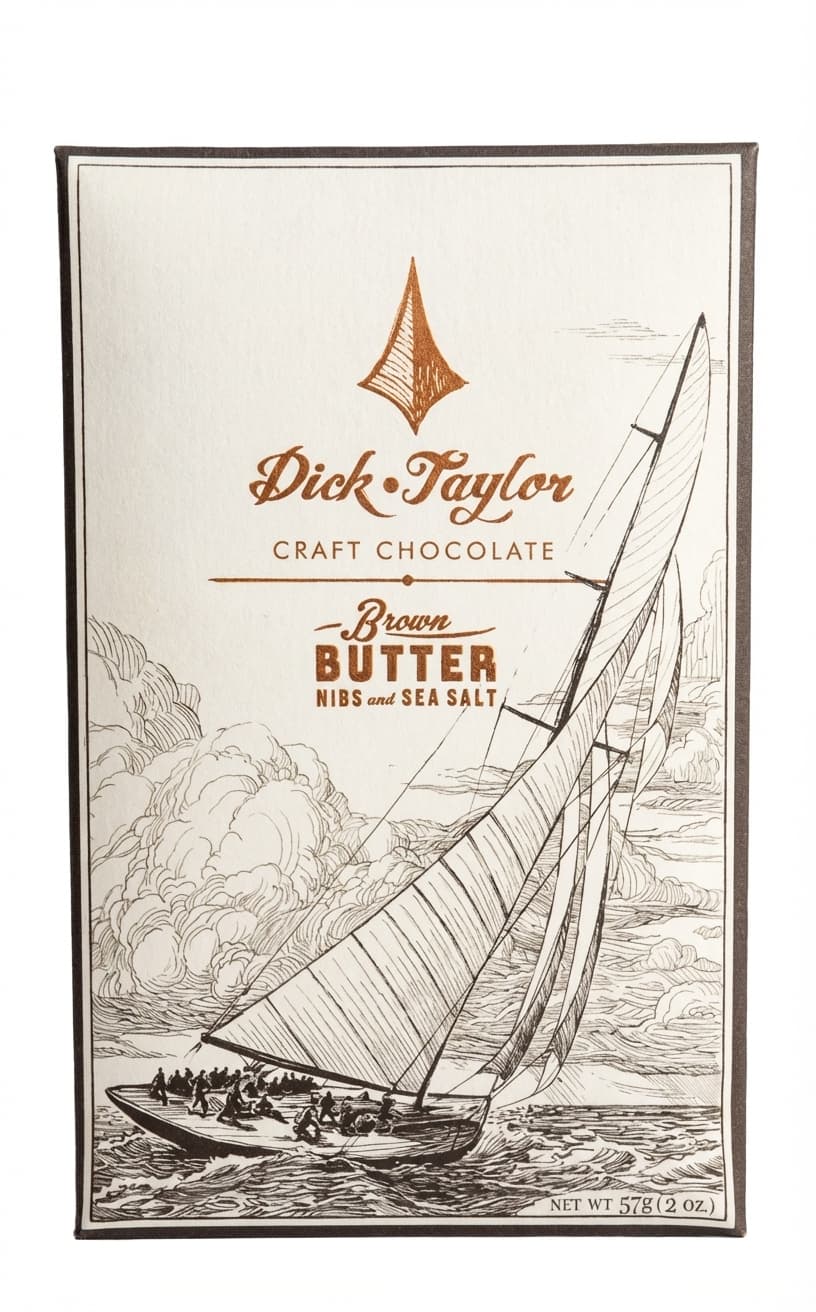 | 109 |
| ColombiaTrinitario, Criollo | Red Fruit, Woody, Nutty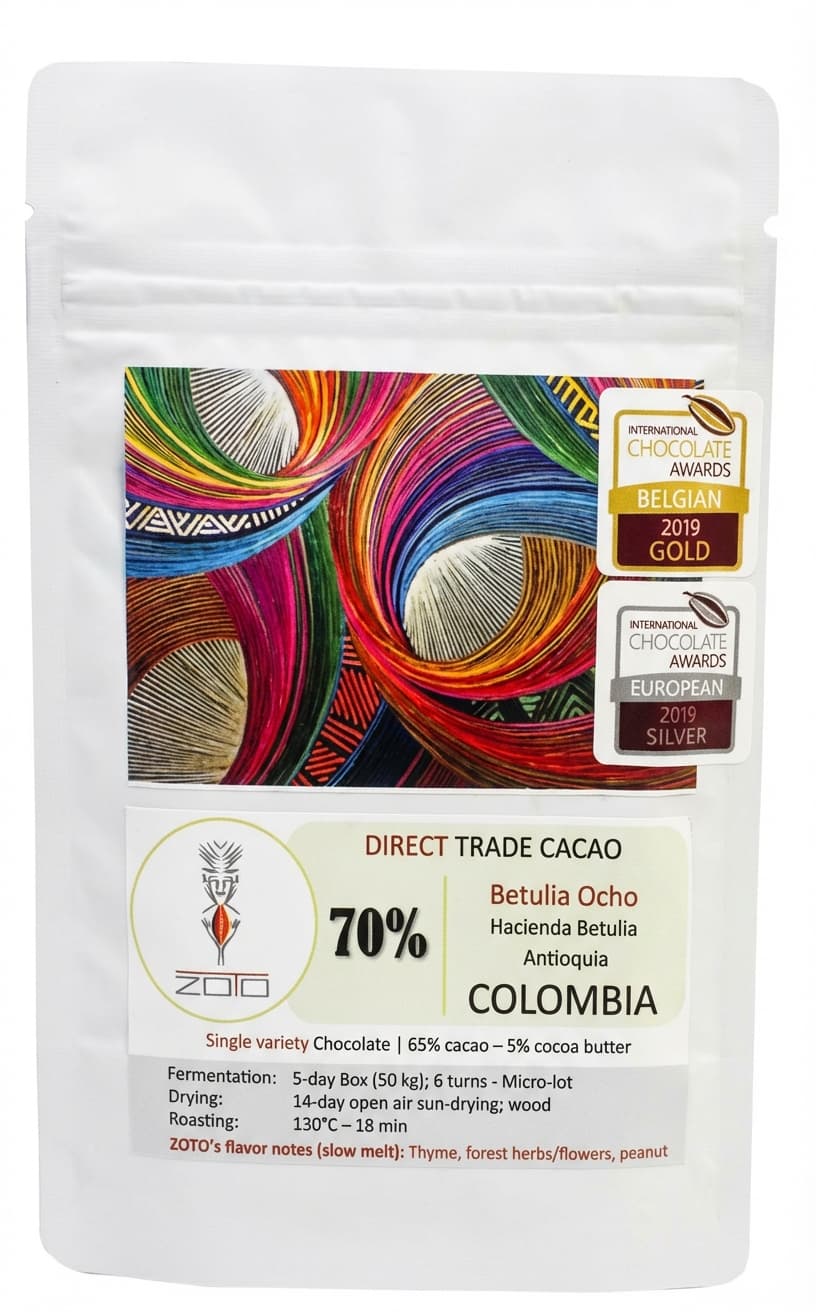 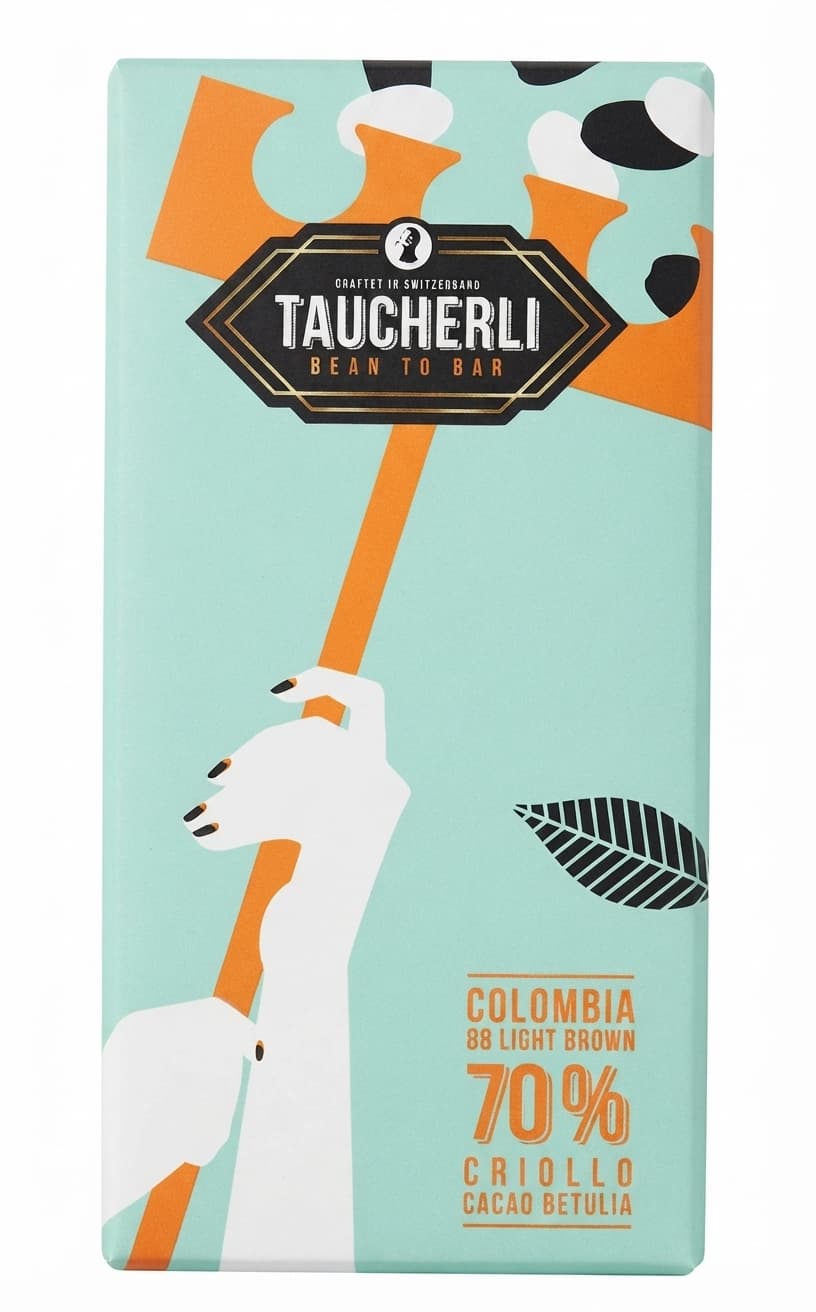 | 108 |
| GhanaForastero | Coconut, Walnut, Brownies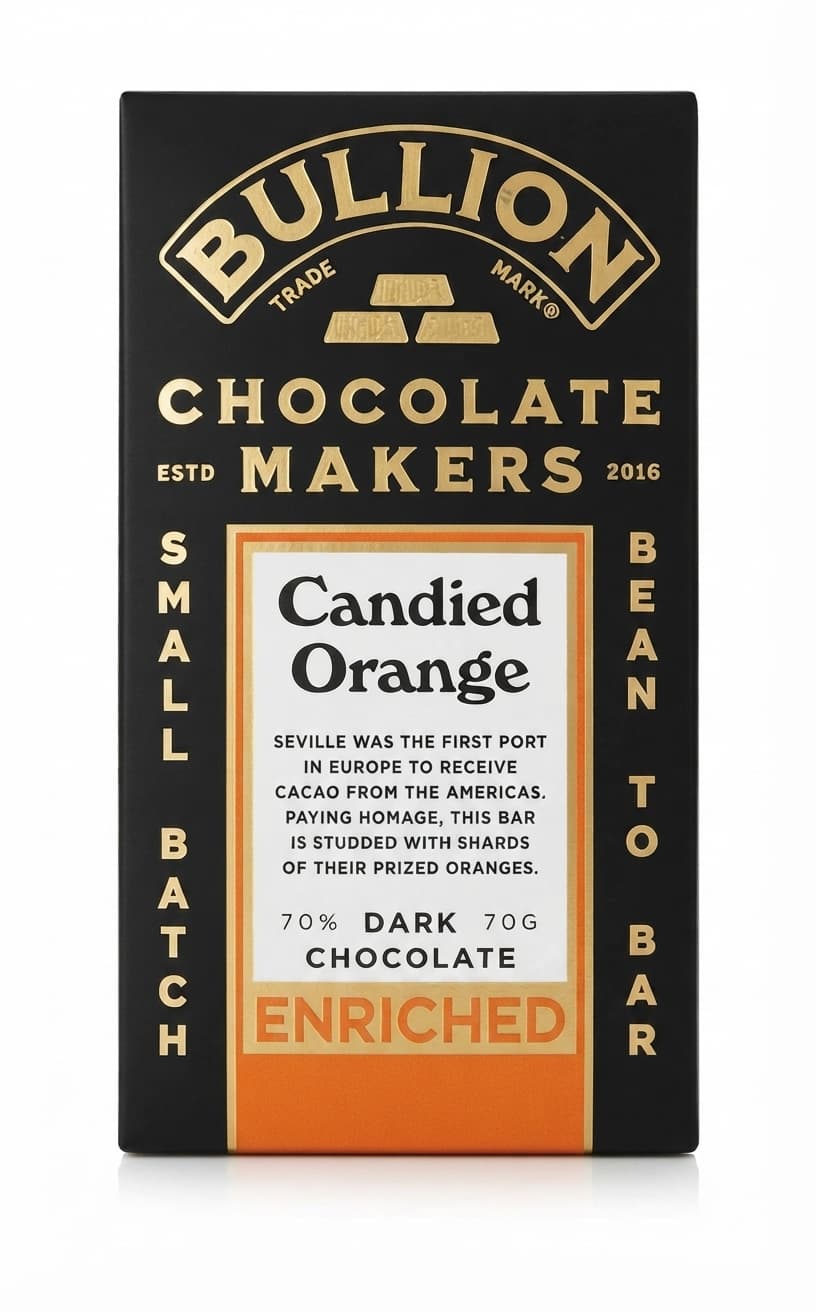 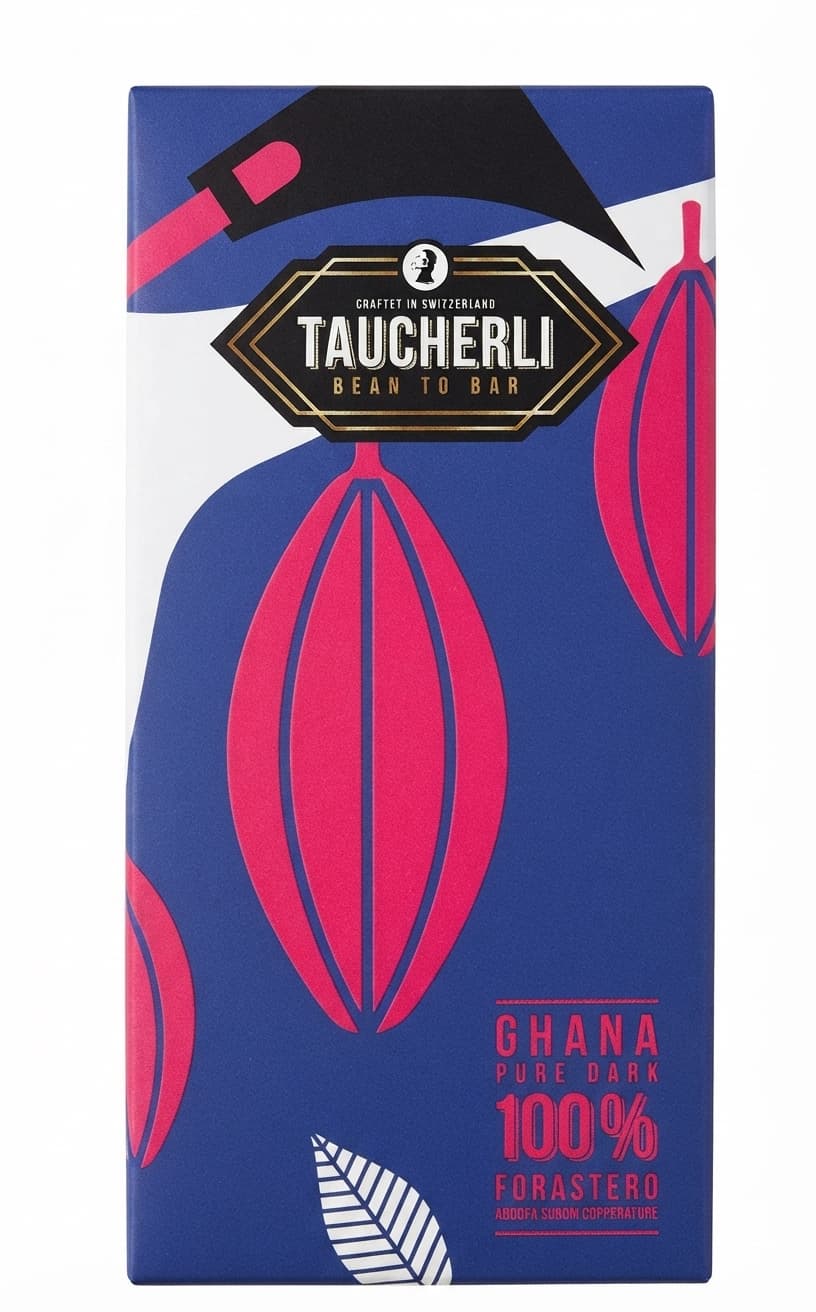 | 106 |
| TanzaniaTrinitario | Red Fruit, Citrus, Cherry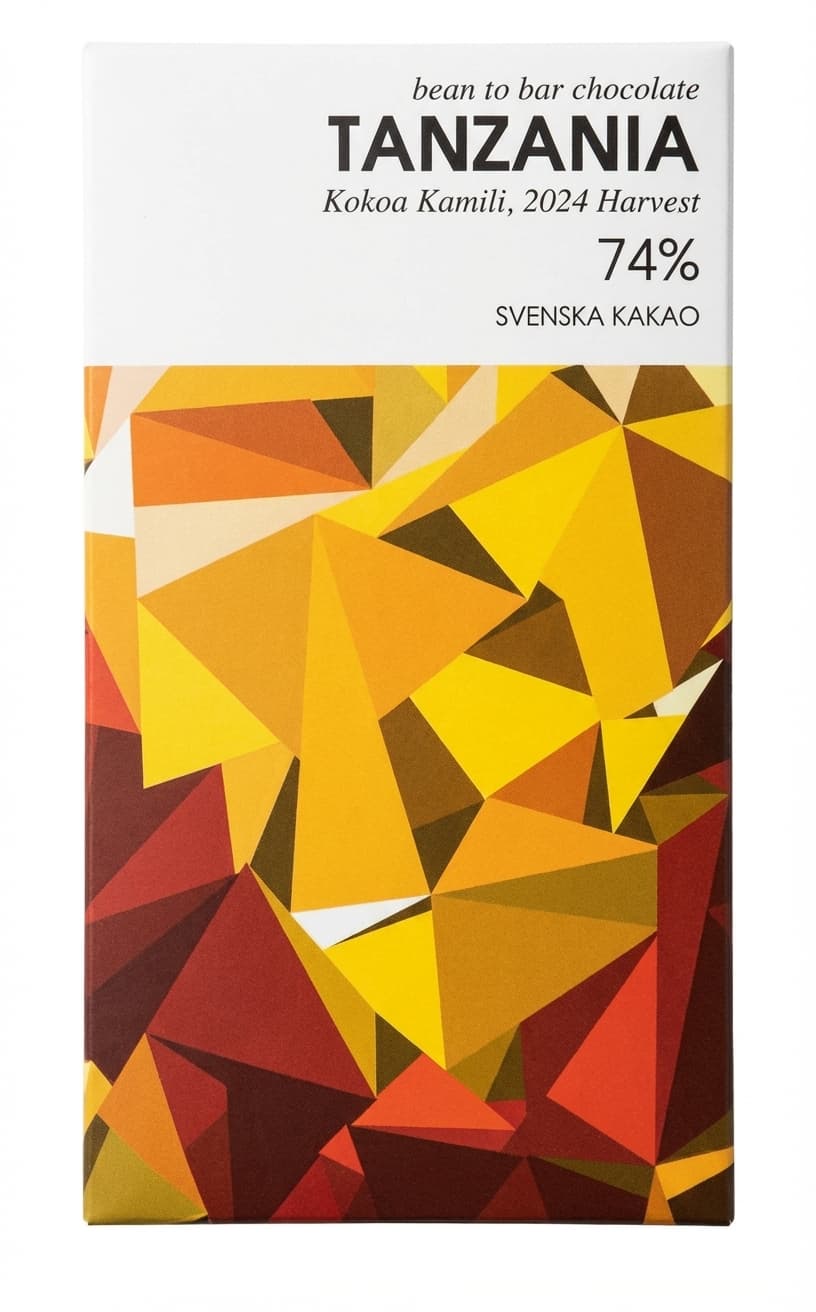 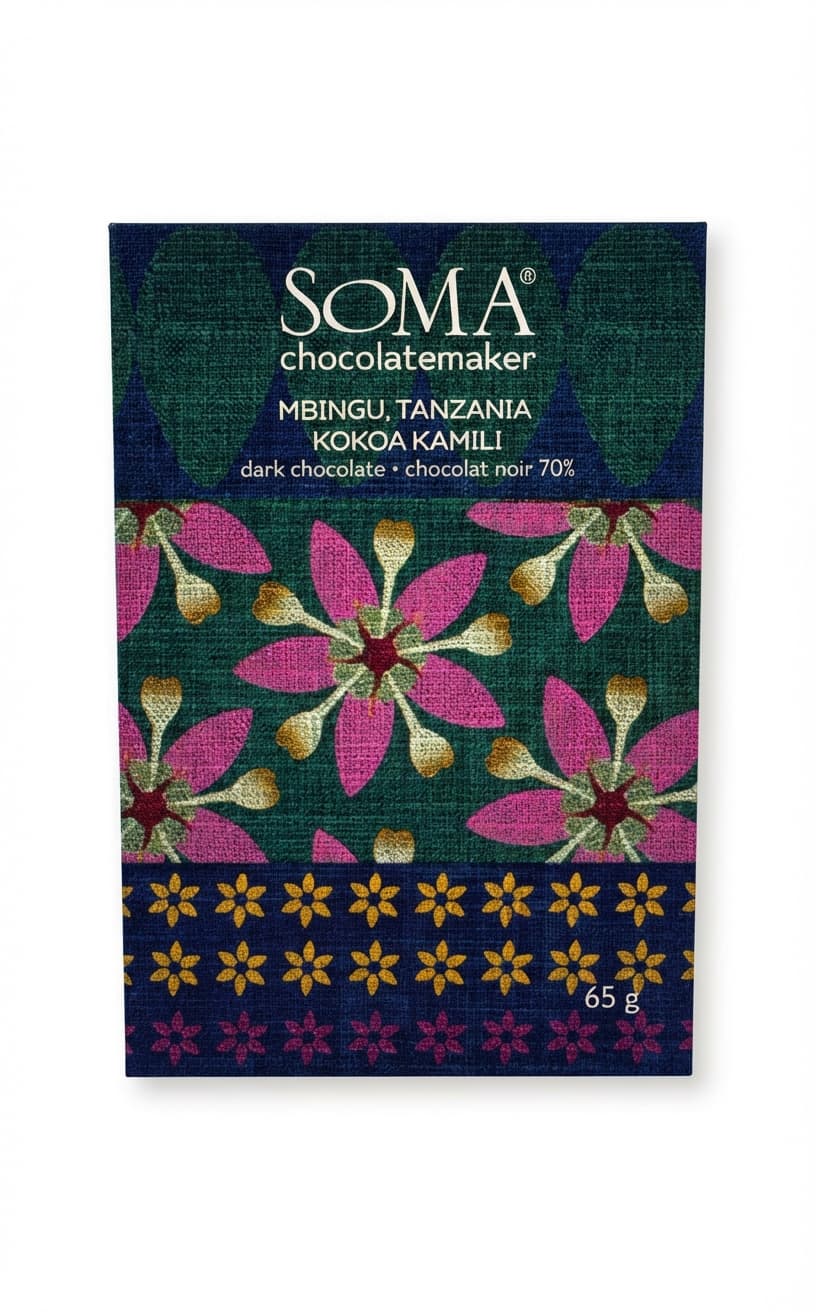 | 95 |
| MadagascarTrinitario (Sambirano) | Citrus, Red Fruit, Raspberry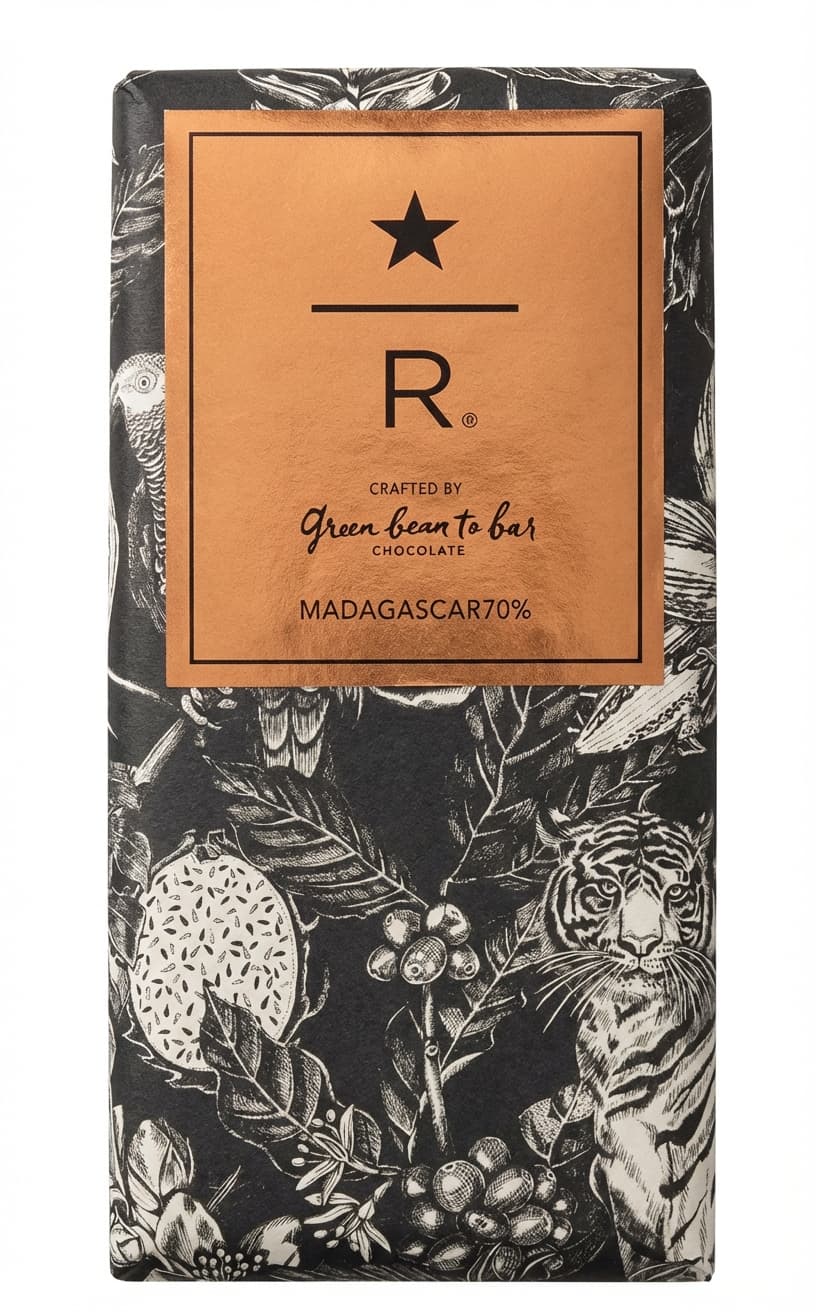 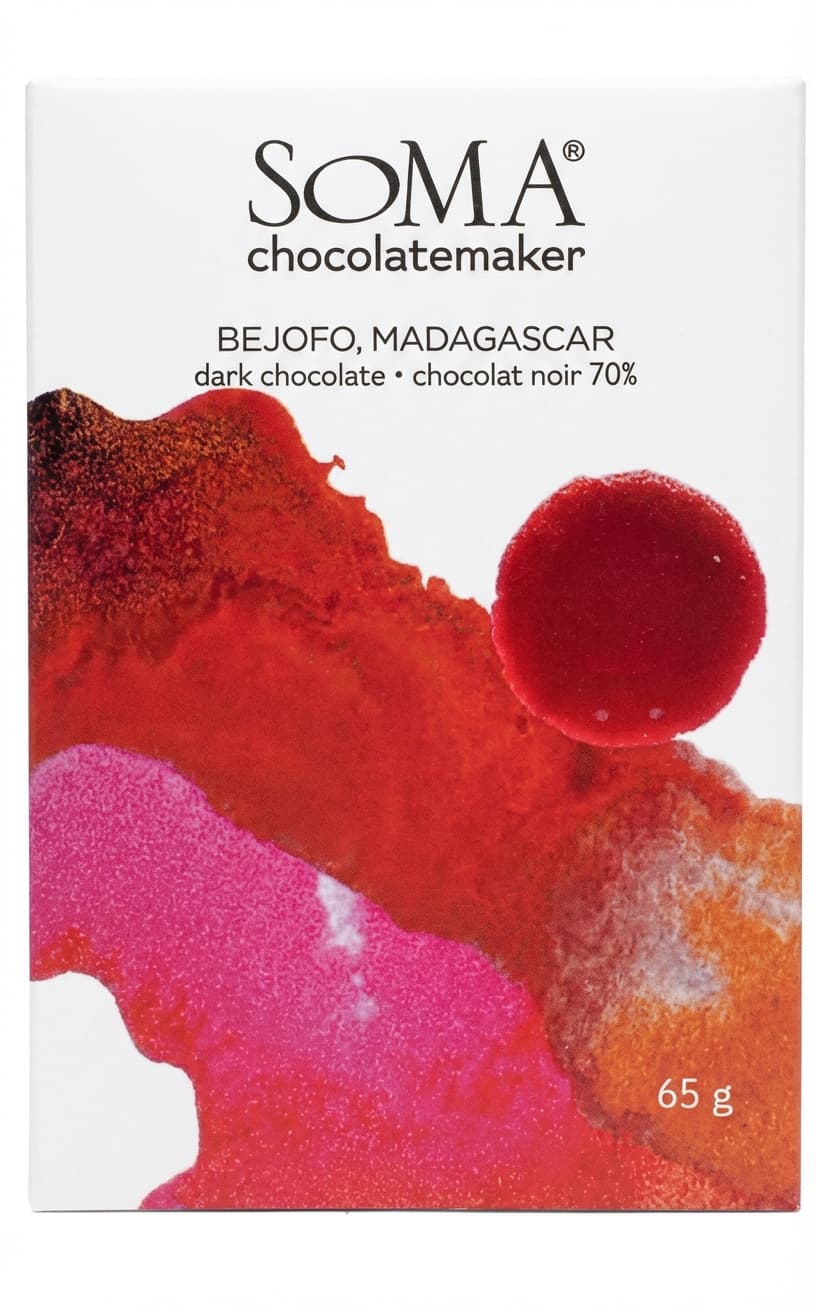 | 94 |
| PhilippinesTrinitario | Honey, Bergamot, Caramel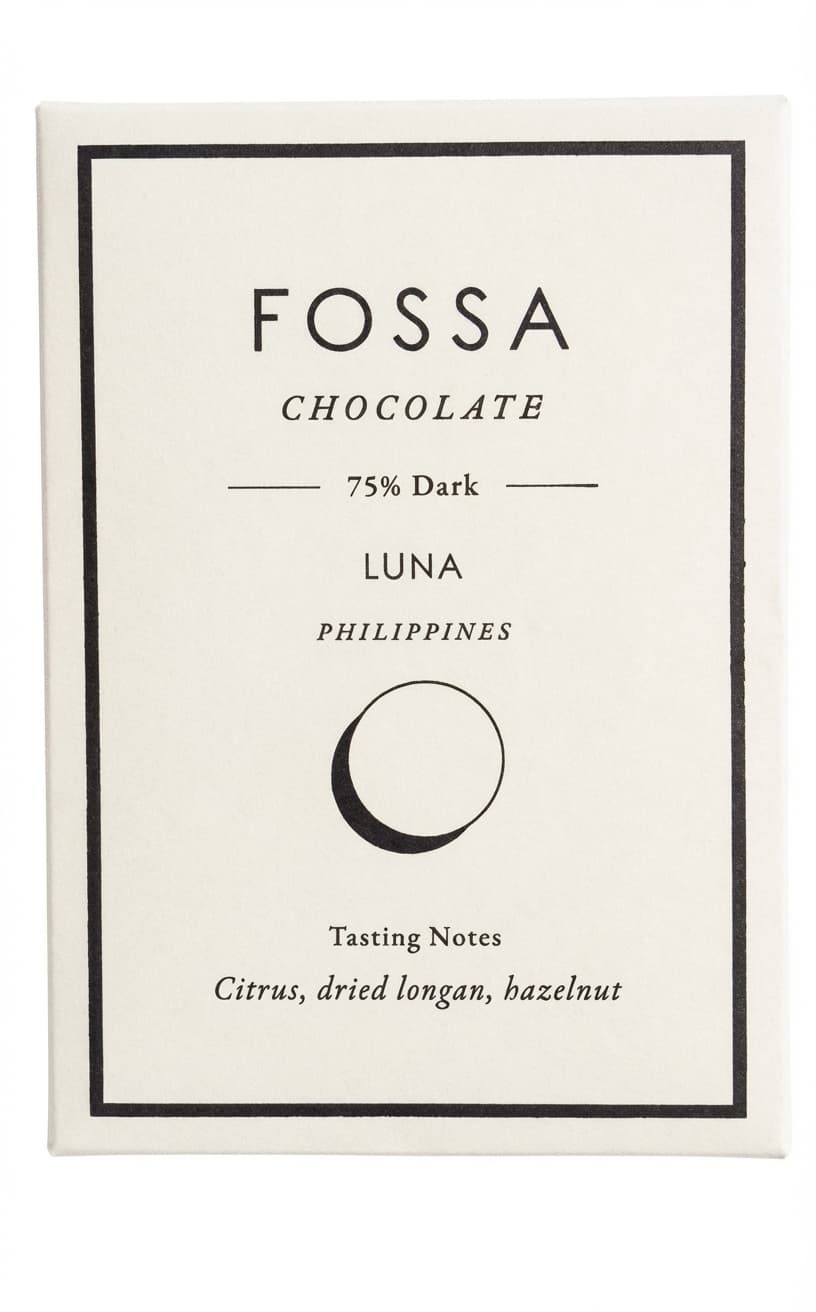 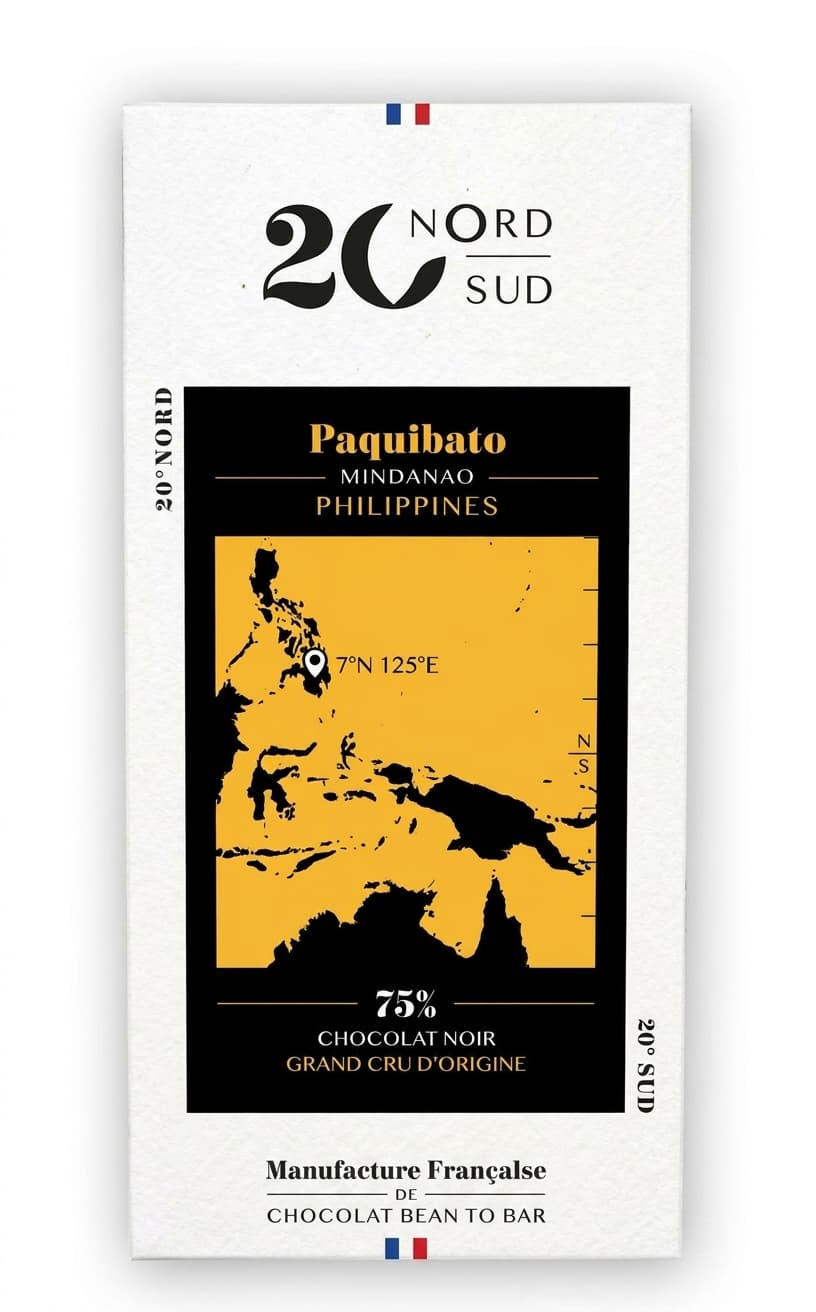 | 79 |
| VenezuelaCriollo | Honey, Nutty, Red Fruit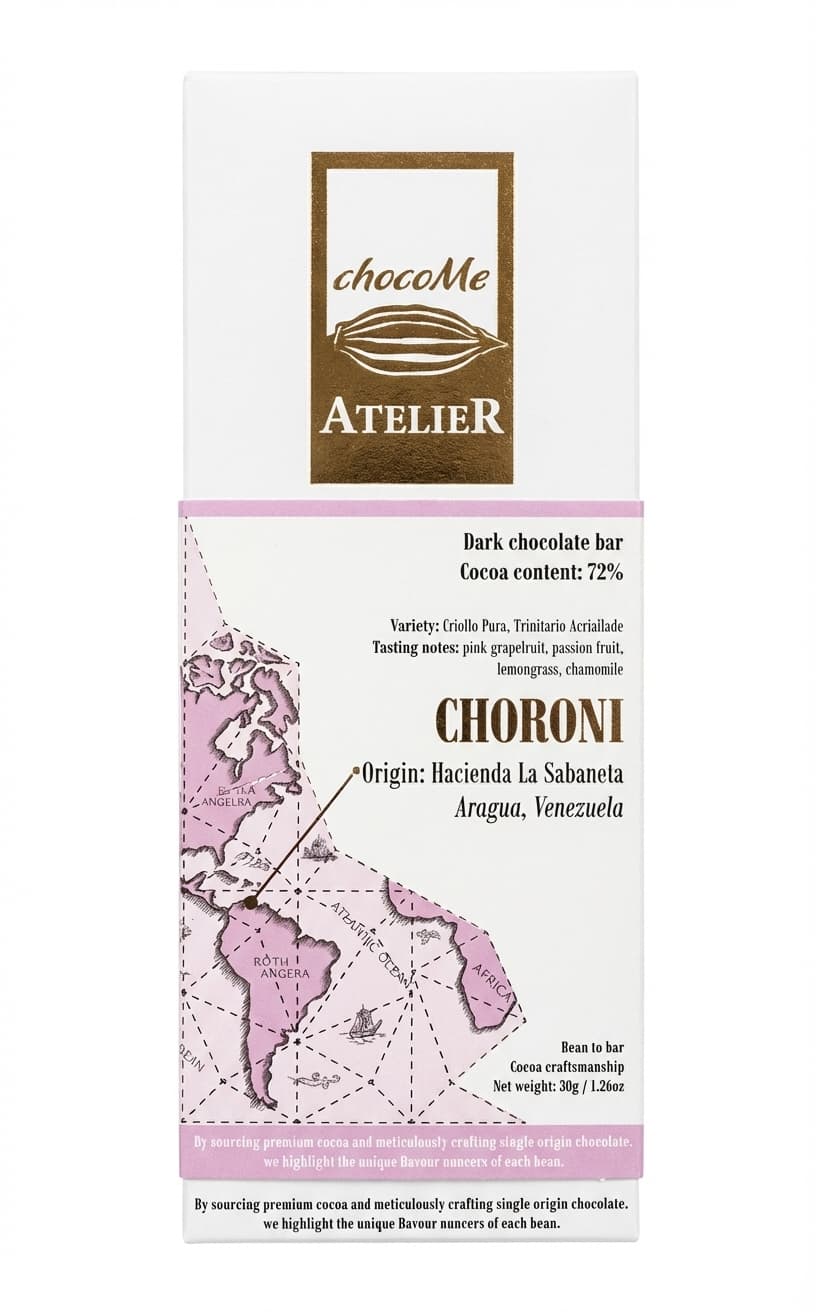 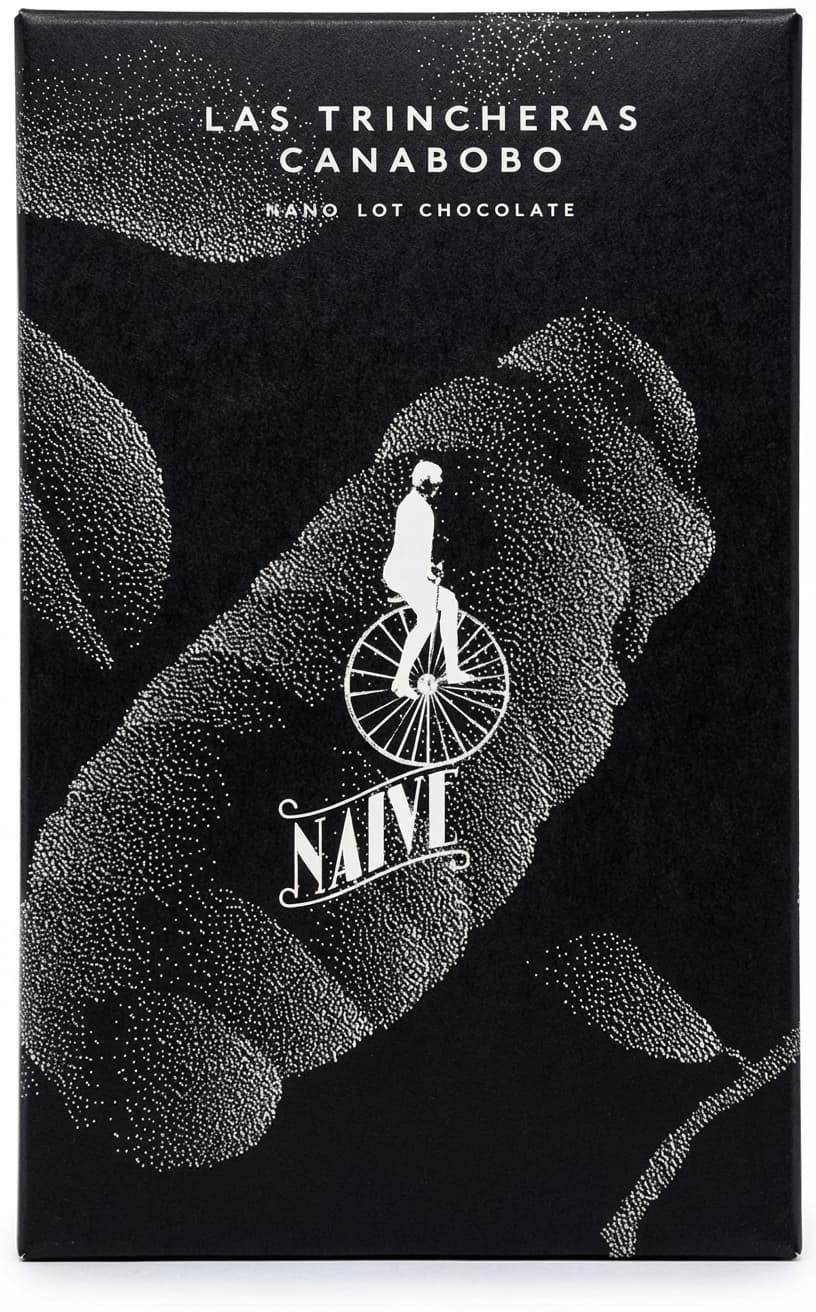 | 76 |
| NicaraguaTrinitario, Criollo | Nutty, Citrus, Coffee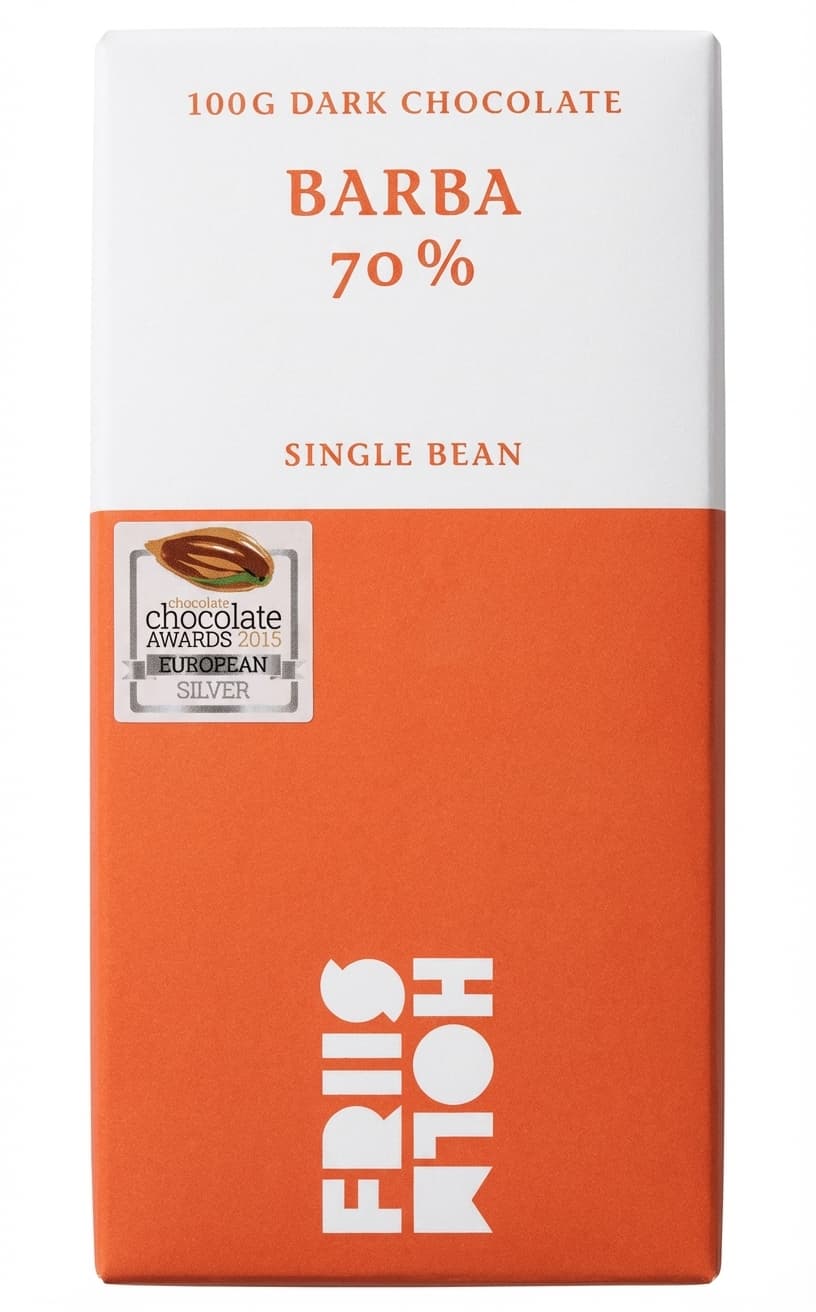 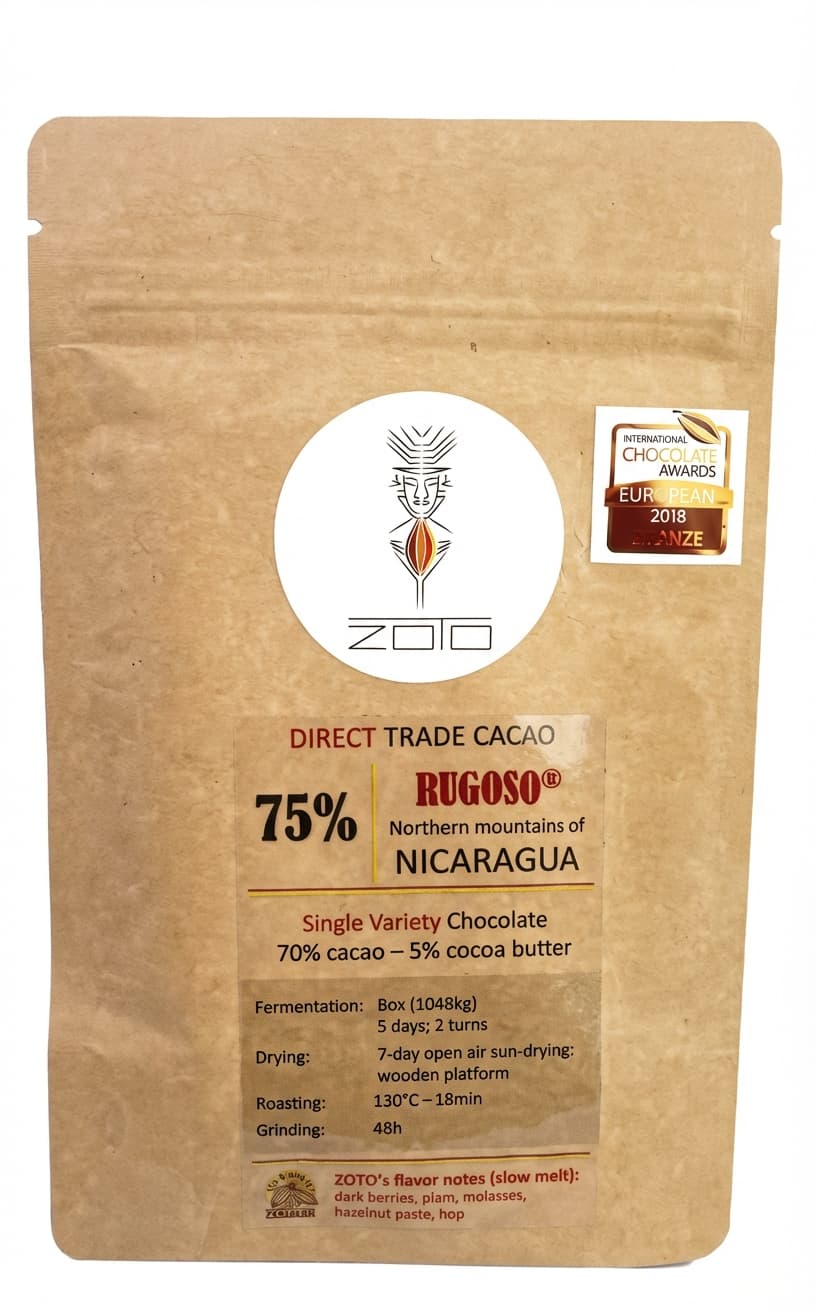 | 67 |
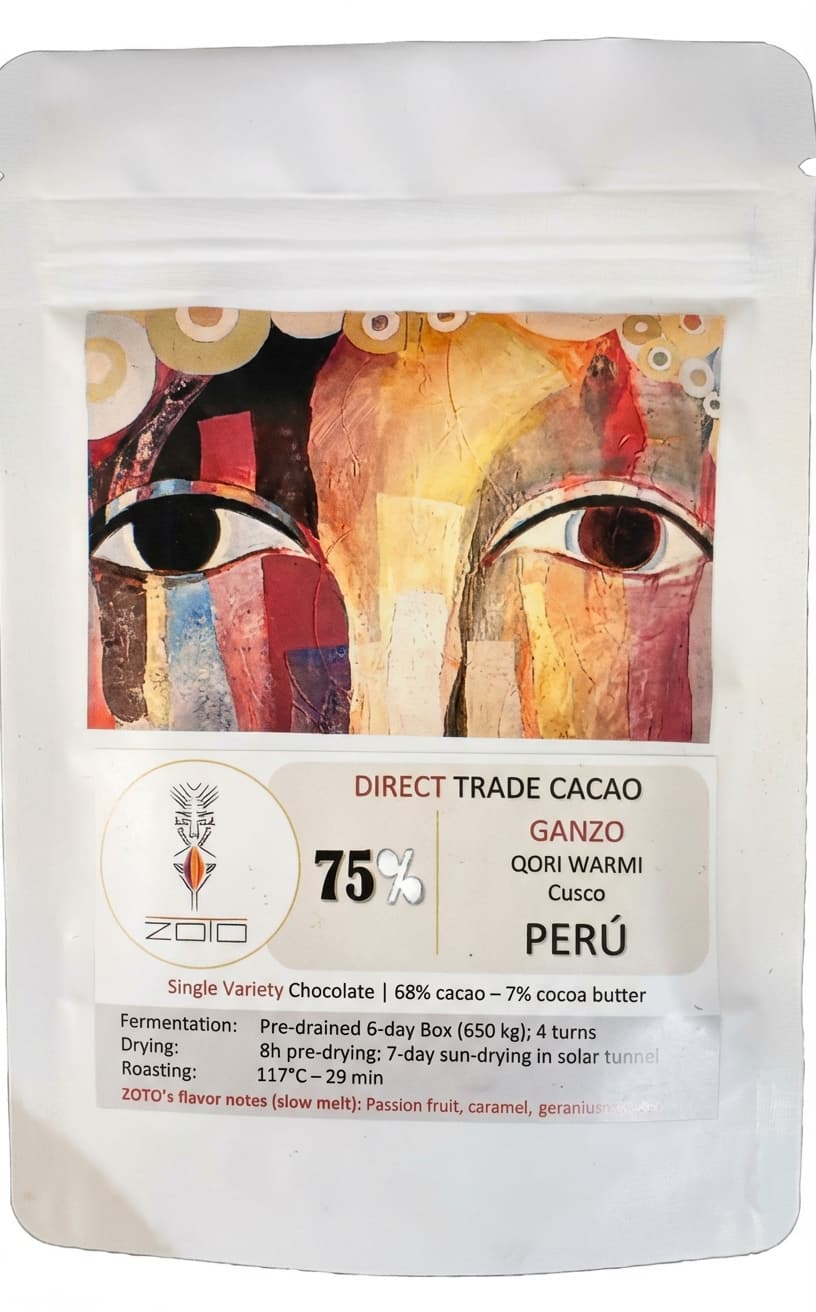
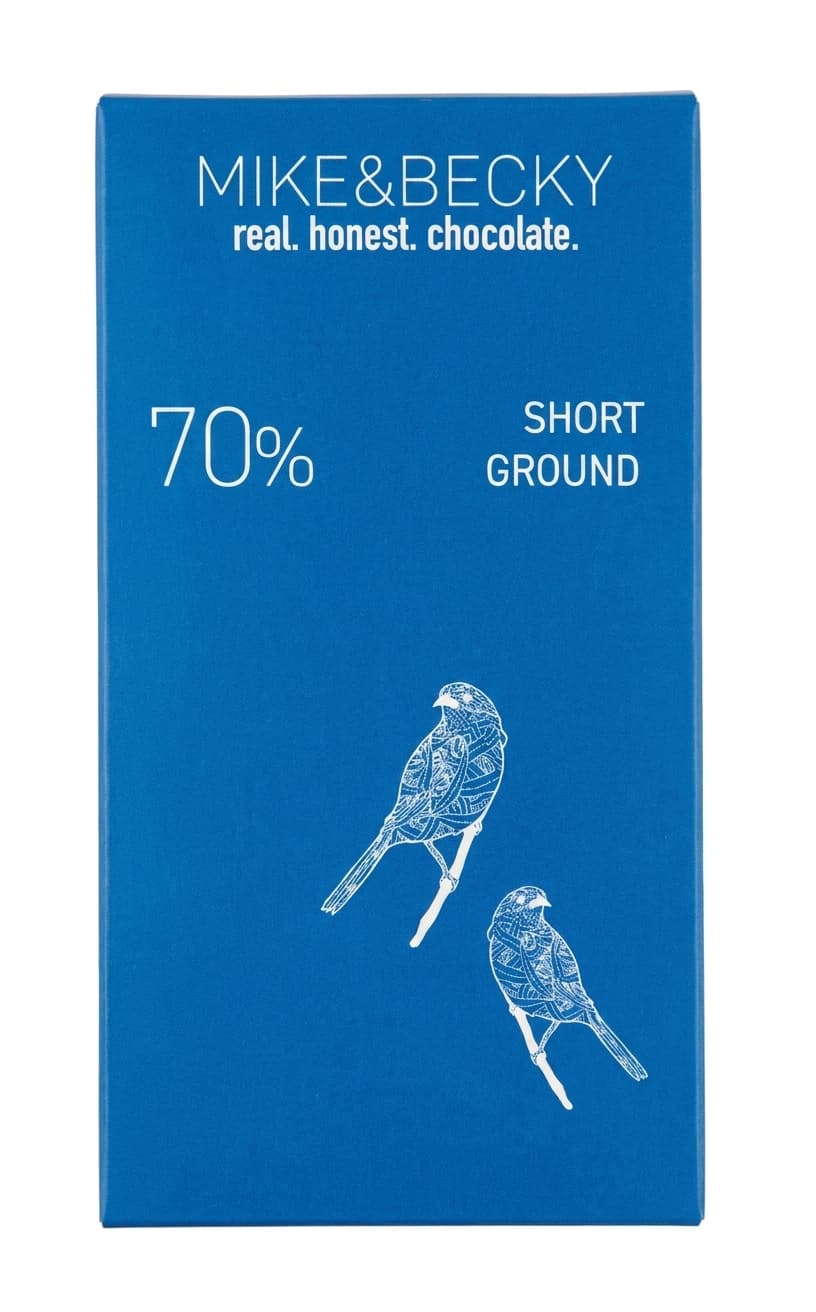
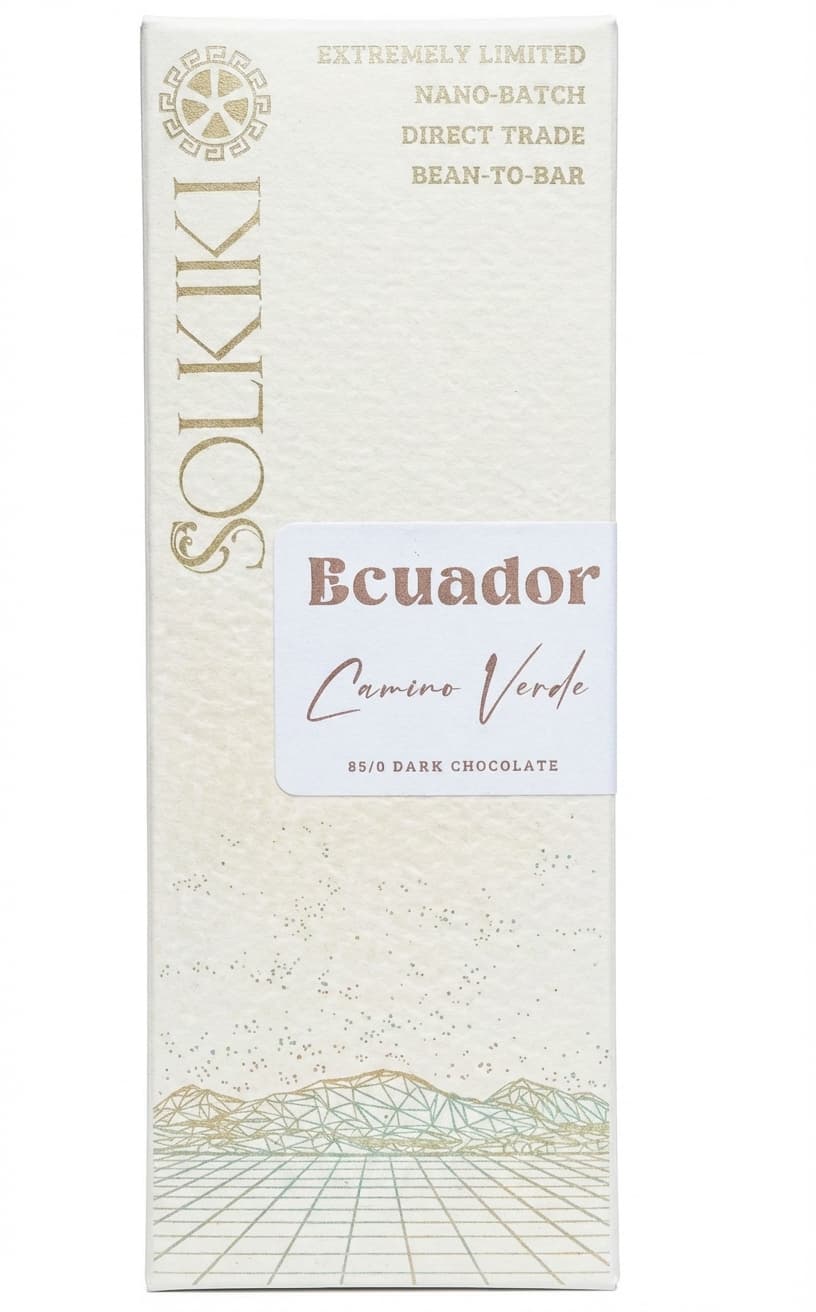
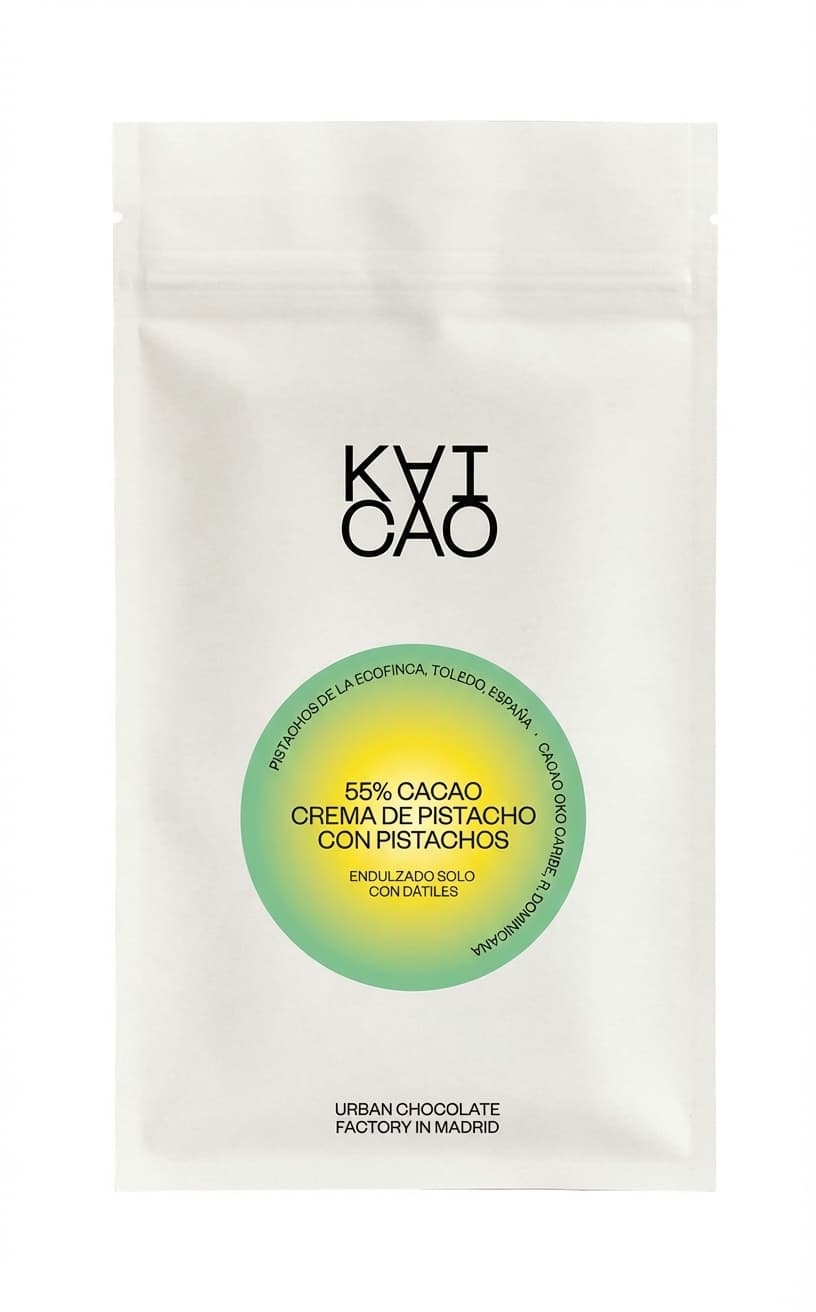
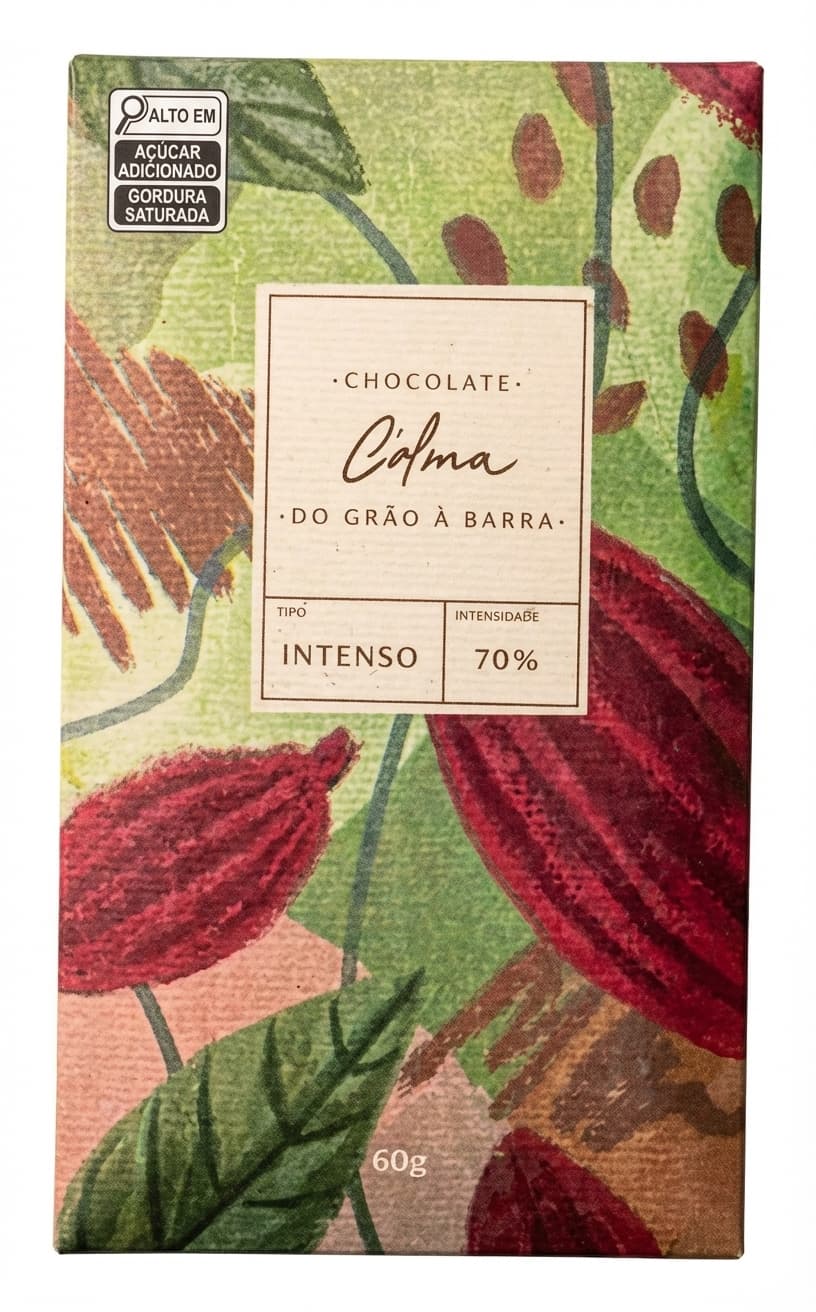
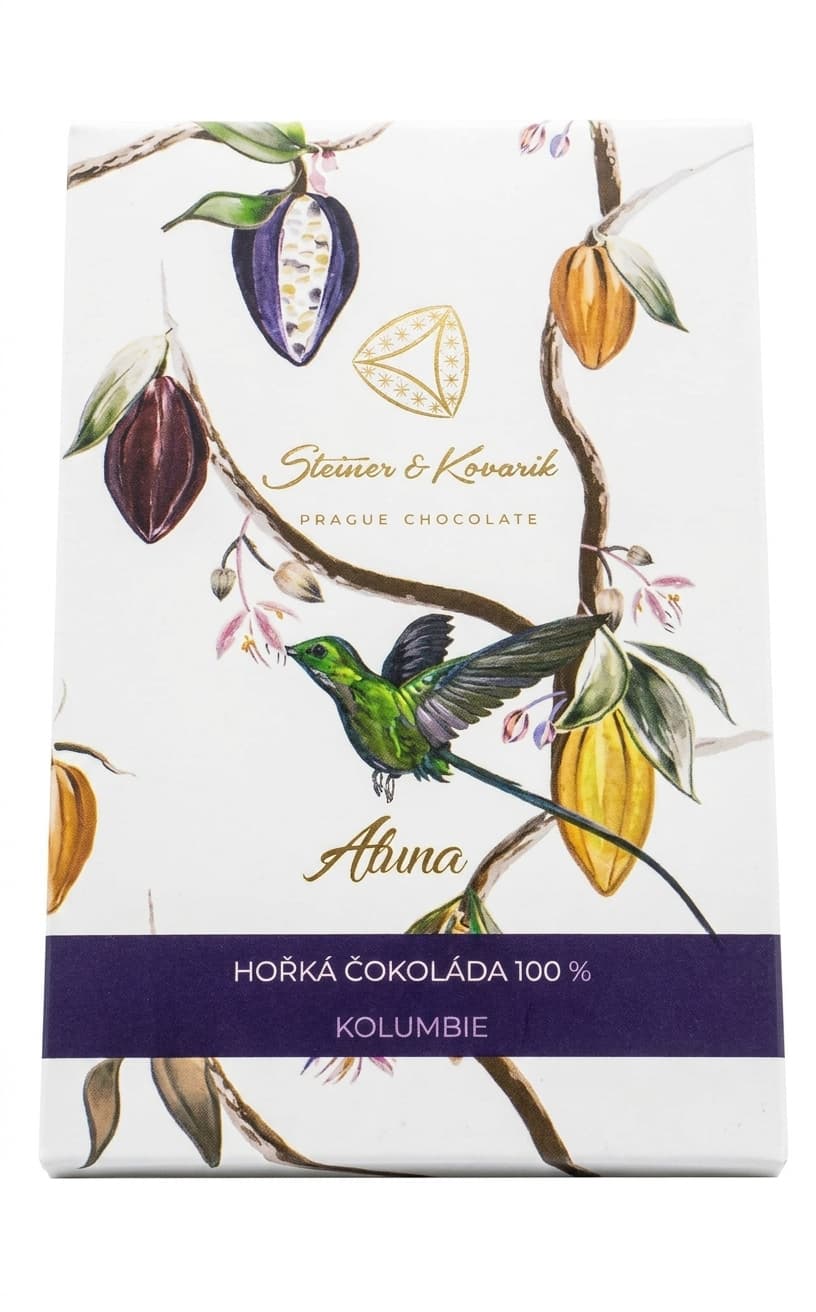
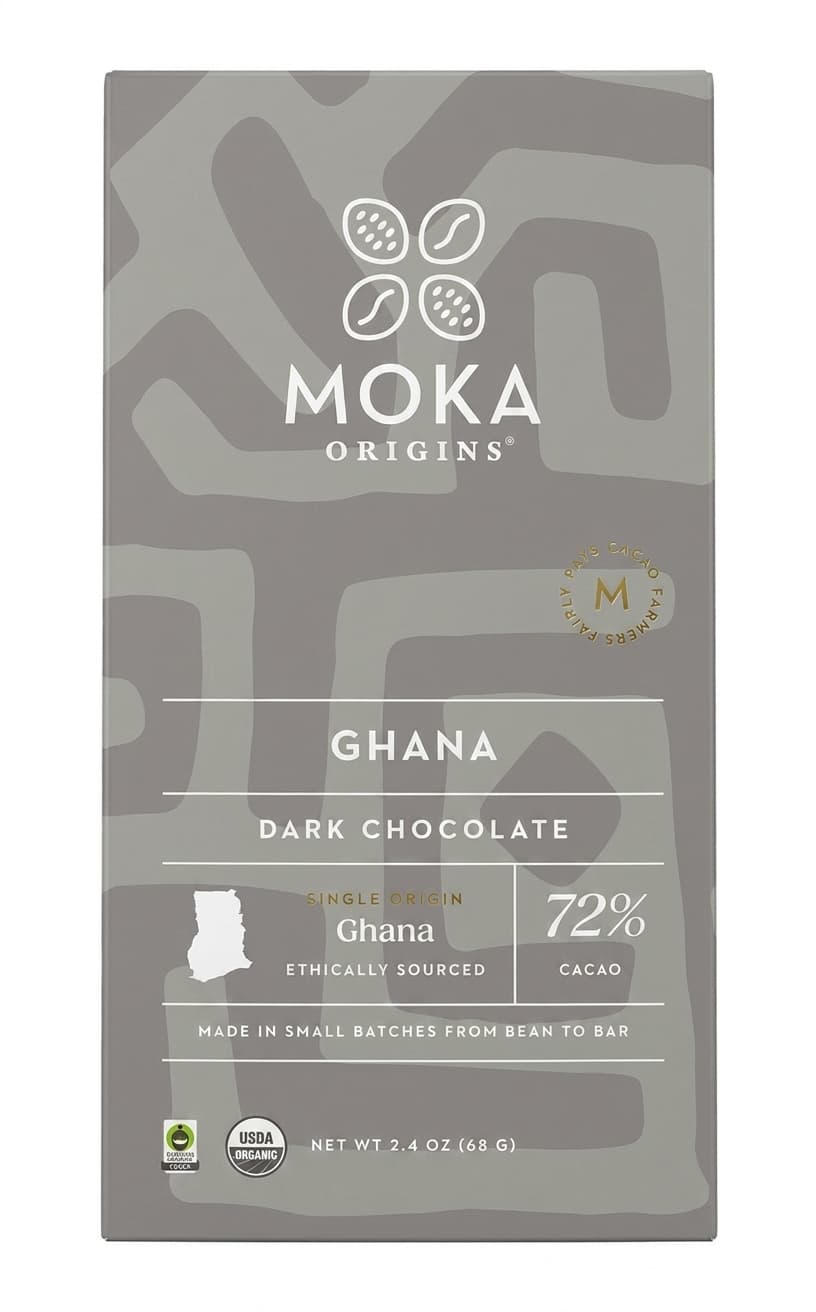
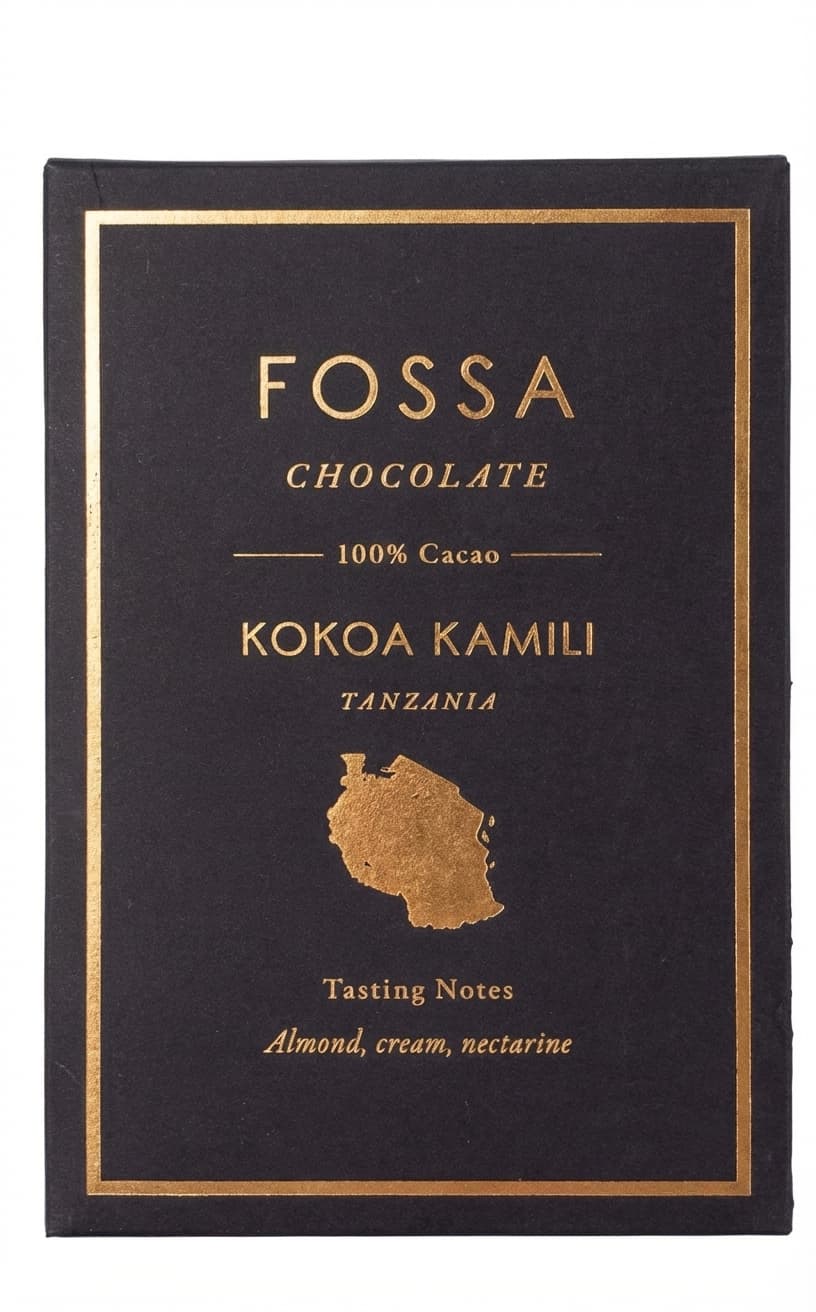
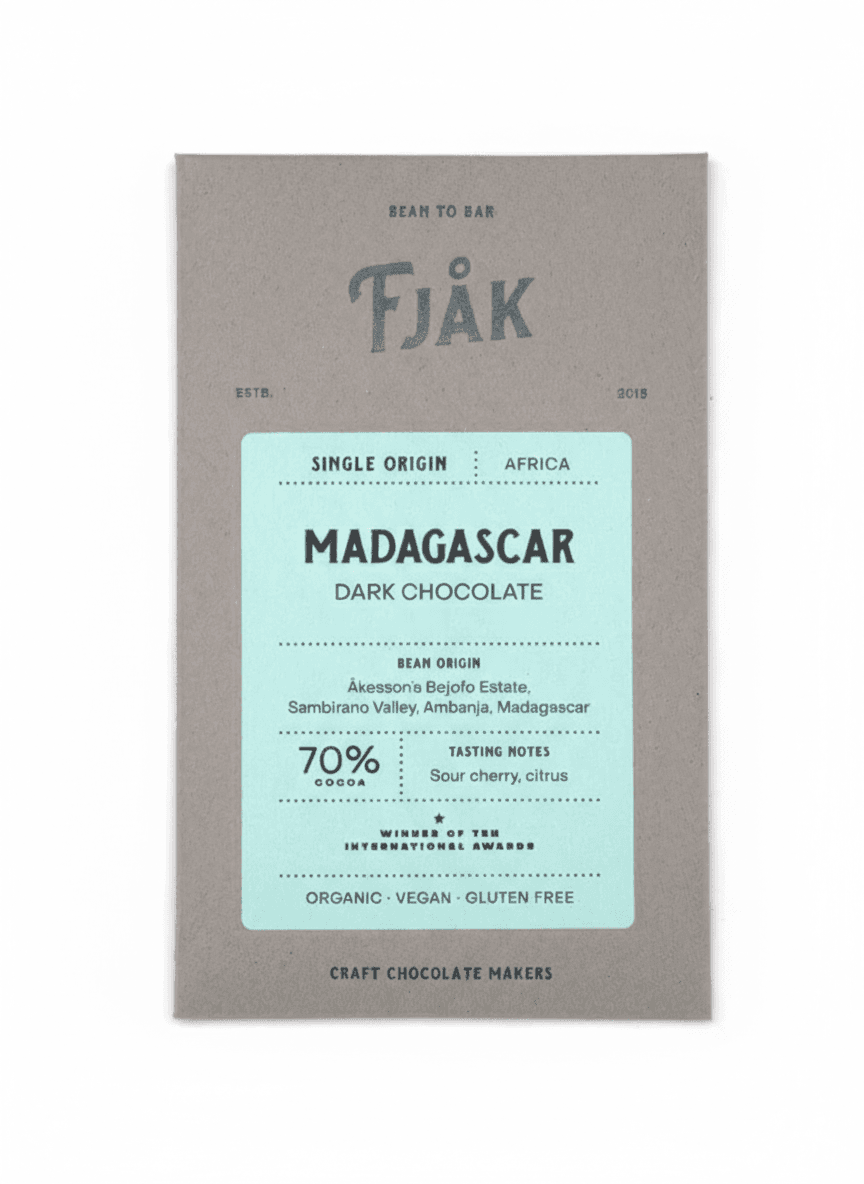
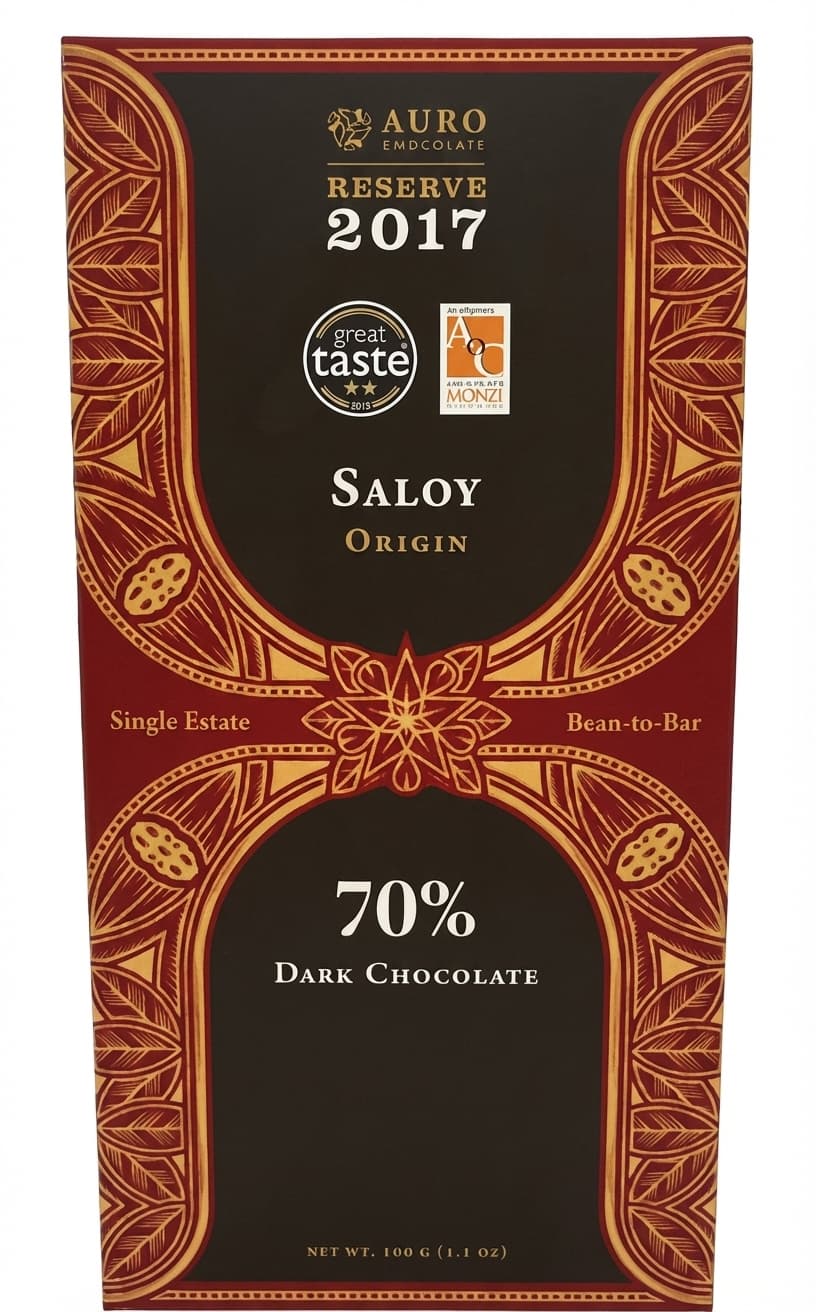
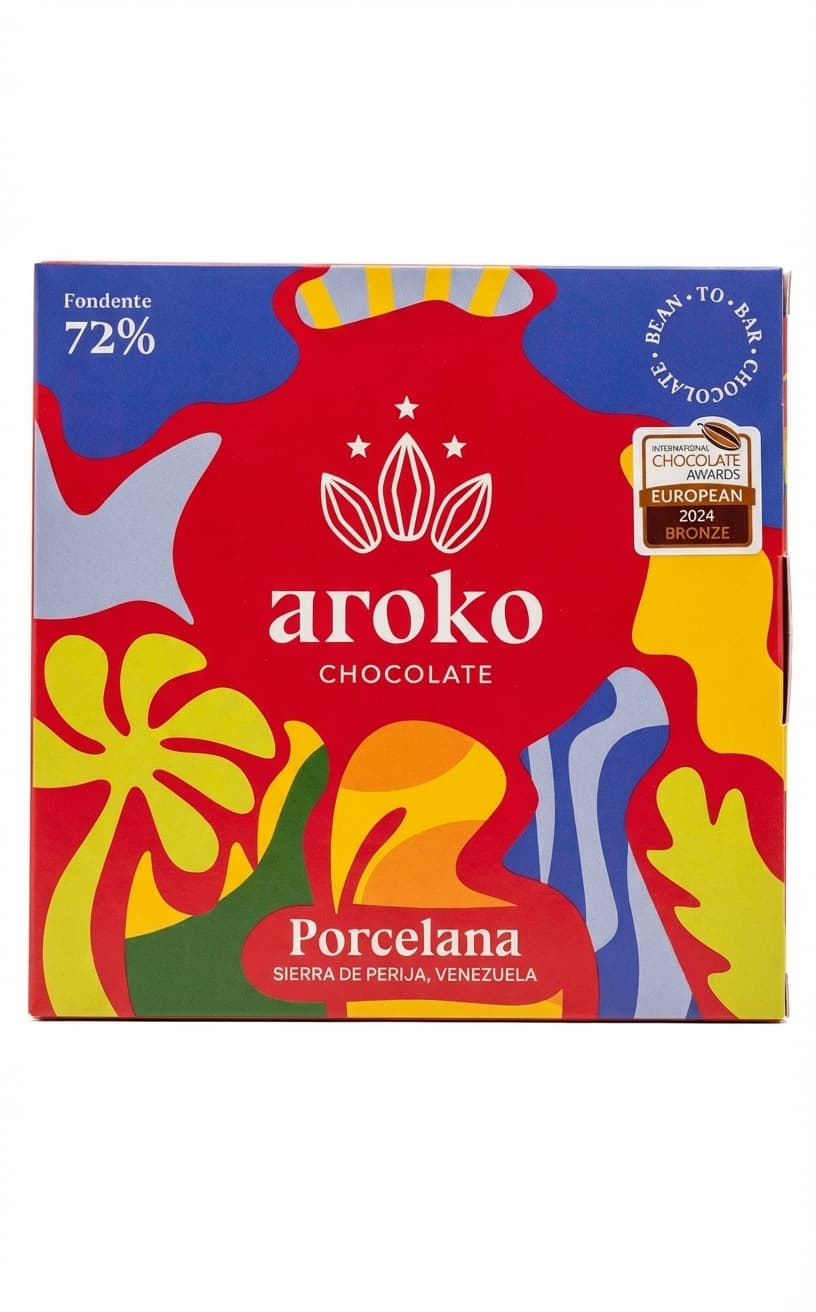
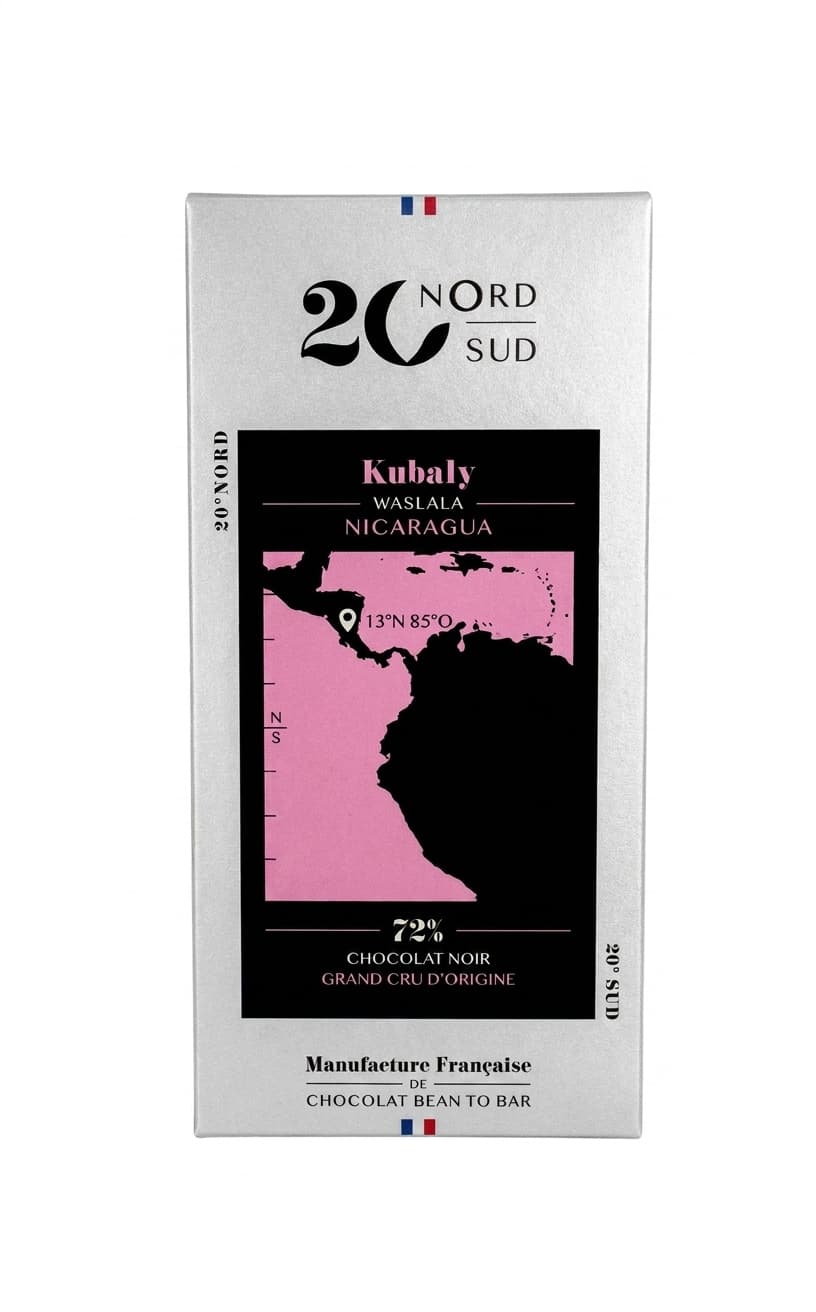
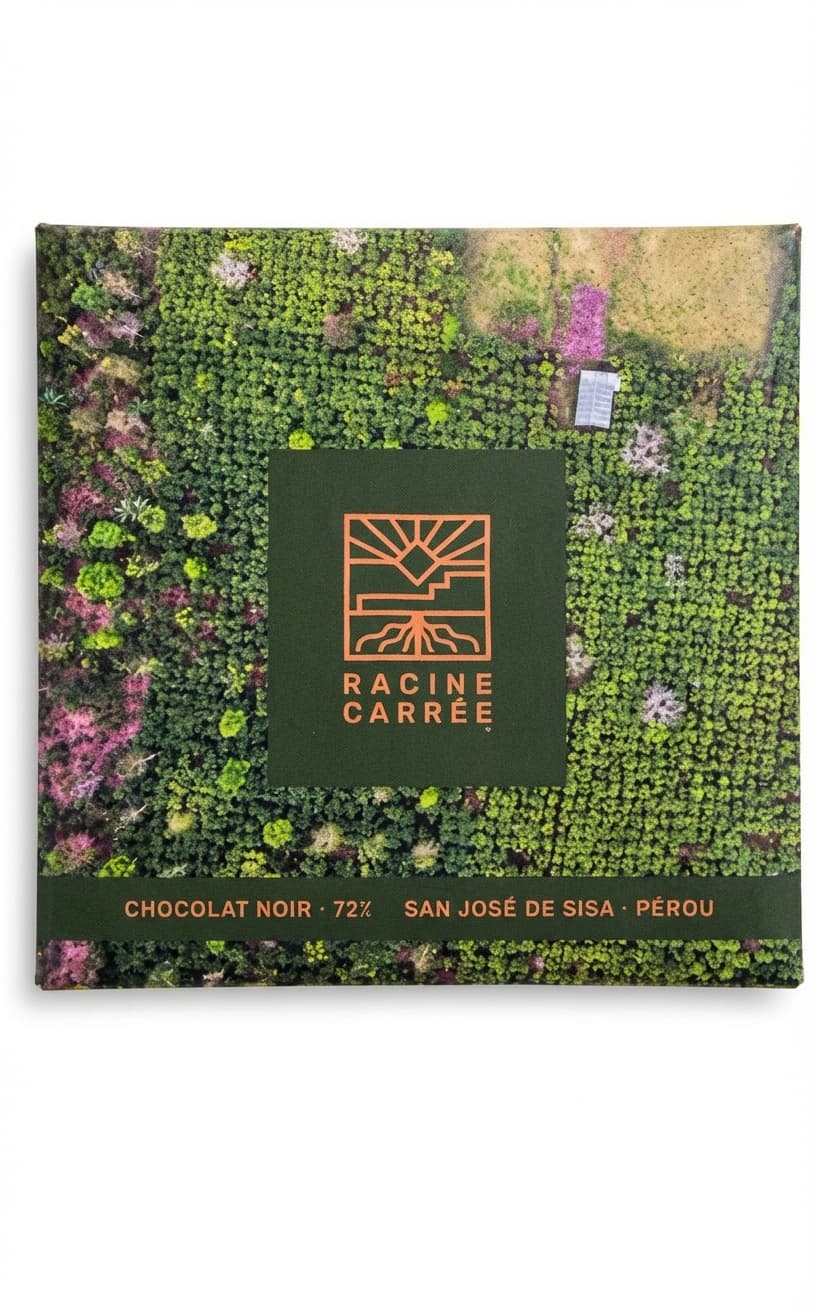
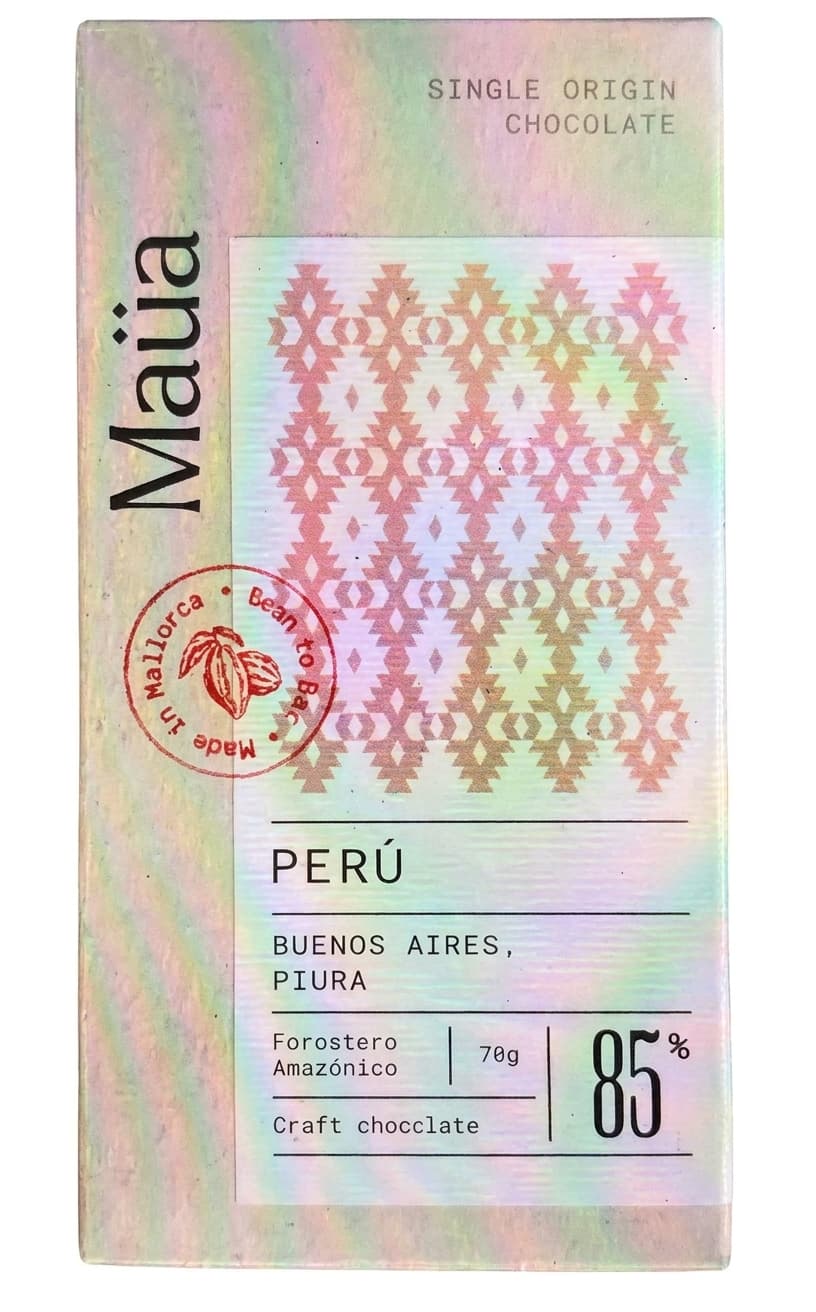
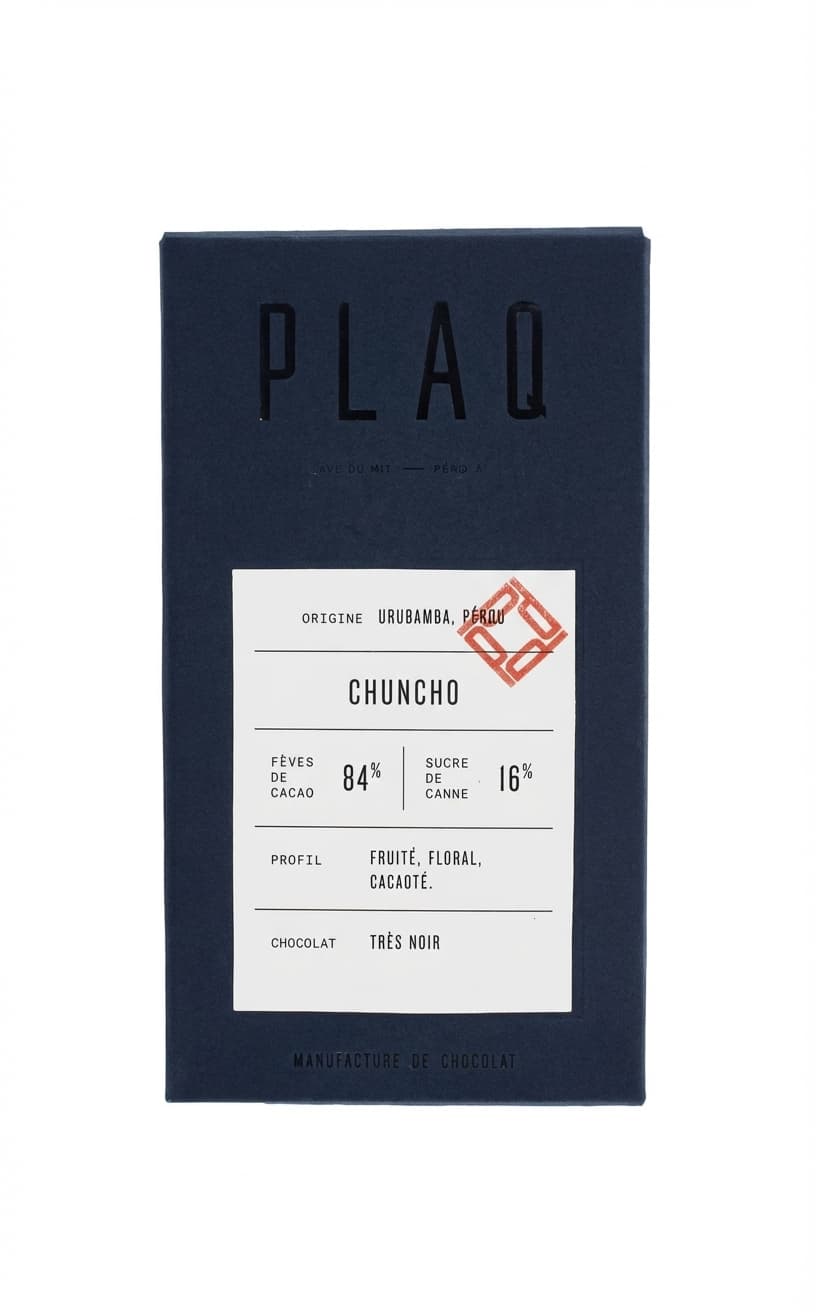
Flavour cells are the notes recorded most often on that origin's own dark bars on Chof. Photos show the highest-scoring of those bars by Chof Score, one per maker, counting only bars made from that origin alone.
The same figures for all 50 origins on Chof, with the full note counts behind these cells, are published as one JSON file, rebuilt every hour and free to reuse under CC BY 4.0 with a link back.
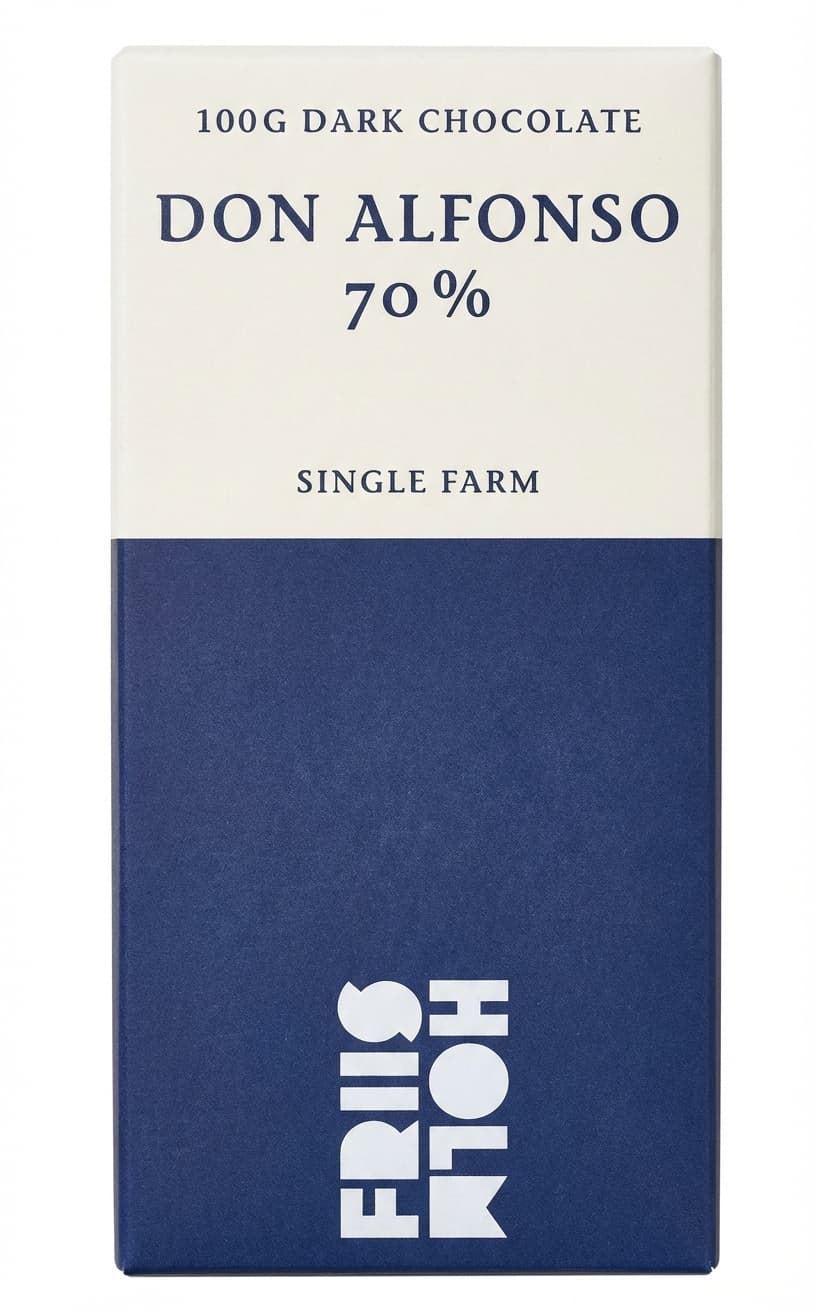
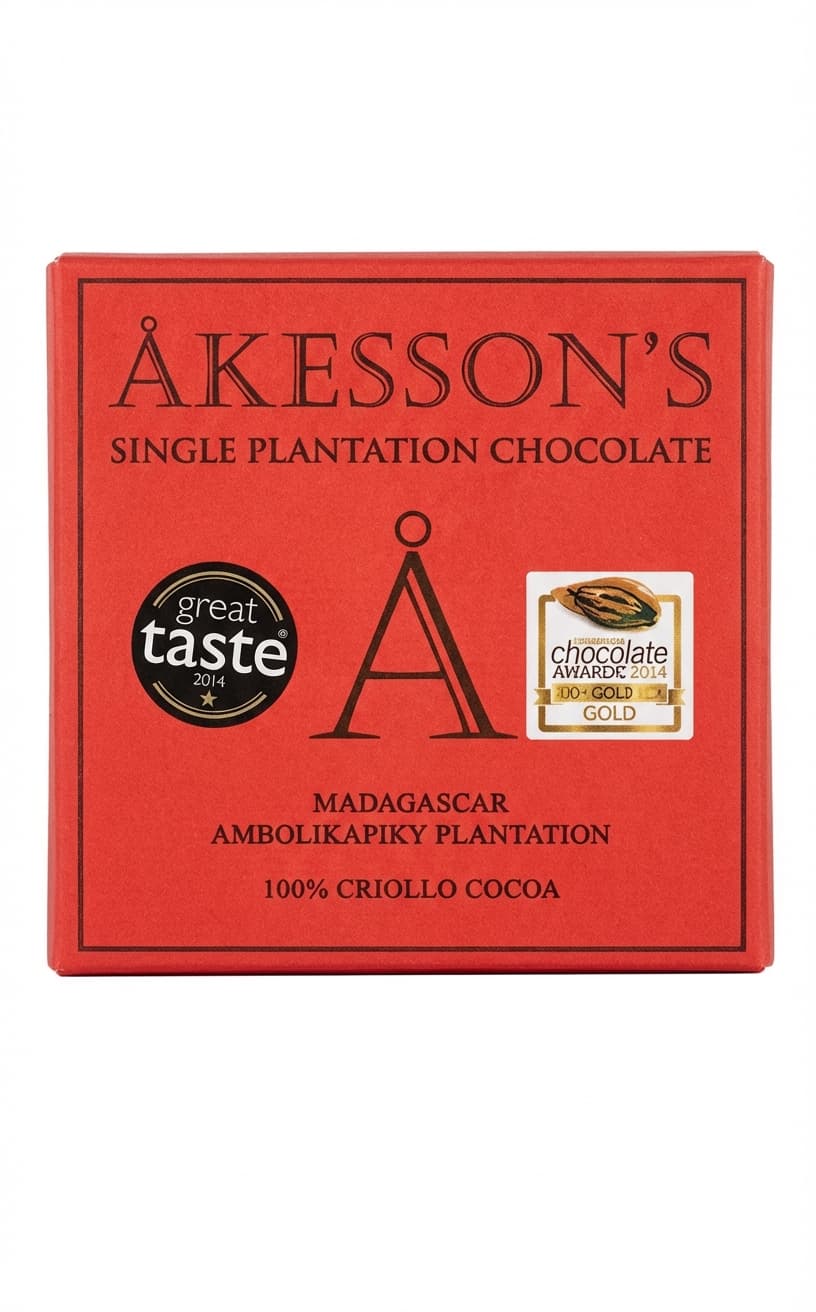
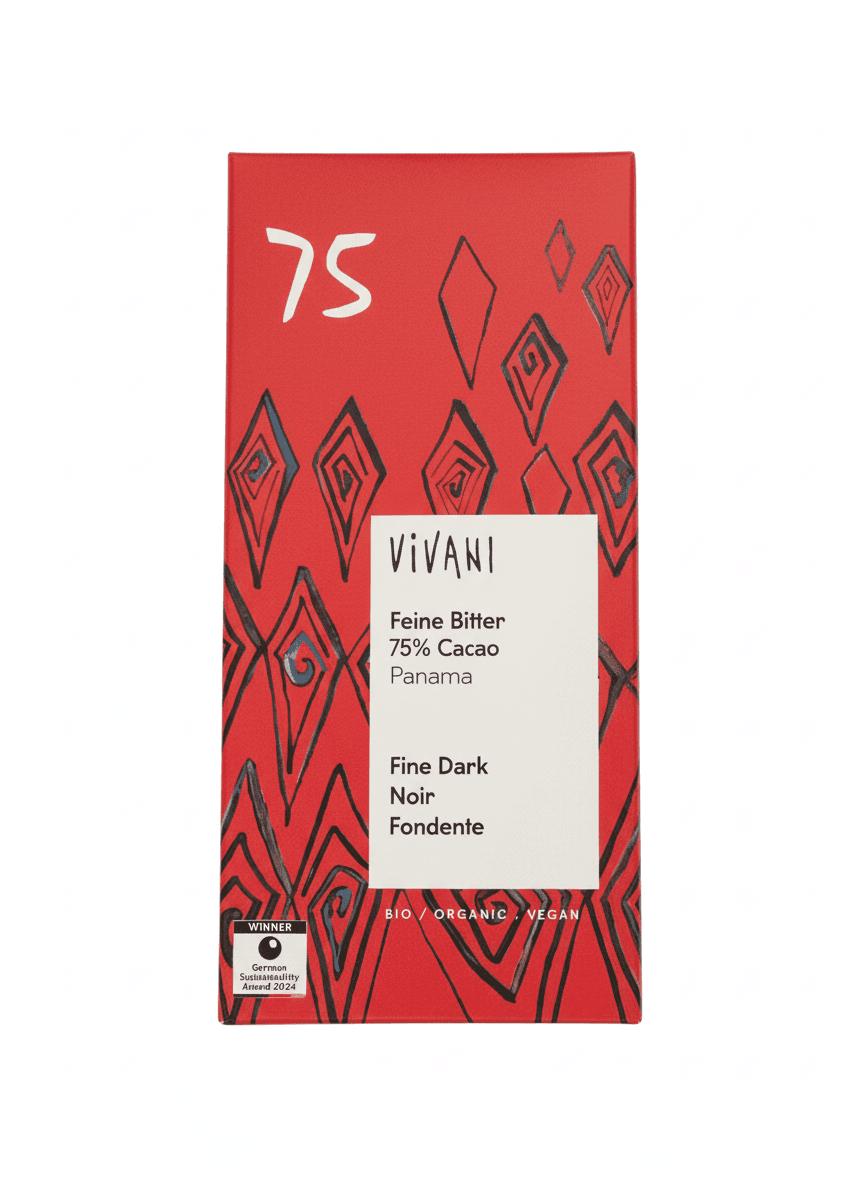
The origin is one line on the wrapper. The guide reads the rest of it: the ingredient list, the cocoa percentage and the fats a maker added.
Pick a few bars you know and Chof suggests what to try next. Free, no account needed.
The cacao belt
Every cacao origin on Chof, mapped to where it grows.
Frequently asked
Why does cacao origin matter for chocolate flavour?
Cacao origin is one of the strongest predictors of how a single-origin bar will taste, because it carries soil, climate and bean genetics together, which is why bean-to-bar makers print it on the wrapper. On Chof, Peru dark bars most often record floral, citrus and honey; India dark bars record citrus, jaggery and raisin; Ecuador dark bars record floral, nutty and honey. How the beans are fermented, roasted and turned into chocolate moves the profile from there, so two bars from one country can still taste far apart.
What is a single-origin chocolate bar?
Single-origin chocolate means all the cacao comes from one named place: a single country, region, estate or farm, not an anonymous blend of many beans. Single-origin labelling lets you taste how cacao genetics, soil and post-harvest fermentation shape flavour, instead of blending those signals away. It tells you where the beans grew, not how well the bar was made.
What is a multi-origin chocolate blend?
Multi-origin chocolate is a bar blended from cacao grown in two or more countries. It is the opposite of a single-origin bar, which comes from one named place. Some makers blend deliberately for flavour balance, others to keep prices stable when a single origin becomes scarce.
What does "country of origin" mean on a chocolate bar?
On a craft chocolate bar, the country of origin is where the cacao beans were grown, not where the bar was made. A bar produced in Belgium from Peruvian cacao has Peru as its country of origin. Cacao only grows within roughly 20 degrees of the equator, so a European country named on a wrapper is not where the cacao grew. It is usually where the bar was made, or the address of the company named on the label. Chof indexes every bar by its cacao origin country so you can compare how each origin tastes.
Which country does chocolate originally come from?
The cacao tree was domesticated more than 5,000 years ago in the upper Amazon, in present-day Ecuador. Chocolate as a drink was invented in Mesoamerica, in present-day Mexico and Central America, by the Olmec, Maya and Aztec. The chocolate bar came much later, engineered in 19th-century Europe. So chocolate has three answers: the bean is South American, the drink Mesoamerican, the bar European.
Which country produces the most cacao?
Côte d'Ivoire produces the most cacao, about 38% of world output in the February 2025 forecast for the 2024/25 crop, followed by Ghana at 12%. Africa as a whole grows about 70% of the world's cacao, most of it in the West African belt from Côte d'Ivoire across Ghana, Nigeria and Cameroon. The figures come from the ICCO Quarterly Bulletin of Cocoa Statistics, which revises them each quarter. The largest producers are not the origins most bars on Chof come from, with one exception: Ecuador is third in the world at 10% and a fine-flavour origin at the same time.
What are the main cacao-producing countries?
Most of the world's cacao is grown in West Africa (Côte d'Ivoire, Ghana, Cameroon, Nigeria), South America (Ecuador, Peru, Brazil, Venezuela, Colombia, Bolivia), Central America and the Caribbean (Mexico, Belize, Dominican Republic, Cuba, Grenada), Southeast Asia (Indonesia, Vietnam, Philippines) and a smaller cluster of fine-flavour origins like Madagascar, São Tomé, Tanzania, Uganda and Hawaii.
What is fine-flavour cacao?
Fine-flavour cacao (also called fine or flavour cacao) is a category recognised by the International Cocoa Organization for cacao with distinctive aromatic profiles, usually Criollo and Trinitario varieties. Most craft chocolate uses it, while industrial chocolate mostly uses bulk Forastero. Origins like Madagascar, Venezuela and Ecuador are largely classified as fine-flavour producers.
Which cacao origins are most common on Chof?
Bars from Peru, India, Ecuador, Dominican Republic and Brazil appear most frequently on Chof. Each origin page lists every bar made with cacao from that country.
Browse by cacao origin
Tap an origin to see every bar made with cacao from that country.
Origins are grouped by region and ordered by how many bars Chof indexes for each. A single-origin bar comes from one named place; multi-origin blends count toward each of their component origins.
South America
The cacao heartland, from Nacional in Ecuador to fruit-driven Peru.
Central America & the Caribbean
Where cacao first became a drink, and home to heirloom island origins.
West & Central Africa
The world's bulk supply, plus prized island origins like São Tomé.
East Africa & the Indian Ocean
Bright, high-acidity origins led by Tanzania and Madagascar.
Asia
A fast-growing craft scene from India to Vietnam and Taiwan.
The Pacific
Island and reef origins, including Hawaiian cacao grown on US soil.
Holding an origin bar? Scan the wrapper in the Chof app to see where its cacao grew, how the bar scores and what other people taste in it.
Scan in Chof