Types of Chocolate Bars
What goes into dark, milk and white chocolate and the styles built on them, with the typical cocoa percentage, most common tasting notes and highest-ranked bars of each on Chof.
What are the main types of chocolate bars?
Chocolate is usually divided into three types by what goes in: dark (cocoa mass, cocoa butter and sugar), milk (the same with milk powder) and white (cocoa butter, sugar and milk, with no cocoa mass). Most other names on a wrapper describe something else about the bar. Dark milk raises the cocoa in milk chocolate and plant milk swaps out the dairy, inclusions and filled bars add something to the chocolate, raw bars use unroasted cacao, and sugar-free bars change the sweetener. A dark bar with sea salt is dark chocolate and an inclusion bar at the same time.
How many types of chocolate are there?
Three, counted by what goes in. Two companies have each sold a fourth. Valrhona launched Dulcey in 2012 as blond, which it calls chocolate's fourth colour: white chocolate caramelised until it turns blond, filed on Chof as caramelised white (16 bars). Barry Callebaut presented ruby in 2017 as the fourth type; Chof lists no ruby bars yet. Count both and you get five, while every other name, from dark milk to sugar-free, describes a version of the first three.
Styles on Chof, by share
Each style's share of the bars on Chof.
Types of chocolate compared
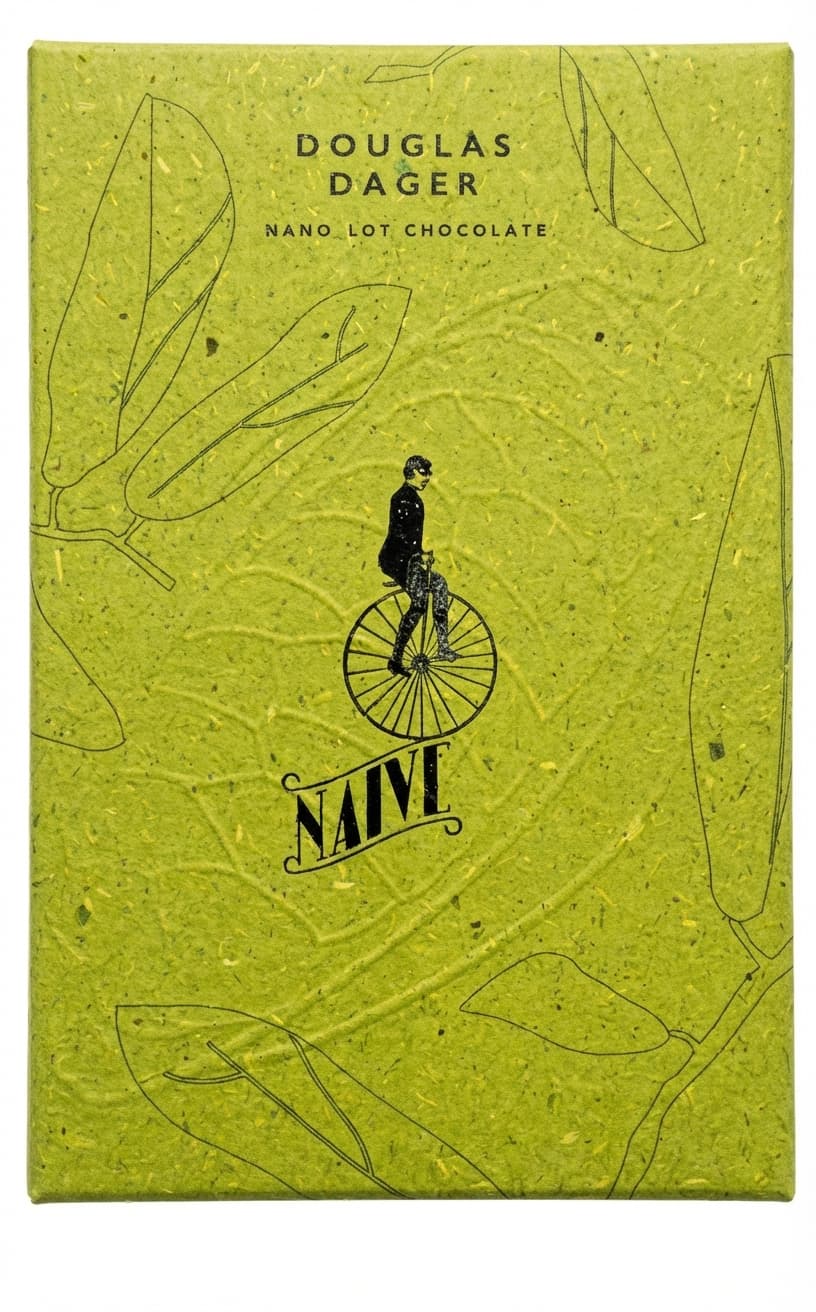
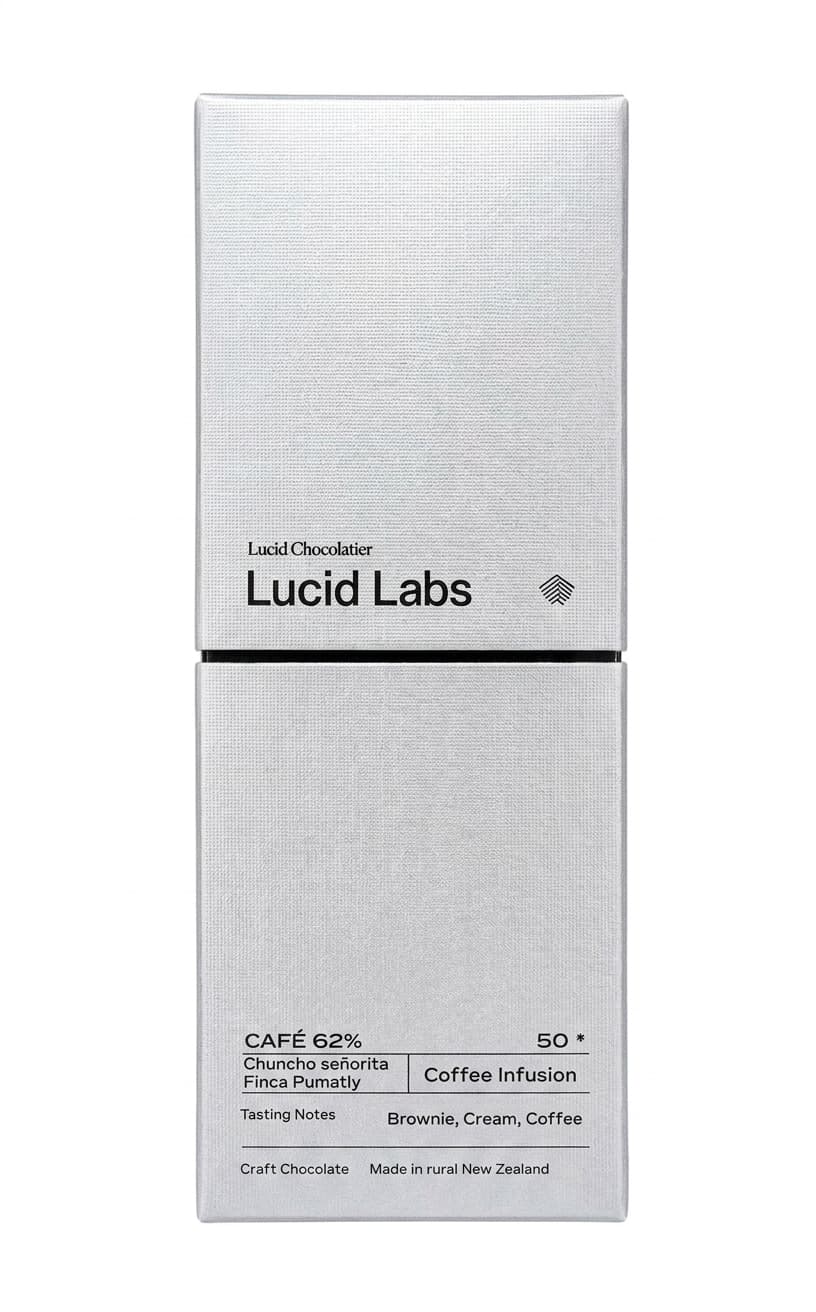
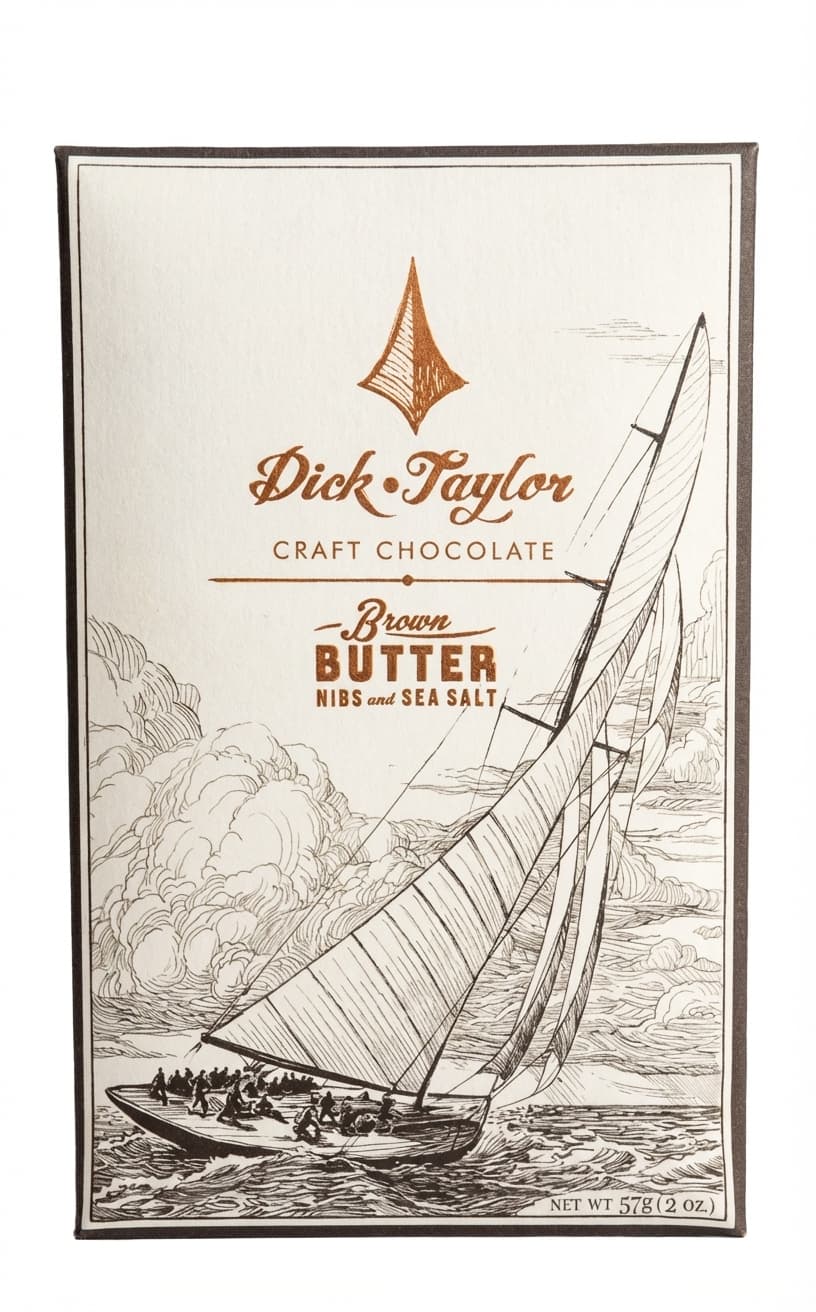
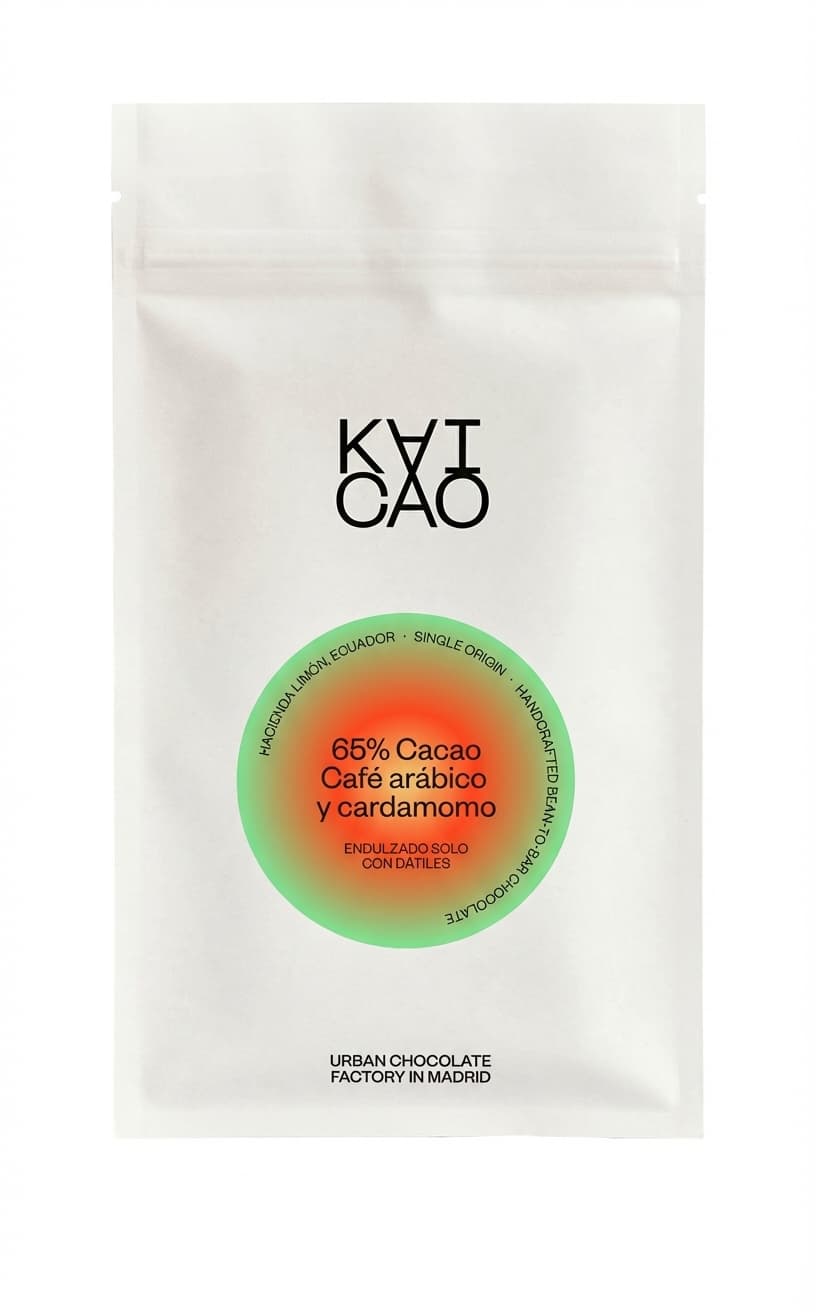
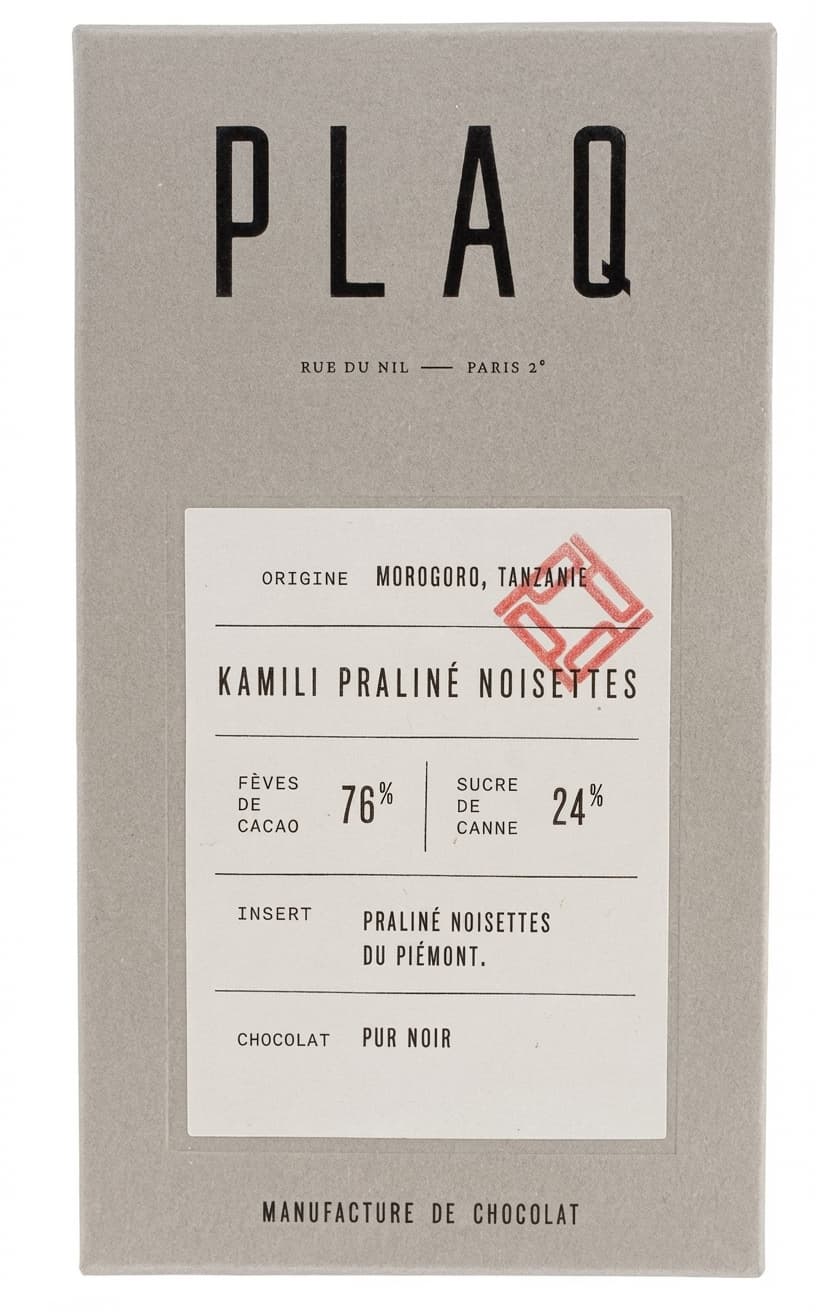
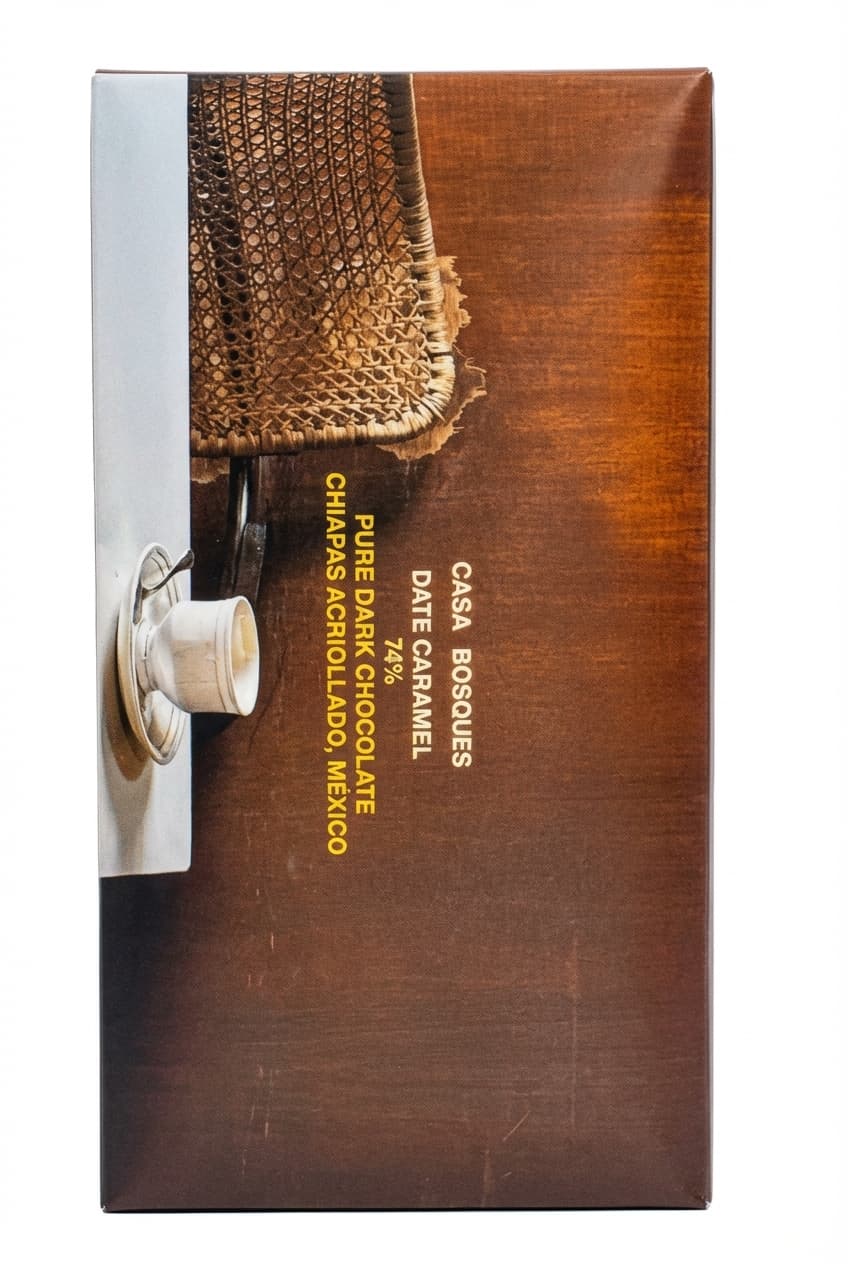
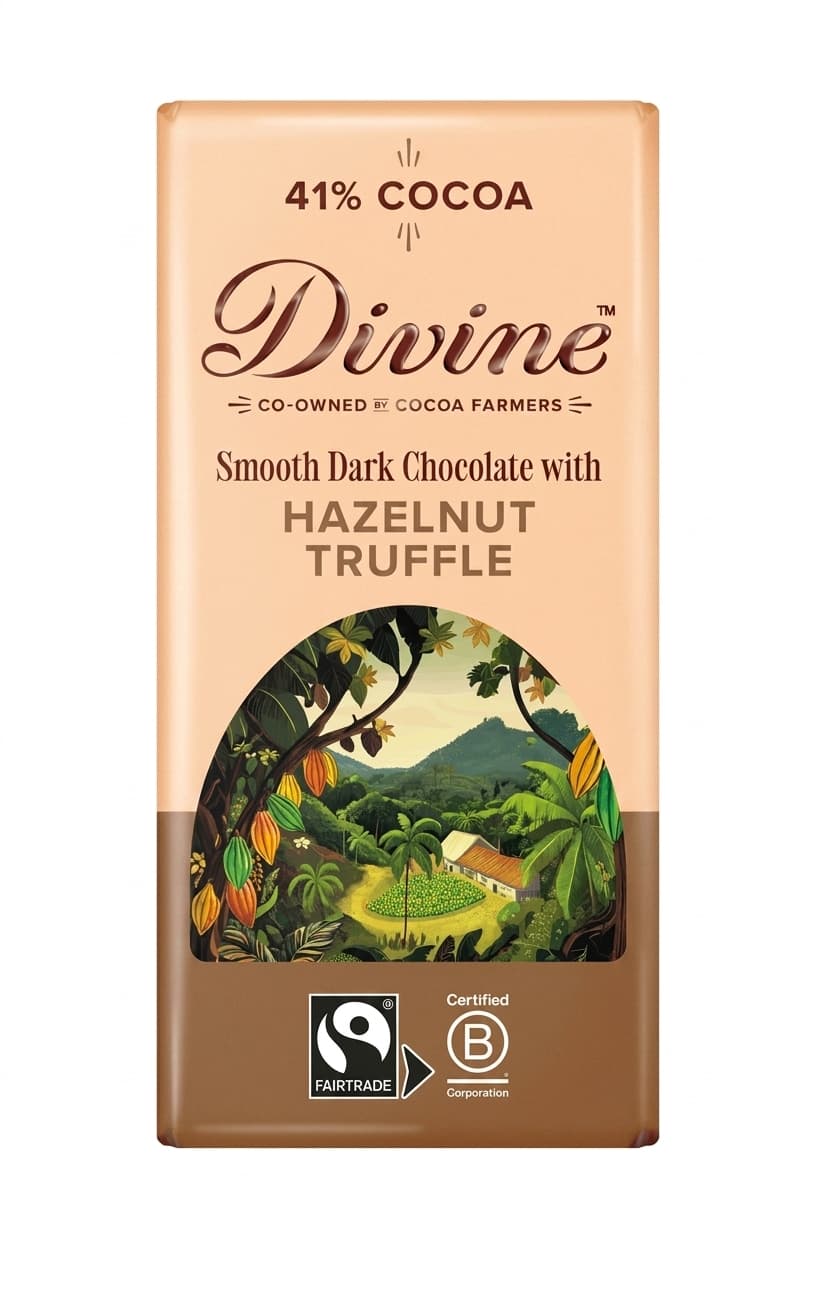
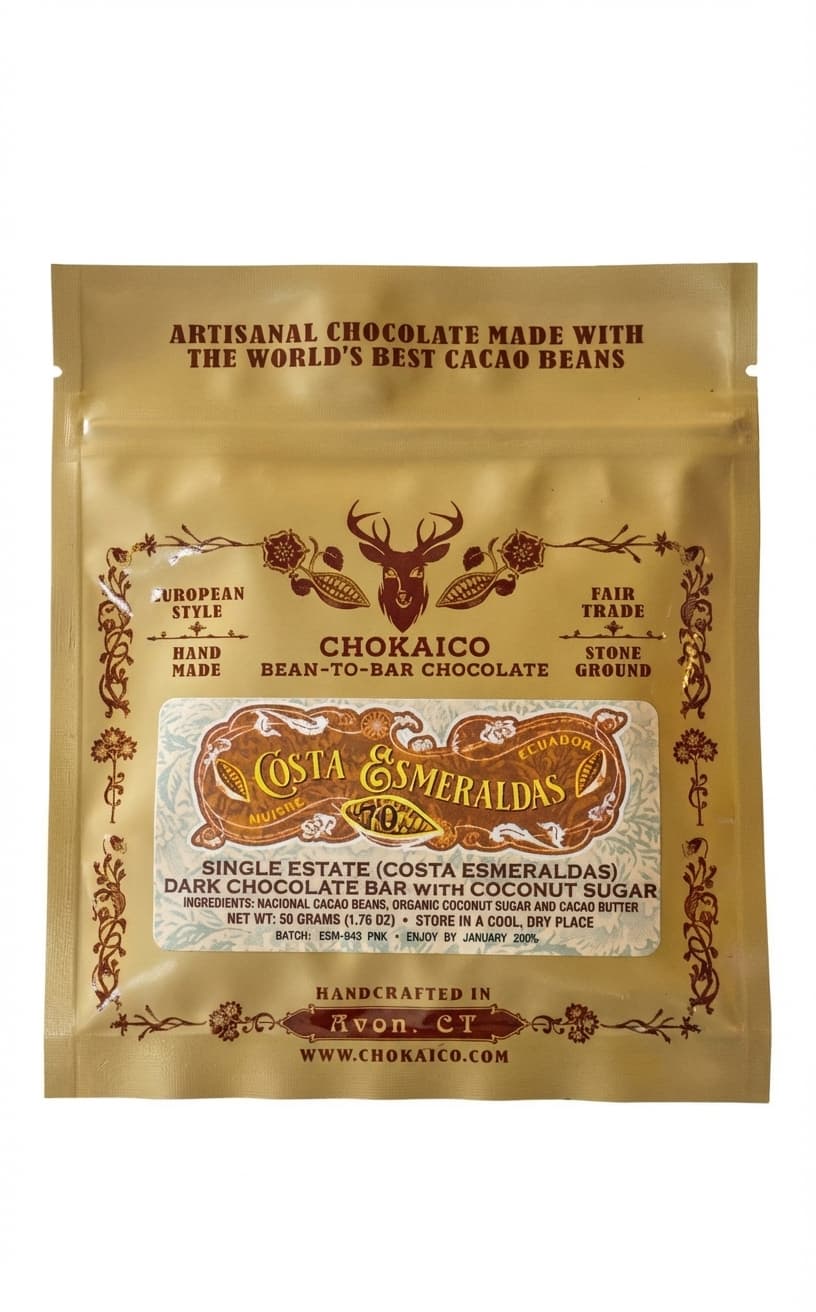
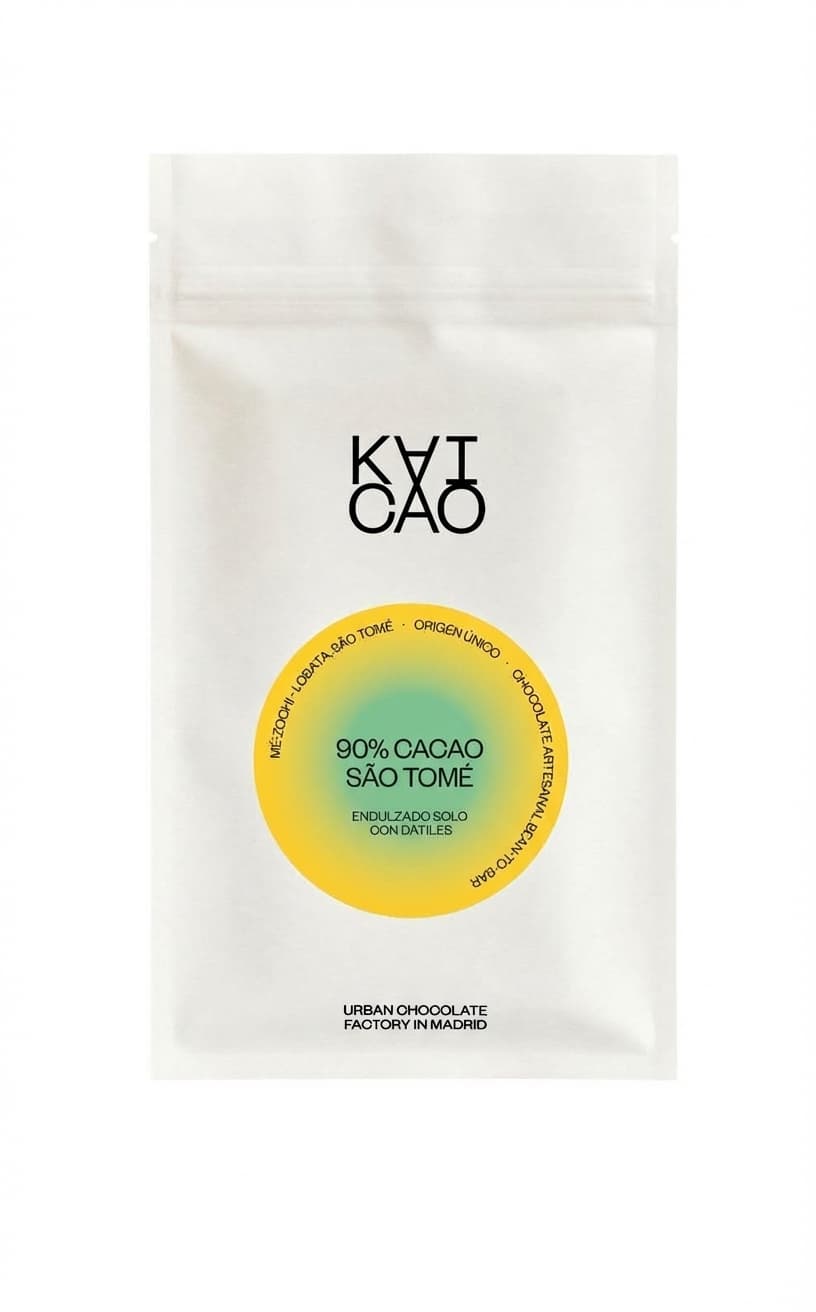
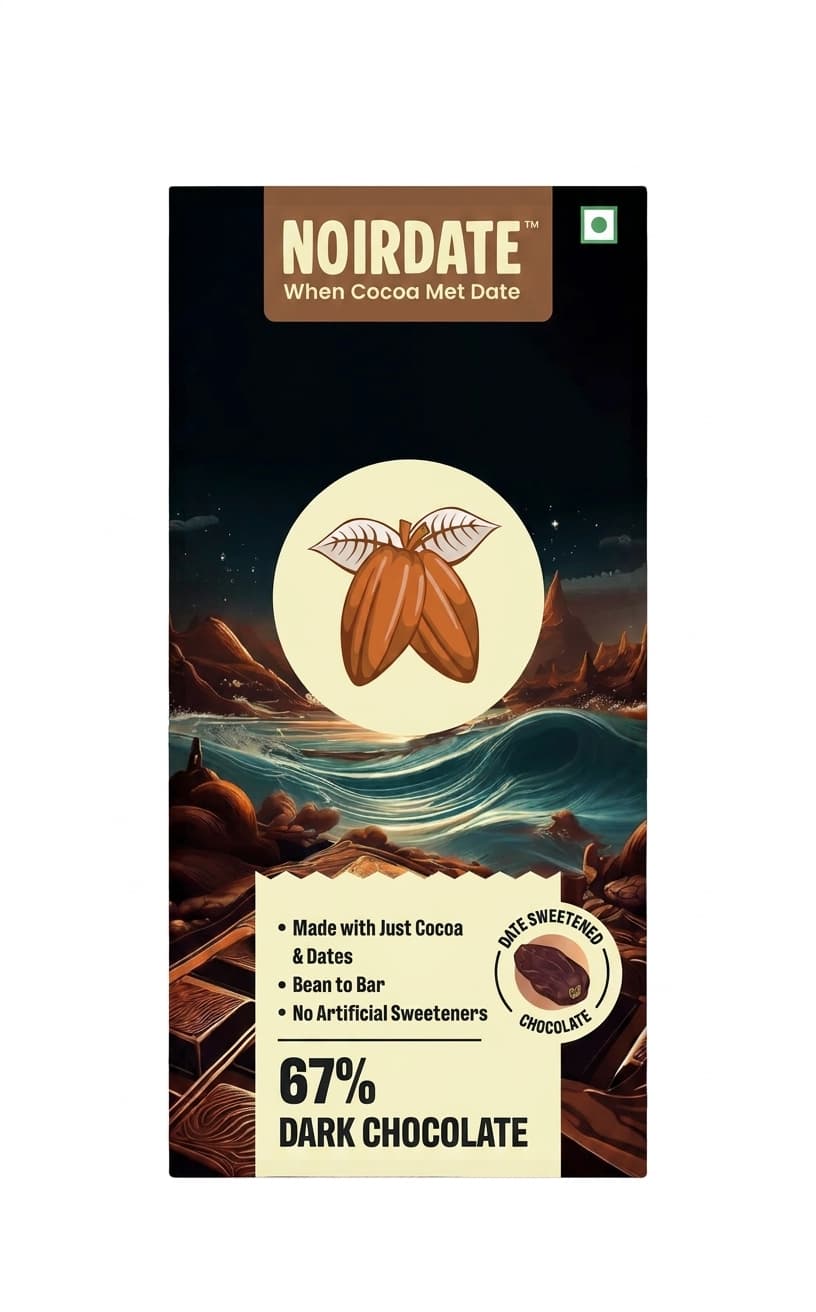
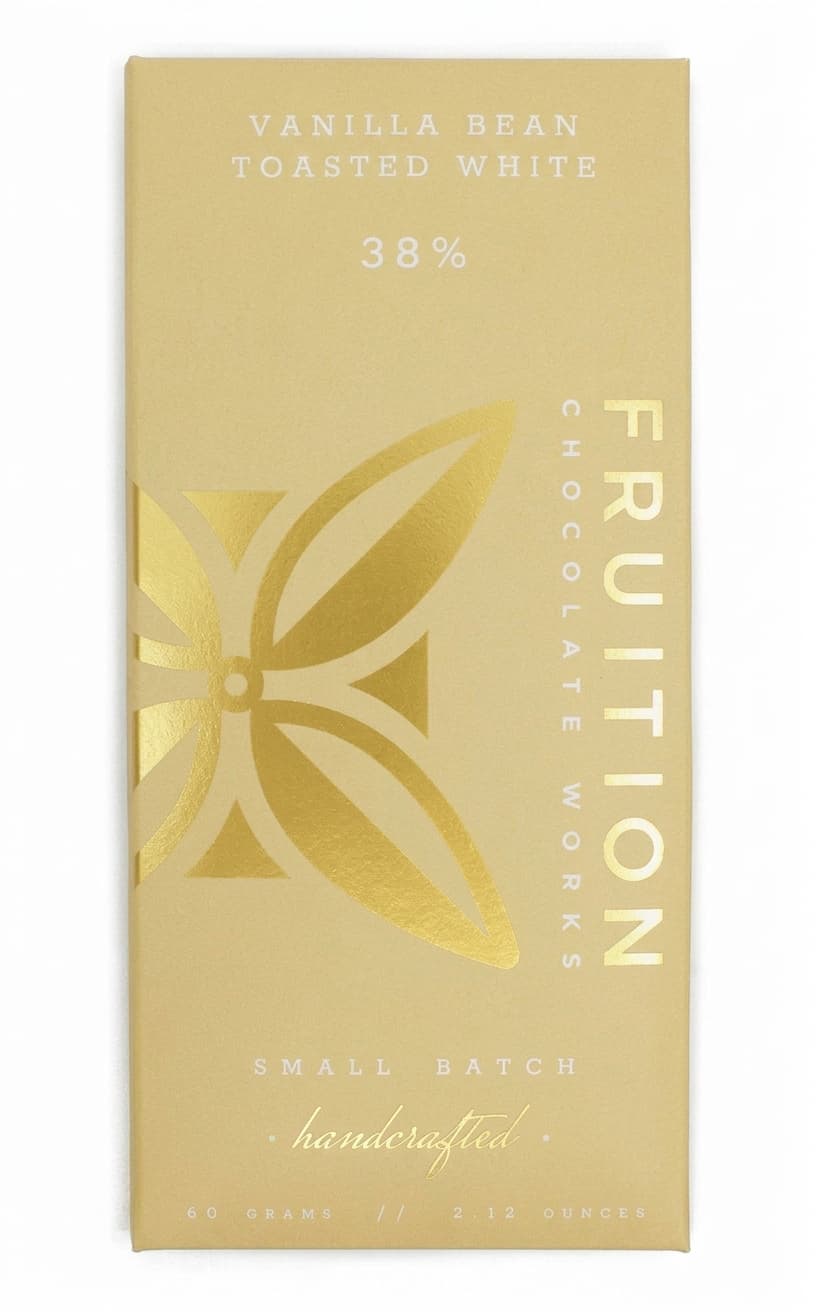
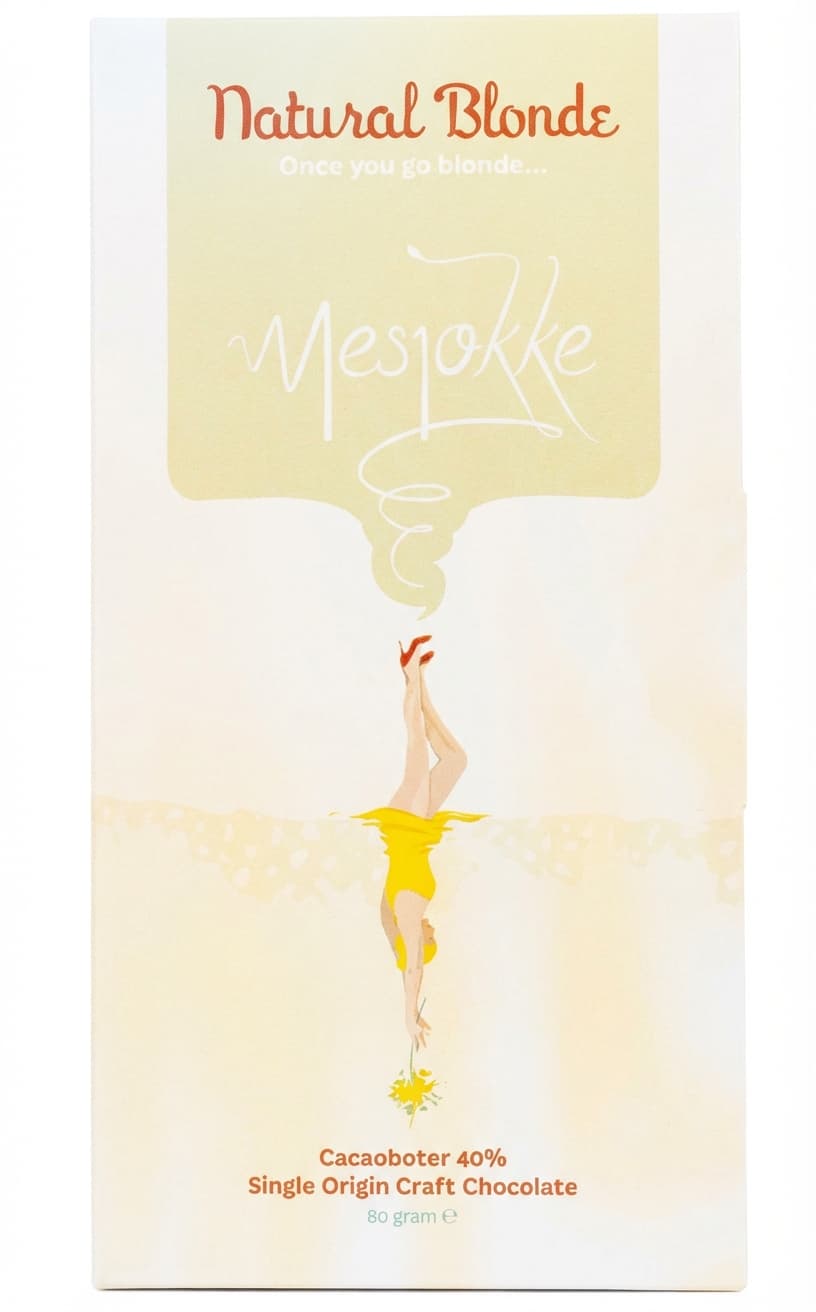
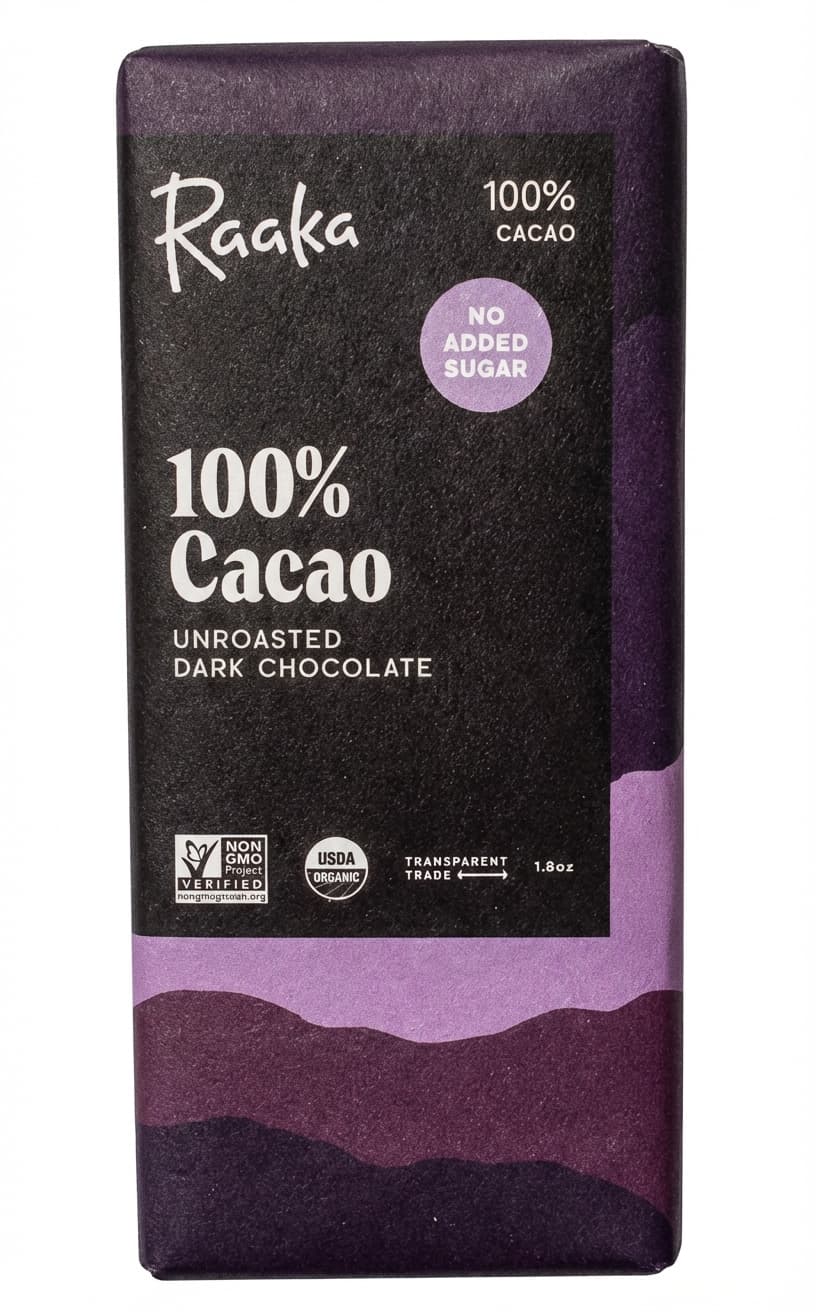
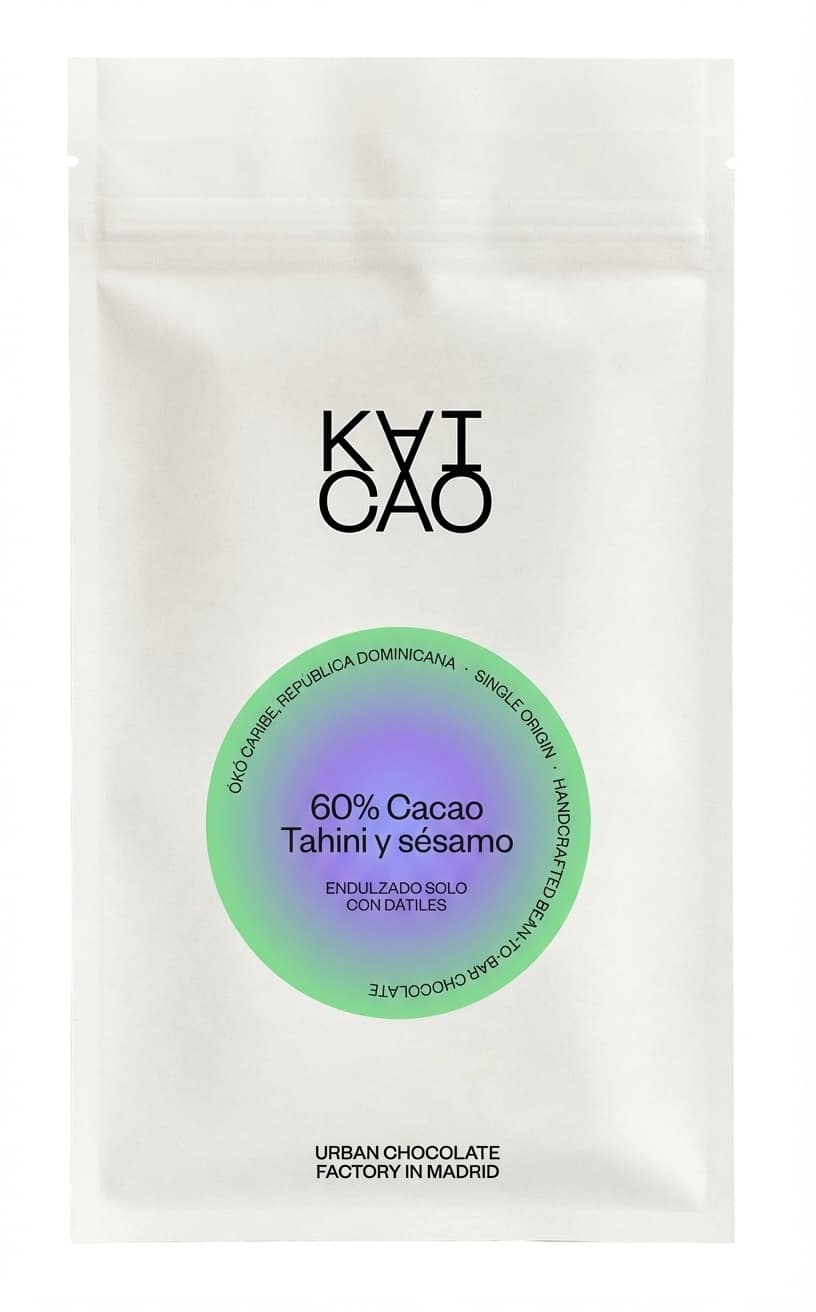
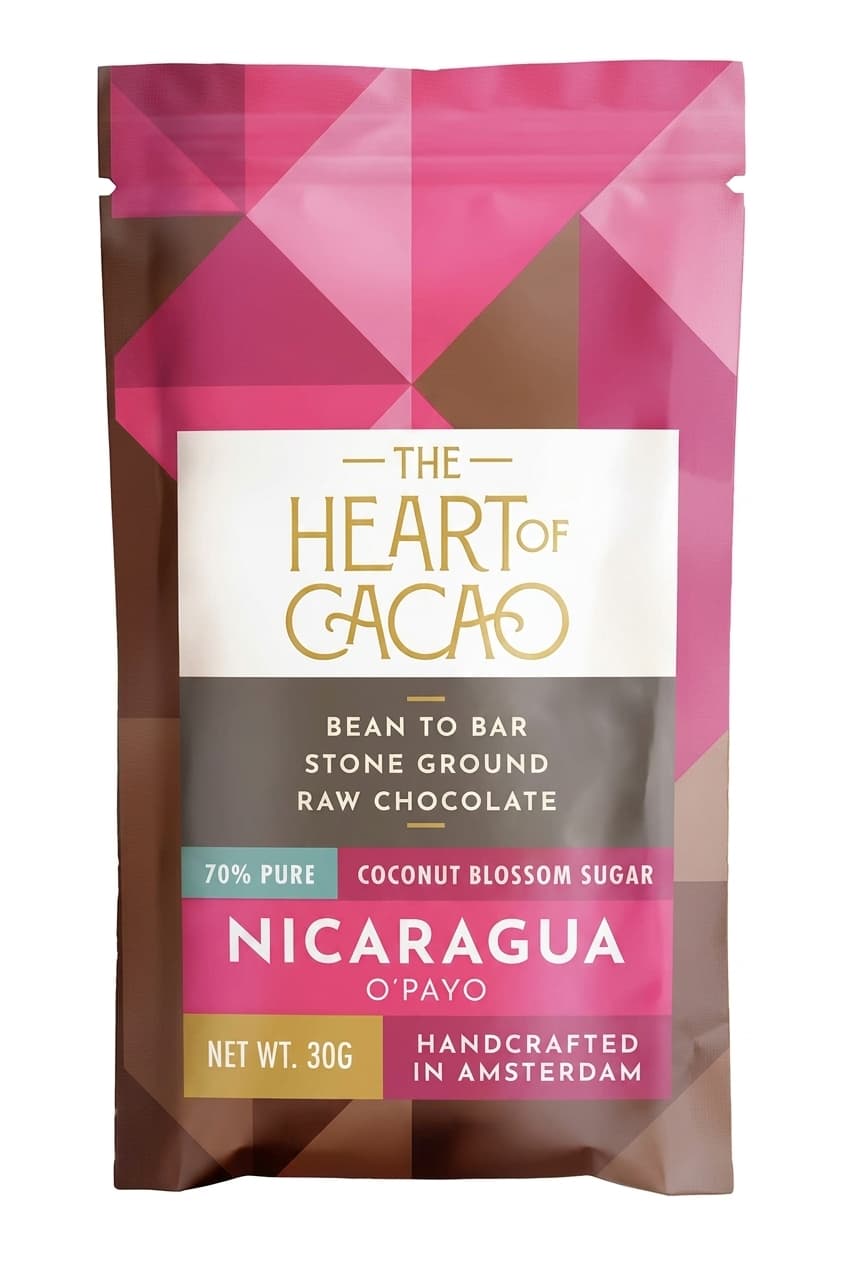
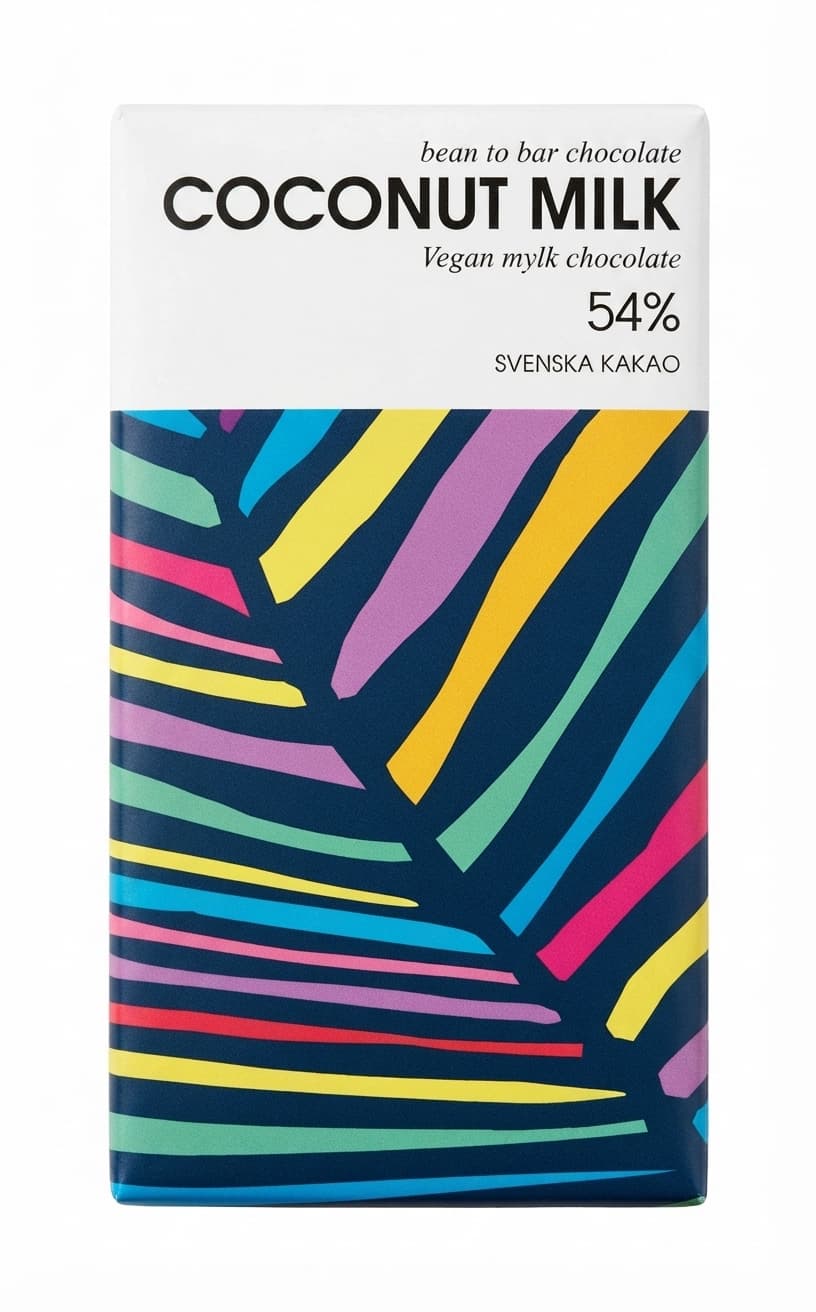
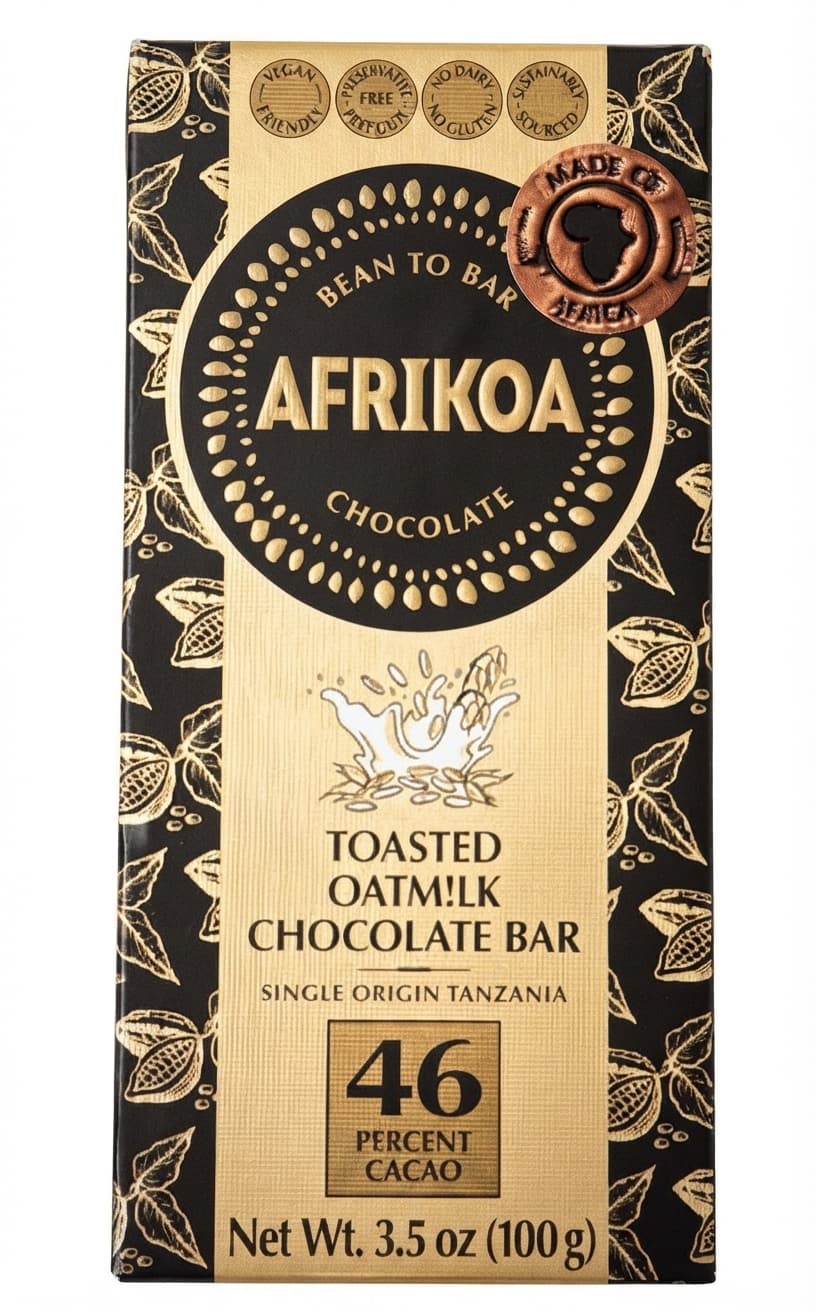
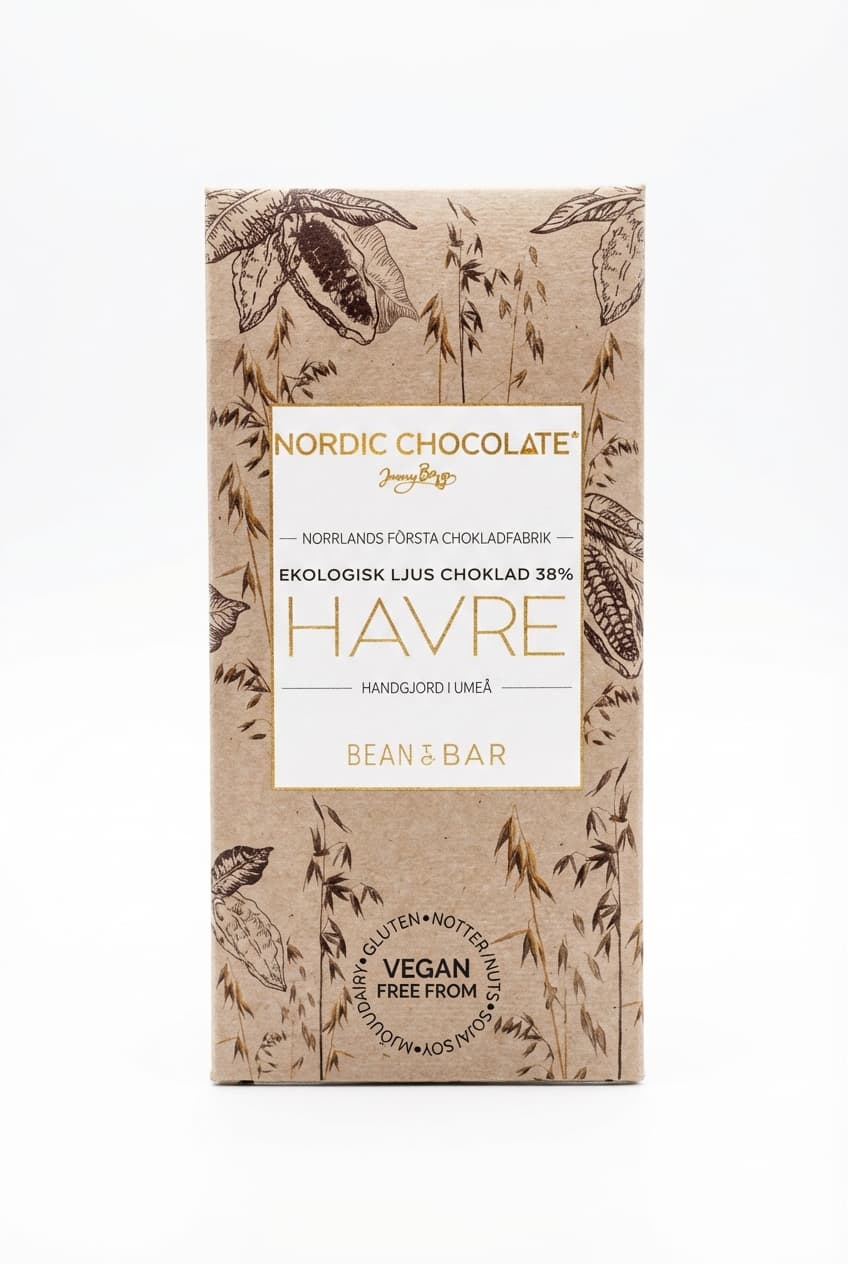
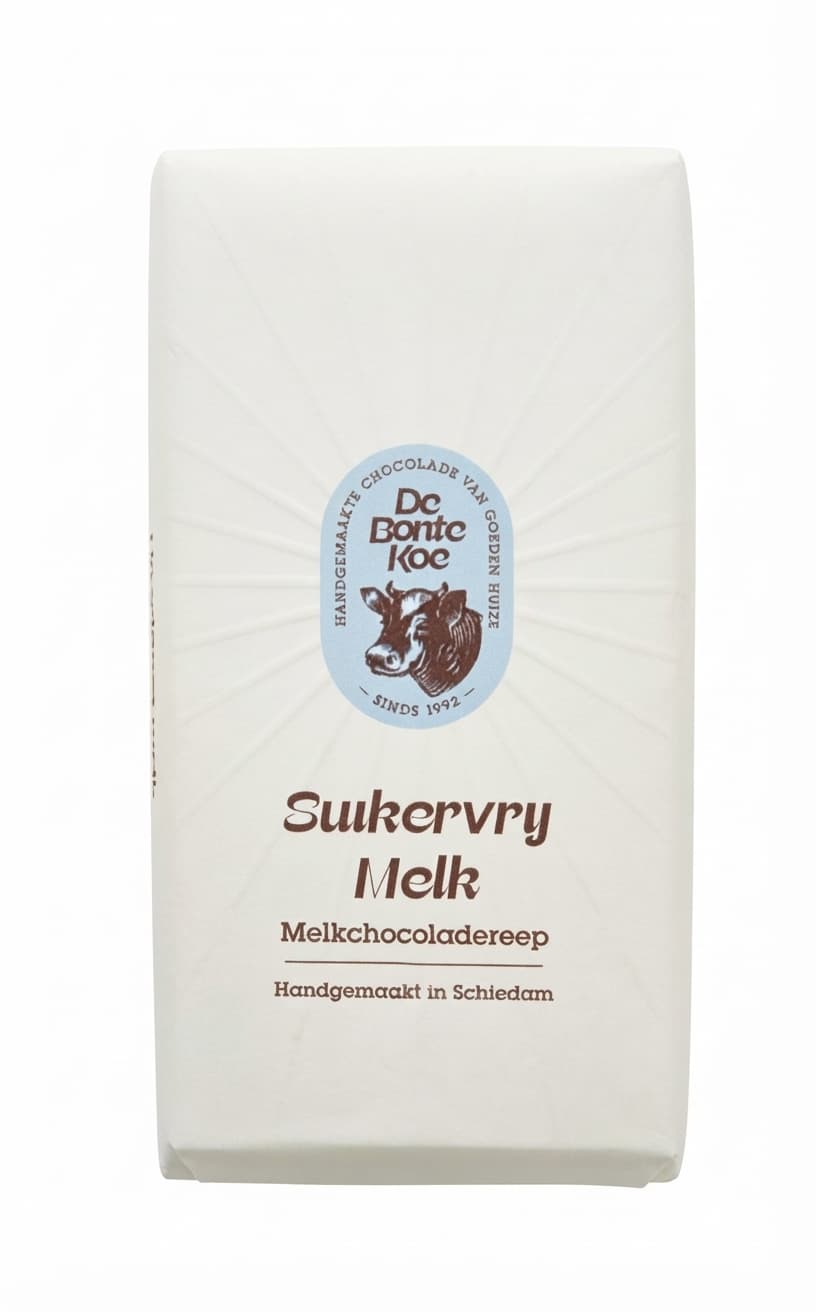
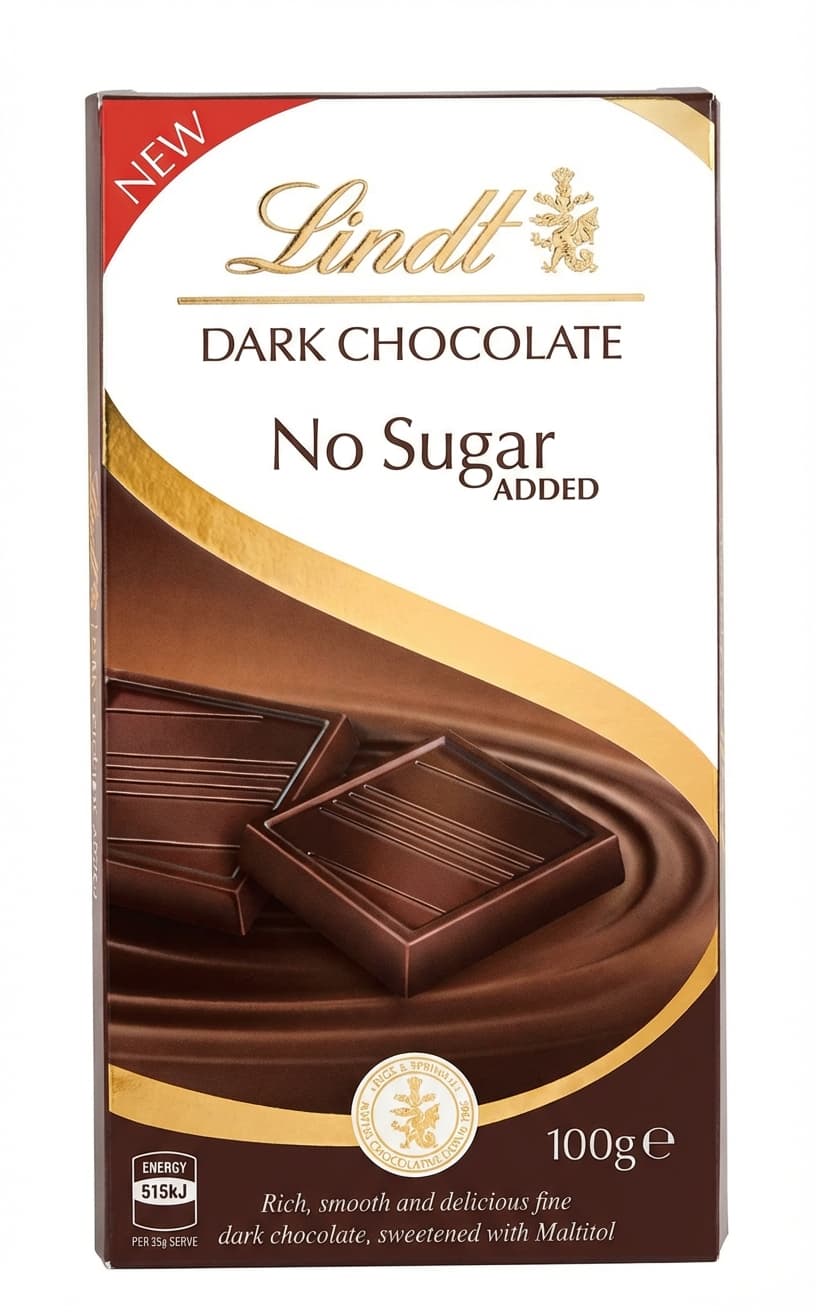
Photos show the three highest-ranked bars in each row by Chof Score, one per maker.
| Type | Cocoa range | Dairy | Sweetness | What it is | On Chof |
|---|---|---|---|---|---|
| The three main types | |||||
| Dark | Cocoa range50 to 90%+Most dark bars on Chof are 70 to 76% cocoa. | DairyNo | SweetnessLow to none | What it isCocoa mass, cocoa butter and sugar, with no milk to soften the cocoa. | On Chof1,038 barsCommon notes: fruit, honey, nutty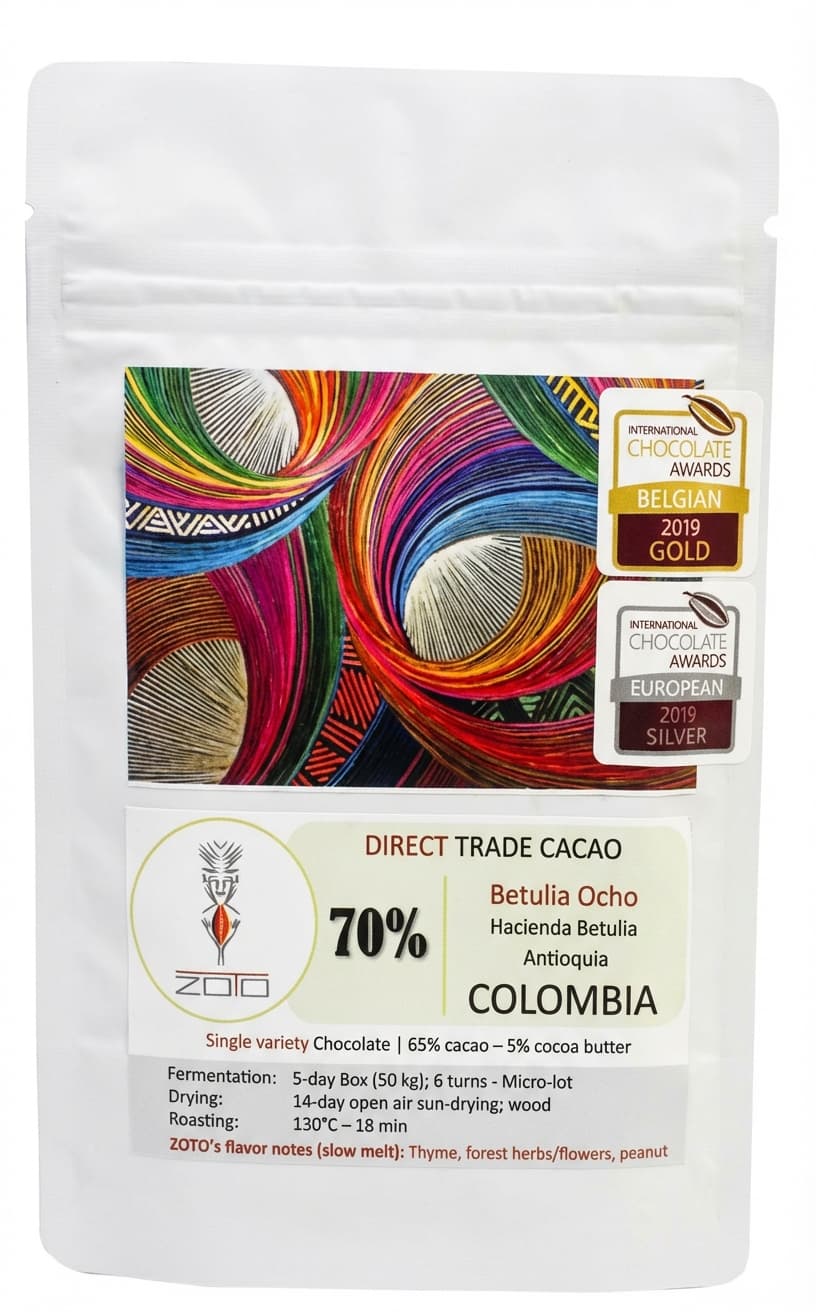 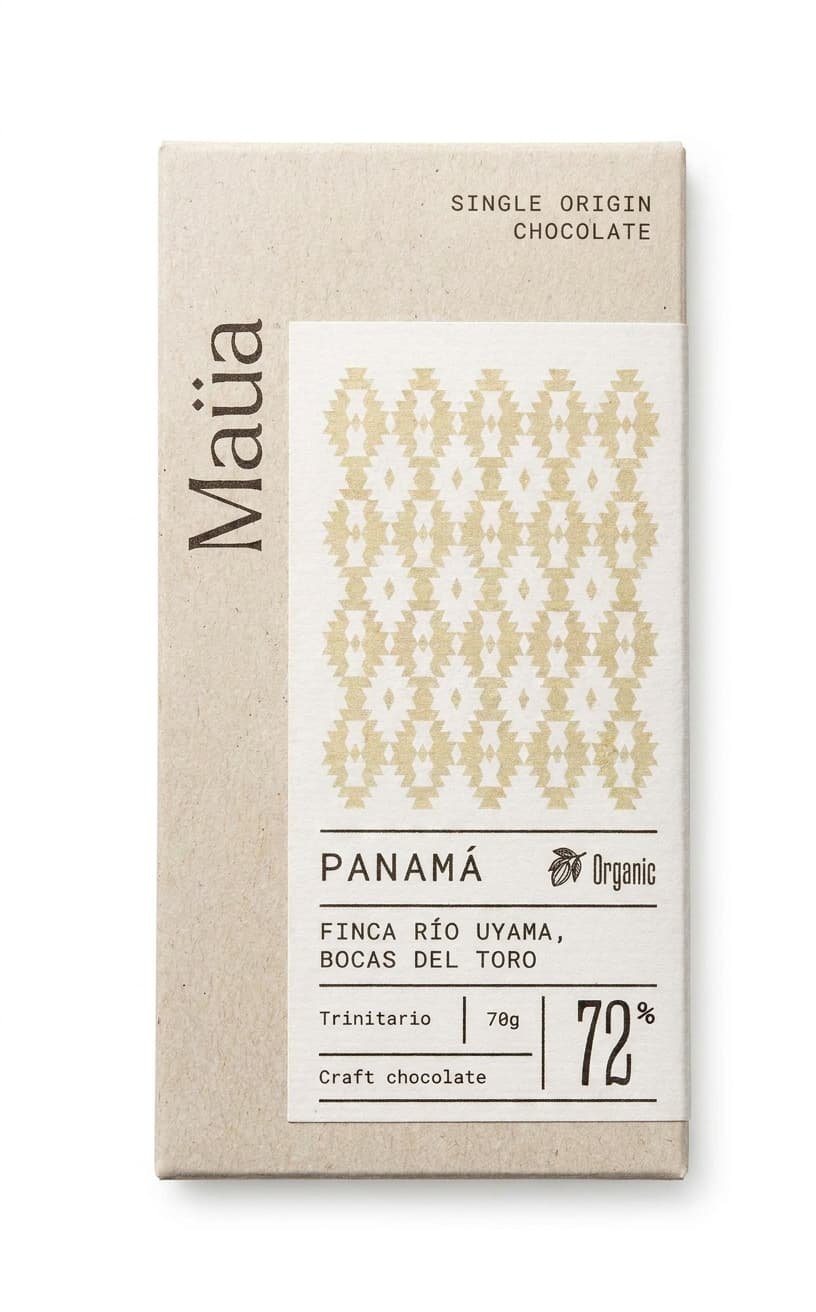 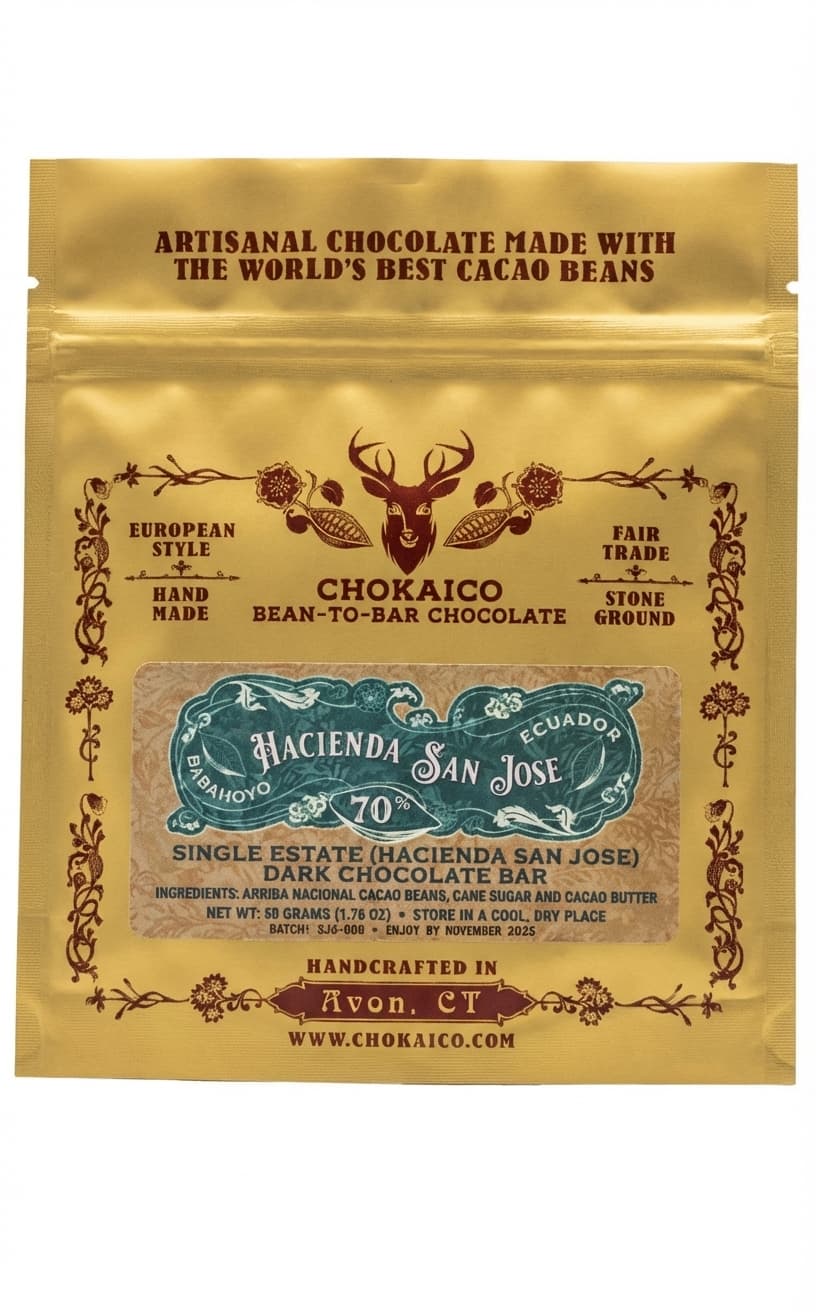 |
| Milk | Cocoa range30 to 55%Most milk bars on Chof are 42 to 55% cocoa. | DairyYes | SweetnessHigh | What it isCocoa mass, cocoa butter, sugar and milk powder, which softens the cocoa. | On Chof119 barsCommon notes: caramel, creamy, fruit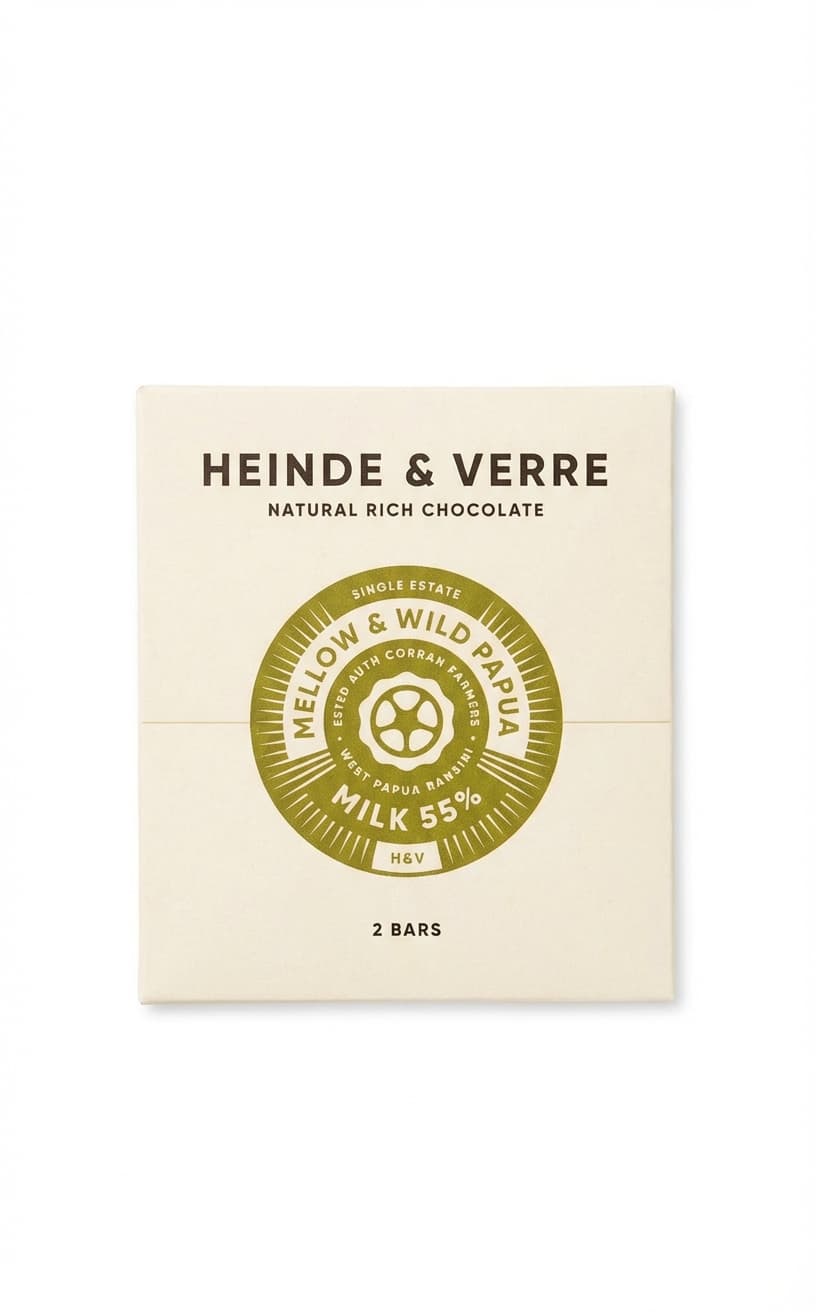 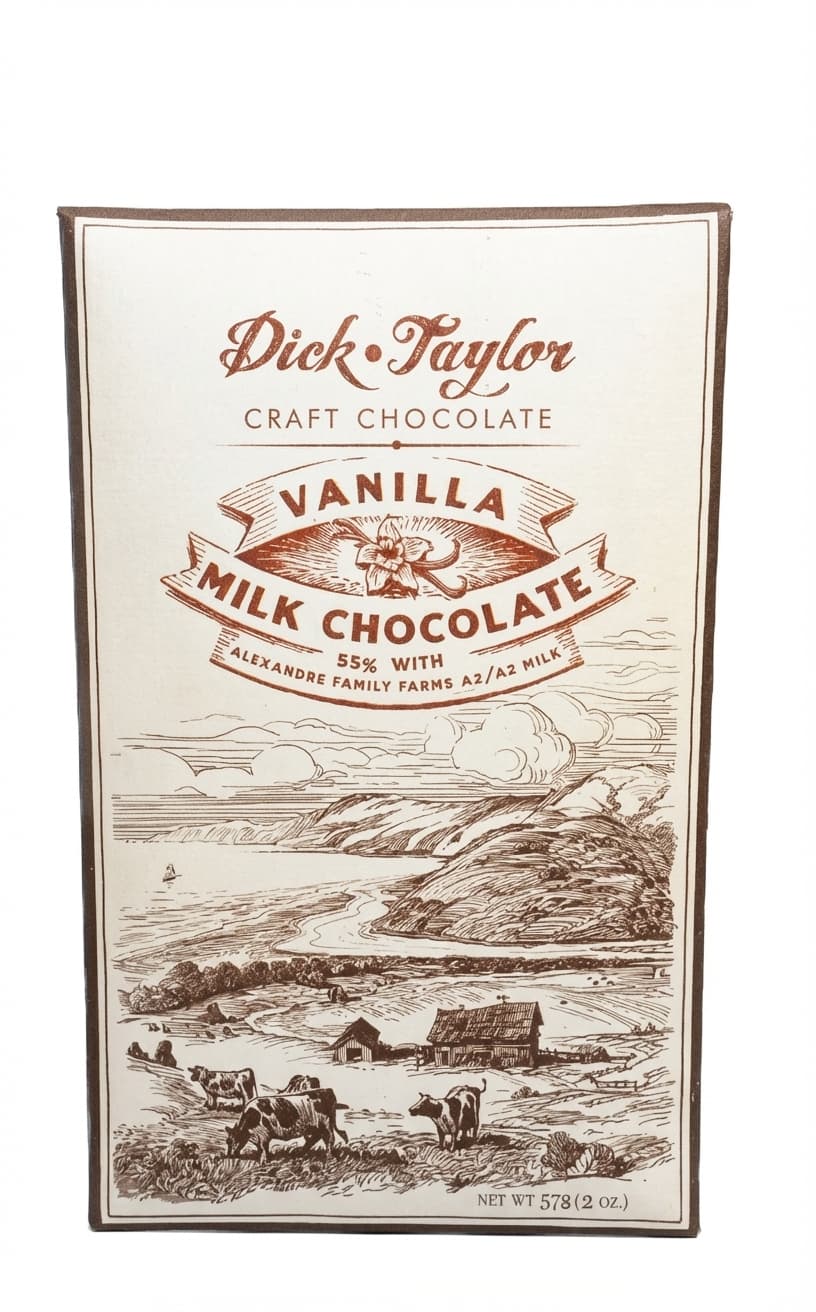 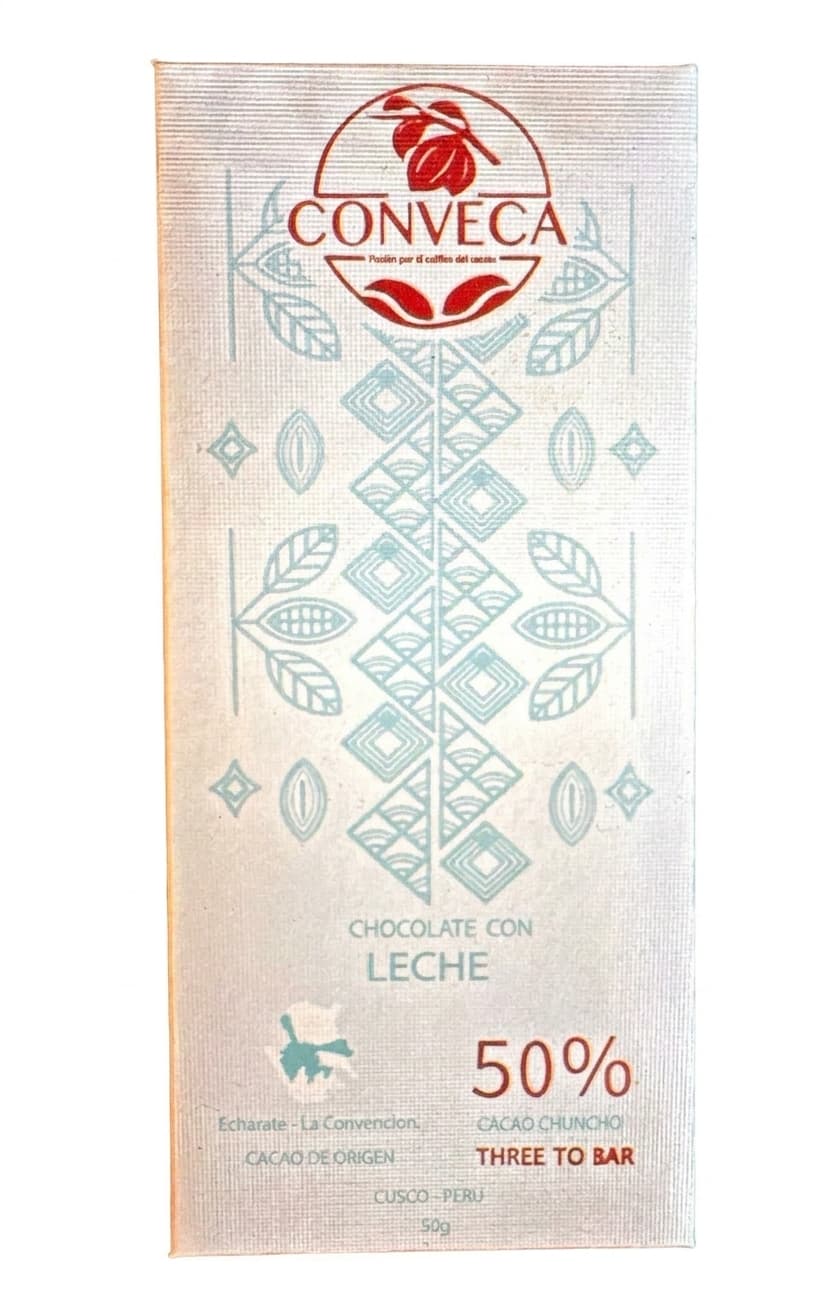 |
| White | Cocoa rangeAt least 20% cocoa butter | DairyYes | SweetnessHigh | What it isCocoa butter, sugar and milk, with no cocoa mass, which is why it is pale and tastes mostly of milk and sugar. | On Chof25 barsCommon notes: creamy, vanilla, dulce de leche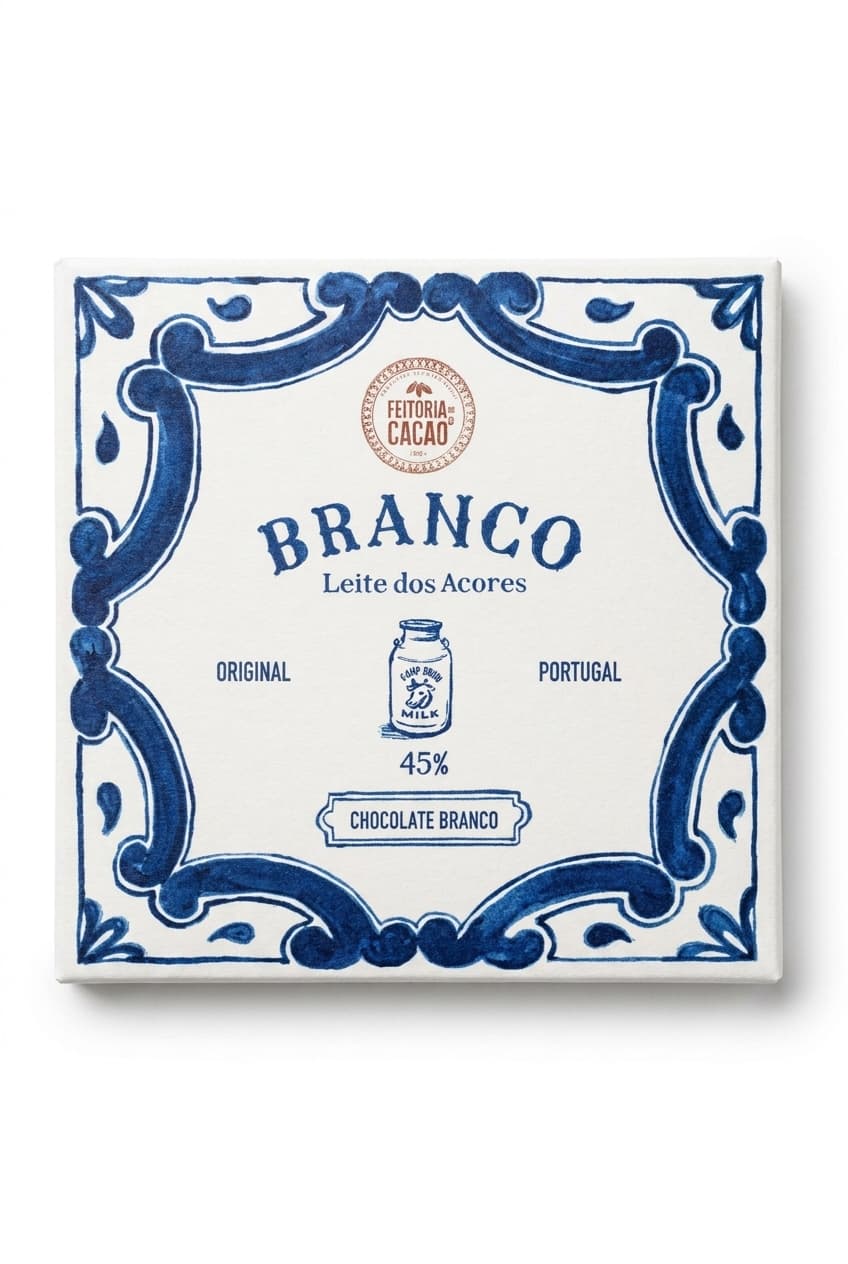 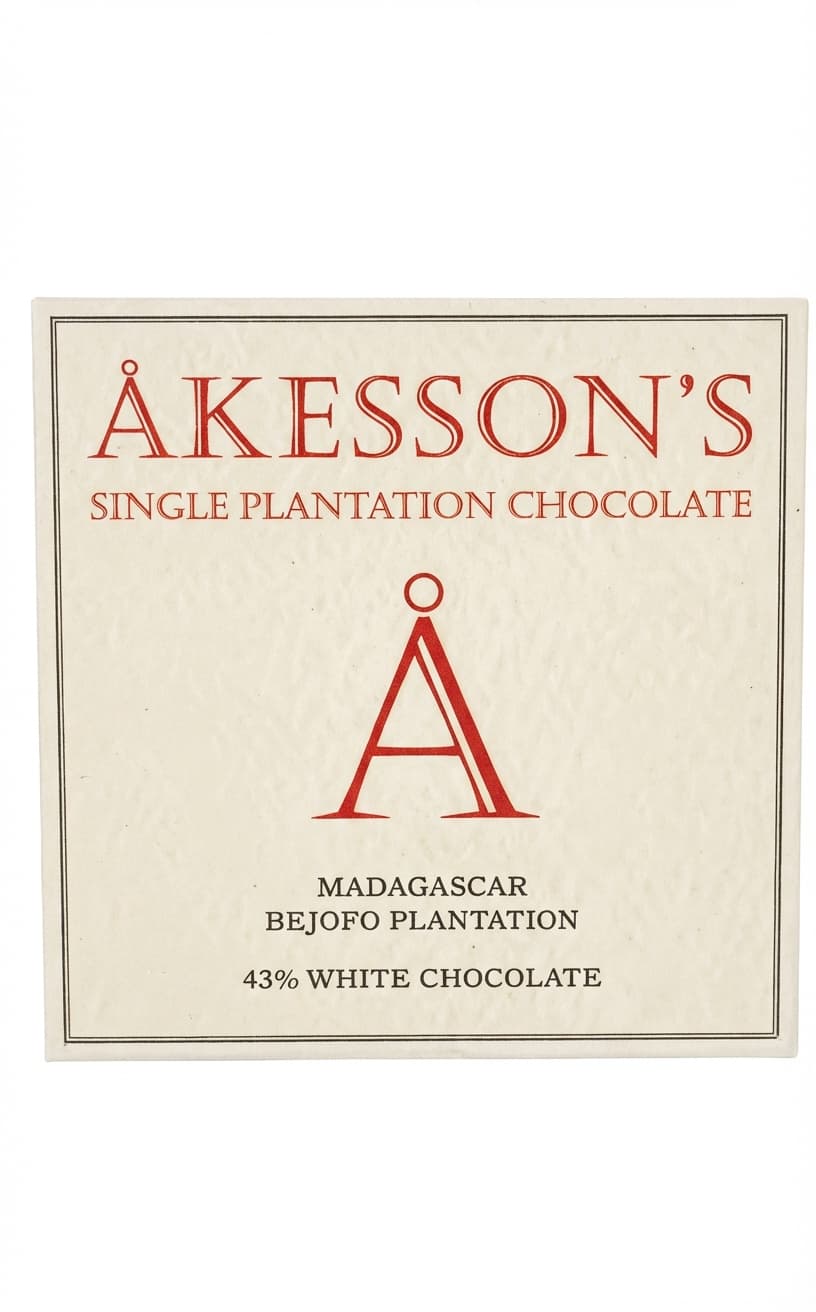 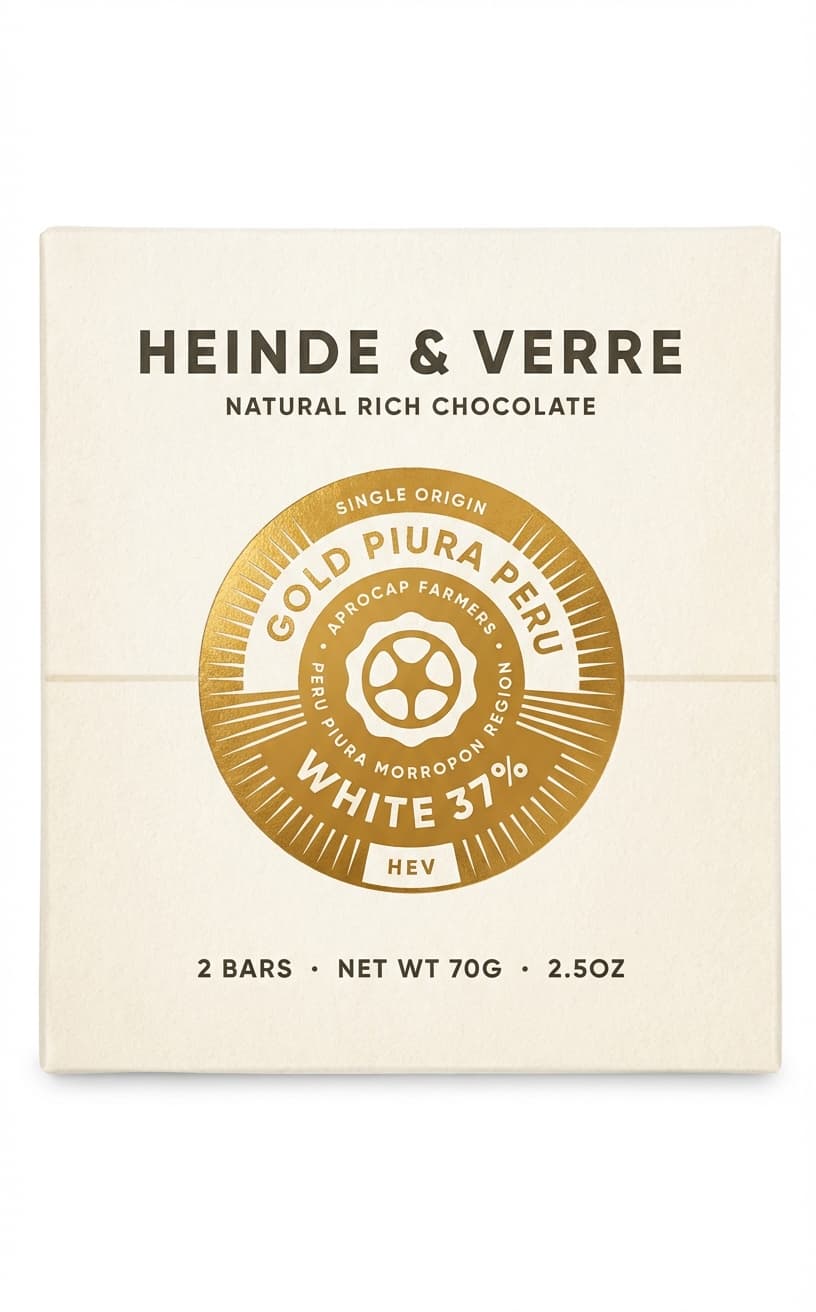 |
| Other kinds of chocolate | |||||
| Dark milk | Cocoa range50 to 70%Most dark milk bars on Chof are 55 to 60% cocoa. | DairyYes | SweetnessMedium | What it isMilk chocolate with a high cocoa share, so the cocoa leads and the milk rounds it off. | On Chof98 barsCommon notes: caramel, creamy, fruit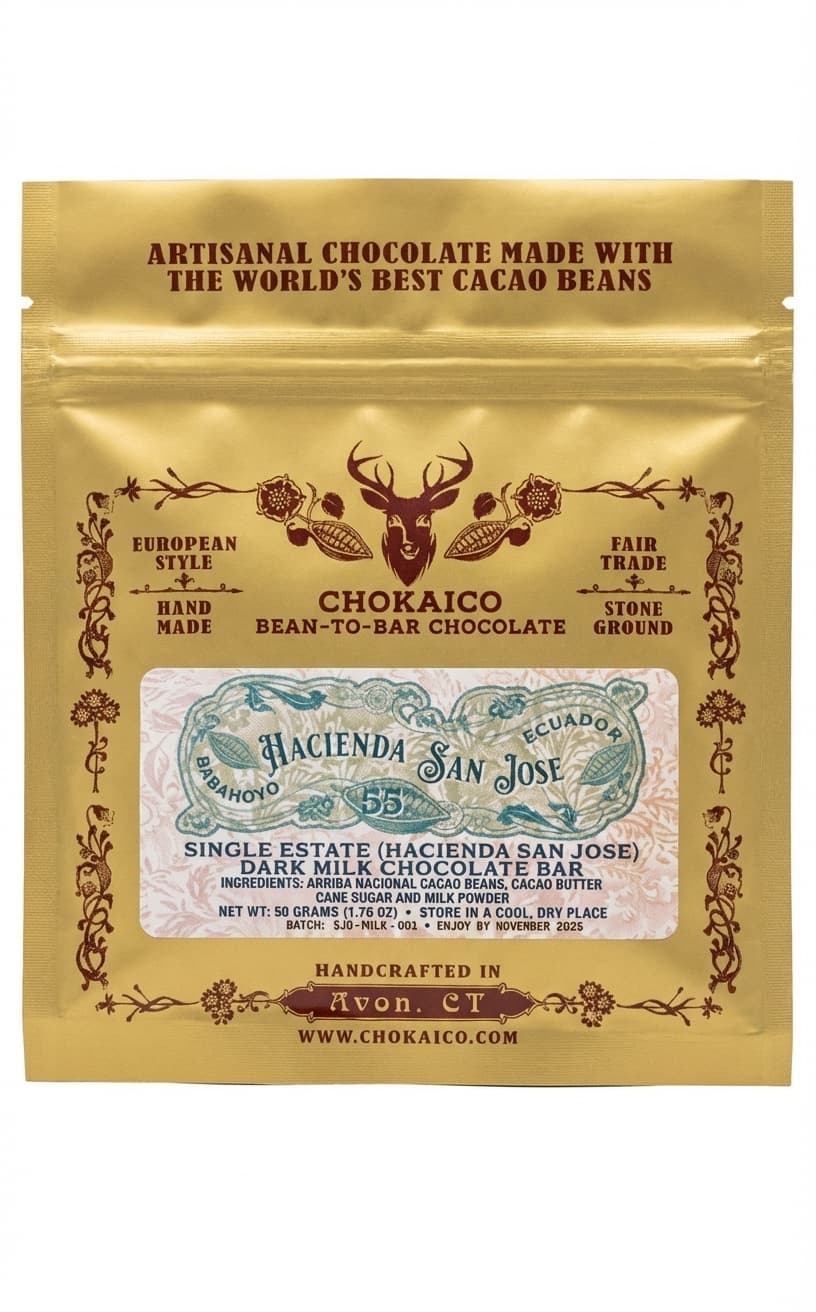 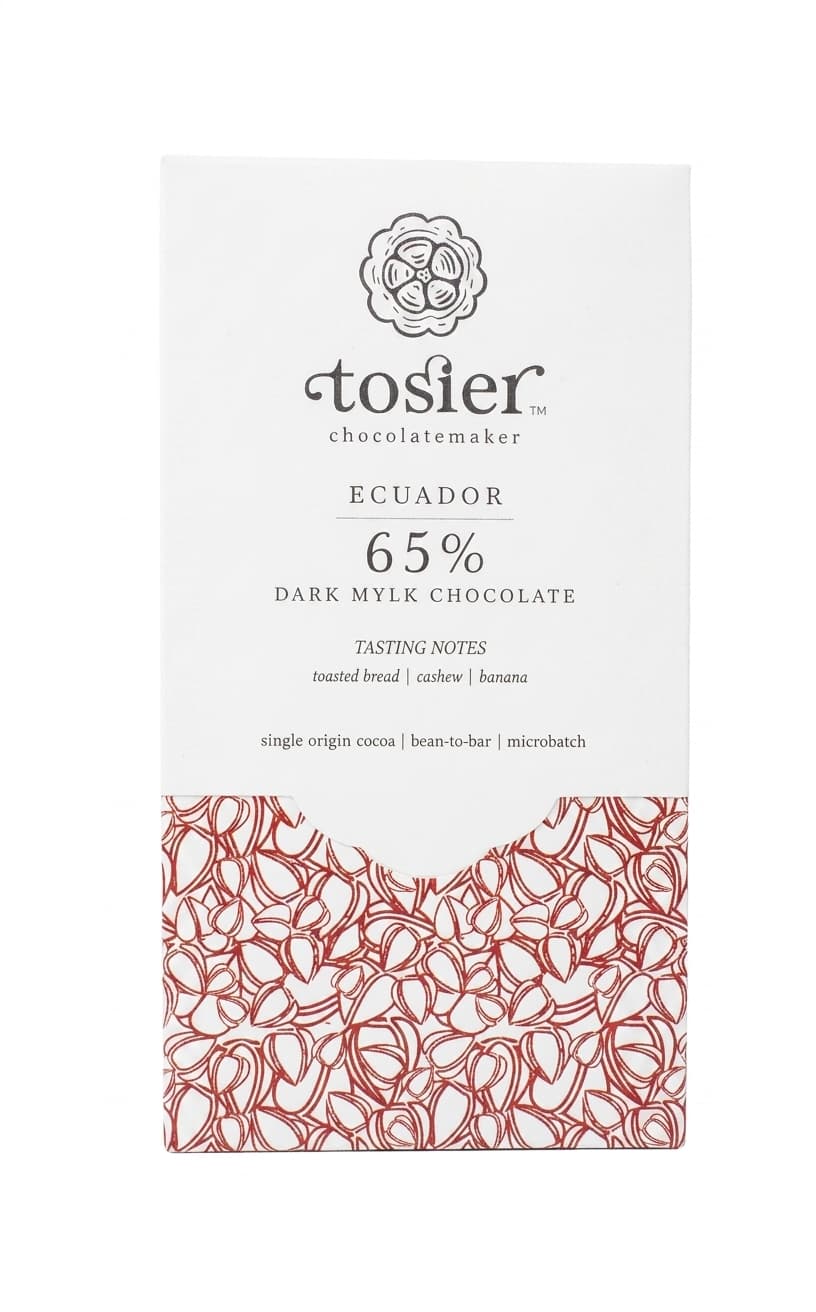 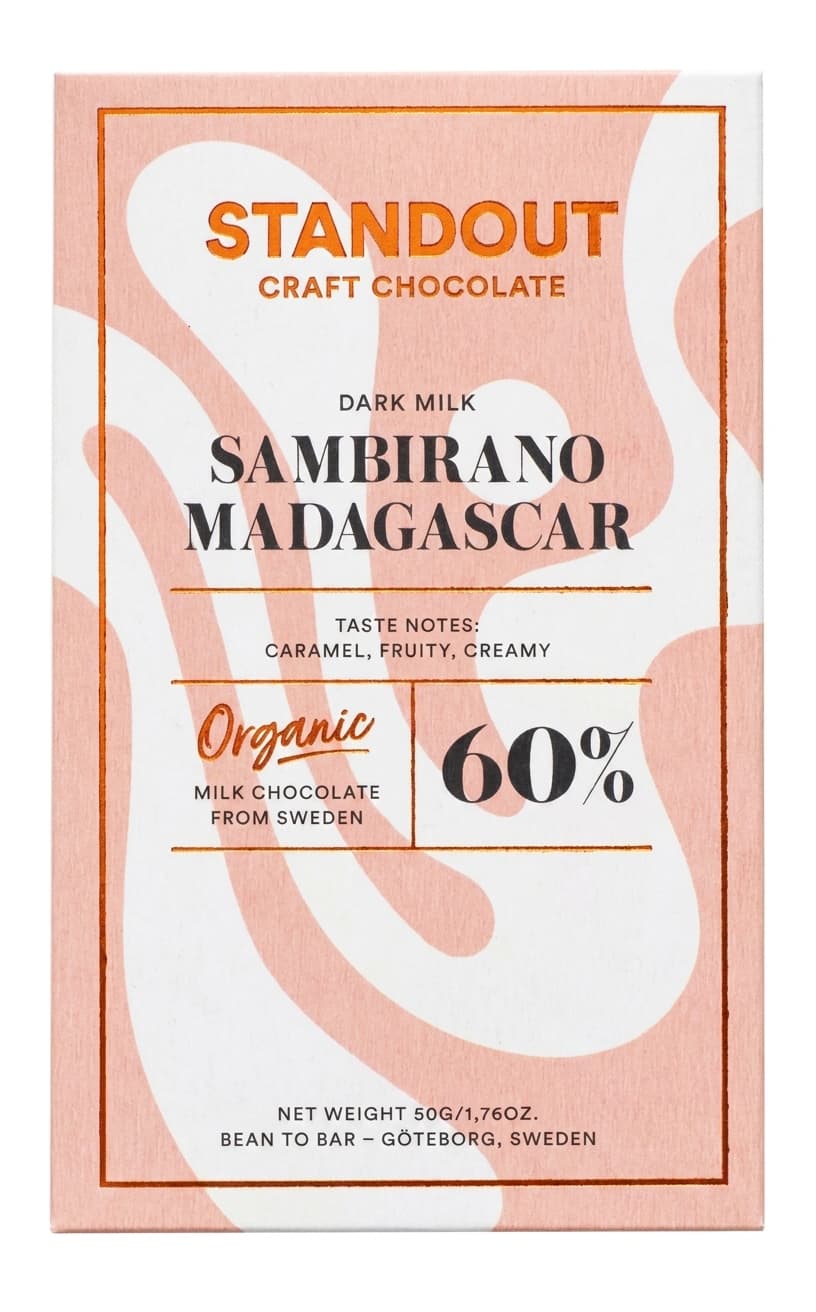 |
| Unsweetened (100%) | Cocoa range100% | DairyNo | SweetnessNone | What it isCocoa mass, sometimes with added cocoa butter, and no sugar or milk. Eaten as it is or used in baking. | On Chof91 barsCommon notes: fruit, nutty, raisins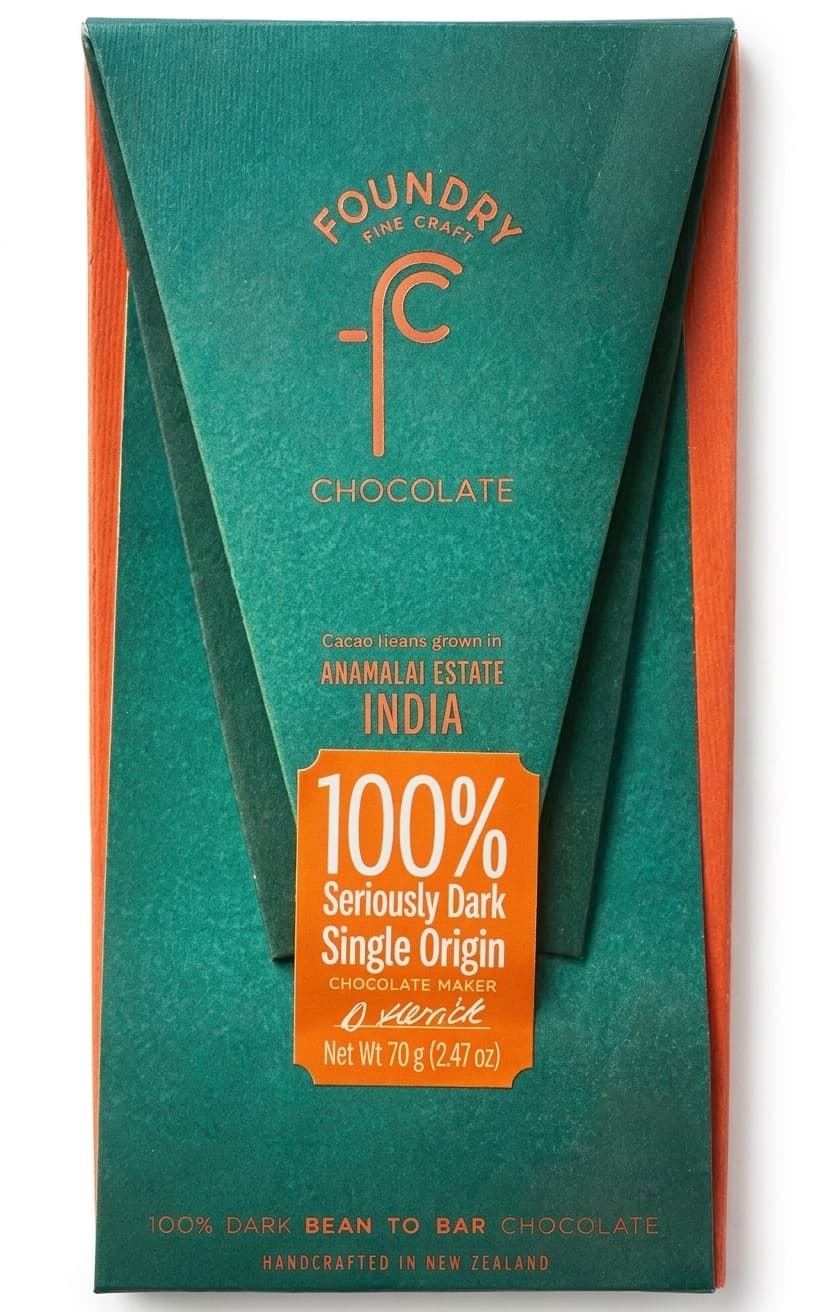 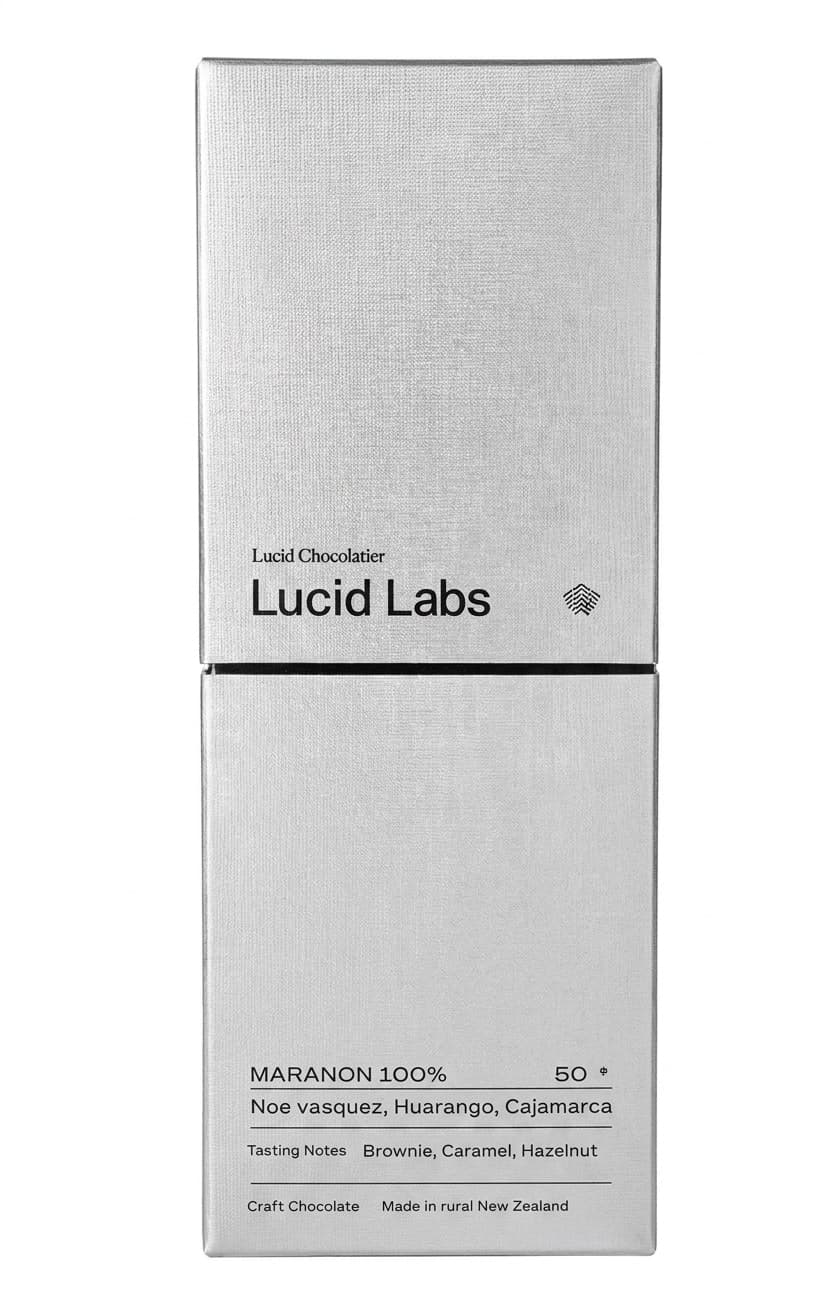 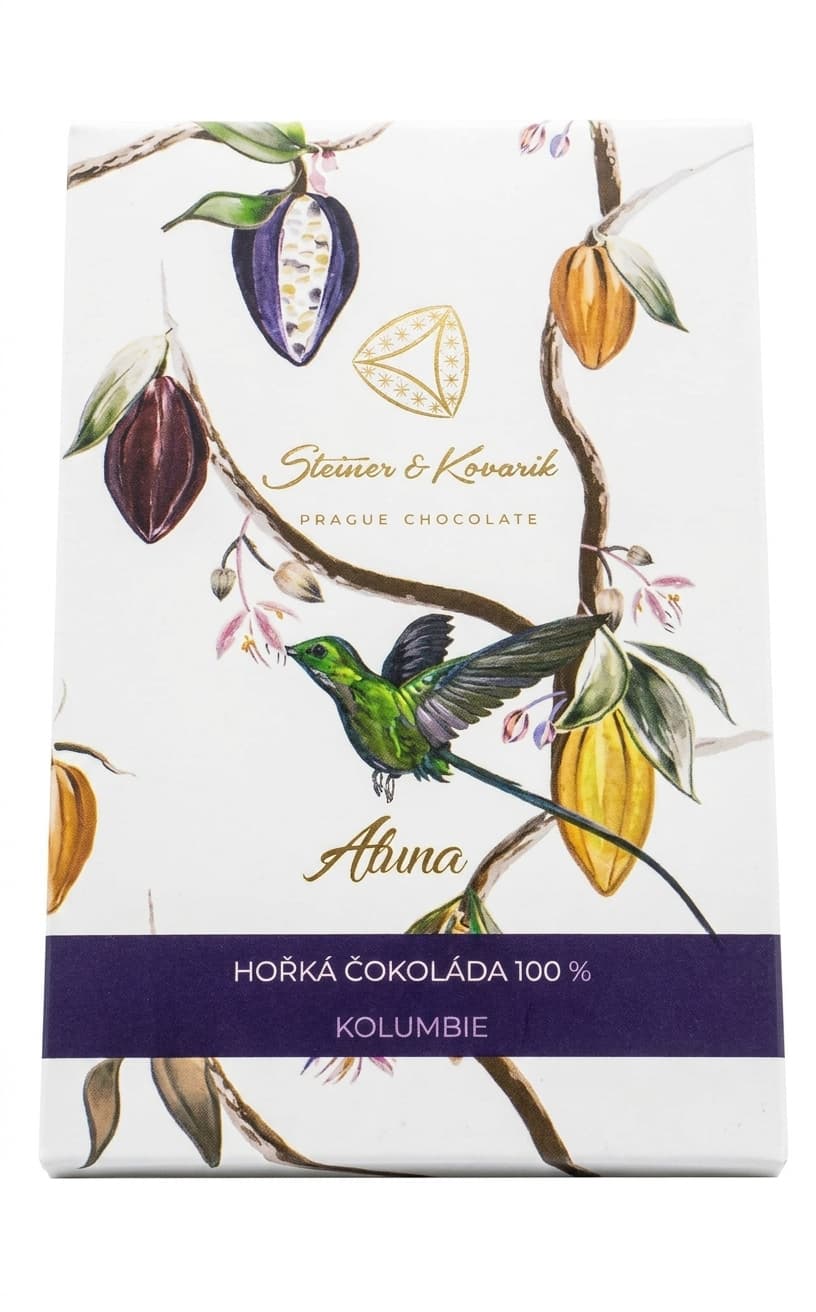 |
| Blond (caramelised white) | Cocoa rangeAt least 20% cocoa butter | DairyYes | SweetnessHigh | What it isWhite chocolate heated until it caramelises, which turns it golden and gives it a biscuit and caramelised-milk taste. Valrhona, which sells it as Dulcey, calls blond chocolate's fourth colour. | On Chof16 barsCommon notes: caramel, biscuit, buttery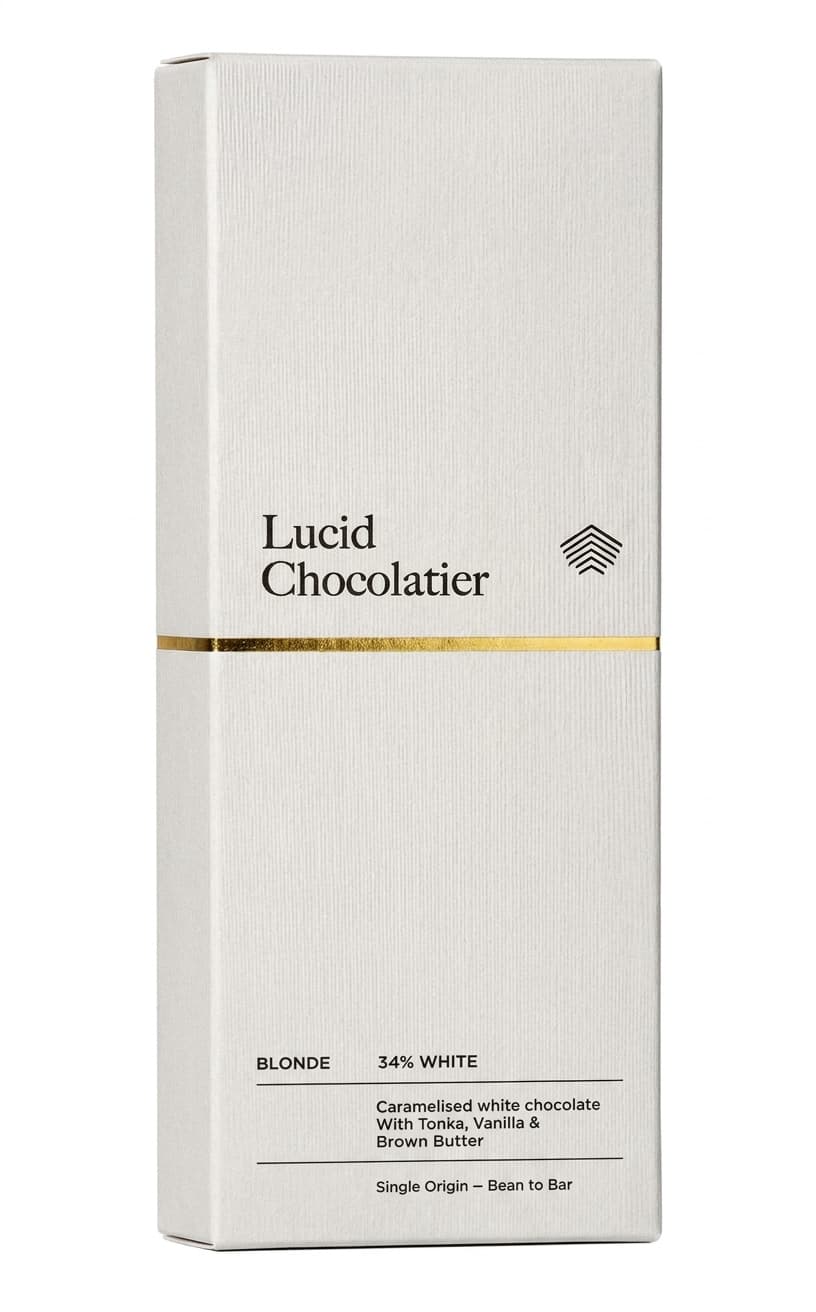 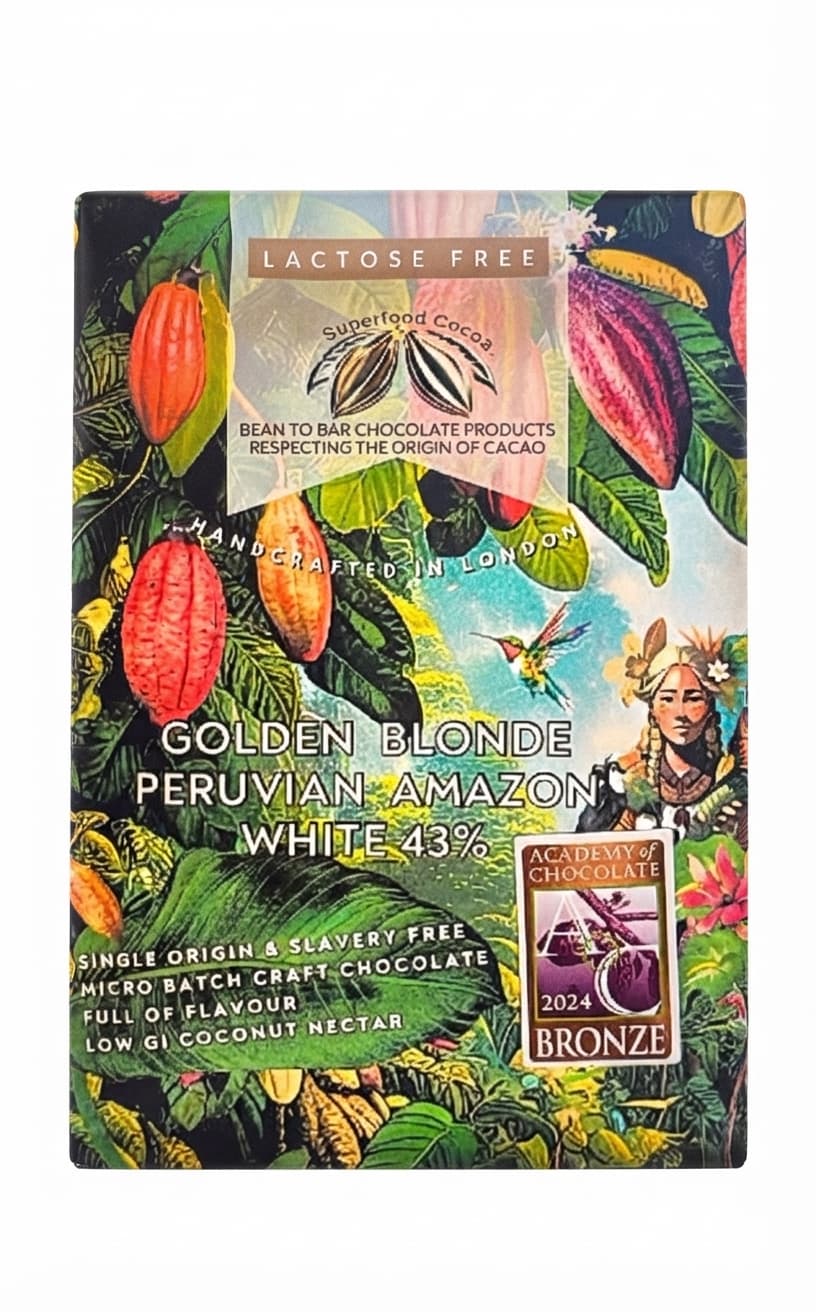 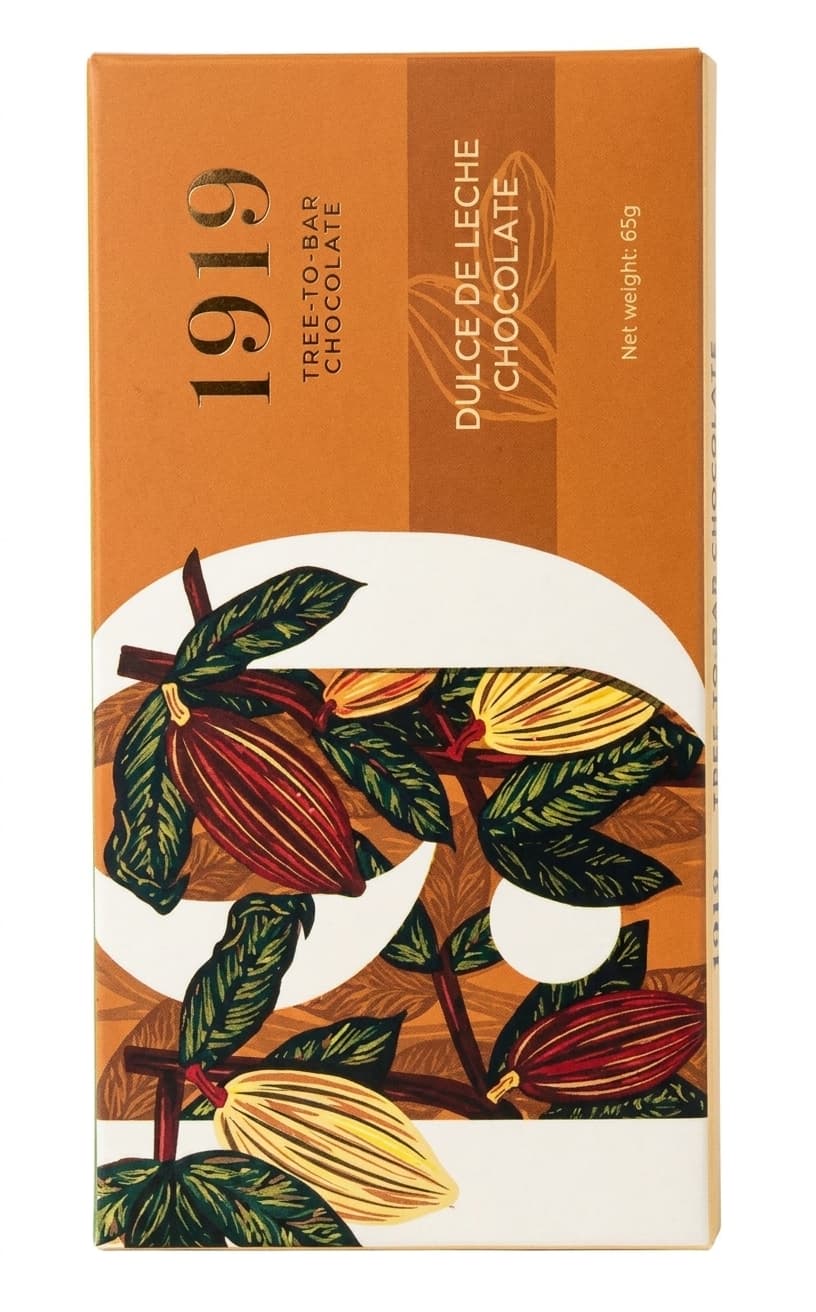 |
| Ruby | Cocoa rangeVaries by recipe | DairyYes | SweetnessMedium | What it isPink and tart. Barry Callebaut, which presented it in 2017, says the colour and taste come from the cocoa beans and how they are processed, with no colourants or fruit flavourings added. | On ChofNone yet |
Definitions on this page are general to all chocolate. Counts, percentages and tasting notes are live from the Chof catalog and refresh as bars are added.
Cocoa figures are the share of the bar's weight that comes from cacao (cocoa percentage explains the number). In the EU, anything sold as chocolate needs at least 35% total dry cocoa solids and milk chocolate at least 25%; the law sets no minimum for ‘dark’ (Directive 2000/36/EC). In the US, milk chocolate needs at least 10% chocolate liquor and 12% milk solids (21 CFR 163). White chocolate needs at least 20% cocoa butter in both; the EU allows up to 5% other vegetable fats in chocolate, the US none.
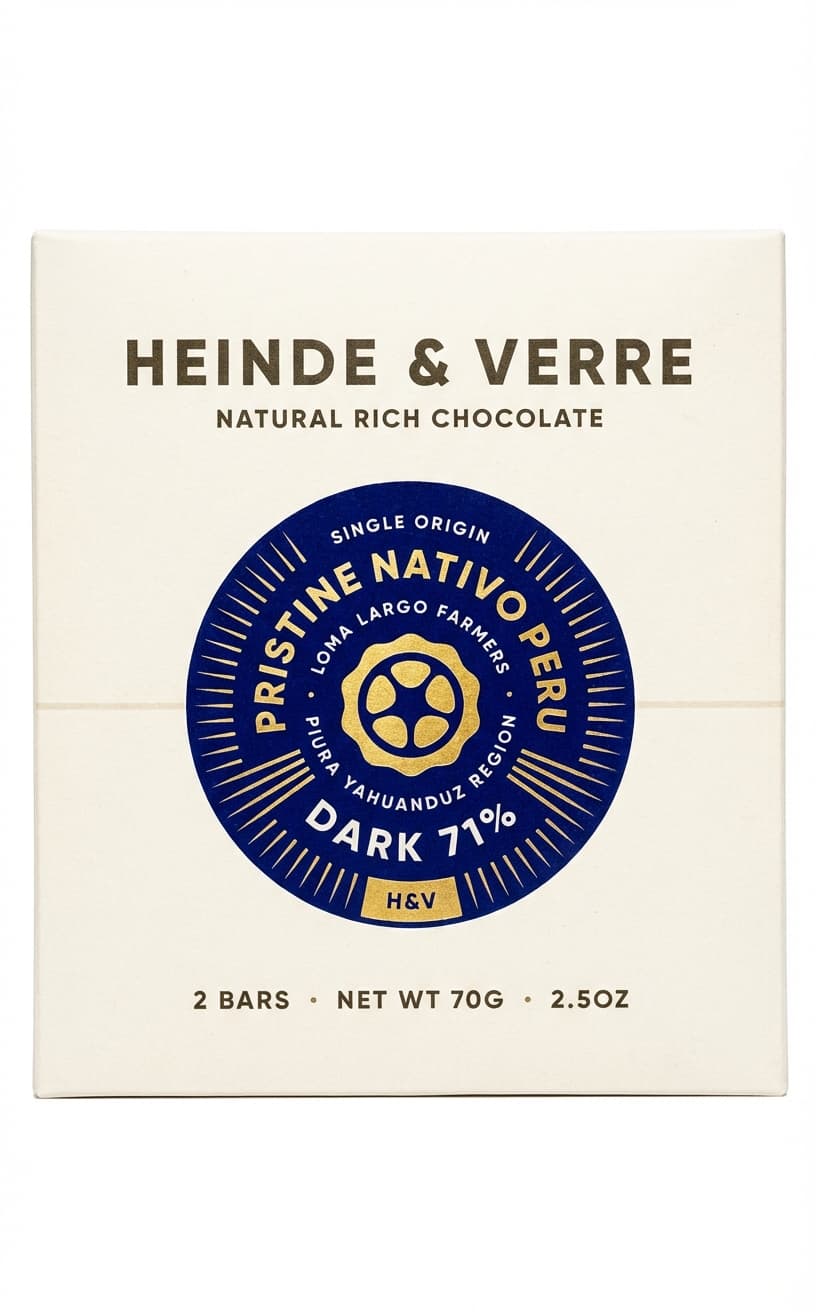
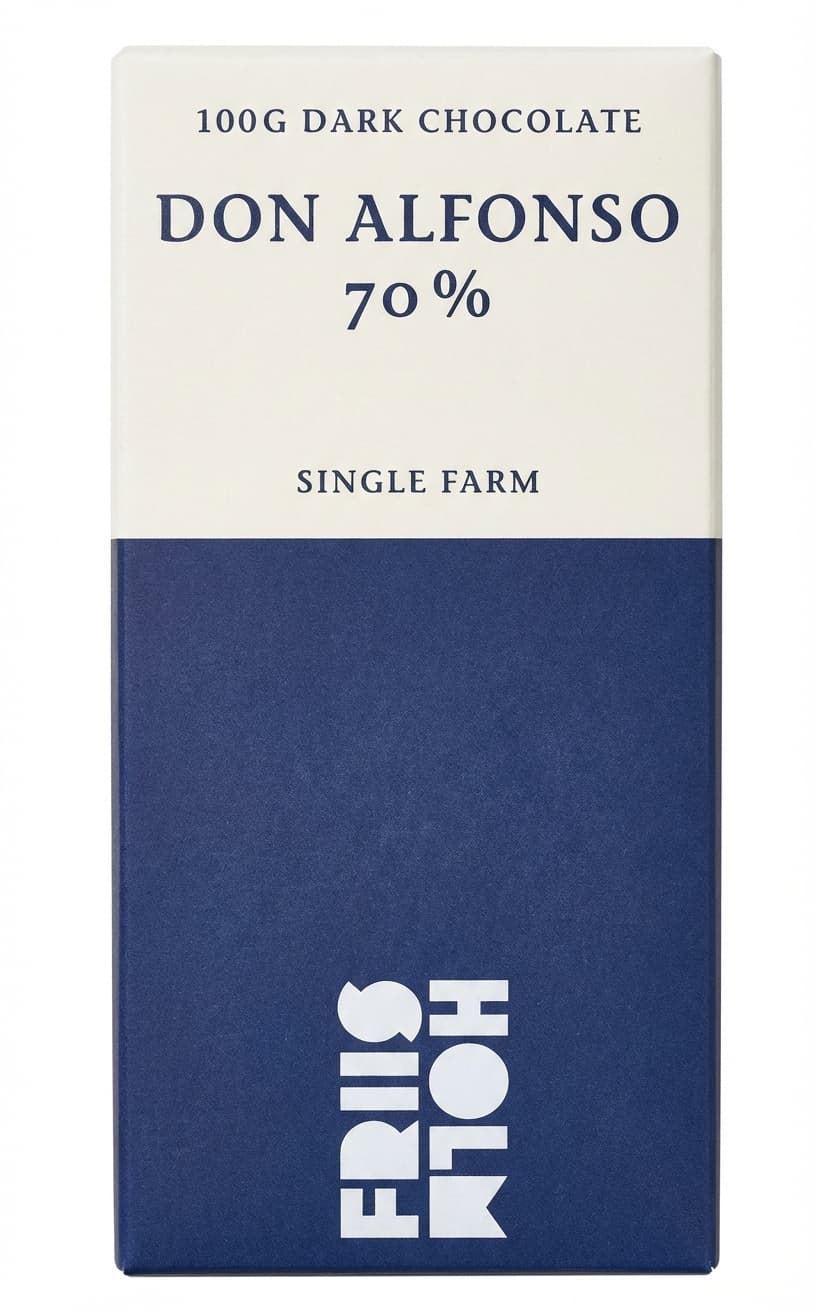
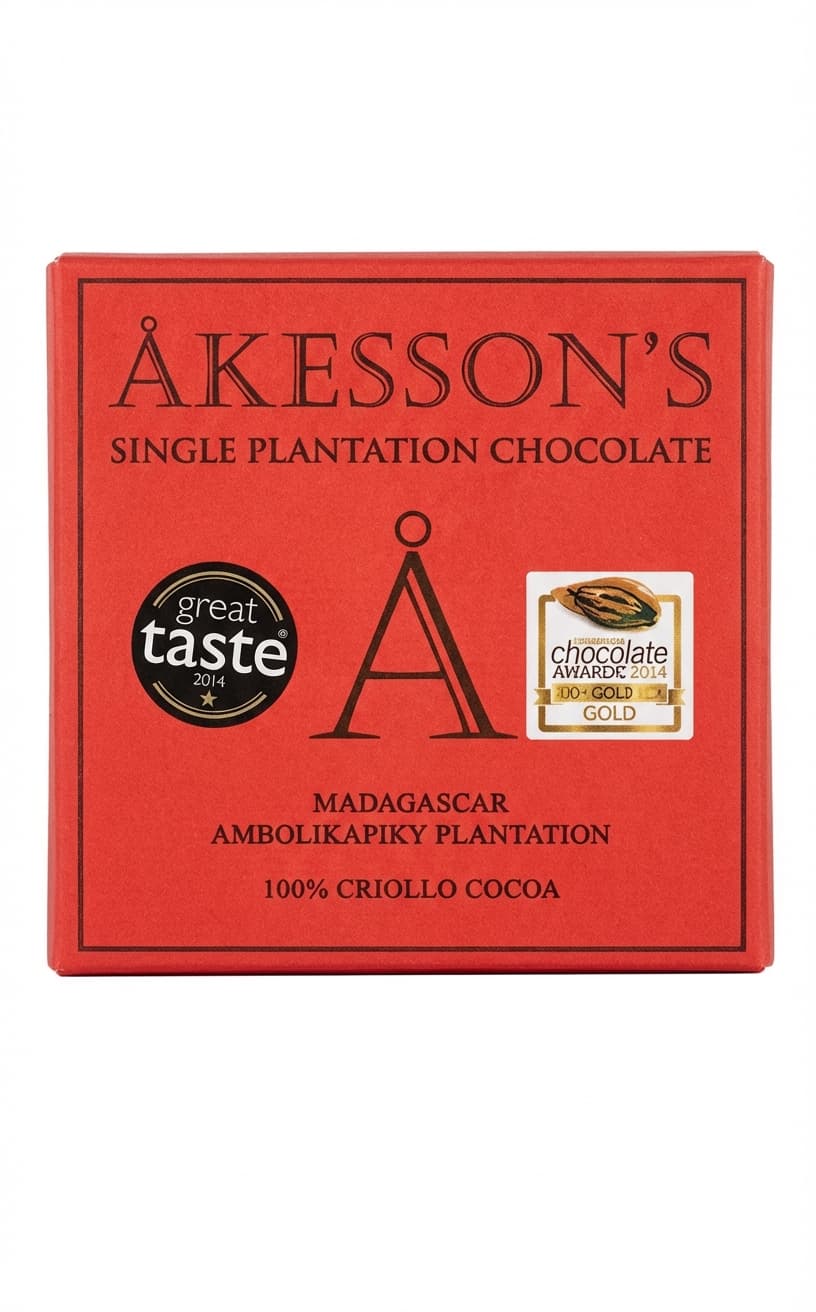
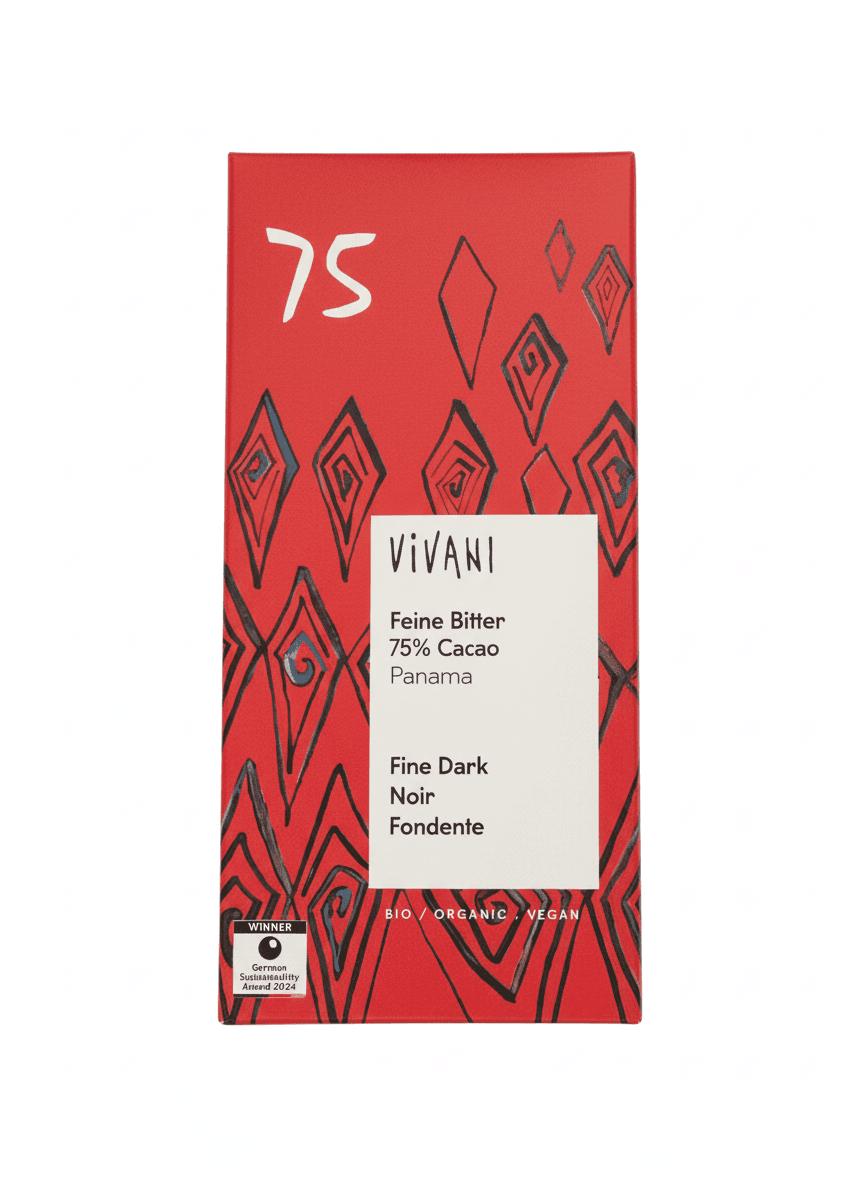
Once you know the type, the wrapper tells you the rest: the ingredient list, any added fats and where the cacao grew.
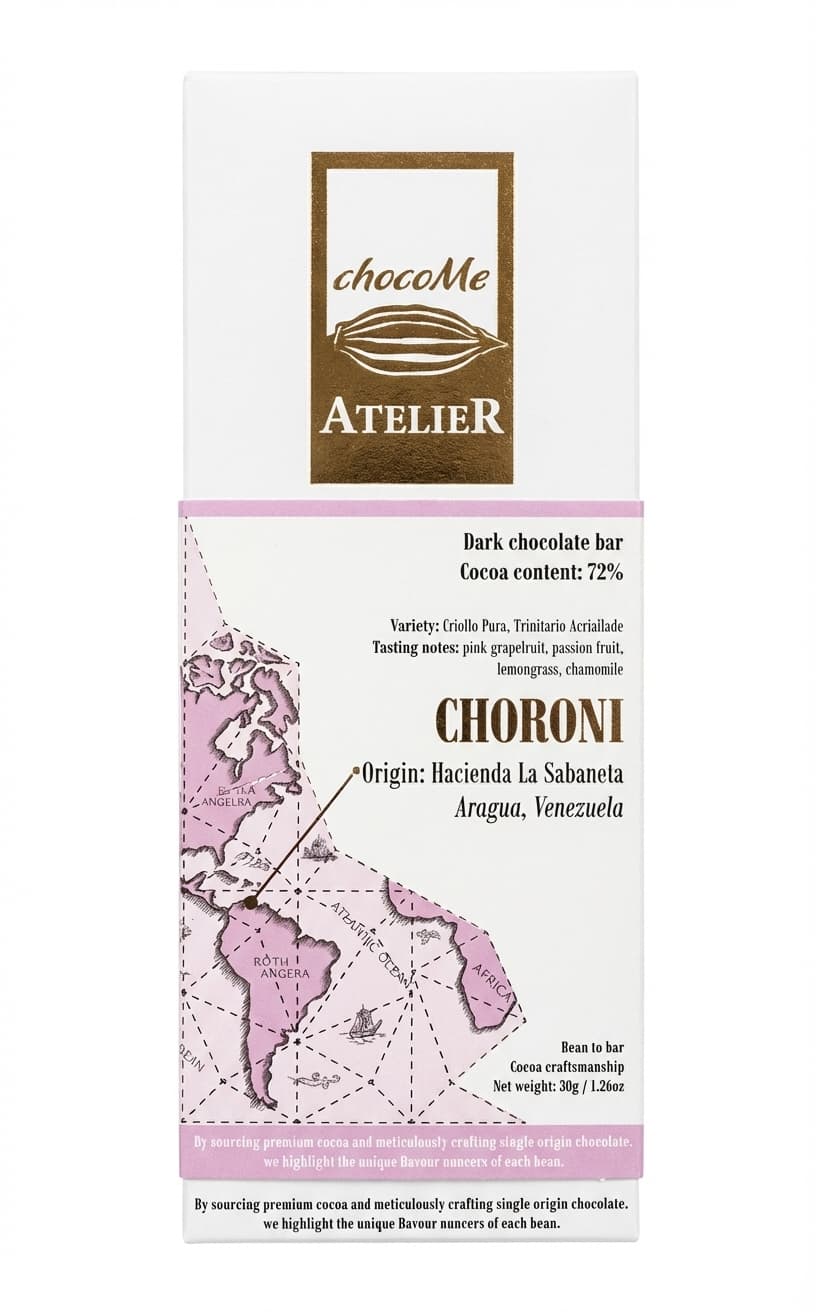
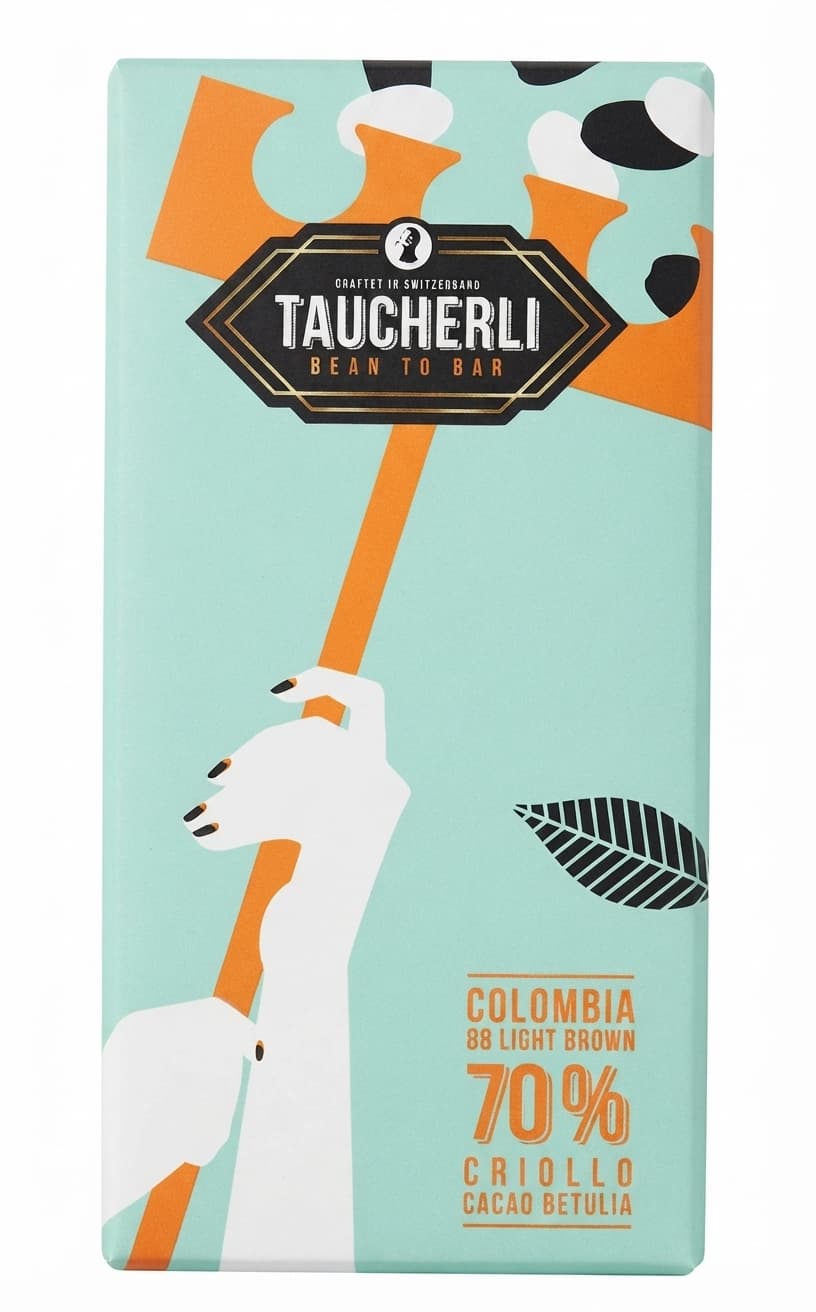
Pick a few bars you know and Chof suggests what to try next. Free, no account needed.
Semisweet, bittersweet, couverture and compound chocolate
Semisweet and bittersweet are the names US rules give sweet chocolate with at least 35% chocolate liquor, the paste made by grinding cacao nibs, and treat the two as one category, so a maker can print either name on the same recipe (21 CFR 163.123). Chocolate liquor sold without sugar is unsweetened chocolate, which the same rules also allow to be called bitter or baking chocolate (21 CFR 163.111).
Couverture is chocolate with extra cocoa butter. It flows more easily when melted, which is why chocolatiers use it to coat bonbons and mould bars. In the EU the name needs at least 35% total dry cocoa solids, including at least 31% cocoa butter (Directive 2000/36/EC).
Compound chocolate replaces some or all of the cocoa butter with cheaper vegetable fats, so it sets without tempering and is common in coatings. Chocolate sold in the EU may hold up to 5% of certain vegetable fats other than cocoa butter, declared on the label, so compound goes by another name there, and US rules call the sweet version ‘sweet chocolate and vegetable fat coating’ (21 CFR 163.153).
More types of chocolate bars
Dark, milk and white bars with something added or made a different way. Each bar is counted once, so a dark bar with sea salt counts here under Inclusions.

Discover more chocolate
Frequently asked about chocolate types
What are the main types of chocolate, and how many are there?
The three main types are dark, milk and white, set by what goes into the bar. Ruby (Barry Callebaut, 2017) and blond (Valrhona, 2012) have each been sold as a fourth, and names such as dark milk, inclusions or sugar-free describe versions of the three.
Which type of chocolate is most common on Chof?
Dark is the largest family on Chof, with 1,916 bars including flavoured and filled ones, ahead of milk (494) and white (139).
What is dark milk chocolate?
Dark milk is milk chocolate with a high cocoa share, often 50 to 70%, so it keeps cocoa depth and some origin character while the milk rounds it off.
Is ruby chocolate a real type of chocolate?
Ruby is a pink, tart chocolate that Barry Callebaut presented in 2017 as the fourth type, after dark, milk and white. Callebaut says the colour and taste come from the cocoa beans and how they are processed, with no colourants or fruit flavourings added, and its product pages list its RB1 ruby at 34.6% or 47.3% dry cocoa solids, depending on the product. It is still rare in craft chocolate, and we do not have any ruby bars in the catalog yet.
Sources: Barry Callebaut, 2017Callebaut RB1 (34.6%)Callebaut RB1 (47.3%)
What are the different colours of chocolate?
Chocolate is sold in five colours: dark brown for dark, a lighter brown for milk with dark milk in between, ivory for white, gold for blond and pink for ruby. The brown comes from the cocoa mass, so more cocoa and less milk make a darker bar, while white chocolate has no cocoa mass and takes the pale colour of cocoa butter and milk. Valrhona says blond turns golden as it caramelises, and Barry Callebaut says ruby's pink comes from the cocoa beans and how they are processed.
What are the different forms of chocolate?
Chocolate is sold as bars, as chips, drops and callets for baking, and as large blocks for professional kitchens. Cacao also reaches shops as cocoa nibs, which are shelled beans broken into pieces, as cocoa mass, and as cocoa powder, made by pressing part of the cocoa butter out of the mass and grinding what remains. In the EU, cocoa powder needs at least 20% cocoa butter by dry weight, and one with less is sold as fat-reduced cocoa.
Source: EU Directive 2000/36/EC
How is chocolate classified?
In law, chocolate is a cocoa product: the EU directive covers cocoa and chocolate products, and US rules file it under cacao products, each with a minimum cocoa content per name. In a shop it is confectionery. By what goes in, it is dark, milk or white.
Not sure which bar to pick? Tell us which bars you’ve tried and get personal recommendations.