How to Choose Good Chocolate
A practical guide to reading a chocolate bar wrapper, written by a certified chocolate taster and chocolate awards juror.
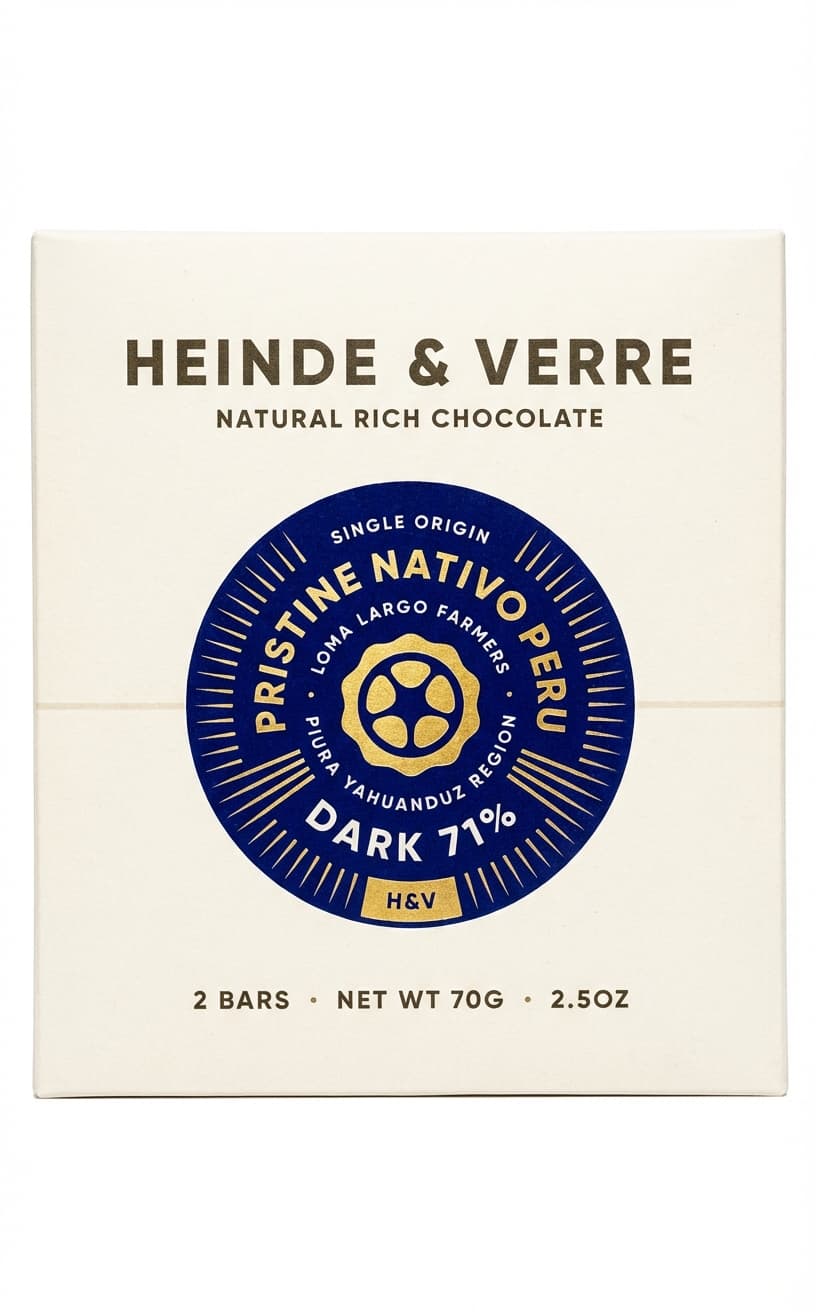
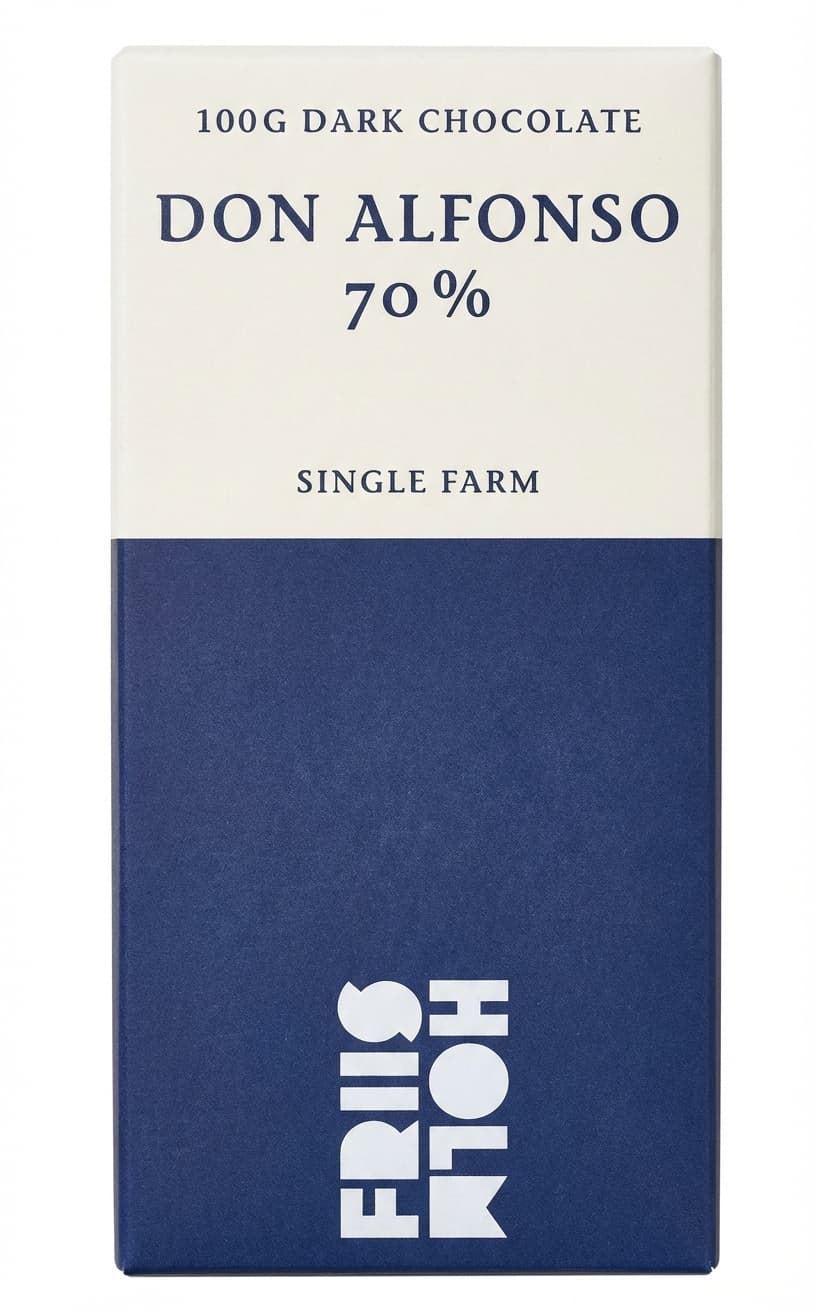
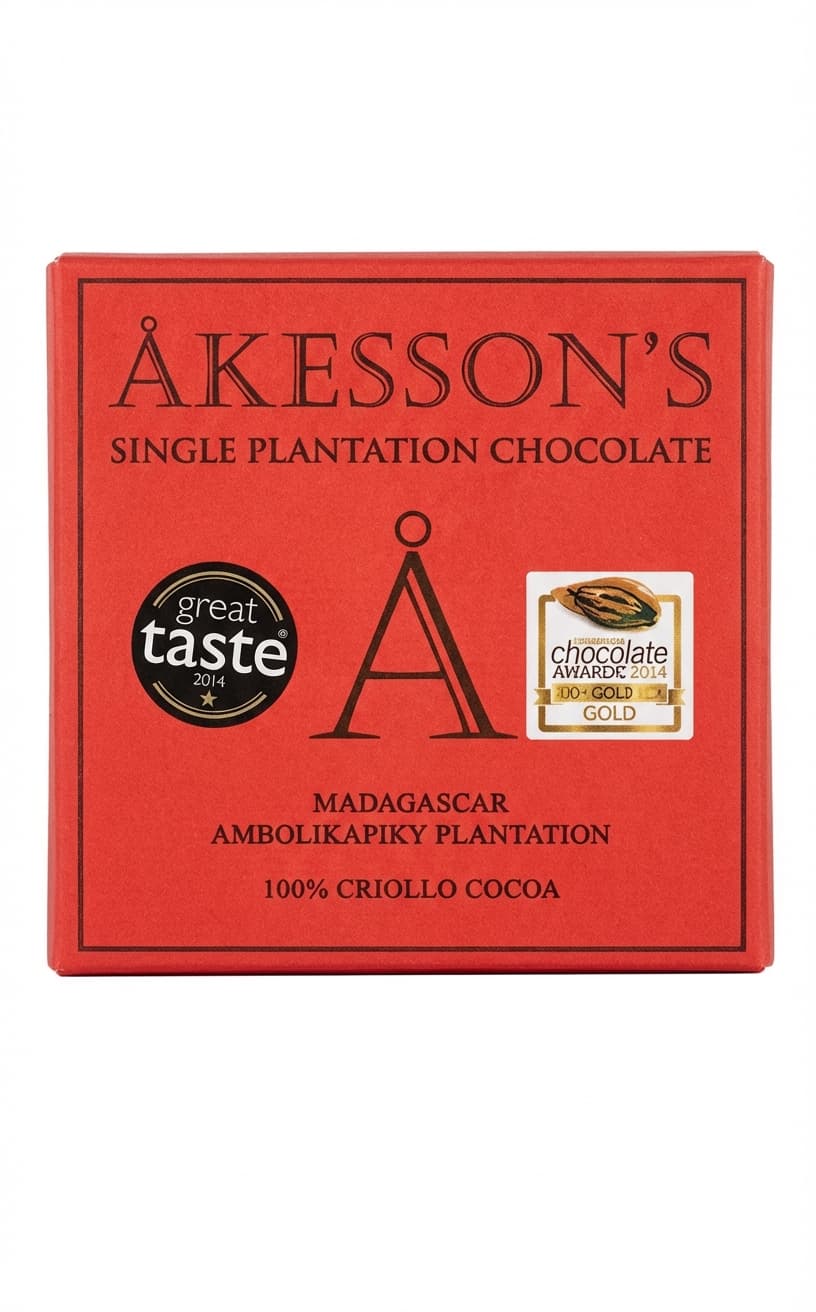
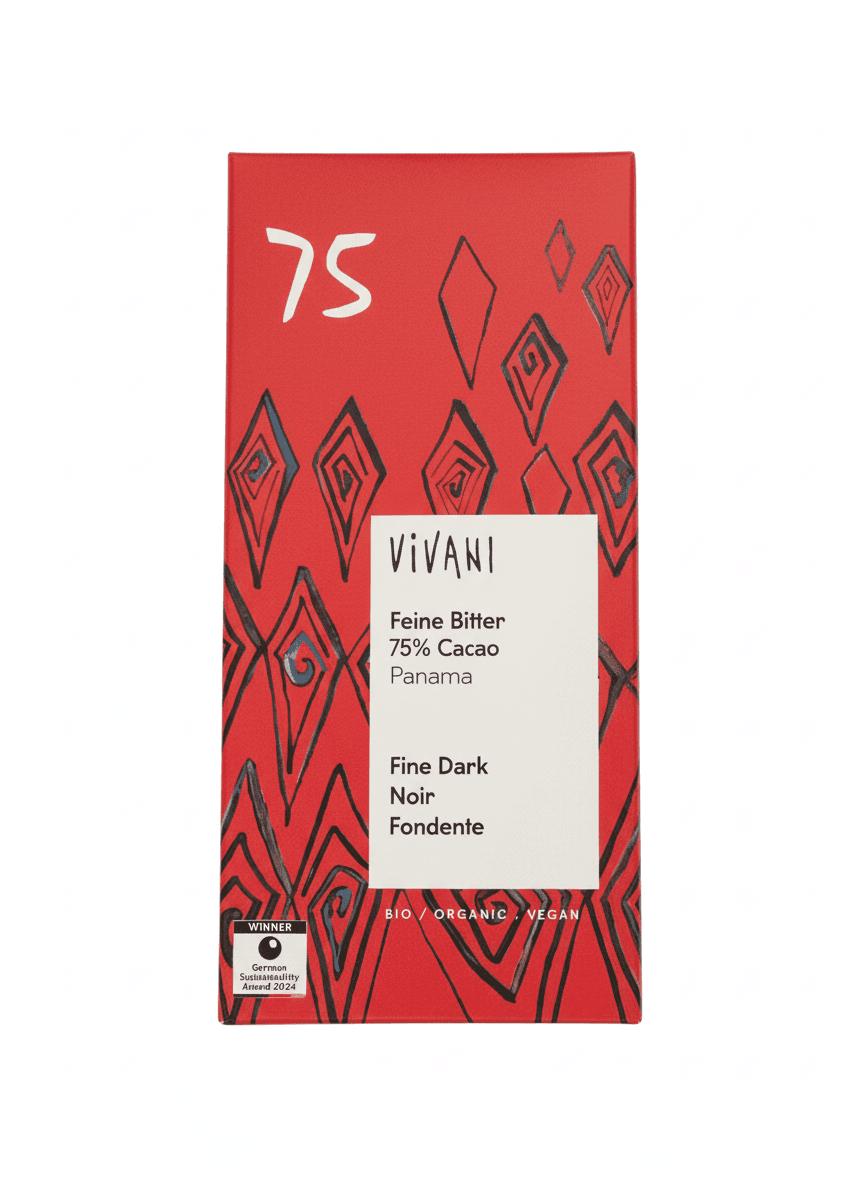
Heinde & Verre · Friis Holm · Åkesson’s · Vivani
Most people choose chocolate using one or more of four signals: cocoa percentage, packaging (colours, words, images, fancy claims), a familiar brand, or certifications. I have judged at international competitions and tasted thousands of bars. Those four signals miss most of what matters.
I get this question frequently. In workshops, in shops, in conversations with friends. How do I choose better chocolate? How do I buy a good bar? What is good? What is not good? The shelf is loud, the claims overlap, and a thoughtful craft bar can look identical to an industrial confectionery. It is not.
Below is the answer I would like to give, but often do not have the time and space for in person. Read it like we are standing in front of the chocolate aisle together.
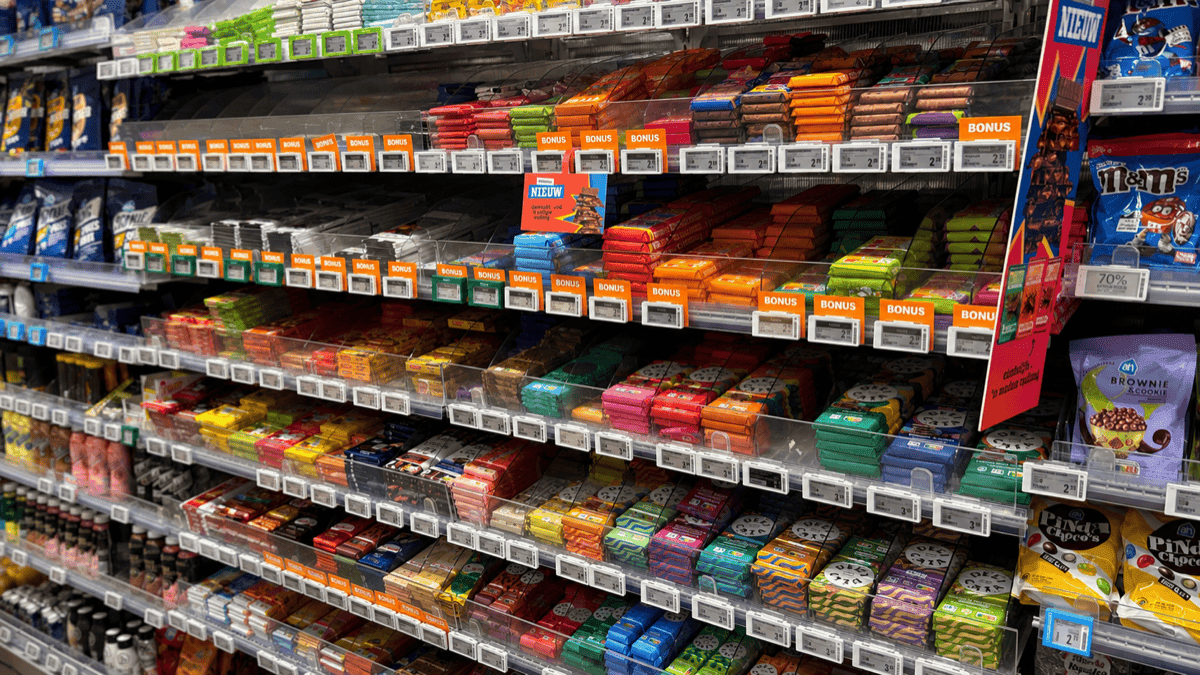
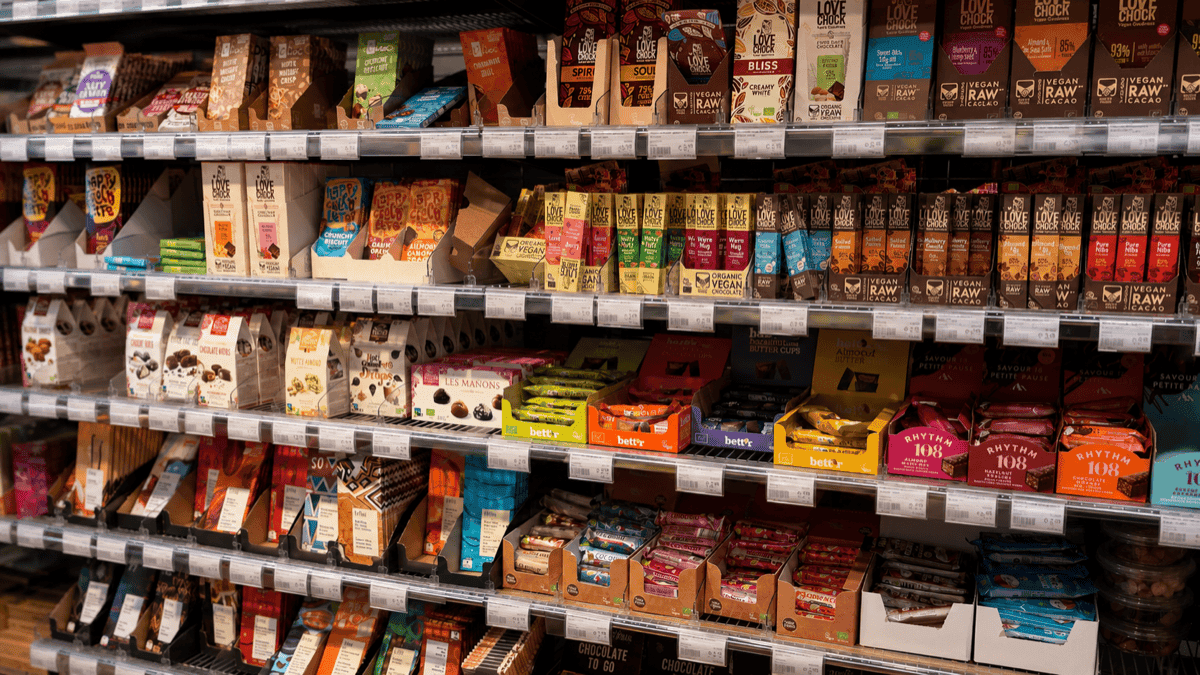
How to tell if chocolate is high quality (and how to spot a real craft bar)
Short version:turn the bar over. High-quality chocolate tells you where the cacao grew, lists cocoa butter as the only added fat, keeps the ingredient list short, and skips vanillin, PGPR and alkalised cocoa. A real craft bar names a region, farm or harvest; an industrial imitation hides behind a country-of-manufacture claim like “Belgian chocolate”. Everything below is the long version.
How to read a chocolate label: start with the ingredient order
Ingredients sit on the back of the wrapper in descending order of weight. That gives you the skeleton of any bar in a single glance.
For a plain dark bar, look for cacao first, then sugar, sometimes cocoa butter. Two and three ingredient bars are common. Four is still fine. Past five or six in a plain bar, you are looking at confectionery, not chocolate built around the cacao itself.
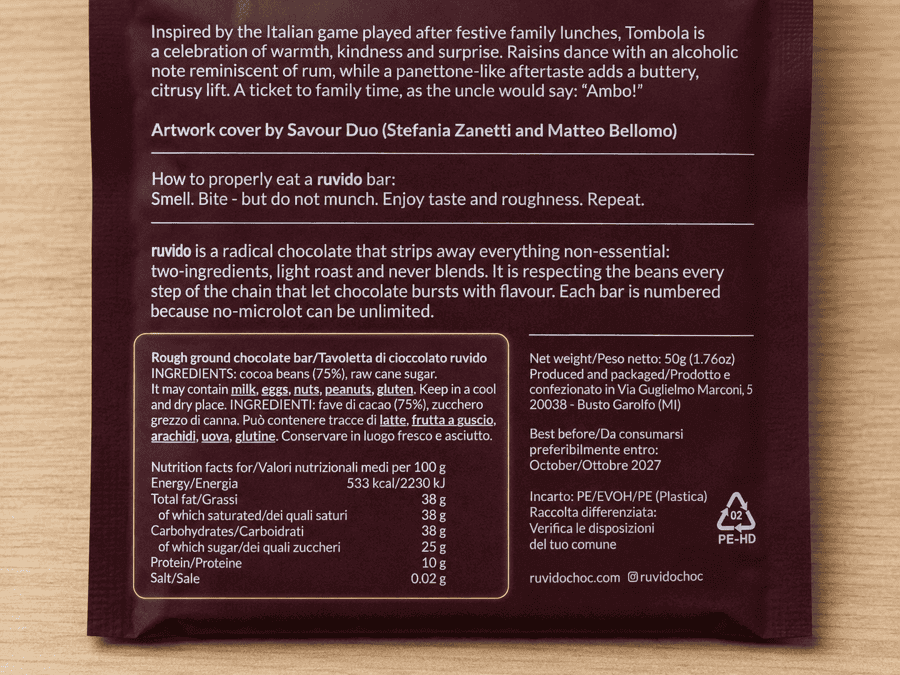
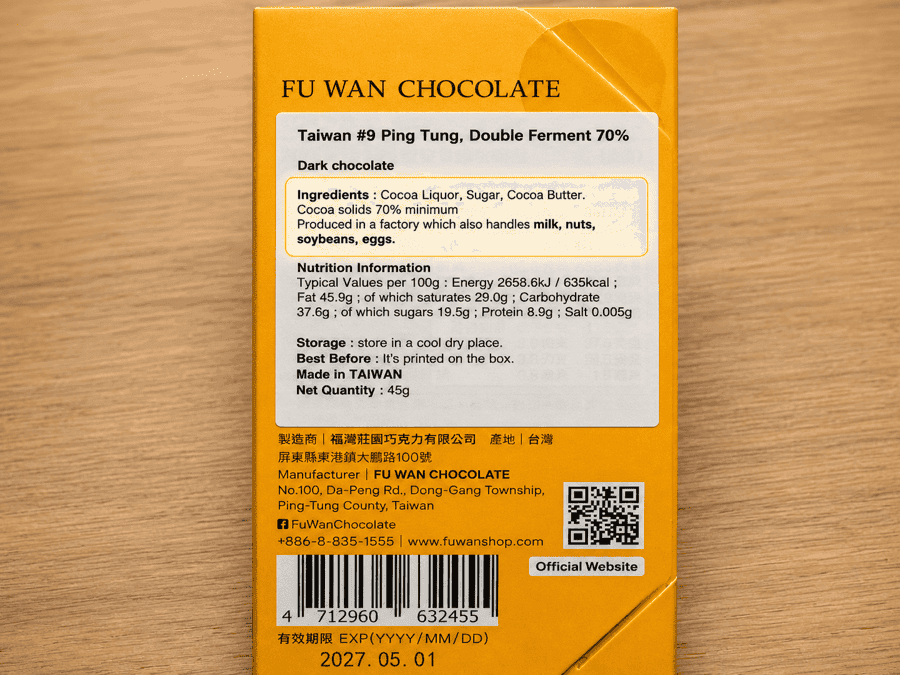
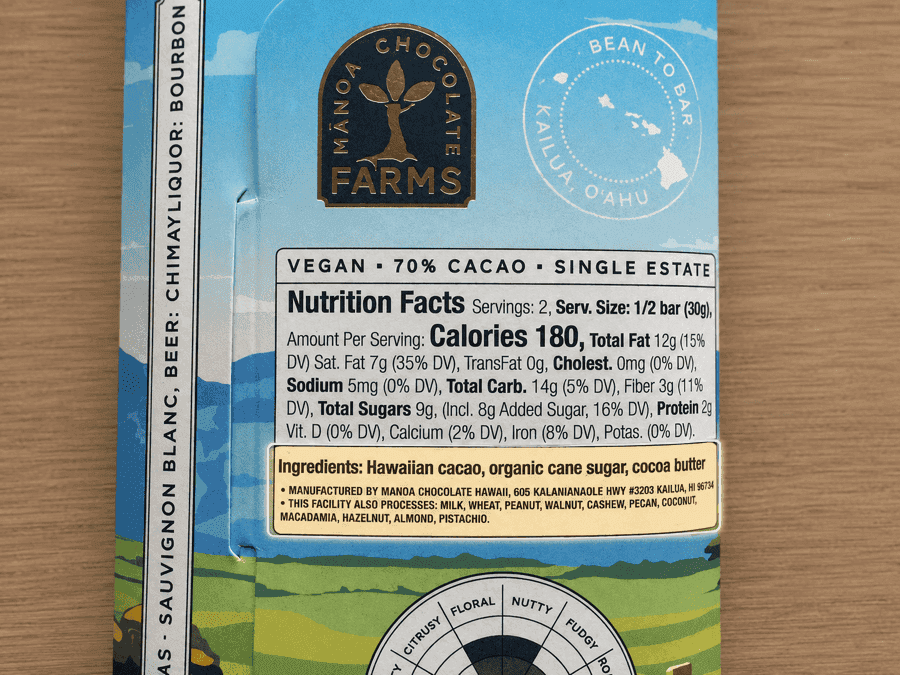
Milk and white chocolate work differently. Milk powder, sugar, and cocoa butter are all doing real work, so five ingredients is normal. Sugar first in a milk bar is not automatically a scandal. It just tells you the product is more sweet than chocolatey.
What cocoa percentage really means (and why it is not quality)
This might be the most useful thing I can tell you.
More cacao is not automatically better. It is more intense, less sweet, and often more revealing.
Cocoa percentage tells you how much of the bar is cacao by weight, mass and butter combined. The rest is mostly sugar (and in milk bars, milk solids). A 70% dark bar is roughly 30% non-cacao. In a two-ingredient bar, that means 30% sugar. A 70% with added cocoa butter can taste smoother than another 70% without it, because the butter dilutes the bitterness.
I would rather have Heinde & Verre’s 71% Pristine Nativo than most 85% bars I have tasted. The 71% knows what it is. The 85% often does not. Read the percentage as sweetness and intensity, not as a quality medal.
If you want to see how this plays out across the catalog, the cocoa percentage chart lays out every band side by side, from sweet milk chocolate up to 100% chocolate. Each band page explains what to expect and links to real bars at that strength.
Fat: cocoa butter belongs, substitute fats do not
Confession: I am a big fan of dietary fat, especially cocoa butter. It is the reason chocolate is not just “cocoa plus sugar”. Cocoa butter is the fat phase that gives a bar its snap, gloss, and the way it melts on your tongue and releases aroma. Replace it with cheaper fats and you have changed the category, even if the wrapper still says chocolate.
“cocoa butter”, “cacao butter”.
Milk fat in a plain dark bar, butter oil, anhydrous milk fat.
Palm oil, shea butter, sunflower oil, hydrogenated fats, anything called “vegetable fat” without further detail.
EU labelling rules allow some vegetable fats in certain categories. For a quality-focused choice, the rule is simple. Added non-cocoa fats in a plain bar are not a quality signal.
Emulsifiers: not all the same
Emulsifiers help fat and cocoa solids stay dispersed. They also help a bar flow through industrial equipment. There is a hierarchy.
None. Many serious dark bars do not need any.
Sunflower lecithin or soy lecithin, ideally near the end of the ingredient list (which means very little is used).
PGPR (polyglycerol polyricinoleate, E476). A stronger industrial emulsifier that rarely shows up in carefully made plain bars.
Lecithin alone is not a verdict. Plenty of decent makers use a small amount for flow. PGPR plus a long ingredient list plus a vague origin is the honest signal of industrial confectionery.
Flavouring: cacao should not need perfume
Cacao carries hundreds of aroma compounds. A careful single-origin bar should taste like itself, without help.
No added flavouring at all in a plain dark bar.
Real vanilla pod, vanilla extract, natural vanilla. Slightly more common in milk bars and inclusion bars.
Vanillin (synthetic), “artificial flavour”, or vague “flavouring”. In a plain dark bar this is masking, not seasoning.
Single origin chocolate: country is good, specificity is better
Origin language is where wrapper marketing and wrapper quality diverge. “Belgian chocolate” or “Swiss chocolate” describes a manufacturing style. Both countries mostly do not grow cacao. The label tells you nothing about where the bean came from.
The better hierarchy looks like this:
“Belgian / Swiss / French chocolate”
Manufacturing style. Says nothing about cacao origin.
“Single origin Ecuador”
Country level. The lowest rung of real traceability.
“Sambirano Valley, Madagascar”
Region level. Stronger.
“Maya Mountain, Belize” or a named cooperative or farm
Strong traceability.
Harvest year, bean variety, fermentation and drying notes
Strongest. The maker is putting their name on a specific batch.
On Chof you can browse bars by named origin or cacao variety to see how this plays out, from the bright red fruit of Madagascar to the floral Nacional of Ecuador. Specificity tends to track quality. Makers confident in their cacao are willing to name where it comes from.
Bean-to-bar chocolate (and tree-to-bar): useful, not magic
Bean-to-bar means the maker controls the transformation from raw bean to finished bar in their own workshop. Tree-to-bar adds the farm side, with a maker who grows the cacao or is tied to a single plantation.
Bean-to-bar is a control signal, not a halo. I have tasted bean-to-bar bars that were excellent and bean-to-bar bars that were forgettable. The label tells you the maker owns the result. It does not tell you the result is good. The worst bean-to-bar bars still beat most industrial chocolate on disclosure. They are just not necessarily good chocolate.
Alkalisation and Dutch processed cocoa: a quiet warning sign
Alkalisation (also called Dutching) treats cocoa with an alkaline solution. It reduces acidity and bitterness, darkens the colour, and makes the taste more uniform.
Useful in cocoa powder for baking, where you want predictable colour and a softer flavour. In a plain chocolate bar, it does the opposite of what you want. It flattens origin character and points to optimisation for shelf appeal.
Less than 1% of the bars on Chof are alkalised, and the ones that are usually wear it as a small line on the back:
- “cocoa processed with alkali”
- “alkalised cocoa” or “alkalized cocoa”
- “Dutch processed” or “Dutched”
On Chof, alkalisation is one of the negative signals Chof Score picks up under Process.
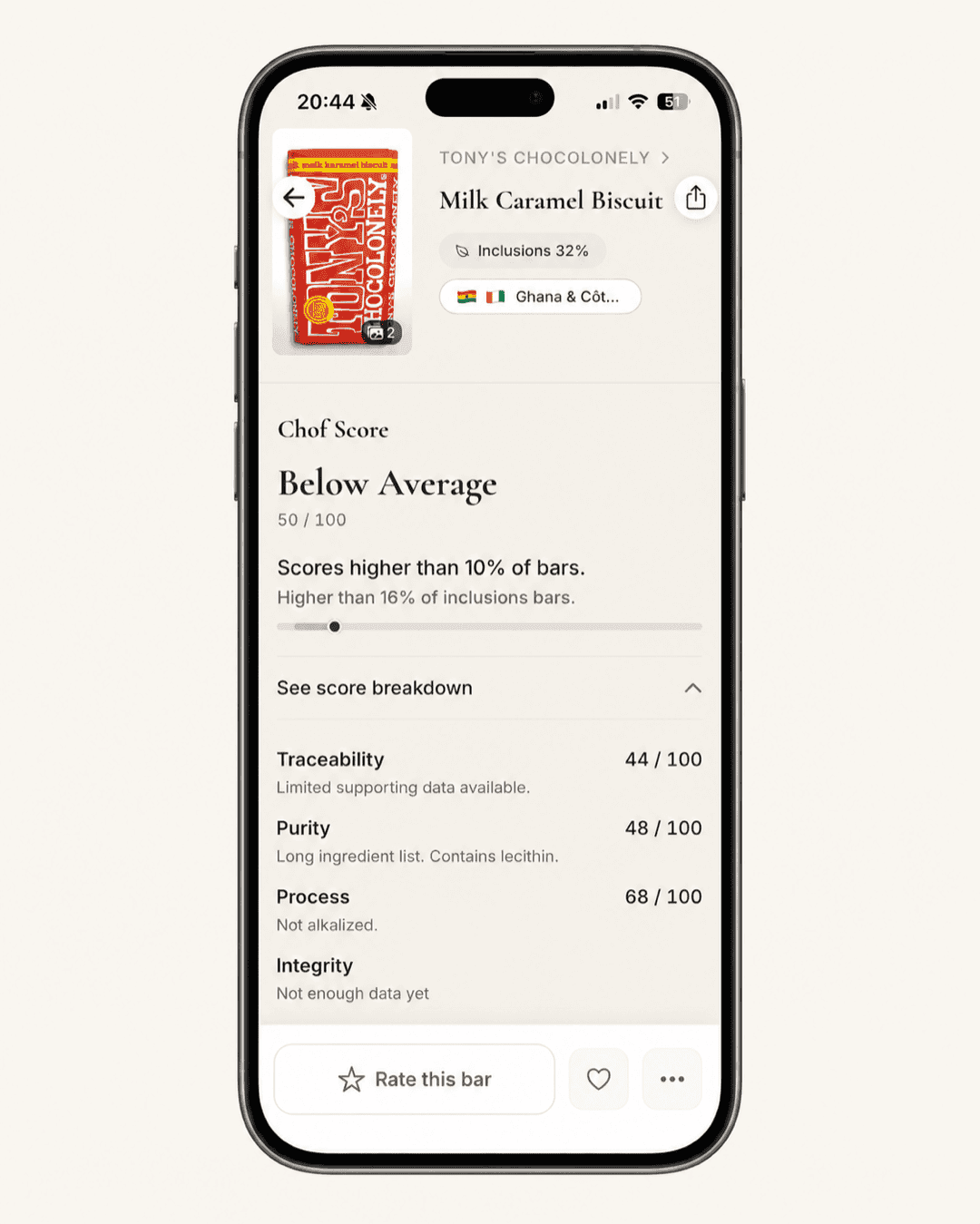
What Chof Score actually looks at
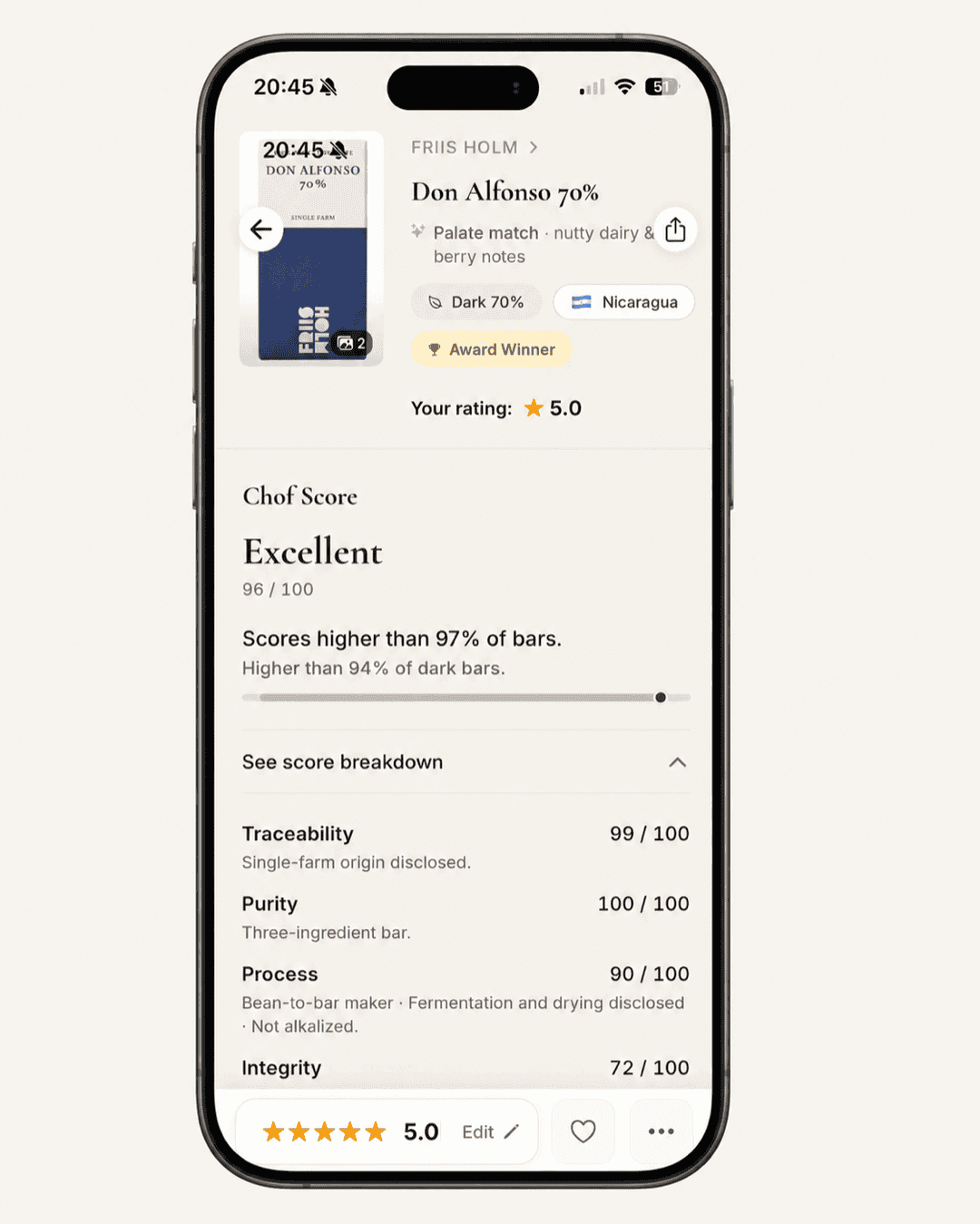
Chof Score is an evidence-based quality signal that orders bars on Chof. It is not a taste rating. It is a structural reading of how serious a bar is about the signals that usually predict good chocolate. Four pillars do most of the work.
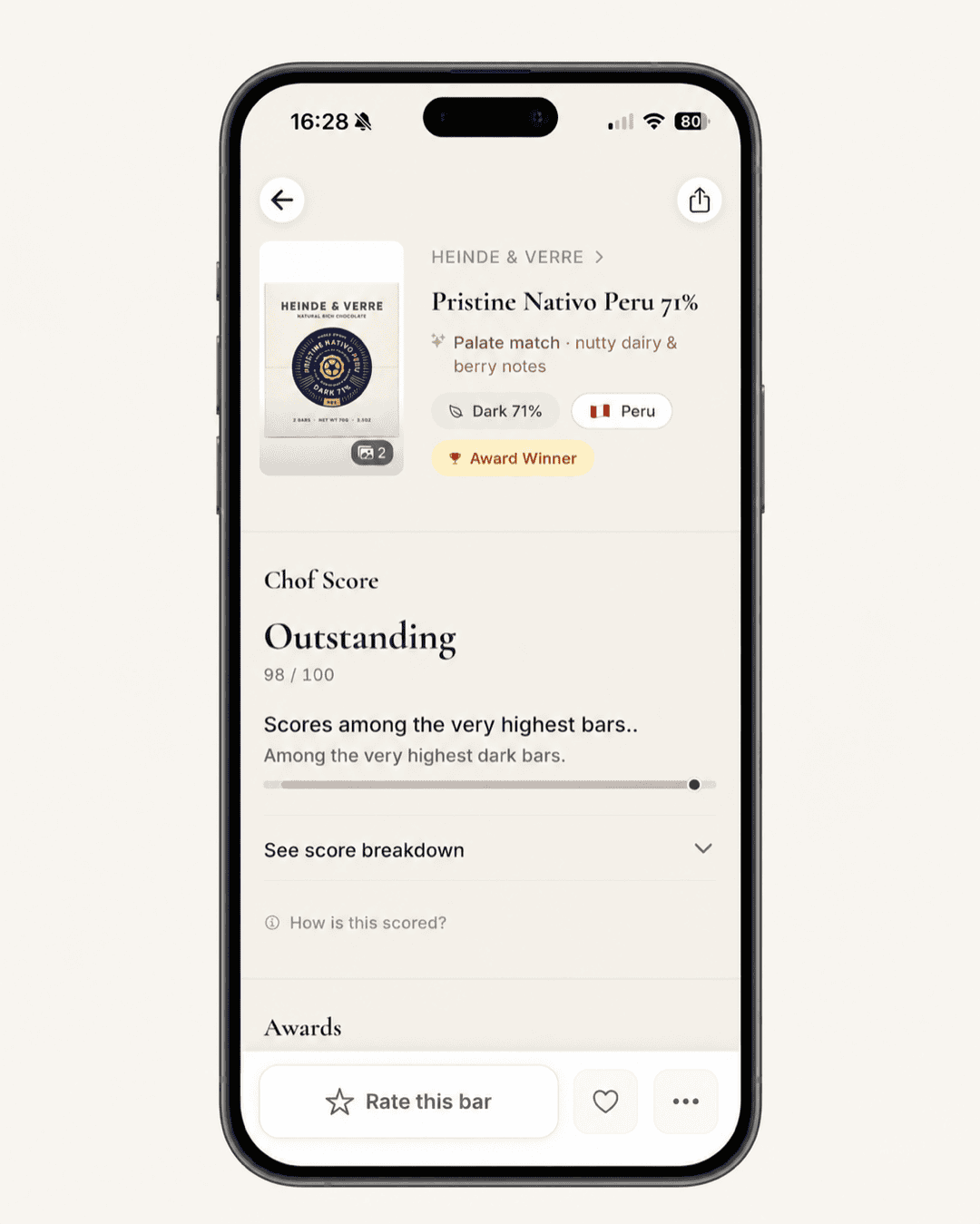
Purity
Ingredient hygiene. PGPR and substitute fats push the score down hard. Lecithin, vanillin, and long ingredient lists pull it down more gently. Sugar and cocoa butter are read in context.
Traceability
How specific the origin actually is. Country at the bottom. Region in the middle. Named farm, lot, harvest year, and bean variety at the top. The heaviest pillar.
Process
What the maker discloses about fermentation, drying, roasting, conching, refining, and tempering. Alkalisation pulls it down. Detailed disclosure pulls it up.
Integrity
Defects, lab evidence, and manufacturing tells. A sanity check, not a halo.
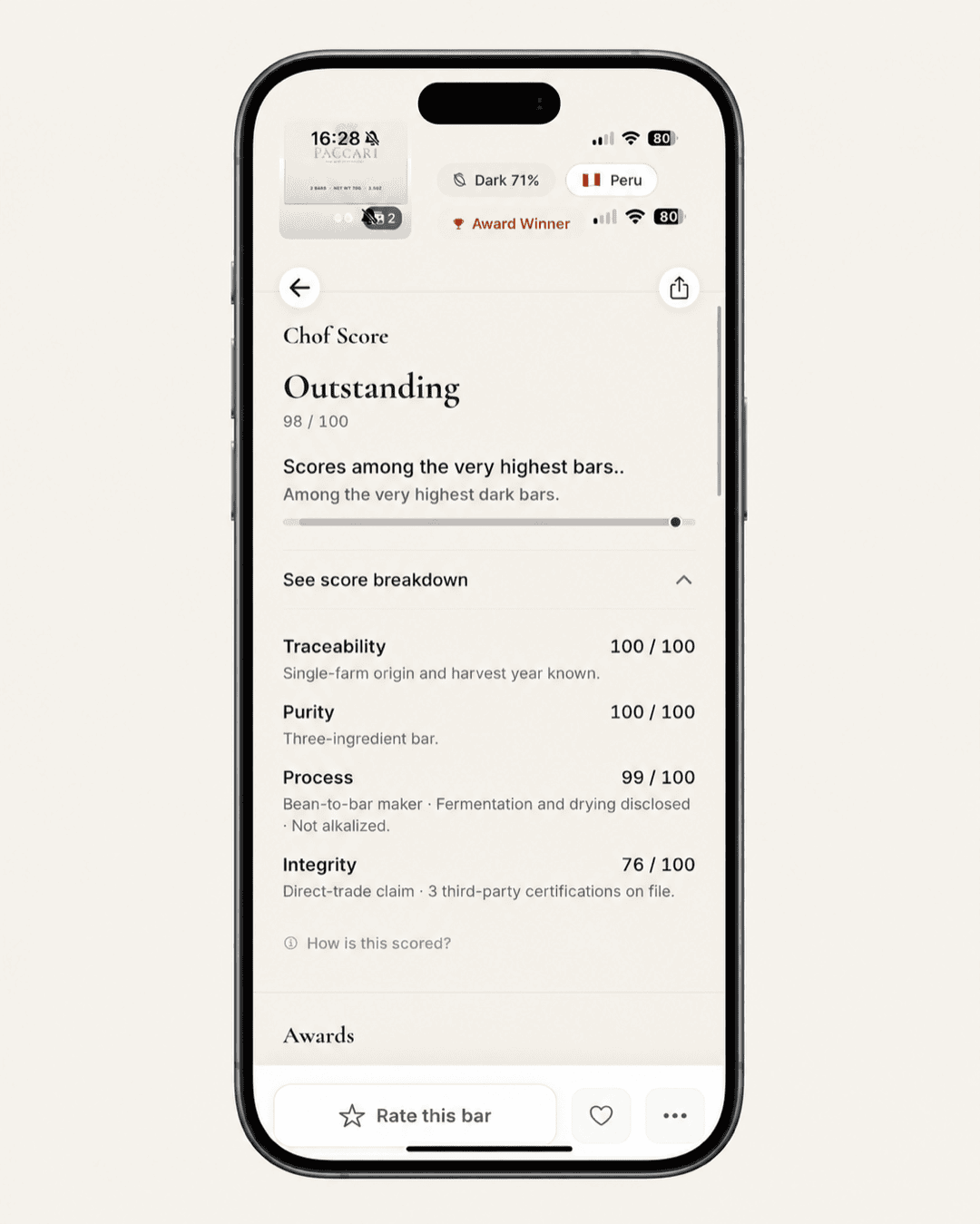
Two safety nets sit on top. Bars with substitute fats or identity failures (a “white chocolate” without cocoa butter, for example) get capped. So do bars with credible safety failures, like heavy metal limits exceeded.
How much evidence we have on a bar, and how consistent that evidence is, also shapes the final number. A bar with strong origin disclosure but no information on how it was made will not be scored as if everything were known. Unproven claims do not get to drive the score.
Chof Score in action: Top 20 Chocolate Bars. Those bars are not ranked by reviews or popularity. They are ranked by what their wrappers and disclosures actually say.
Same percentage, different bar
Both of these are 70% dark bars made with cocoa, sugar, and cocoa butter. No PGPR. No vegetable fat. No vanillin. No alkalisation. On the front, they look almost identical. Chof Score puts them nine points apart. Here is why.
- Ingredients
- Cocoa, beet sugar, cocoa butter (3)
- Origin
- Peru → Piura → Loma Larga (named farm)
- Bean variety
- Gran Nativo Blanco
- Harvest year
- 2022
- Fermentation
- Box, disclosed
- Ingredients
- Cocoa mass, raw cane sugar, cocoa butter (3, organic)
- Origin
- Dominican Republic → Santo Domingo (region)
- Bean variety
- Trinitario
- Harvest year
- Not disclosed
- Fermentation
- Not disclosed
Both bars are good. Both pass every check on this page. The nine-point Chof Score gap comes down to three things Heinde & Verre tells you that Vivani does not: which farm the cacao came from, which year it was harvested, and how it was fermented. That is what specificity buys.
What the wrapper never tells you
A bar can pass every check on this page and still taste flat. The wrapper tells you what the maker is willing to disclose. Tasting tells you what survived the maker’s roast.
In competition judging, samples are anonymised. I cannot tell you which bars I have judged. But the patterns from those flights are clear. The most common quality killers are not on the wrapper at all: fermentation character (slaty, vinegary, smoky), texture defects (sandy, gritty), a roast that flattens the bean, a finish that disappears too fast. None of these show up on a label.
The wrapper checks below help you avoid the worst. Your mouth tells you the rest. Treat this guide as the floor, not the ceiling.
Real bars that show this in practice
Real bars from the Chof app, picked because they illustrate the principles above. Selection: Chof Score plus diversity of category and accessibility.
Good supermarket-accessible signals
Easier to find in larger grocers, organic shops, and specialty supermarkets in the Netherlands and the wider EU. Not the rarest or highest-scoring bars, but proof that ingredient hygiene and origin specificity are possible at this level.
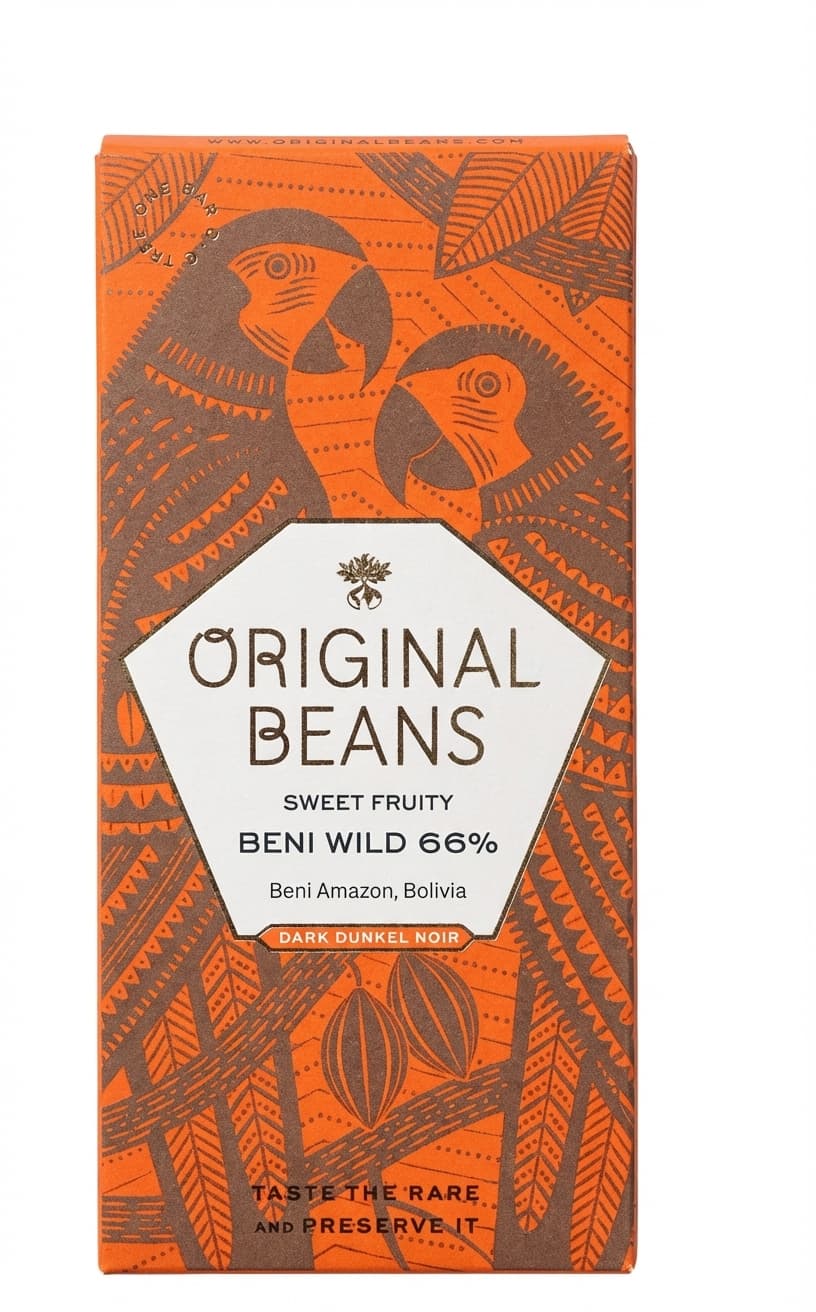
Beni Wild 66%
66%Bolivia
Dutch maker. Single origin from the Bolivian Beni Amazon, short ingredient list, no alkalisation.
Fine Dark 75%
75%Panama
Often found in supermarkets and organic shops. Single origin Panama, cocoa butter rather than substitute fats, no vanillin.
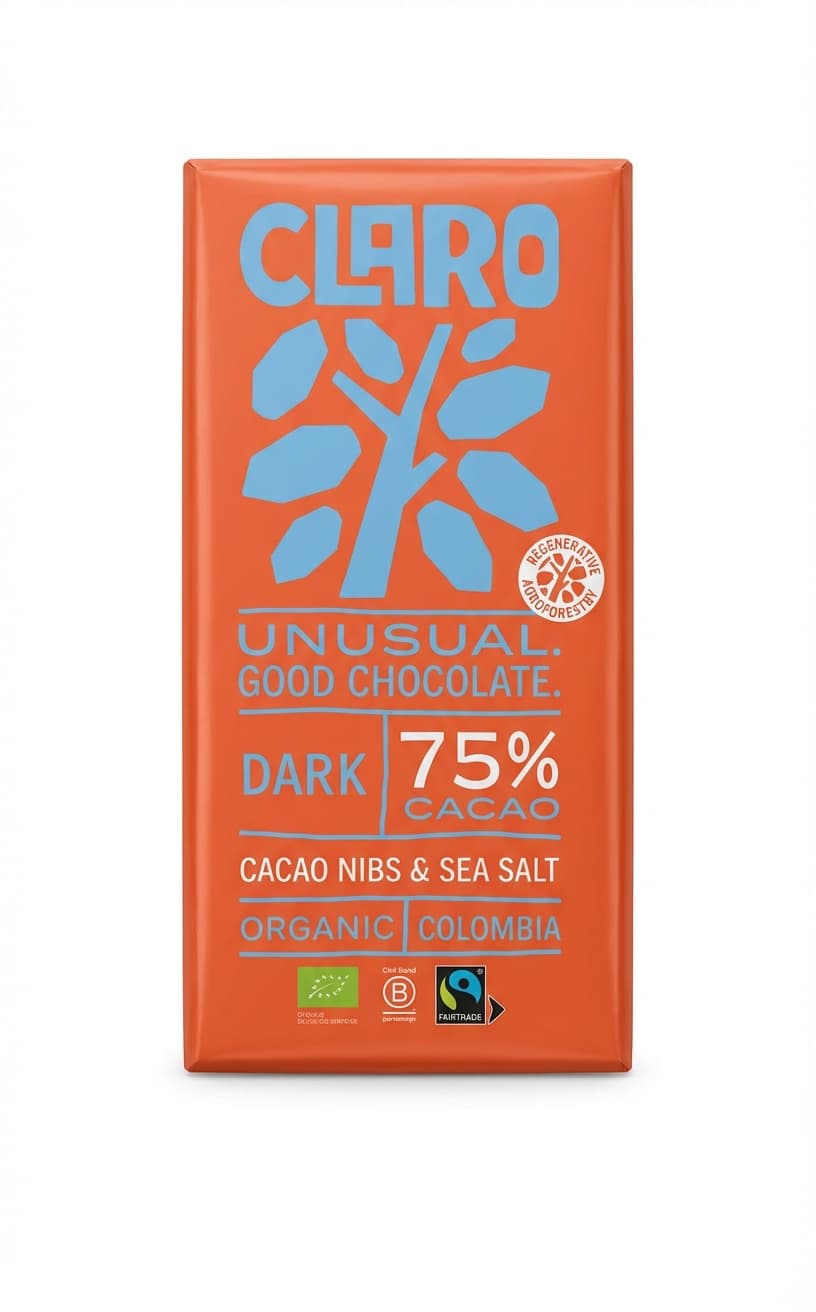
Cacao Nibs & Sea Salt 75%
75%Colombia
Specific origin region named (Sierra Nevada de Santa Marta), simple inclusions, no flavouring needed.
Specialty bars worth tasting
The kind of bars Chof was built around. Short ingredient lists, named regions or farms, no alkalisation, real cocoa butter, detailed process disclosure. Taste one of these next to a supermarket dark bar. That is the fastest way to understand why this article exists.
Pristine Nativo Peru 71%
71%Peru
Dutch bean-to-bar. Region (Piura), bean variety (Nacional/Blanco), short list. A textbook traceability bar.
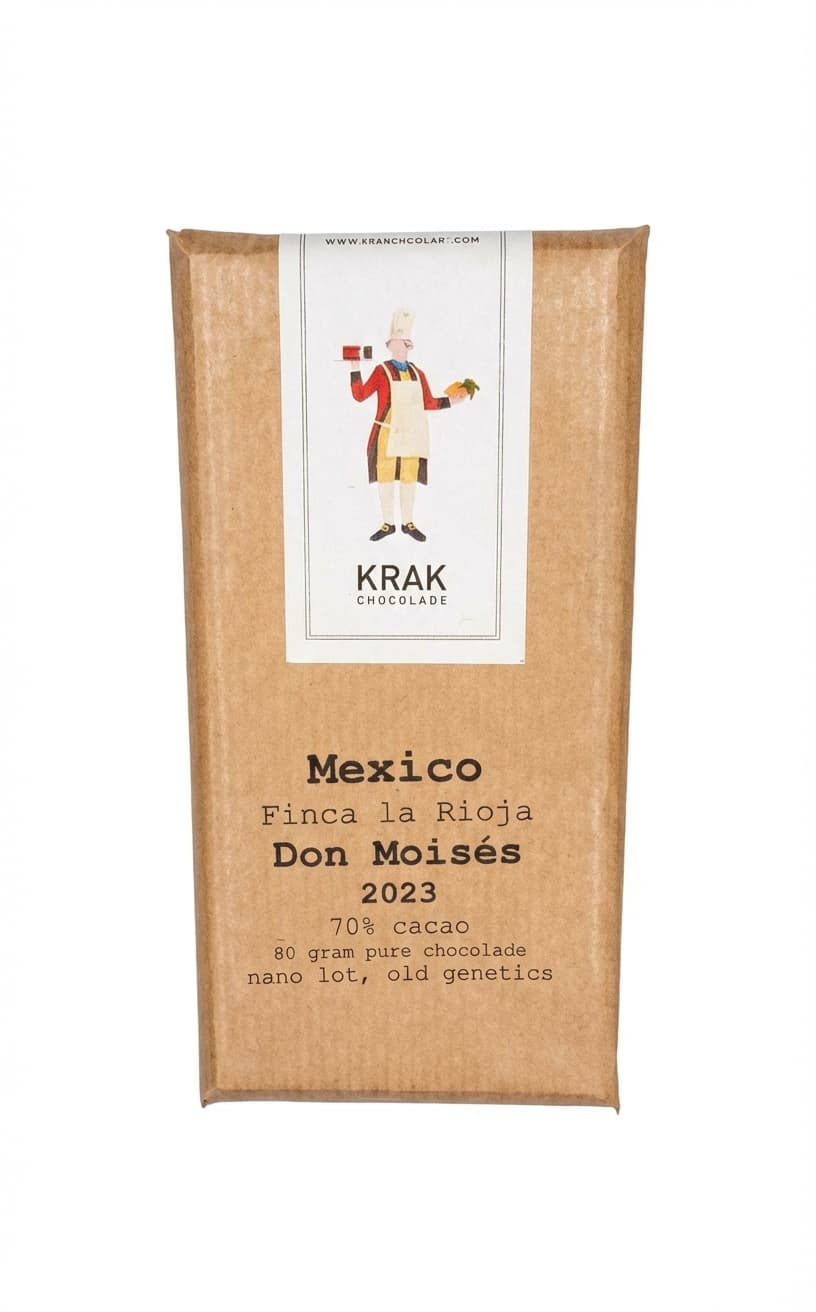
Mexico Finca la Rioja 'Don Moisés' 70%
70%Mexico
Dutch bean-to-bar. Named farm and farmer, region disclosed (Cacahoatán, Chiapas), single bean variety.
Don Alfonso 70%
70%Nicaragua
Danish craft maker. Named lot, El Castillo, Nicaragua. Detailed post-harvest disclosure.
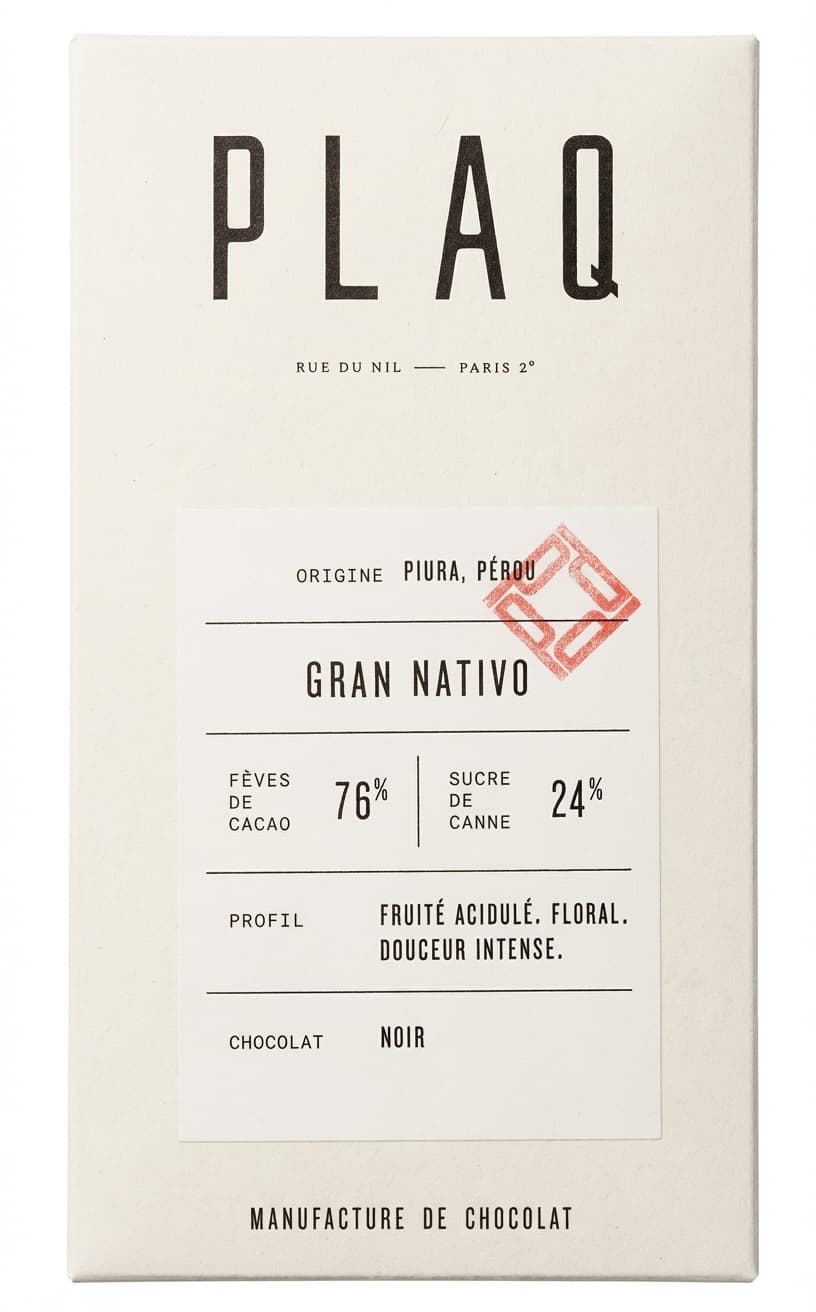
Gran Nativo 76%
76%Peru
Three-ingredient bar from Piura, Peru. Bean-to-bar, no lecithin, no vanillin.
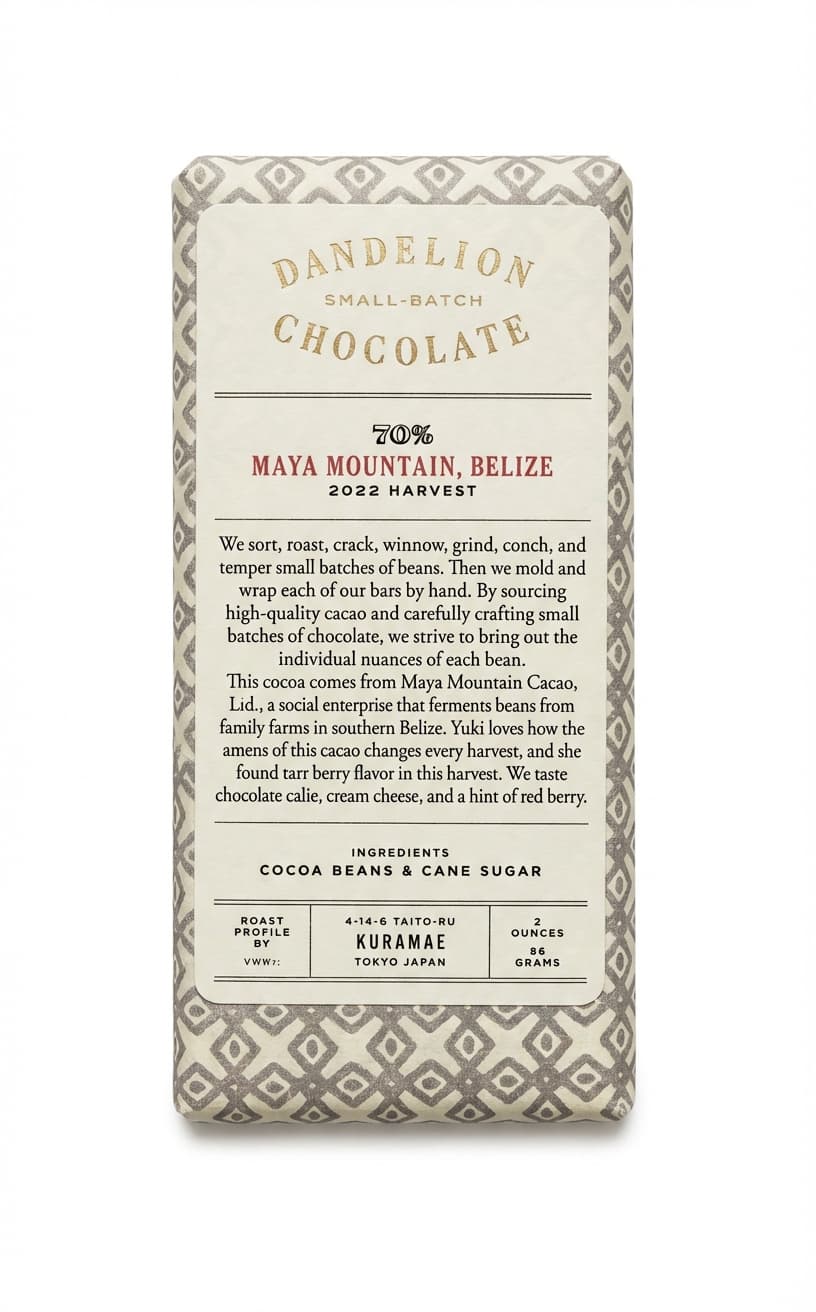
Maya Mountain, Belize 2022 Harvest
70%Belize
Named region, named harvest year, two ingredients (cocoa beans and cane sugar).
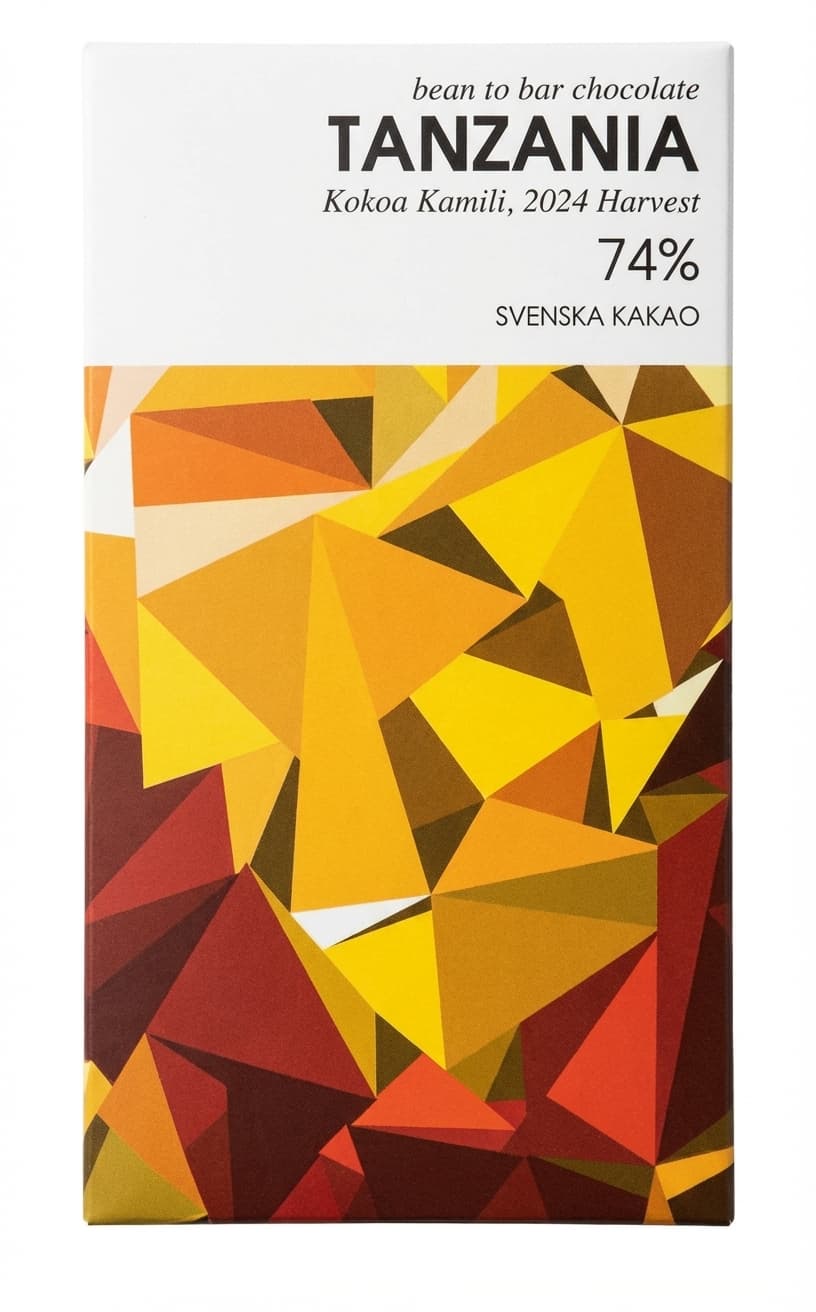
Tanzania 74%
74%Tanzania
Single-cooperative sourcing (Kokoa Kamili), structured fermentation and drying disclosed.
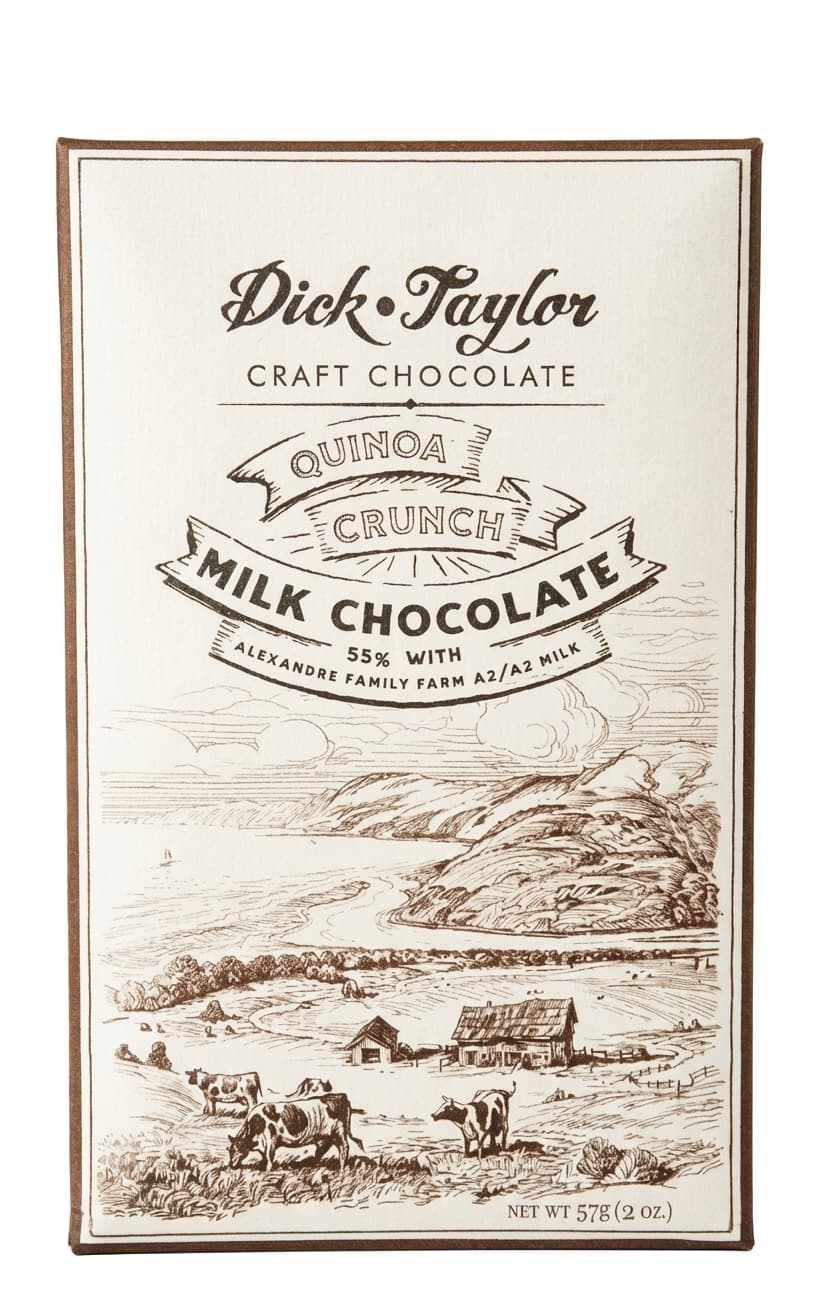
Quinoa Crunch Milk 55%
55%Brazil
A milk bar can still be serious. Named origin in Bahia, real cocoa butter, no flavouring.
Ambolikapiky 100% Criollo
100%Madagascar
Single ingredient, named plantation in the Sambirano Valley, tree-to-bar control.
Dutch makers worth knowing
If you are reading this from the Netherlands, three makers based here are consistently strong on every criterion above. I am in the Netherlands too, so worth a little extra attention. :)

Original Beans
Forest-positive sourcing, named lots, often available in specialty grocers.
Heinde & Verre
Rotterdam bean-to-bar. Strong single-origin lineup with named regions.

Krak
Den Bosch bean-to-bar. Detailed post-harvest disclosure on most bars.
Wrapper red flags
You will see this label, or something close, on a lot of bars in the confectionery aisle:
Sugar, vegetable fats (palm, shea), cocoa mass, whey powder, emulsifier (E476), flavouring. Cocoa solids 32% minimum.
Translated: a sweet confectionery base with chocolate character. Sugar first, substitute fats, PGPR, vague flavouring, no origin. Nothing wrong with eating it. Just do not confuse it with a bar that is trying to show you a place.
Frequently asked questions
How do you verify that chocolate is good quality?
There is no certificate that proves it, but the wrapper is a reliable check: cacao first in the ingredients, cocoa butter as the only added fat, a short list, a specific named origin, and no vanillin, PGPR or alkalised cocoa. That is the same verification the Chof app runs on any bar you scan. As of August 2026, across every craft bar catalogued on Chof, not a sample of supermarket chocolate, 78% carry none of the usual warning signs (no vanillin, PGPR, substitute fat, or added emulsifier), 84% name the country their cacao came from, and 1% list vanillin.
How can I tell if chocolate is high quality (or a real craft bar)?
High-quality, real craft chocolate names where the cacao grew (a region, farm or harvest, not just "Belgian chocolate"), keeps a short ingredient list led by cacao, uses only cocoa butter as added fat, and avoids vanillin, PGPR and Dutched cocoa. An industrial imitation hides its origin and pads the list with cheaper fats and flavouring.
Does a higher cocoa percentage mean better chocolate?
Not by itself. Cocoa percentage tells you how much of the bar is cacao (mass and butter combined). The rest is mostly sugar. A 70% bar is less sweet than a 50% bar. But a 70% with added cocoa butter can taste smoother than another 70% with only beans and sugar. A great 70% from a well-fermented, carefully roasted bean beats a flat 90% every time – read high-cacao percentages as intensity, not a quality grade.
How do I read a chocolate label?
Turn the bar around and check five things. (1) Cacao leads the ingredient list, especially in dark chocolate. (2) Cocoa butter is the only added fat. Never palm oil, shea butter, or vegetable fat in a plain bar. (3) Shorter lists are usually better. (4) Origin is specific (region, farm, cooperative) rather than just "Belgian" or "Swiss". (5) Avoid vanillin, artificial flavouring, PGPR, and anything that says "cocoa processed with alkali".
What does "single origin" actually mean?
Cacao from one country. More useful than nothing, but the lowest rung of traceability. Better: a named region (Sambirano Valley, Piura, Maya Mountain). Better still: a named farm, estate, lot, cooperative, or harvest year. The more specific the origin, the more the maker has put their name behind a particular field somewhere in the world.
What is bean-to-bar chocolate?
The maker controls the transformation from raw bean to finished bar in their own workshop, including roasting, refining, and conching. A control signal, not a guarantee of taste. A careful chocolatier working from high-quality couverture (professional-grade chocolate made by someone else) can also make excellent bars. Bean-to-bar bars almost always disclose more about origin and process. That is why they score well on traceability.
What is "Dutch processed" or alkalised cocoa, and why avoid it?
Alkalisation (Dutching) treats cocoa with an alkaline solution. It reduces acidity and bitterness, darkens the colour, and makes the taste more uniform. Useful in cocoa powder. In a plain chocolate bar, look for "cocoa processed with alkali", "alkalised cocoa", or "Dutch processed". It flattens origin character. The maker is optimising for shelf appeal, not for showing you what the cacao tastes like.
Is lecithin bad in chocolate?
Not by itself. Sunflower lecithin and soy lecithin are emulsifiers that help texture and flow. The best bars use none. Many decent bars use a small amount near the end of the ingredient list. PGPR (E476) is a stronger industrial emulsifier and a clearer warning sign in plain chocolate.
What is a Chof Score?
The quality score Chof uses to rate bars. It looks at four kinds of evidence. Purity (ingredient hygiene), Traceability (how specific the origin is), Process (fermentation, drying, roasting, conching disclosure), and Integrity (defects, lab evidence, manufacturing tells). Not a taste rating. A structural reading of how serious a bar is about the signals that usually predict good chocolate.
Where can I buy good chocolate in the Netherlands?
Specialty supermarkets and organic stores often carry Original Beans, Vivani, and CLARO. Dutch bean-to-bar makers like Heinde & Verre, Krak, and Original Beans are stocked in better cheese shops, wine merchants, and online specialty shops. Most of the best bars in this article are available directly from the makers or through European craft chocolate retailers.
How much does good chocolate cost?
A serious craft bar in Europe usually sits between €5 and €12 for a 50–80g bar. That is two to three times what a supermarket bar costs, and it reflects real differences: traceable beans, longer fermentation and conching times, smaller batches, and makers who can name the farms they buy from. Cheaper does not mean worse, but a €1 bar cannot fund the supply chain a €7 bar can.
I am new to craft chocolate. Where should I start?
Start with one familiar brand and one specialty bar at the same percentage, side by side. Vivani Edel Bitter 70% next to Heinde & Verre Pristine Nativo Peru 71% is a good comparison: similar percentage, similar three-ingredient list, very different traceability and very different taste. Tasting them back to back, with a glass of water in between, will teach you more in five minutes than this article will in twelve.
A note on Chof Score methodology
The example bars come from the Chof app. Selected by combining Chof Score with category diversity, supermarket accessibility, and country balance. Chof is independent of any maker.
Chof is built and maintained by Felipe, an IICCT Level 2 certified chocolate taster and International Chocolate Awards judge.
Further reading on Chof
Top 20 Chocolate Bars
Ordered by Chof Score.
Browse by origin
From Madagascar to Peru.
Browse by cocoa percentage
With the percentage caveat in mind.
Browse by chocolate type
Dark, milk, white, and inclusion bars.
Dubai chocolate, explained
What the viral pistachio and kadayif bar actually is.
Chocolate makers
Country and process detail per maker.
Chocolate ingredients to check
What to avoid on the label, and why.
Bean-to-bar vs industrial chocolate
How the two really differ.
How Chof rates chocolate
What the Chof Score actually looks at.