Cocoa Percentage in Chocolate: Milk to 100% Dark
Compare sweetness and taste from milk chocolate to 100% cocoa, and open any range to see the bars Chof lists in it.
What does cocoa percentage mean?
Cocoa percentage is the share of a bar's chocolate, by weight, that comes from cacao: cocoa mass, cocoa butter and any cocoa powder, counted together. The rest is sugar, milk and whatever else goes into the chocolate, so a 70% bar has at most 30% sugar. In a bar with nuts, fruit or other pieces, the figure usually covers the chocolate around them. The higher the number, the less sweet and more intense a bar tends to taste.
- 40% milk chocolate: 60% sugar and milk
- 70% dark chocolate: At most 30% sugar
- 85% dark chocolate: At most 15% sugar
- 100% chocolate: No sugar or milk
Chocolate percentage chart: sweetness and taste by range
Each row is one range, from the sweet milk and white bars under 60% to unsweetened 100% cocoa. Counts include dark, milk and white bars.
| Cocoa % | Sweetness | Taste | Typical bars |
|---|---|---|---|
| Under 60% | SweetnessSweet | TasteSoft, with cocoa in the background | Typical barsMostly milk and white, often flavoured (606 chocolate bars)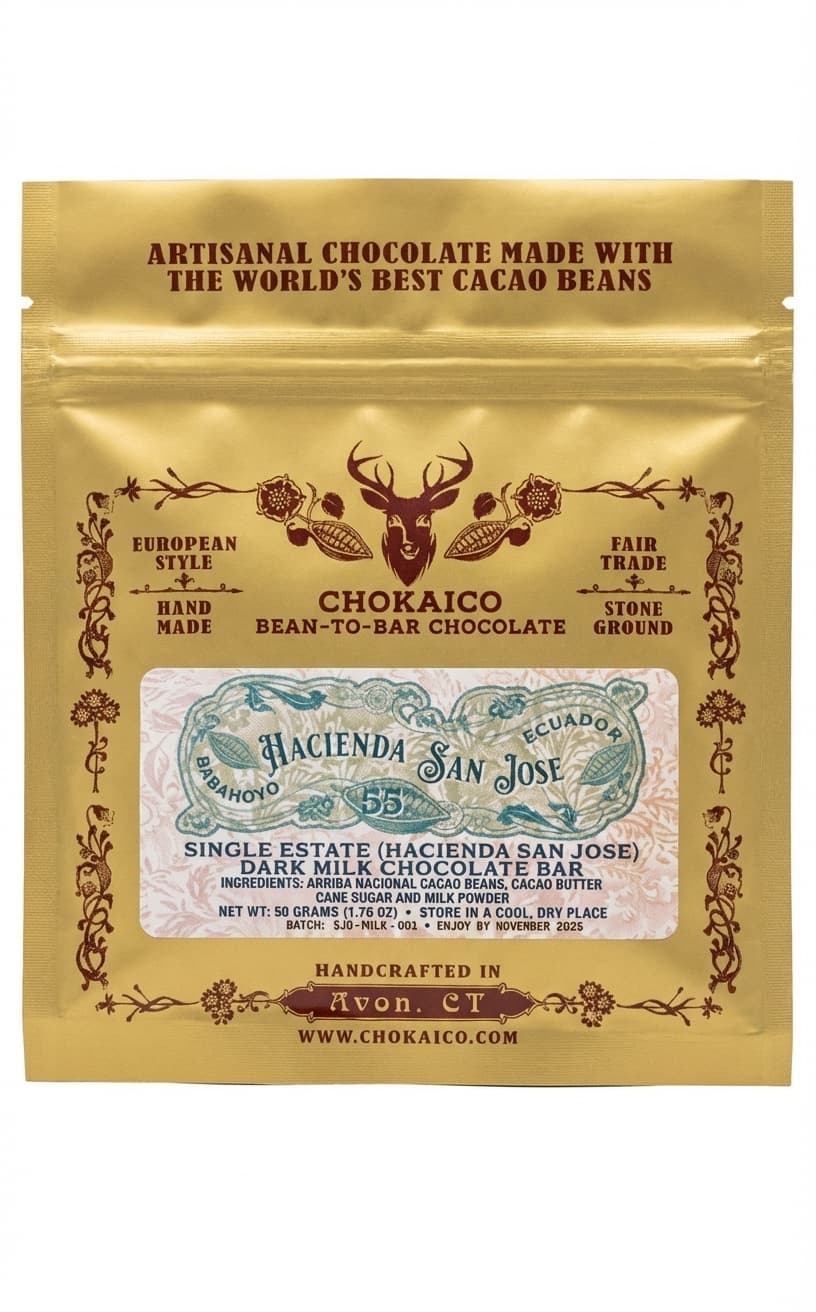 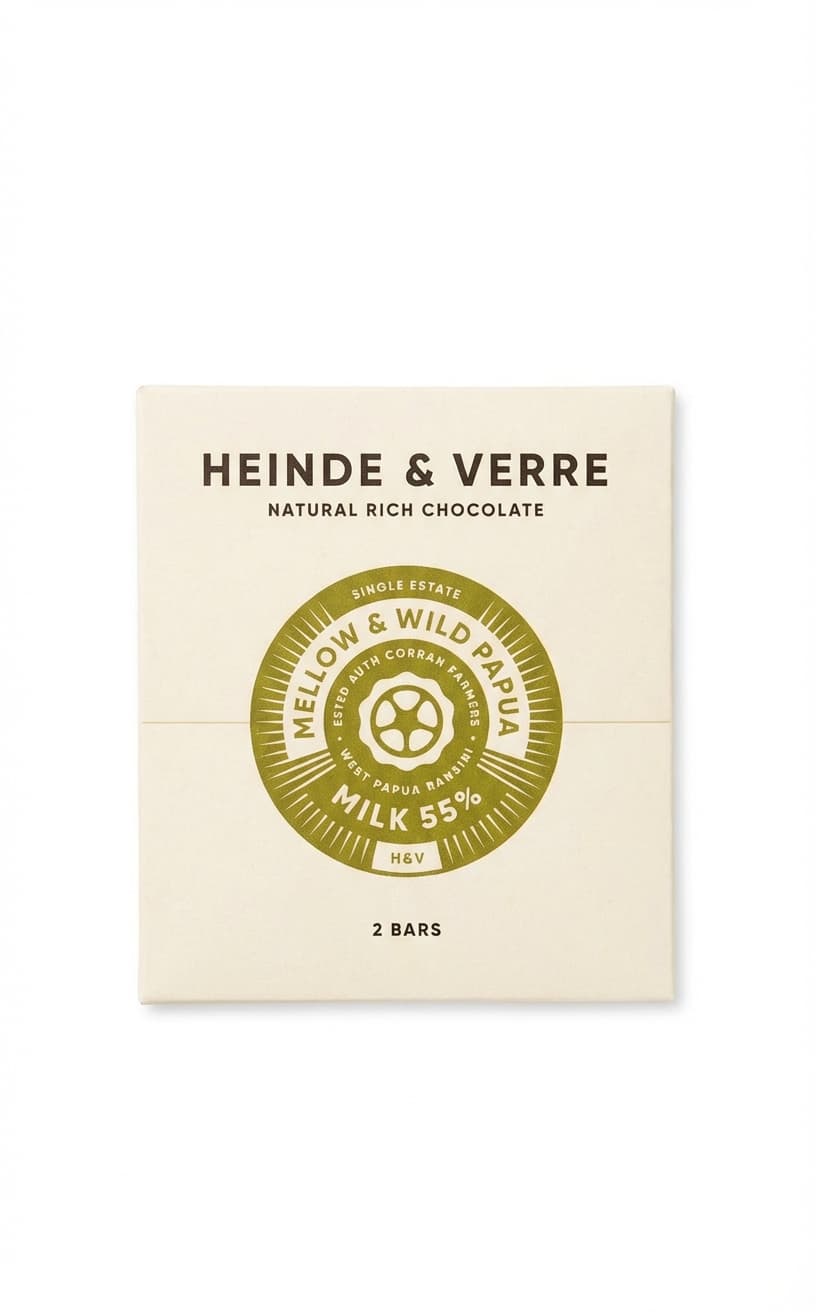 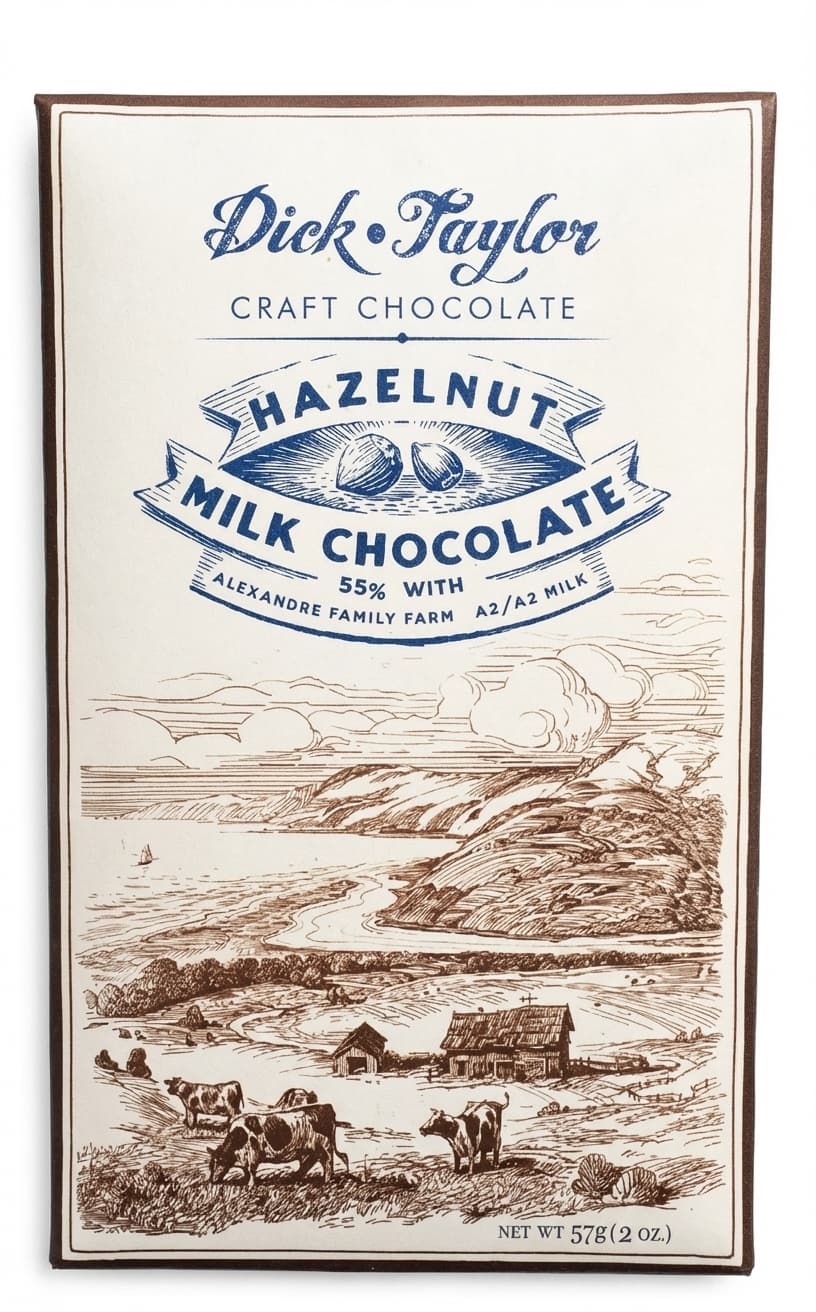 |
| 60-69% | SweetnessModerately sweet, At most 40% sugar | TasteCocoa comes forward; sugar still rounds it off | Typical barsDark bars, often flavoured; some dark milk (324 chocolate bars)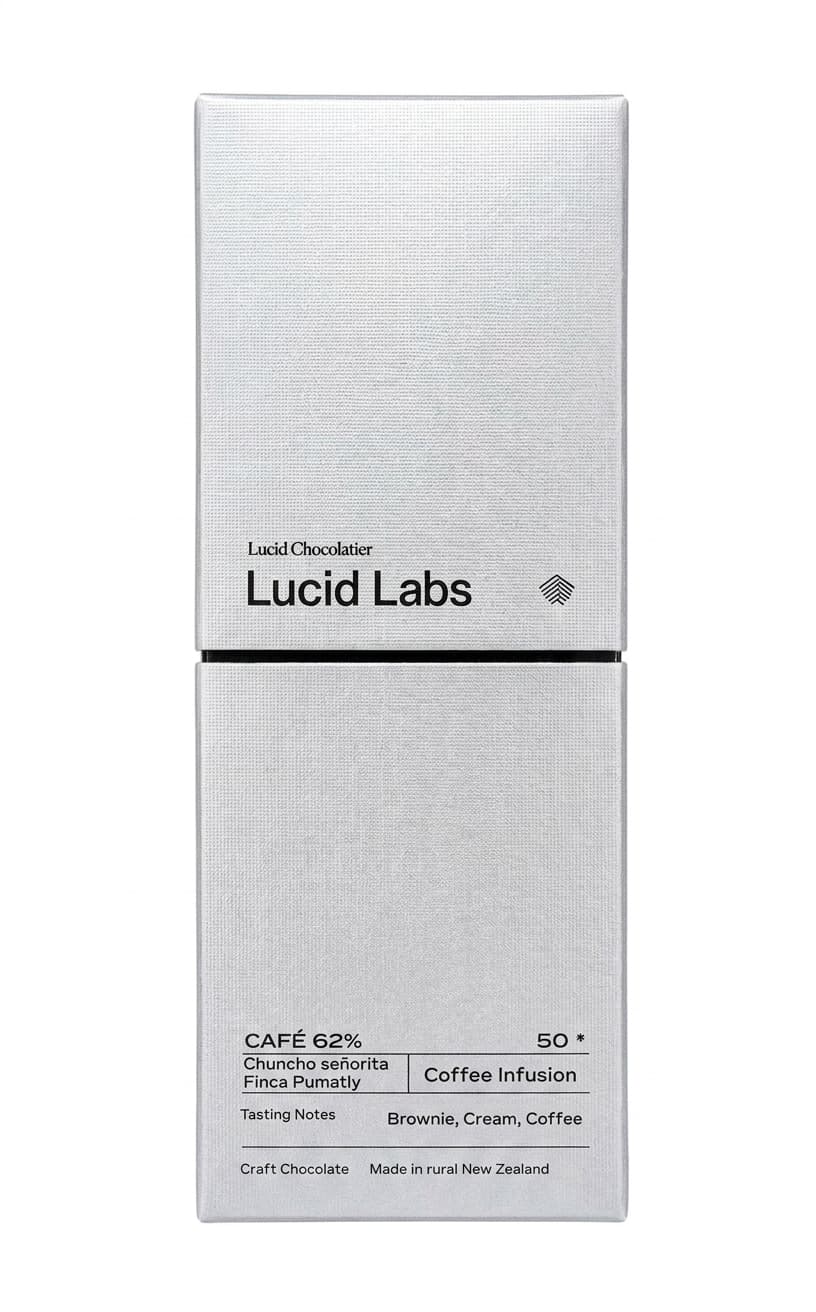 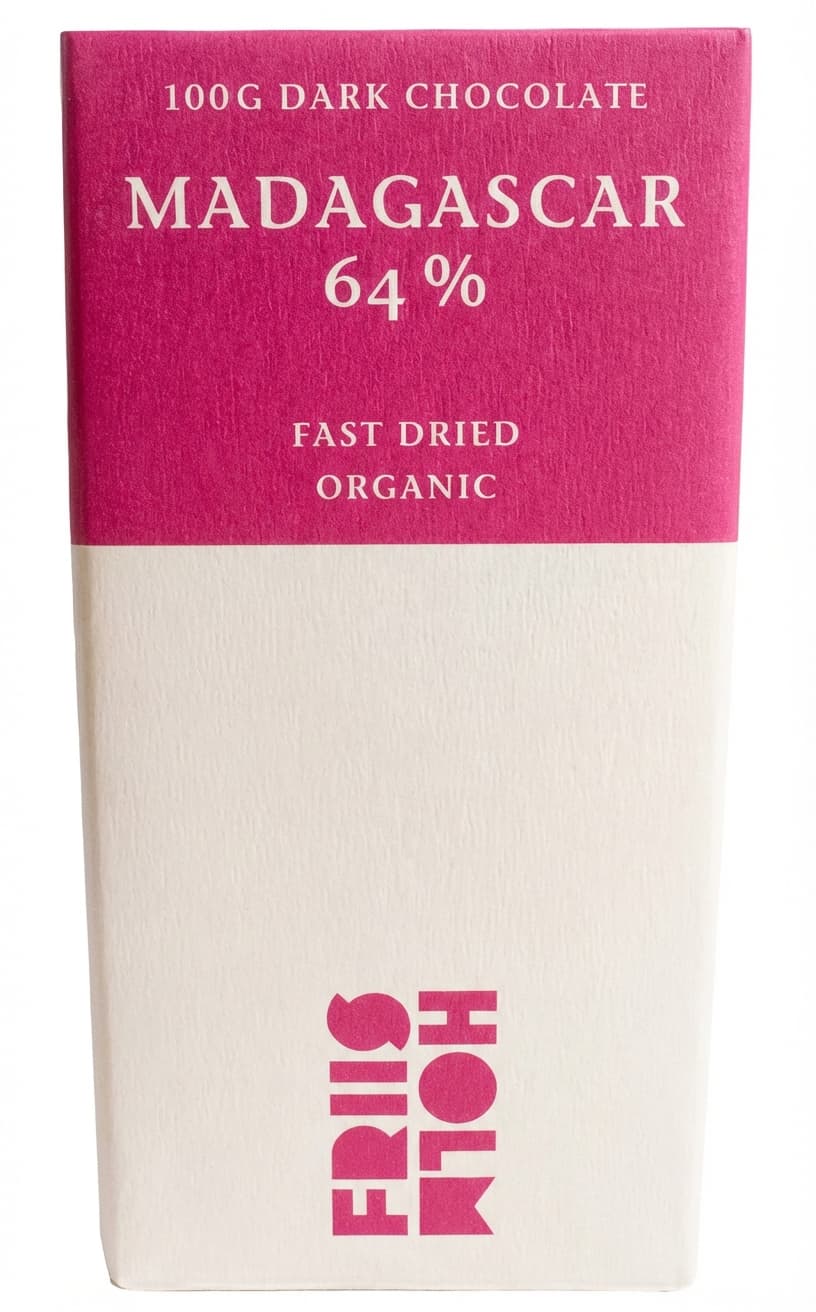 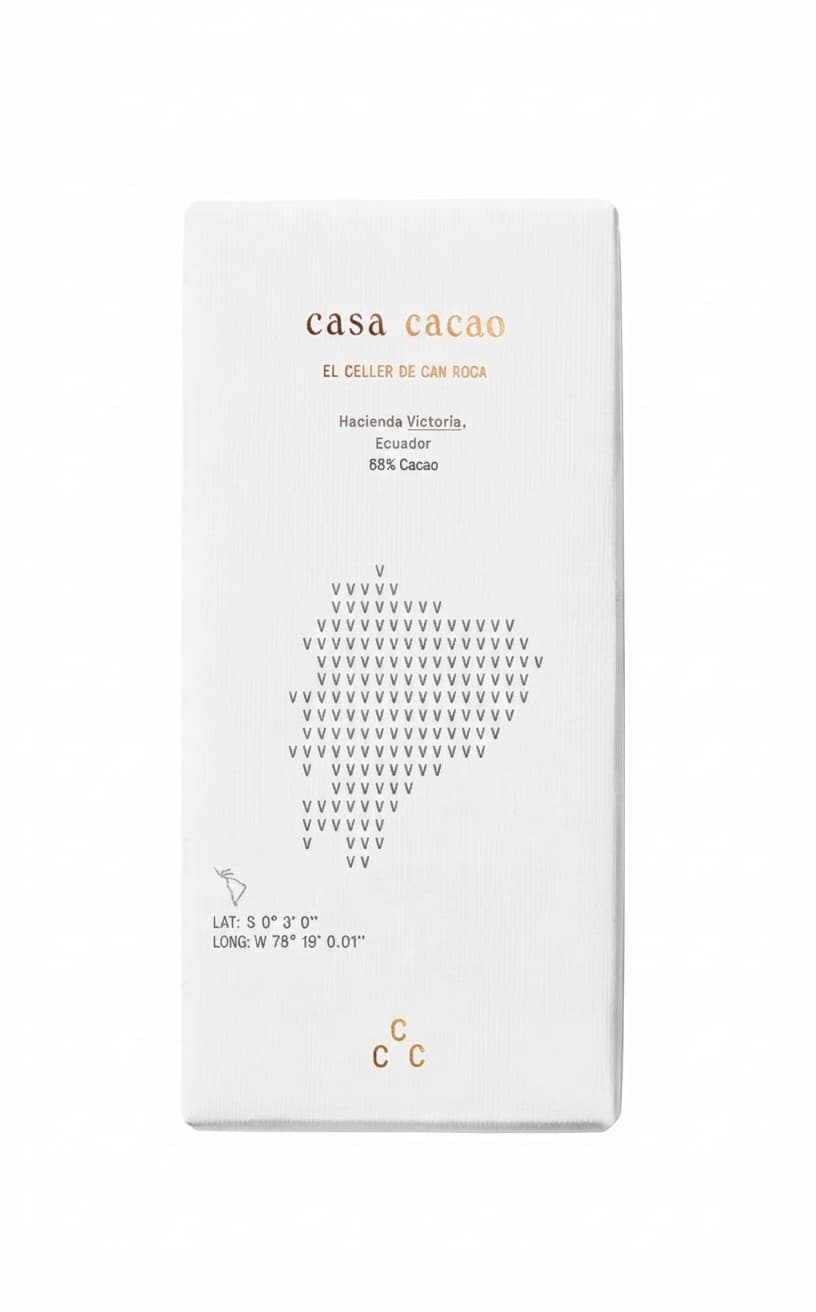 |
| 70-79% | SweetnessLightly sweet, At most 30% sugar | TasteCocoa leads; bean and roast character are easy to taste | Typical barsPlain and flavoured dark bars (1,090 chocolate bars)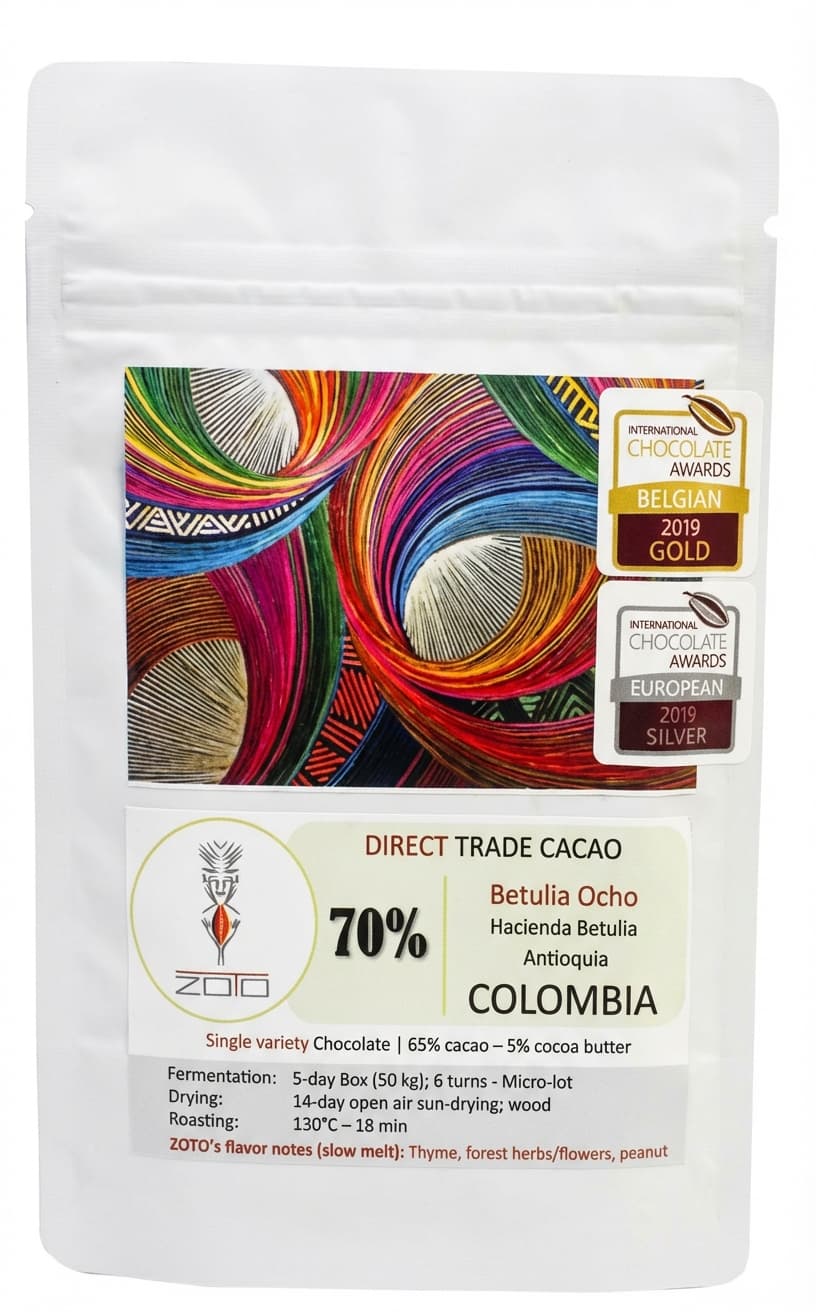 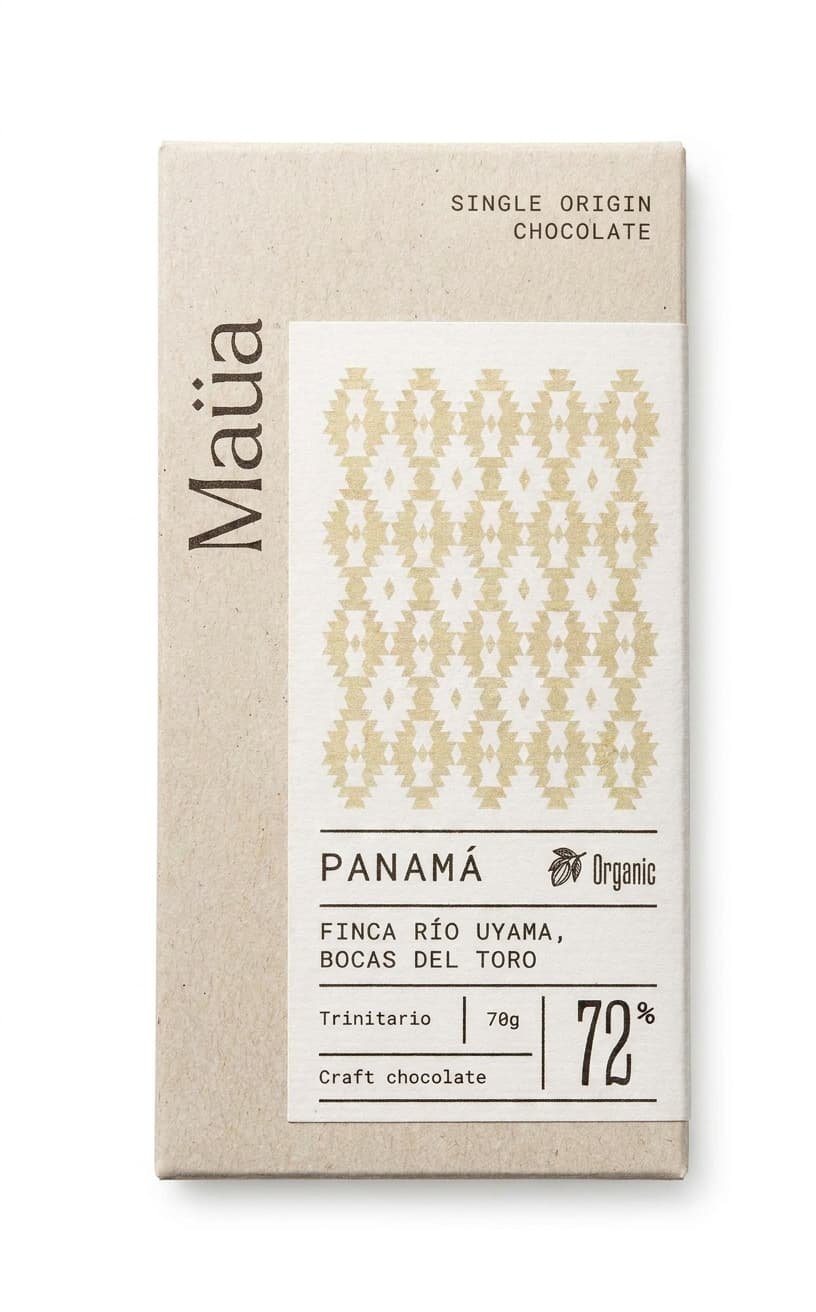 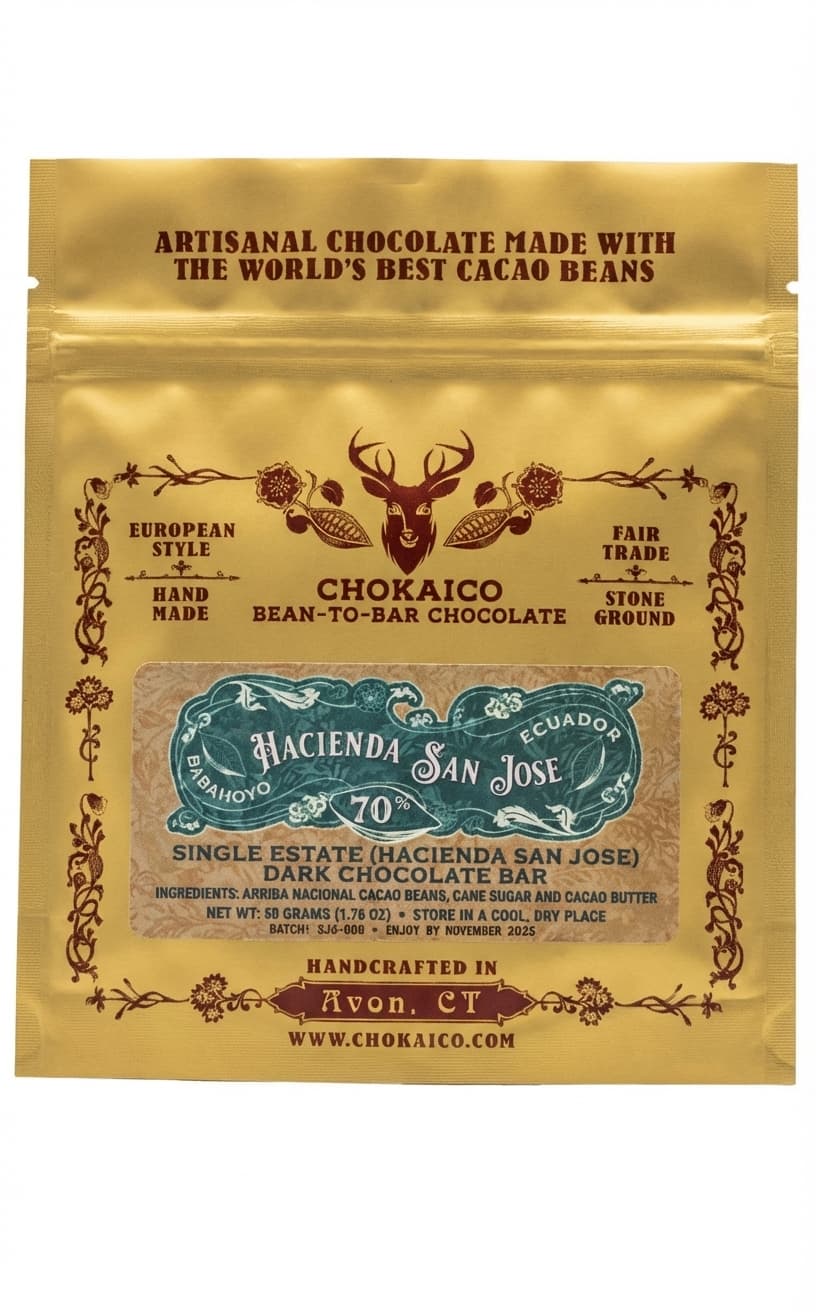 |
| 80-89% | SweetnessLow, At most 20% sugar | TasteIntense, with bitterness and acidity more pronounced | Typical barsPlain dark bars with little sugar (211 chocolate bars)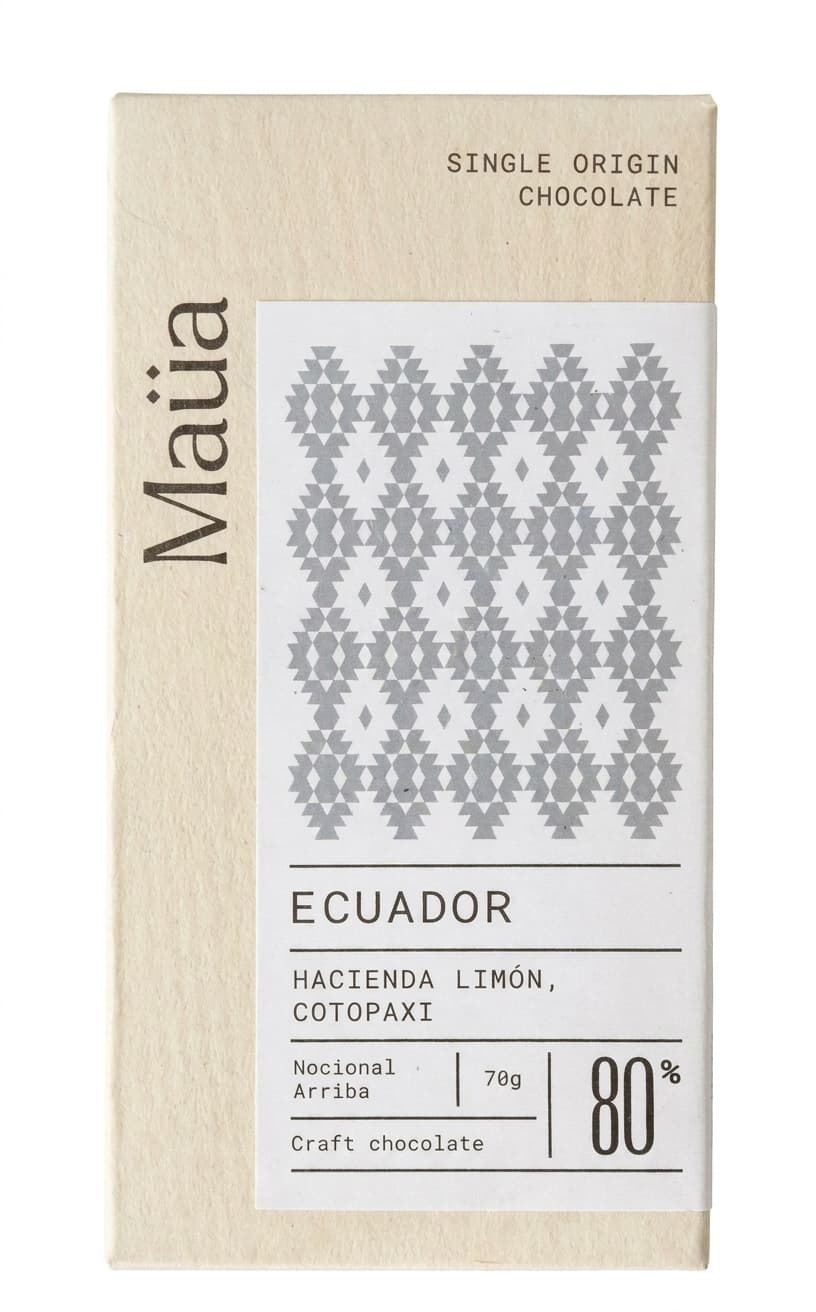 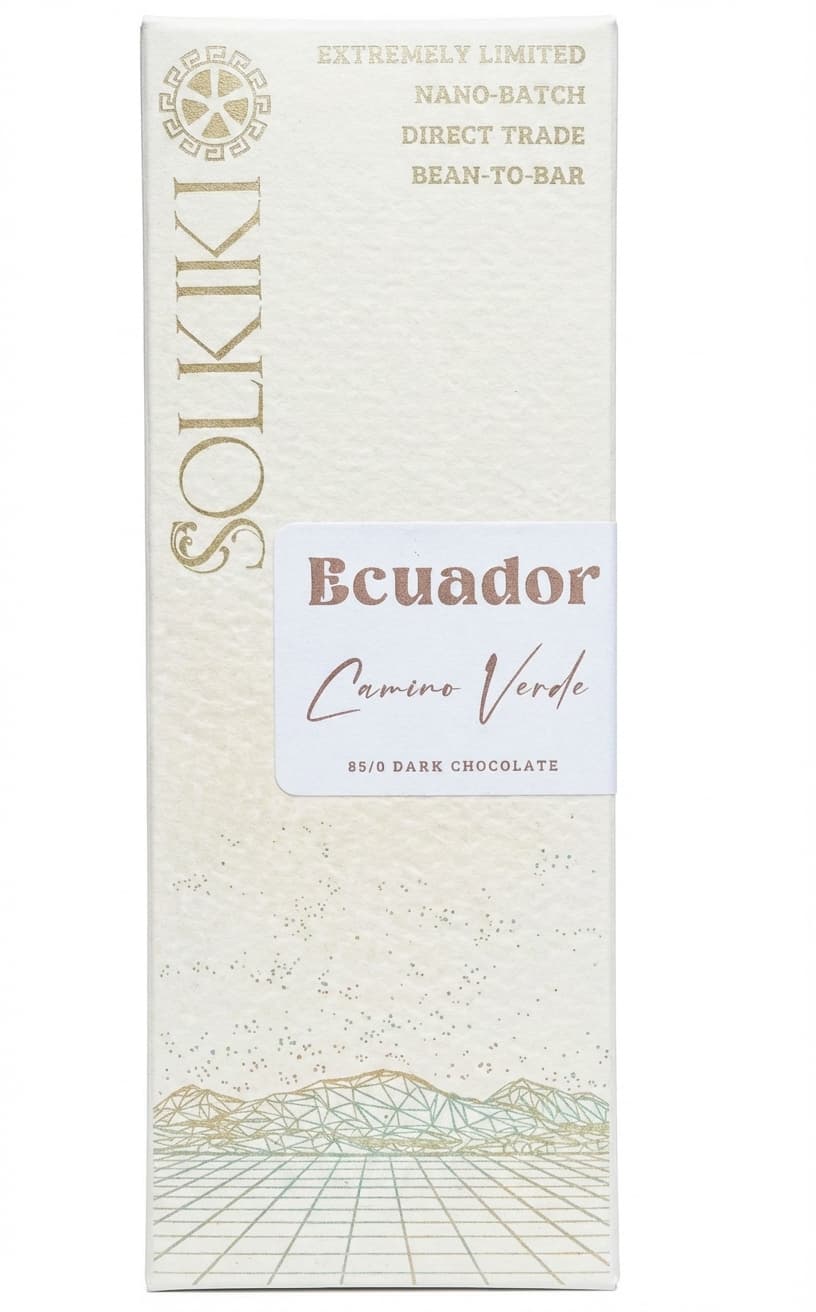 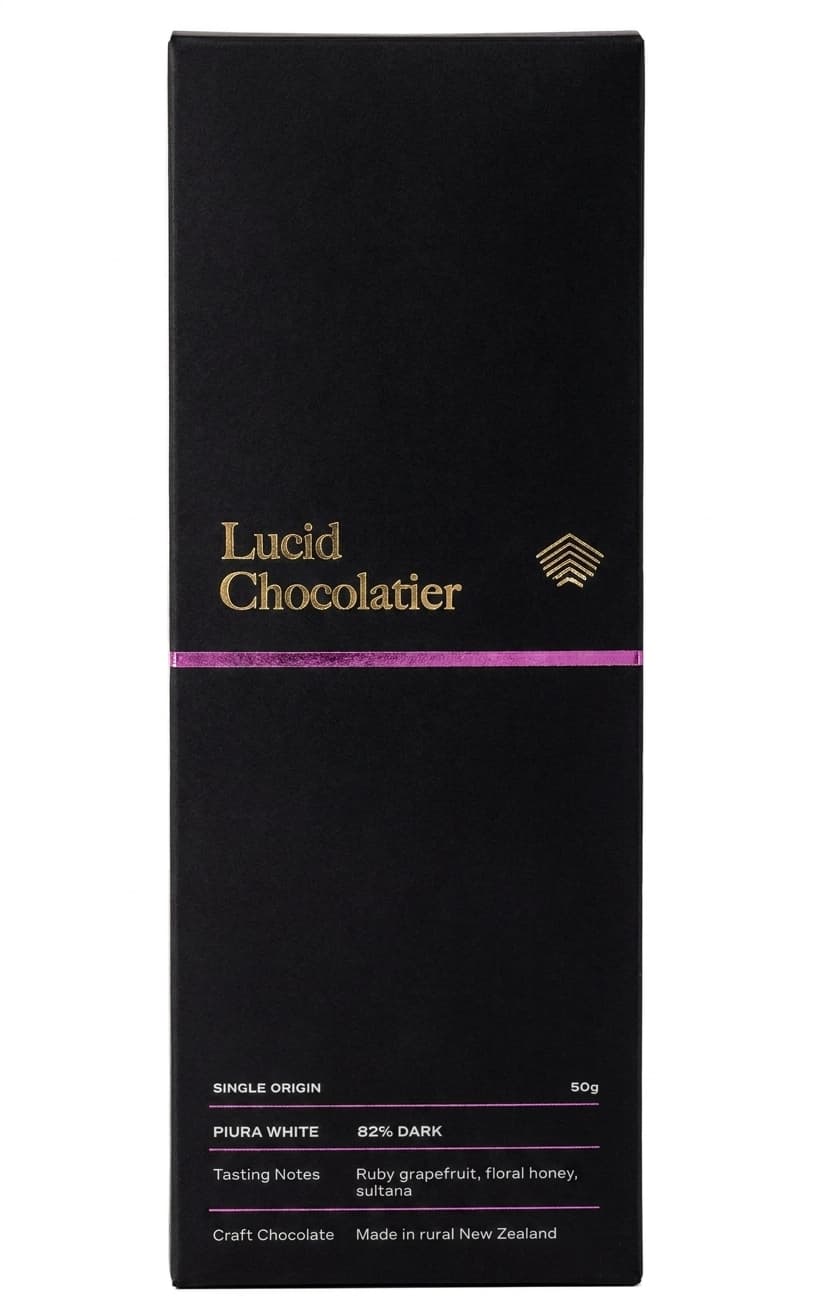 |
| 90-99% | SweetnessVery low, At most 10% sugar | TasteVery intense; little sugar to soften bitterness | Typical barsPlain dark bars with almost no sugar (62 chocolate bars)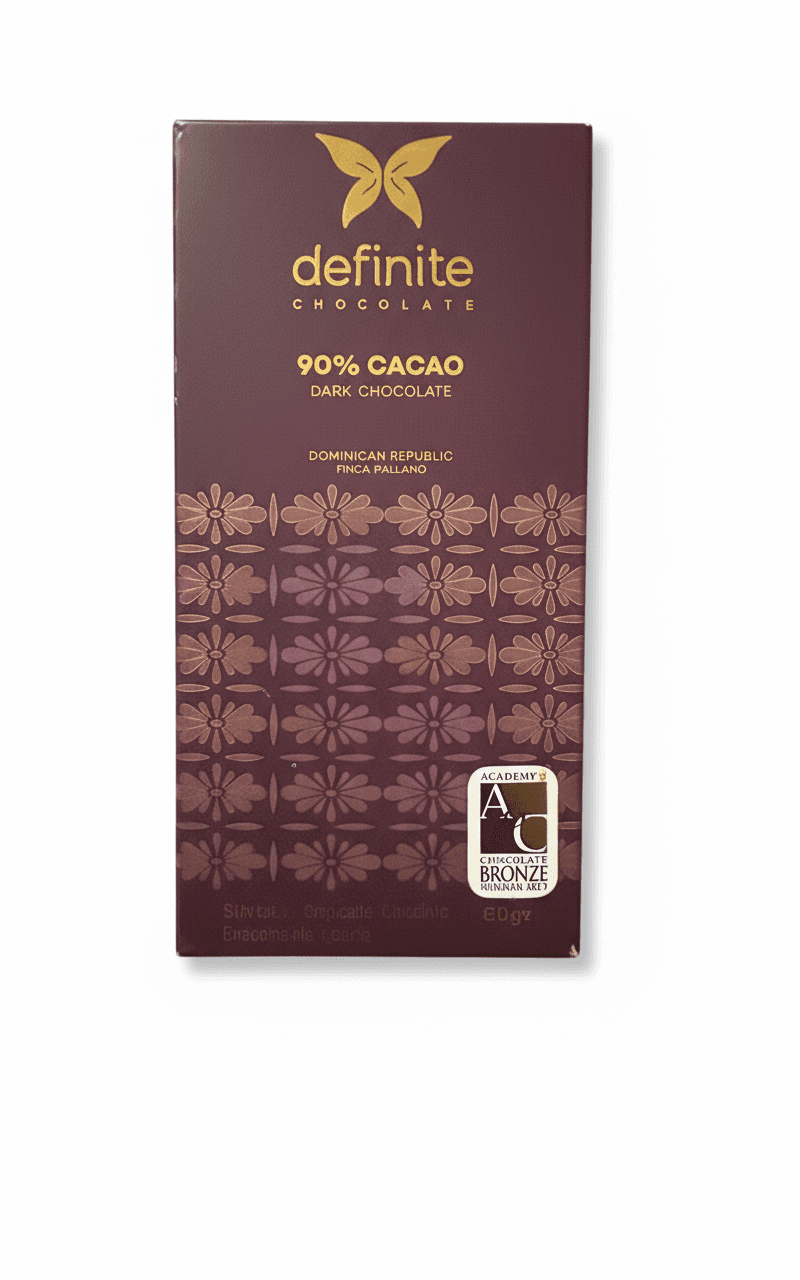 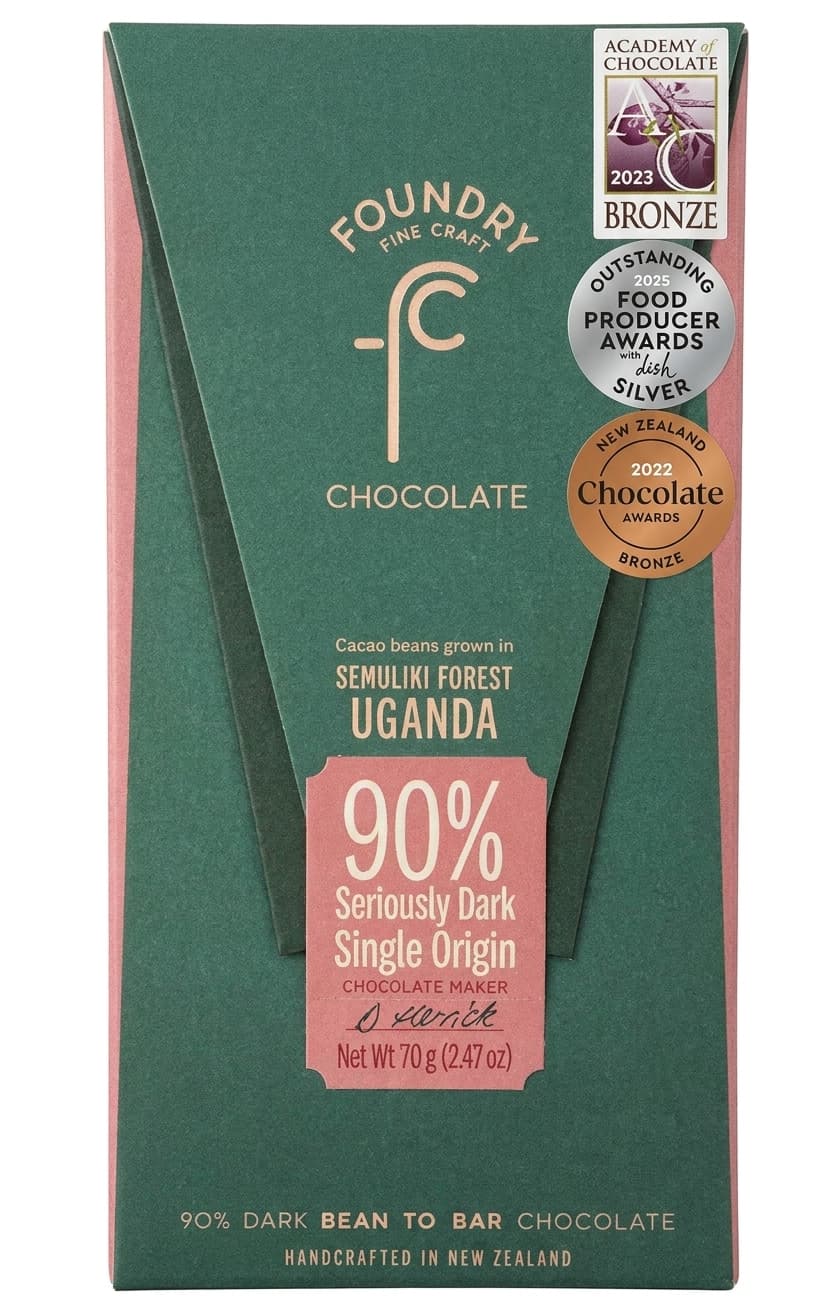 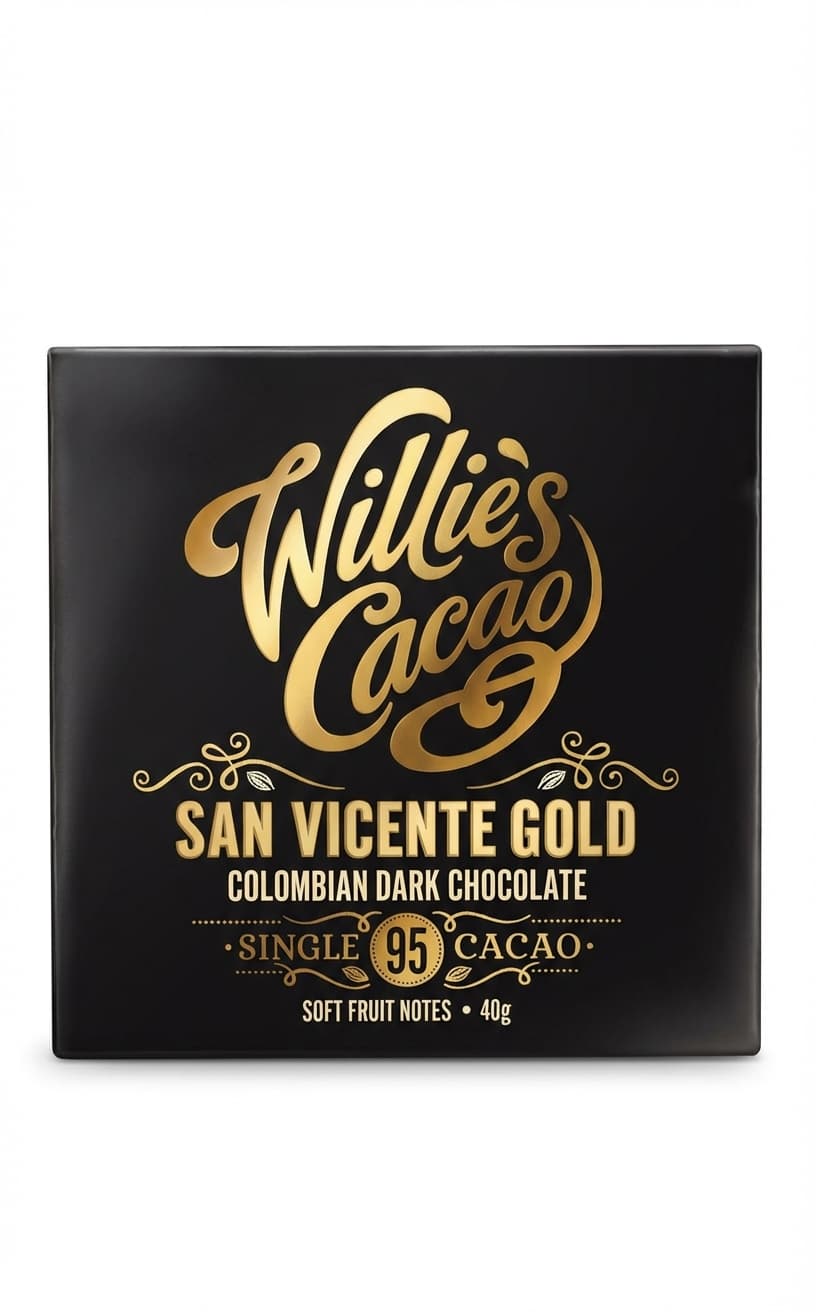 |
| 100% | SweetnessUnsweetened | TasteCocoa at full strength | Typical barsUnsweetened bars, also used in baking (100 chocolate bars)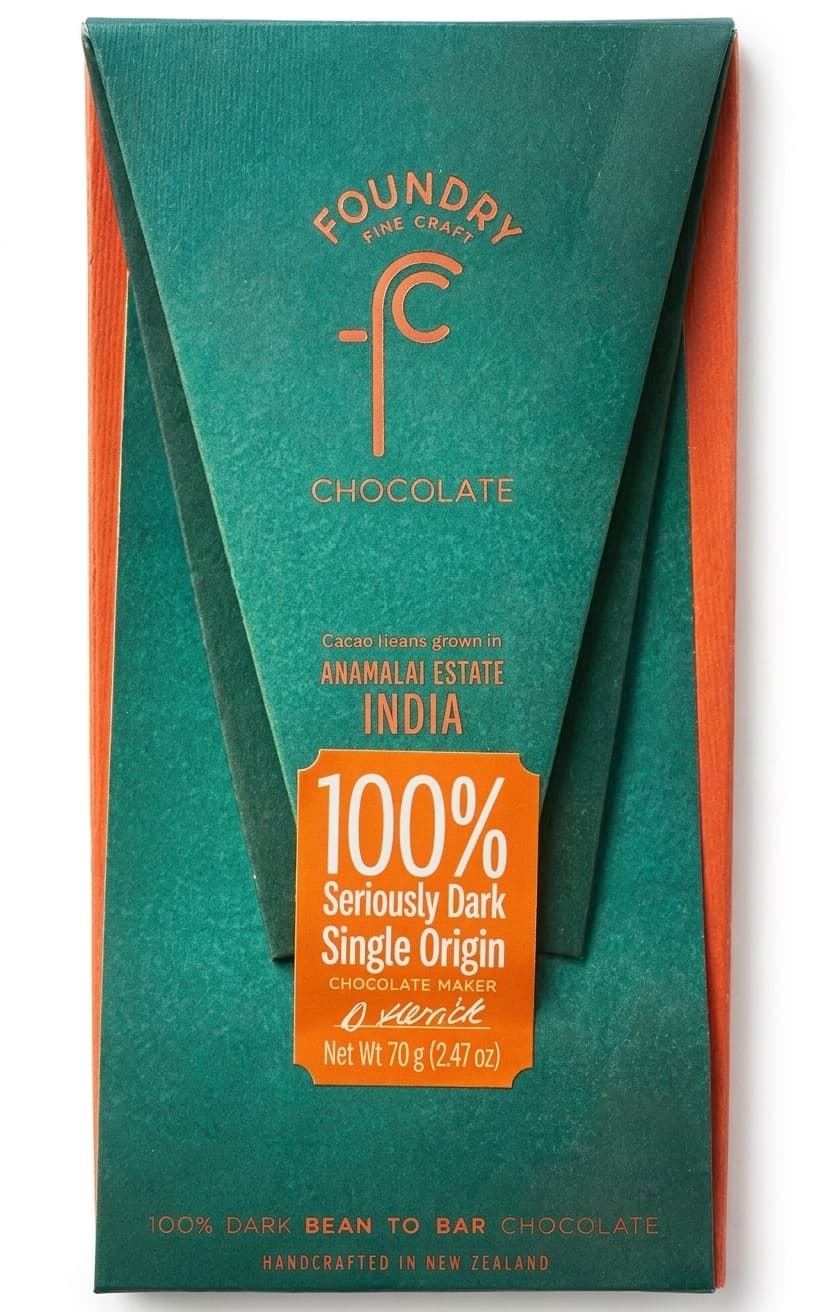 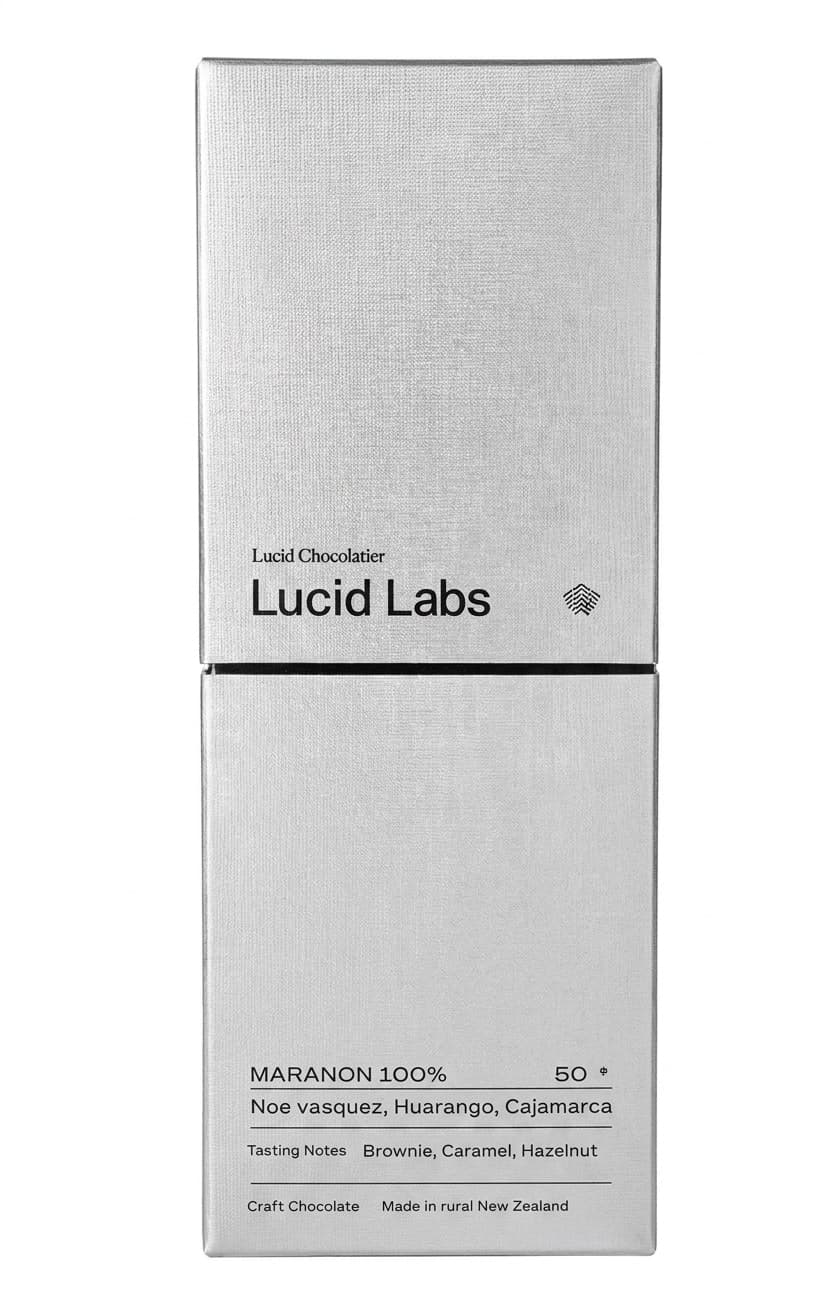 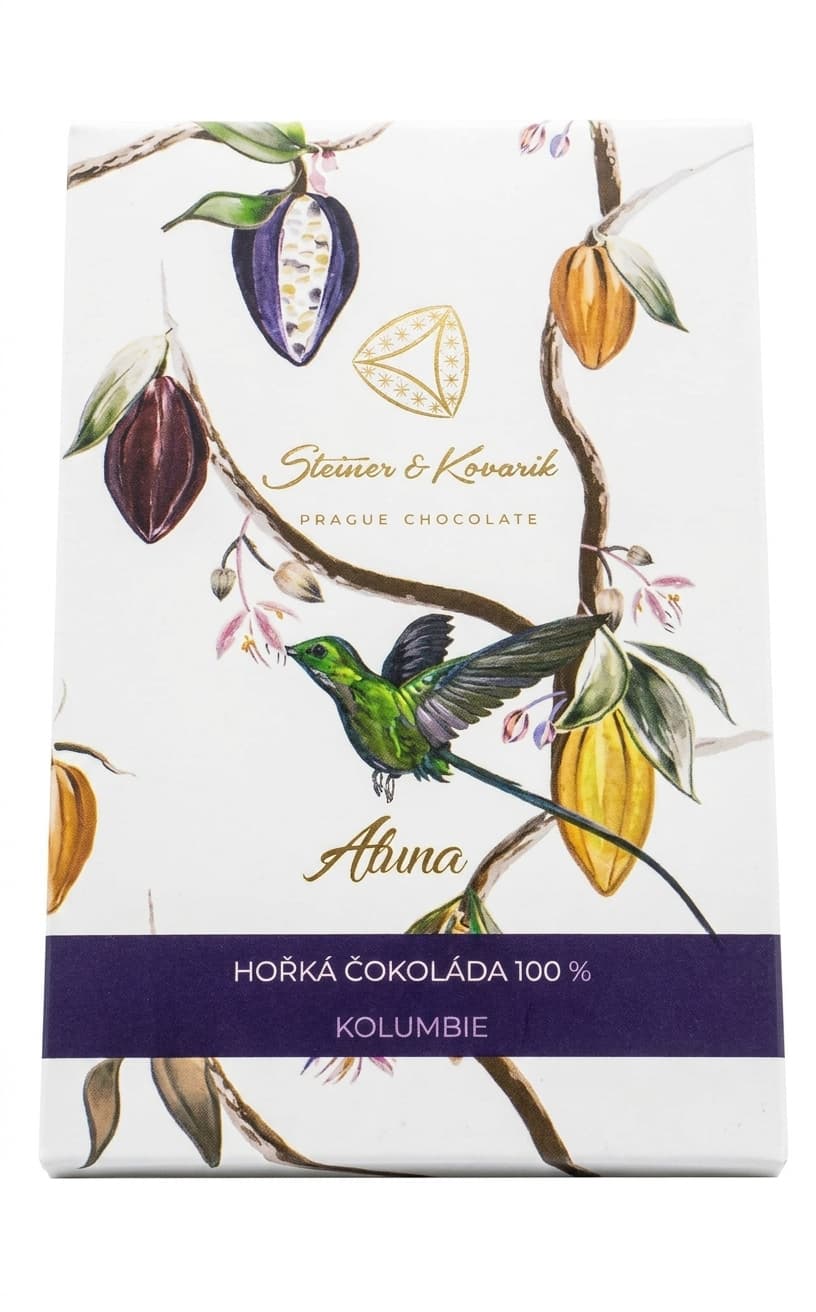 |
The share left over is sugar, plus milk in milk and white chocolate, and any flavourings mixed into the chocolate. A white chocolate percentage counts cocoa butter alone, so compare it only with other white bars.
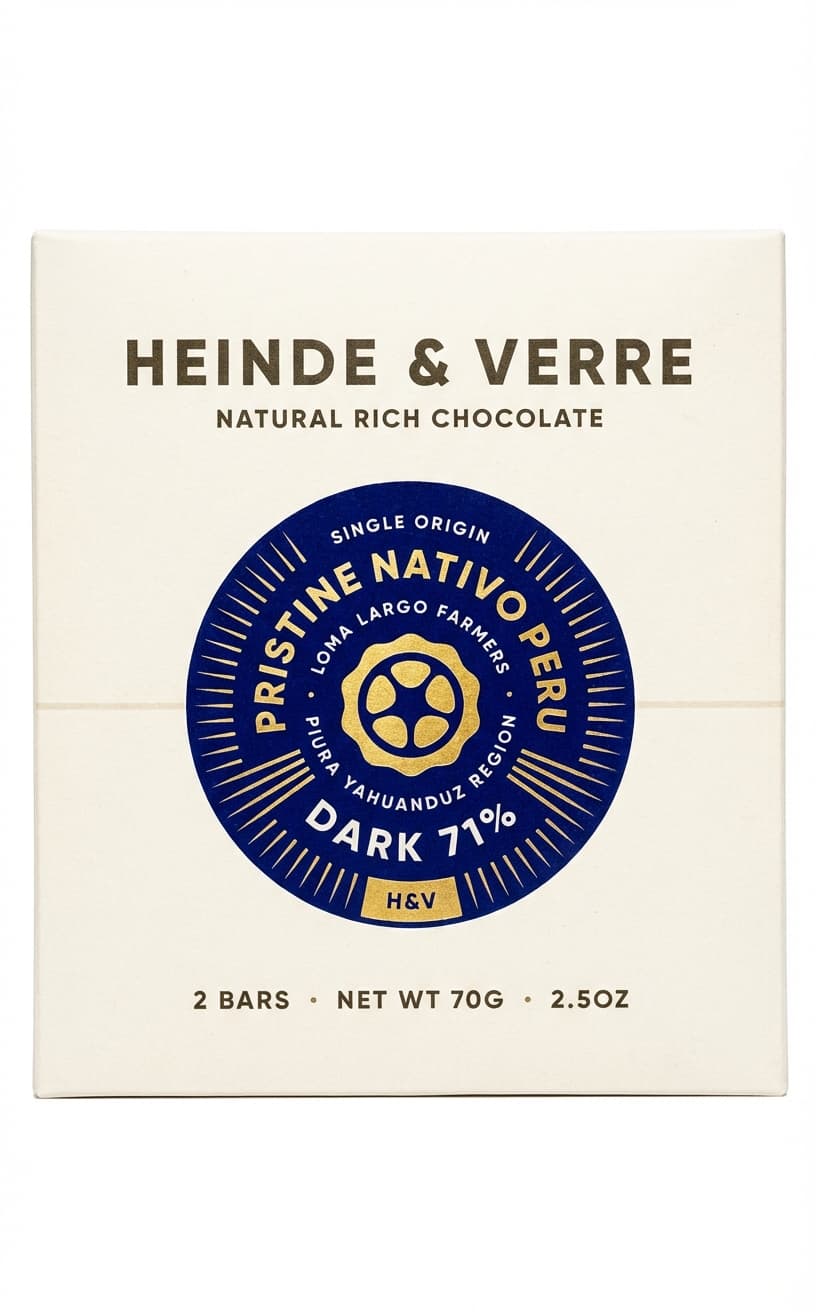
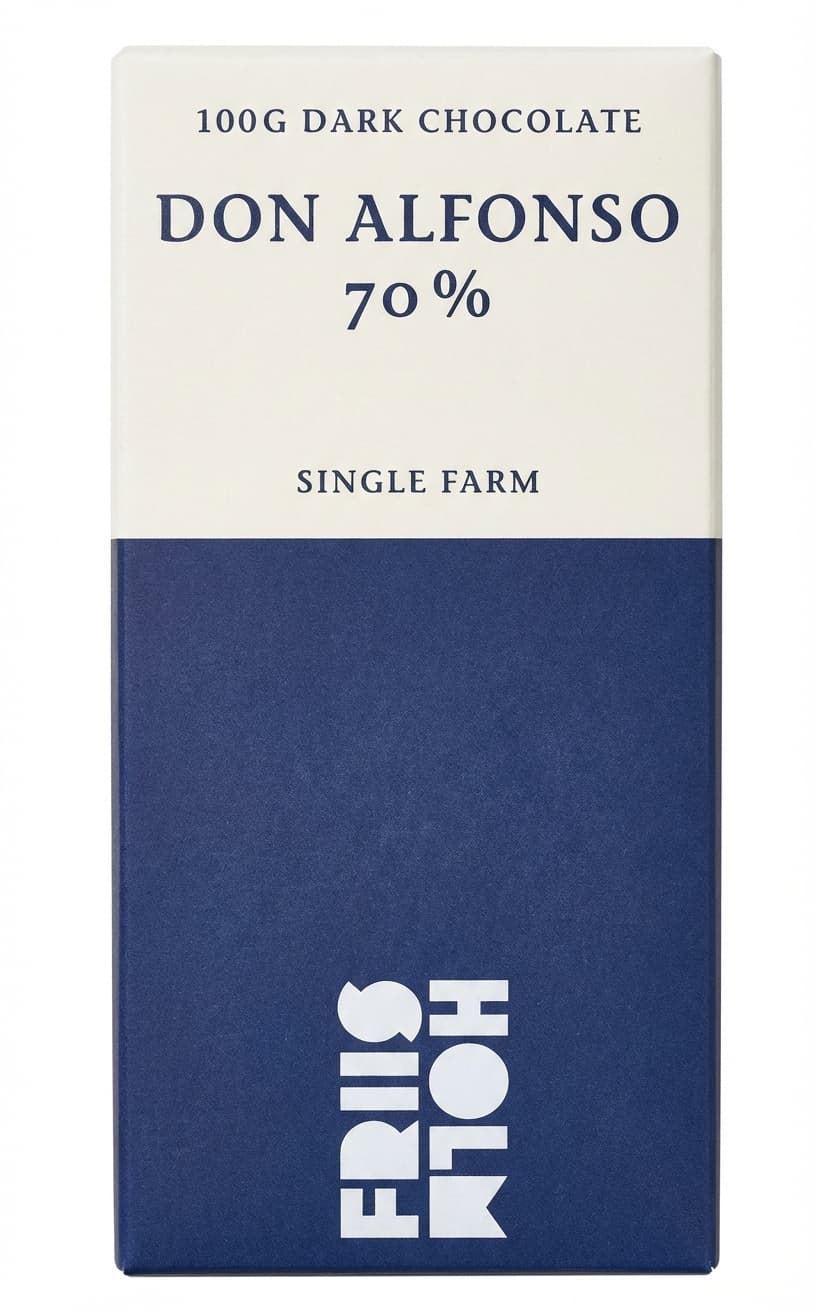
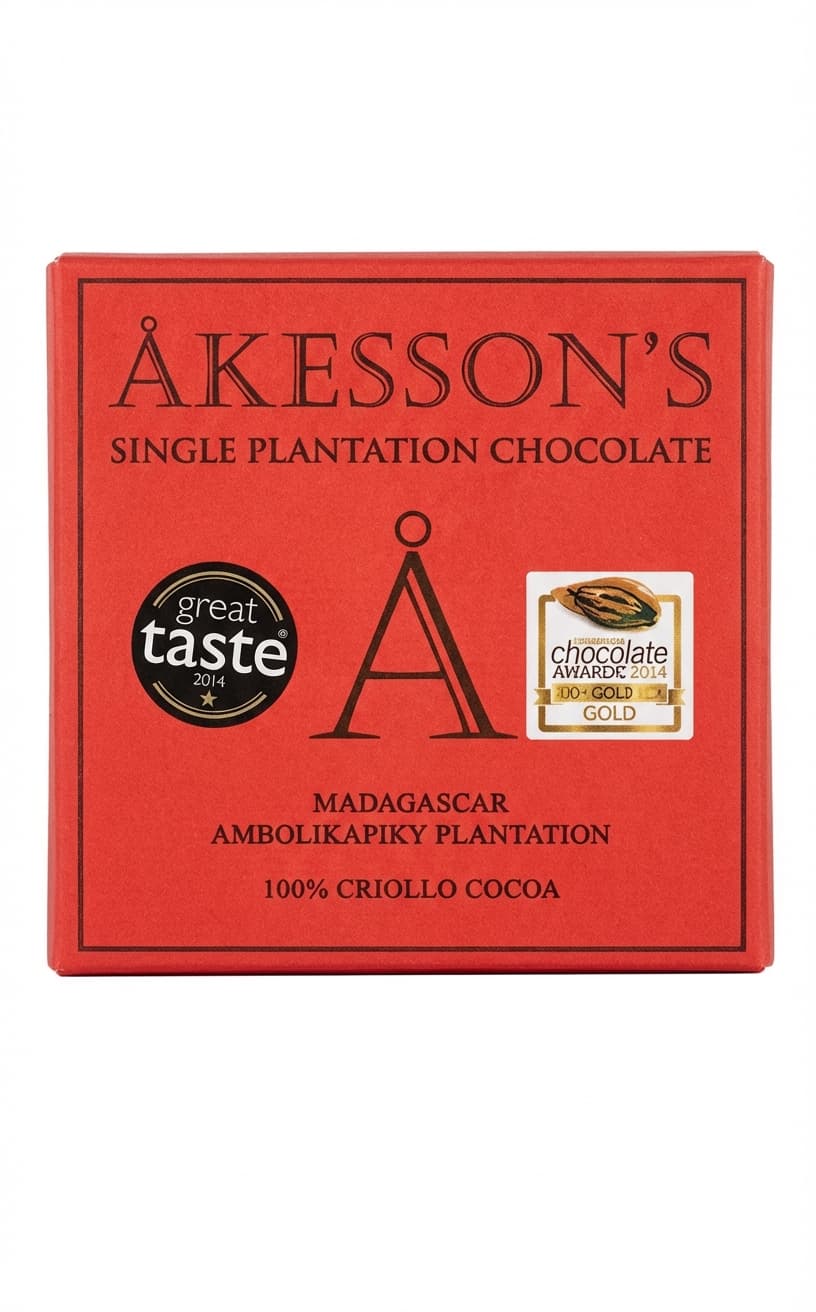
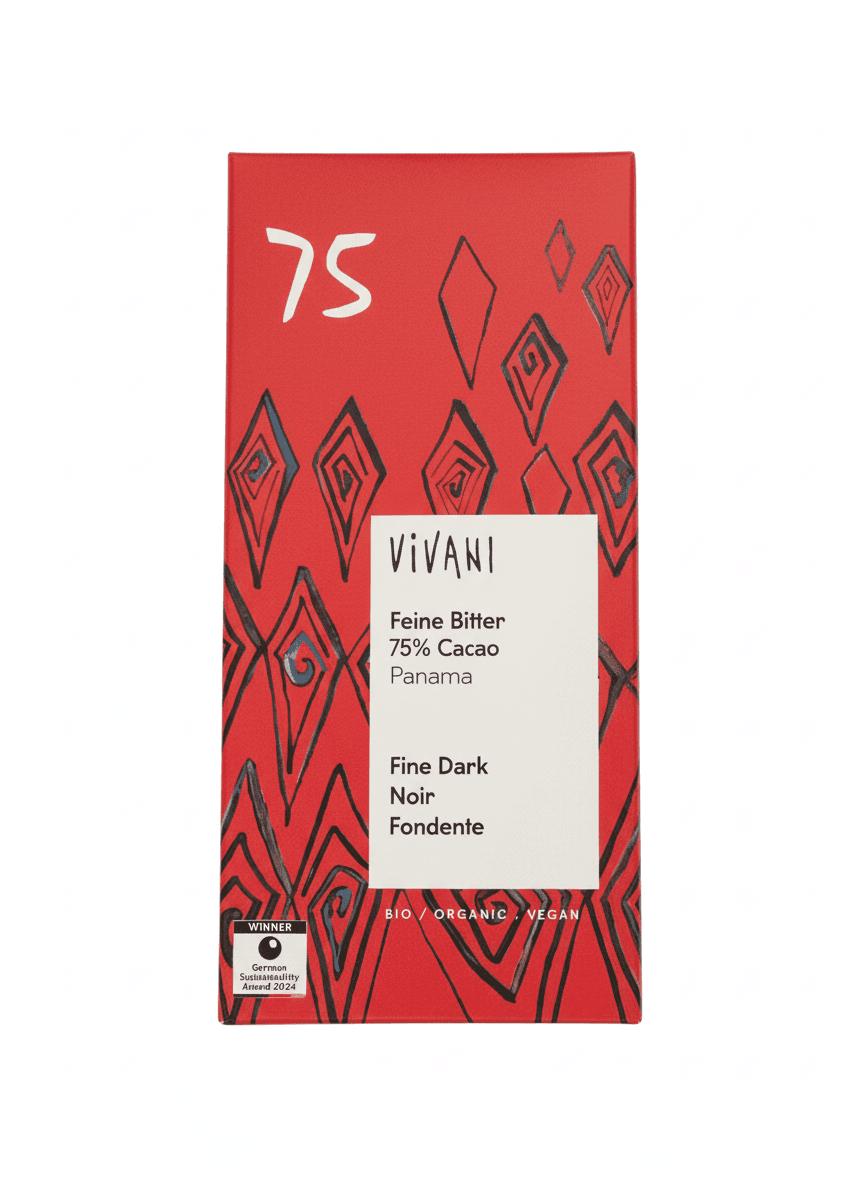
Read the rest of the wrapper: the ingredient list, any added fats and where the cacao grew.
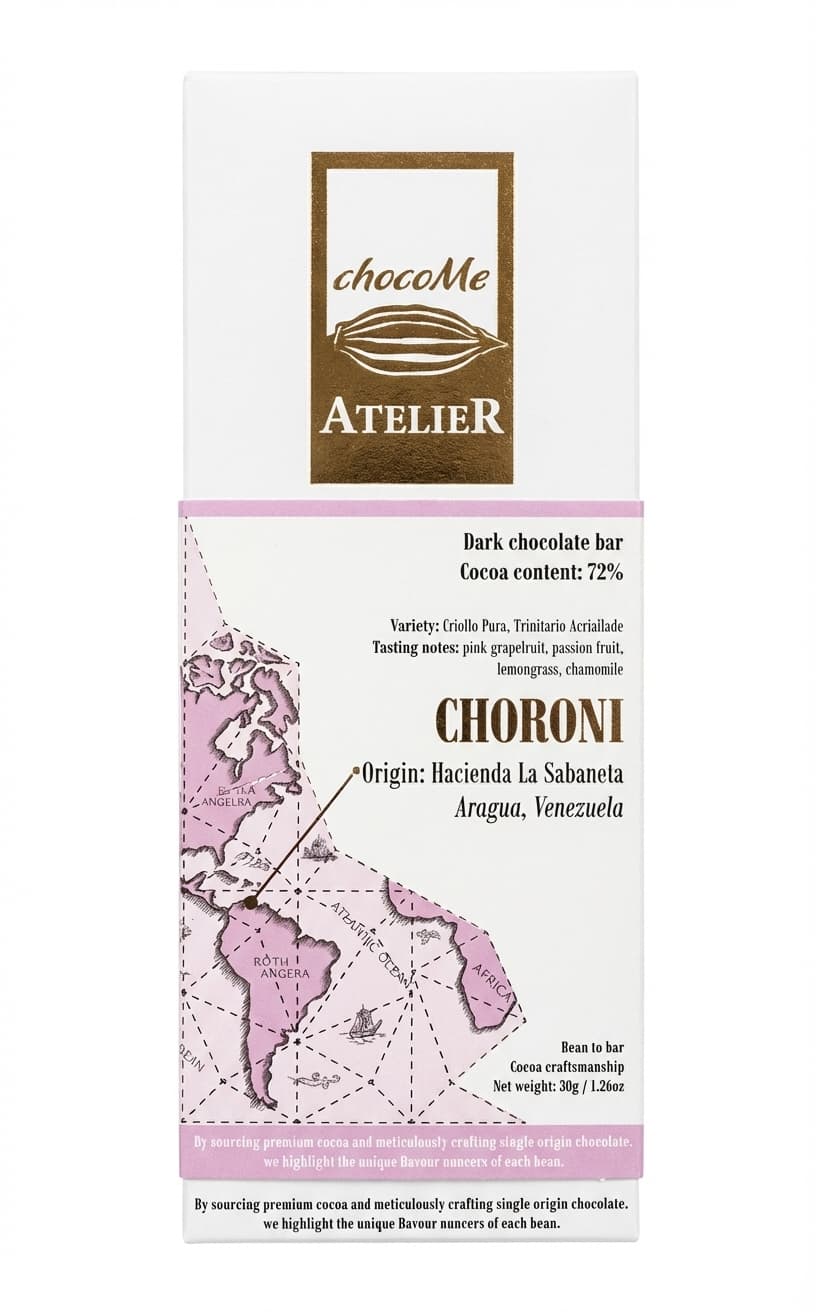
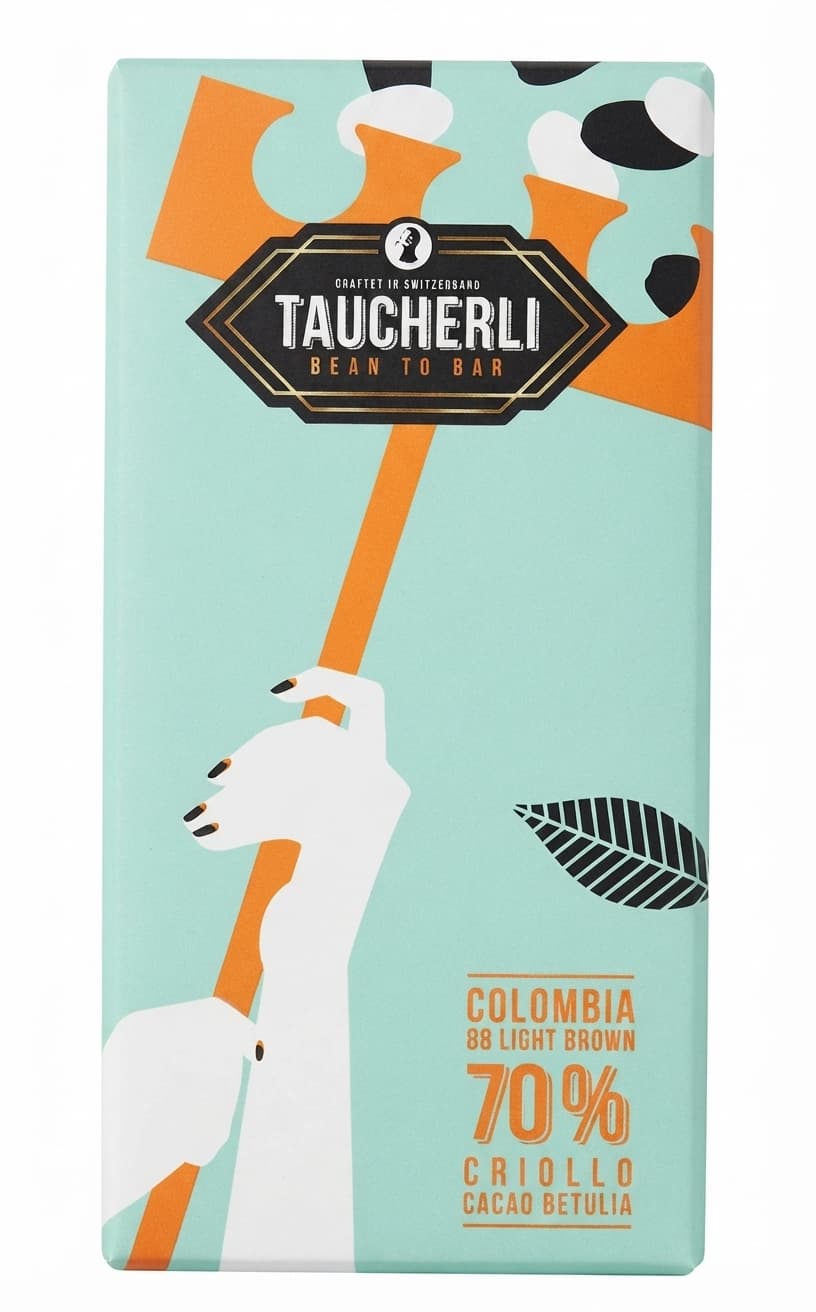
Pick a few bars you know and Chof suggests what to try next, at any percentage. Free, no account needed.
Or browse bars by cacao origin
Common questions about cocoa percentage in chocolate
If a bar is 70% cocoa, what is the other 30%?
The other 30% is sugar in a plain dark bar, sometimes with a little vanilla or lecithin. In milk chocolate that share is split between sugar and milk powder, so a milk bar has less sugar than a dark bar with the same percentage.
Are cocoa percentage and cacao percentage the same?
Yes. Cocoa percentage and cacao percentage name the same figure, the share of the chocolate made from cacao, and makers print whichever spelling they prefer.
What percent cacao is dark chocolate?
The law sets floors for other names and leaves the word "dark" to makers. In the EU, anything sold as chocolate needs at least 35% total dry cocoa solids, and in the US, semisweet and bittersweet chocolate need at least 35% chocolate liquor. On Chof, 77% of the dark bars that list a percentage are 70% or higher.
What percentage of cocoa is in milk chocolate?
At least 25% total dry cocoa solids in the EU, a figure that includes all the cocoa butter. US rules set the floor at 10% chocolate liquor, which is calculated from the bar's non-fat cocoa solids and leaves out cocoa butter added on its own.
Which cocoa percentage range is most common in craft chocolate?
70-79% is the most common range on Chof, with 1,090 of 2,393 bars (46%).
Is higher cocoa percentage always better?
No. A higher percentage means more cacao and less room for sugar, which makes a bar more intense. How good it is depends on the beans, their fermentation and roast, and the maker's skill, and those show at every percentage.
What is a good cocoa percentage for dark chocolate?
Start at 70%, the most common dark percentage on Chof. Go higher for less sweetness: an 85% bar has at most 15% sugar, and a 90% bar at most 10%. Tasting two bars from one maker and origin at different percentages, such as a 70% and an 85%, shows the difference most clearly, because the two usually share their beans and roast and differ mainly in sugar.
What is a 100% chocolate bar?
100% chocolate is made only from cacao: usually cocoa mass on its own, sometimes with added cocoa butter, and no sugar or milk. It tastes as bitter and acidic as the beans and roast make it. Many people use it for baking and add the sweetness themselves.
Not sure which bar to pick? Tell us which bars you’ve tried and get personal recommendations.