Trinitario Chocolate
The hybrid where most real-world fine chocolate actually sits. 363 Trinitario bars on Chof, from 125 makers, at an average of 72% cocoa.
Chof's Trinitario bars come mostly from Tanzania, Dominican Republic and Madagascar, and every bar lists Trinitario the way its maker states it, not as a verified fact. Tasting notes that come up most often: honey, fruity, citrus, caramel, nuts and floral.
What is Trinitario chocolate?
Trinitario is not one cacao but a whole family of Criollo-and-Amazonian hybrids. It carries some of Criollo's finesse and most of the workhorse's vigour, which is why it grows almost everywhere and why its flavour is the widest of any group, from fresh fruit and berry to nutty, spiced and caramel.
Trinitario is what happens when delicate old Criollo crosses with hardy Amazonian cacao (Motamayor et al., 2008). The result is the most successful compromise in chocolate: enough of Criollo's aromatic finesse to be interesting, enough hybrid vigour to actually grow. That is why it is the most common variety in Chof and grows across the tropics. The name comes from Trinidad, where the cross is usually dated to the eighteenth century, after disease swept the island's Criollo and hardier cacao moved in; the exact date is told differently from source to source, so treat the story as well established in outline, not in detail.
Because Trinitario is a family rather than a single type, its flavour is the widest of any group. A Trinitario from Madagascar and one from the Philippines can taste like completely different fruits. Treat "Trinitario" on a label as a starting hint, not a promise: it tells you the bar probably has some fine-flavour parentage, but the specific cross, origin and maker decide the taste. Some cultivated Trinitario clones even carry more of their Amazonian than their Criollo parentage, another reason the word is a broad hint rather than a precise identity.
How to read a Trinitario claim
Every Trinitario bar on Chof shows the variety as its maker lists it, not as an independently verified fact. Of the 363 that name Trinitario, 102 list it as part of a blend rather than on its own; open any bar to see the full bean line its maker gave.
- Trinitario is an umbrella term, so the useful detail is usually the origin and the maker, not the word itself.
- Many bars labelled "Criollo" are genetically Trinitario, so a "Criollo, Trinitario" blend line is honest labelling worth trusting.
Best Trinitario bars
Ranked by the Chof Score
- Rank 73:
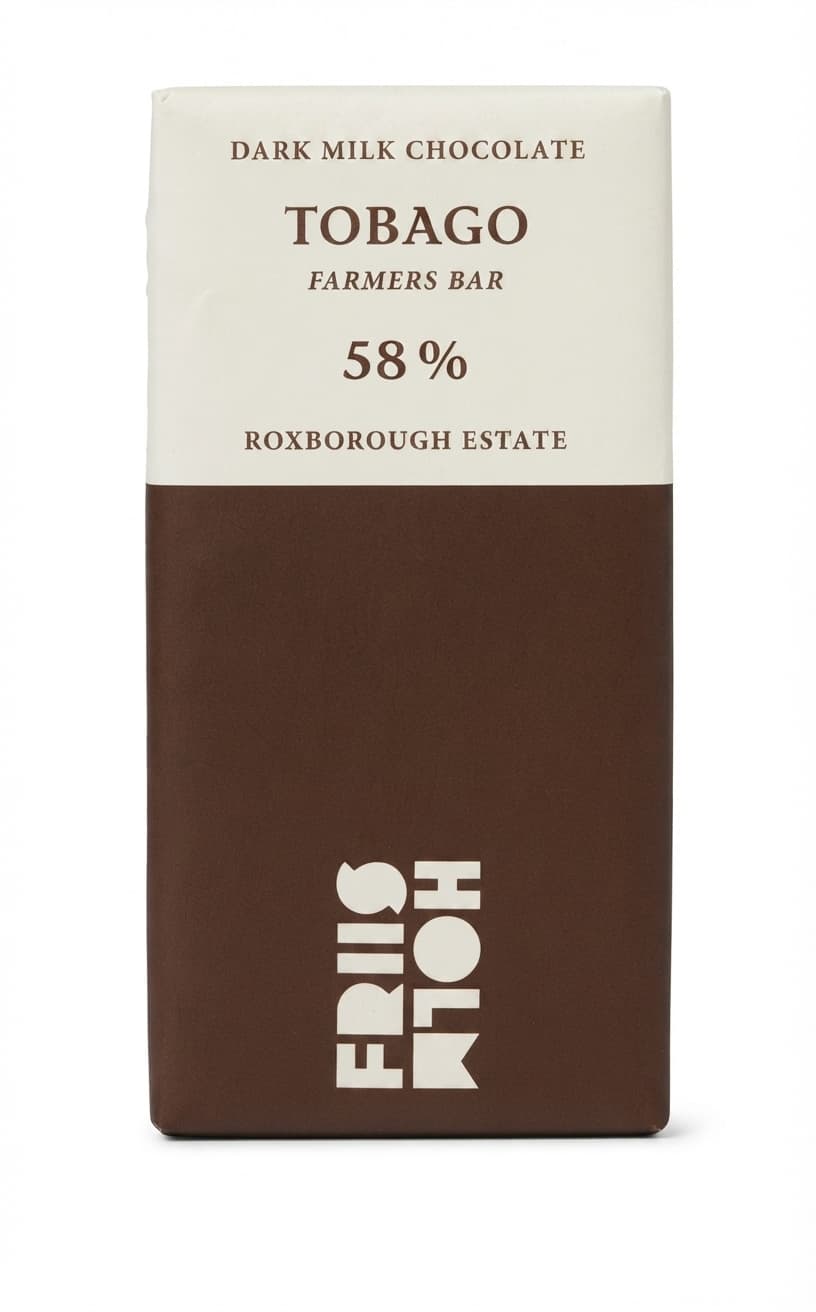 Friis Holm
Tobago 58%
58%milkTrinidad and Tobago - Rank 74:
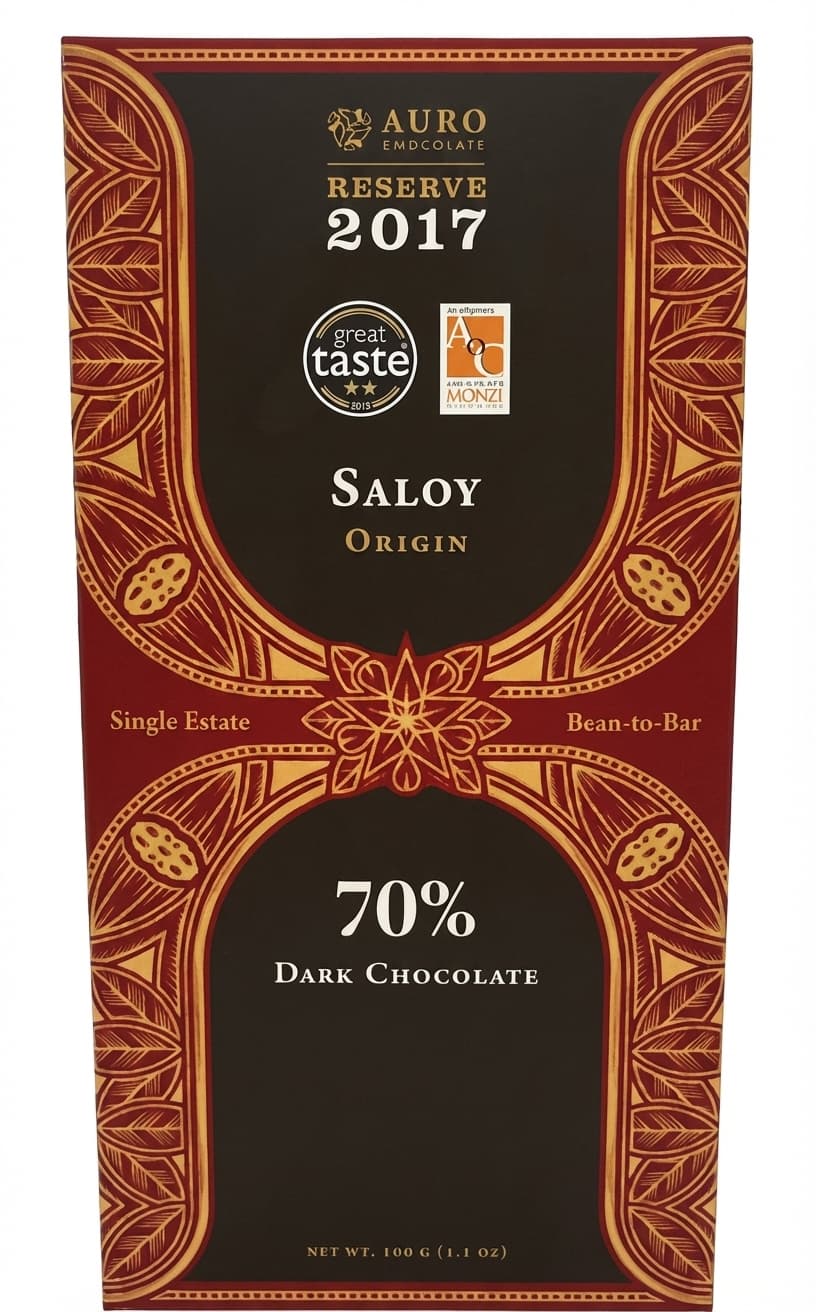 AURO
AUROReserve 2017 Saloy Origin
70%darkPhilippines - Rank 75:
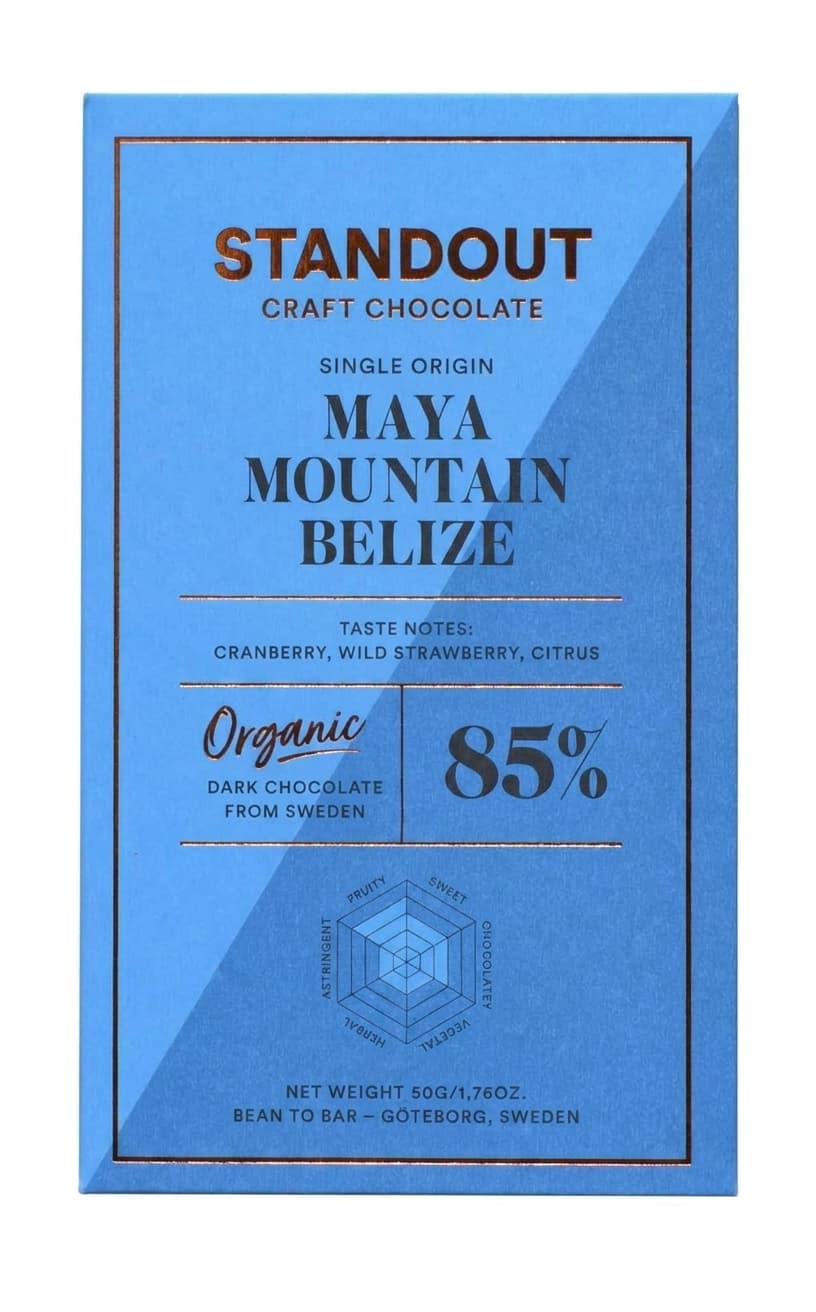 Standout Chocolate
Maya Mountain Belize 85%
85%darkBelize - Rank 76:
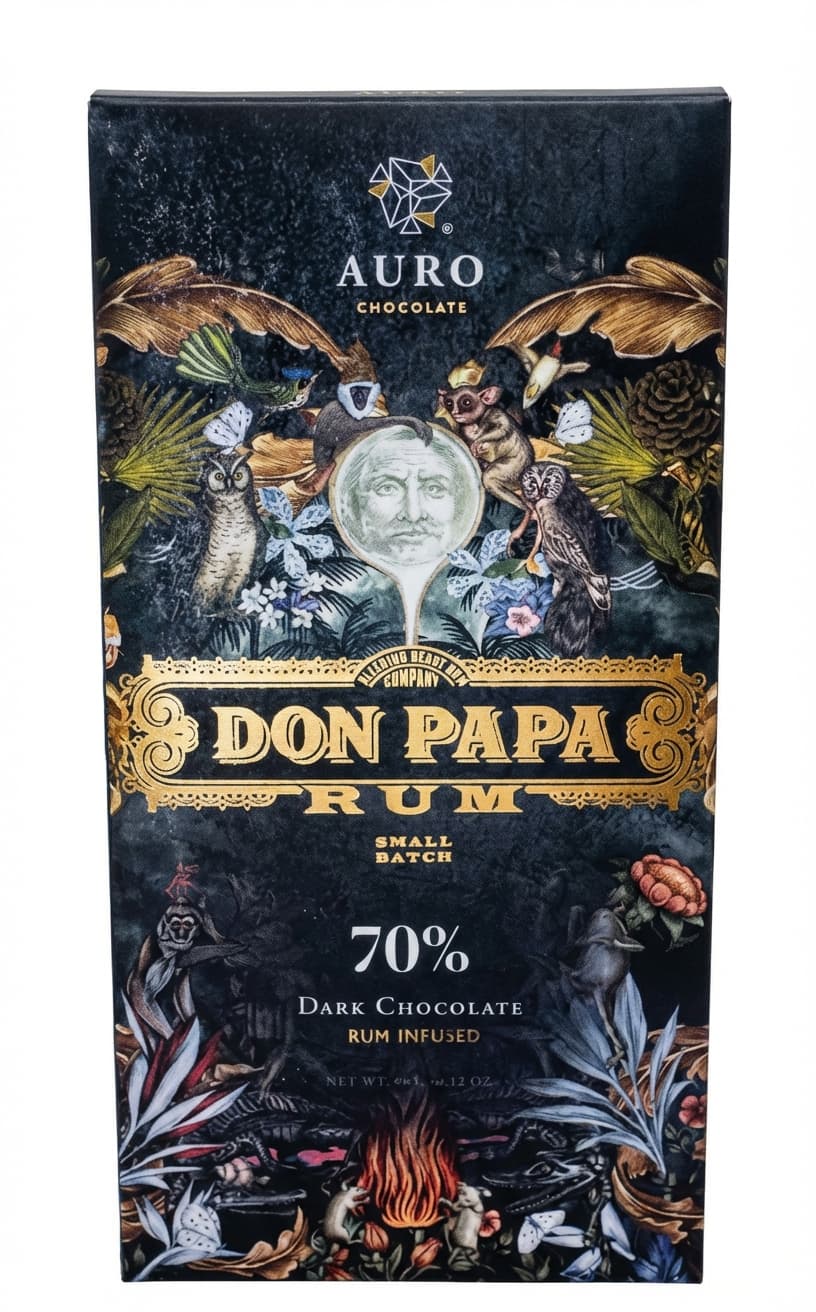 AURO
AURODon Papa Rum Infused 70%
70%darkPhilippines - Rank 77:
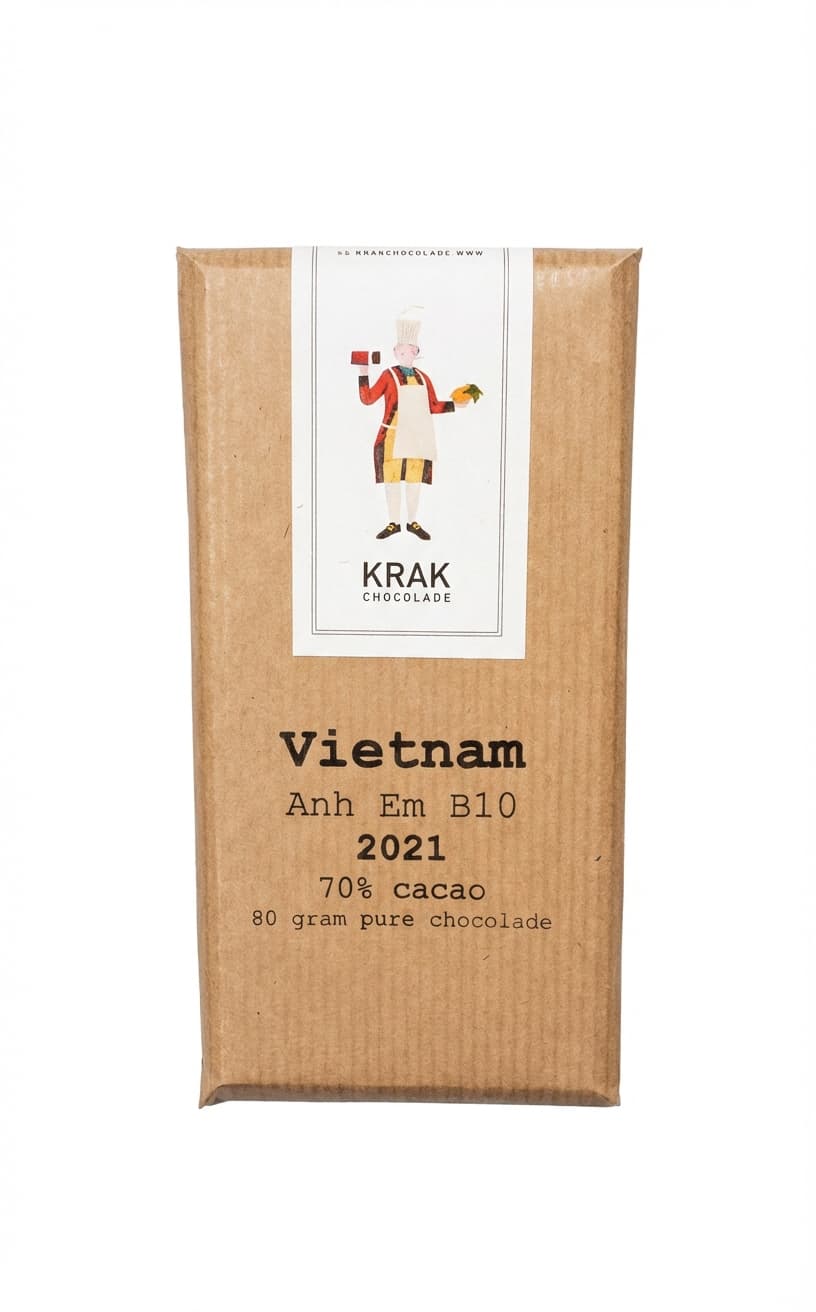 Krak
KrakVietnam Anh Em B10 2021
70%darkVietnam - Rank 78:
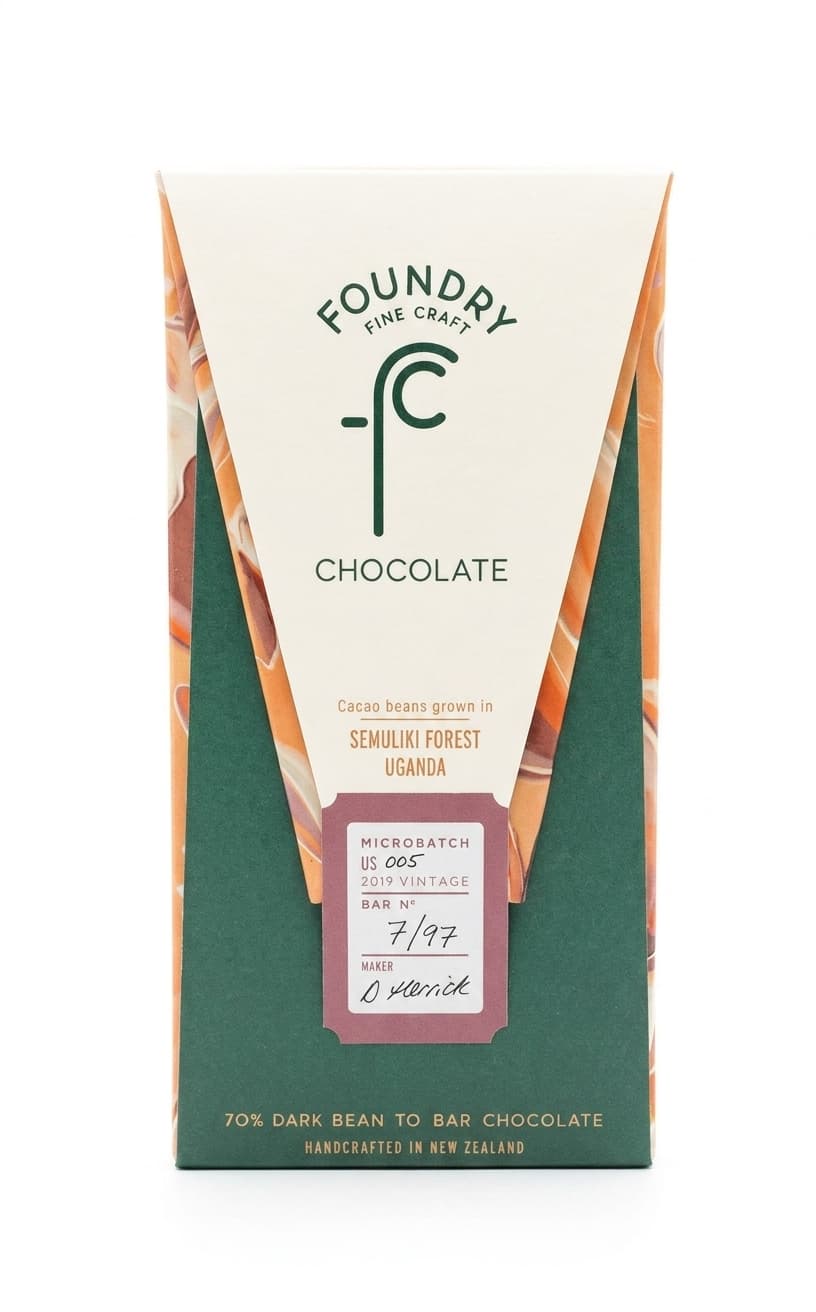 Foundry
Semuliki Forest 70%
70%darkUganda - Rank 79:
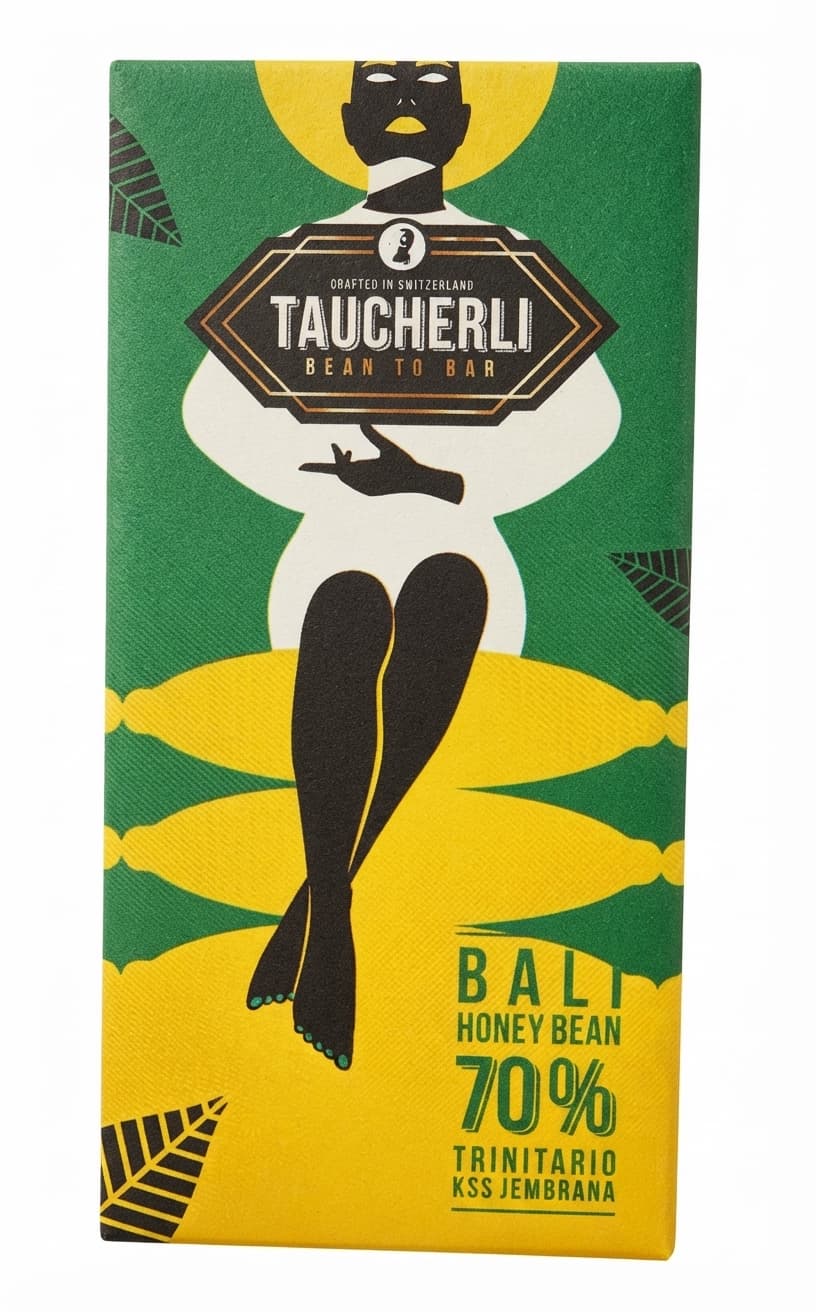 Taucherli
Bali Honey Bean 70%
70%darkIndonesia - Rank 80:
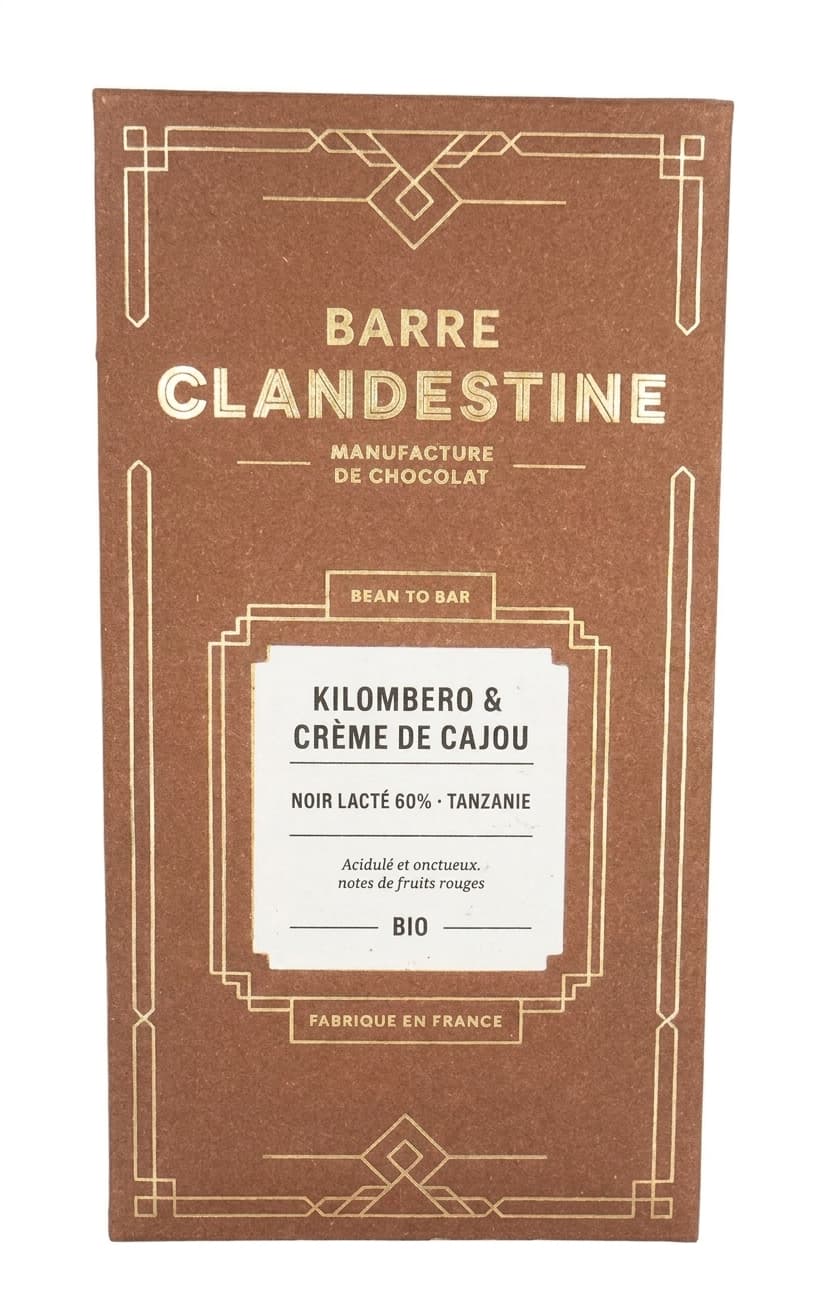 Barre Clandestine
Kilombero & Crème de Cajou 60%
60%milkTanzania - Rank 81:
 definite
Zorzal 100%
100%darkDominican Republic - Rank 82:
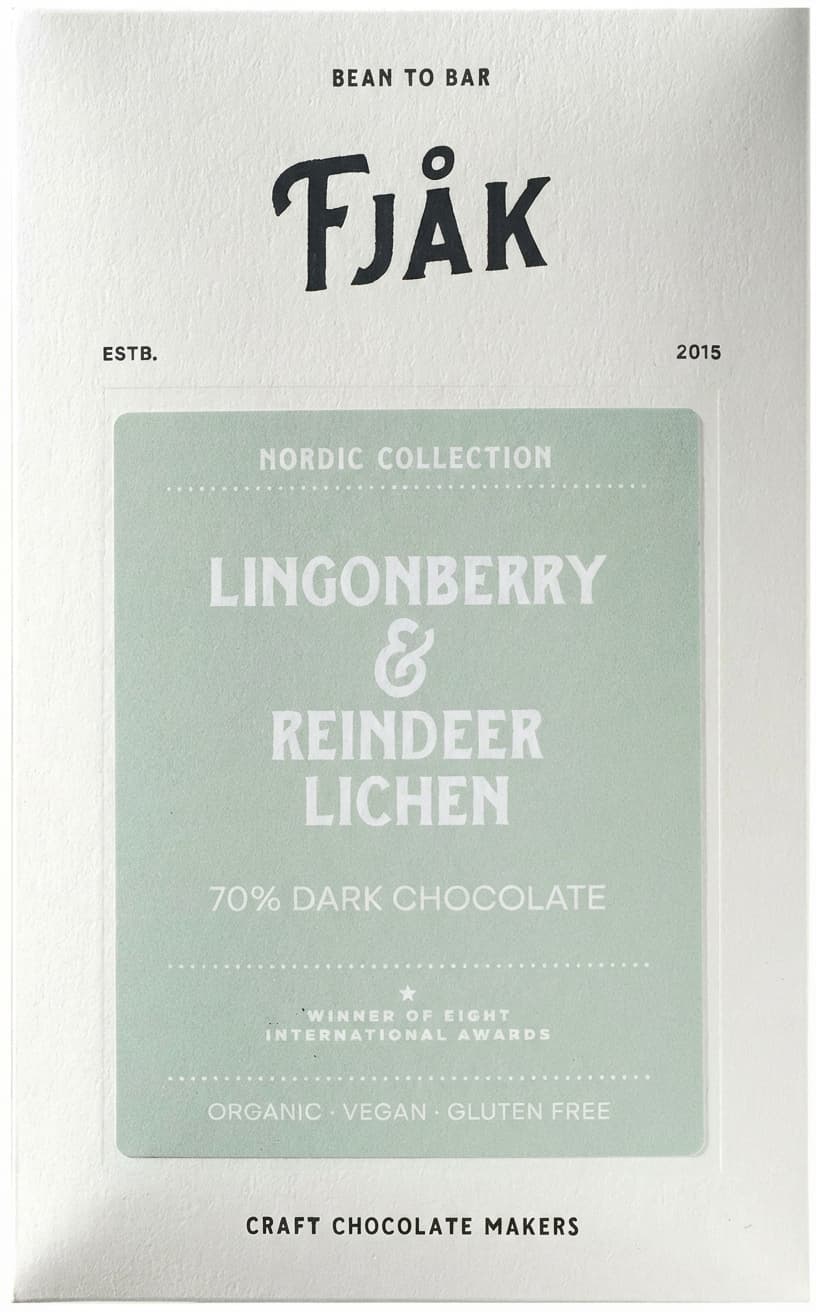 Fjåk
FjåkLingonberry & Reindeer Lichen, Nordic Collection
70%darkMadagascar - Rank 83:
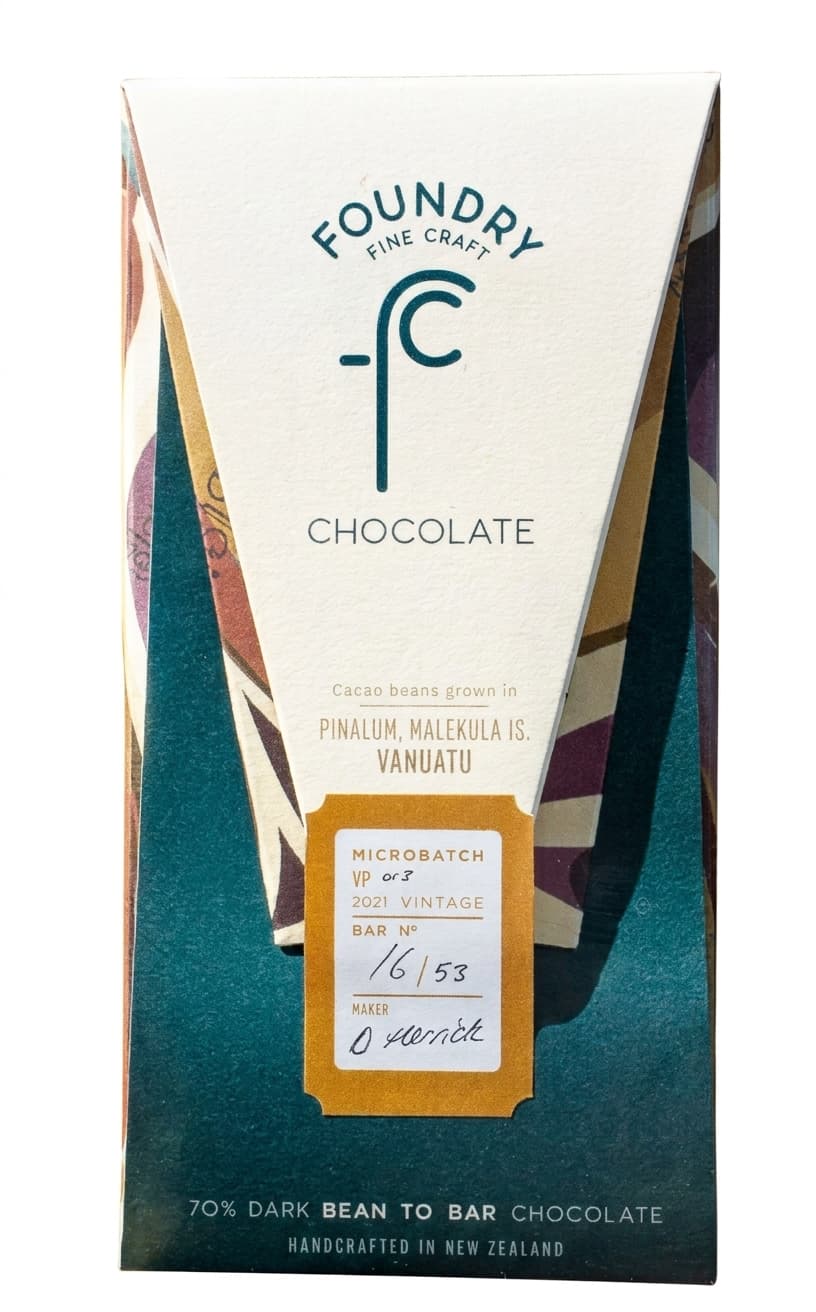 Foundry
Pinalum, Malekula Is.
70%darkVanuatu - Rank 84:
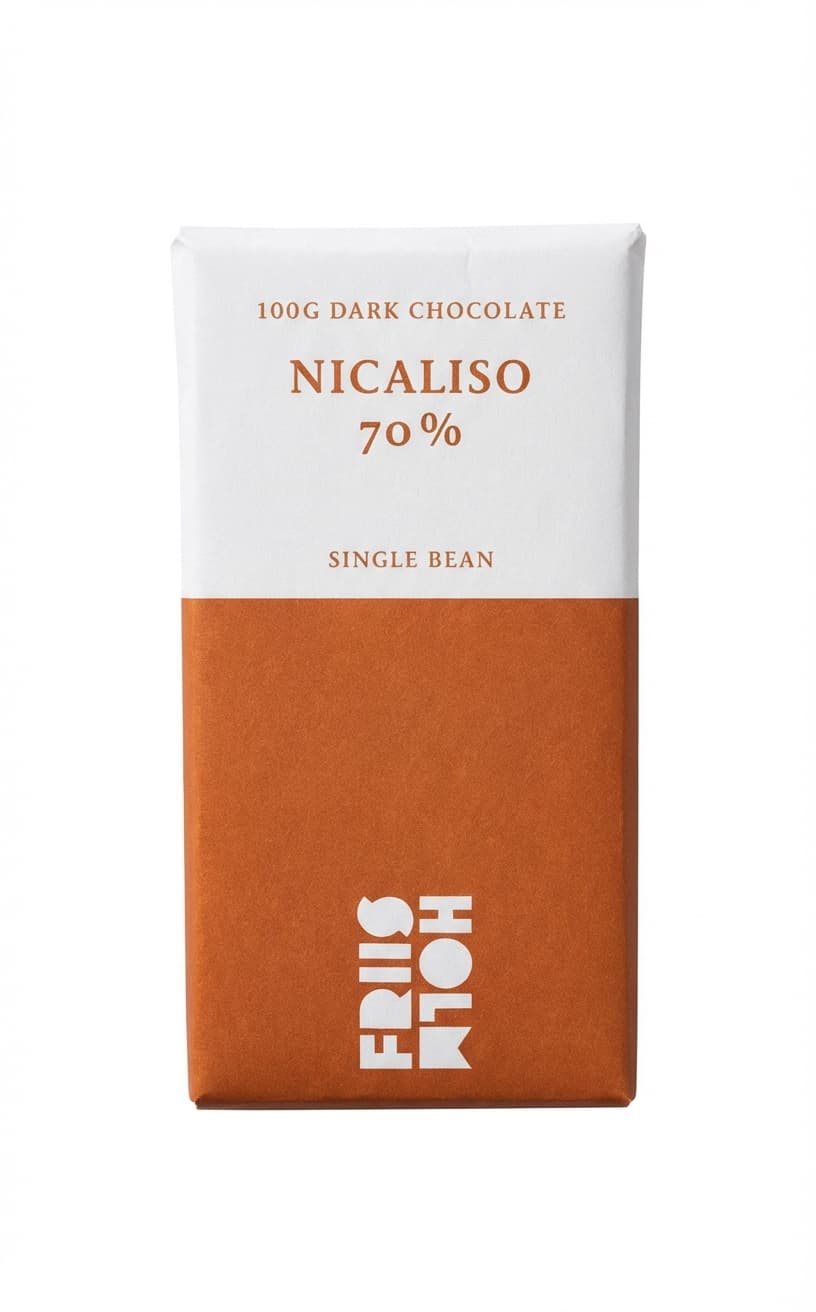 Friis Holm
Nicaliso 70%
70%darkNicaragua - Rank 85:
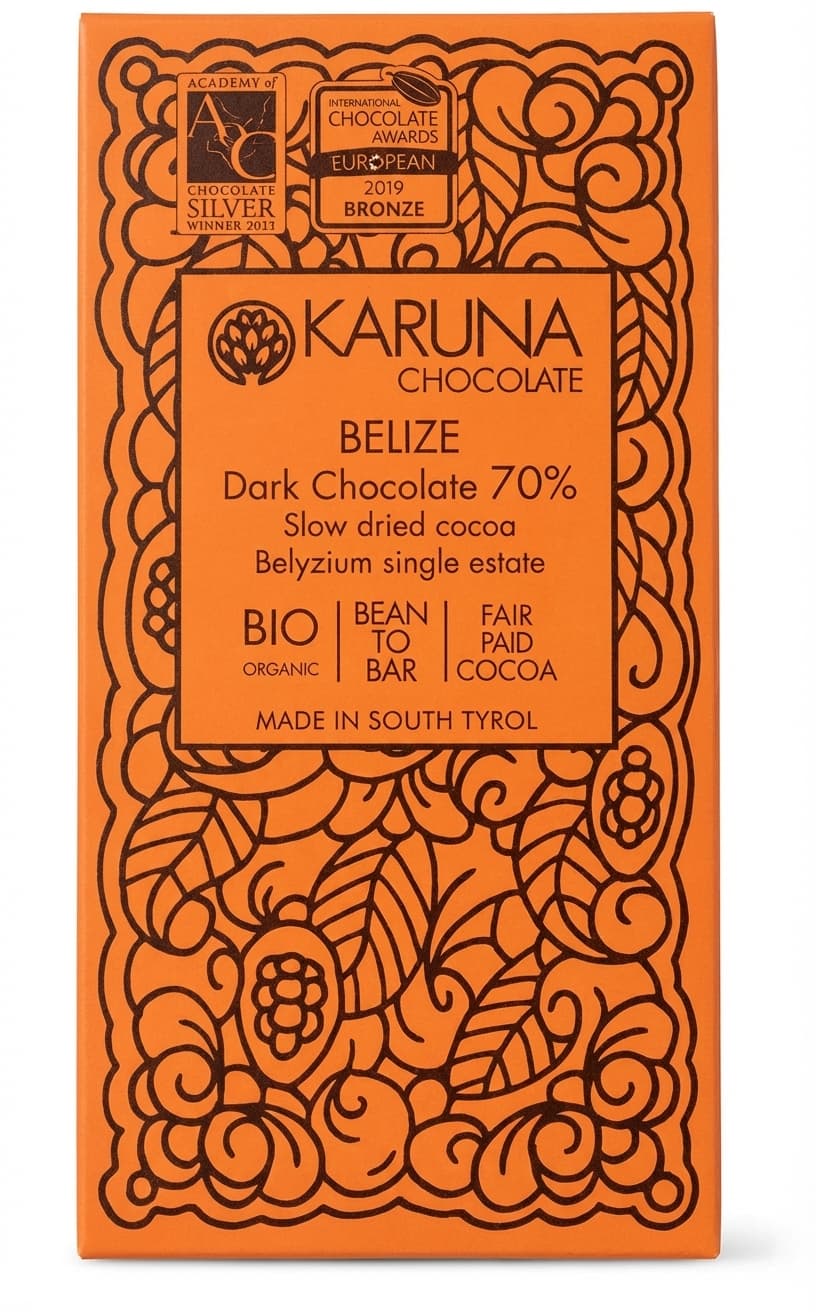 Karuna
Belize 70%, Slow dried
70%darkBelize - Rank 86:
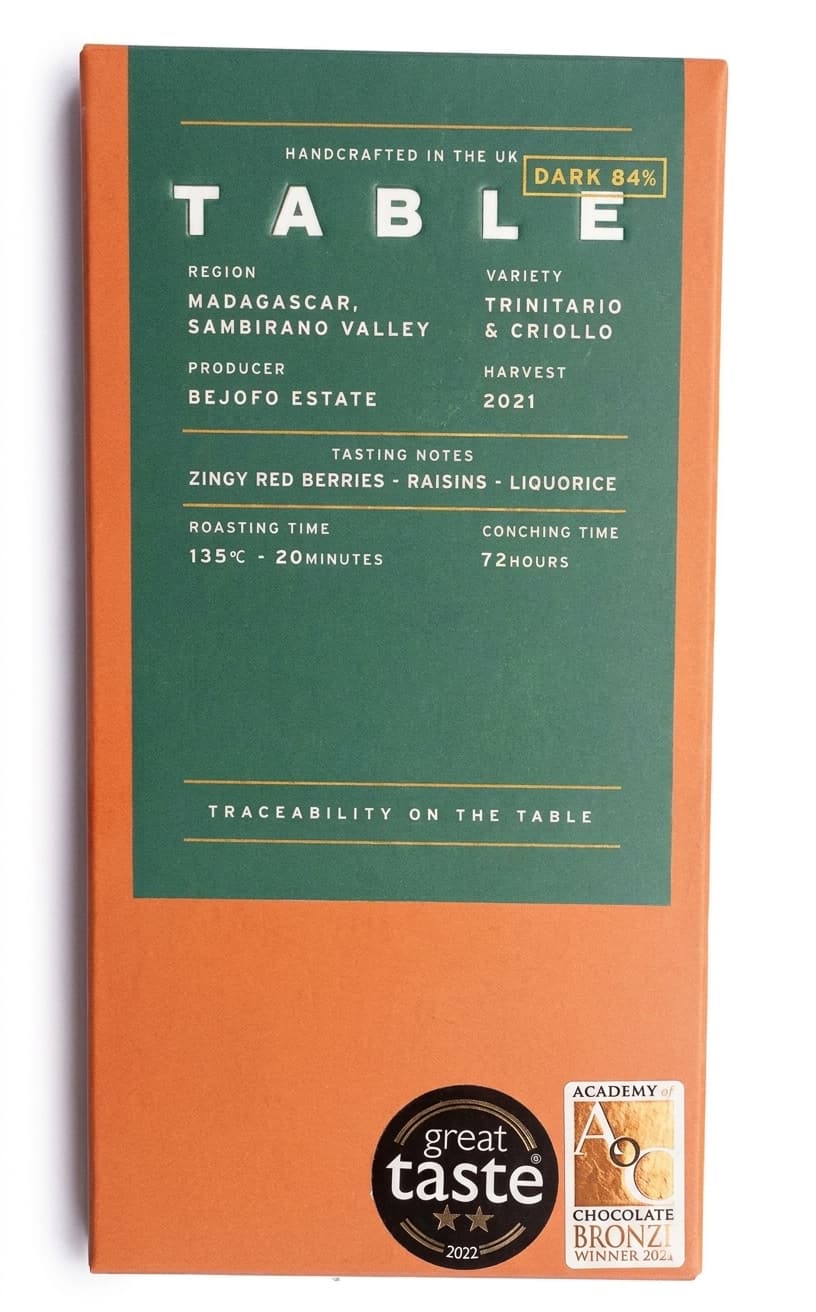 Table
TableDark 84%
84%darkMadagascar - Rank 87:
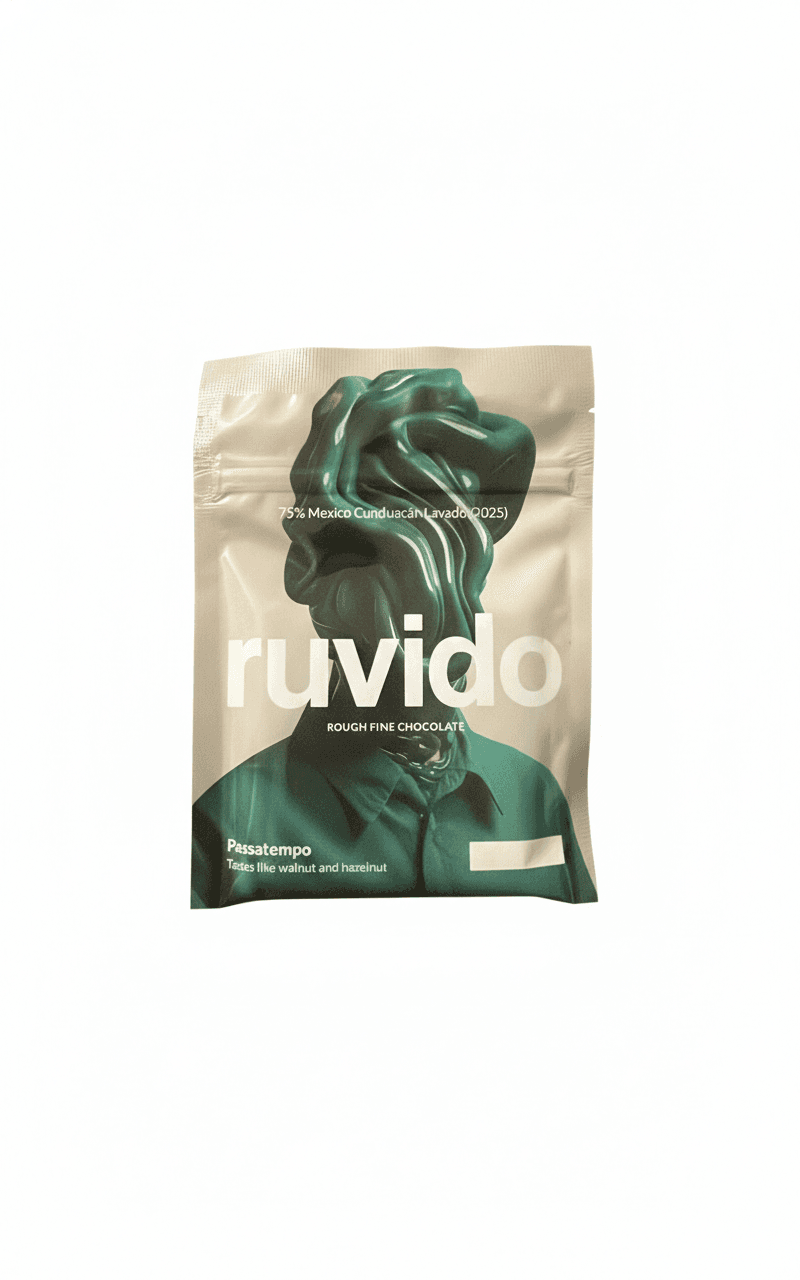 ruvido
Passatempo
75%darkMexico - Rank 88:
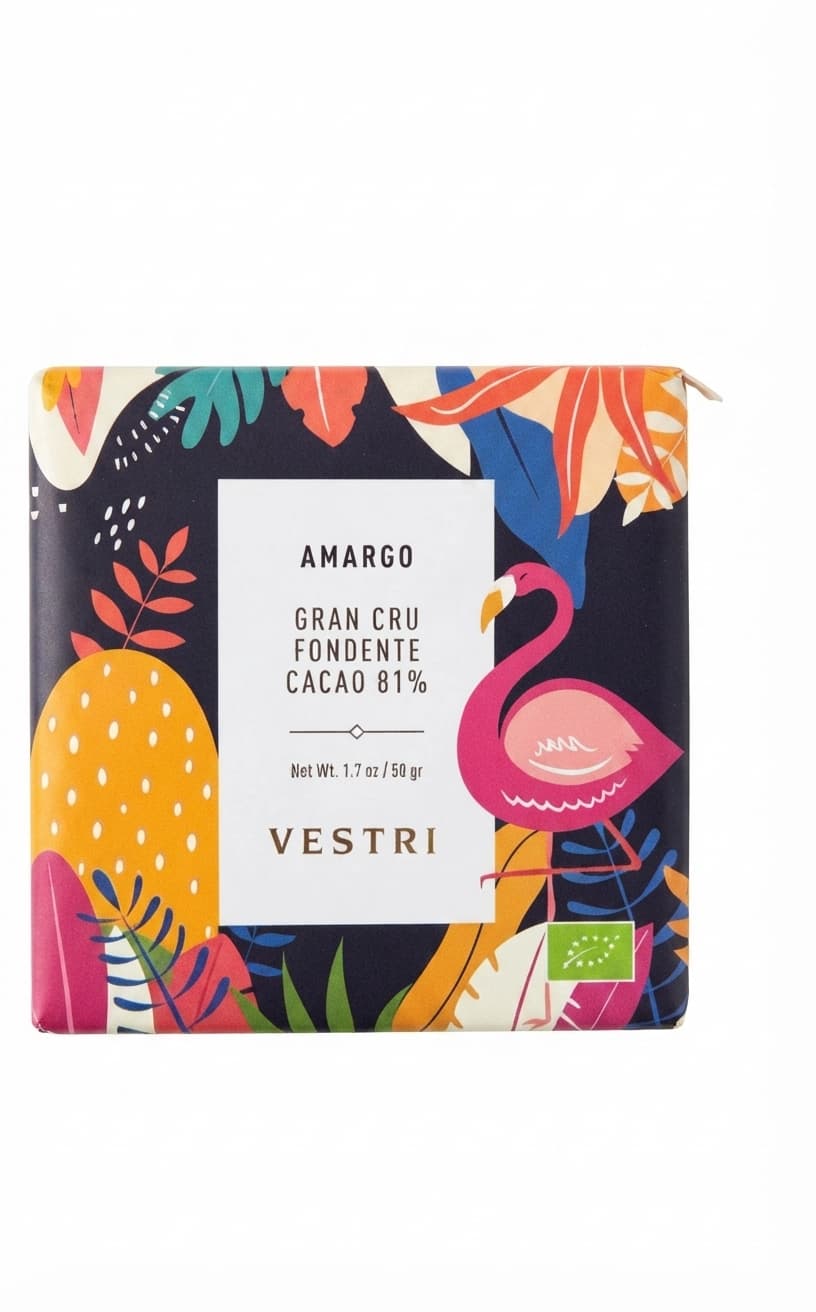 Vestri
Amargo Gran Cru 81%
81%darkDominican Republic - Rank 89:
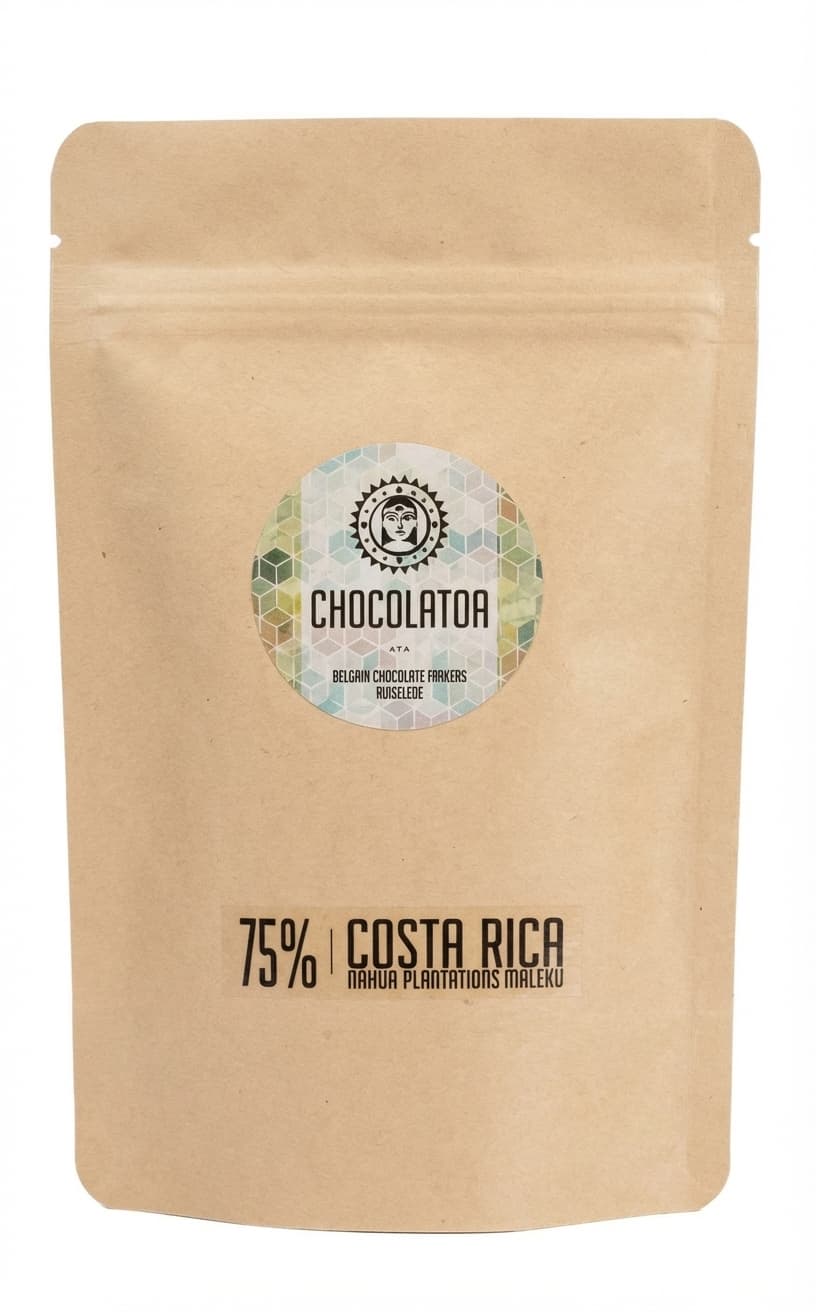 Chocolatoa
Costa Rica Nahua Plantations Maleku 75%
75%darkCosta Rica - Rank 90:
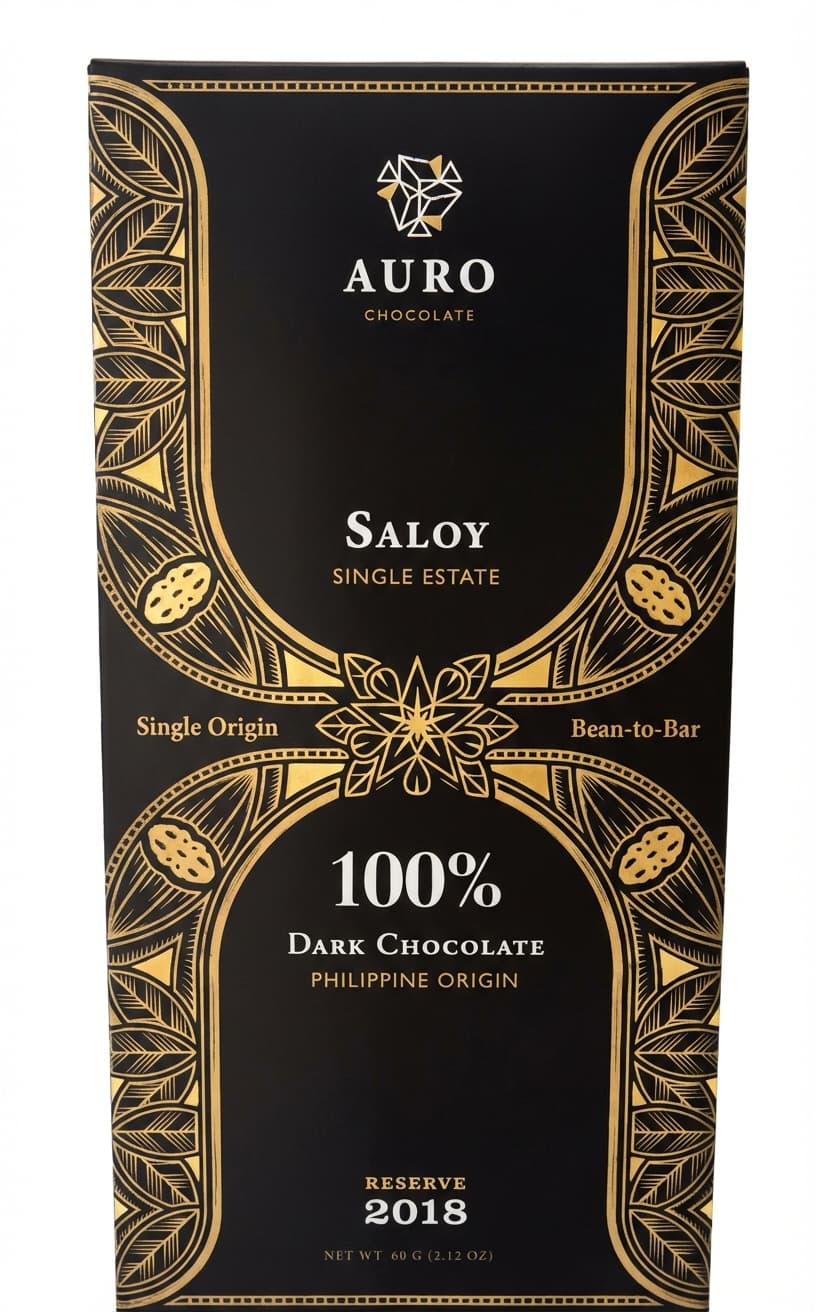 AURO
AUROSaloy 100%
100%darkPhilippines - Rank 91:
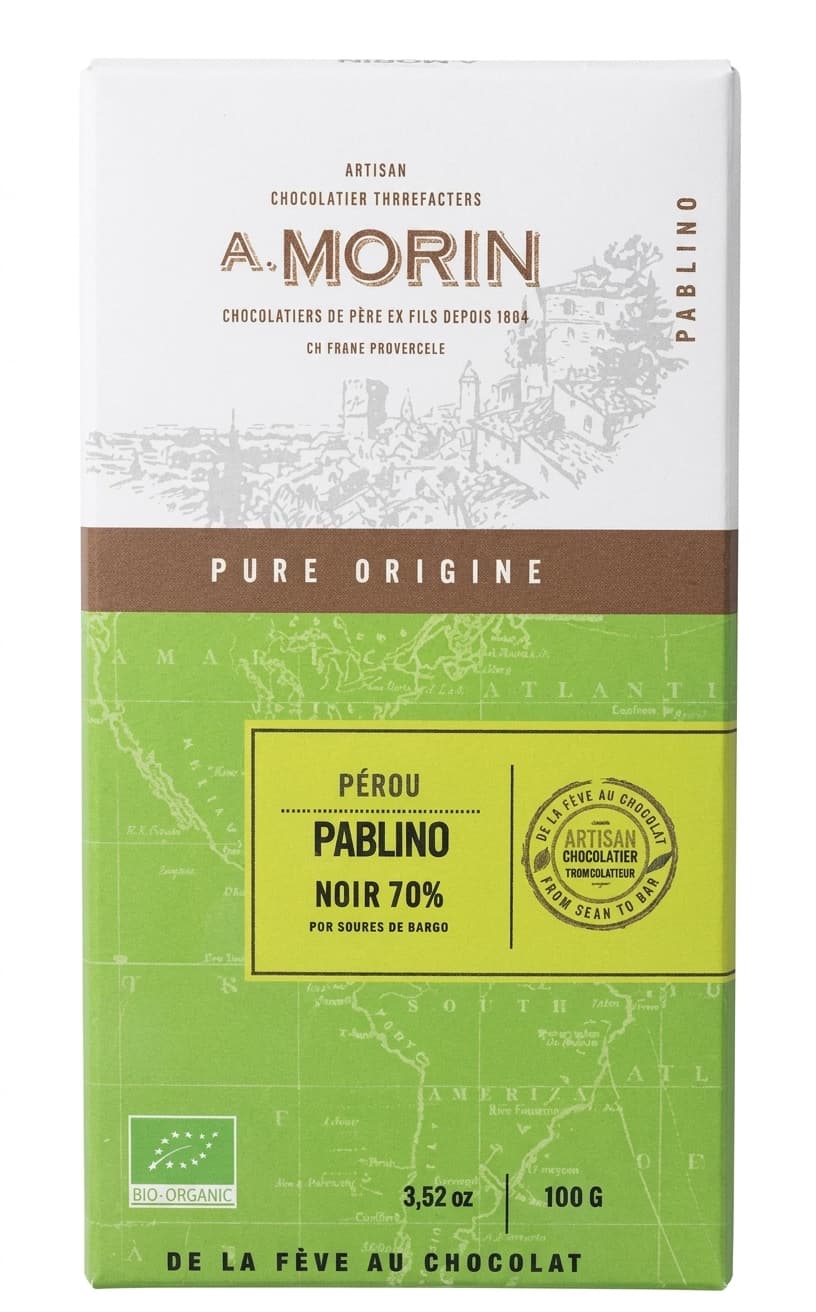 Chocolaterie Morin
Pablino Noir 70%
70%darkPeru - Rank 92:
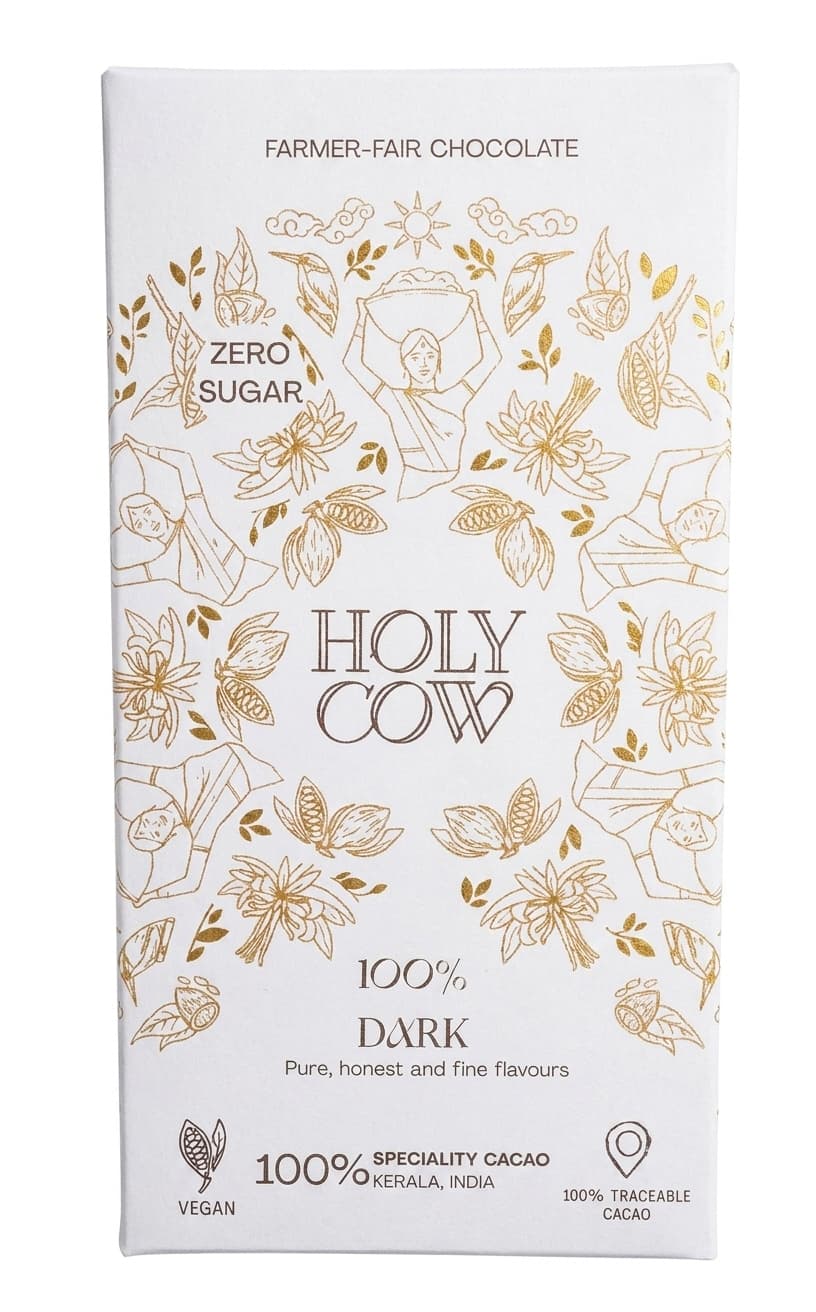 Holy Cow
100% Dark
100%darkIndia - Rank 93:
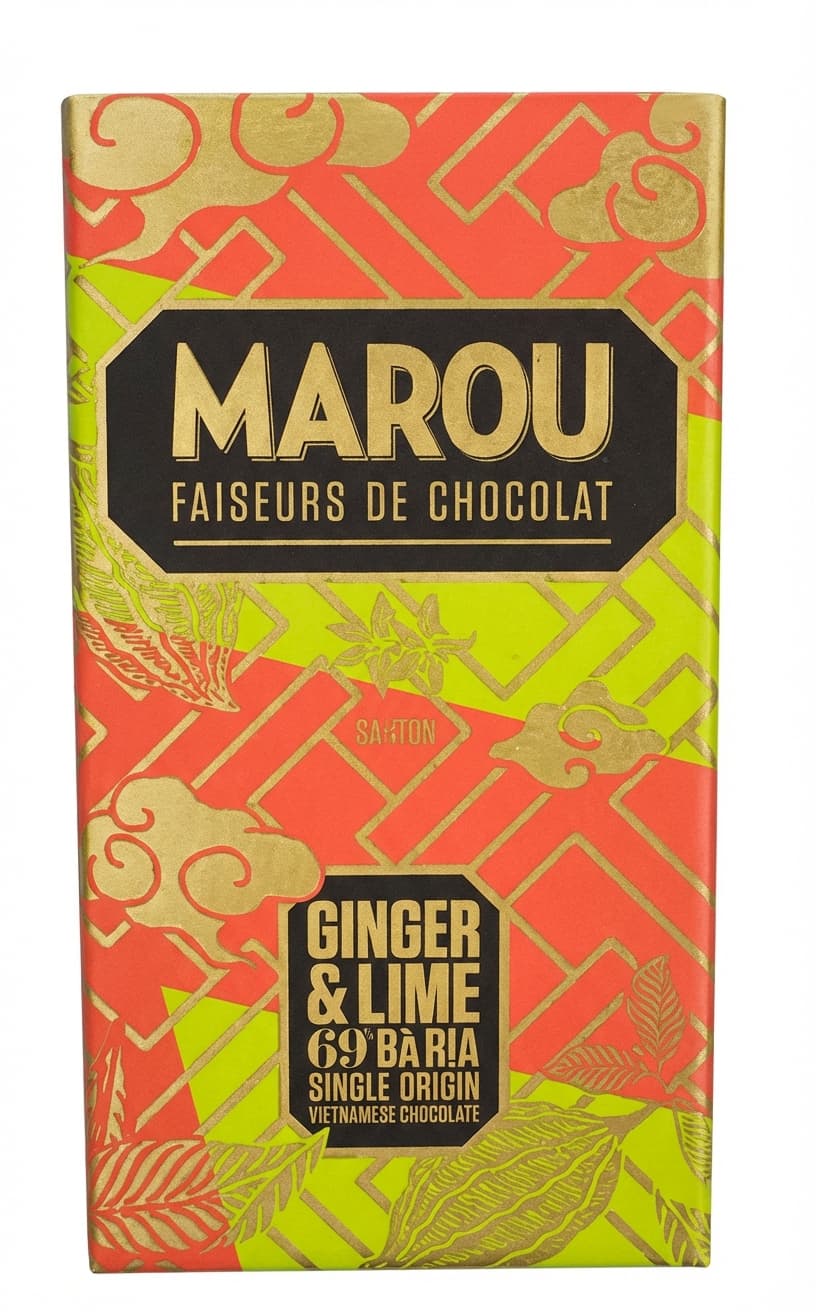 Marou Chocolate
Ginger & Lime 69% Ba Ria
69%darkVietnam - Rank 94:
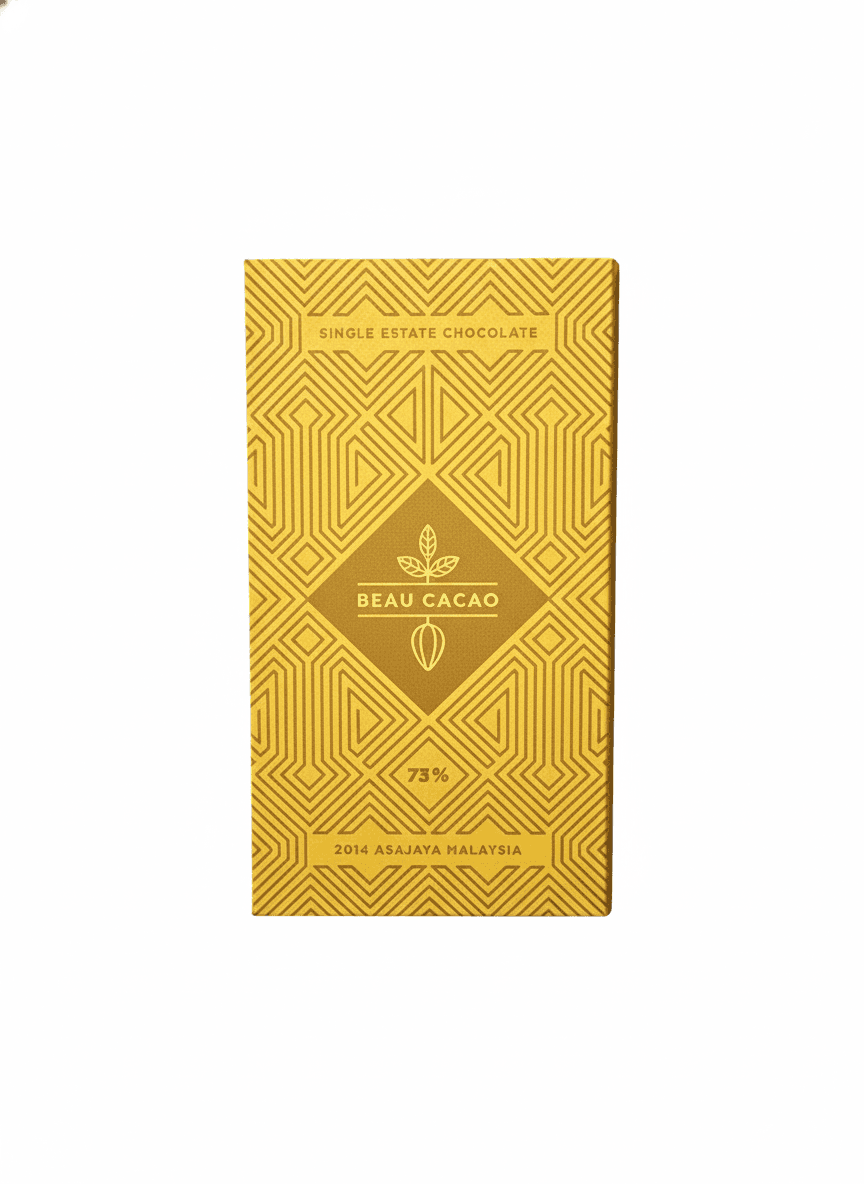 Beau Cacao
Single Estate Chocolate
73%darkMalaysia - Rank 95:
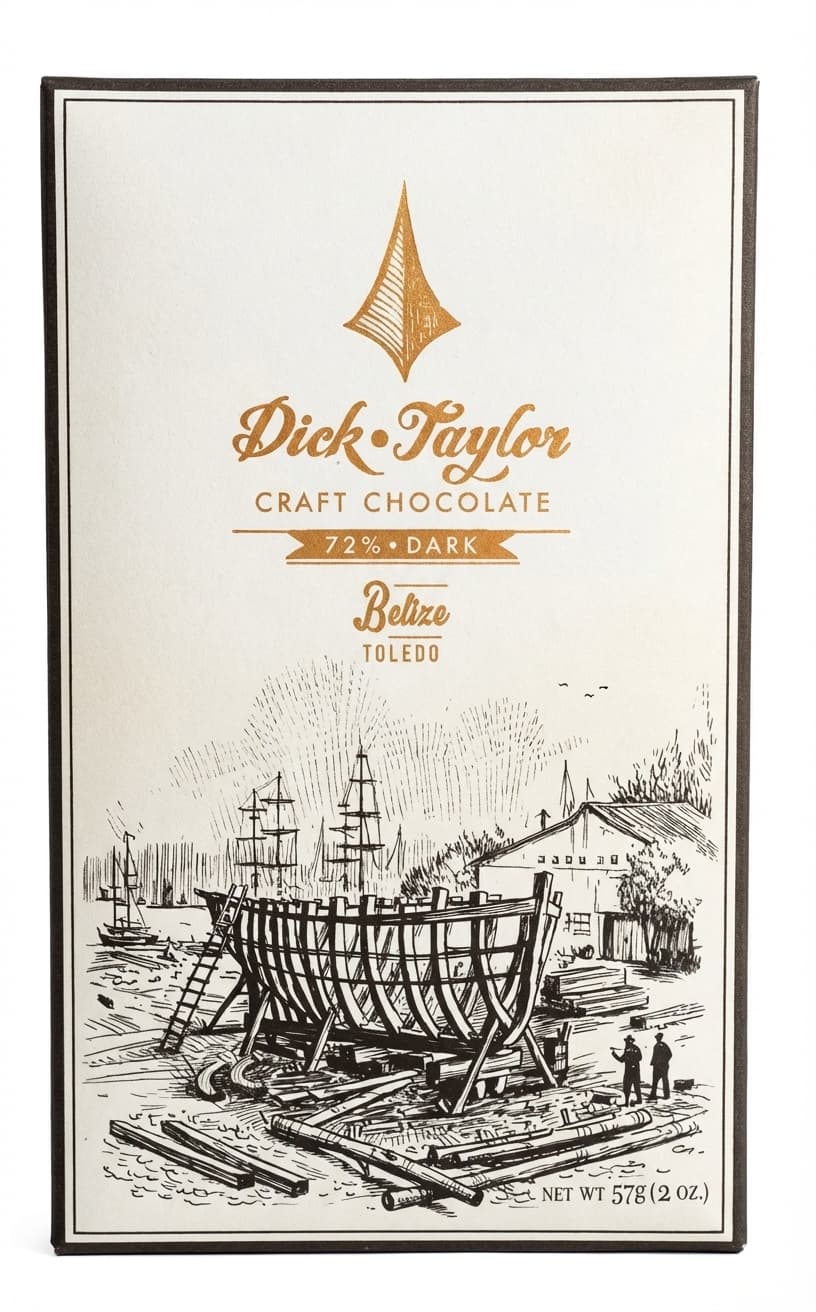 Dick Taylor
Belize Toledo 72%
72%darkBelize - Rank 96:
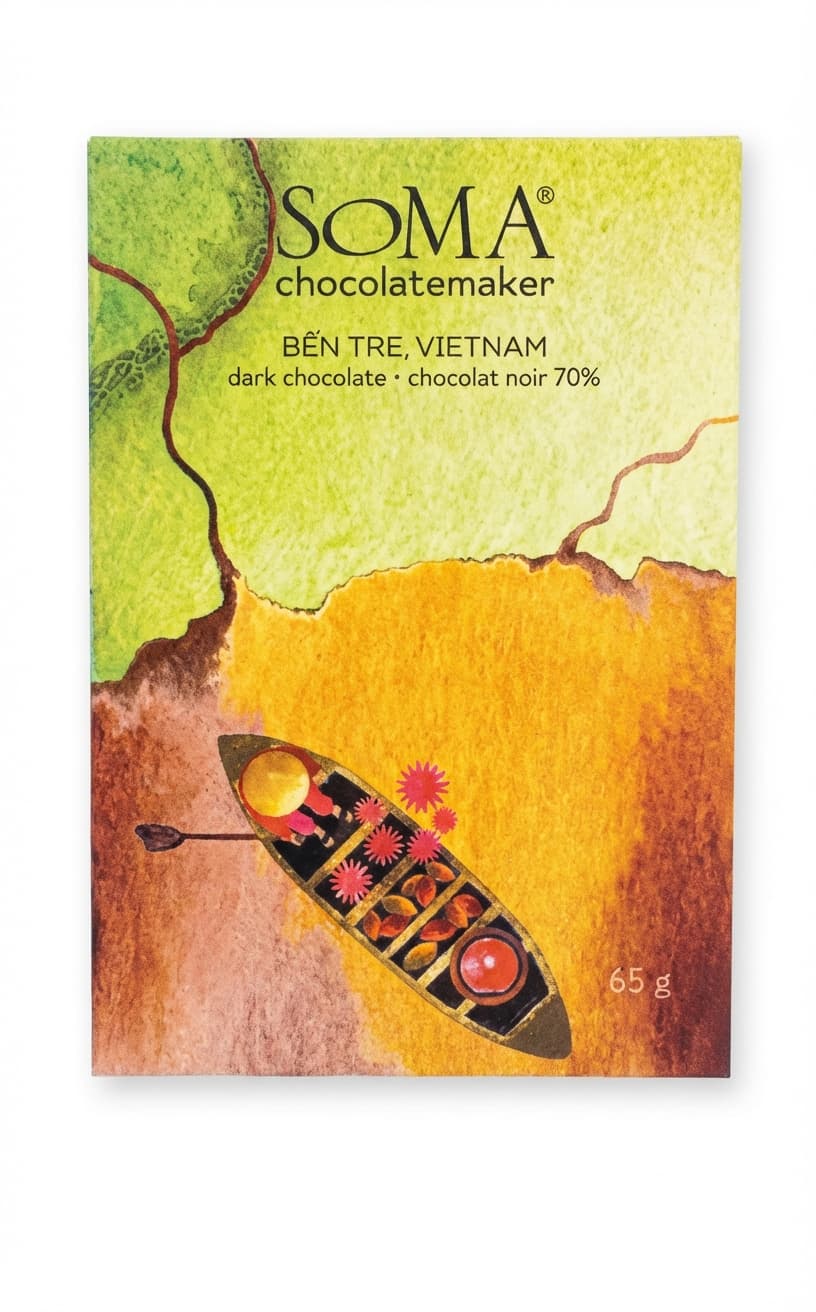 SOMA
SOMABến Tre, Vietnam 70%
70%darkVietnam - Rank 97:
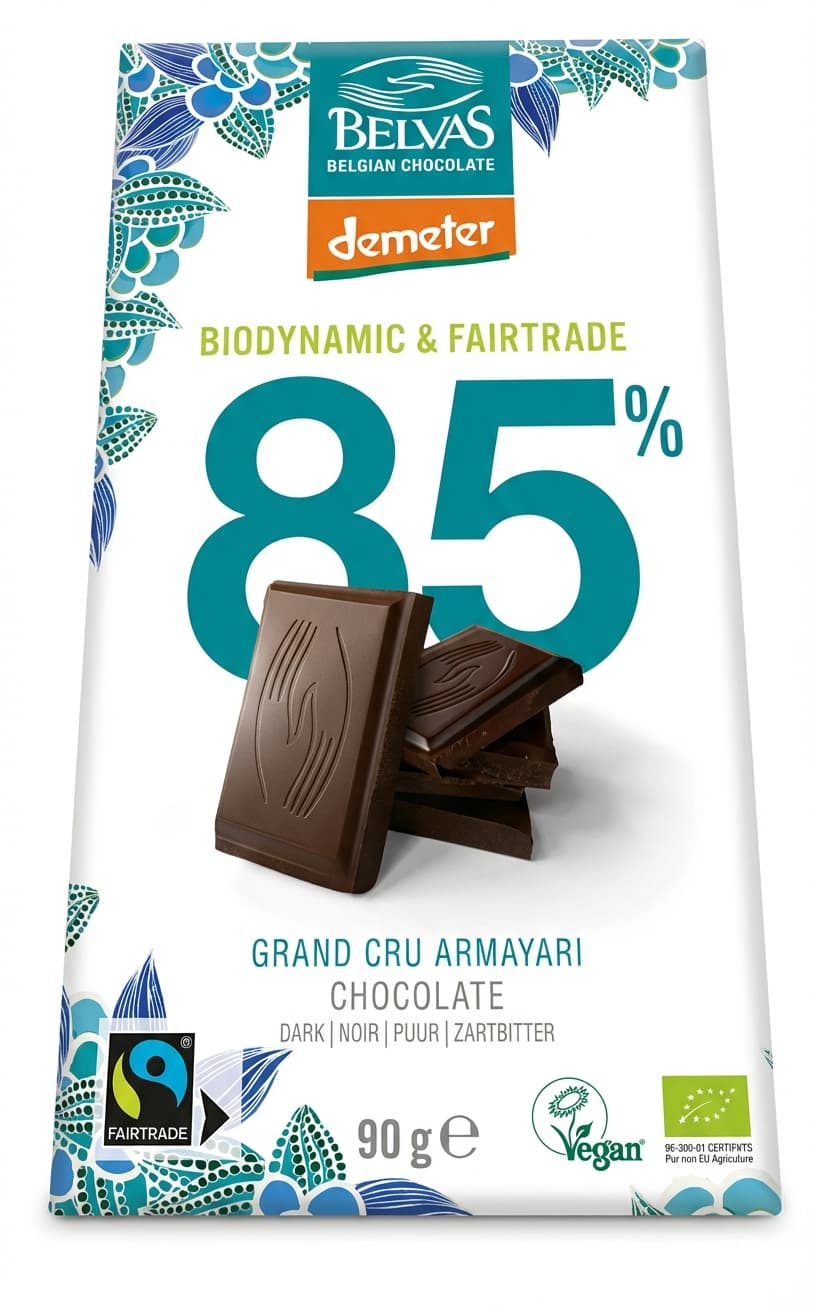 Belvas
Grand Cru Armayari 85%
85%darkPeru - Rank 98:
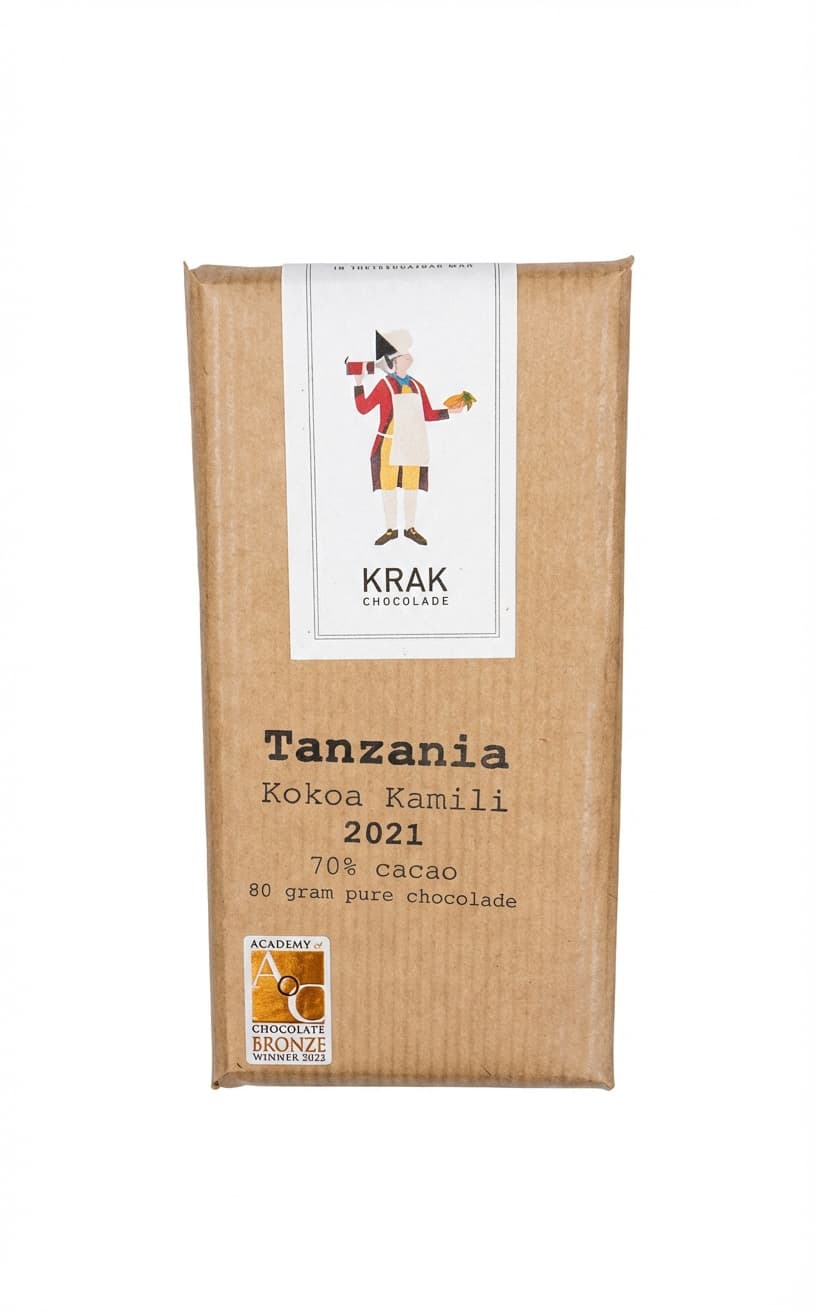 Krak
KrakTanzania Kokoa Kamili 2021
70%darkTanzania - Rank 99:
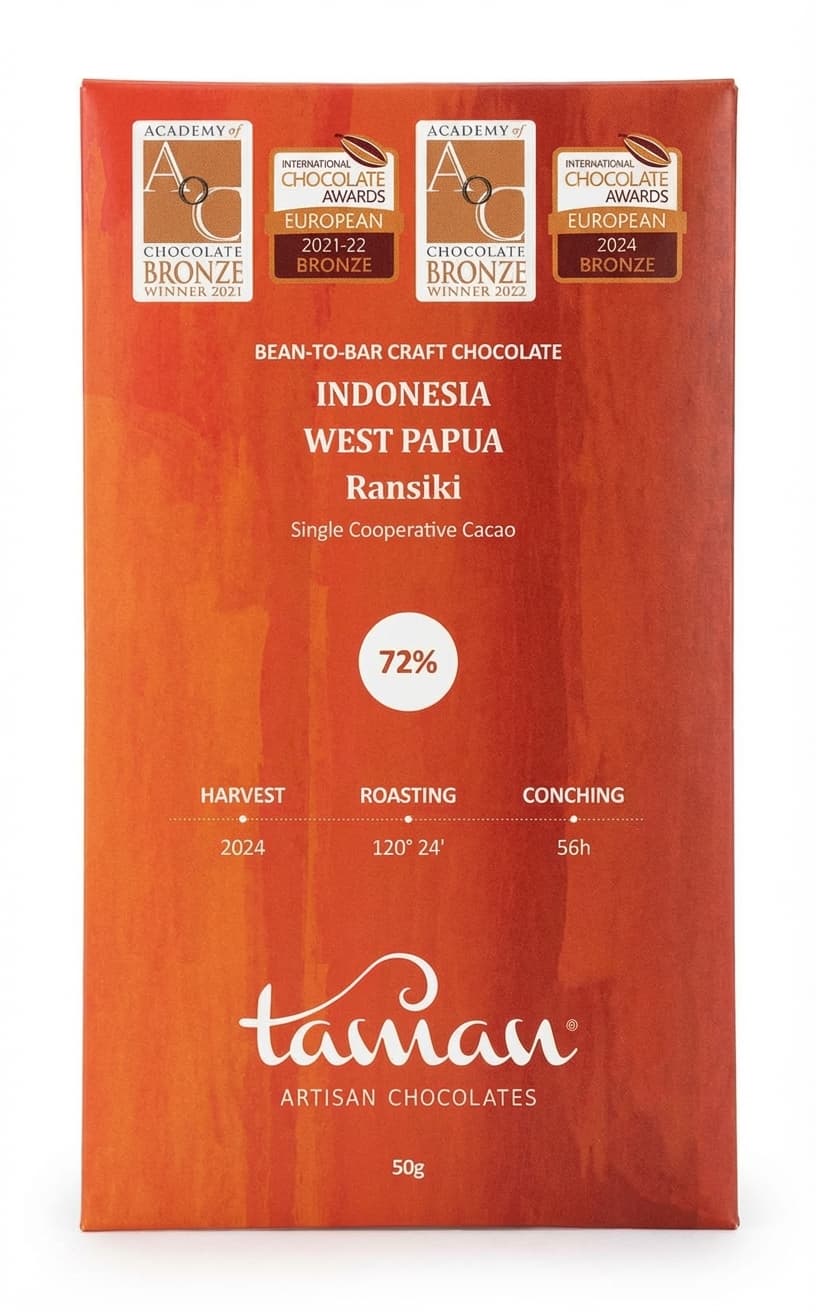 Taman
TamanIndonesia West Papua Ransiki 72%
72%darkIndonesia - Rank 100:
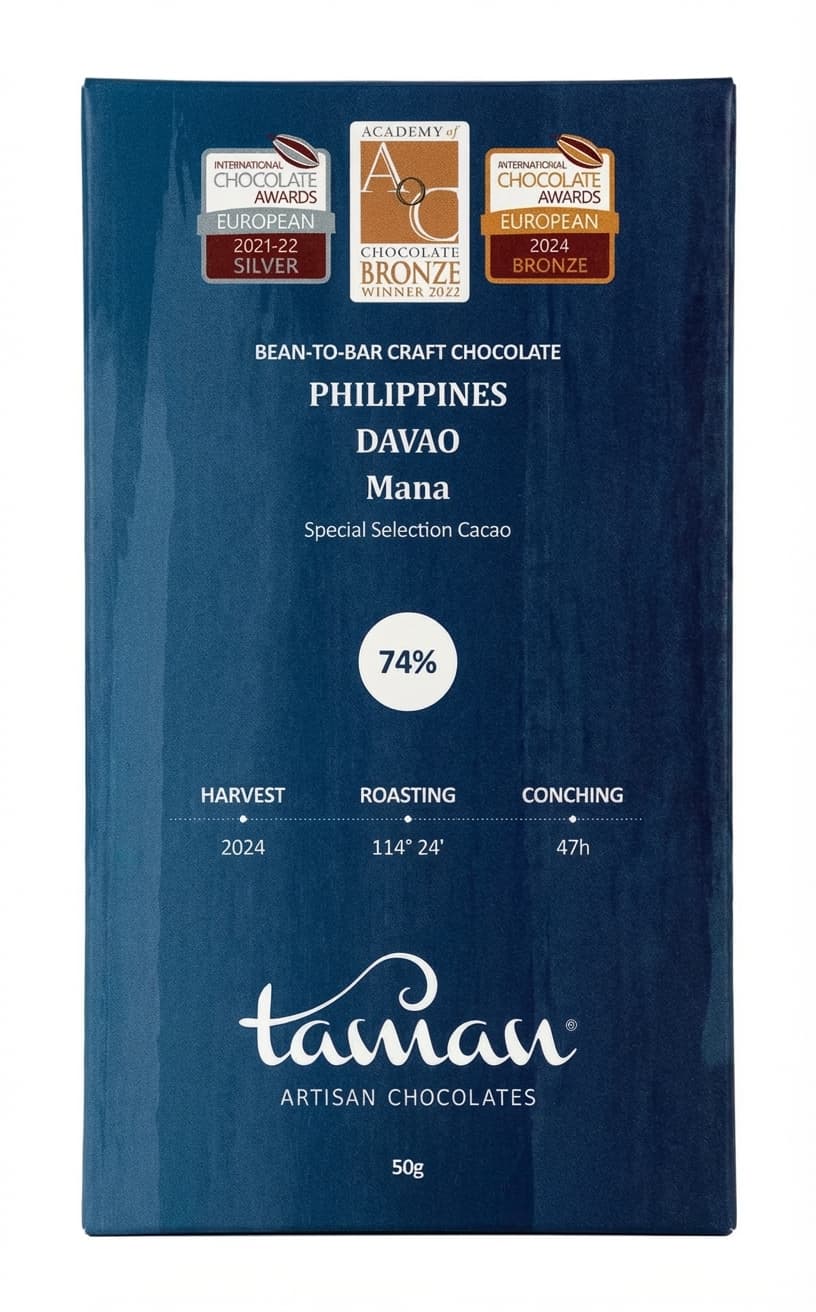 Taman
TamanPhilippines Davao Mana 74%
74%darkPhilippines - Rank 101:
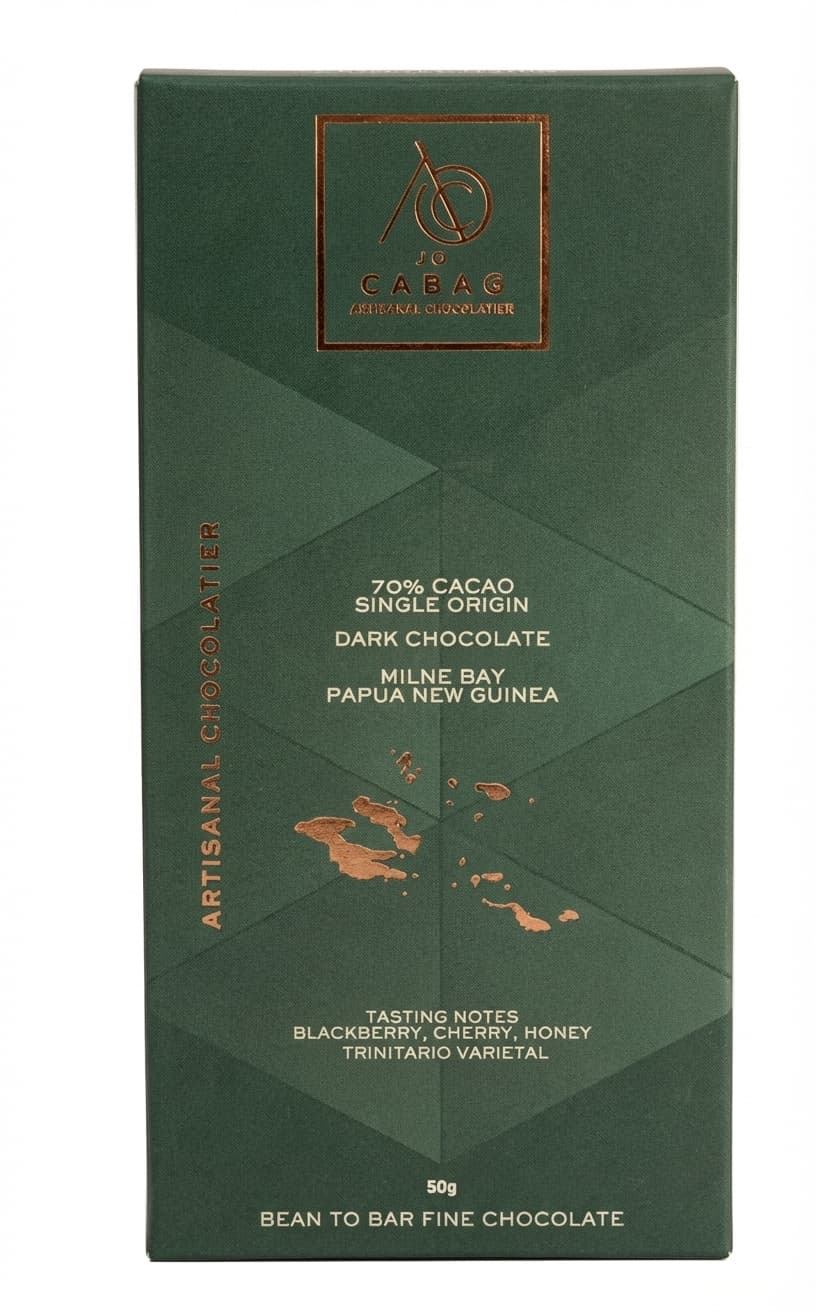 AO Cacao
Milne Bay 70%
70%darkPapua New Guinea - Rank 102:
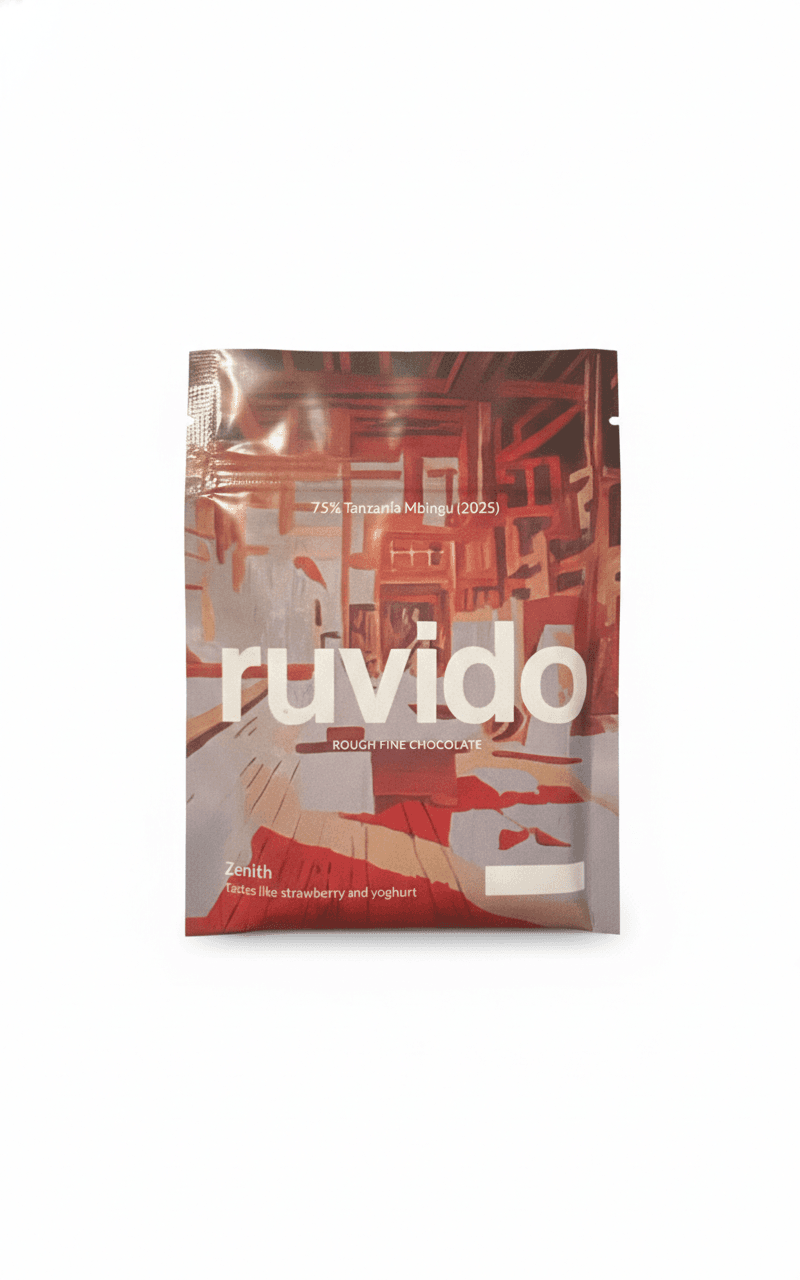 ruvido
Zenith
75%darkTanzania - Rank 103:
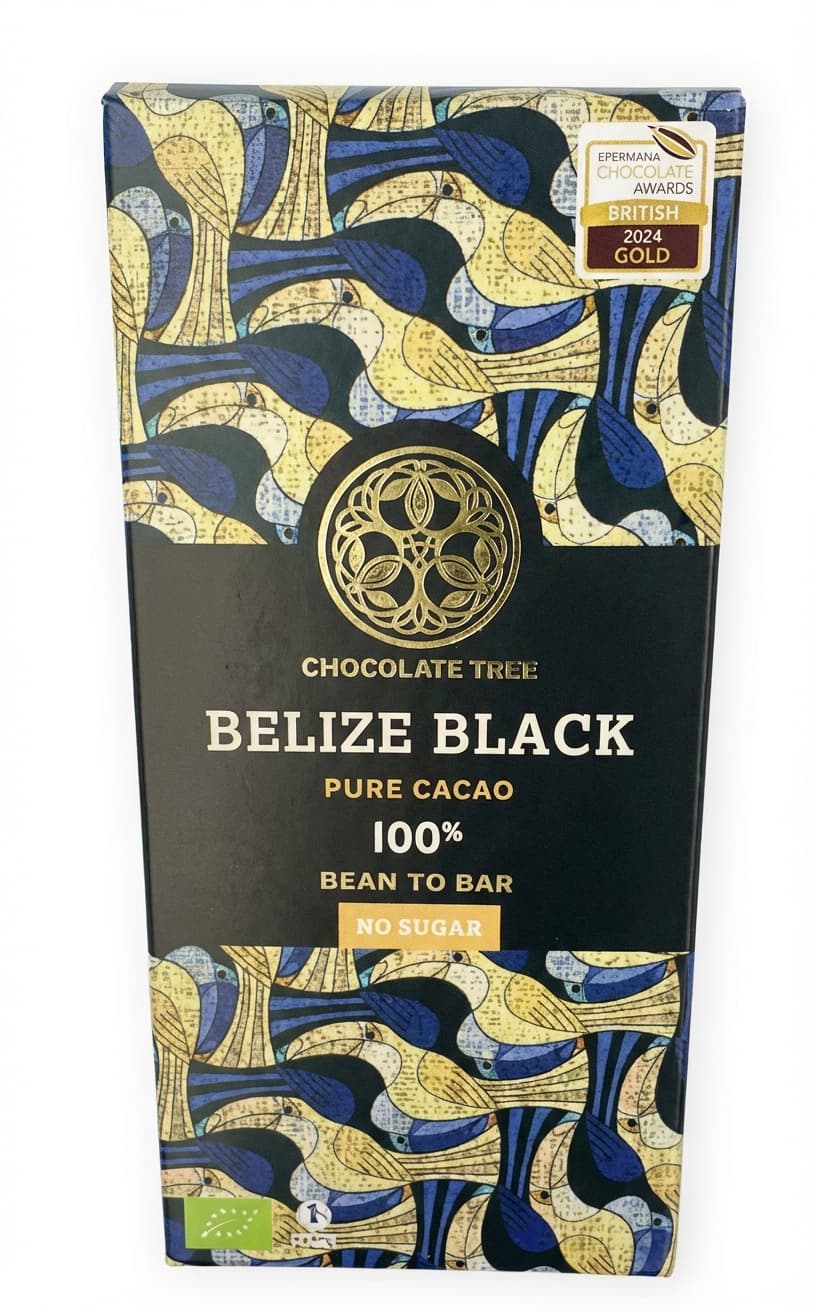 CHOCOLATE TREE
Belize Black
100%darkBelize - Rank 104:
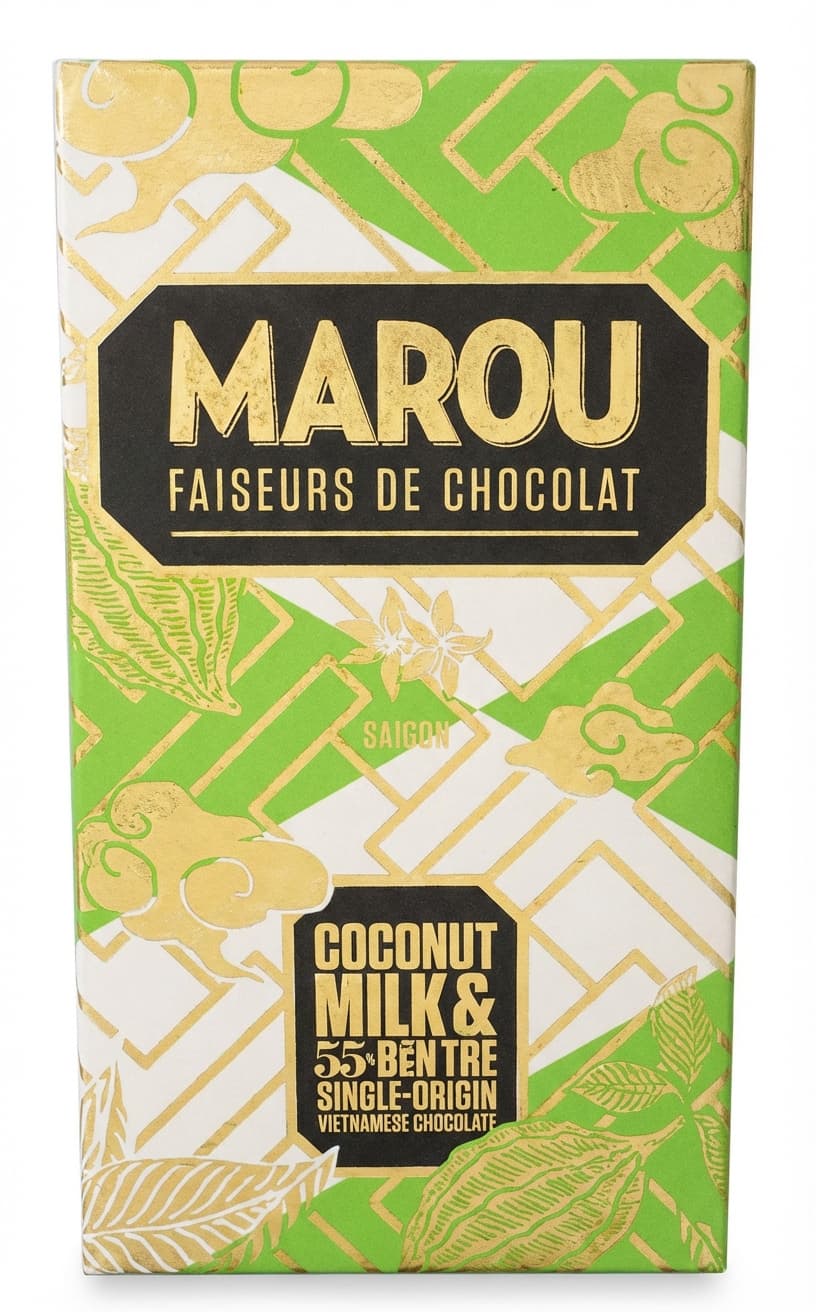 Marou Chocolate
Coconut Milk & Ben Tre 55%
55%darkVietnam - Rank 105:
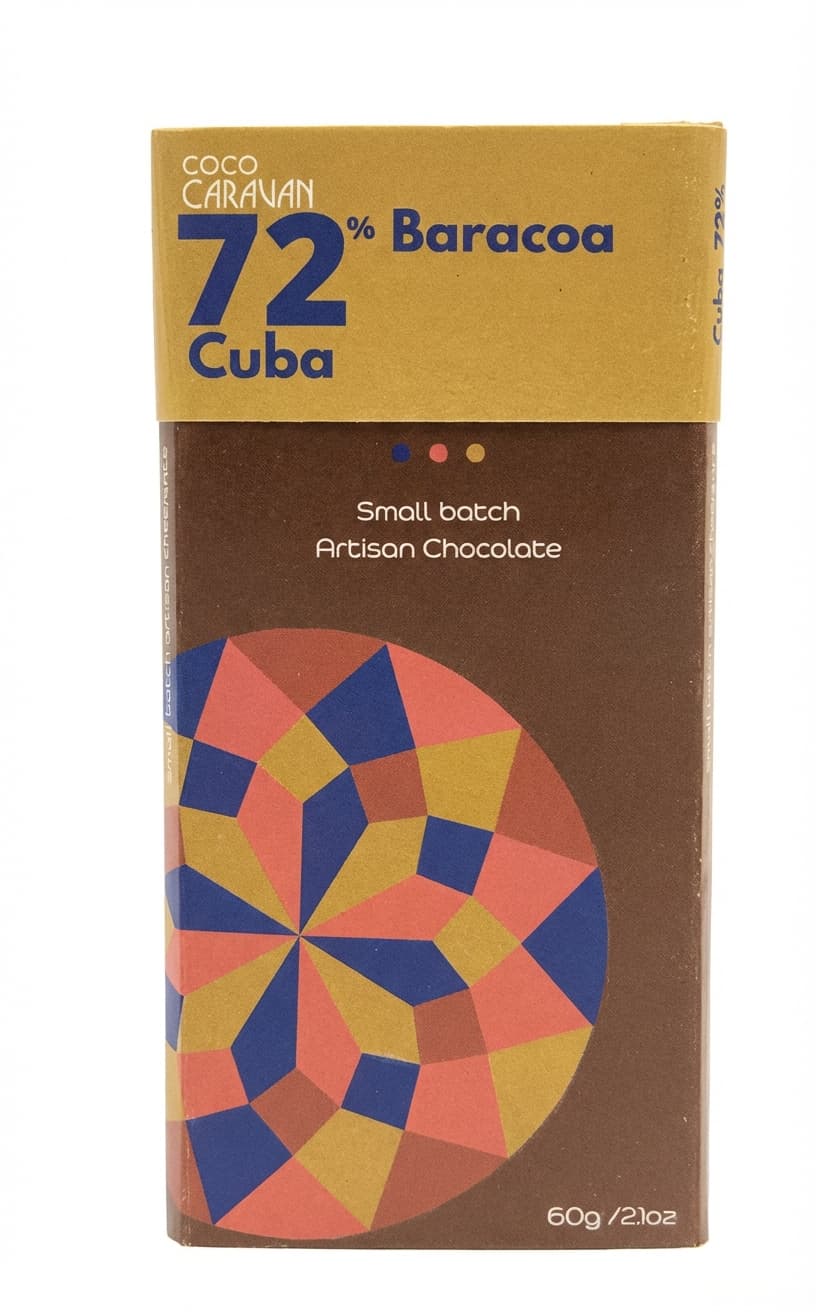 Coco Caravan
Baracoa 72% Cuba
72%darkCuba - Rank 106:
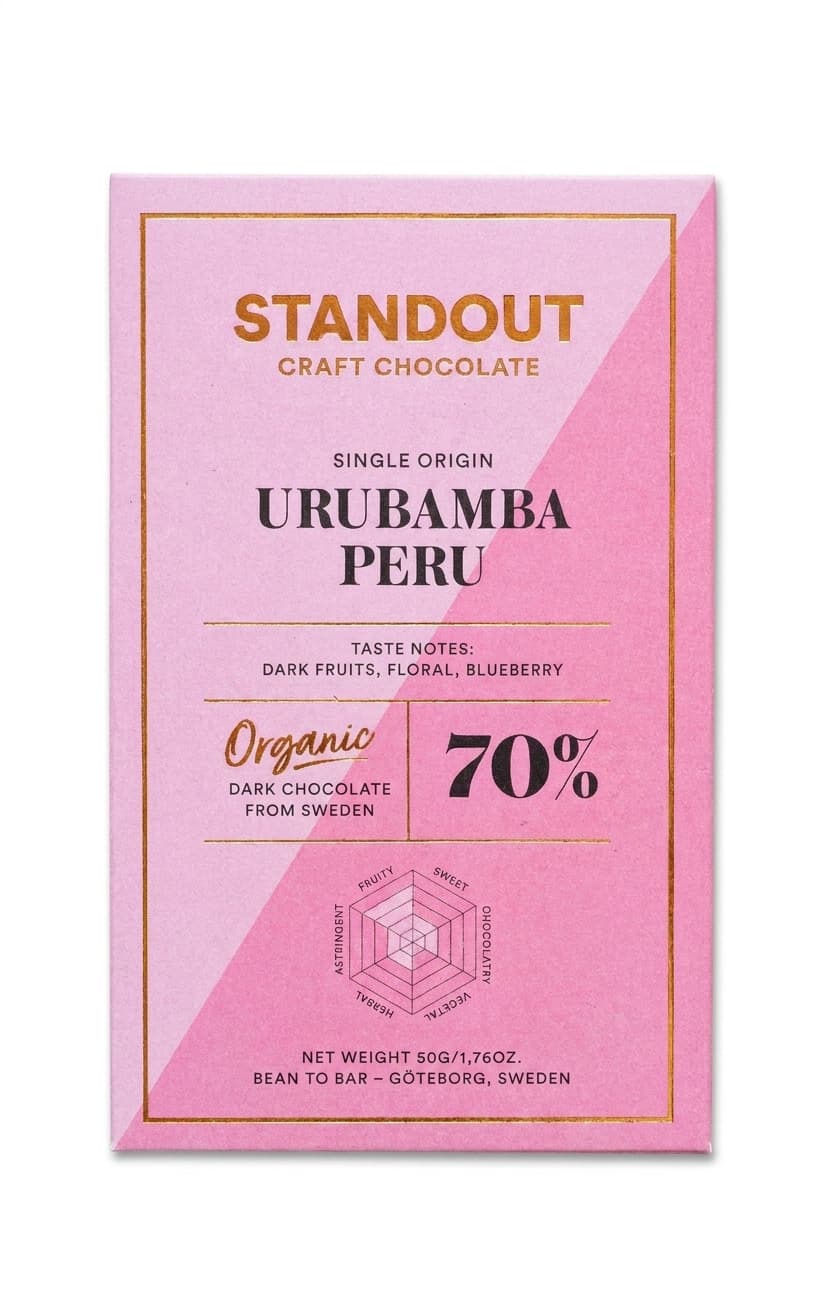 Standout Chocolate
Urubamba 70%
70%darkPeru - Rank 107:
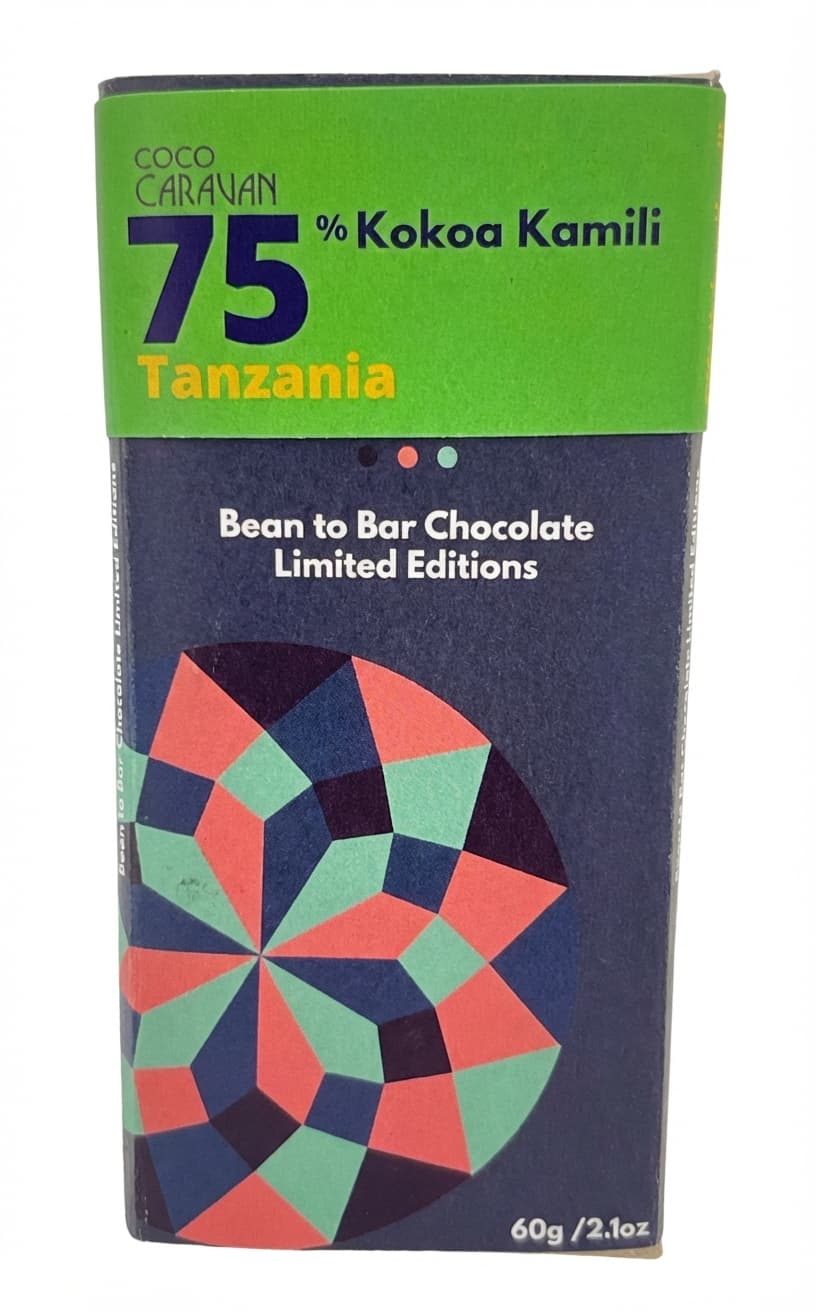 Coco Caravan
Kokoa Kamili 75%
75%darkTanzania - Rank 108:
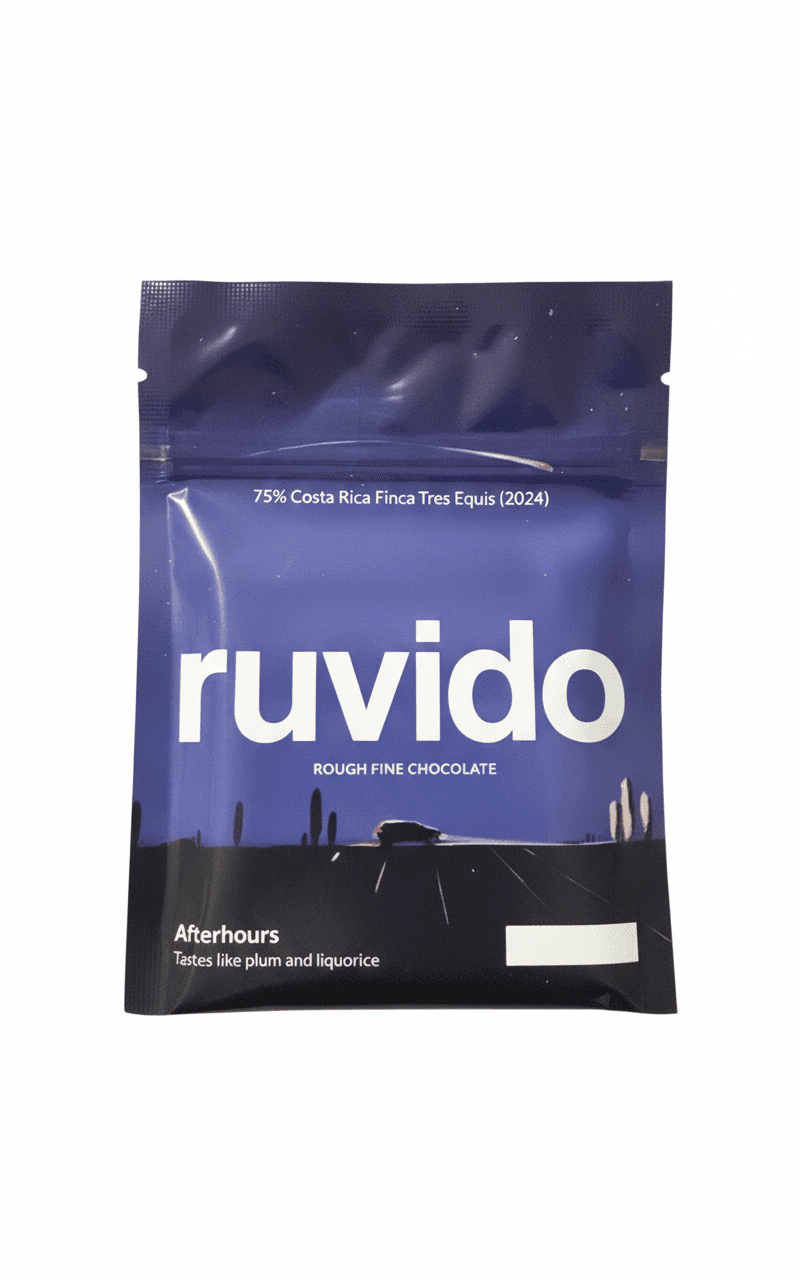 ruvido
Afterhours
75%darkCosta Rica
Where Trinitario grows
Makers working with Trinitario
Common cocoa percentages
Frequently asked about Trinitario chocolate
What is Trinitario chocolate?
Trinitario is a family of hybrids between Criollo and hardy Amazonian cacao. It inherits some of Criollo's aromatic finesse and much of the vigour Criollo lacks, so it grows widely and is where most real-world fine-flavour chocolate sits. Its flavour is highly variable and depends on origin and maker.
What does Trinitario chocolate taste like?
It varies more than any other group. Across Chof bars, Trinitario shows fresh fruit and berry, nutty and creamy notes, brown-sugar sweetness and a lift of citrus and spice. The specific cross and origin matter far more than the word Trinitario itself.
How many Trinitario chocolate bars are on Chof?
Chof lists 363 Trinitario chocolate bars, from 125 makers, at an average of 72% cocoa.
Which makers work with Trinitario cacao on Chof?
The most-represented makers using Trinitario on Chof are Standout Chocolate, Askinosie, Marou Chocolate, Friis Holm, Beskid Chocolate. Each bar links to the maker that made it.
Sources and further reading
- Motamayor et al. (2008). Geographic and Genetic Population Differentiation of the Amazonian Chocolate Tree (Theobroma cacao L.). PLOS ONE.The DNA study that regrouped cacao into ten genetic clusters, retiring the old three-name folk model.
Related varieties
Learn more
Chof Monthly
One email a month: the bars and makers added to Chof, the highest Chof Scores among them, and where to buy them.
Scan a Trinitario bar in Chof
Log your tasting, save the variety profile, and see how the claim on the wrapper compares with what you taste.