Criollo Chocolate
The rarest and most over-claimed name in chocolate. 186 Criollo bars on Chof, from 94 makers, at an average of 70% cocoa.
Chof's Criollo bars come mostly from Peru, Venezuela and Colombia, and every bar lists Criollo the way its maker states it, not as a verified fact. Tasting notes that come up most often: honey, fruity, caramel, floral, nuts and citrus.
What is Criollo chocolate?
Criollo is the ancient, pale-beaned cacao the Maya prized: mild, low in bitterness, and given to notes of nuts, caramel, honey and soft fruit. It is genuinely rare and the most over-claimed word on a chocolate wrapper, because most bars sold as Criollo are really Trinitario blends.
Criollo is the aristocrat of cacao. Its beans are pale, almost white or ivory, rather than the deep purple of most cocoa, because over centuries of domestication it lost much of the pigment and polyphenol content that make cacao bitter and astringent. That is why a genuine Criollo bar tastes so gentle: soft, nutty and sweet, with very little of the harshness people associate with dark chocolate.
It is also an ancient and fragile plant. Criollo is the cacao the Maya and later the Aztec prized, and it was carried north into Central America and Venezuela long ago. But it is low-yielding and vulnerable to disease, so over the centuries it was crossed with hardier cacao until almost none survived pure, and by the late twentieth century some heritage Criollo populations were close to extinction before growers and makers began to rescue them. Cacao as a species was first domesticated much earlier and much further south, in the upper Amazon: genomic work (Cornejo et al., 2018) dates that domestication to roughly 3,600 years ago and traces Criollo to near the modern Colombia and Ecuador border, from an ancestor related to the Curaray group.
Here is the honest part, and the reason this page exists. True Criollo is rare. Estimates of how much of the world crop it represents run from well under one percent for strict, pure Criollo to around five percent for the broader Criollo-influenced pool, depending entirely on how you define it. Yet "Criollo" turns up on far more than five percent of specialty bars. The numbers do not add up. Most bars sold as Criollo are genetically Trinitario, the Criollo-and-bulk hybrid that carries a little of Criollo's finesse and much of the hardiness Criollo lacks. Nobody is necessarily lying, variety information is simply lost as beans move from farm to exporter to maker, and Criollo is a word that sells.
Where the flavour does deliver, it is gentle and sweet. Across Chof's Criollo bars, tasters most often log fresh fruit, berry, brown-sugar sweetness, and soft nutty, caramel and honey notes, with very little bitterness and at a noticeably lower average cocoa percentage than the bulk varieties. Most of it comes from Peru, Venezuela and Colombia, with the famous white-beaned Porcelana type as its most delicate expression.
How to read a Criollo claim
Every Criollo bar on Chof shows the variety as its maker lists it, not as an independently verified fact. Of the 186 that name Criollo, 75 list it as part of a blend rather than on its own; open any bar to see the full bean line its maker gave.
- A Criollo claim is more believable when the maker backs it up: a named heritage region such as Venezuela's Chuao or Porcelana country, a note about pale or white beans, or real traceability to a single farm.
- It is weaker when the label just says "Criollo" or "Criollo blend" with no origin, or pairs Criollo with Trinitario, which usually means the bar is mostly the hybrid.
- Your palate helps too. Genuine Criollo is strikingly gentle, nutty and creamy, with almost no bitterness or astringency. If a bar sold as Criollo tastes sharp and aggressive, the word is probably doing marketing work.
Best Criollo bars
Ranked by the Chof Score
- Rank 145:
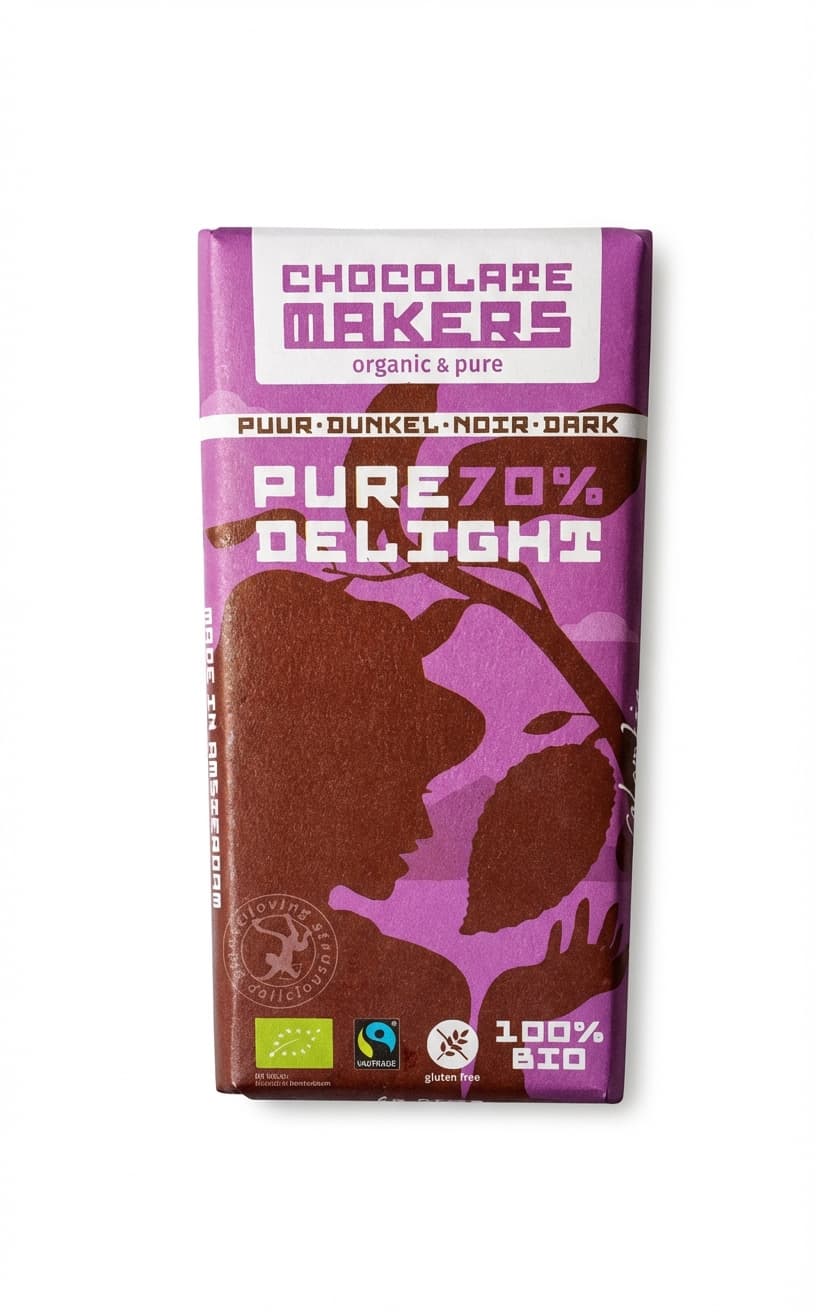 Chocolate Makers
Pure Delight
70%darkColombia - Rank 146:
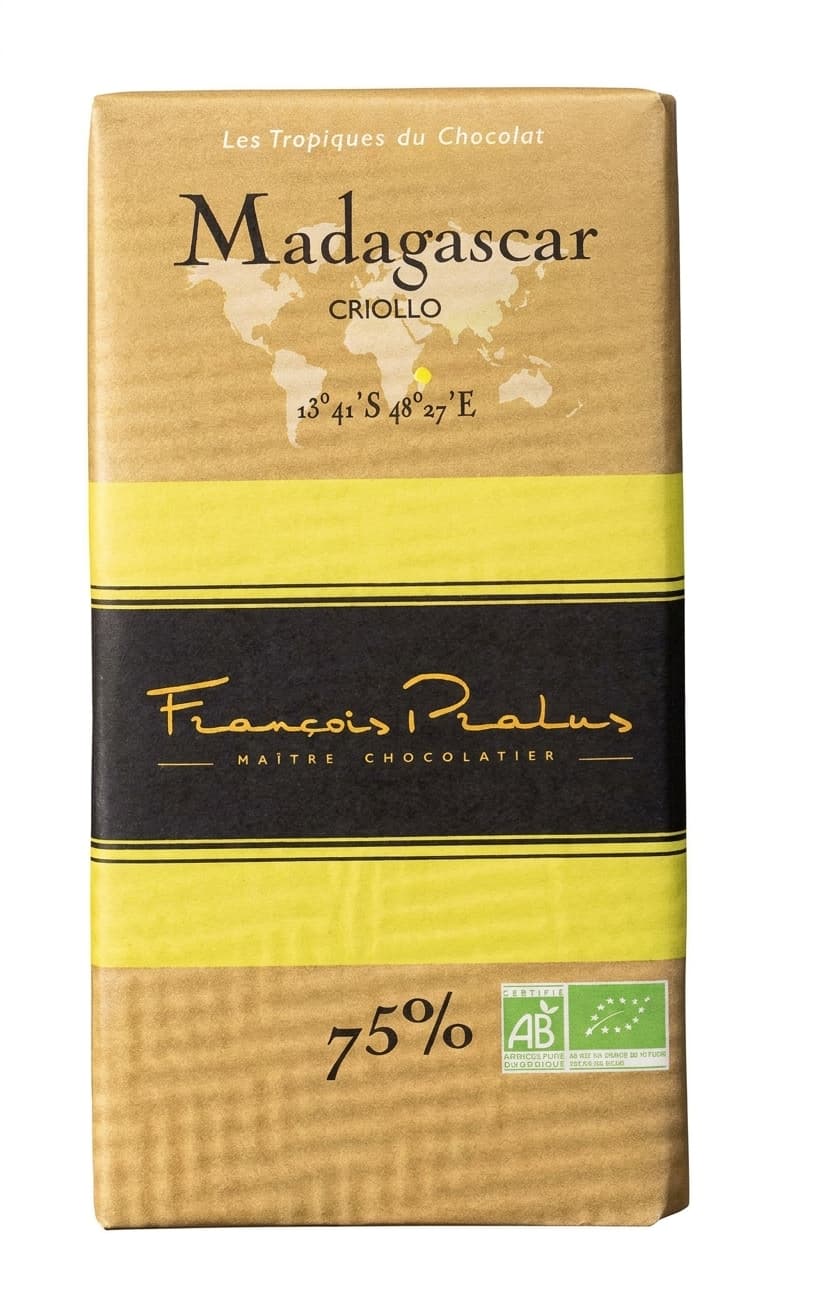 François Pralus
Madagascar Criollo 75%
75%darkMadagascar - Rank 147:
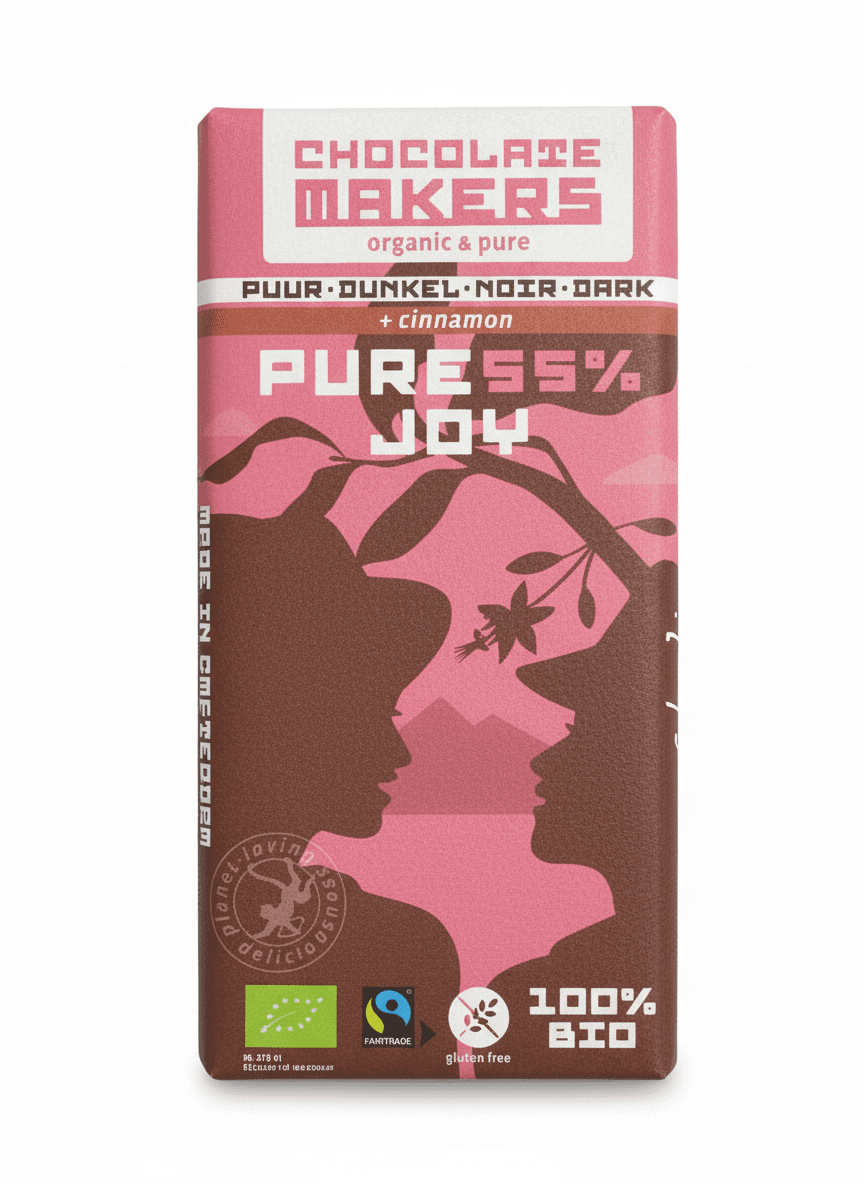 Chocolate Makers
Pure Joy Dark + Cinnamon
55%darkColombia - Rank 148:
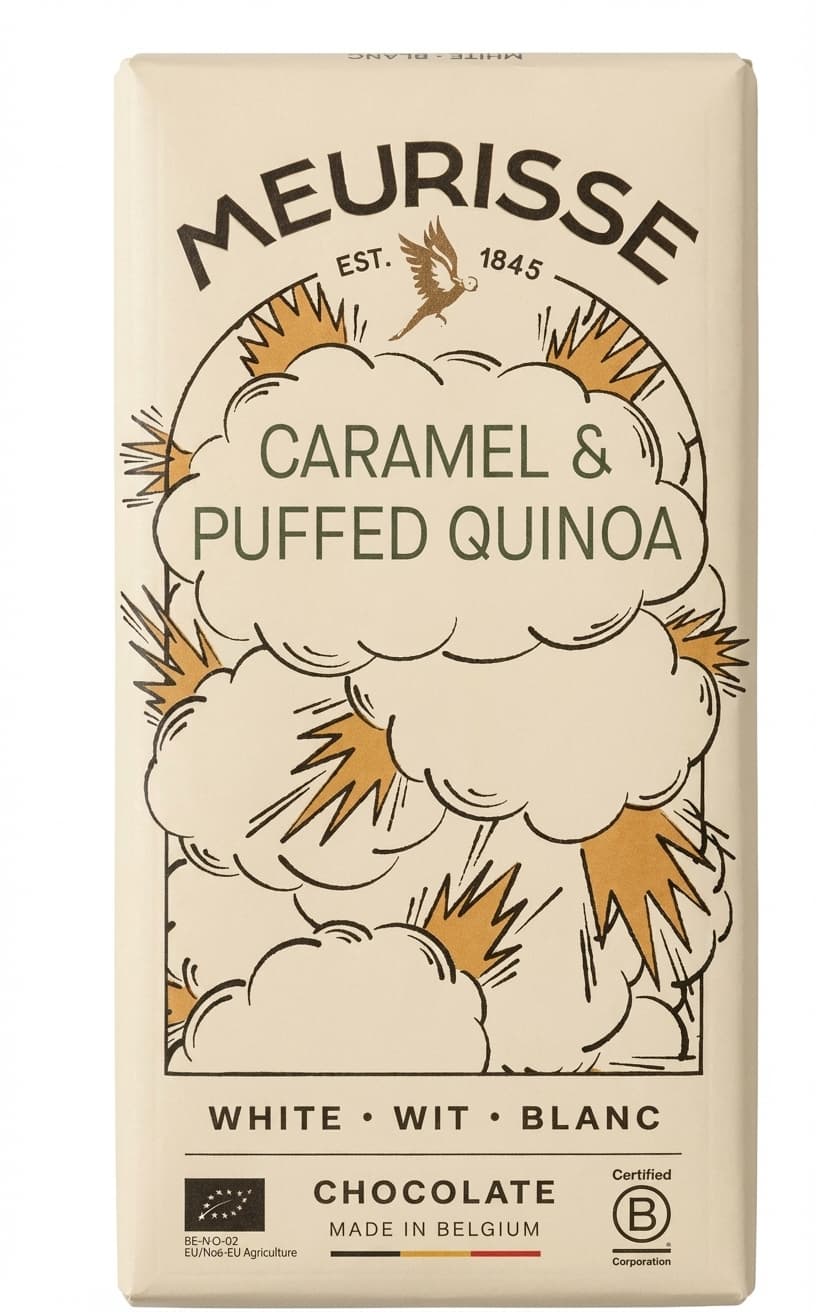 Meurisse
Caramel & Puffed Quinoa
32%whitePeru - Rank 149:
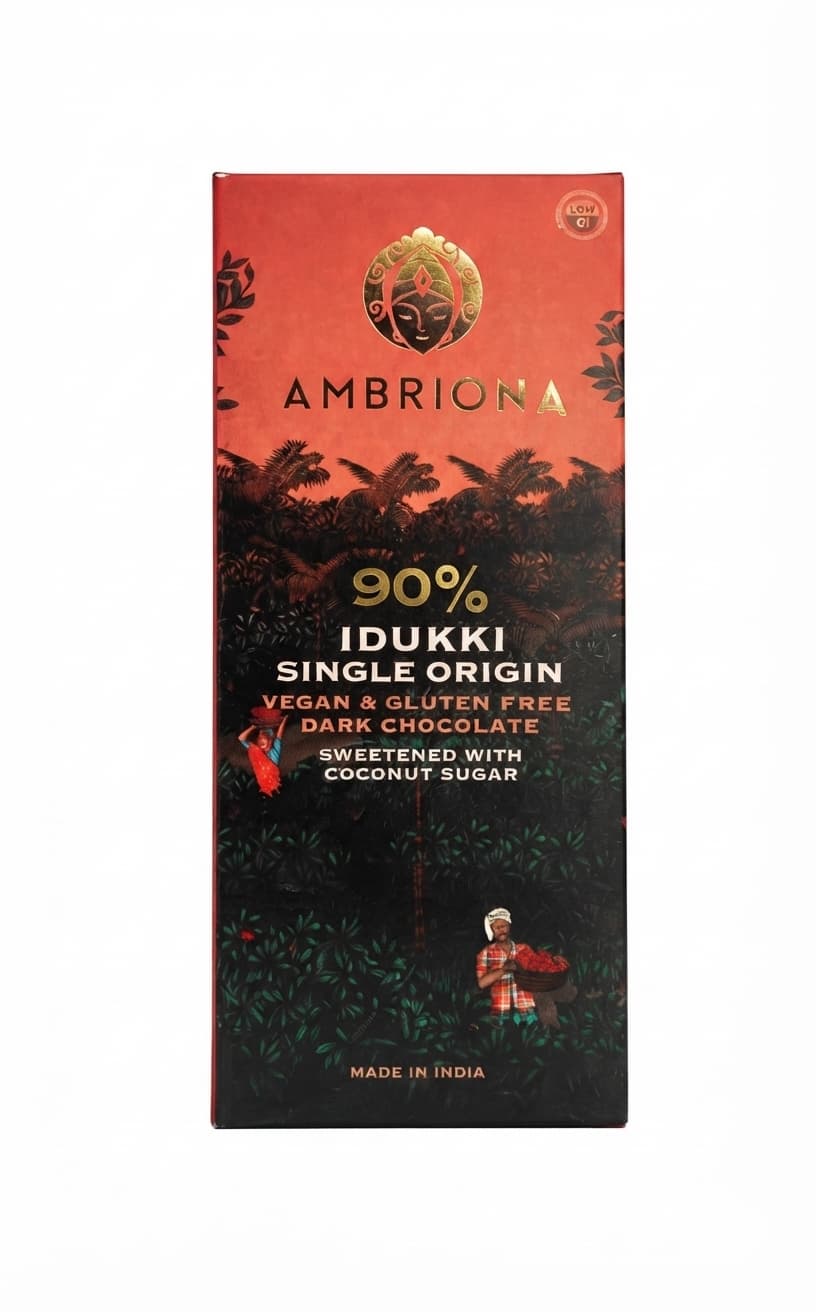 Ambriona
Idukki 90%
90%darkIndia - Rank 150:
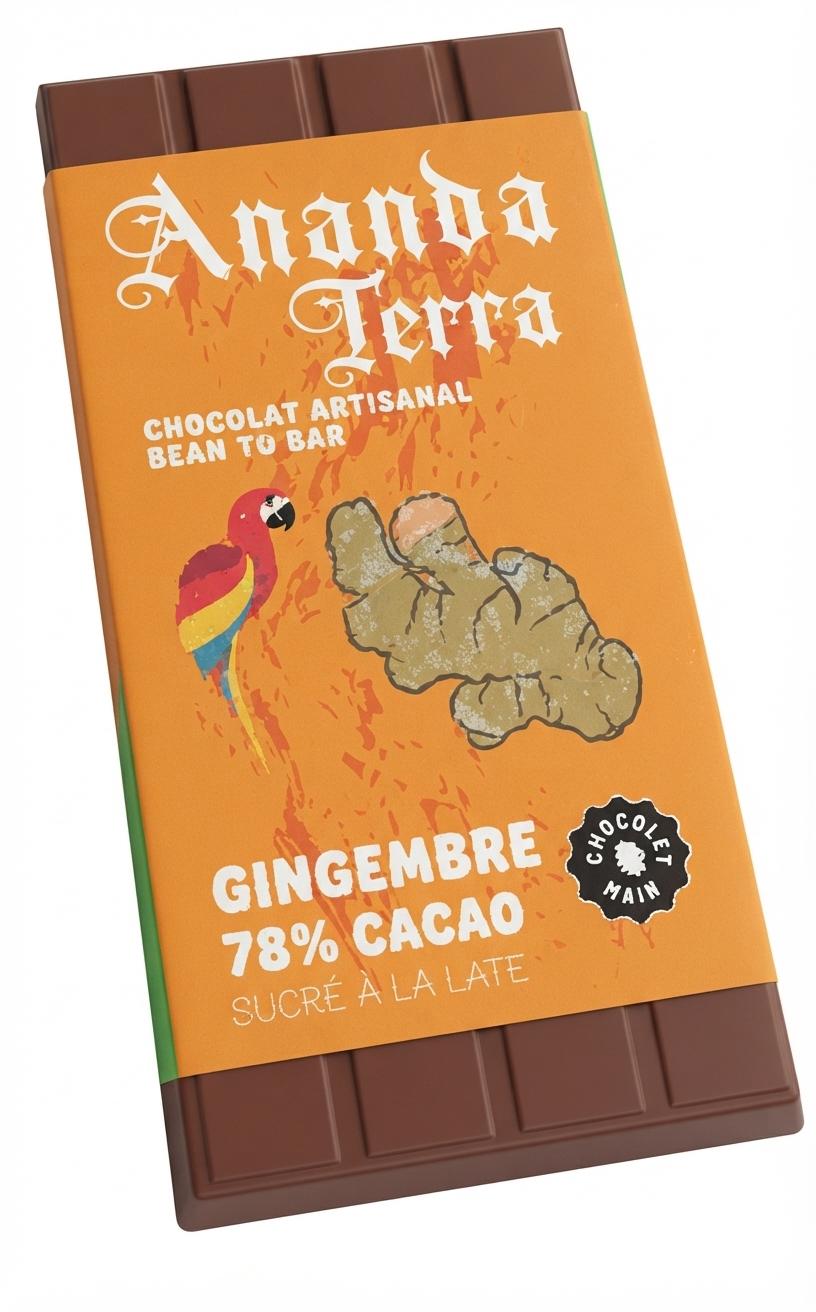 Anandaterra
Gingembre 78%
78%darkPeru - Rank 151:
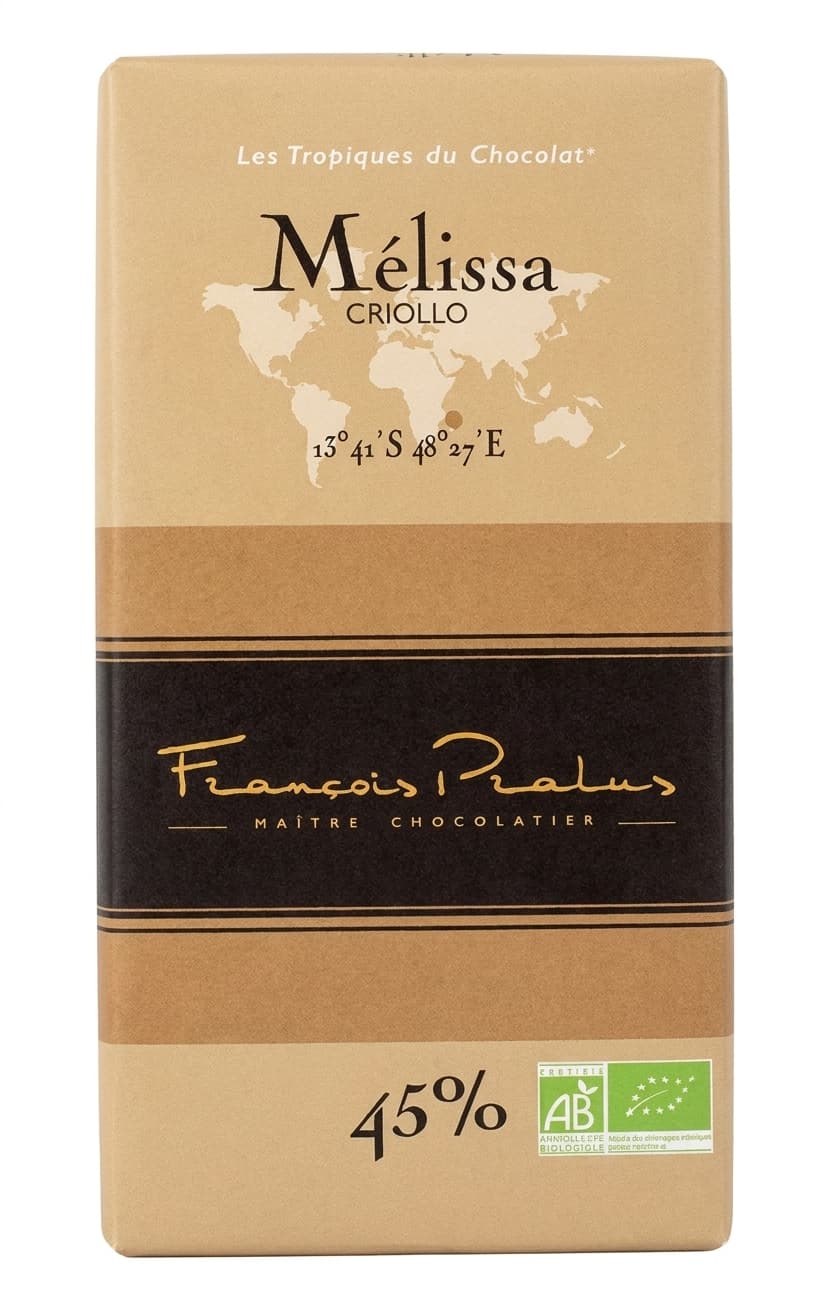 François Pralus
Mélissa
45%milkMadagascar - Rank 152:
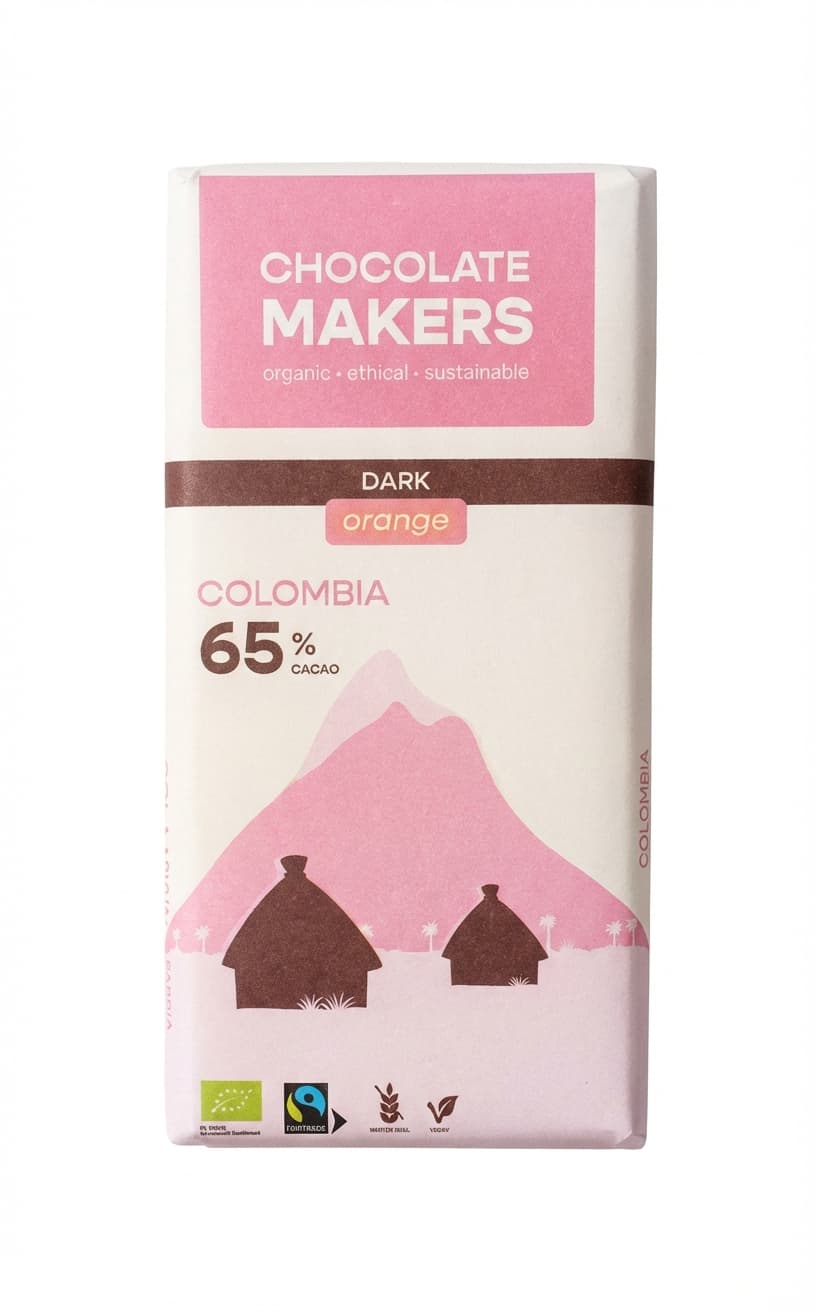 Chocolate Makers
Dark Orange Colombia 65%
65%darkColombia - Rank 153:
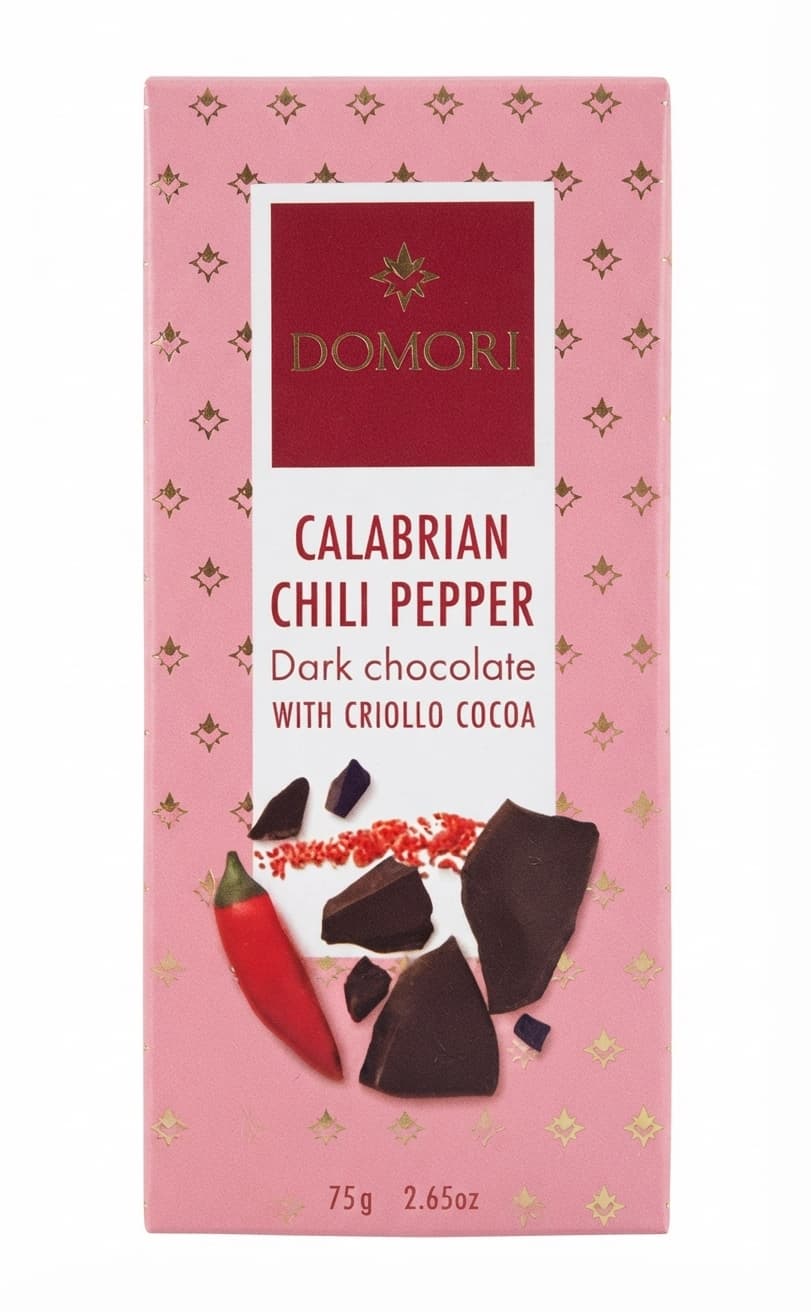 Domori
Calabrian Chili Pepper
70%dark - Rank 154:
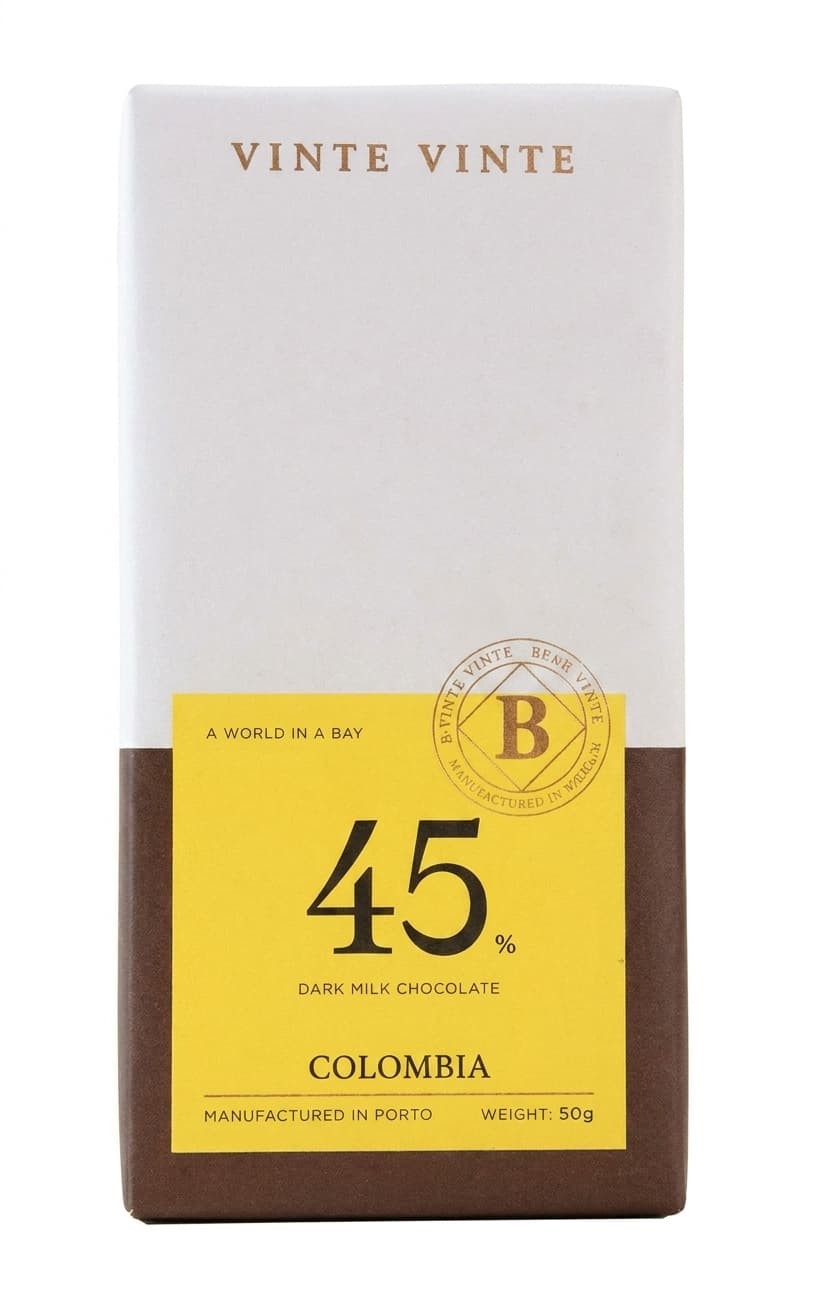 Vinte Vinte
45% Dark Milk Colombia
45%milkColombia - Rank 155:
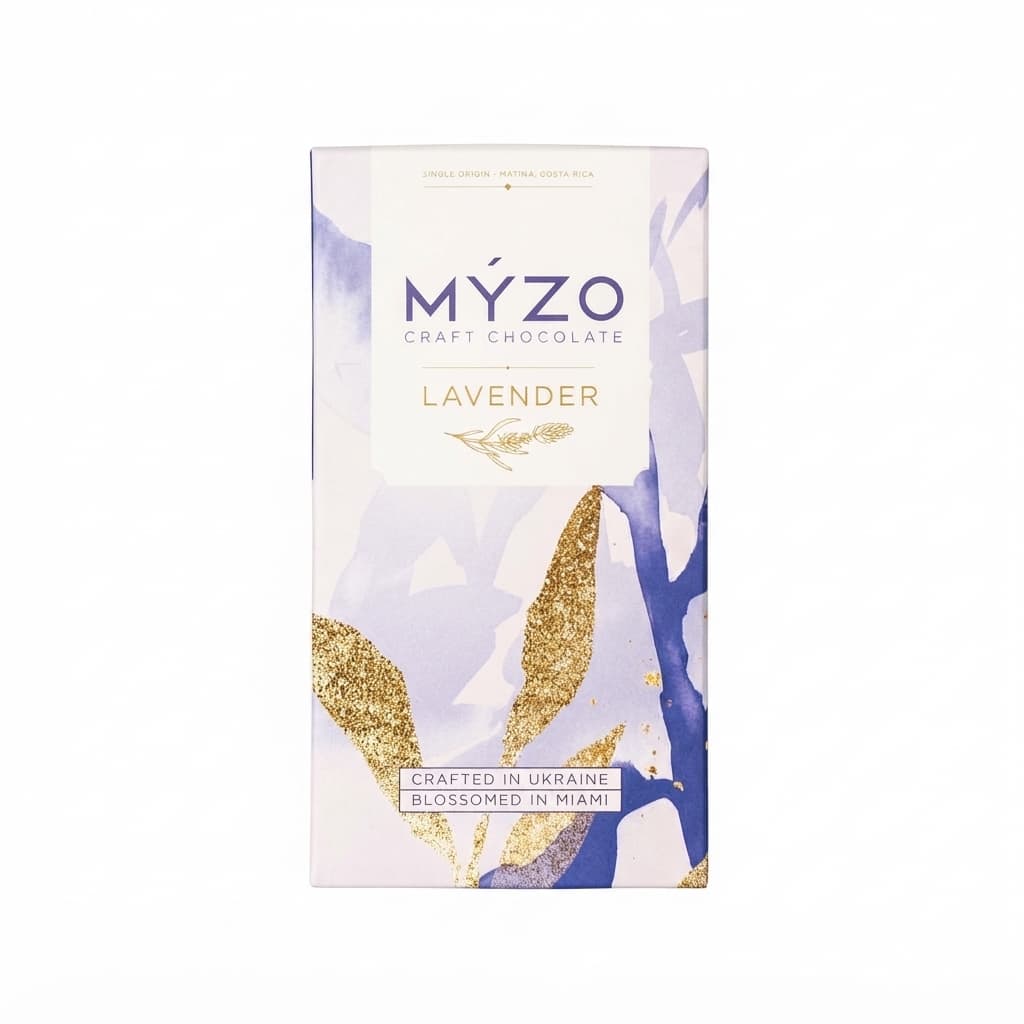 Myzo Chocolate
Lavender 70%
70%darkCosta Rica - Rank 156:
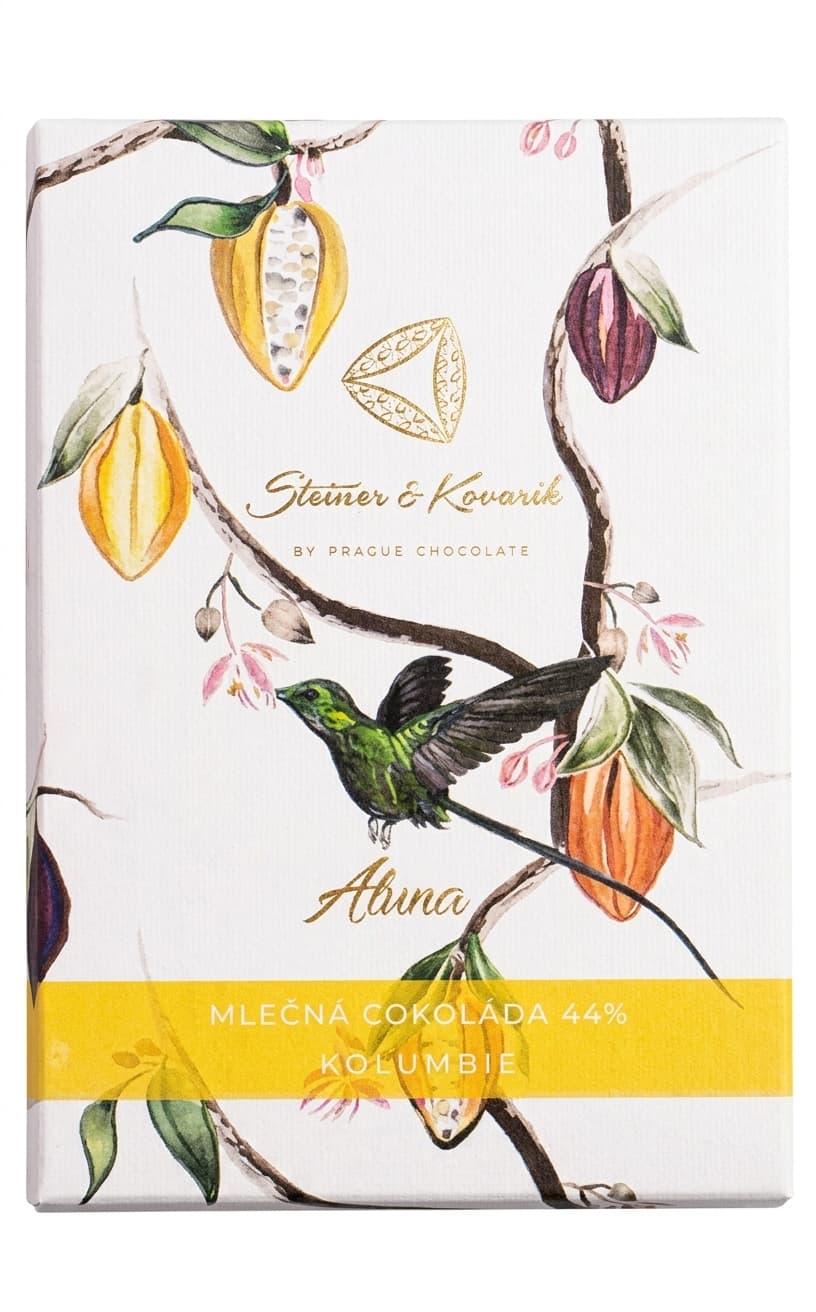 Steiner & Kovarik
Aluna Organic Milk 44%
44%milkColombia - Rank 157:
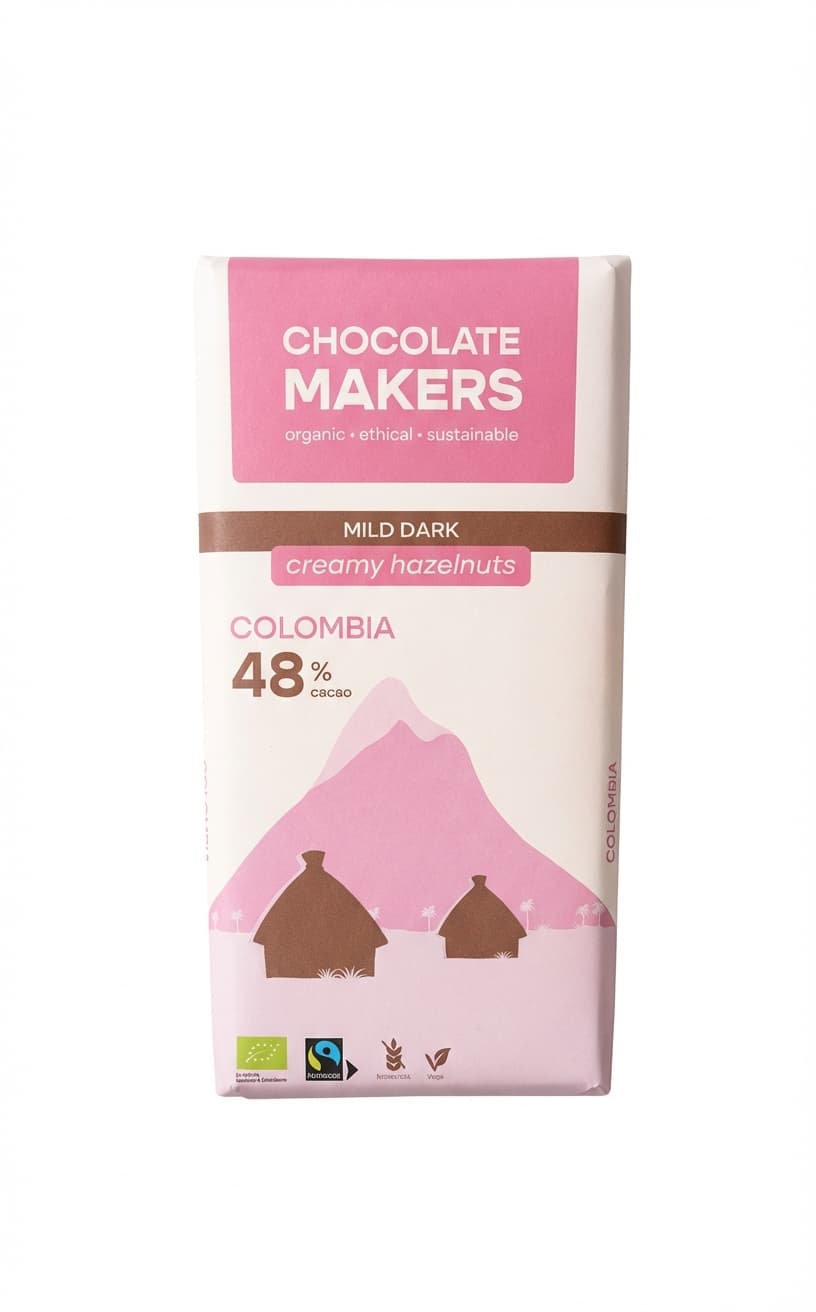 Chocolate Makers
Colombia 48% creamy hazelnuts
48%darkColombia - Rank 158:
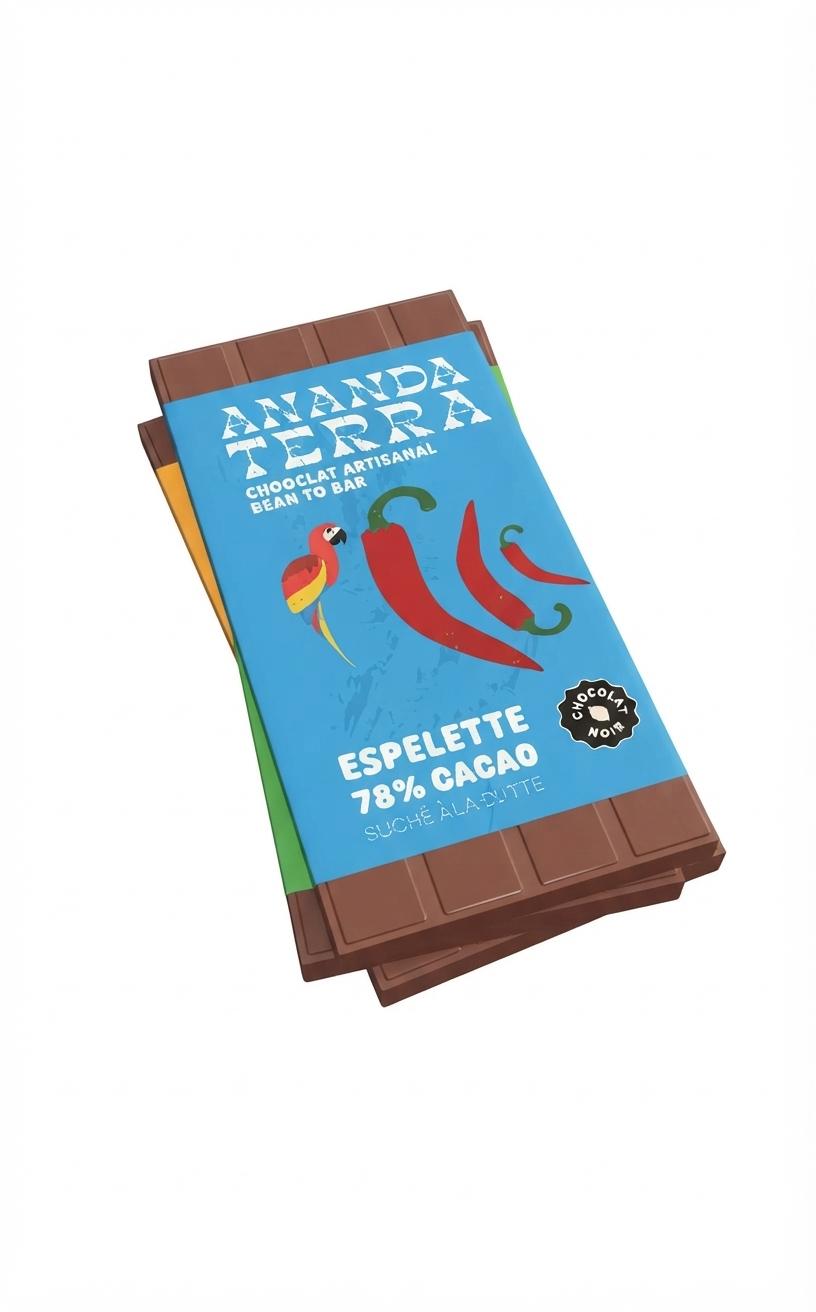 Anandaterra
Piment d'Espelette 78%
78%darkPeru - Rank 159:
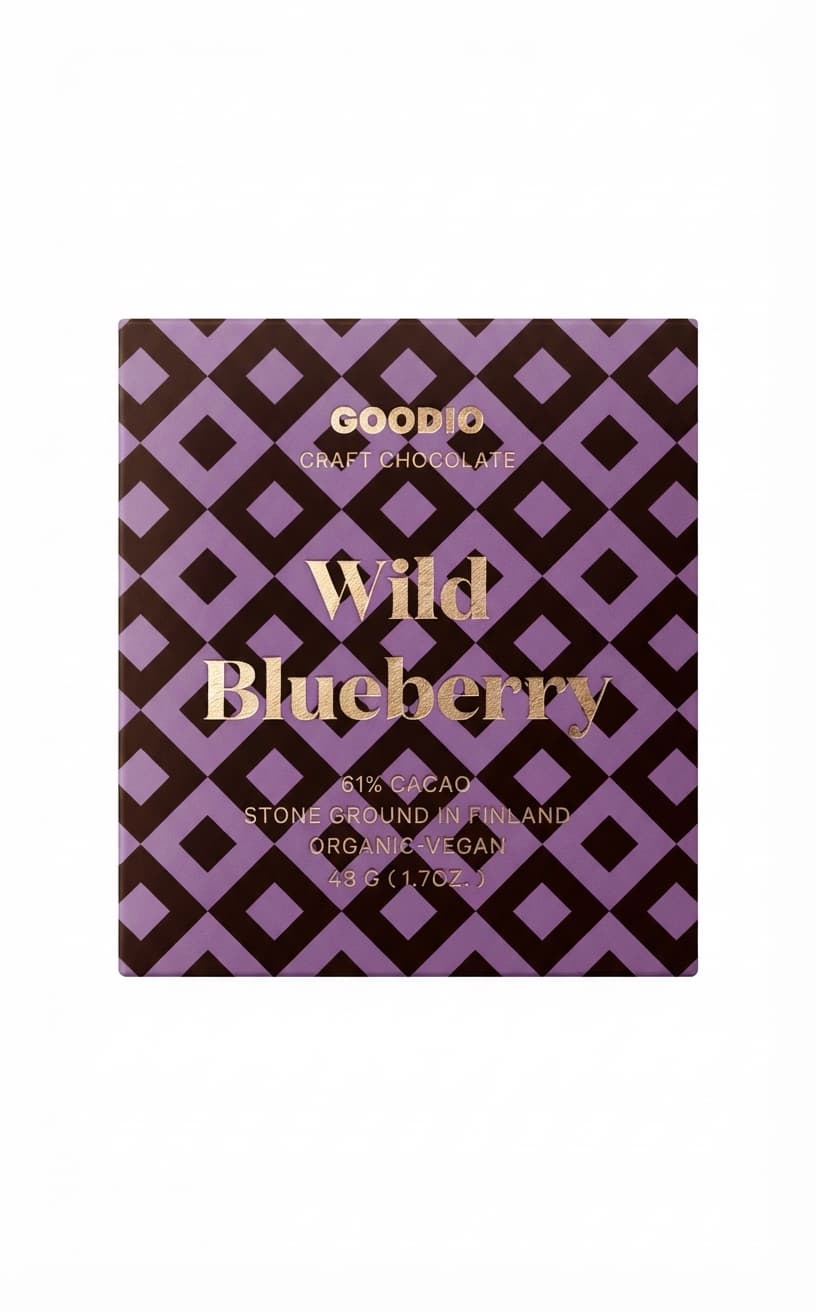 Goodio
Wild Blueberry 61%
61%darkPeru - Rank 160:
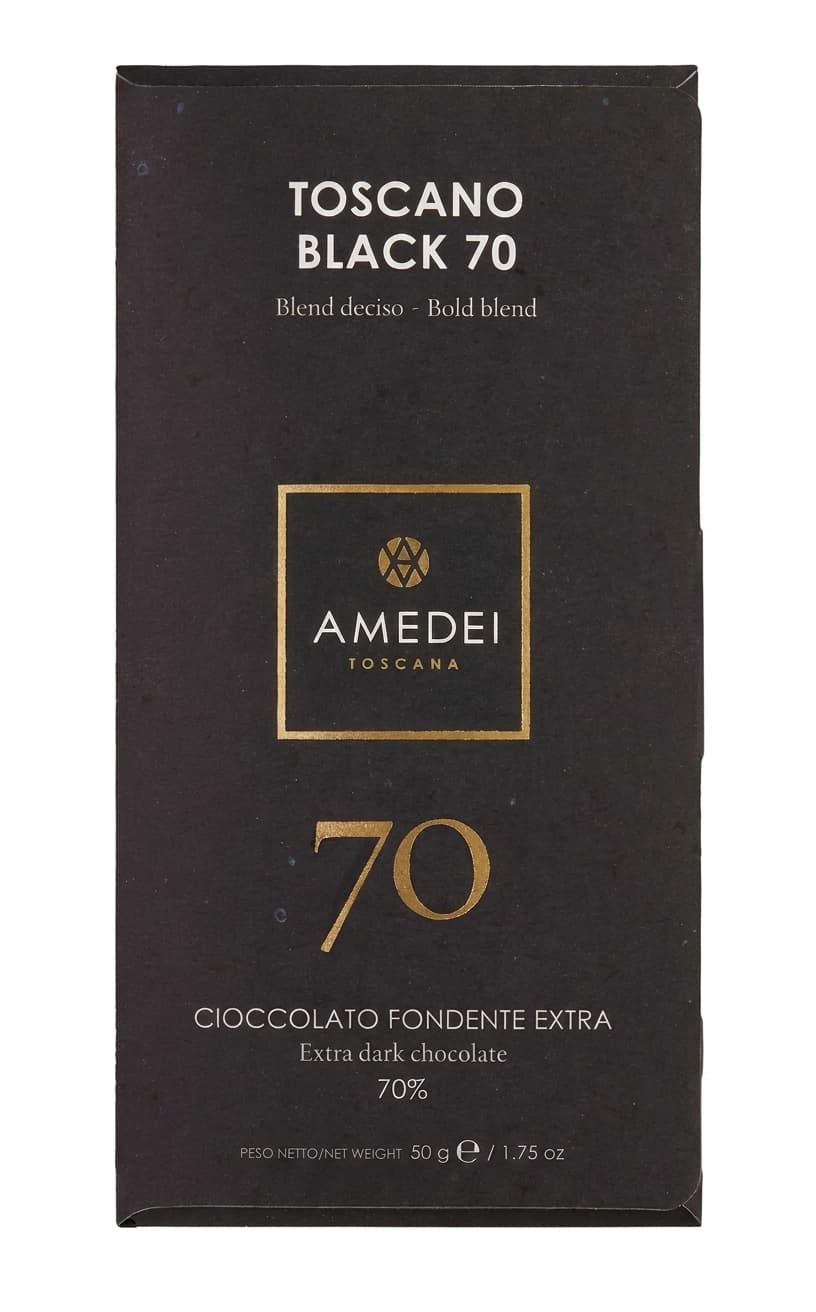 Amedei
Toscano Black 70%
70%dark - Rank 161:
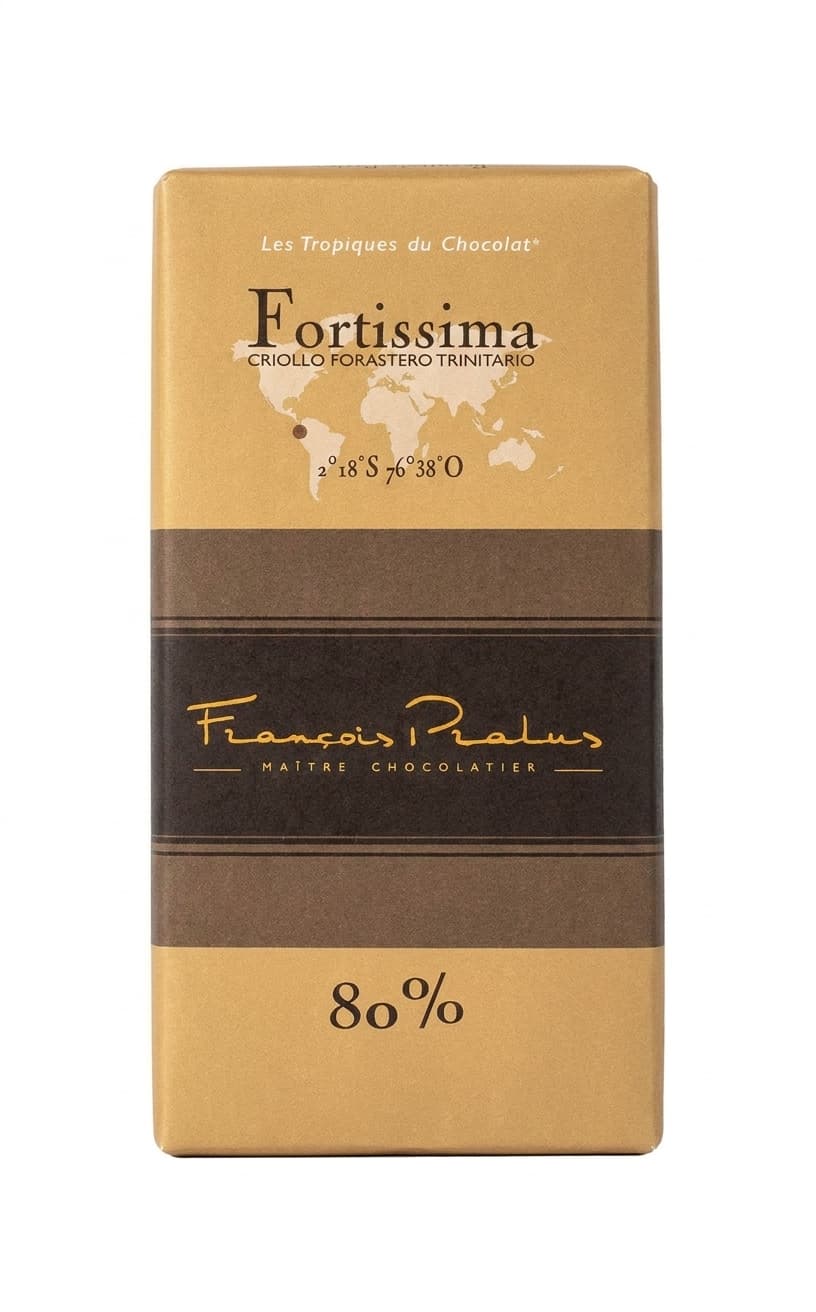 François Pralus
Fortissima 80%
80%darkEcuador - Rank 162:
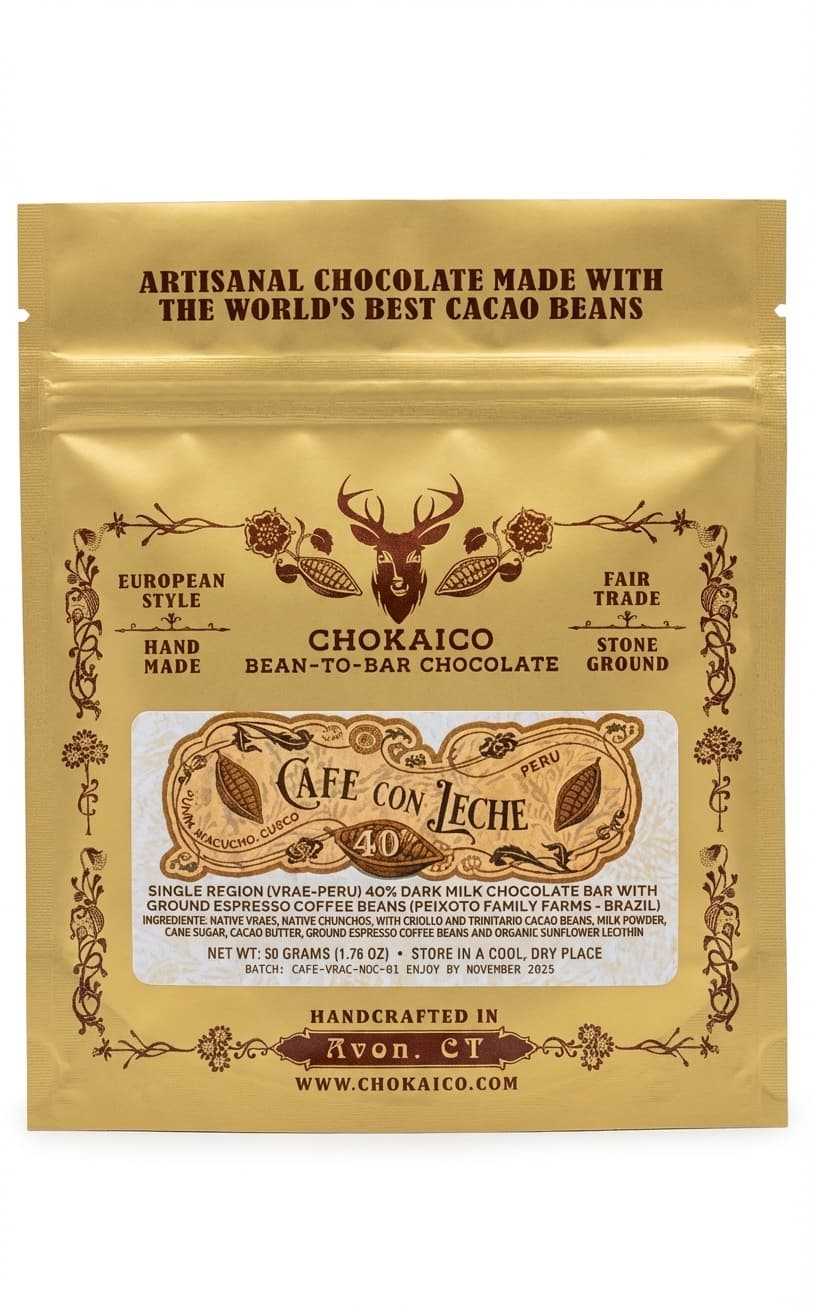 Chokaico
Cafe Con Leche 40%
40%milkPeru - Rank 163:
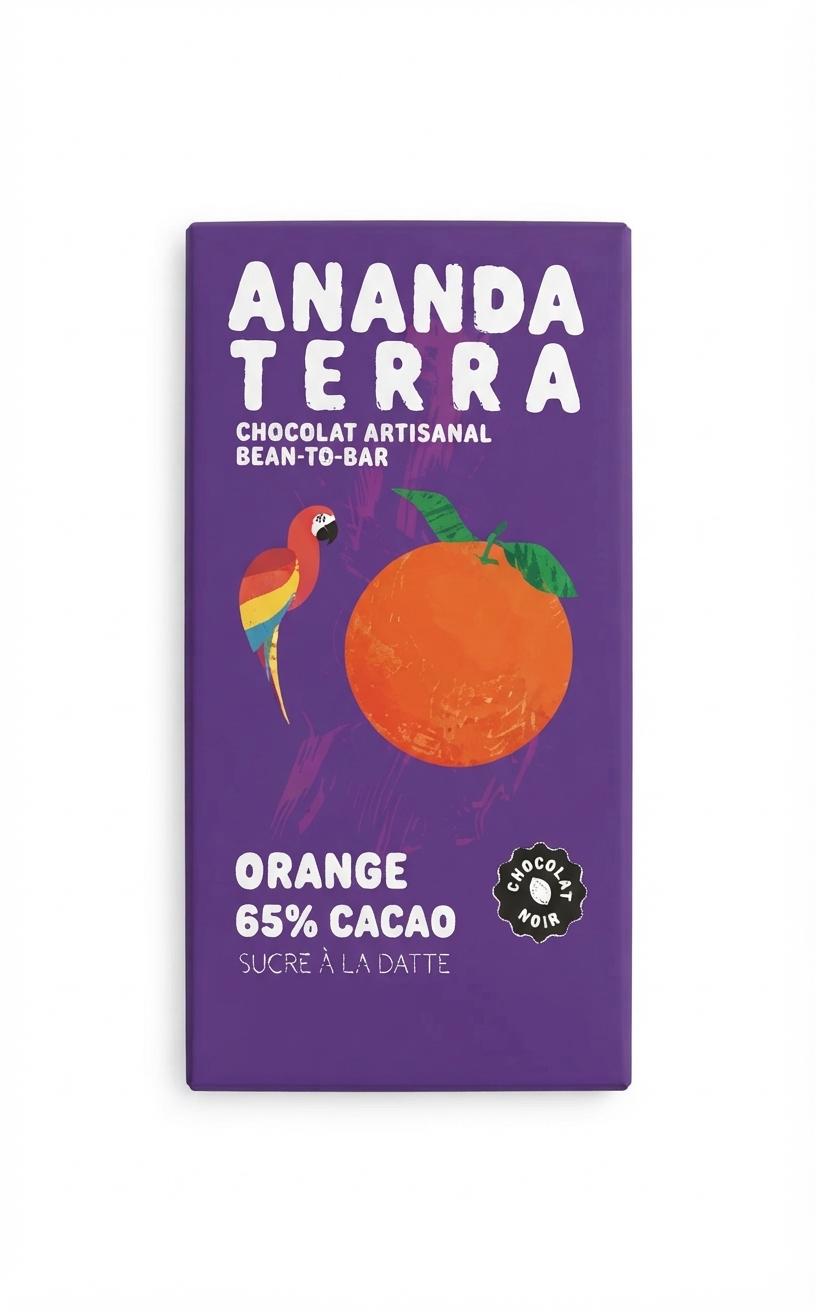 Anandaterra
Orange 65%
65%darkPeru - Rank 164:
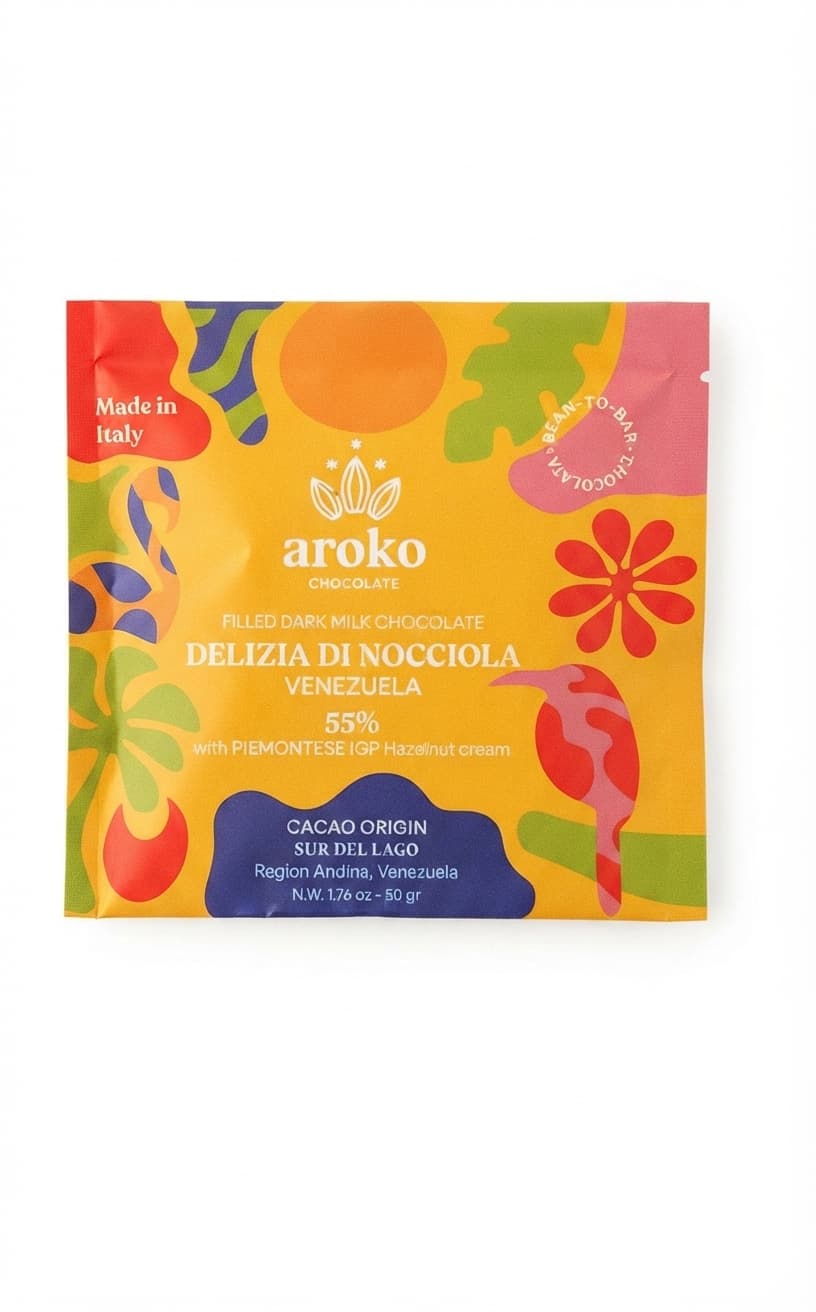 aroko
Delizia di Nocciola 55%
55%milkVenezuela - Rank 165:
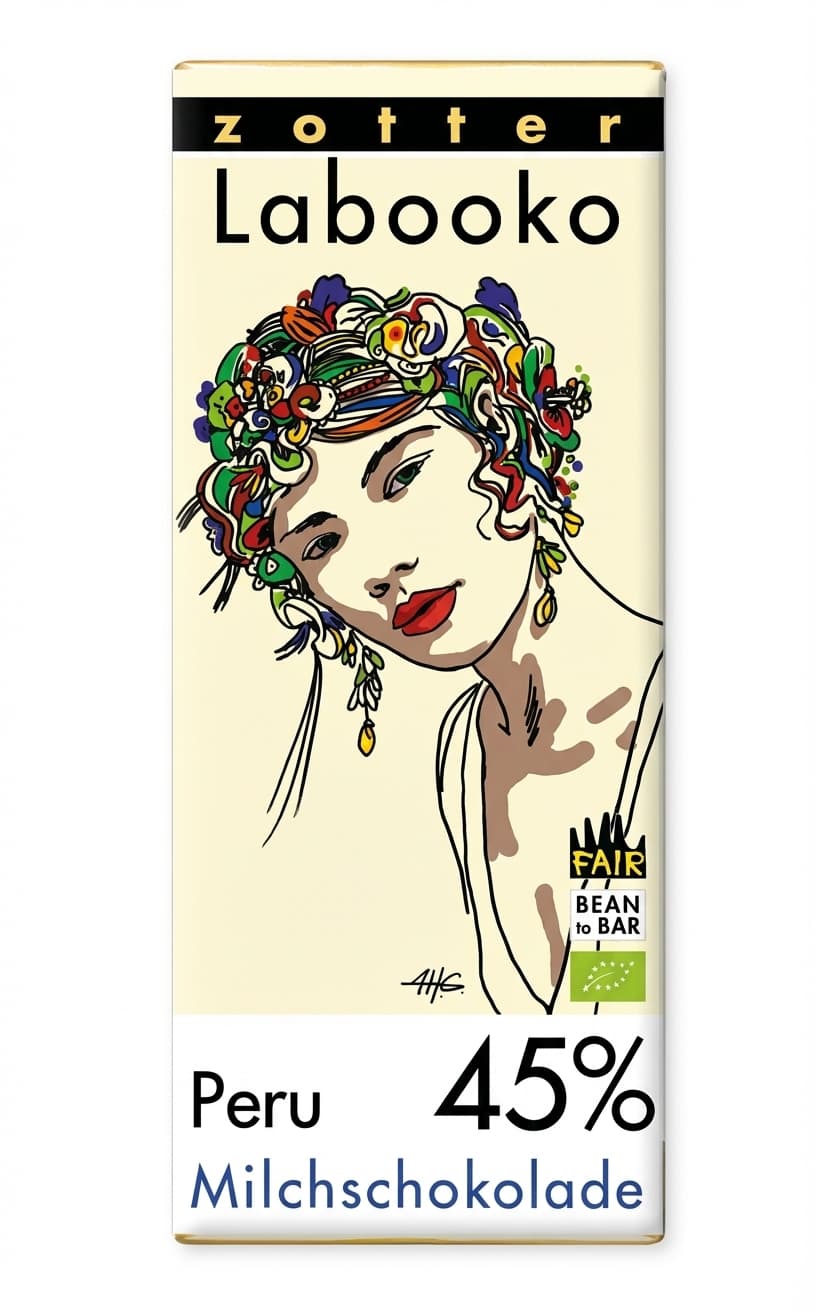 Zotter
Labooko 45% Milk Chocolate Peru
45%milkPeru - Rank 166:
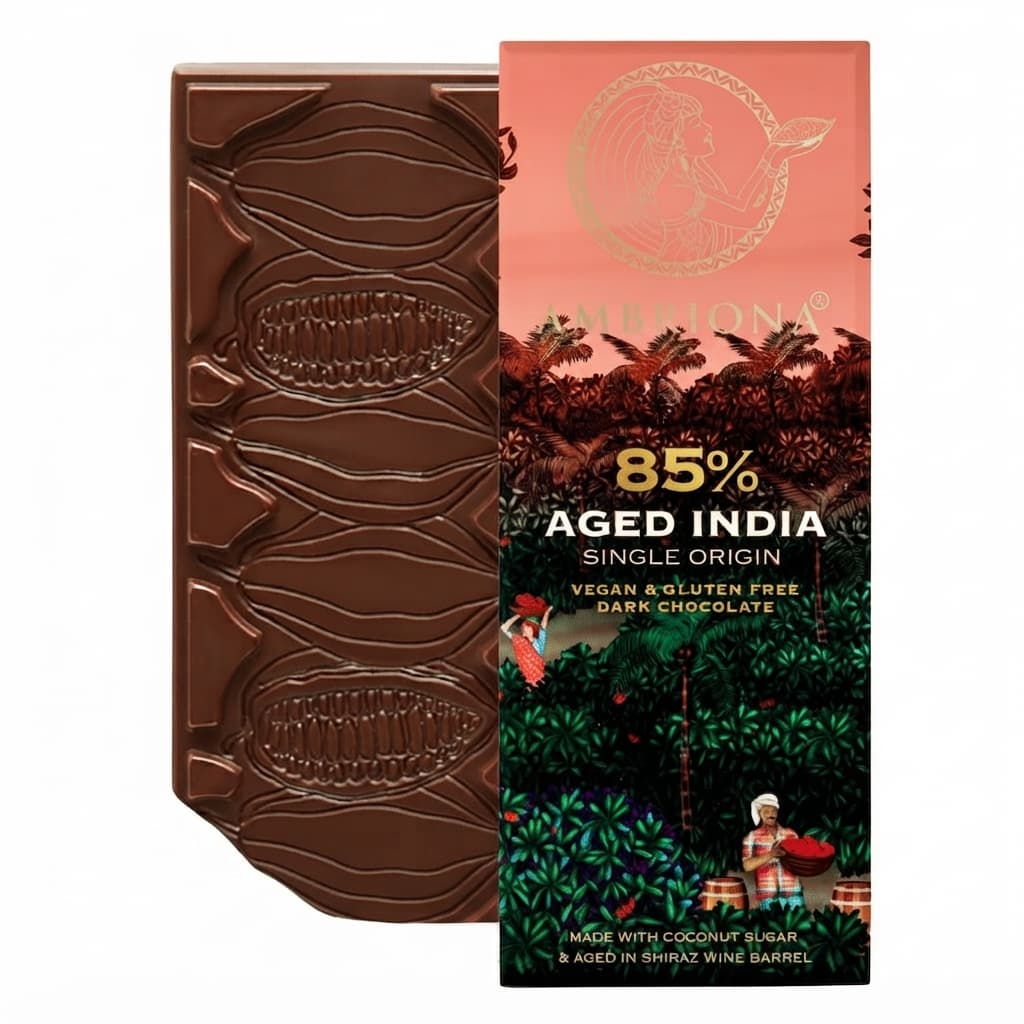 Ambriona
Aged India 85%
85%darkIndia - Rank 167:
 Cenu Cacao
70% Single Origin São Tomé
70%darkSão Tomé and Príncipe - Rank 168:
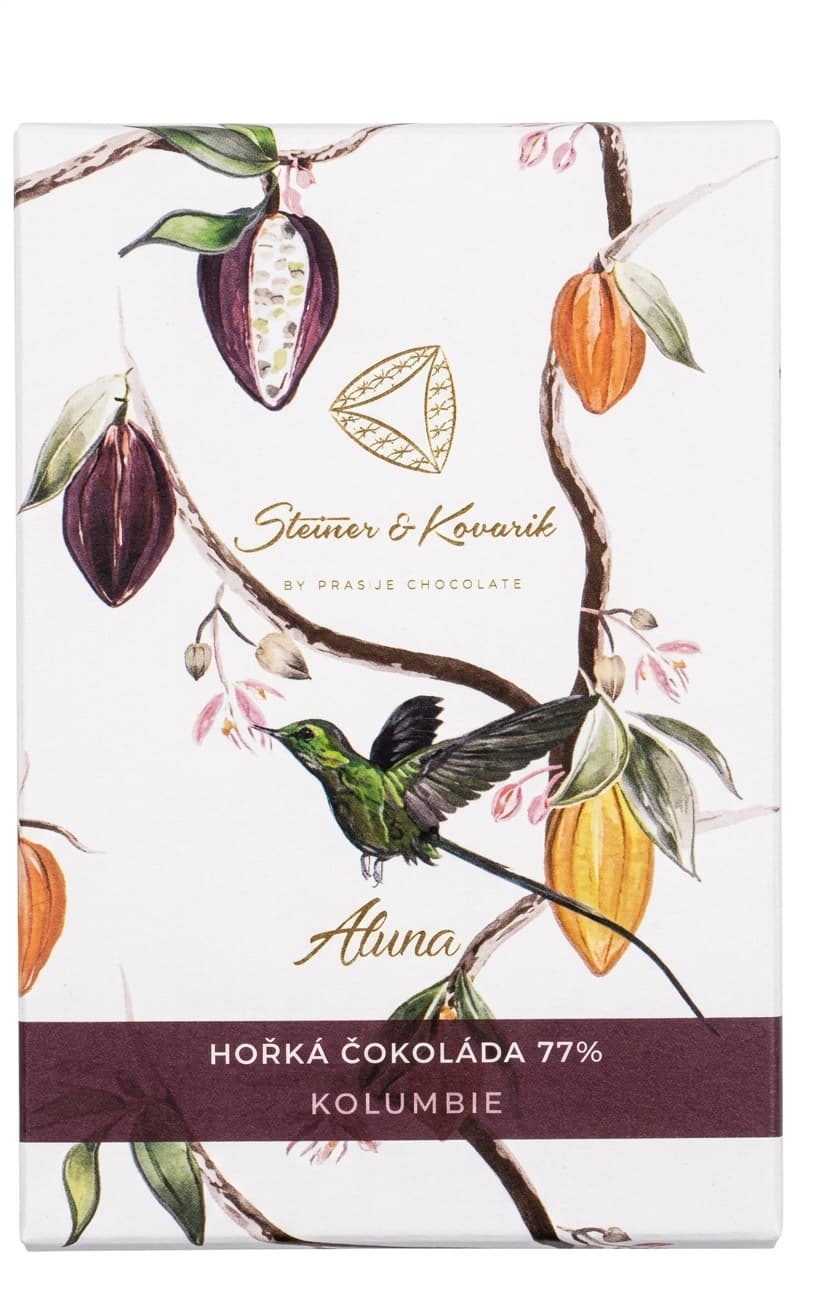 Steiner & Kovarik
Aluna 77%
77%darkColombia - Rank 169:
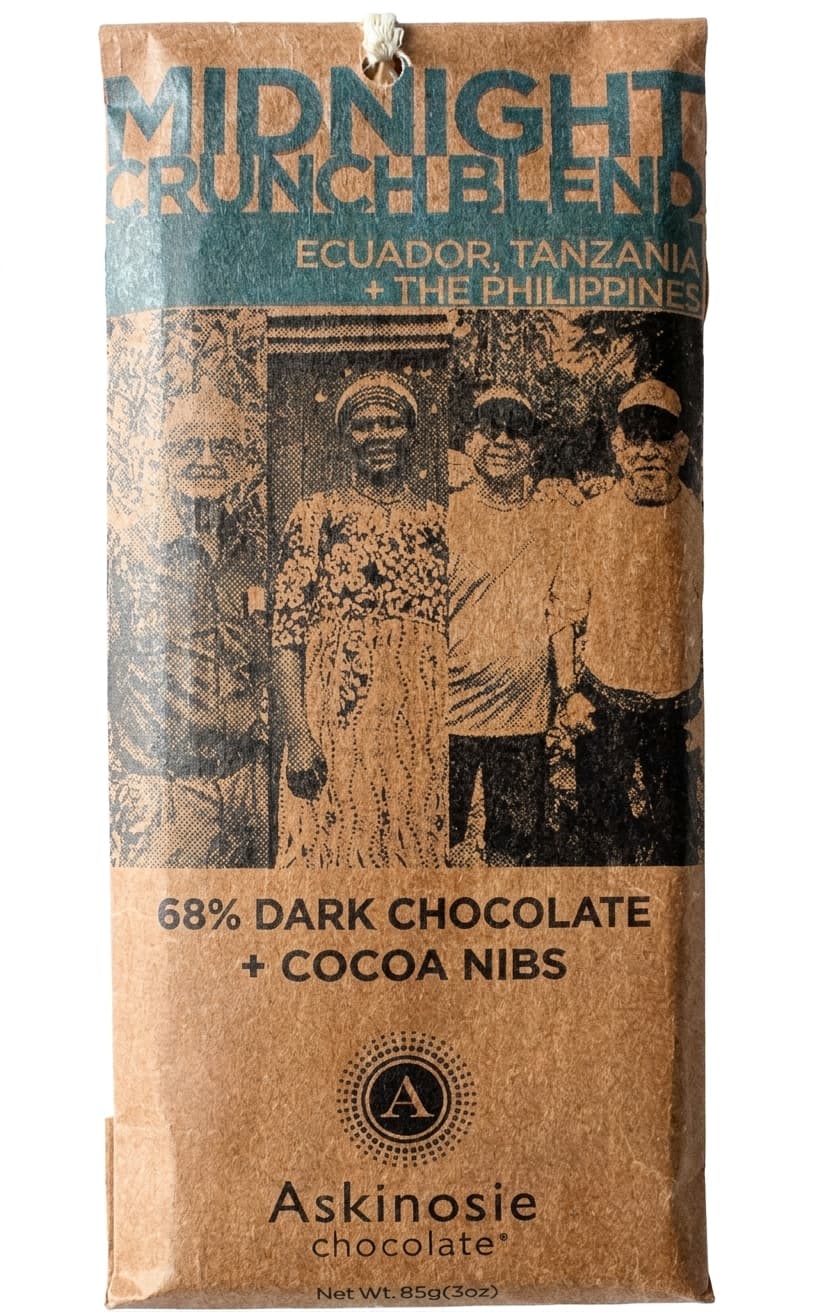 Askinosie
Midnight Crunch Blend
68%darkTanzania, Ecuador & Philippines - Rank 170:
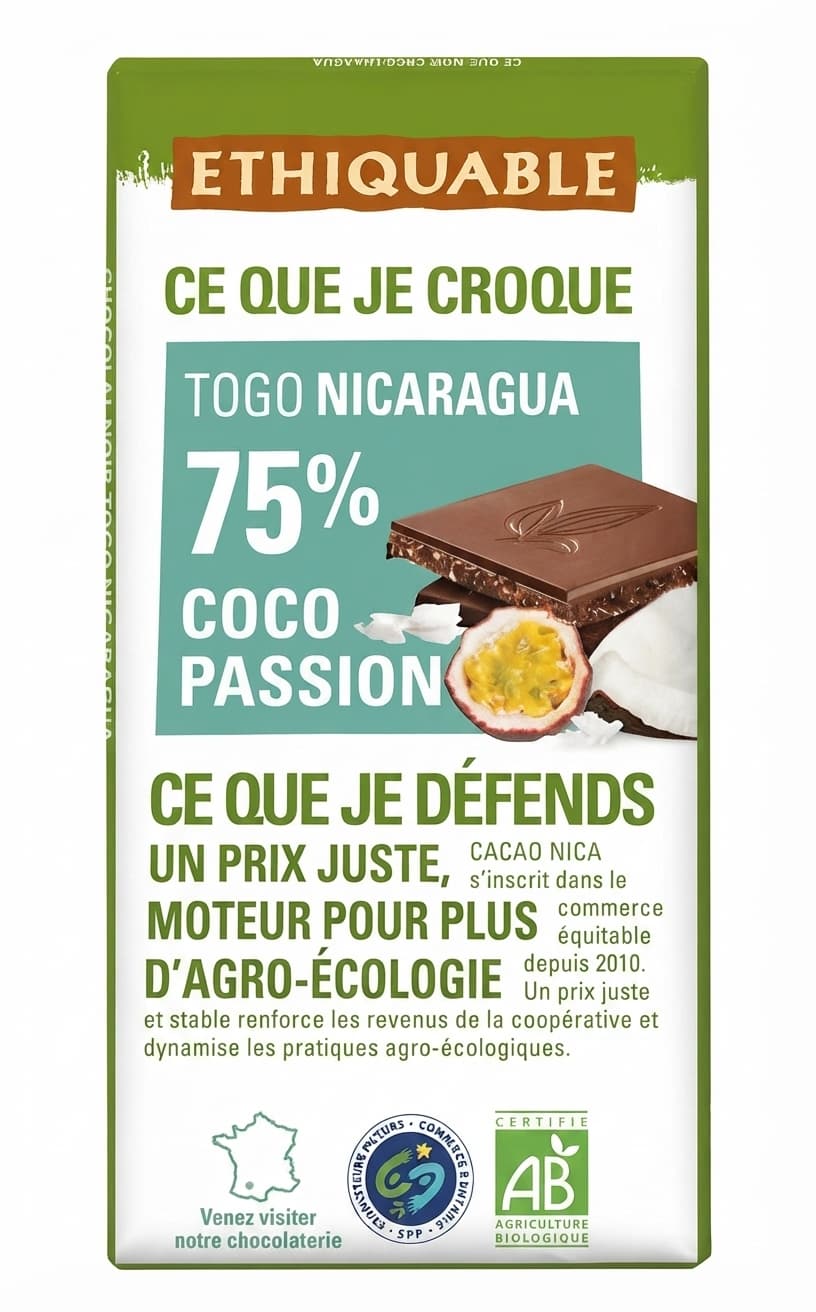 Ethiquable
Coco Passion 75%
75%darkNicaragua - Rank 171:
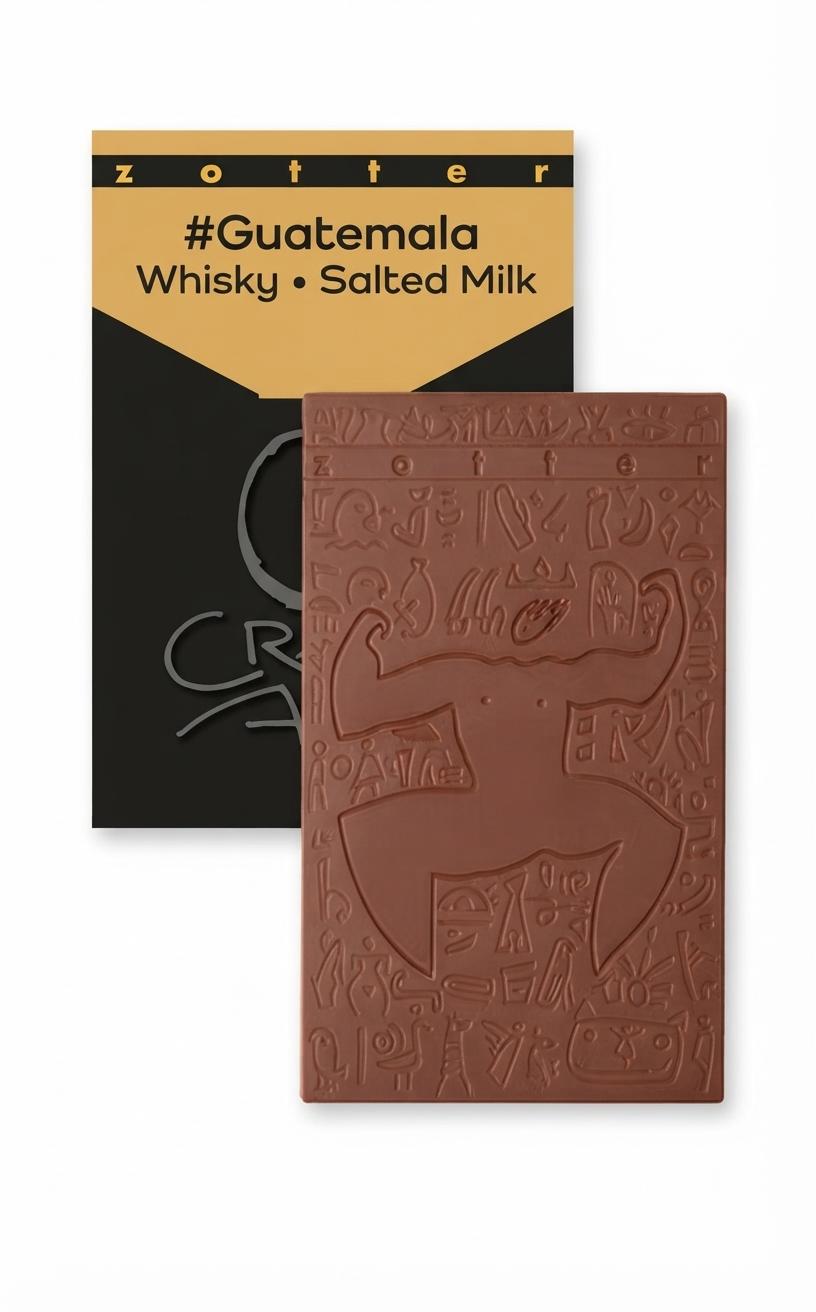 Zotter
CraftAkt Guatemala Whisky • Salted Milk
60%milkGuatemala - Rank 172:
 Pangea Chocolate
Chuncho Peru 72%
72%darkPeru - Rank 173:
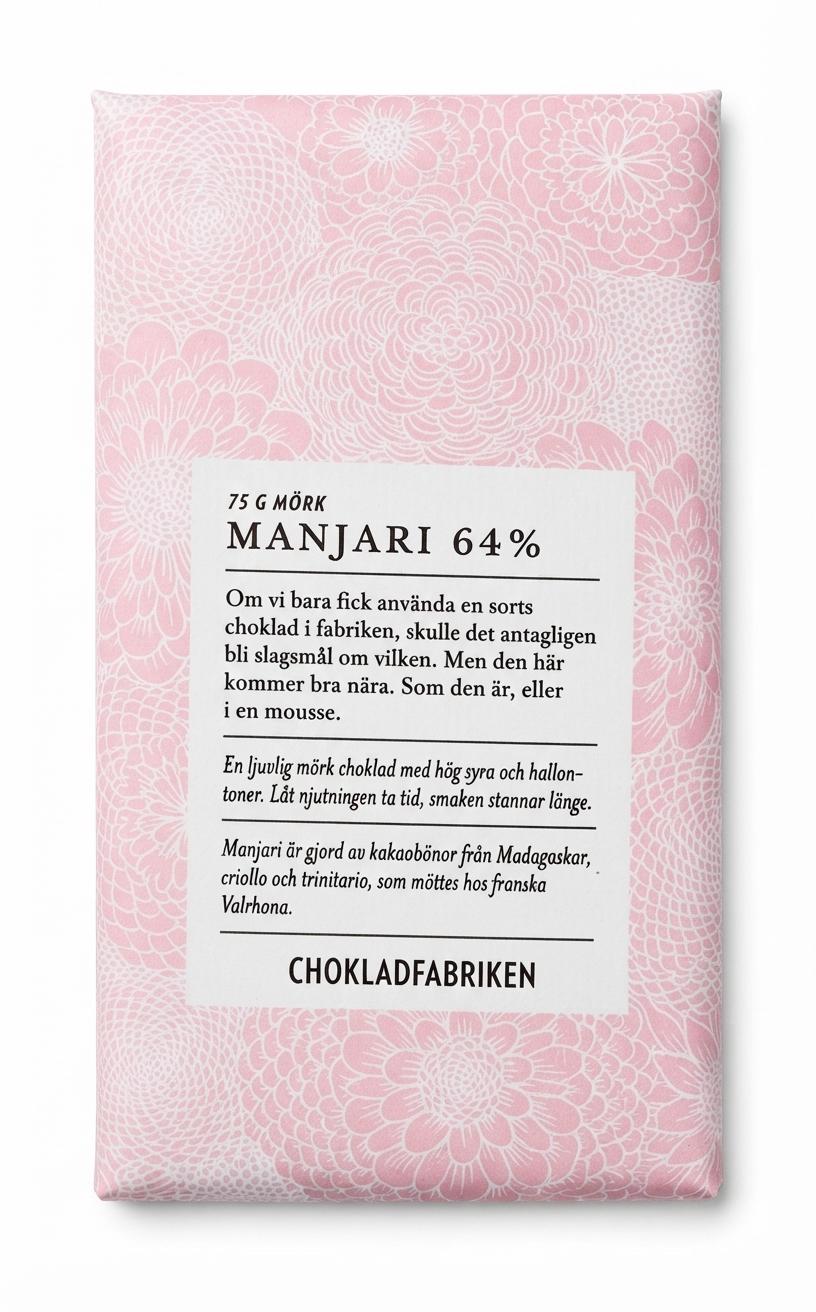 Chokladfabriken
Chokladkaka Manjari 64%
64%darkMadagascar - Rank 174:
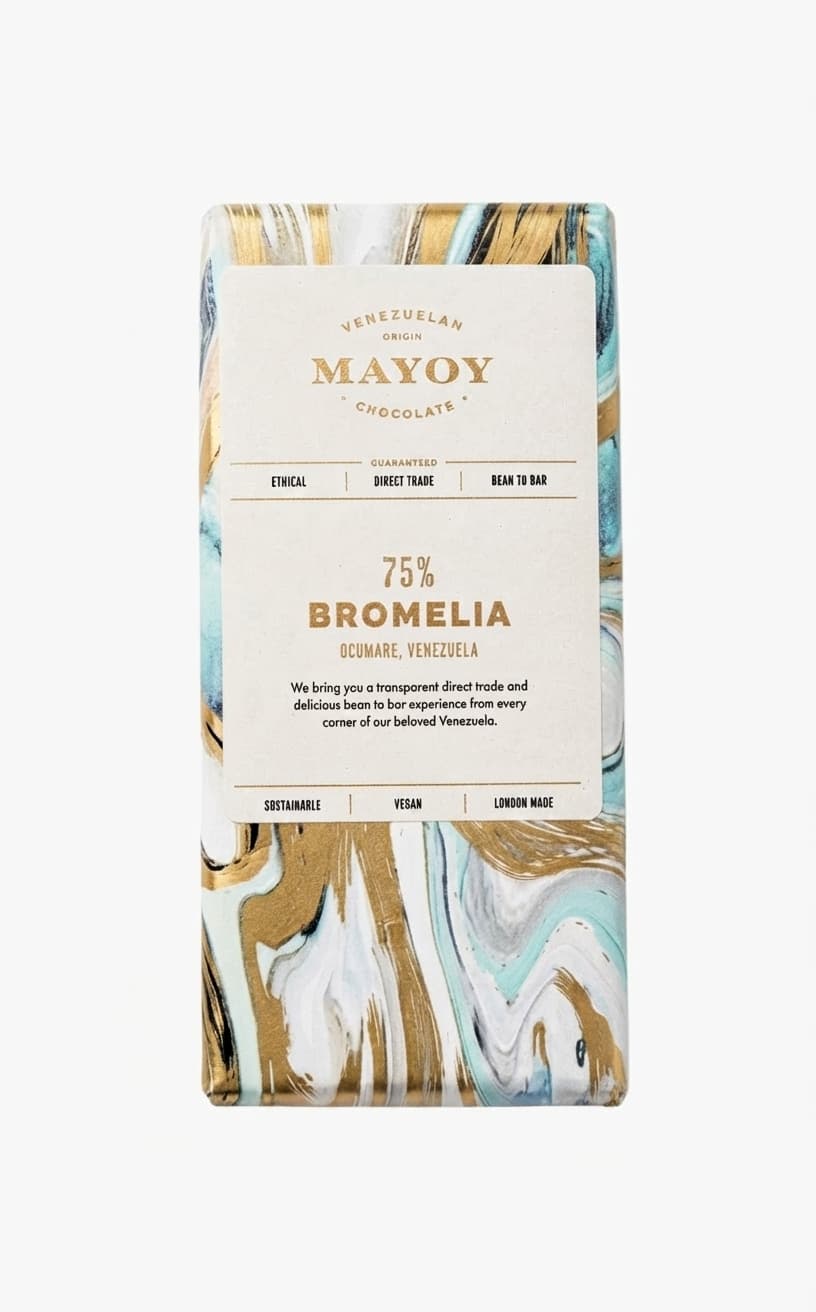 Mayoy Cacao
Bromelia Ocumare 75%
75%darkVenezuela - Rank 175:
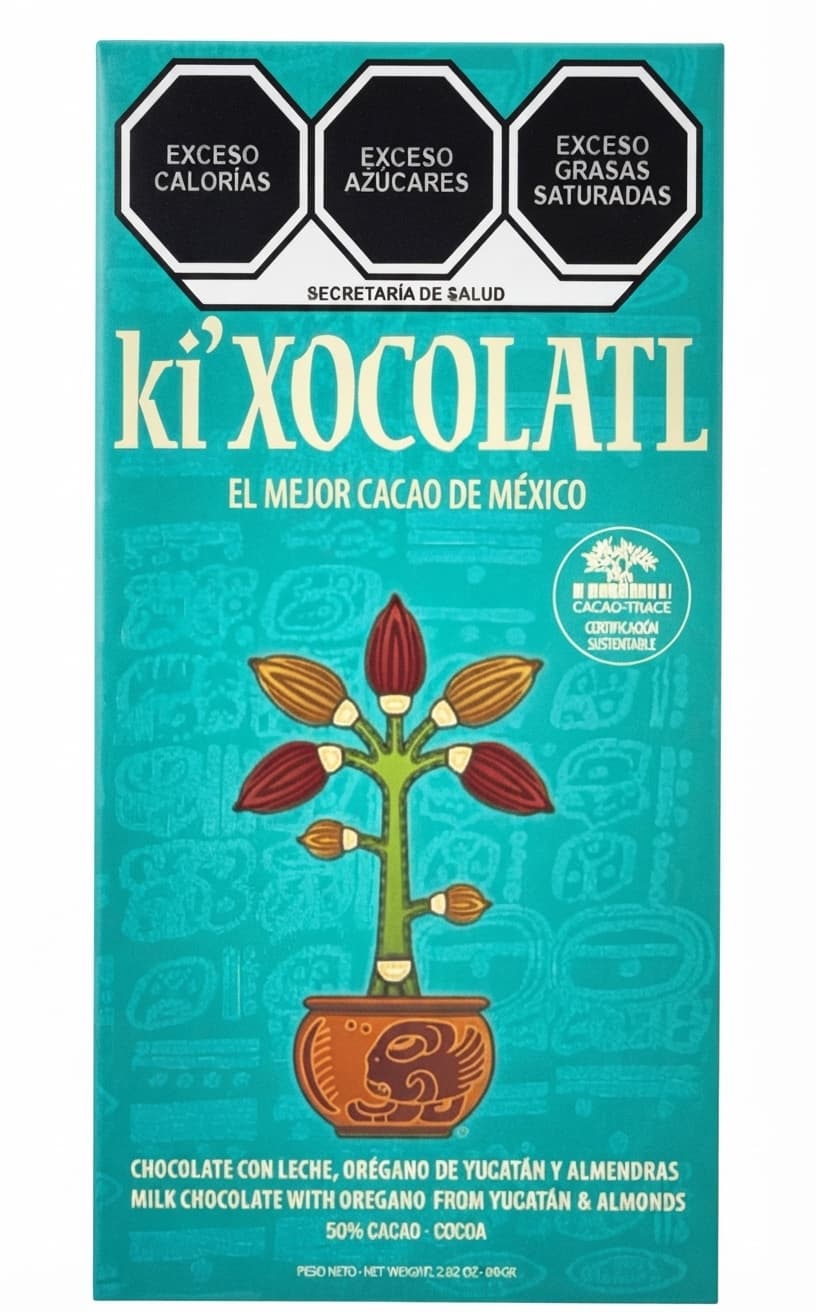 Ki'Xocolatl
Milk Chocolate with Oregano & Almonds 50%
50%milkMexico - Rank 176:
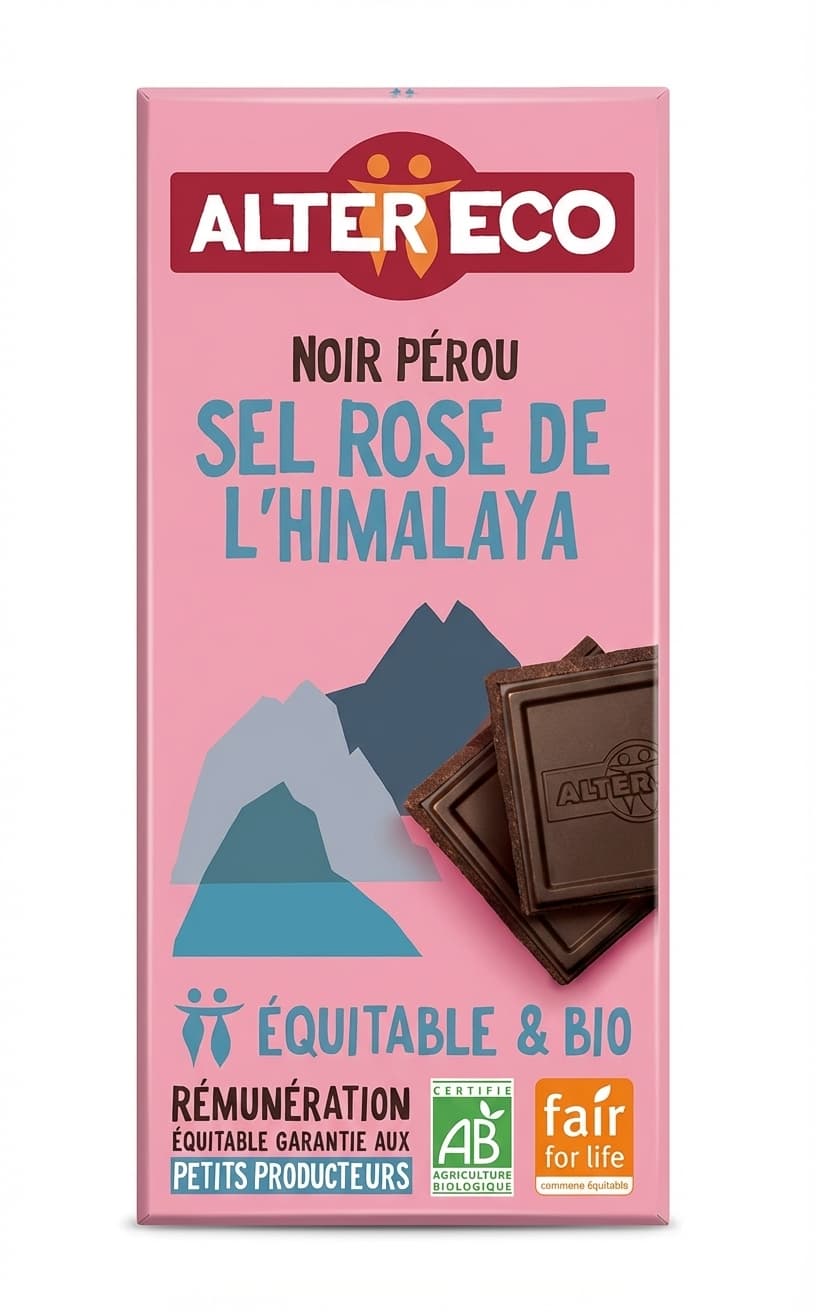 Alter Eco
Noir Perou Sel Rose de l'Himalaya
56%darkPeru - Rank 177:
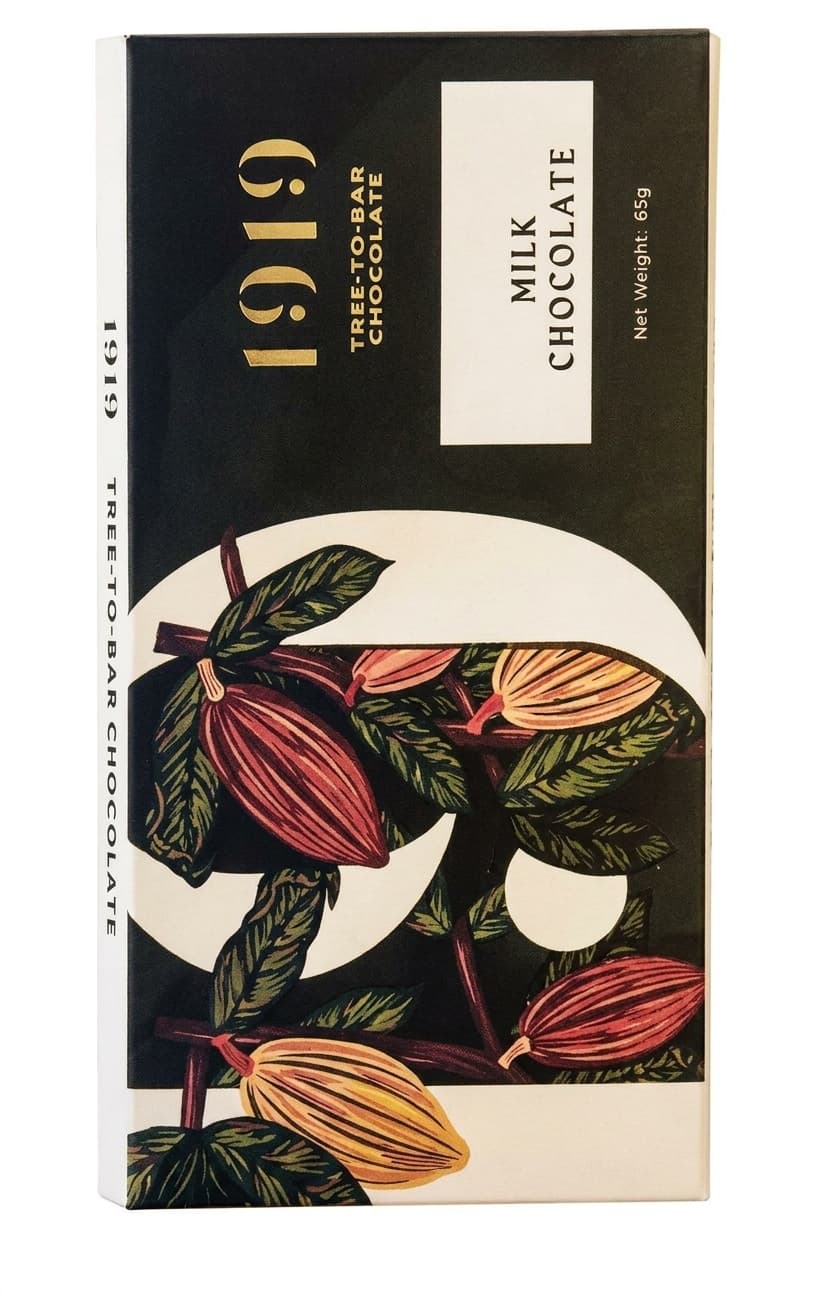 1919
Tree-to-bar Chocolate Milk
milkPhilippines - Rank 178:
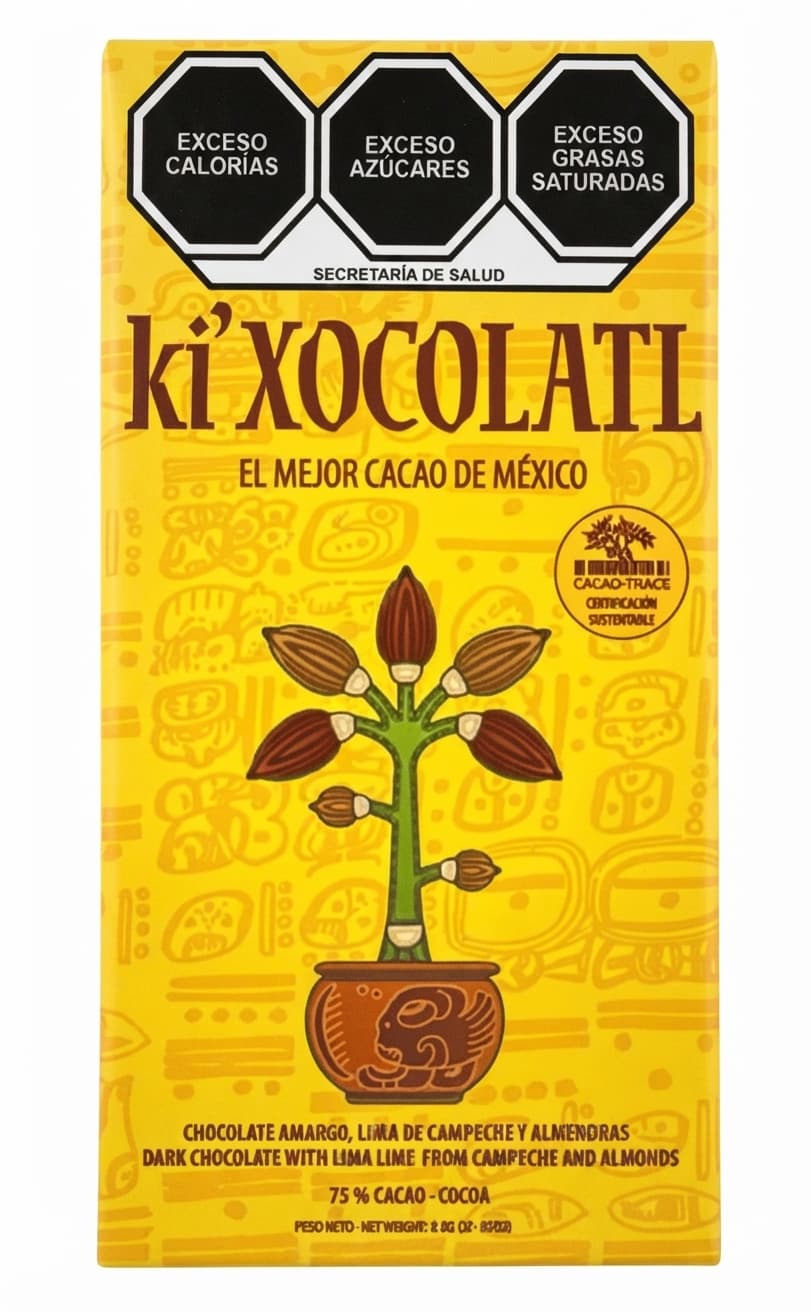 Ki'Xocolatl
Lima & Almendras 75%
75%darkMexico - Rank 179:
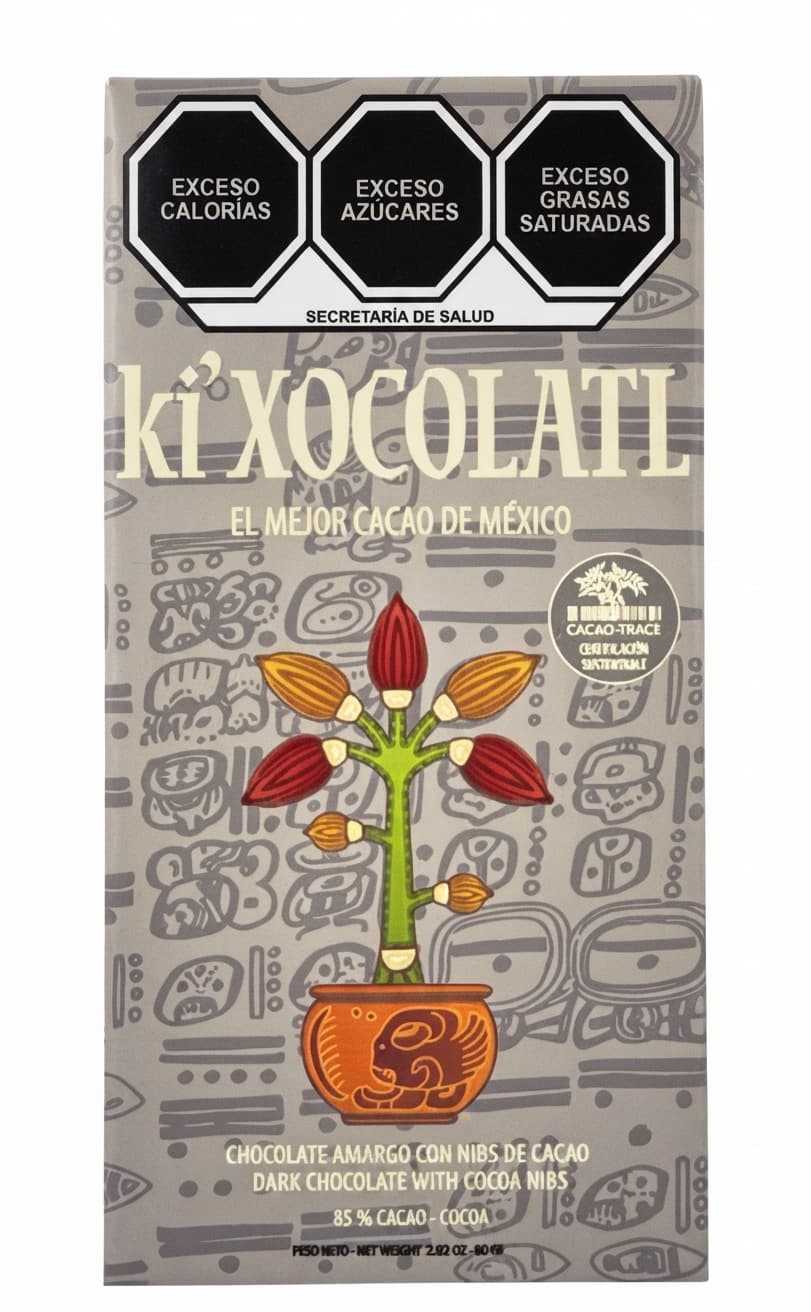 Ki'Xocolatl
Nibs 85%
85%darkMexico - Rank 180:
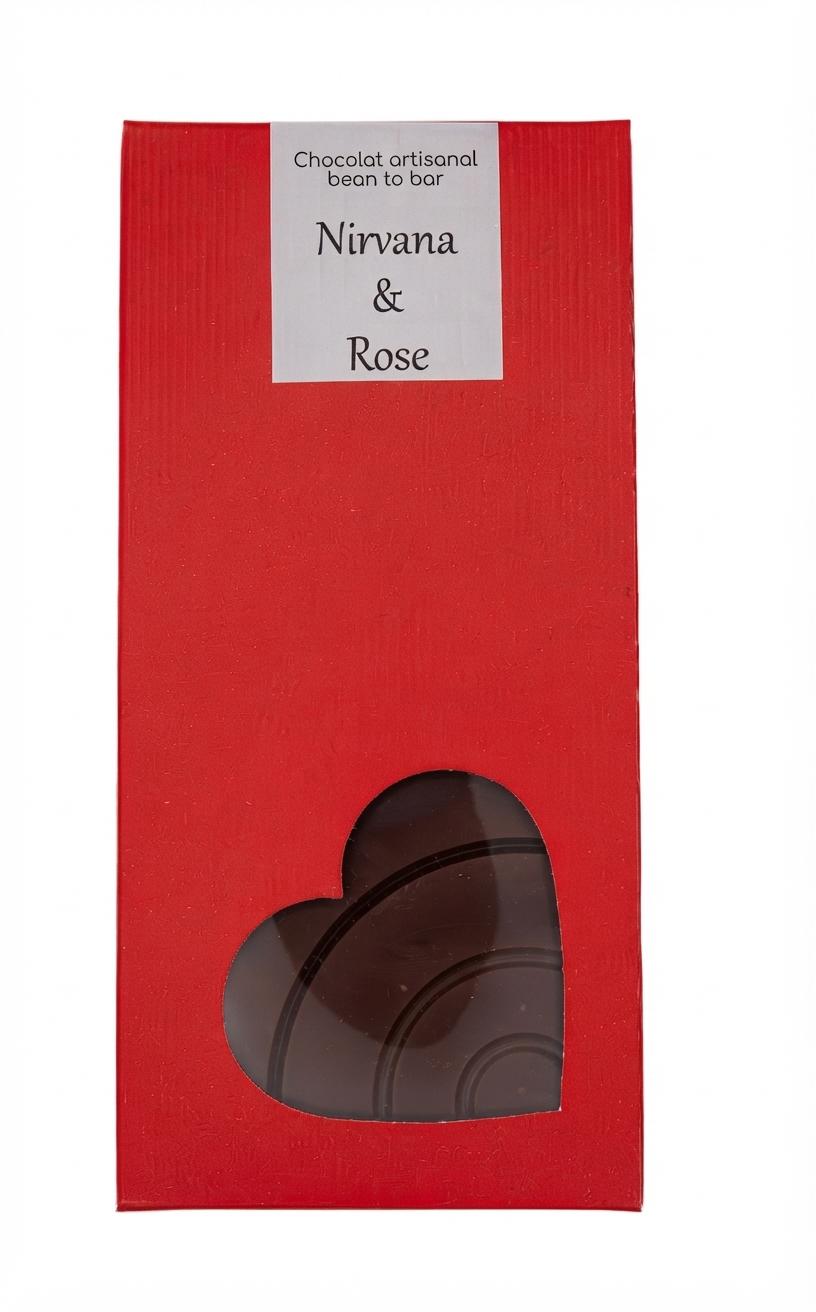 Anandaterra
Nirvana & Rose 41%
41%milkPeru
Where Criollo grows
Makers working with Criollo
Common cocoa percentages
Frequently asked about Criollo chocolate
What does Criollo chocolate taste like?
Gentle and sweet. Real Criollo is mild and low in bitterness, with nutty, creamy, caramel and honey notes and soft fruit. Because it lost much of the pigment that makes cacao bitter, it tastes far less harsh than most dark chocolate, usually at a lower cocoa percentage.
Why is Criollo so rare and expensive?
Criollo is low-yielding and vulnerable to disease, so over centuries it was largely crossed out or lost, and some heritage populations were nearly extinct before being rescued. Strict pure Criollo is well under one percent of the world crop, which is why genuine Criollo bars are scarce and cost more.
How can I tell if a chocolate bar is really Criollo?
Look for a maker who backs the claim with a named heritage region, a note about pale or white beans, or single-farm traceability, and taste for Criollo's signature gentleness. A bare "Criollo" or "Criollo blend" with no origin, or a sharp, aggressive flavour, suggests the bar is mostly Trinitario.
Is Criollo better than Forastero or Trinitario?
Not automatically. Criollo has a delicate, low-bitterness style many tasters prize, but variety only sets the potential. Fermentation, roast and the maker's skill decide whether a bar is good. A well-made Trinitario can easily beat a poorly made Criollo, so it is worth rating the bar, not the bean's reputation.
Where does Criollo cacao come from?
Criollo is the domesticated line the Maya prized and carried into Central America and Venezuela. Today most of it grows in Peru, Venezuela, Colombia and Mexico. Cacao as a species was first domesticated far earlier in the upper Amazon, and Criollo's closest relative is the Caqueta group of southern Colombia.
How many Criollo chocolate bars are on Chof?
Chof lists 186 Criollo chocolate bars, from 94 makers, at an average of 70% cocoa.
Which makers work with Criollo cacao on Chof?
The most-represented makers using Criollo on Chof are Anandaterra, Domori, Chocolate Makers, Table, Zotter. Each bar links to the maker that made it.
Sources and further reading
- Motamayor et al. (2008). Geographic and Genetic Population Differentiation of the Amazonian Chocolate Tree (Theobroma cacao L.). PLOS ONE.The DNA study that regrouped cacao into ten genetic clusters, retiring the old three-name folk model.
- Cornejo et al. (2018). Population genomic analyses of the chocolate tree, Theobroma cacao L., provide insights into its domestication process. Communications Biology.Dates Criollo domestication to roughly 3,600 years ago and ties pale, white beans to disrupted anthocyanin pigment.
Related varieties
Learn more
Chof Monthly
One email a month: the bars and makers added to Chof, the highest Chof Scores among them, and where to buy them.
Scan a Criollo bar in Chof
Log your tasting, save the variety profile, and see how the claim on the wrapper compares with what you taste.