Porcelana Chocolate
The most delicate cacao there is: a white-beaned Criollo. 26 Porcelana bars on Chof, from 20 makers, at an average of 70% cocoa.
Chof's Porcelana bars come mostly from Peru, Venezuela and Mexico, and every bar lists Porcelana the way its maker states it, not as a verified fact. Tasting notes that come up most often: citrus, honey, jasmine, caramel, cashews and citrus.
What is Porcelana chocolate?
Porcelana is the most delicate cacao there is, a white-beaned Criollo whose beans are so pale they look like porcelain, most famously from Venezuela. With almost none of the pigments that carry bitterness, it is prized for a soft, creamy, nutty, low-astringency style that barely tastes like dark chocolate at all.
Porcelana is a white-beaned Criollo, its beans so pale they look like porcelain, most famously from Venezuela and now grown in Peru, Mexico and Colombia too. Its beans carry almost none of the anthocyanin pigments that make cacao bitter and astringent, the same pigment loss domestication left in pale Criollo (Cornejo et al., 2018), so it is prized for a soft, creamy, low-astringency style.
In Chof its bars lean exactly that way: nutty and creamy notes, gentle fresh fruit and berry, and a touch of citrus, at one of the lowest average cocoa percentages of any variety, because Porcelana does not need a high percentage to taste rich. One important distinction: not every pale Peruvian bean is Porcelana Criollo. The white cacao of Piura is a different lineage entirely, which is why Chof keeps them as separate varieties.
How to read a Porcelana claim
Every Porcelana bar on Chof shows the variety as its maker lists it, not as an independently verified fact. Of the 26 that name Porcelana, 2 list it as part of a blend rather than on its own; open any bar to see the full bean line its maker gave.
- Genuine Porcelana is a white-beaned Criollo, usually named to a heritage origin such as Venezuela, and tastes exceptionally soft and creamy with almost no bitterness.
- A pale Peruvian bean from Piura is not the same thing: it is the Nacional-linked Piura Blanco, a separate variety with a brighter, more citrus profile.
Best Porcelana bars
Ranked by the Chof Score
- Rank 1:
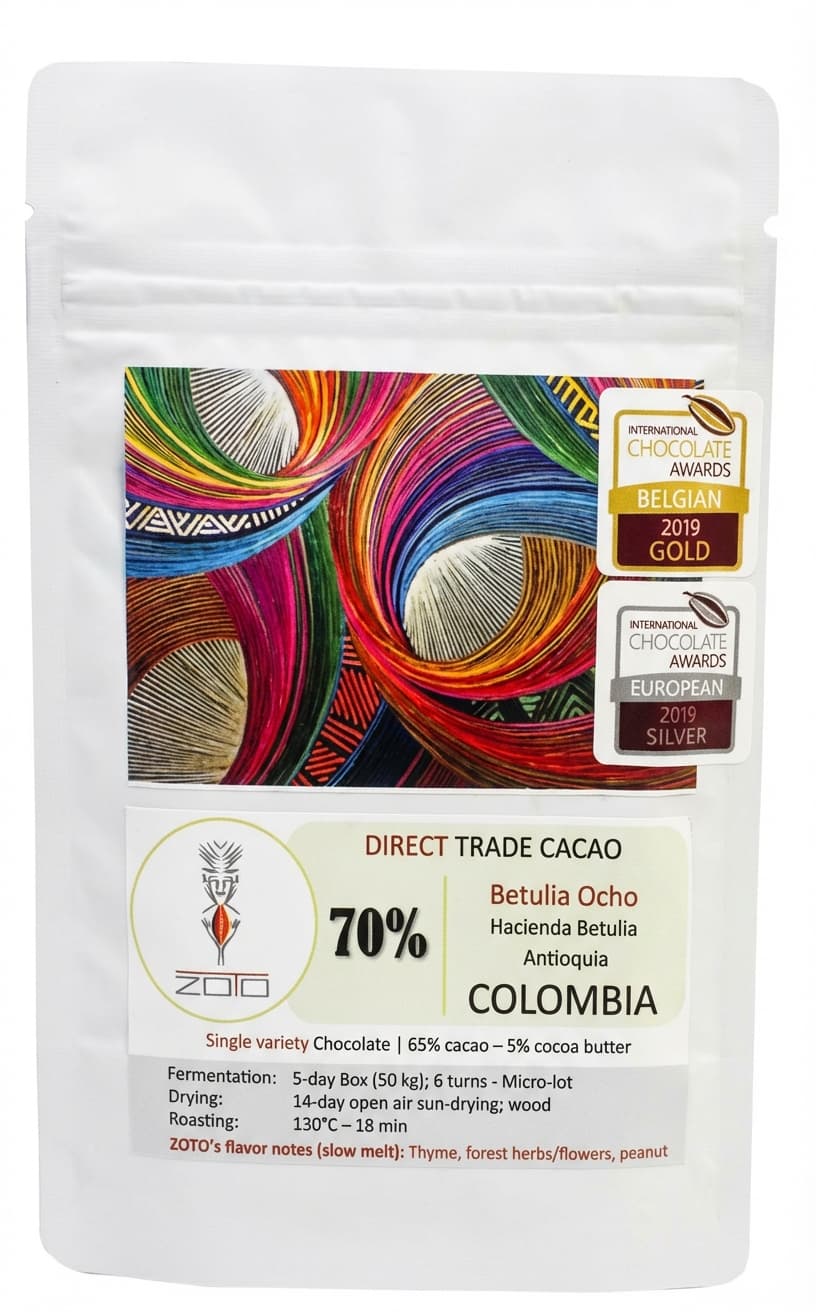 ZOTO
ZOTOBetulia Ocho
70%darkColombia - Rank 2:
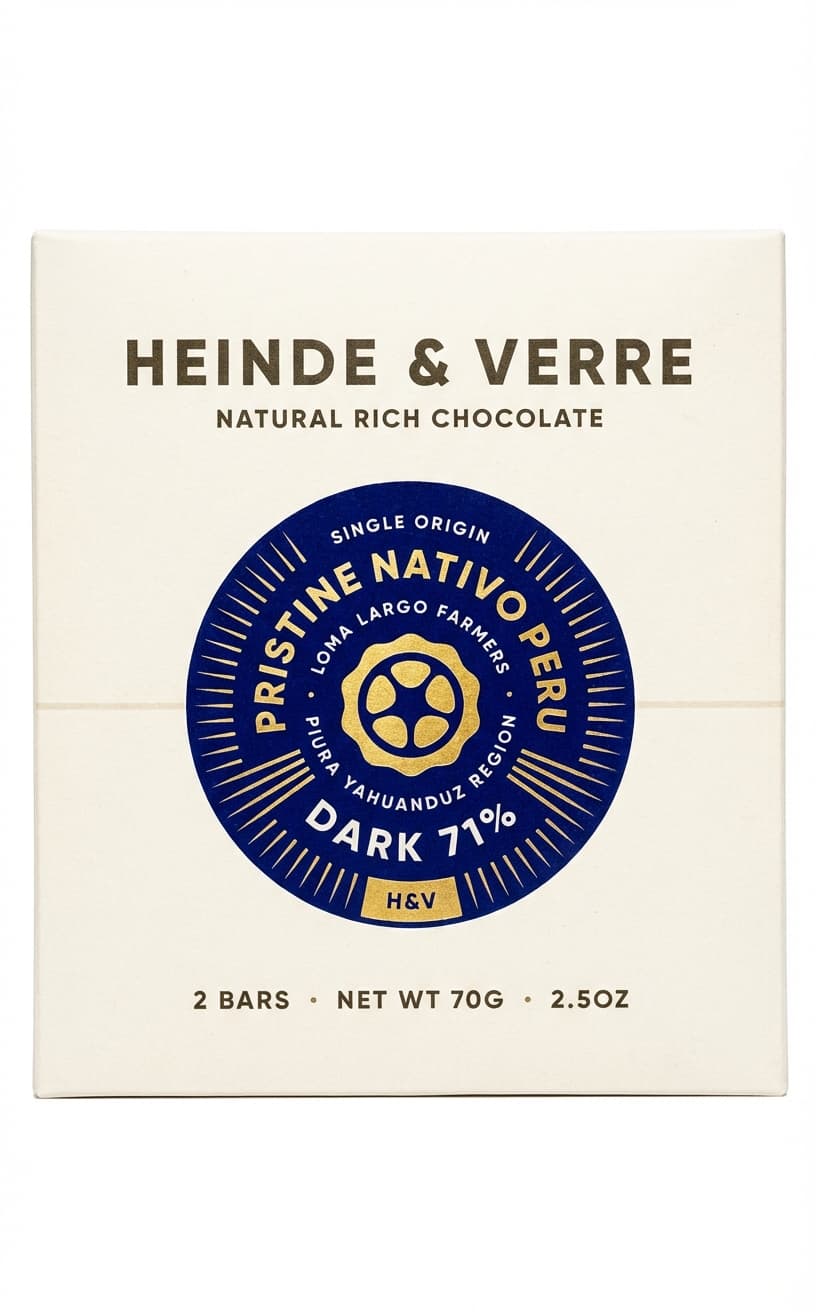 Heinde & Verre
Pristine Nativo Peru 71%
71%darkPeru - Rank 3:
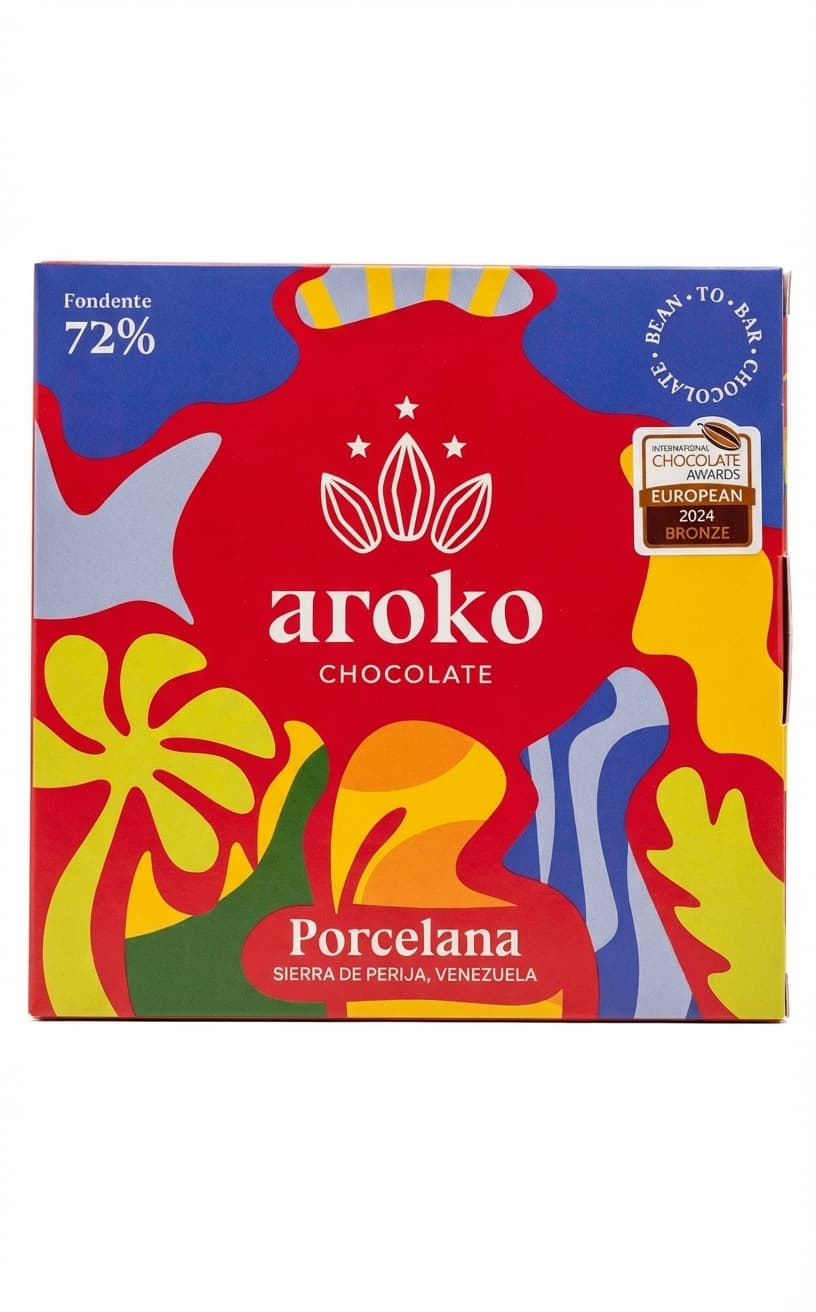 aroko
arokoPorcelana
72%darkVenezuela - Rank 4:
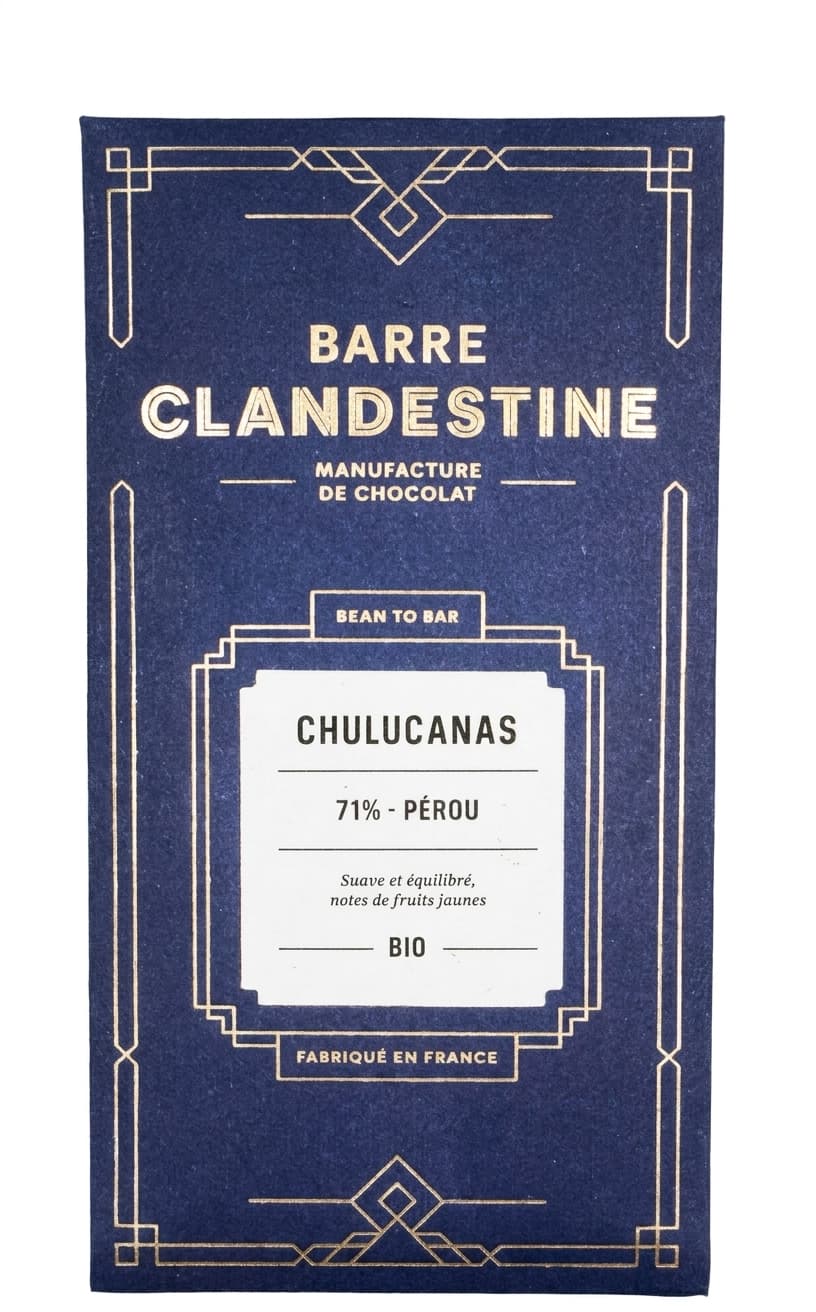 Barre Clandestine
Chulucanas 71%
71%darkPeru - Rank 5:
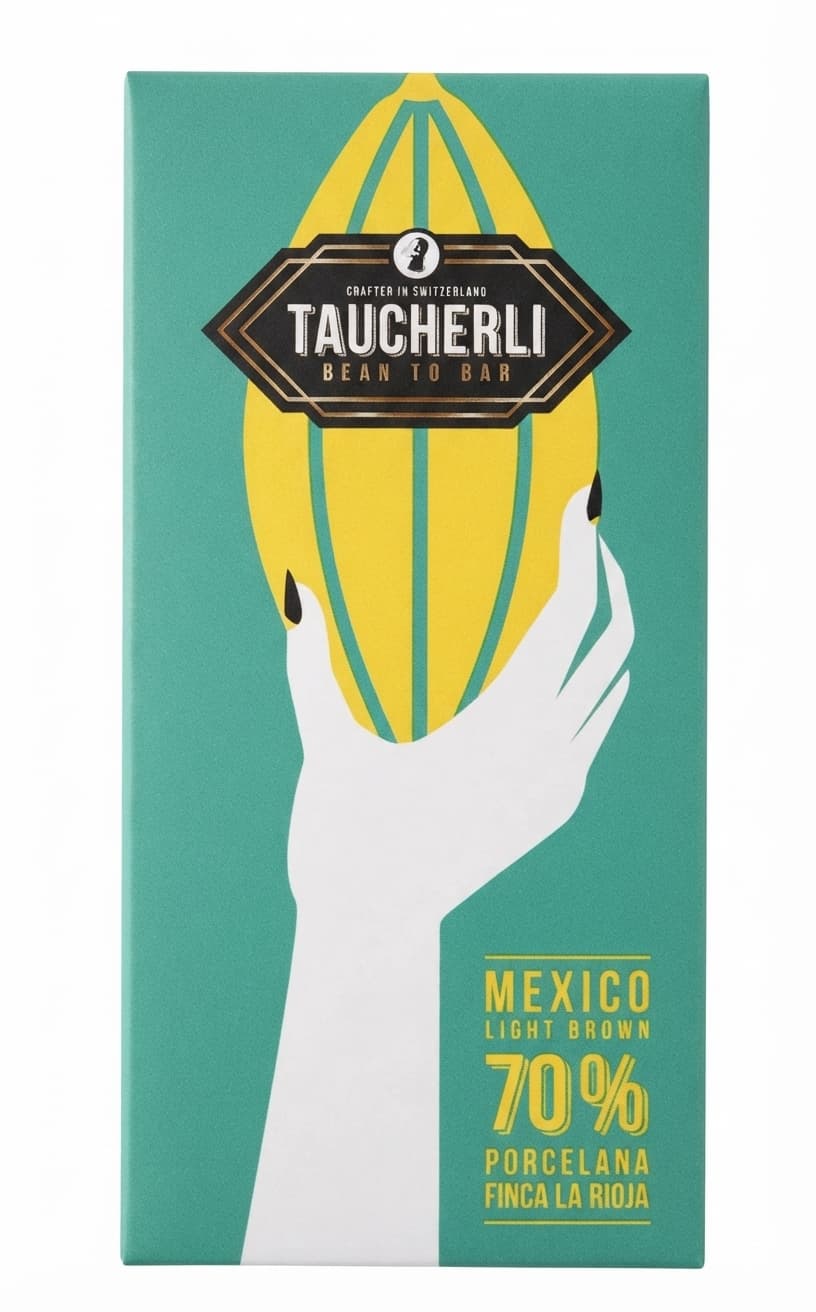 Taucherli
Porcelana 70%
70%darkMexico - Rank 6:
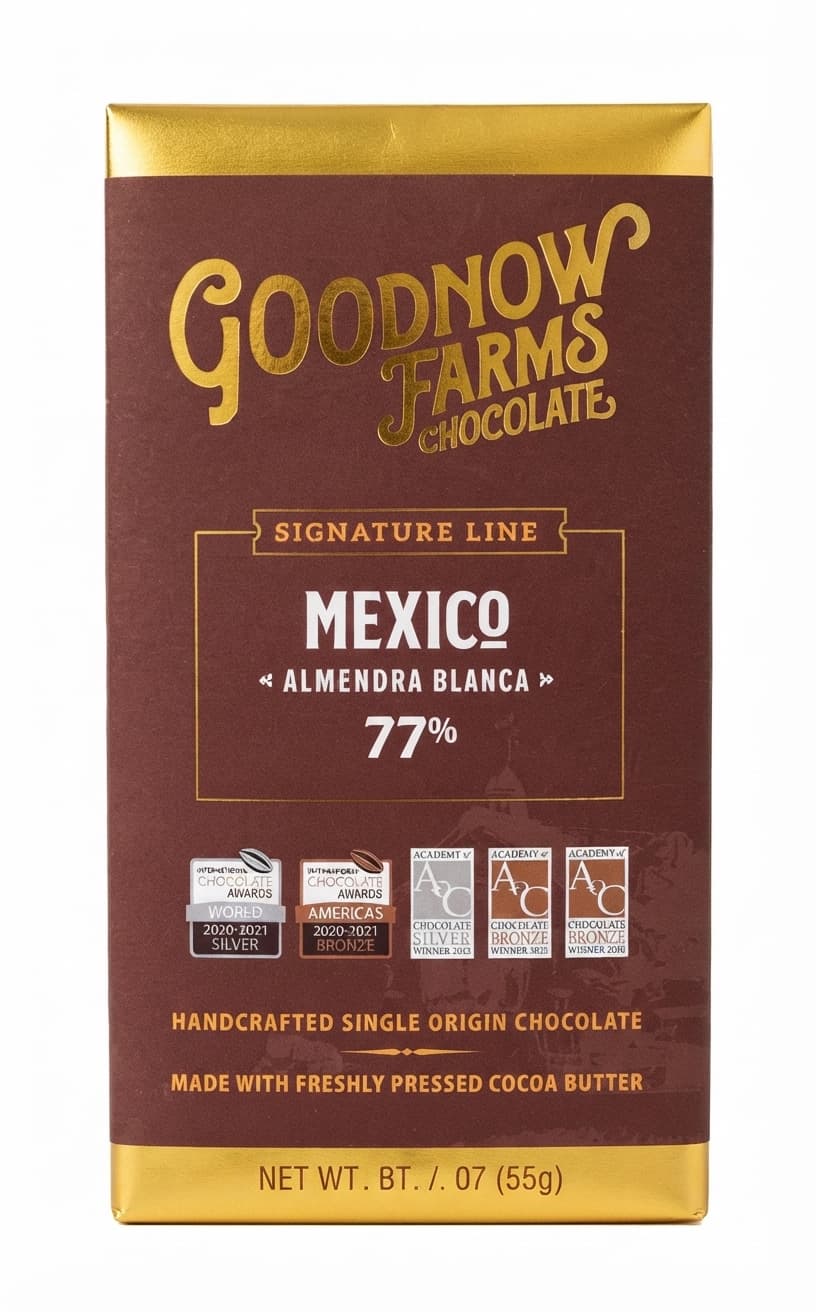 Goodnow Farms
Almendra Blanca Mexico 77%
77%darkMexico - Rank 7:
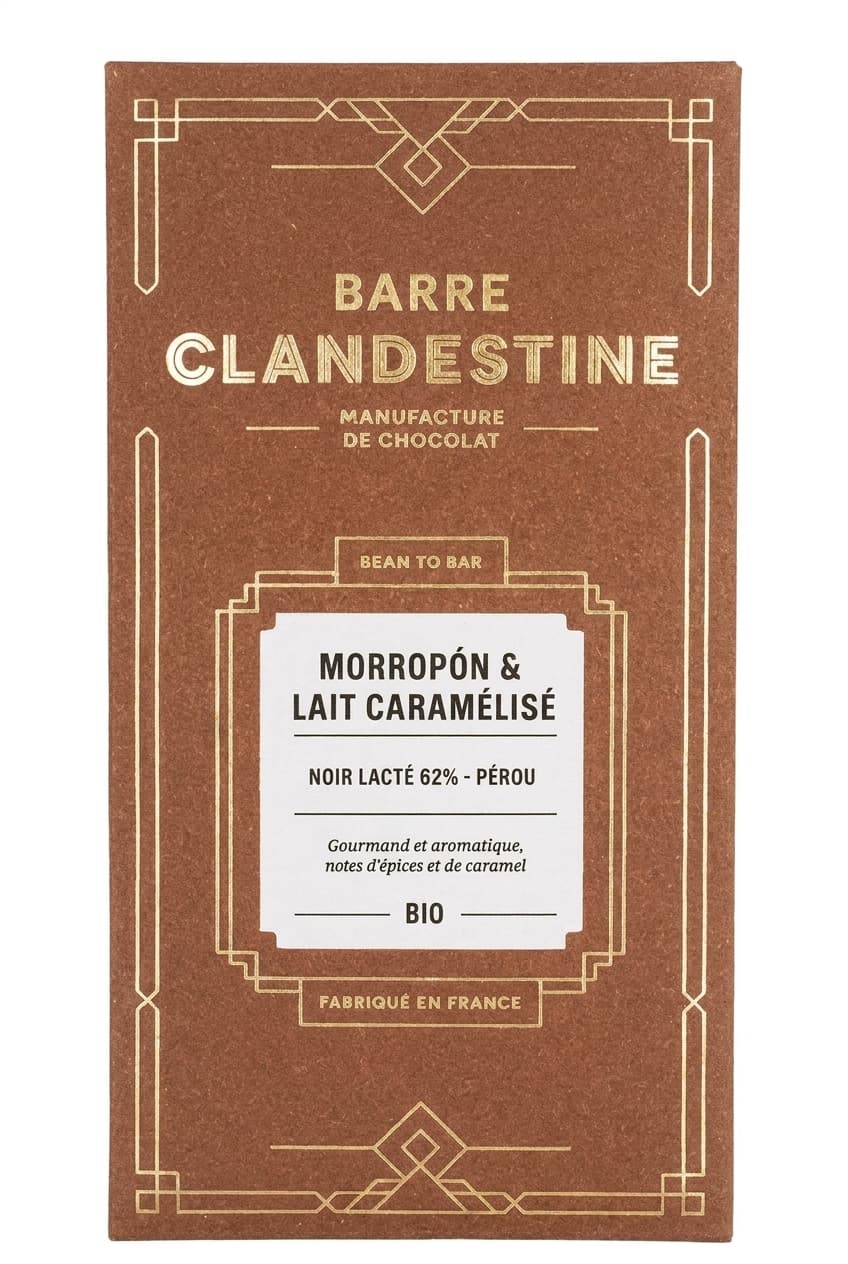 Barre Clandestine
Morropón & Lait Caramélisé 62%
62%milkPeru - Rank 8:
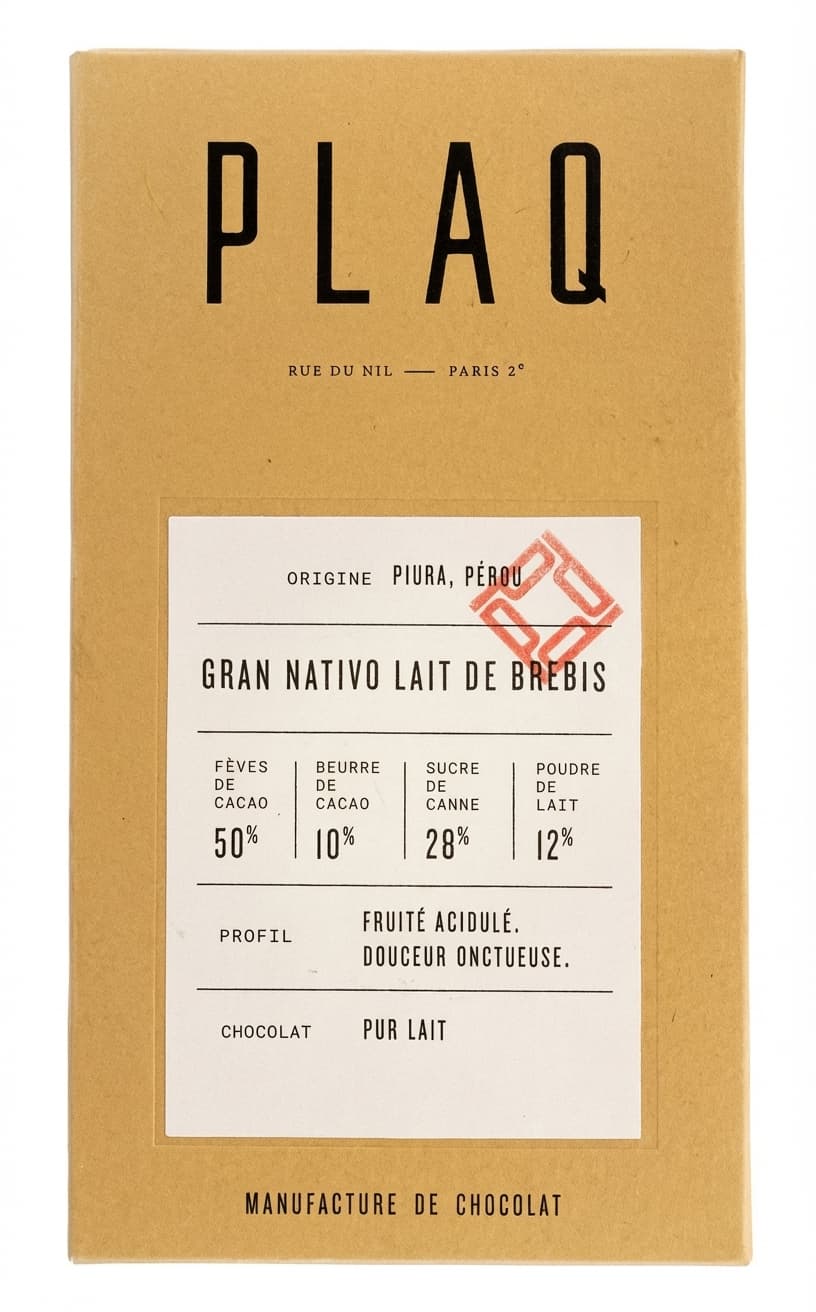 Plaq
PlaqGran Nativo Lait de Brebis
50%milkPeru - Rank 9:
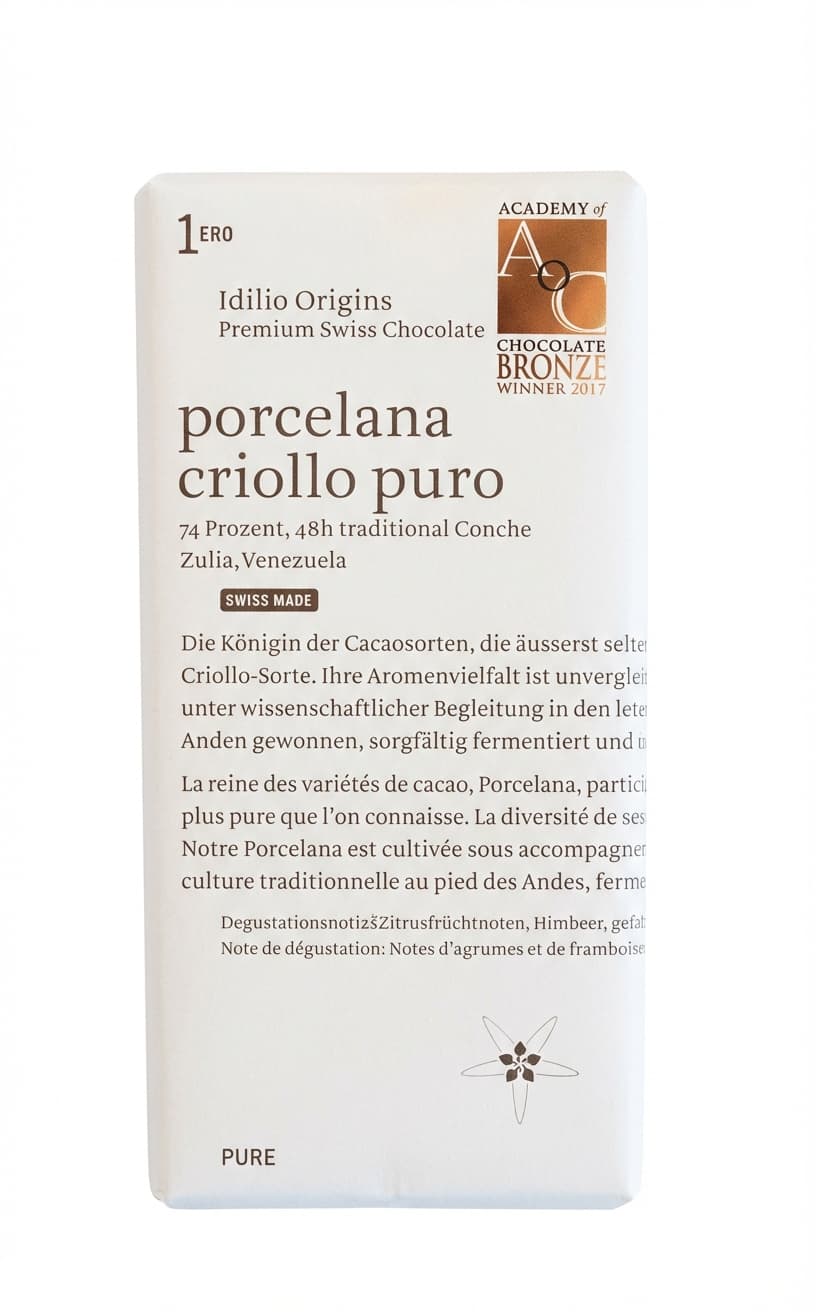 Idilio Origins
Porcelana Criollo Puro 74%
74%darkVenezuela - Rank 10:
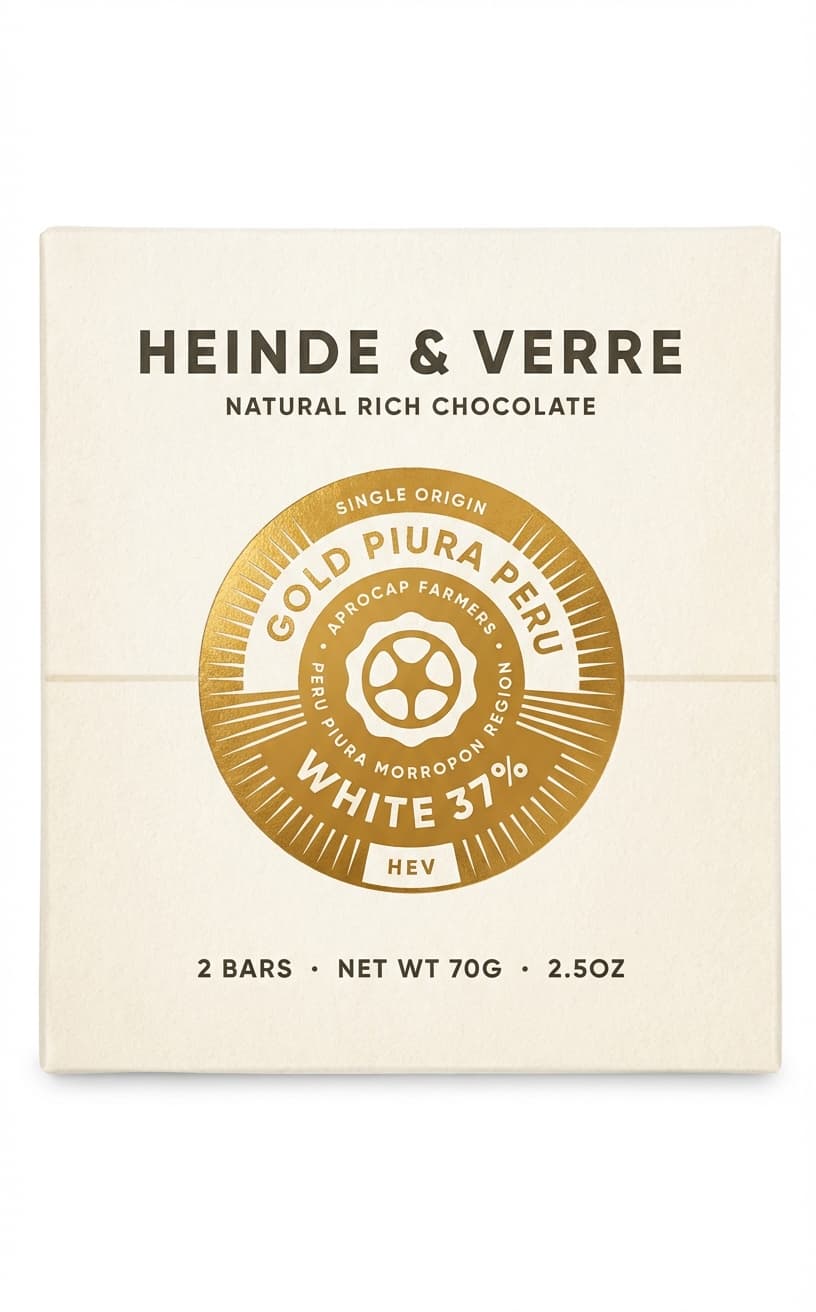 Heinde & Verre
Gold Piura Peru White 37%
37%whitePeru - Rank 11:
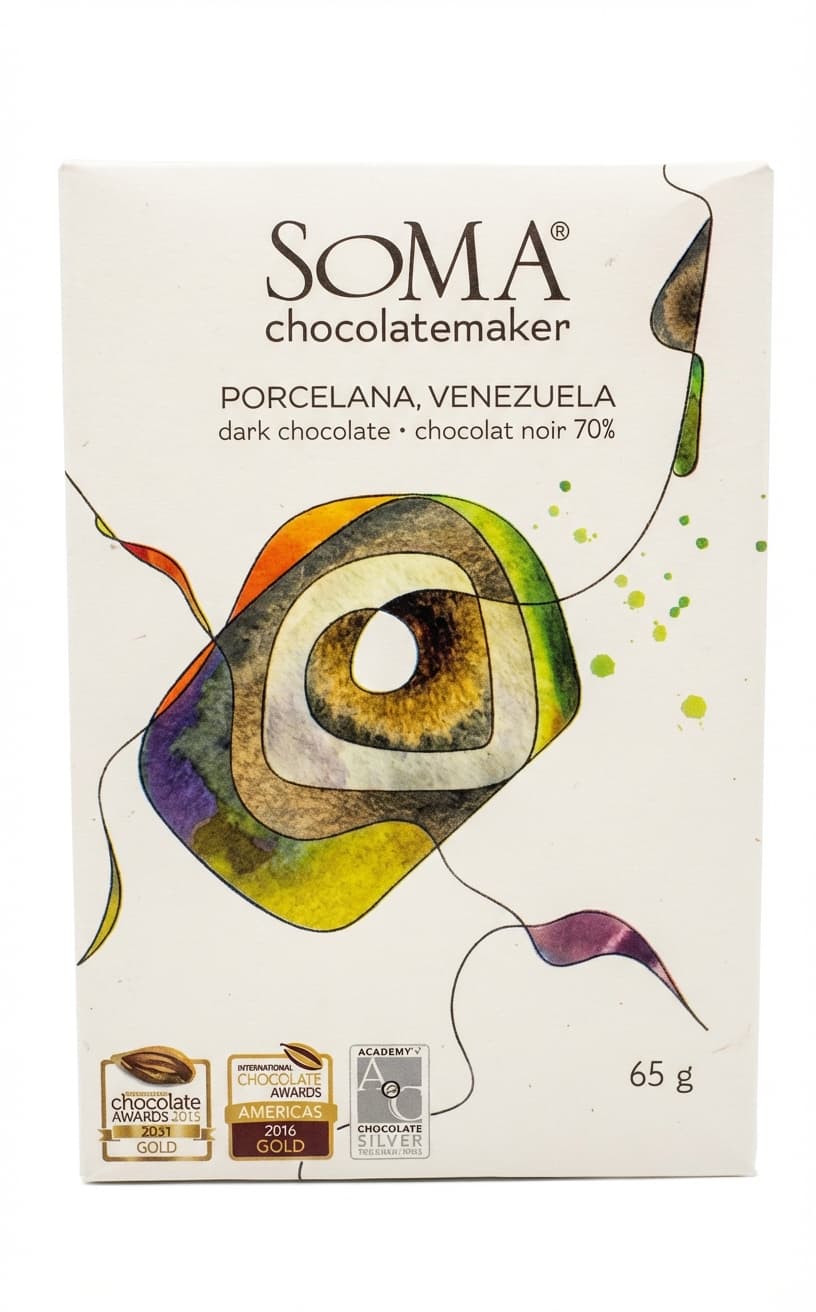 SOMA
SOMAPorcelana
70%darkVenezuela - Rank 12:
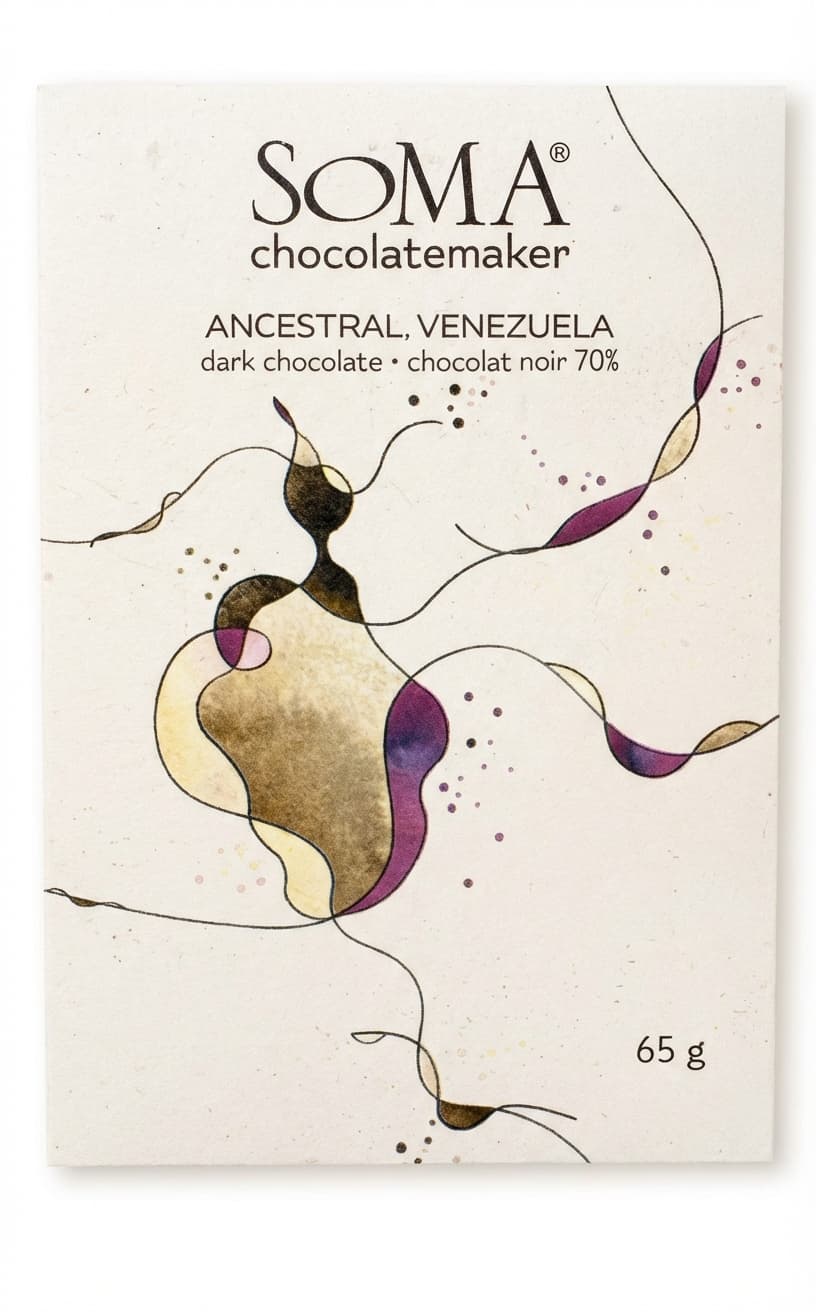 SOMA
SOMAAncestral 70%
70%darkVenezuela - Rank 13:
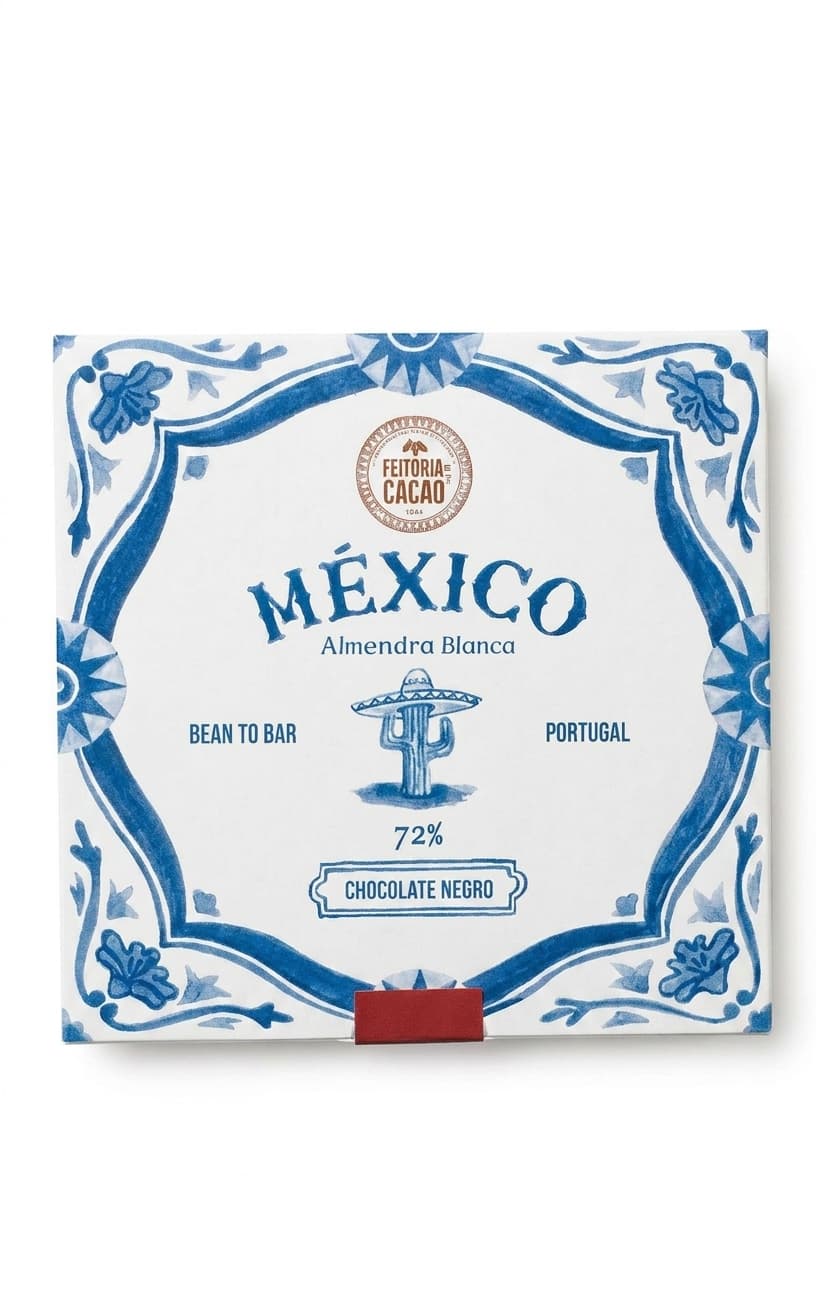 Feitoria do Cacao
México Almendra Blanca 72%
72%darkMexico - Rank 14:
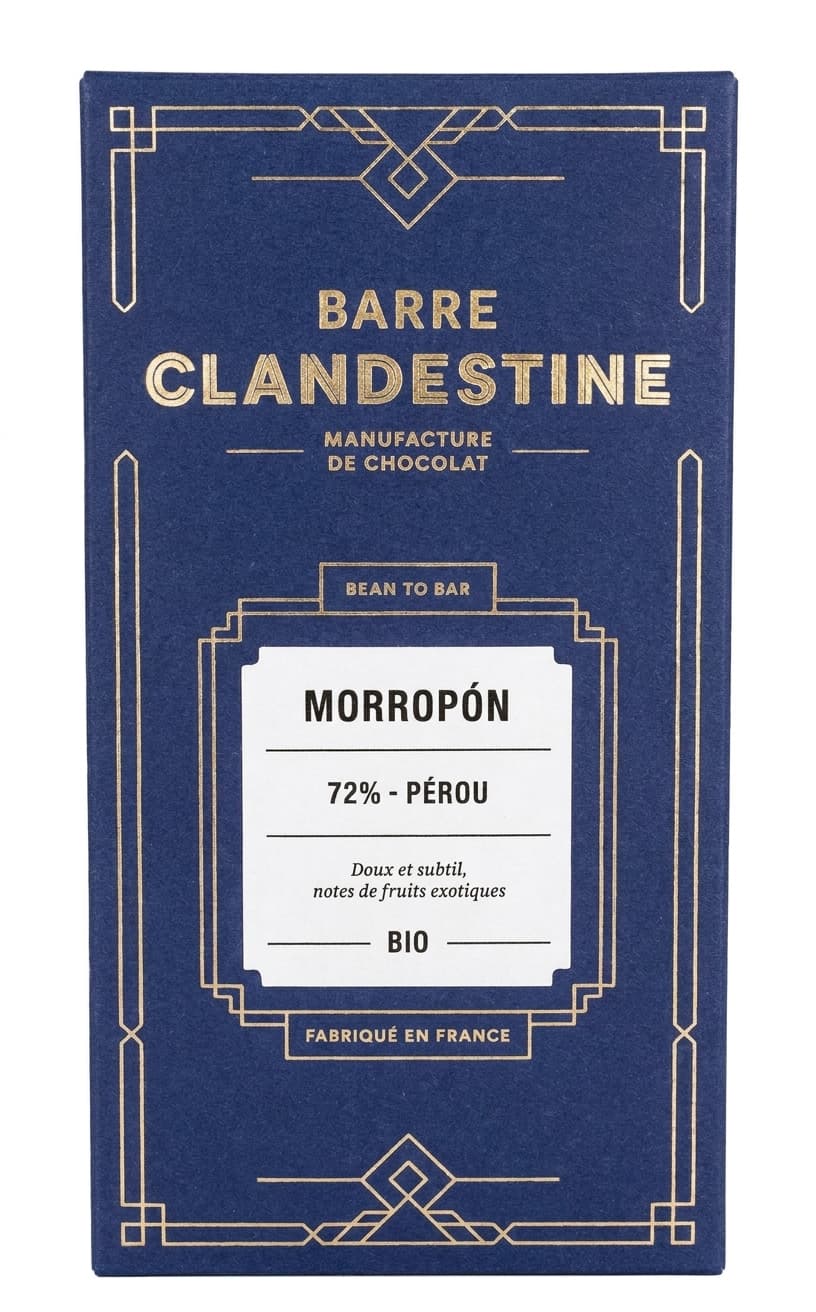 Barre Clandestine
Morropón 72%
72%darkPeru - Rank 15:
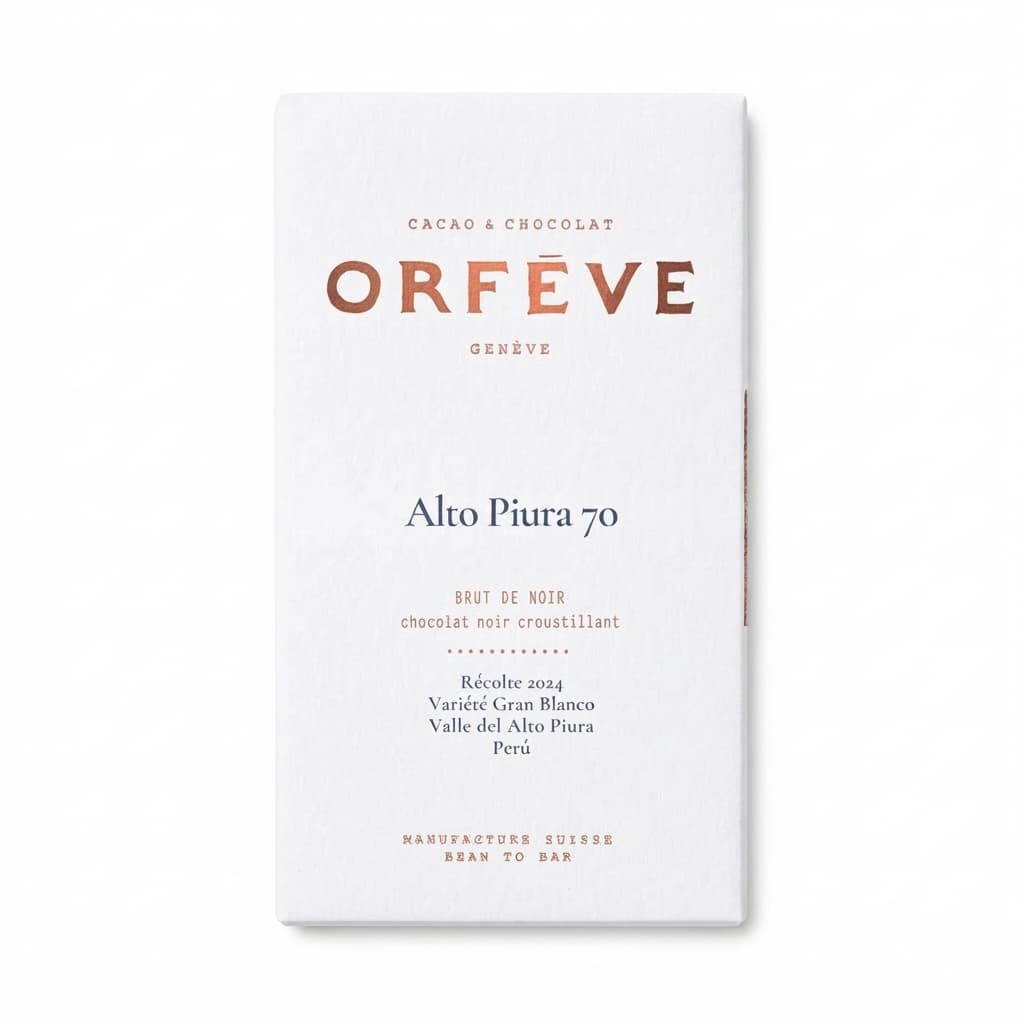 Orfève
Alto Piura 70% Crispy
70%darkPeru - Rank 16:
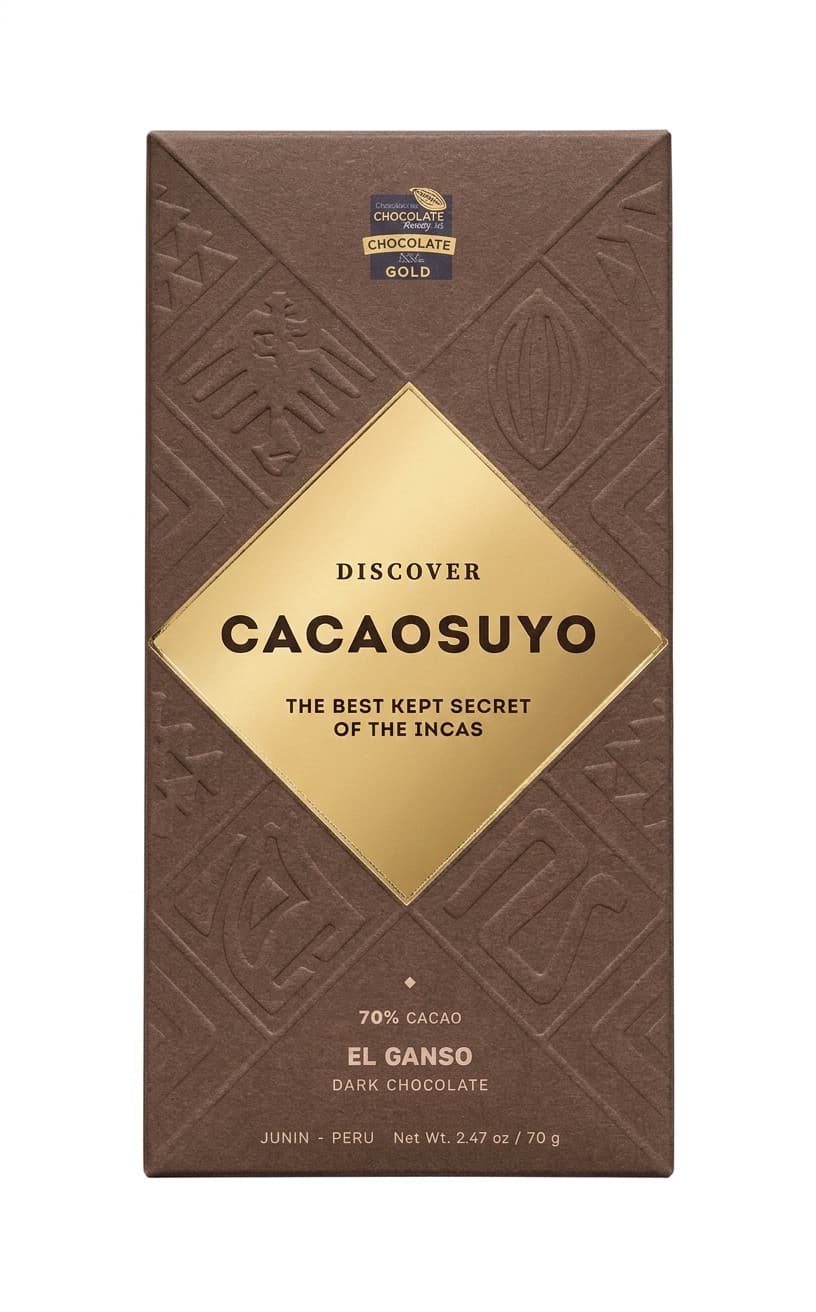 Cacaosuyo
El Ganso 70%
70%darkPeru - Rank 17:
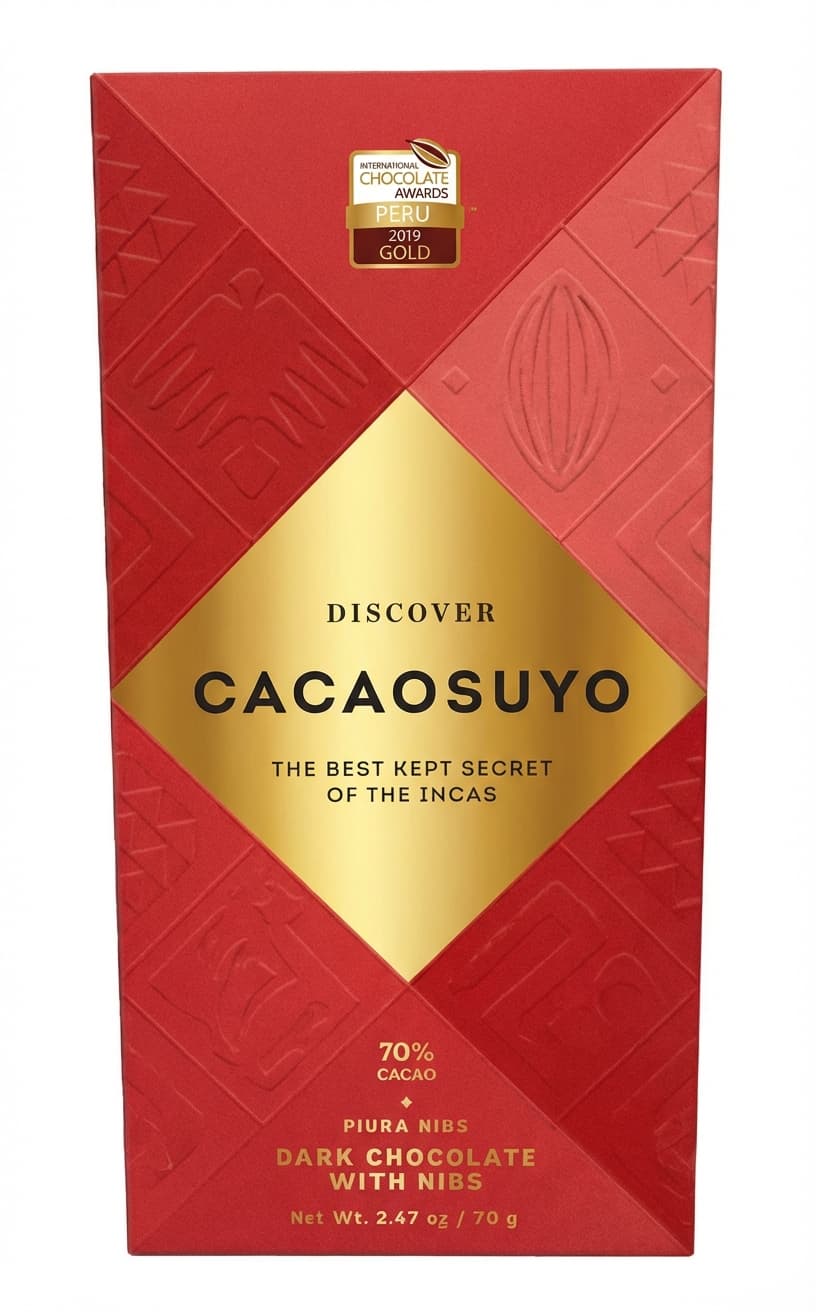 Cacaosuyo
Piura Nibs
70%darkPeru - Rank 18:
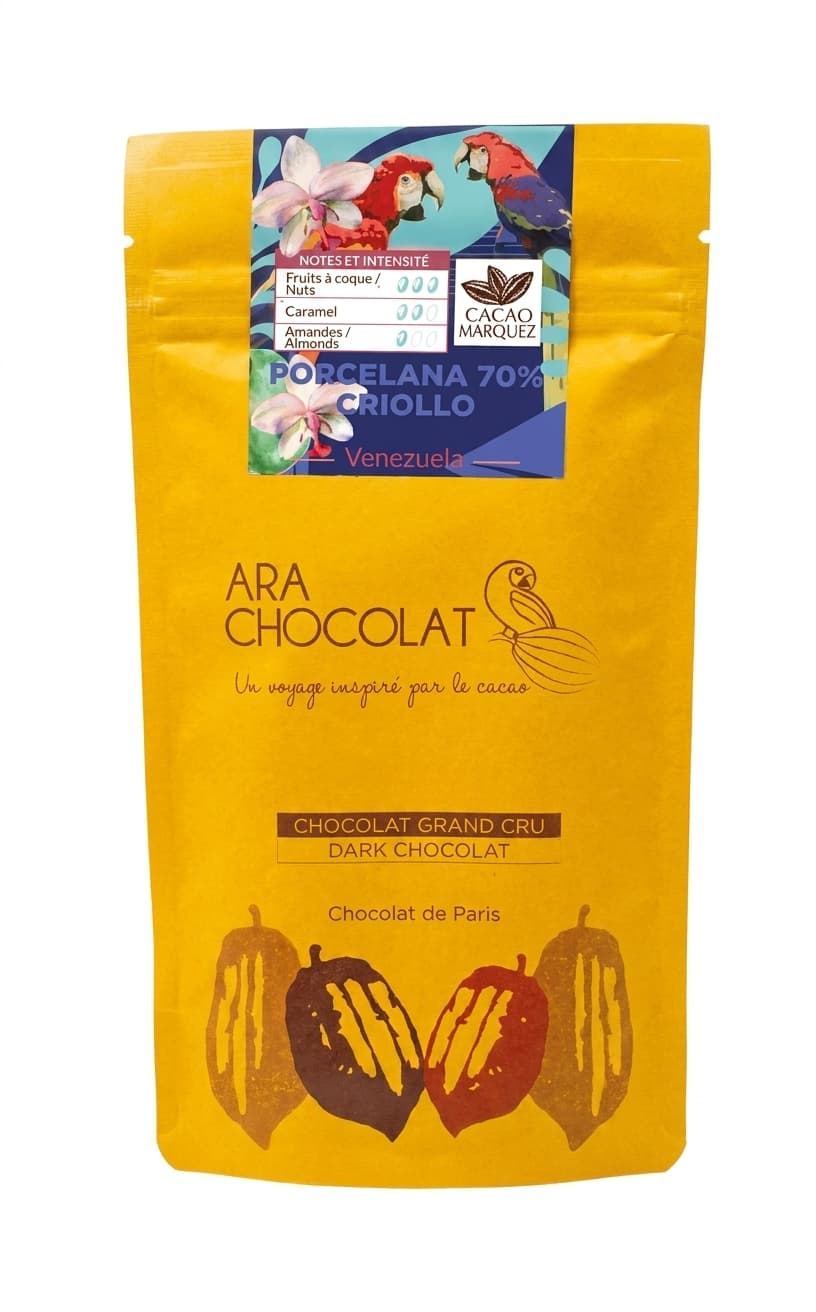 Ara Chocolat
Porcelana 70% Criollo
70%darkVenezuela - Rank 19:
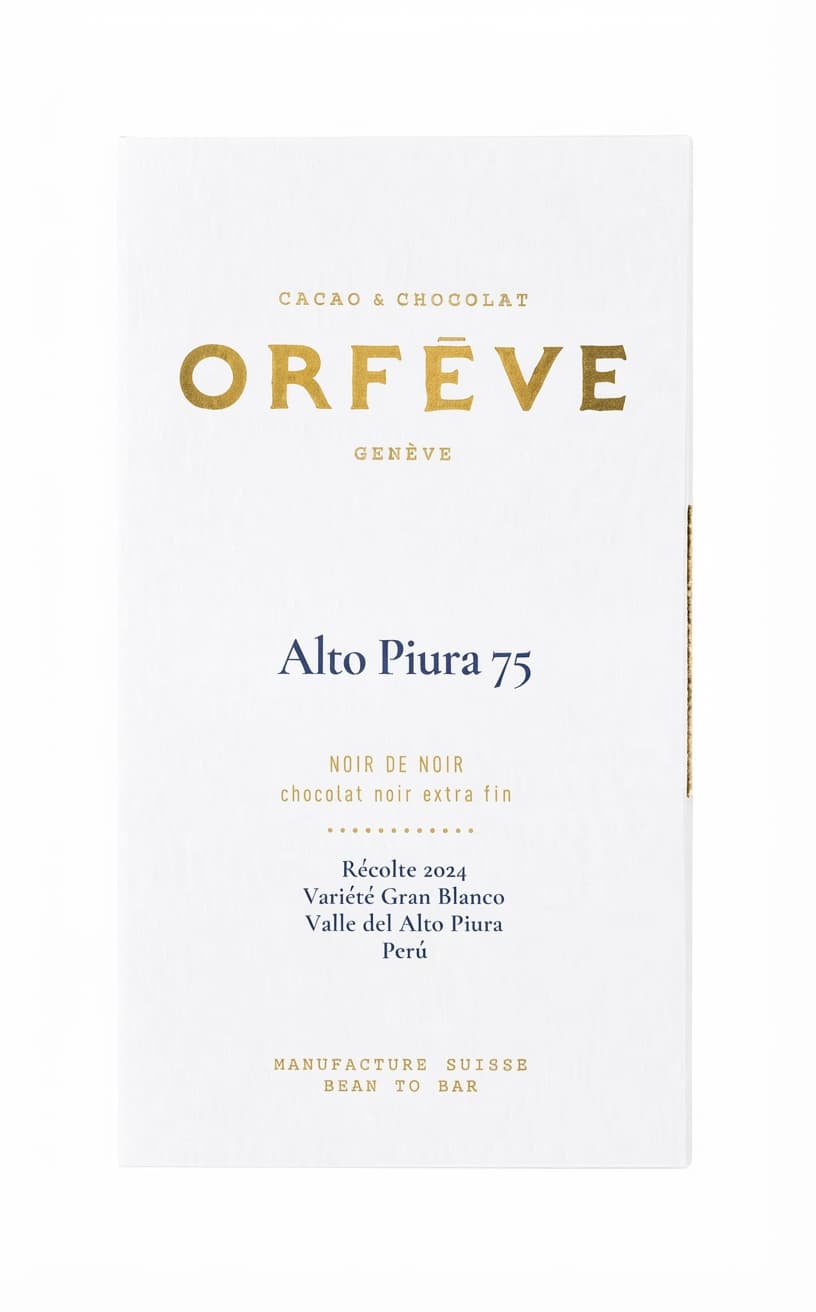 Orfève
Alto Piura 75%
75%darkPeru - Rank 20:
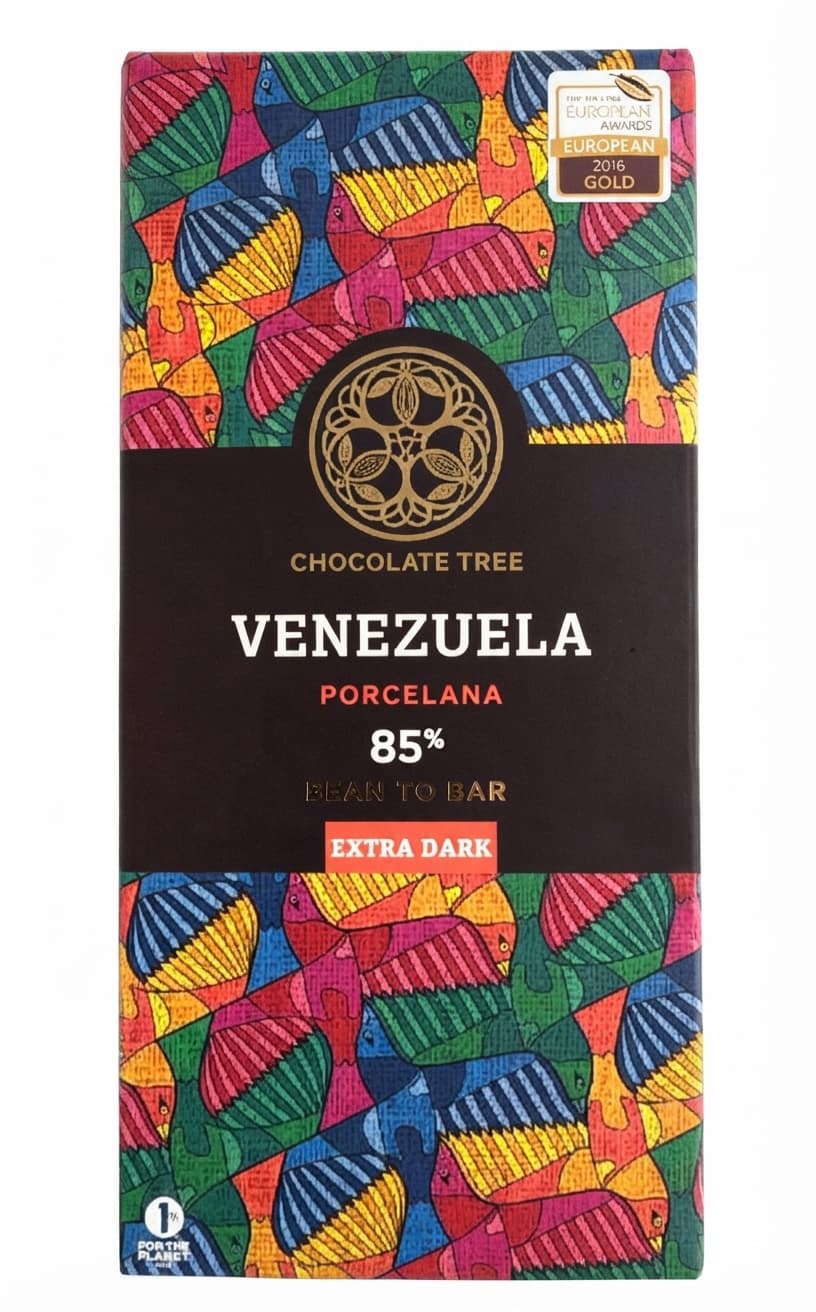 CHOCOLATE TREE
Venezuela Porcelana 85%
85%darkVenezuela - Rank 21:
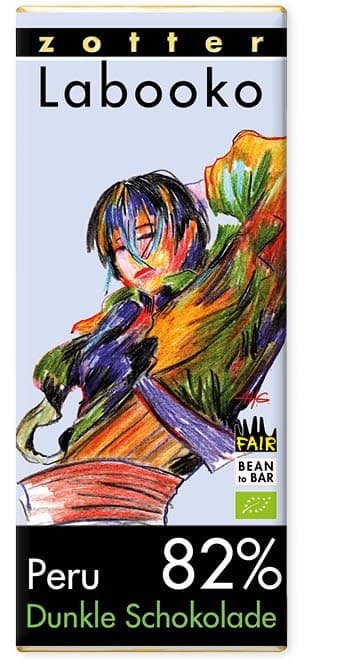 Zotter
Labooko Peru 82%
82%darkPeru - Rank 22:
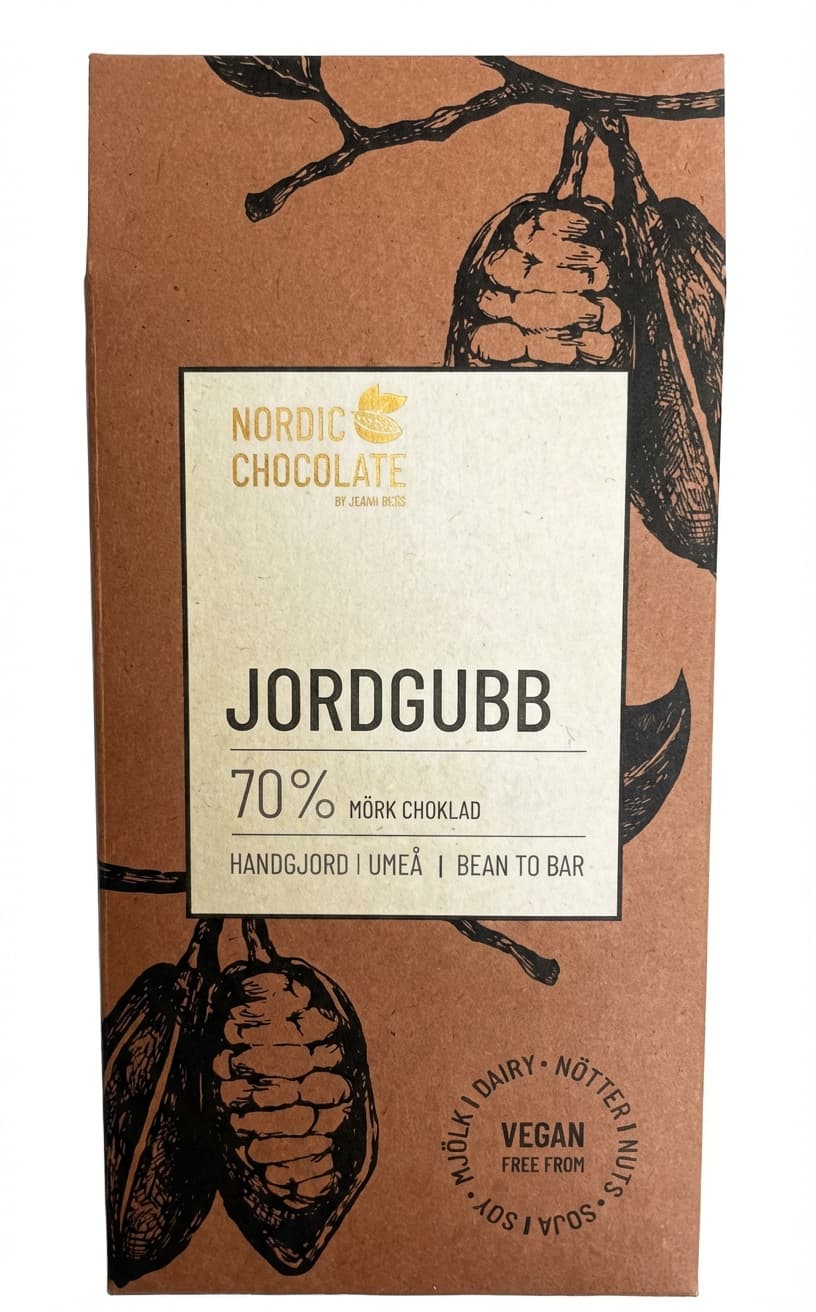 Nordic Chocolate
Jordgubb
70%darkPeru - Rank 23:
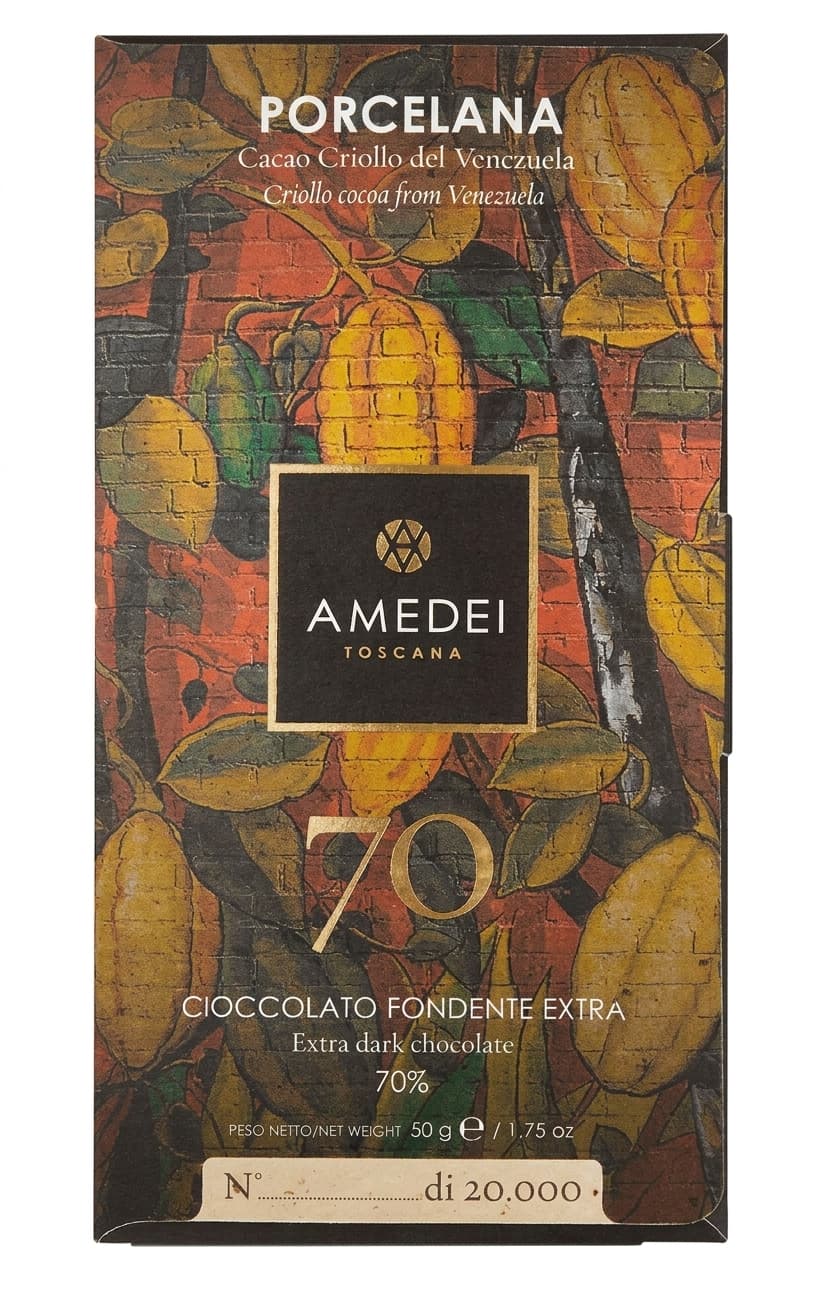 Amedei
Porcelana 70%
70%darkVenezuela - Rank 24:
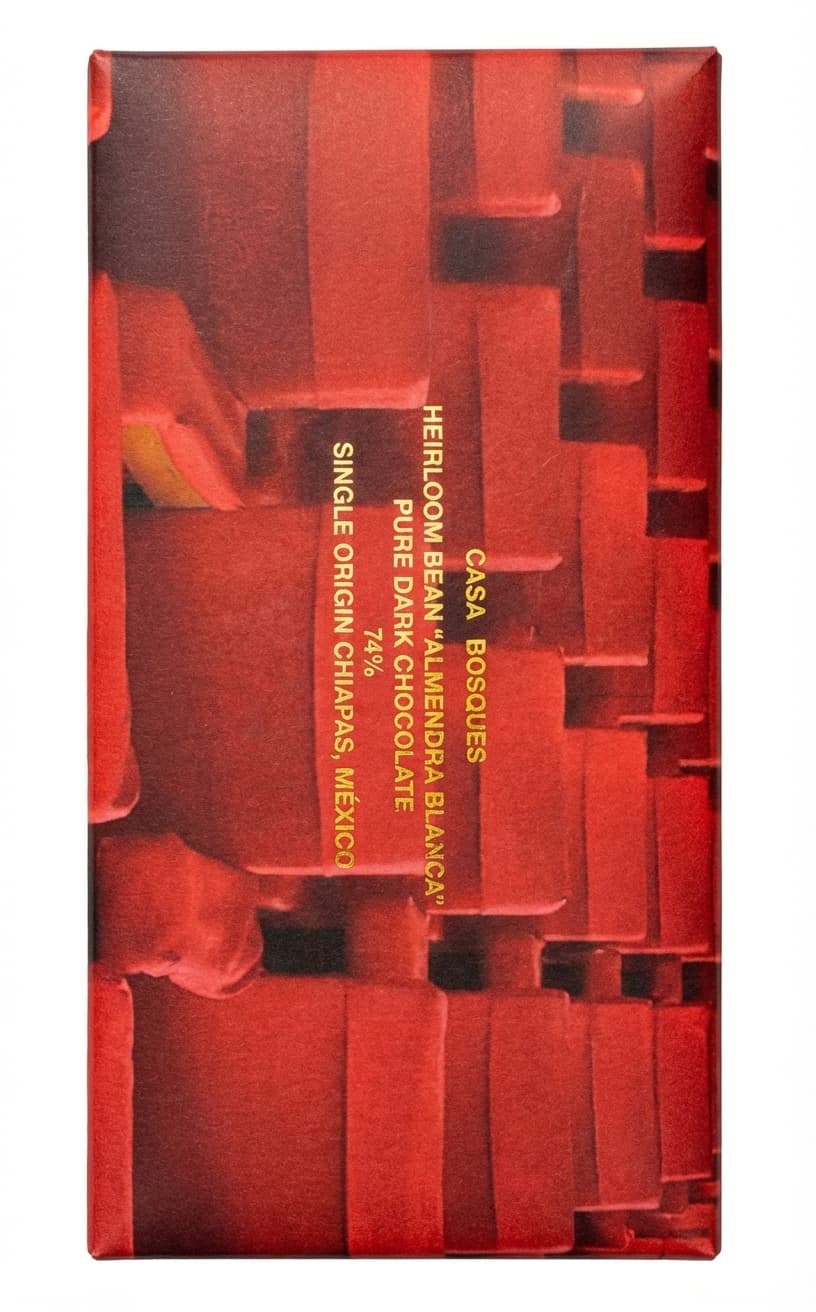 Casa Bosques
Almendra Blanca 74%
74%darkMexico - Rank 25:
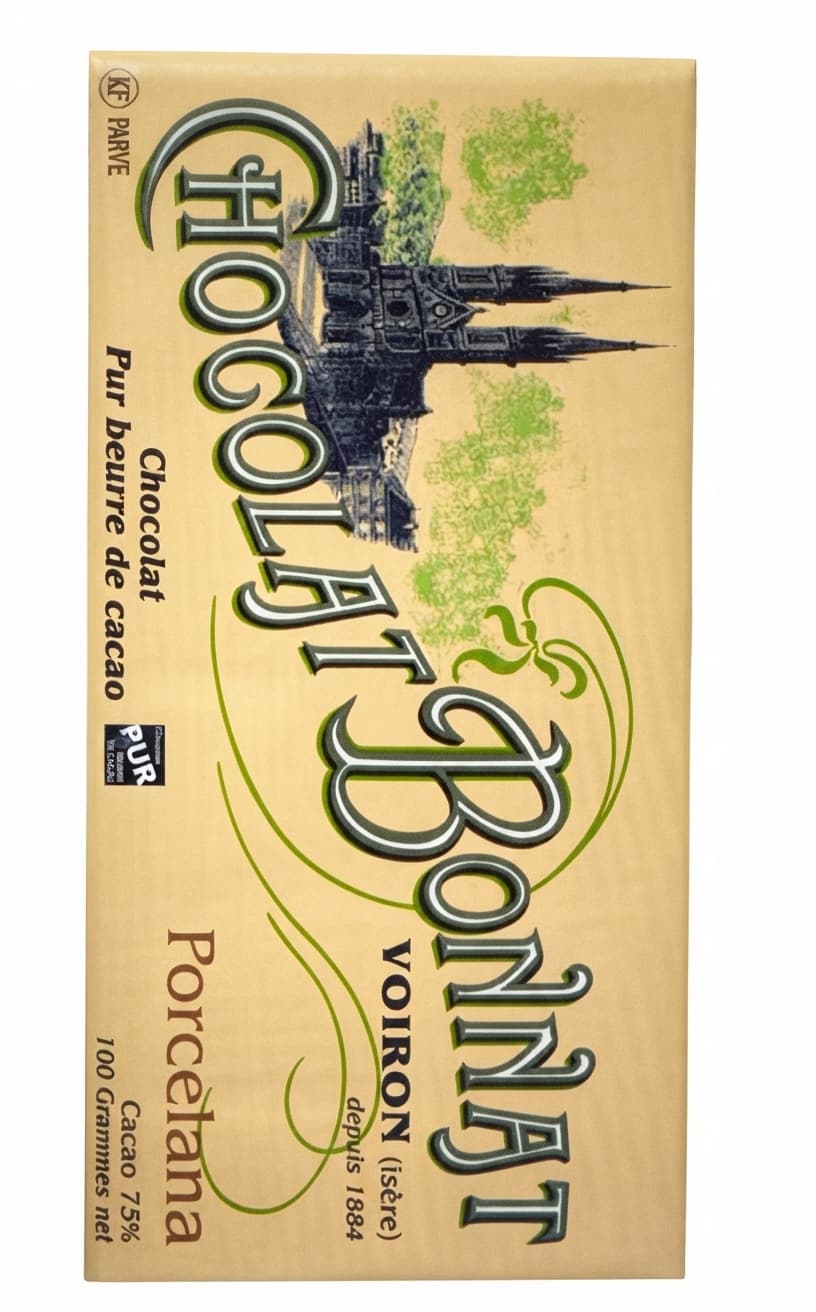 Bonnat
Porcelana 75%
75%darkVenezuela - Rank 26:
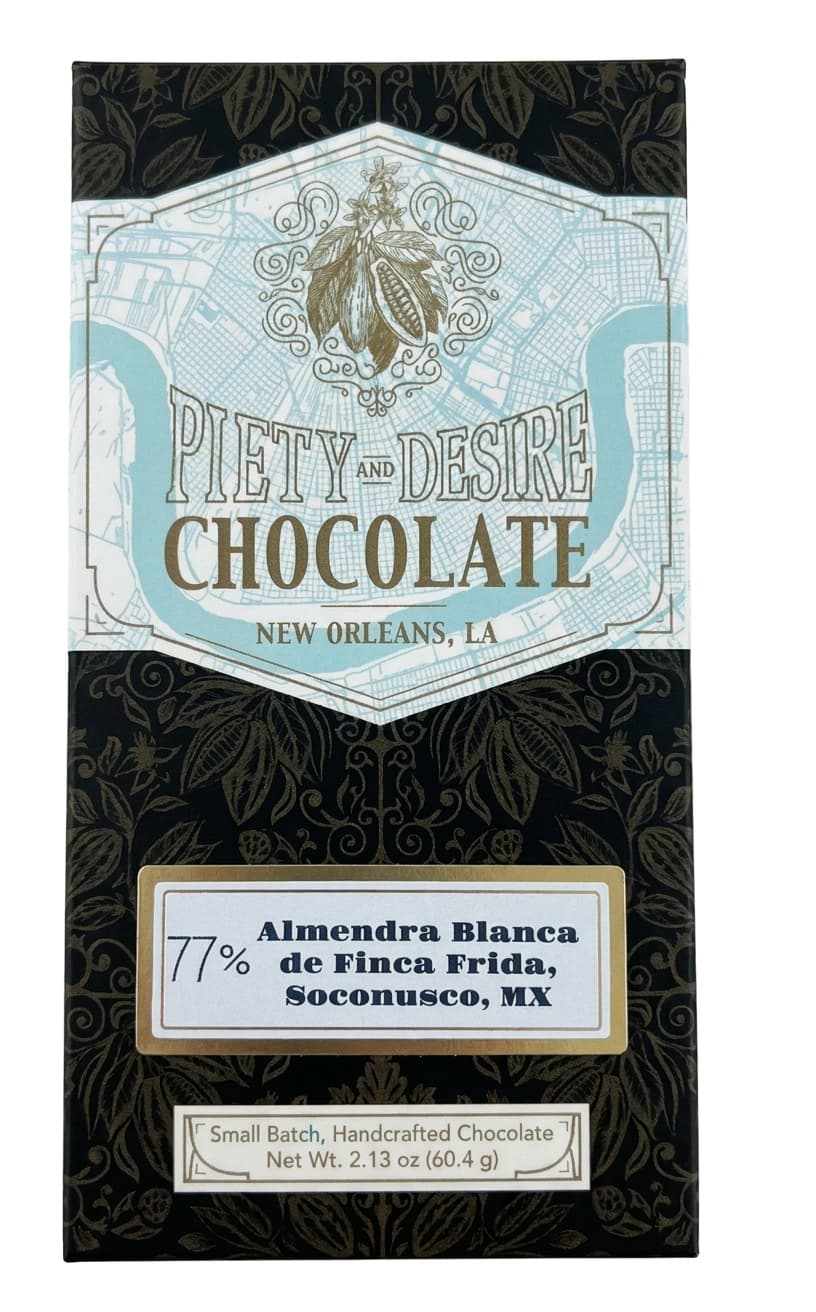 Piety and Desire Chocolate
Almendra Blanca 77%
77%darkMexico
Where Porcelana grows
Makers working with Porcelana
Common cocoa percentages
Frequently asked about Porcelana chocolate
What is Porcelana chocolate?
Porcelana is an elite white-beaned type of Criollo, famous from Venezuela, whose beans are almost white. Lacking the pigments that make cacao bitter, it tastes soft, creamy and nutty with very low astringency, and is considered one of the most delicate cacaos in the world.
How many Porcelana chocolate bars are on Chof?
Chof lists 26 Porcelana chocolate bars, from 20 makers, at an average of 70% cocoa.
Which makers work with Porcelana cacao on Chof?
The most-represented makers using Porcelana on Chof are Barre Clandestine, Heinde & Verre, SOMA, Orfève, Cacaosuyo. Each bar links to the maker that made it.
Sources and further reading
- Cornejo et al. (2018). Population genomic analyses of the chocolate tree, Theobroma cacao L., provide insights into its domestication process. Communications Biology.Dates Criollo domestication to roughly 3,600 years ago and ties pale, white beans to disrupted anthocyanin pigment.
- Motamayor et al. (2008). Geographic and Genetic Population Differentiation of the Amazonian Chocolate Tree (Theobroma cacao L.). PLOS ONE.The DNA study that regrouped cacao into ten genetic clusters, retiring the old three-name folk model.
Related varieties
Learn more
Chof Monthly
One email a month: the bars and makers added to Chof, the highest Chof Scores among them, and where to buy them.
Scan a Porcelana bar in Chof
Log your tasting, save the variety profile, and see how the claim on the wrapper compares with what you taste.