Chocolate Bars
Every bar page on Chof shows the maker, cocoa percentage, origin, ingredients, certifications and tasting notes.
Looking for the best? See the Top 20 chocolate bars.
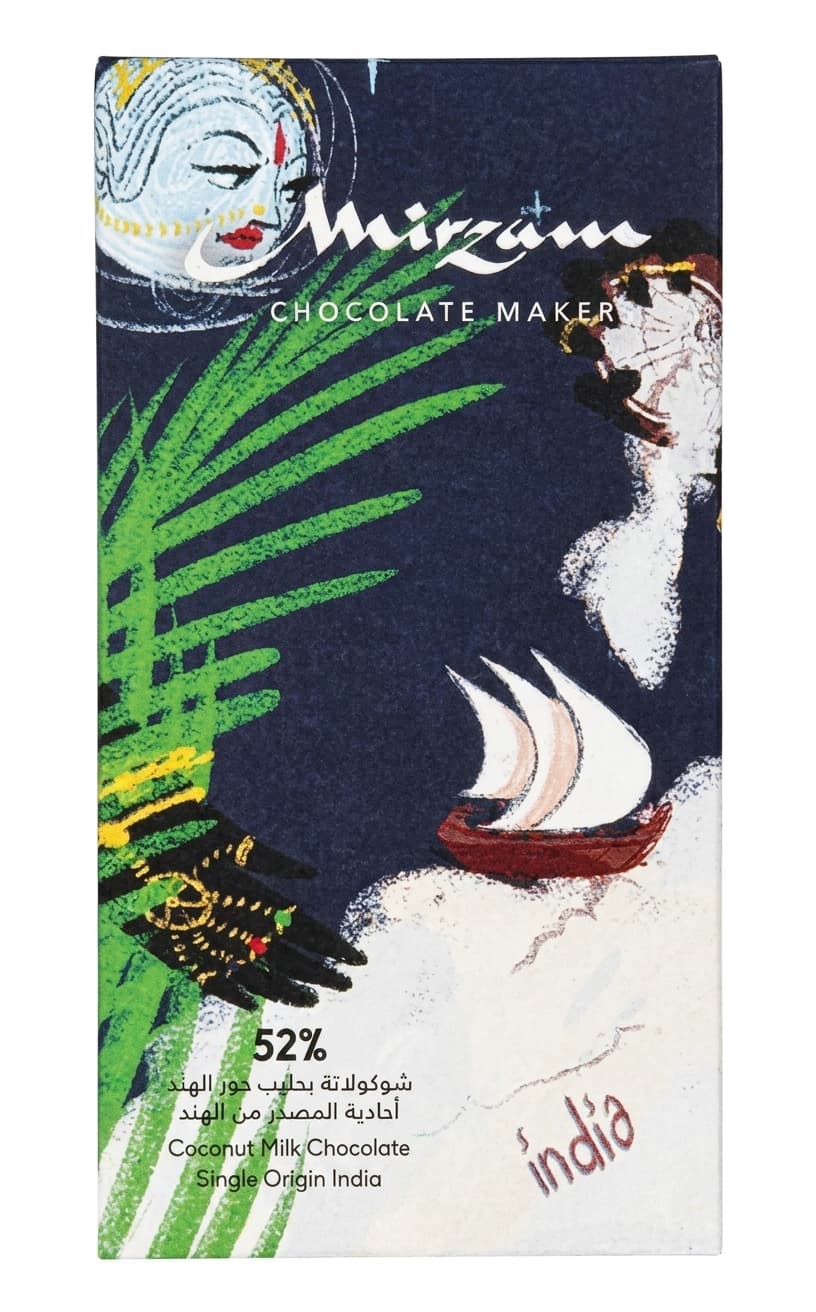
Coconut Milk India 52%
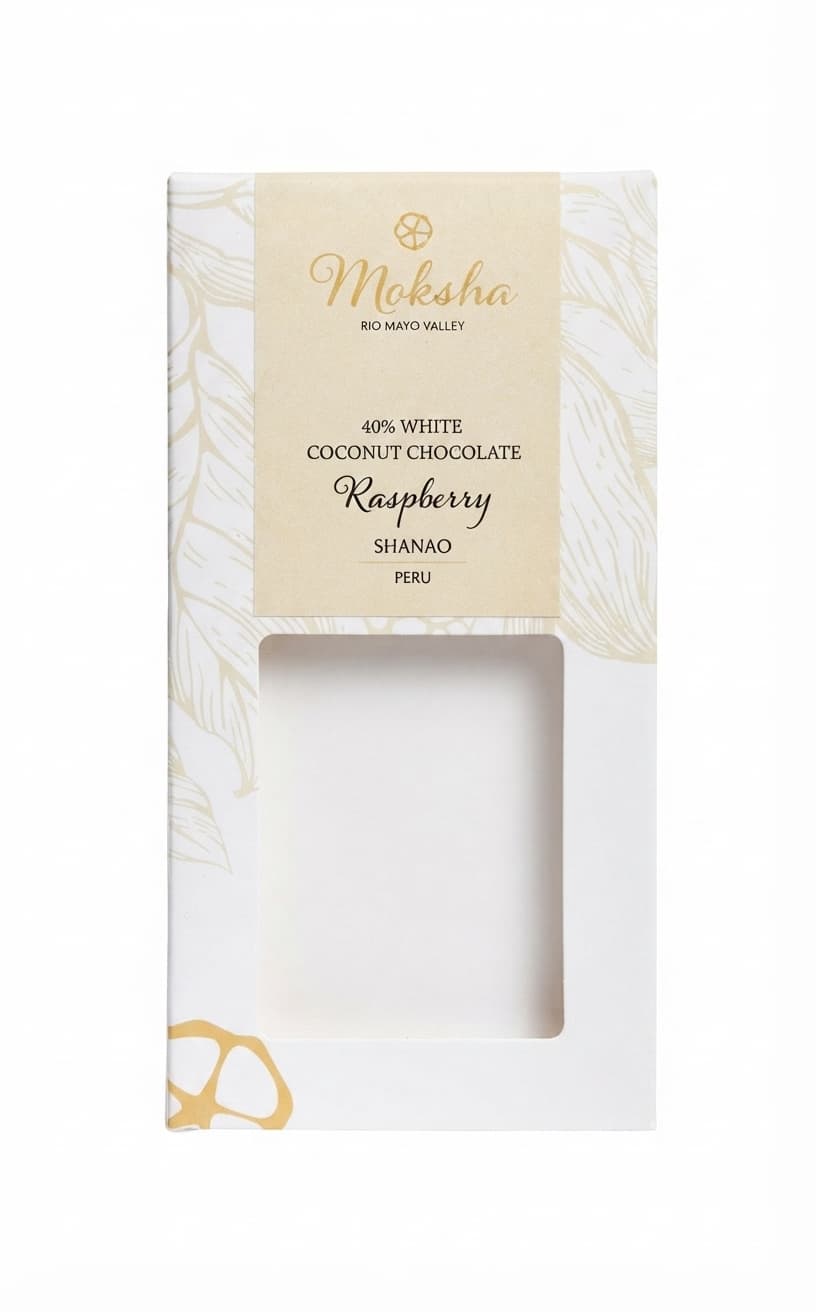
Coconut Raspberry
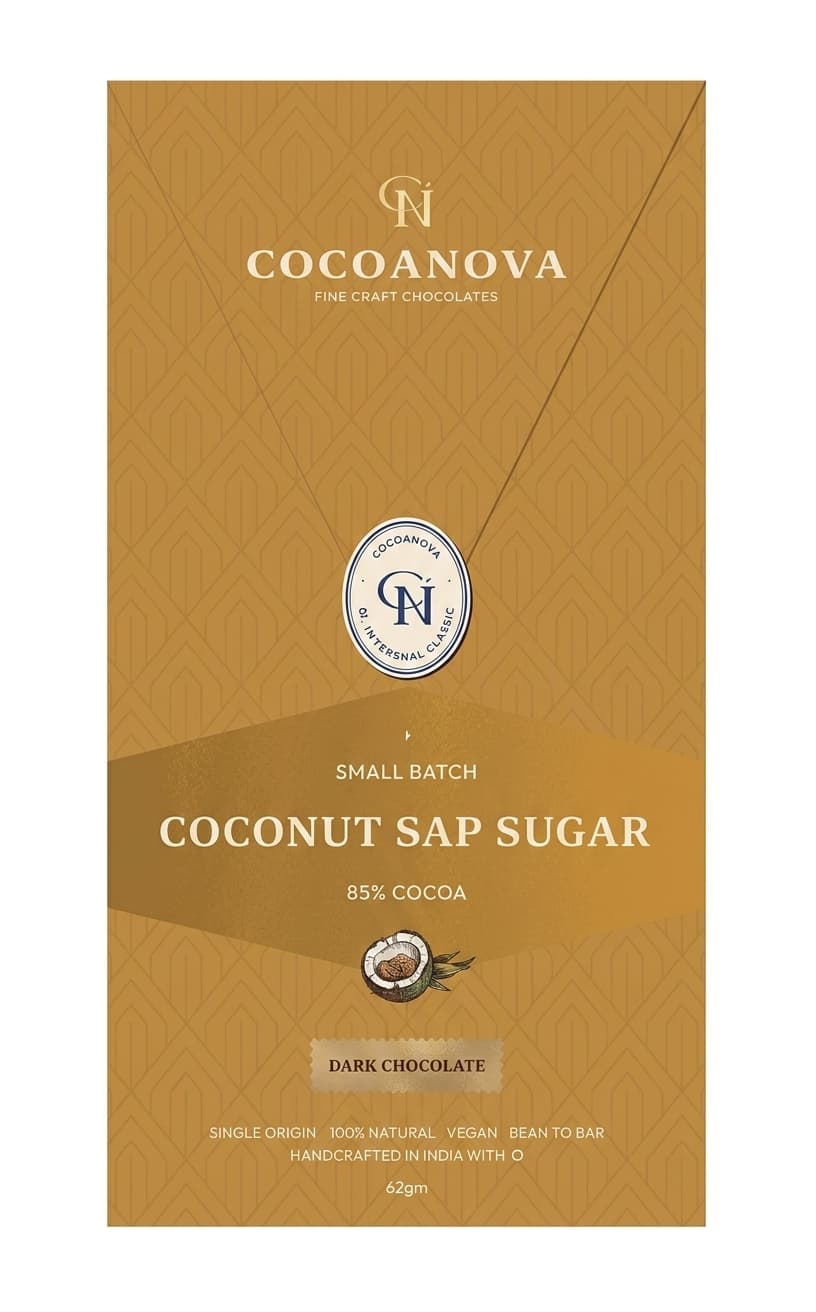
Coconut Sap Sugar 85%

Coconut Sugar 55%
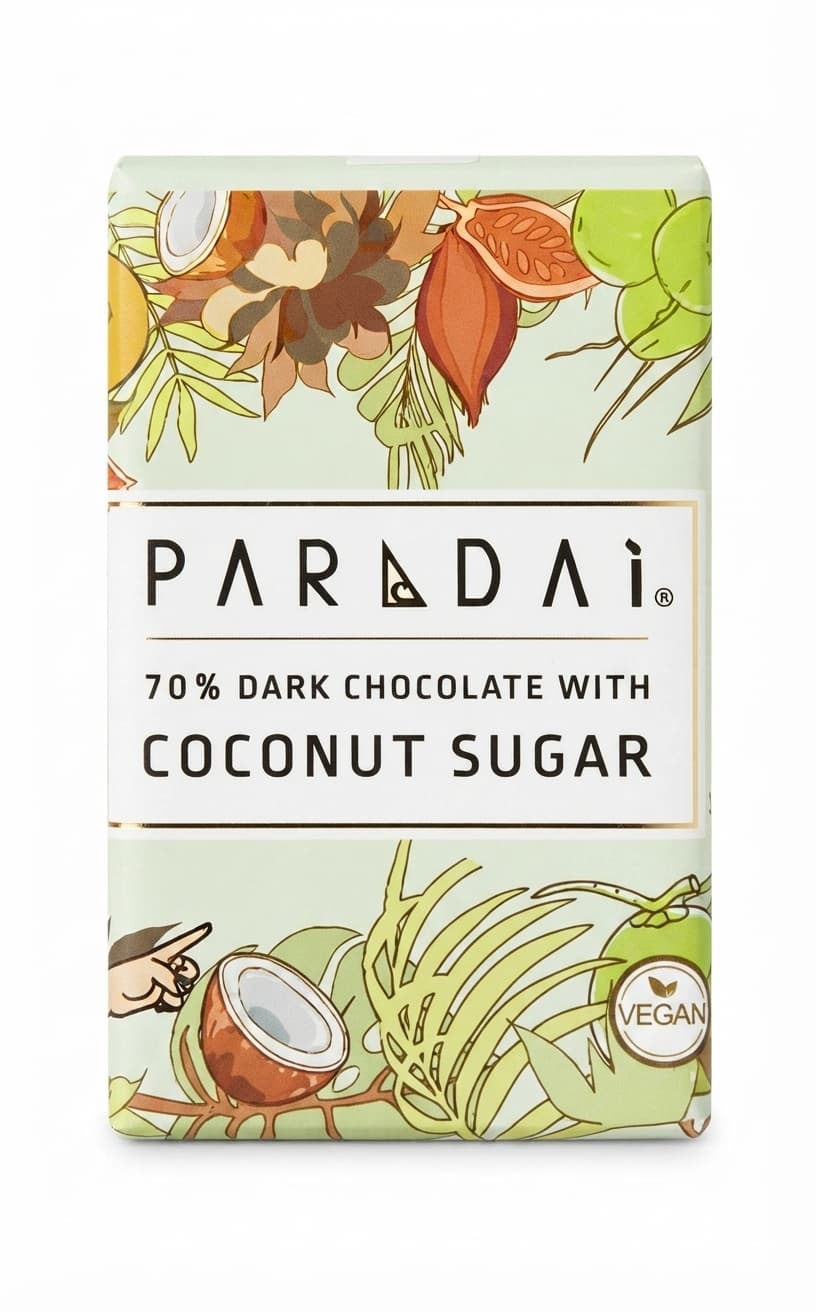
Coconut Sugar 70%
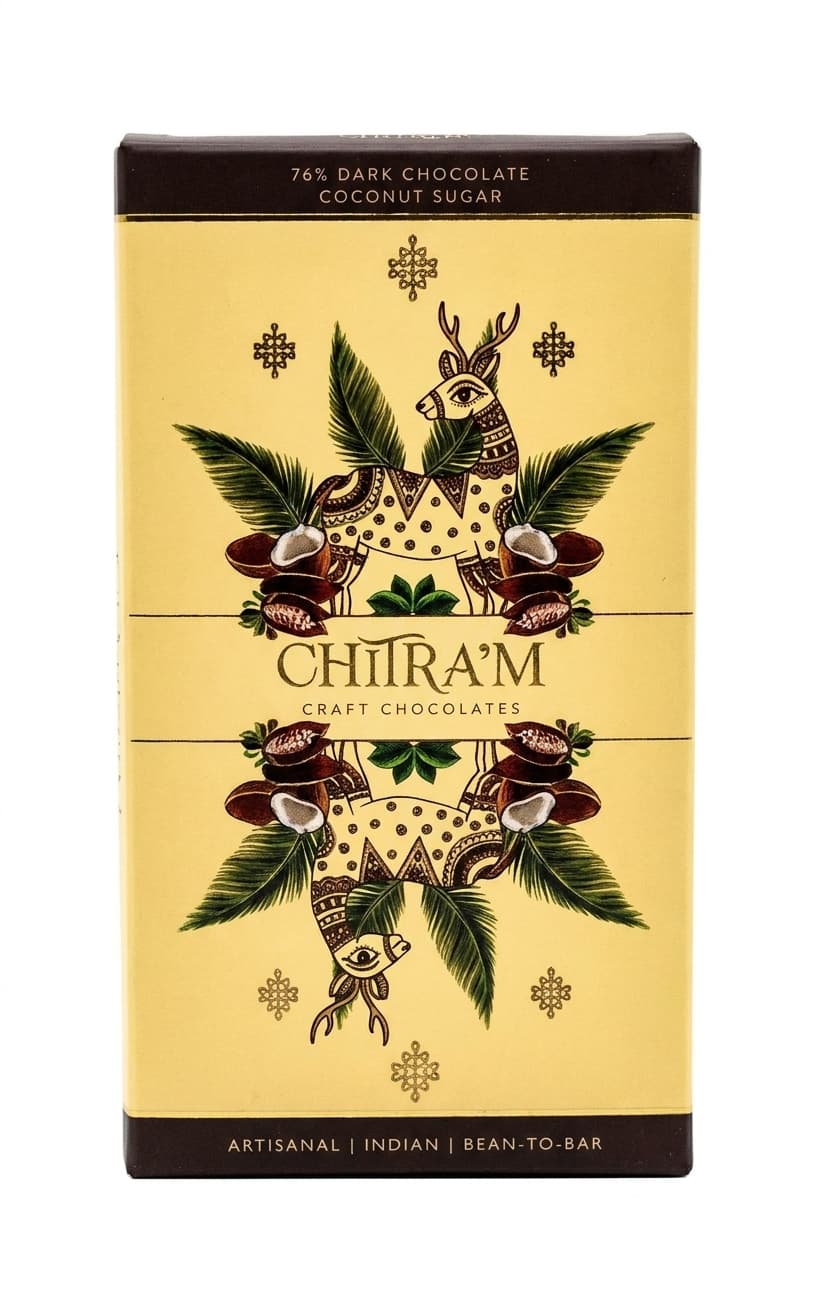
Coconut Sugar Dark 76%
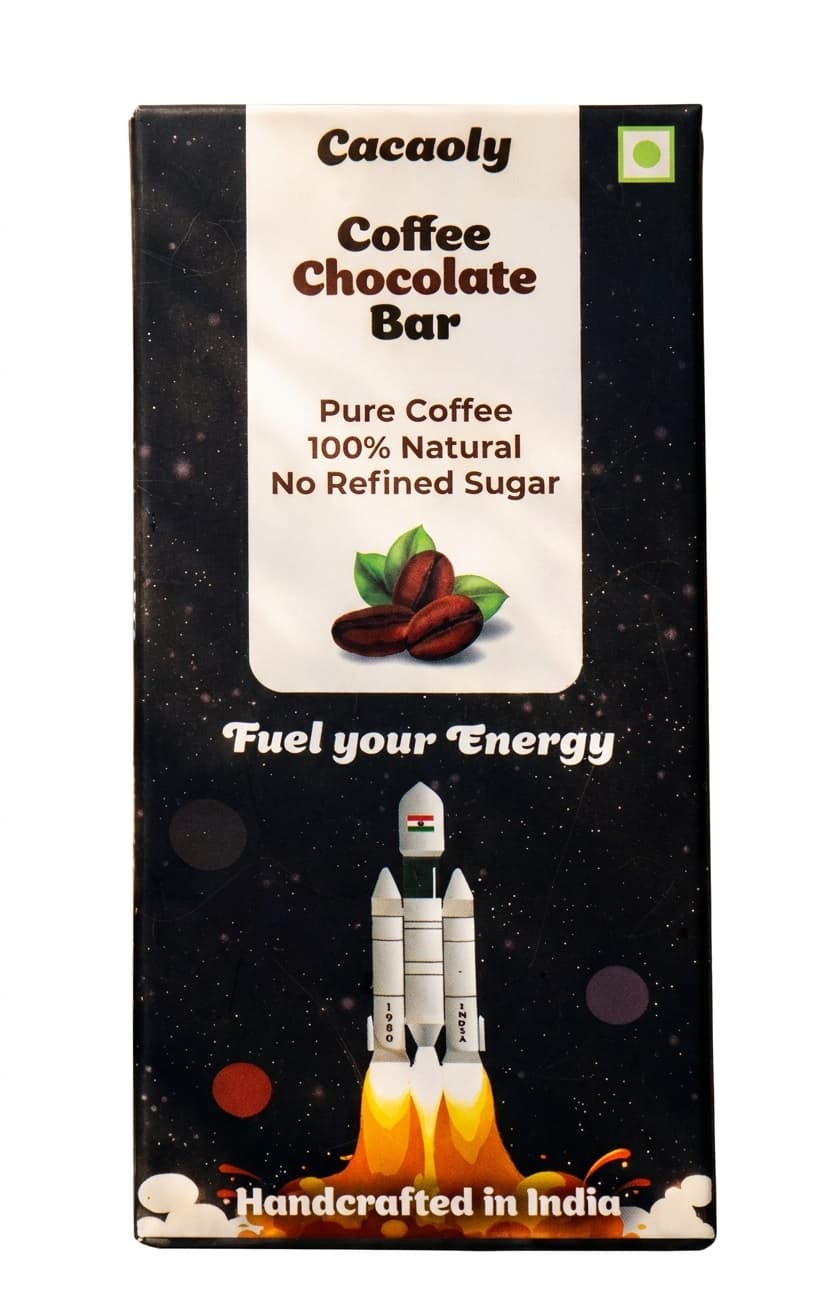
Coffee
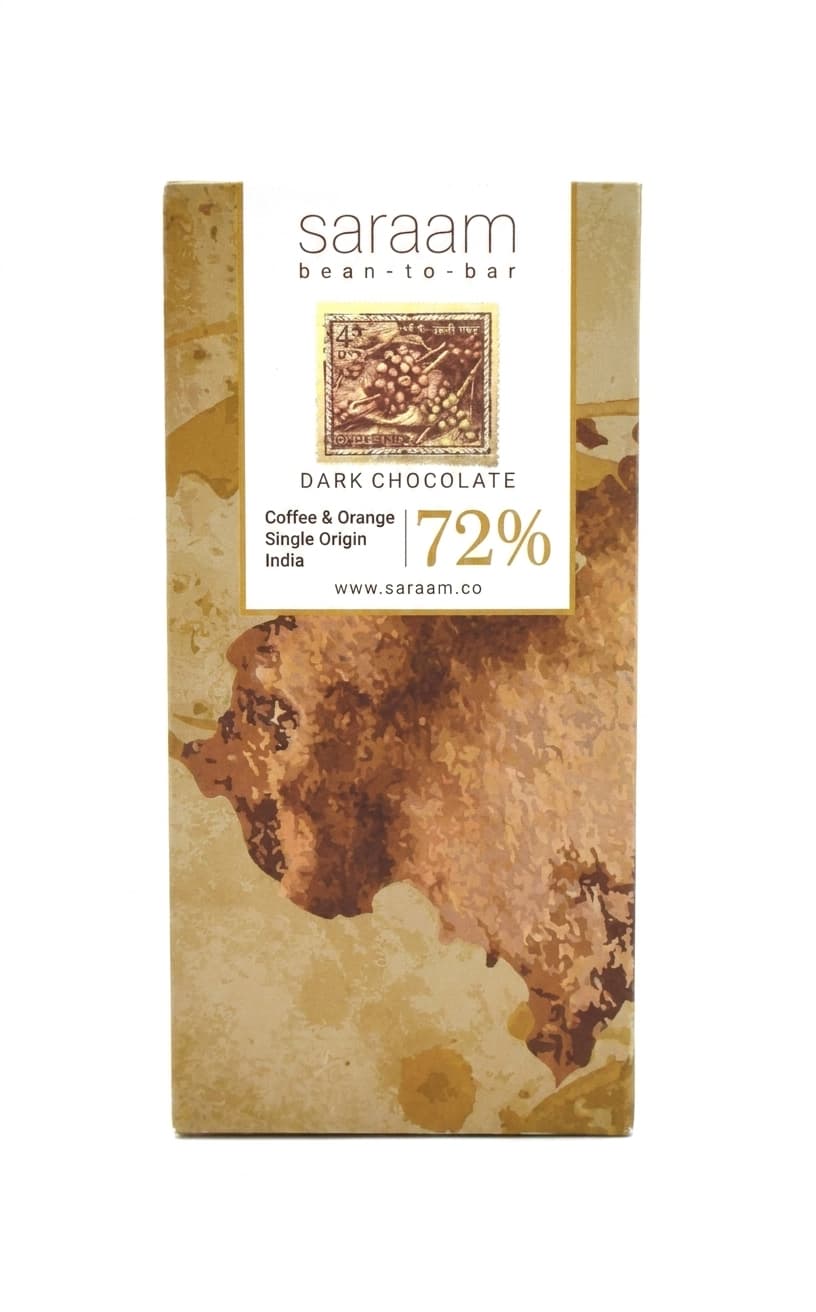
Coffee & Orange 72%
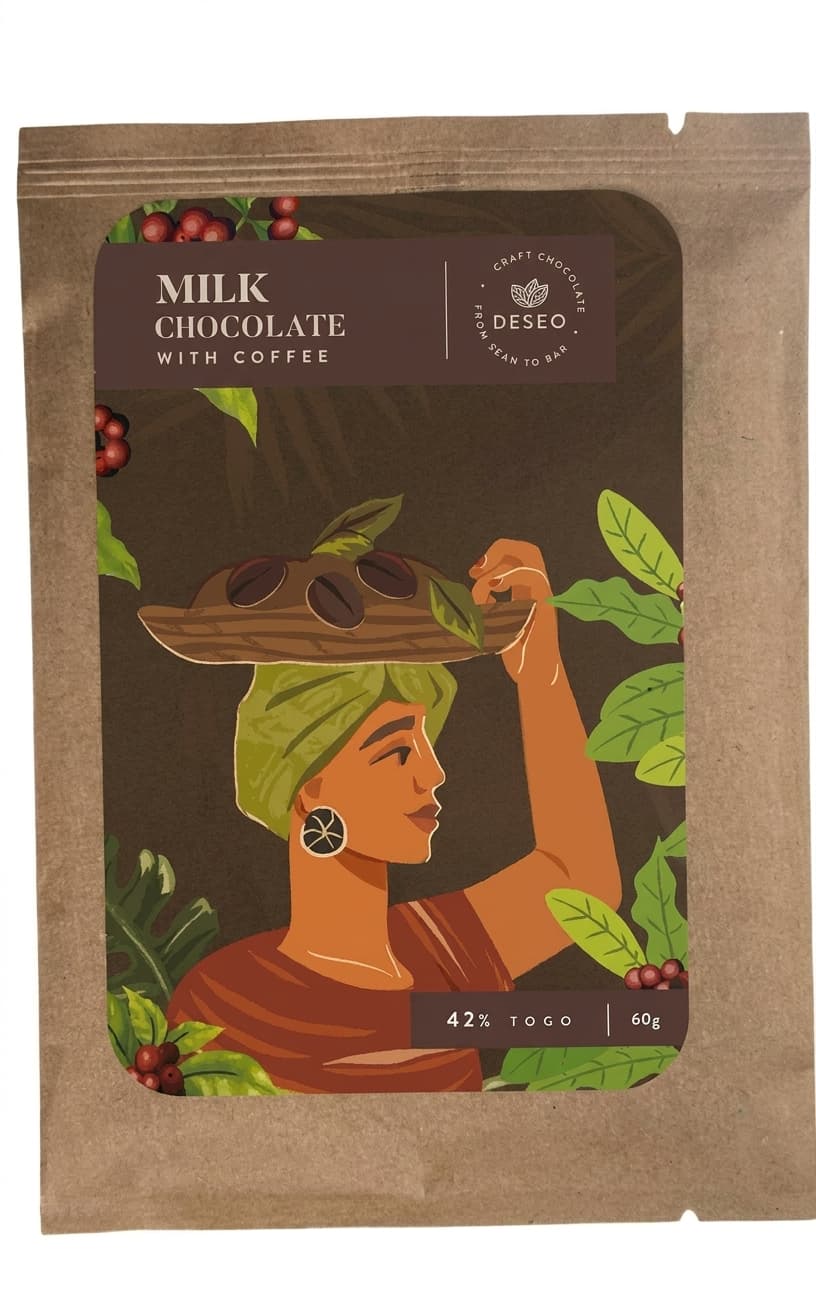
Coffee 42%
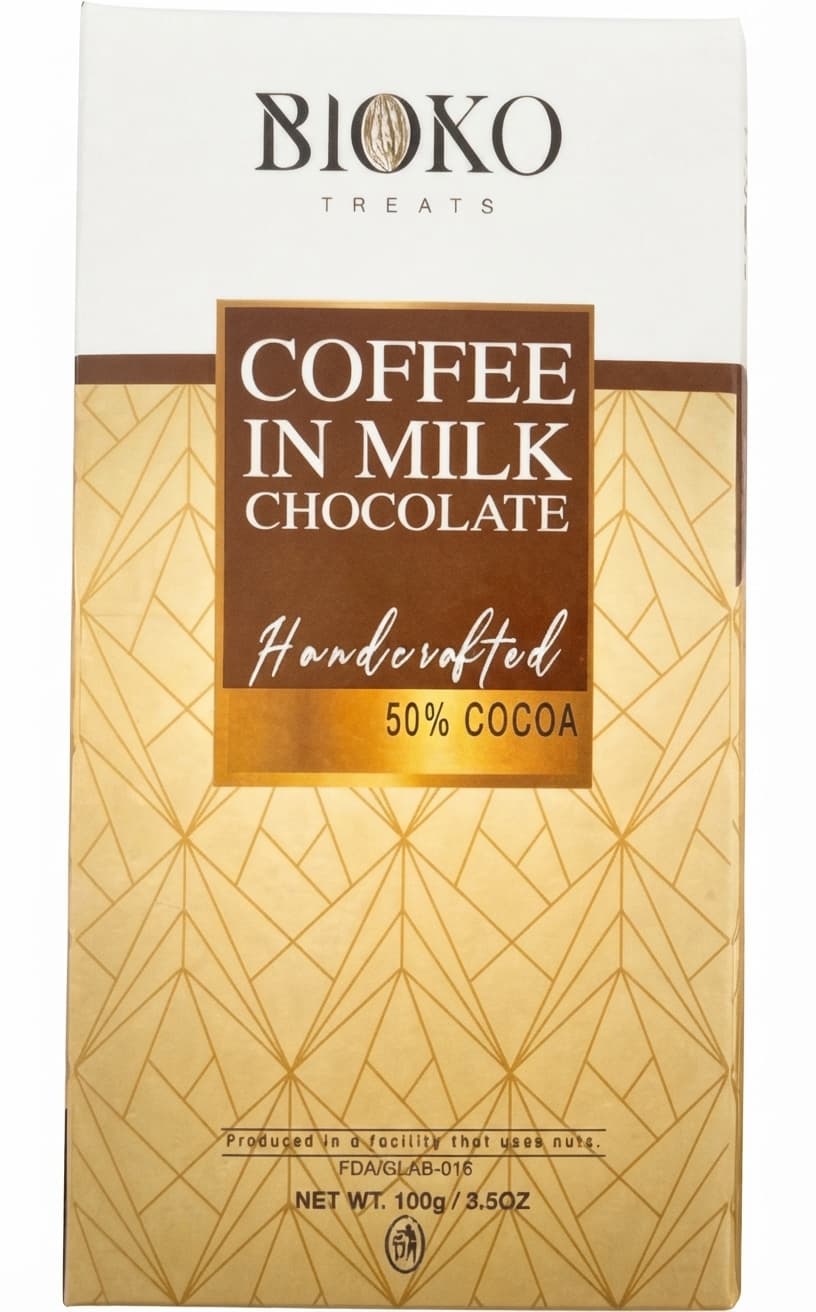
Coffee 50%
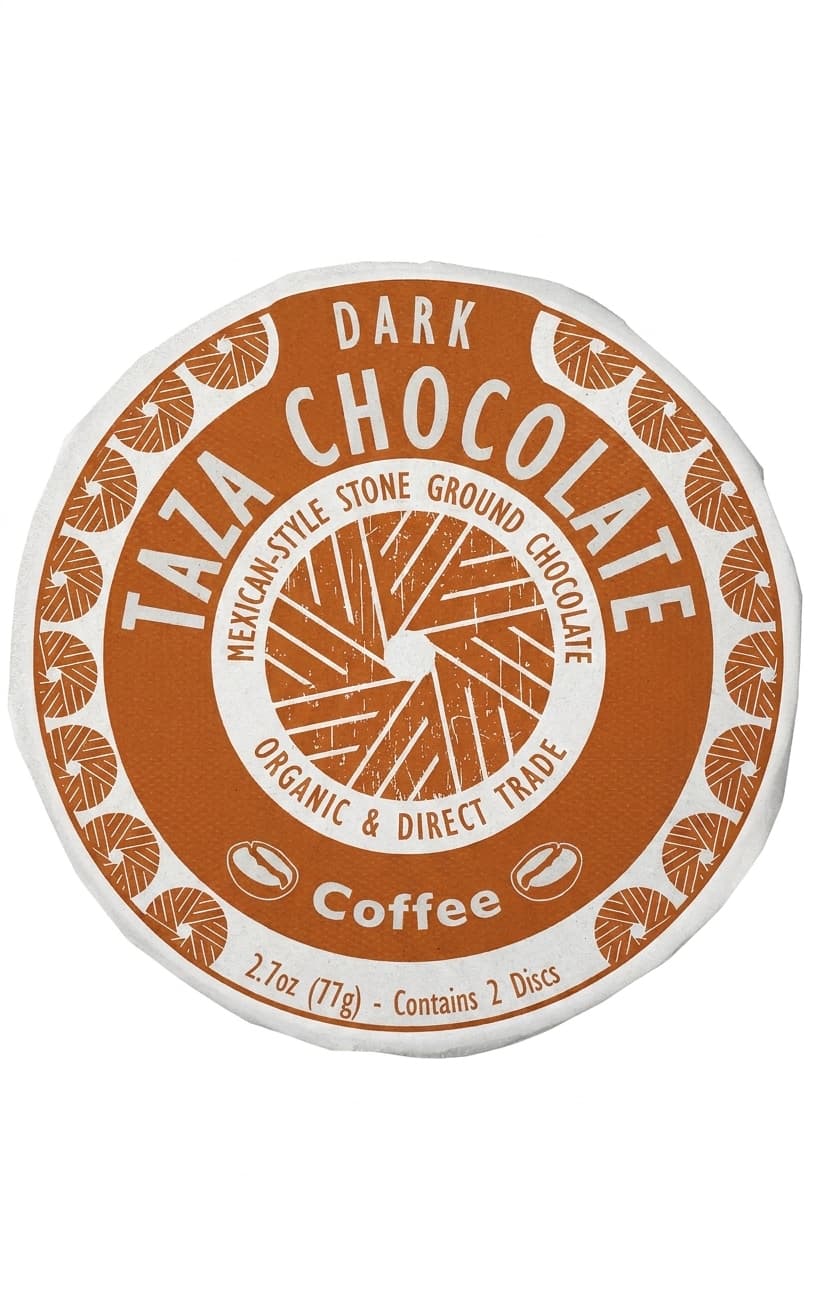
Coffee 55%
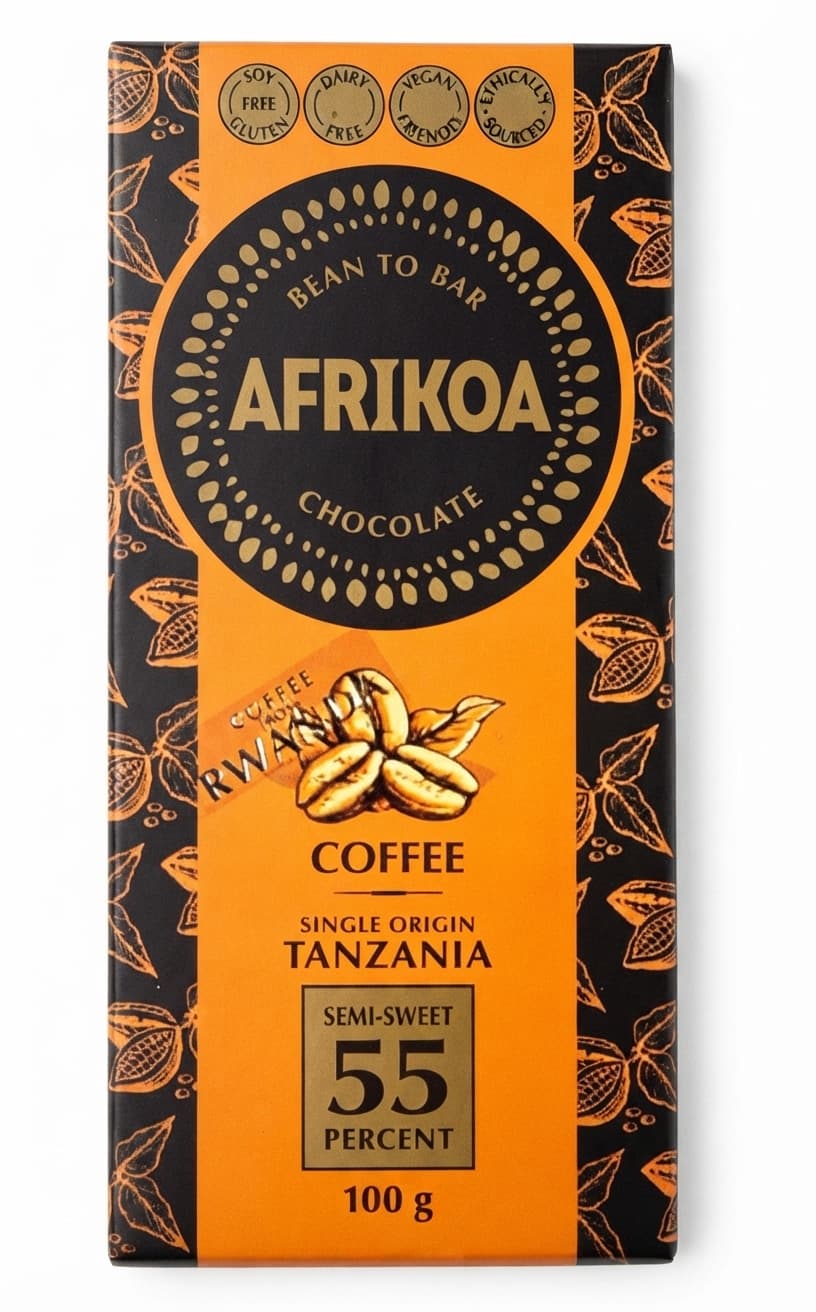
Coffee 55%
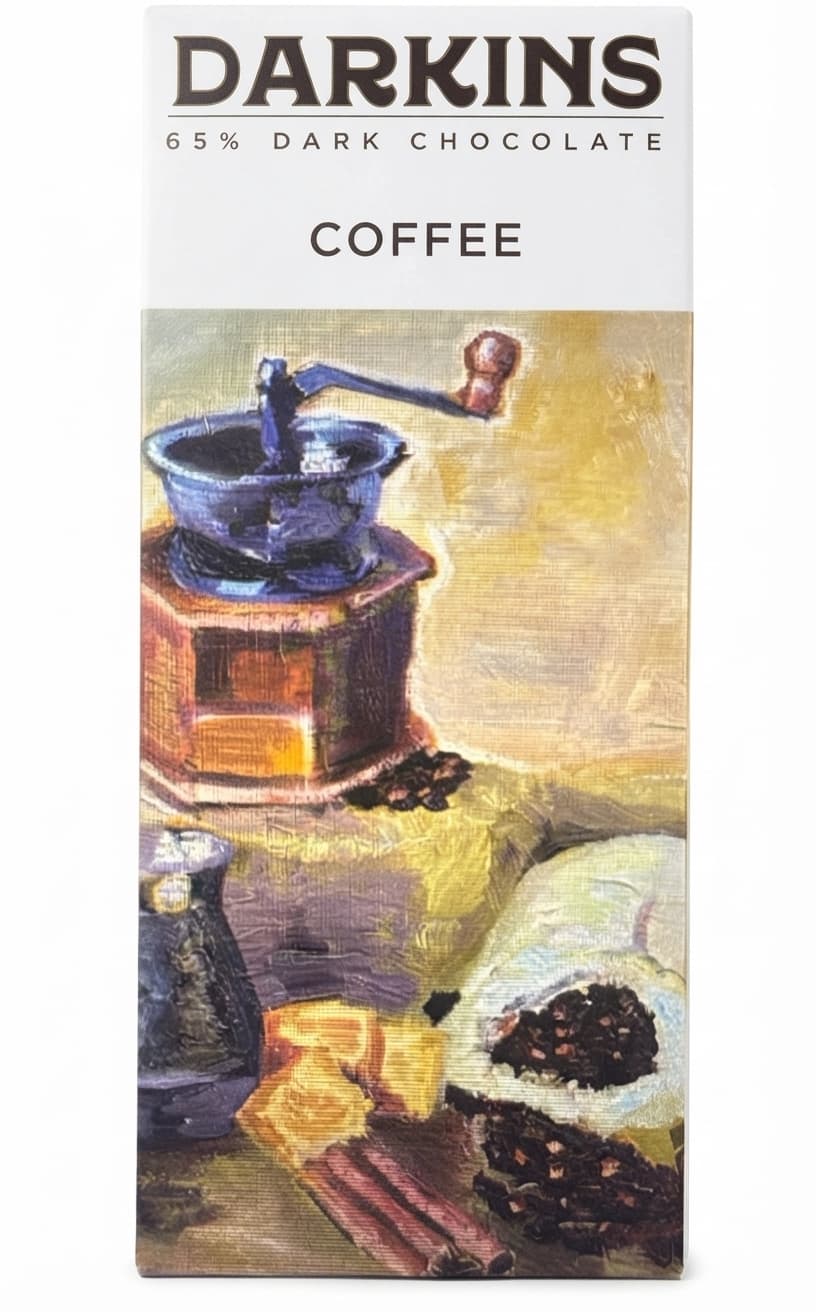
Coffee 65%
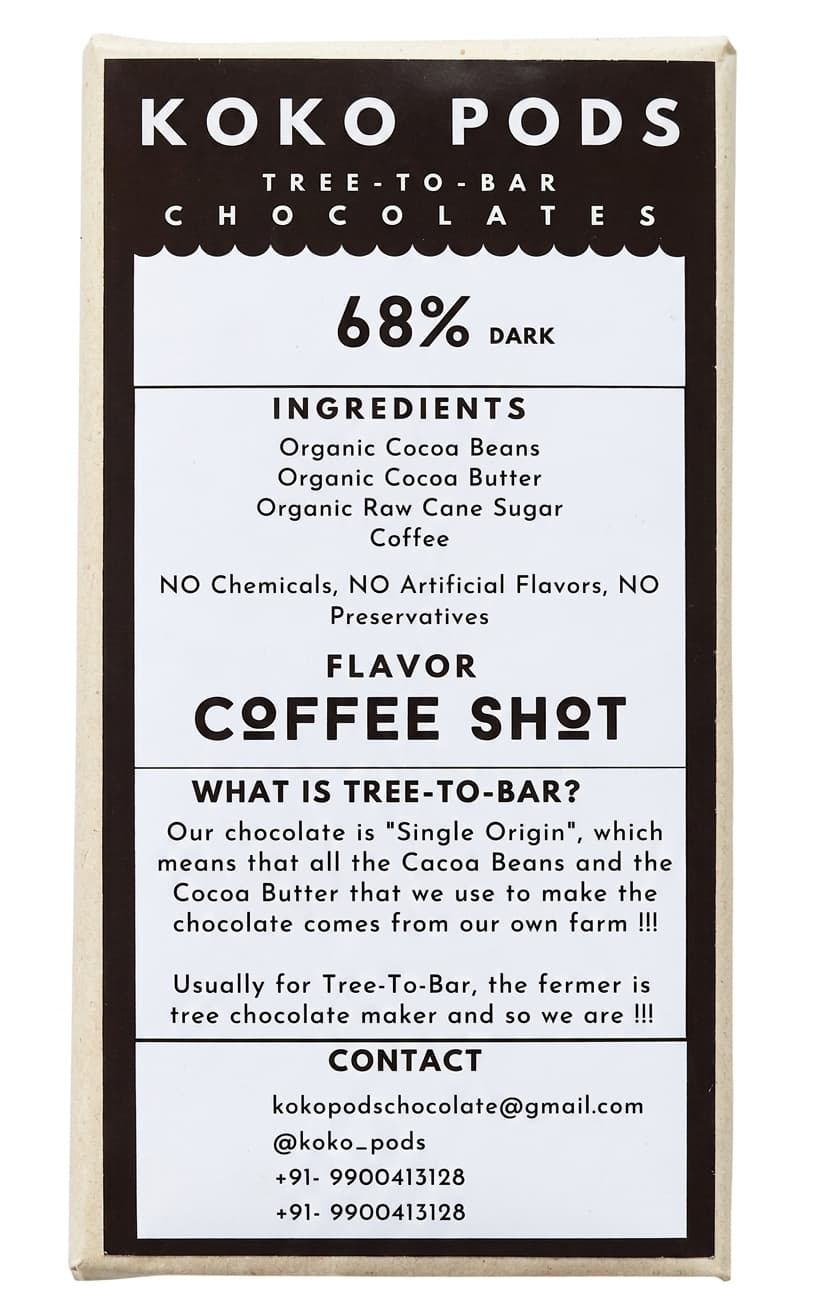
Coffee 68%
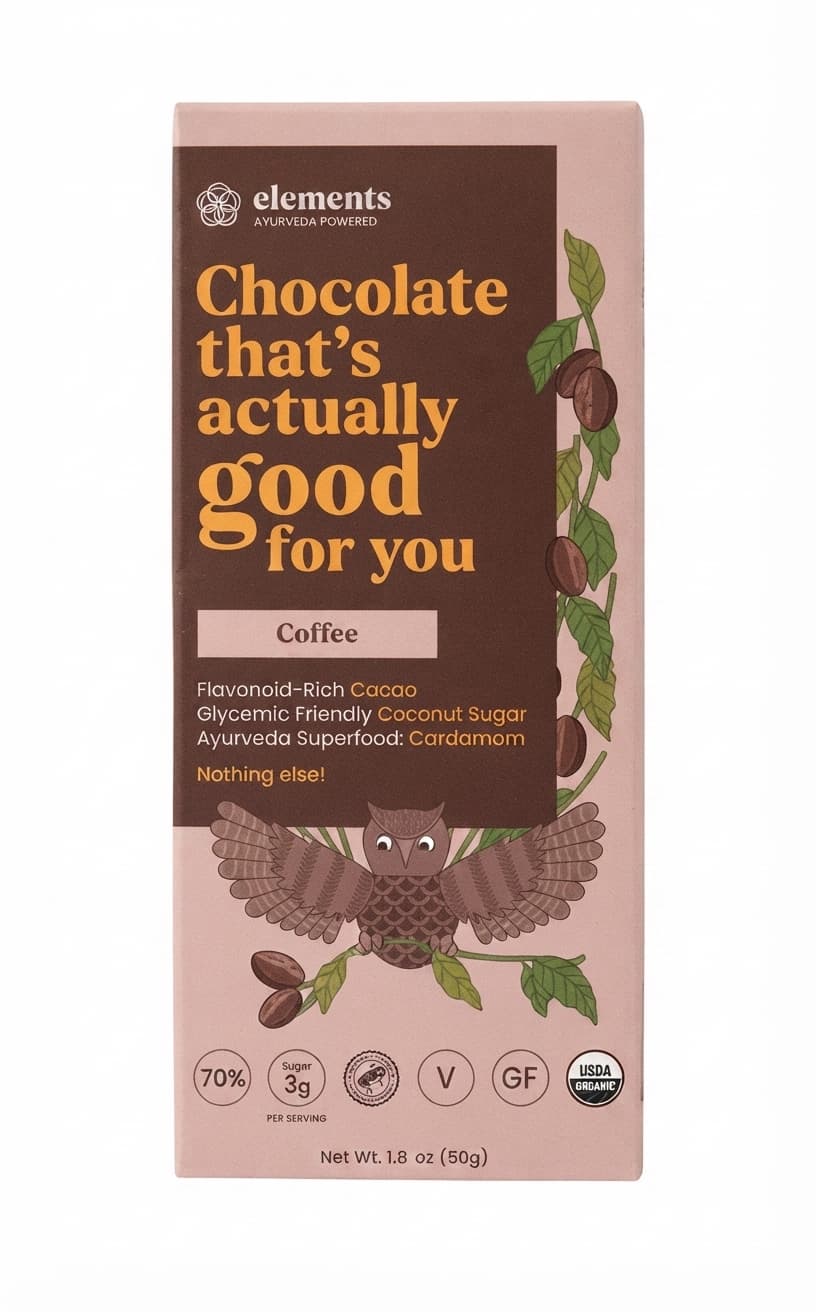
Coffee 70%
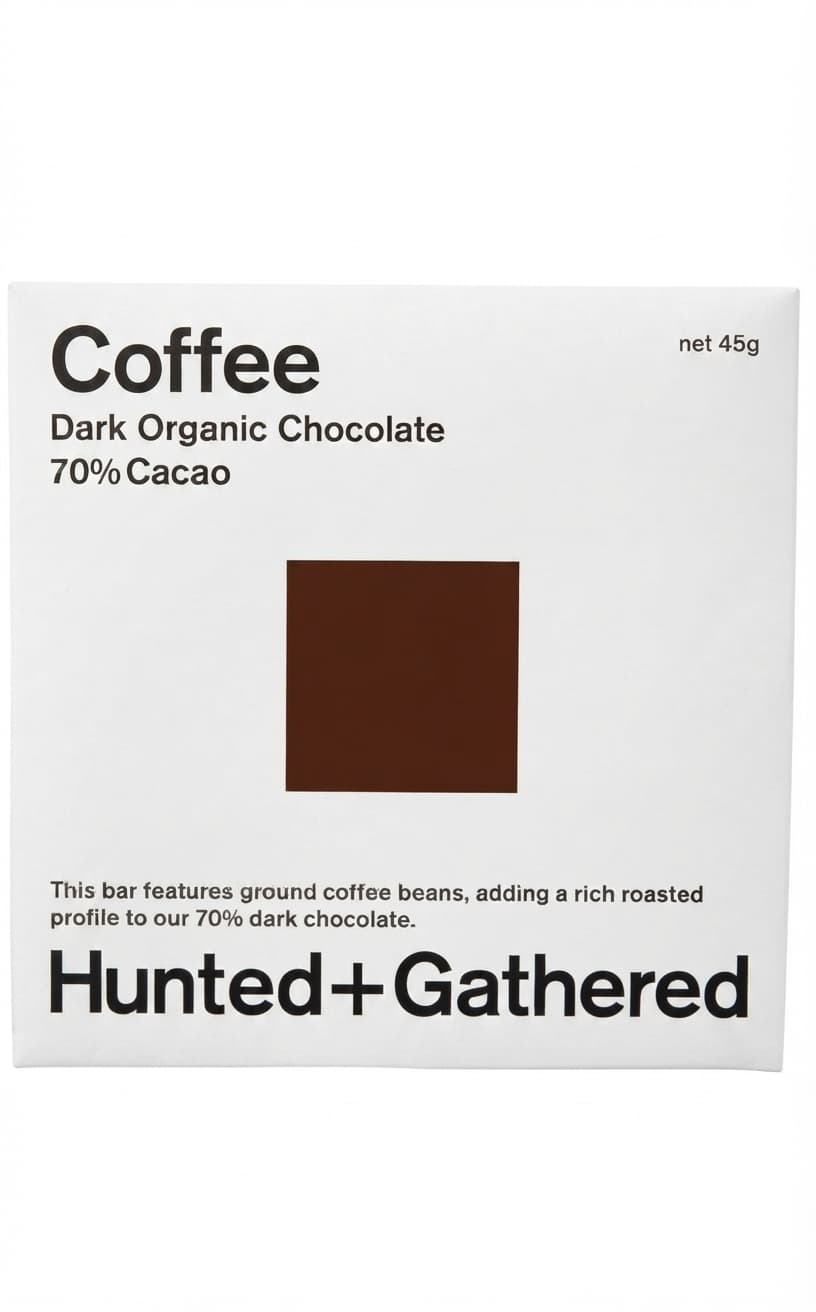
Coffee 70%
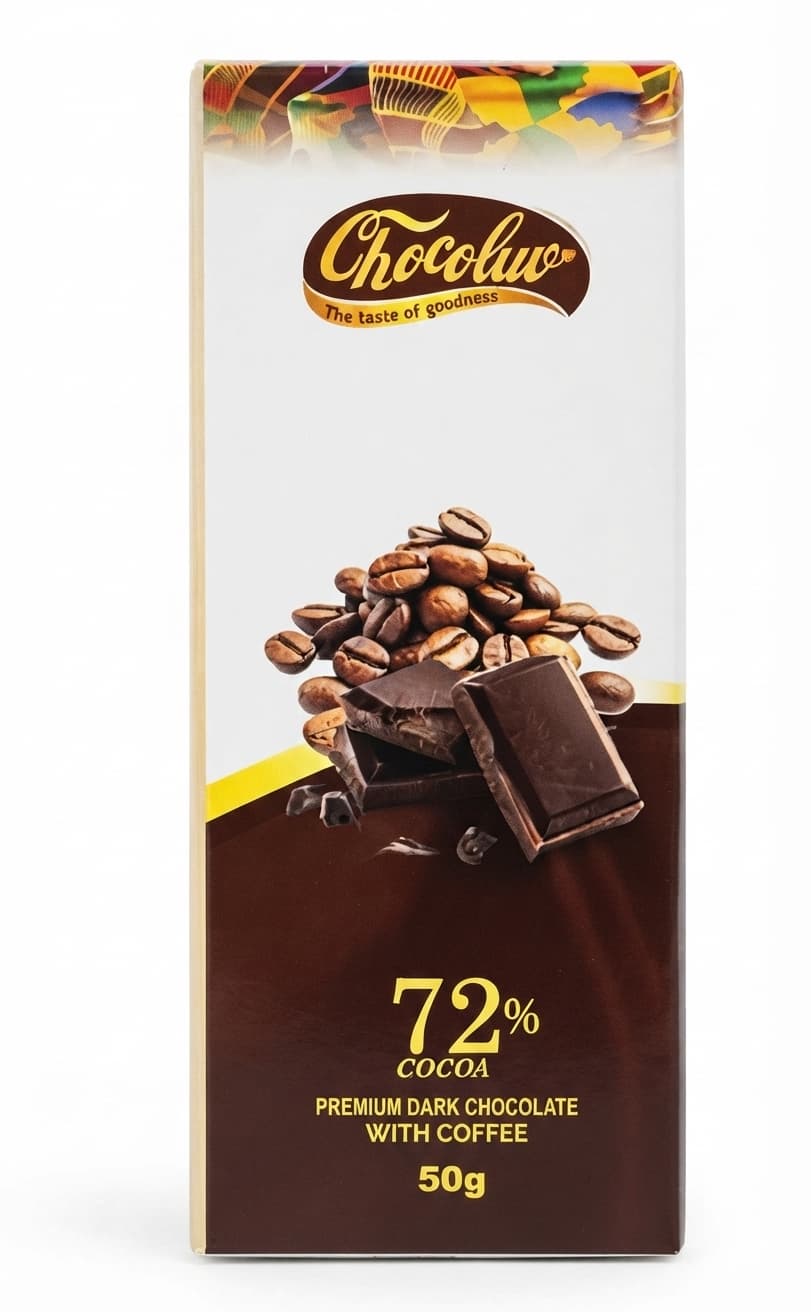
Coffee 72%
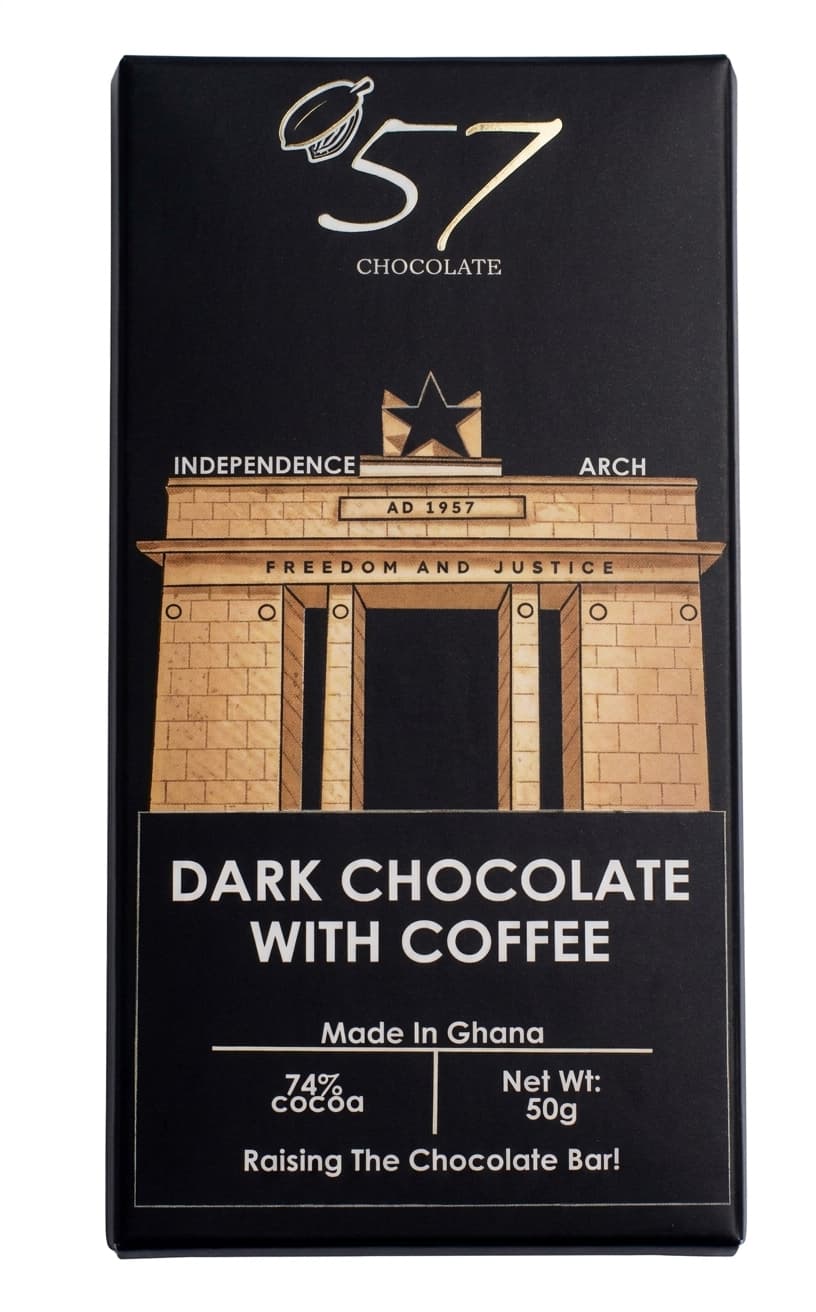
Coffee 74%
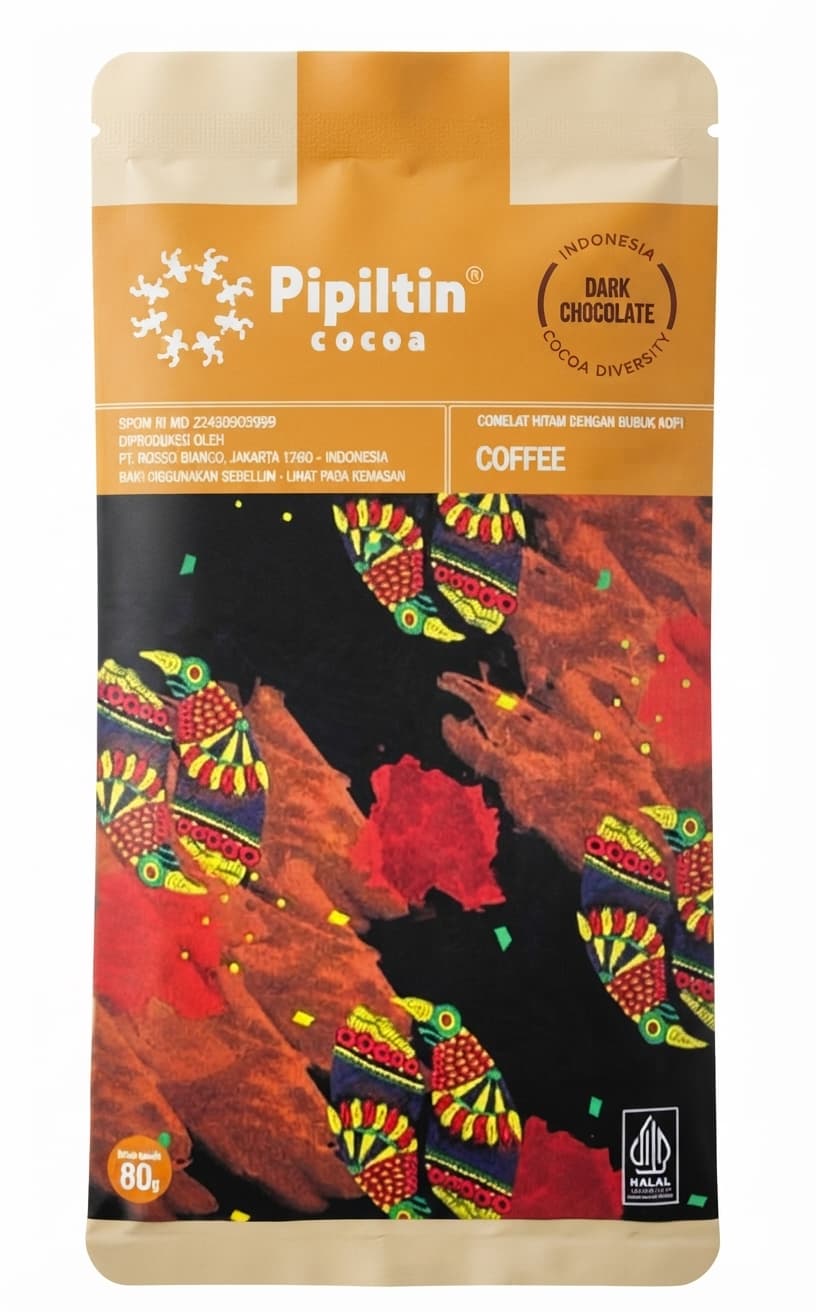
Coffee 80%
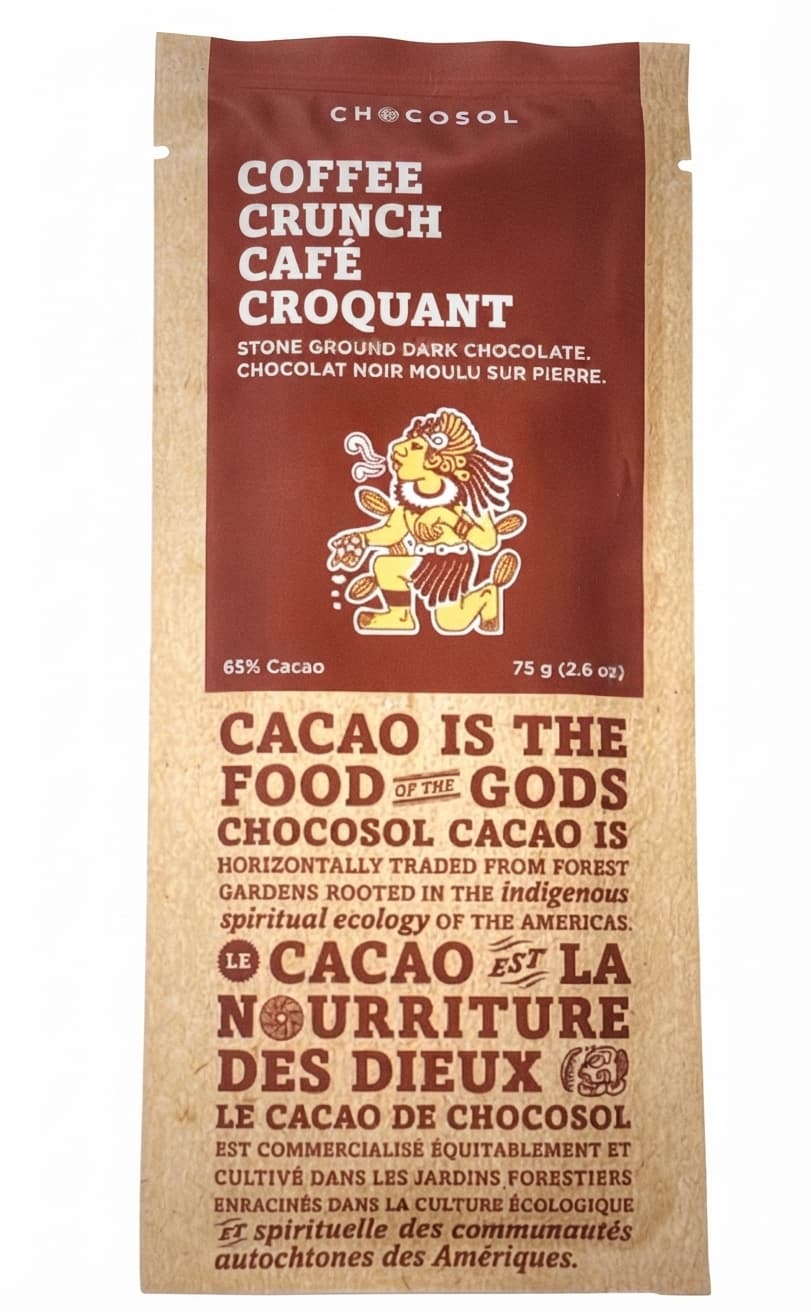
Coffee Crunch 65%
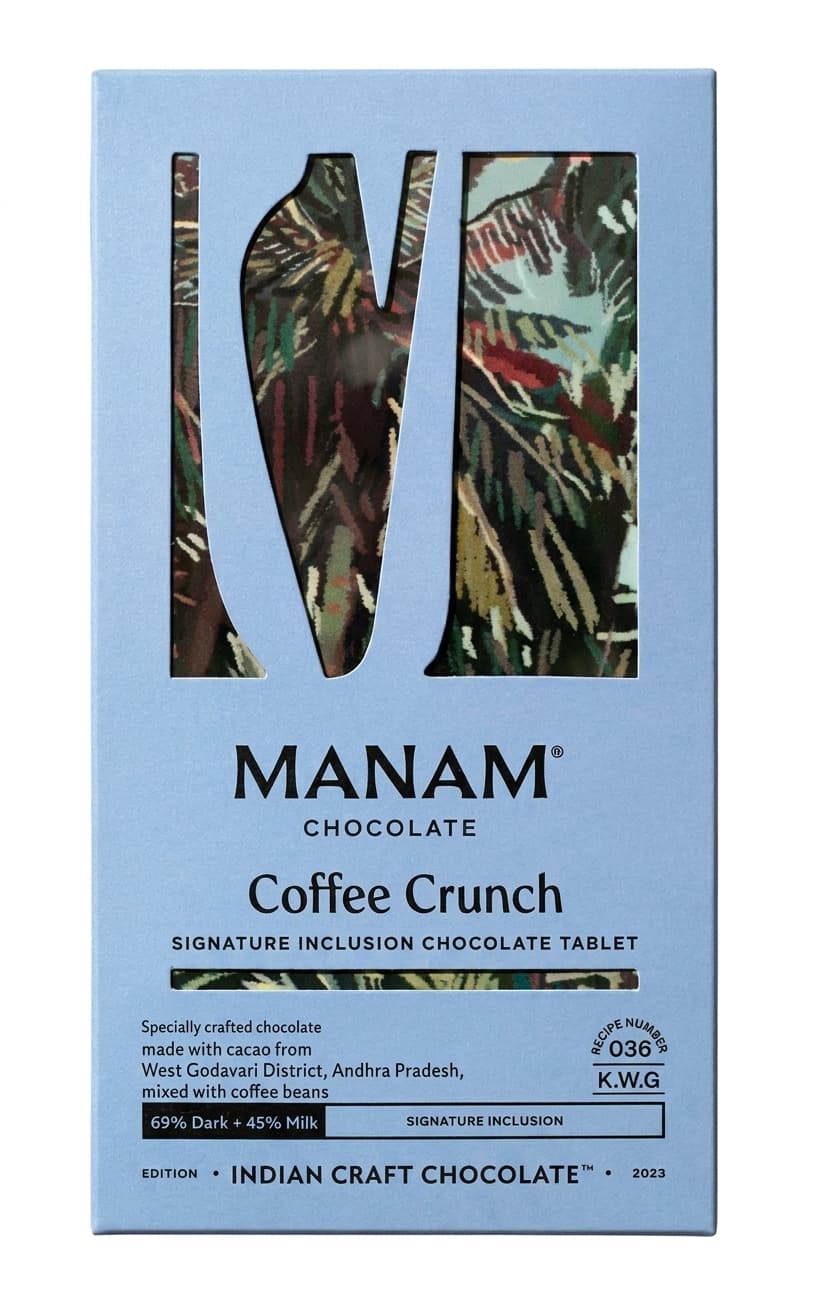
Coffee Crunch Inclusion Tablet - 69% Dark & 45% Milk
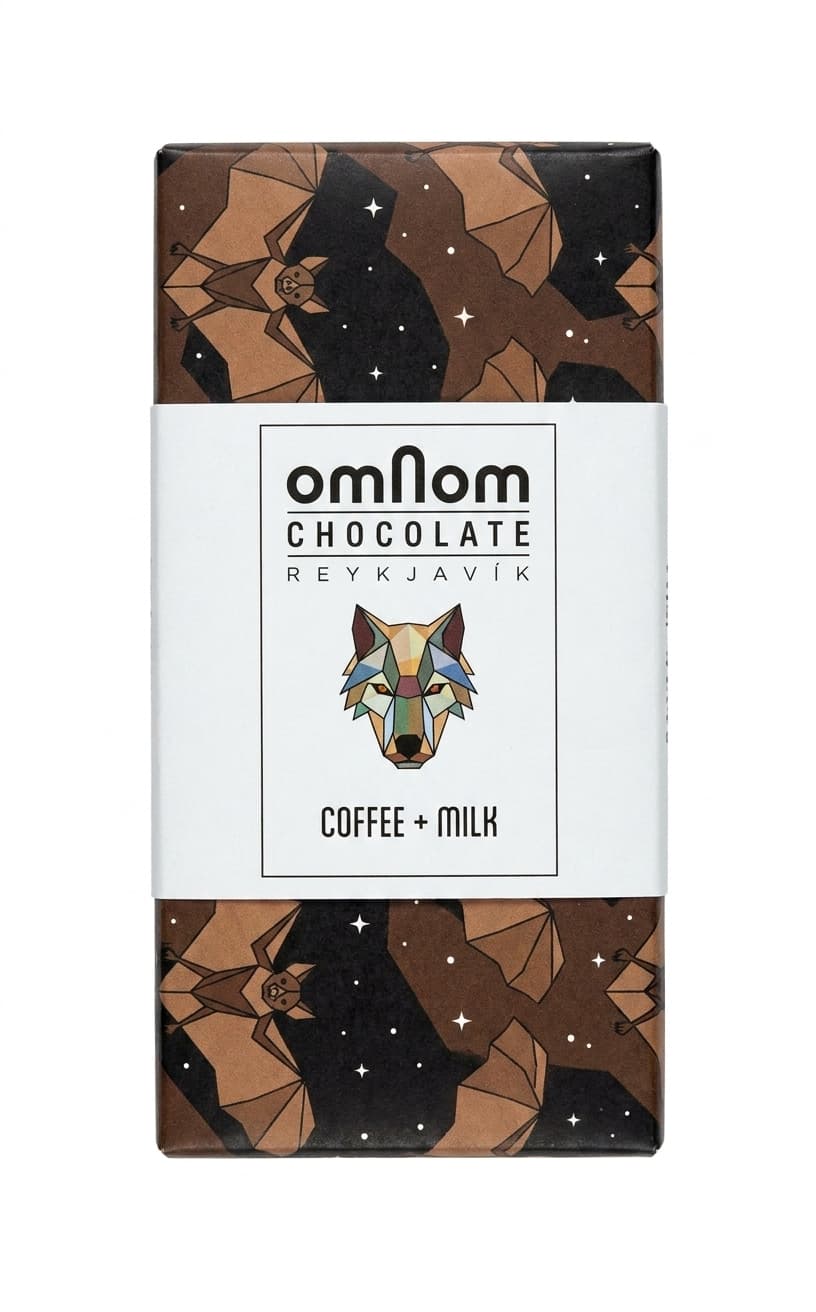
Coffee Milk
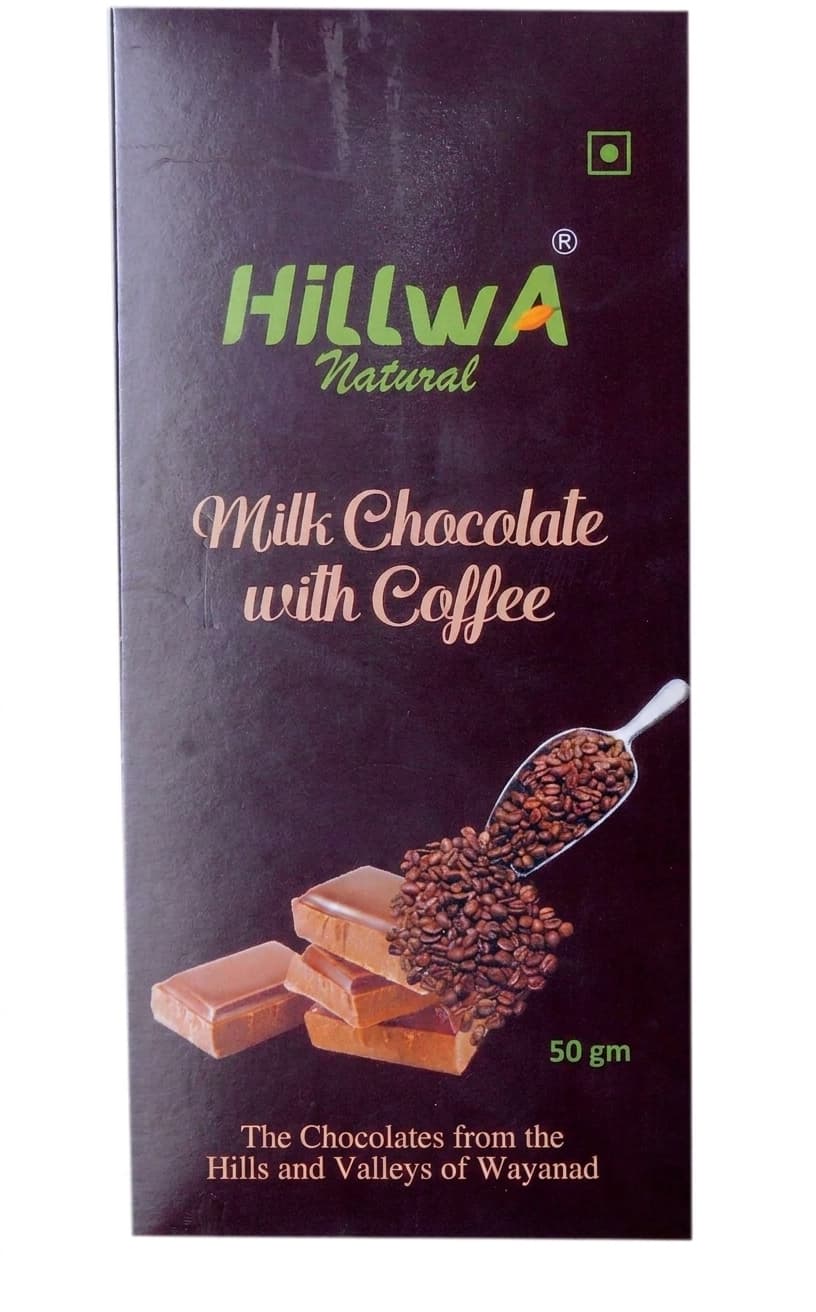
Coffee Milk
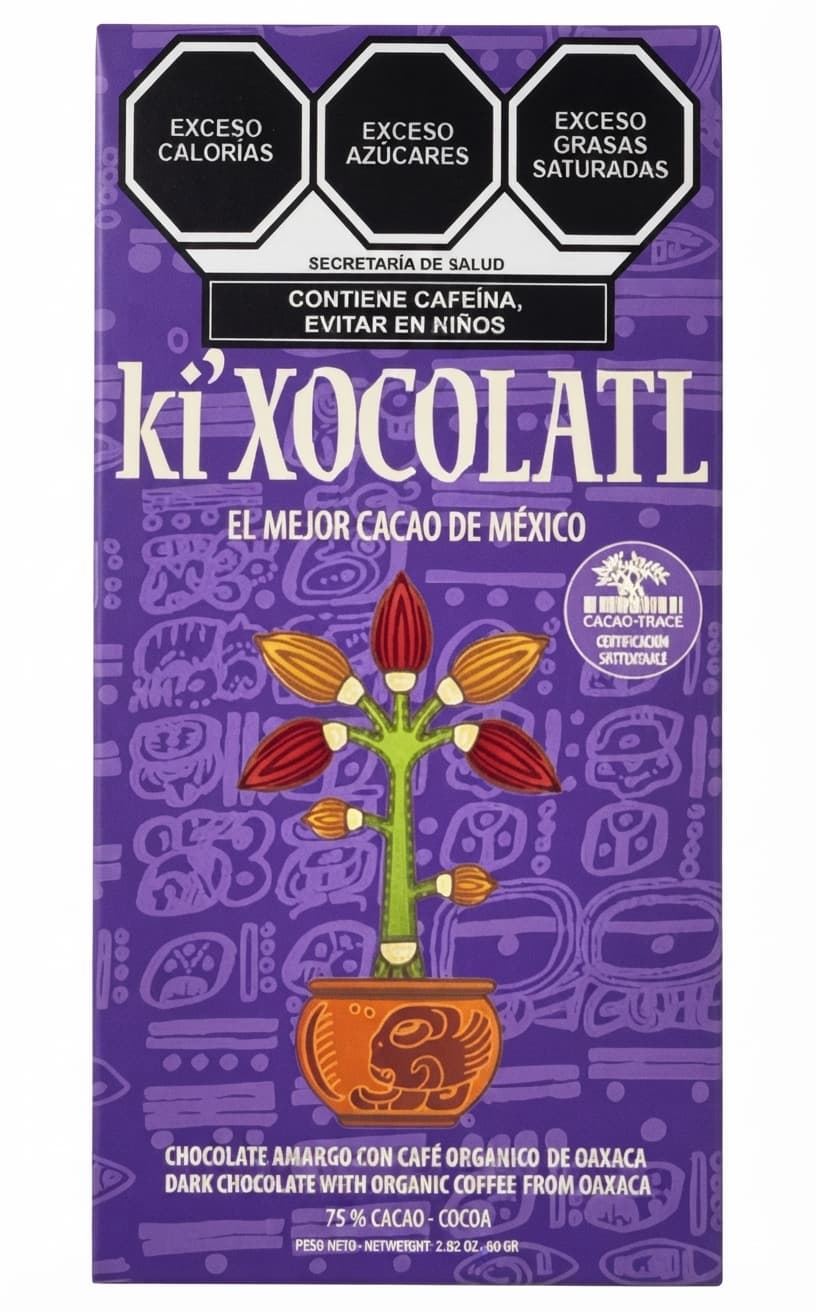
Coffee Oaxaca 75%
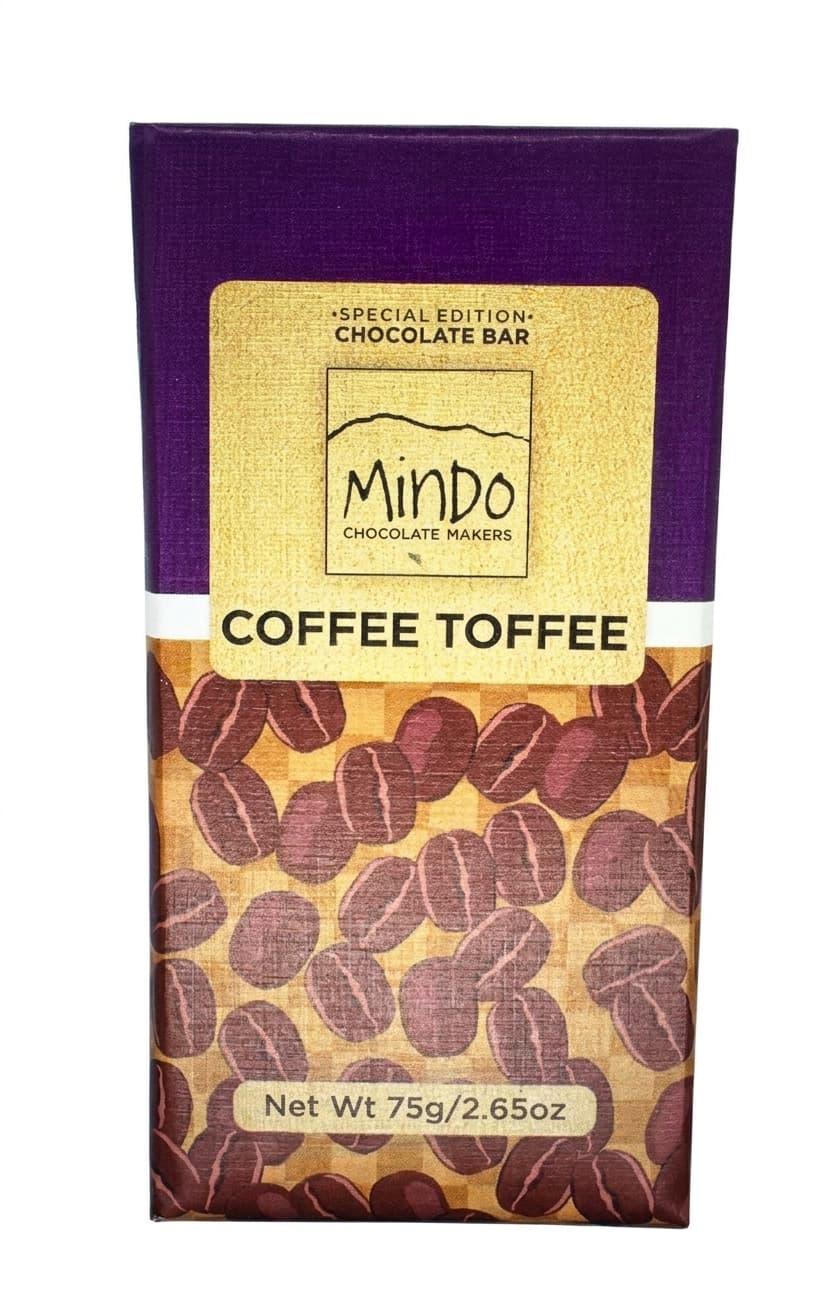
Coffee Toffee
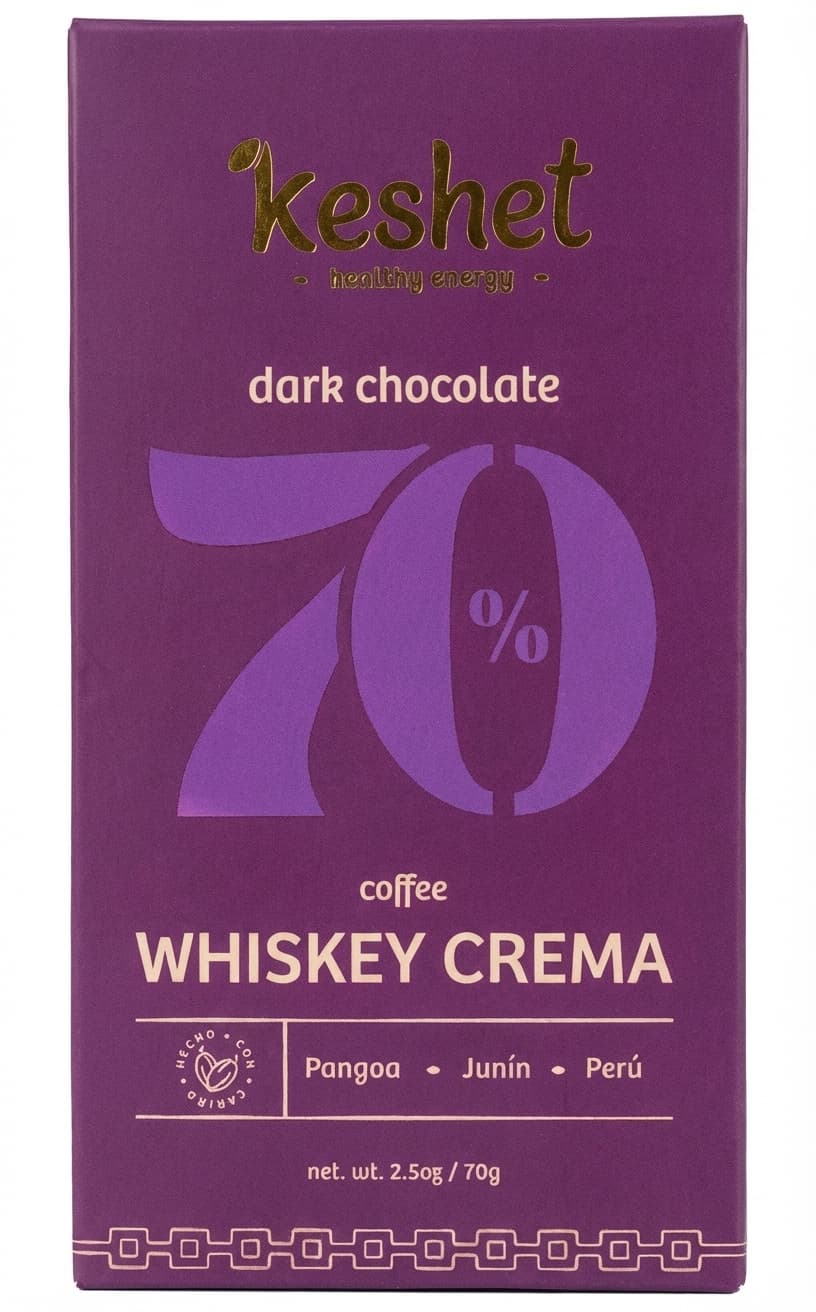
Coffee Whiskey Crema
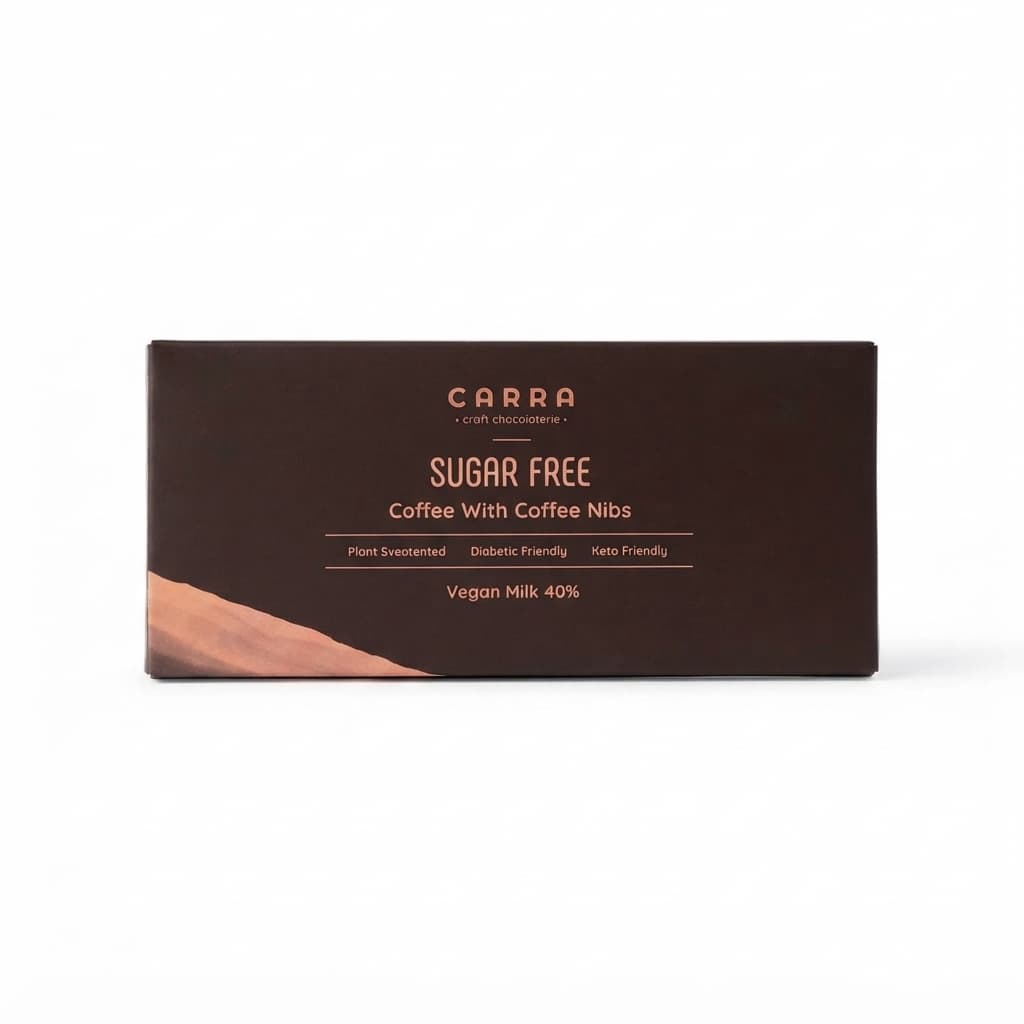
Coffee with Coffee Nibs 40%
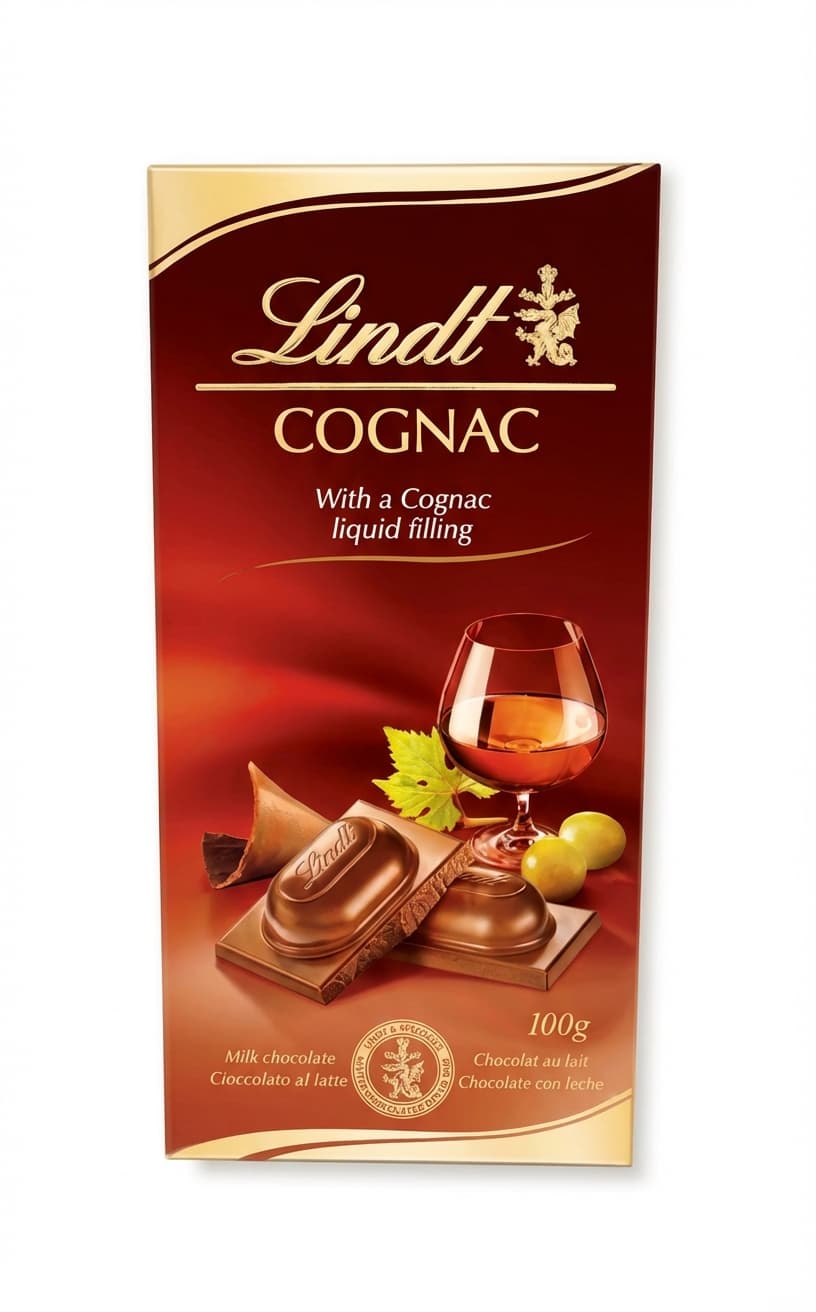
Cognac
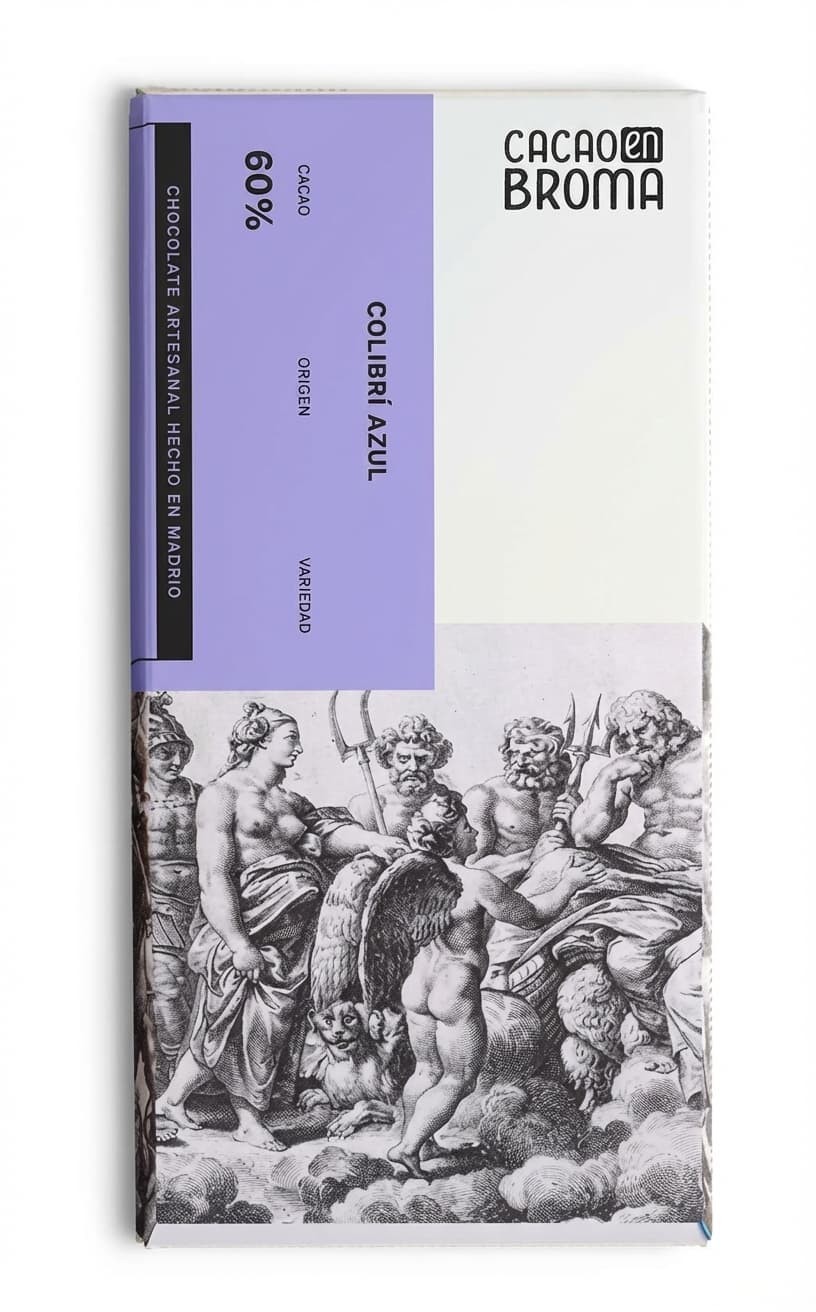
Colibrí Azul 60%
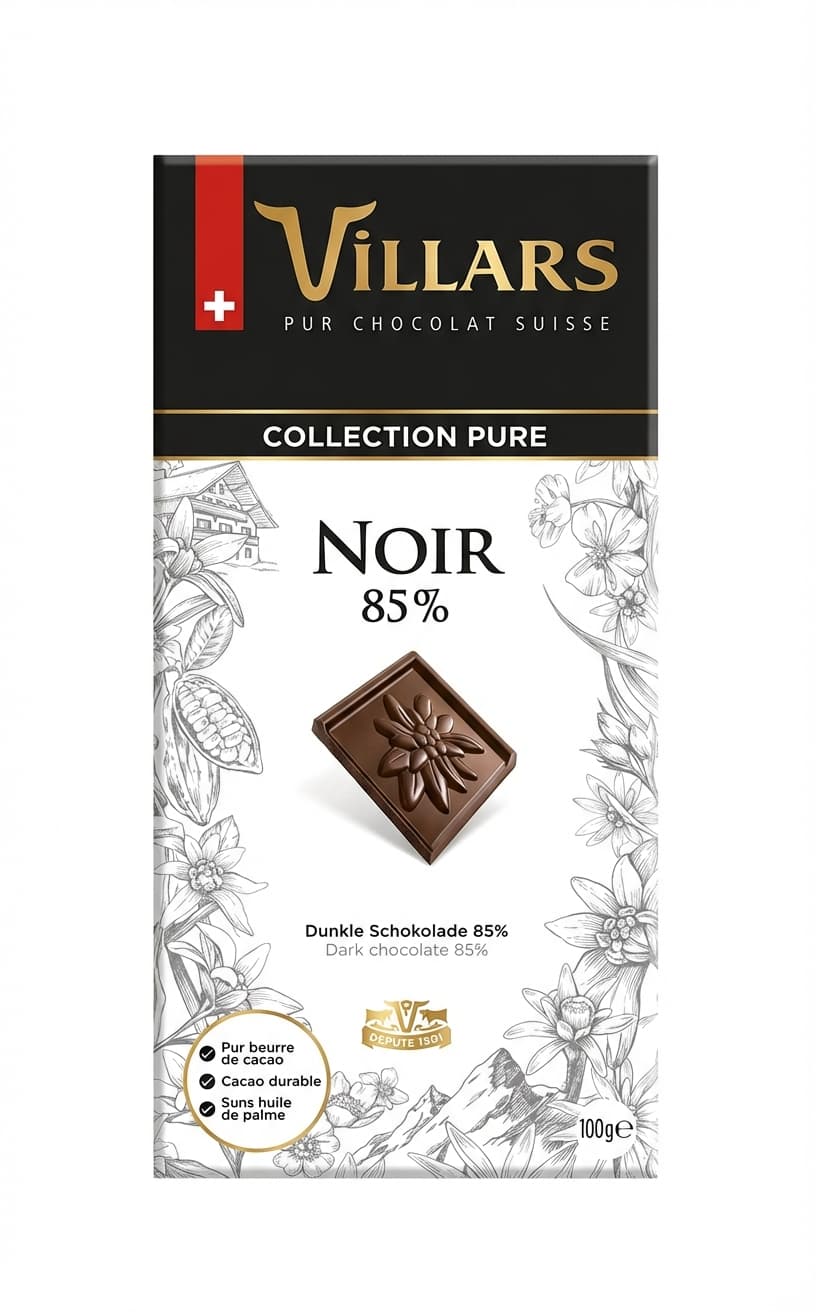
Collection Pure Noir 85%
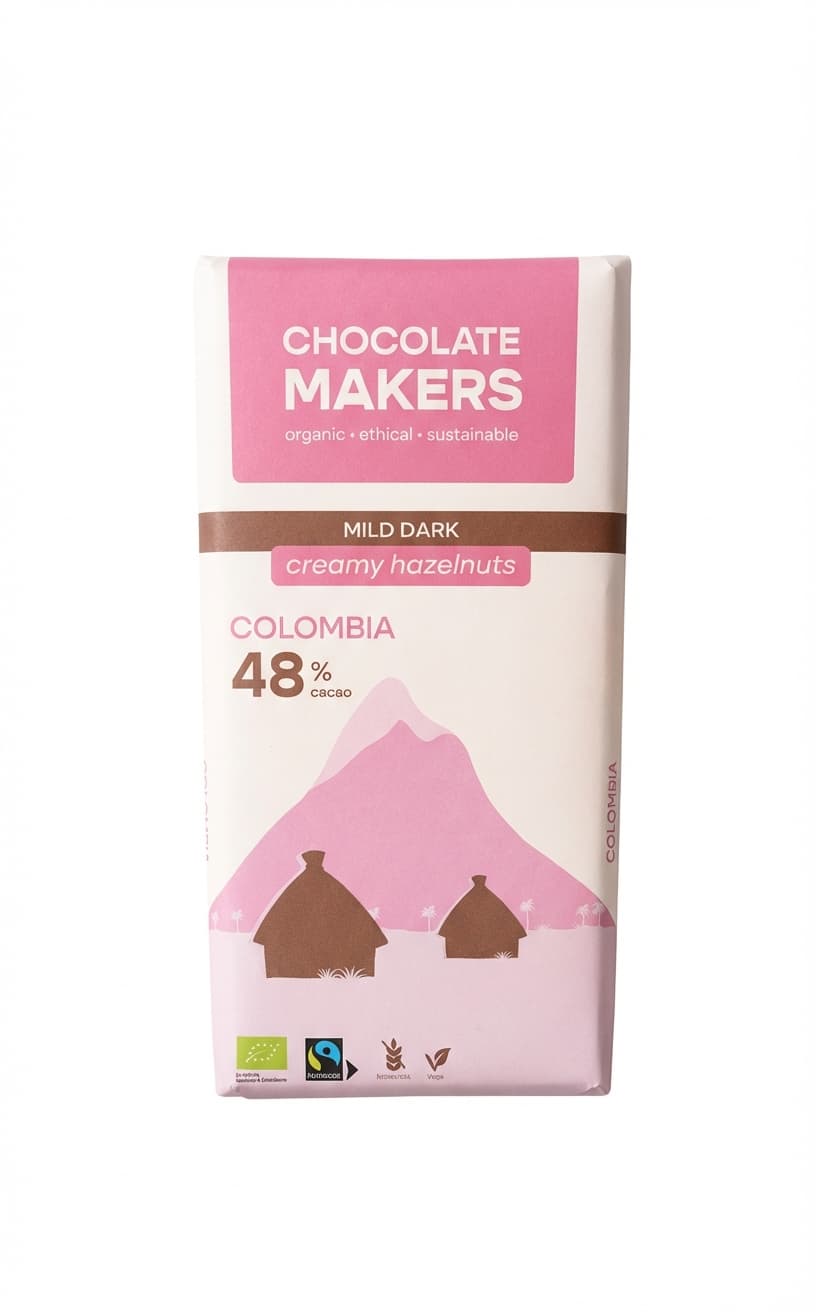
Colombia 48% creamy hazelnuts
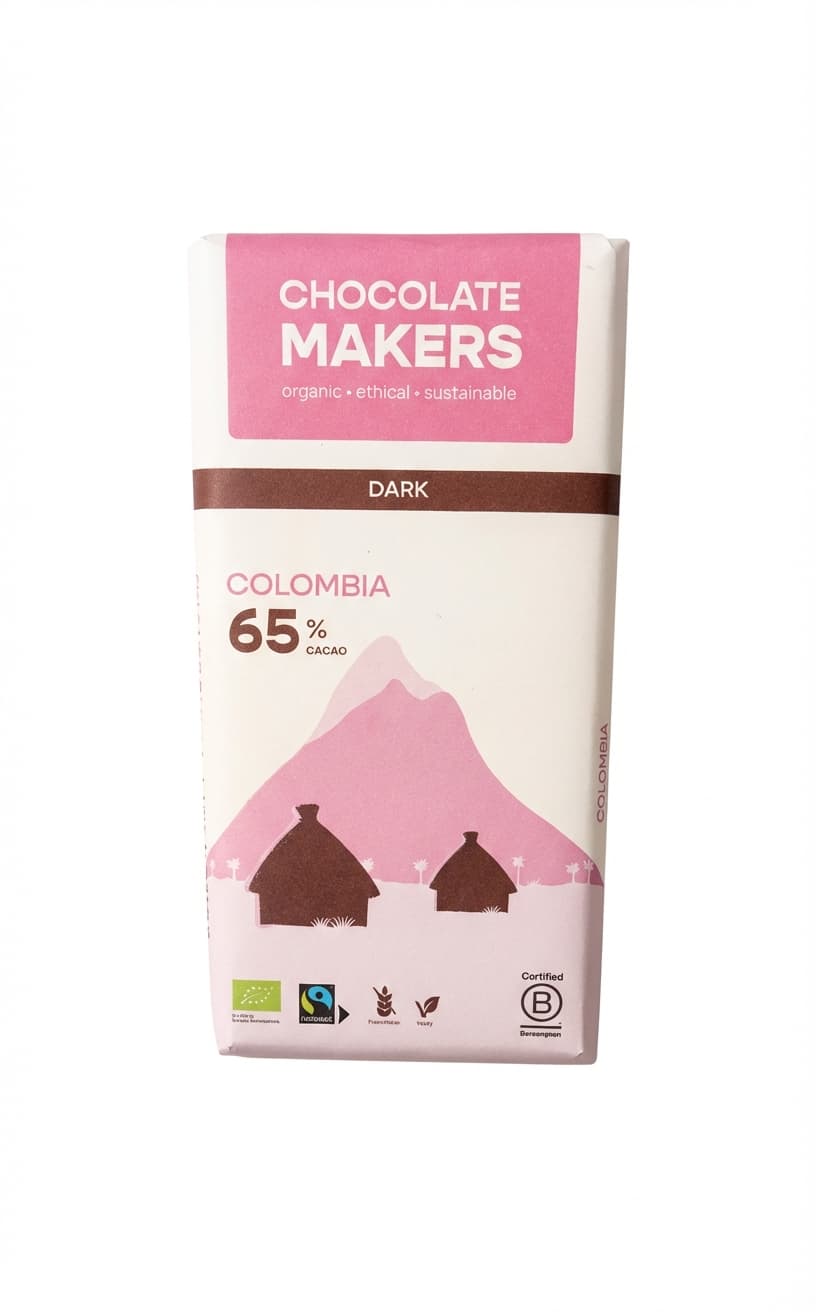
Colombia 65%
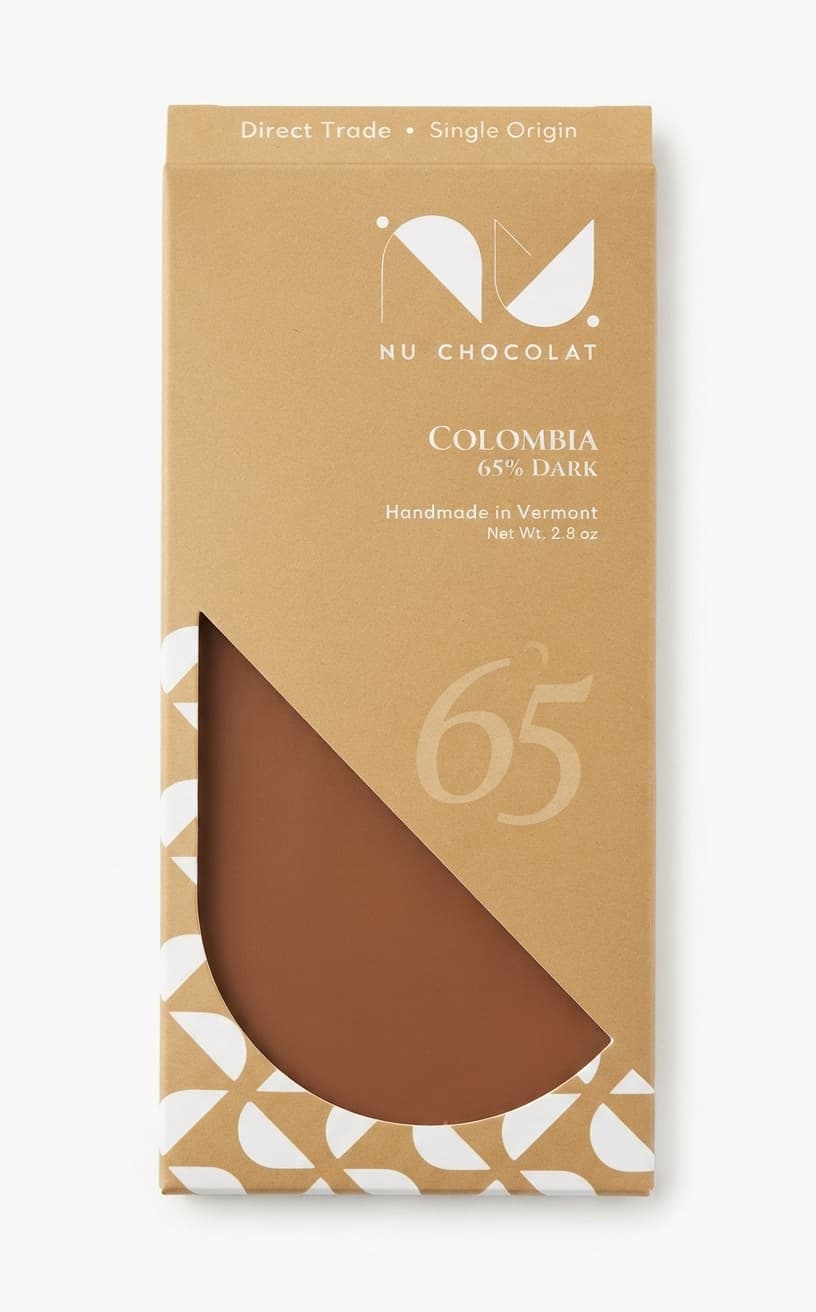
Colombia 65%
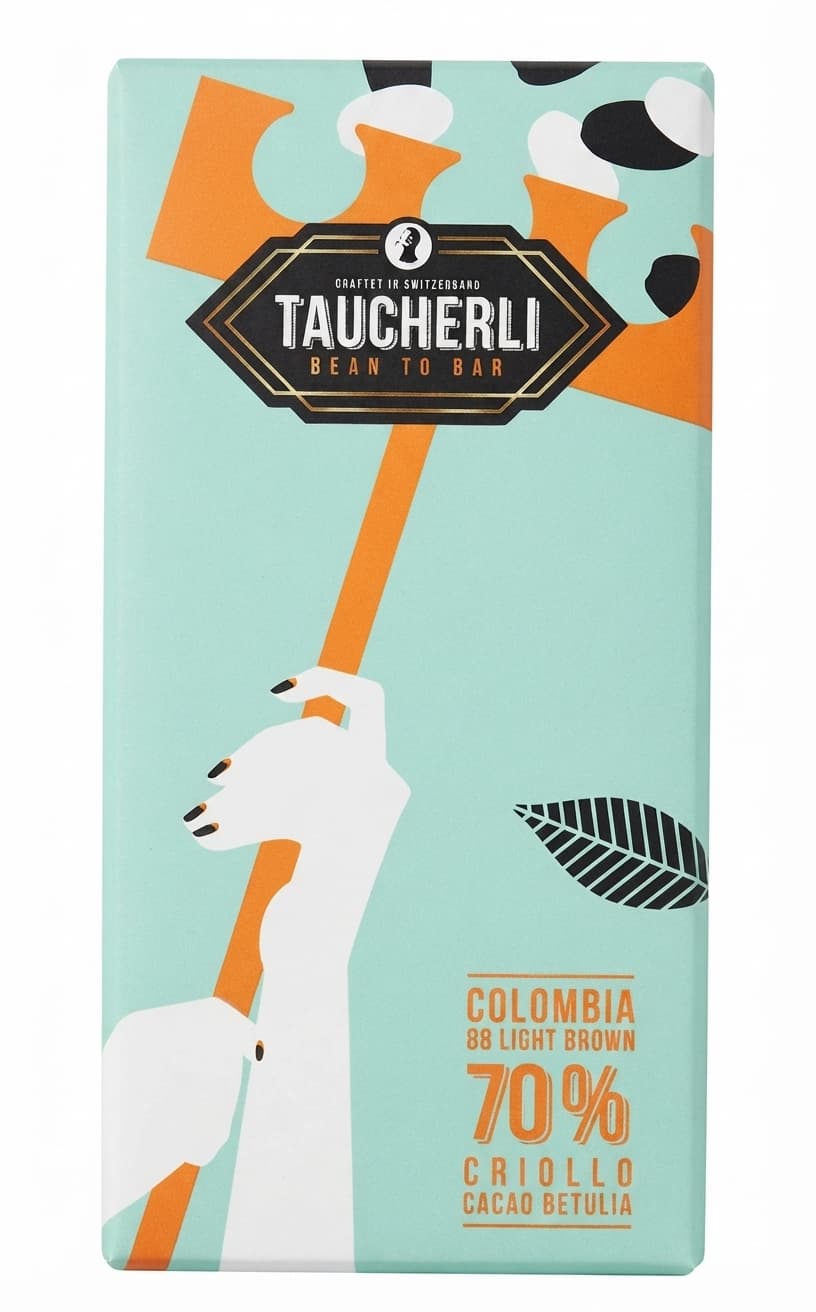
Colombia 70%
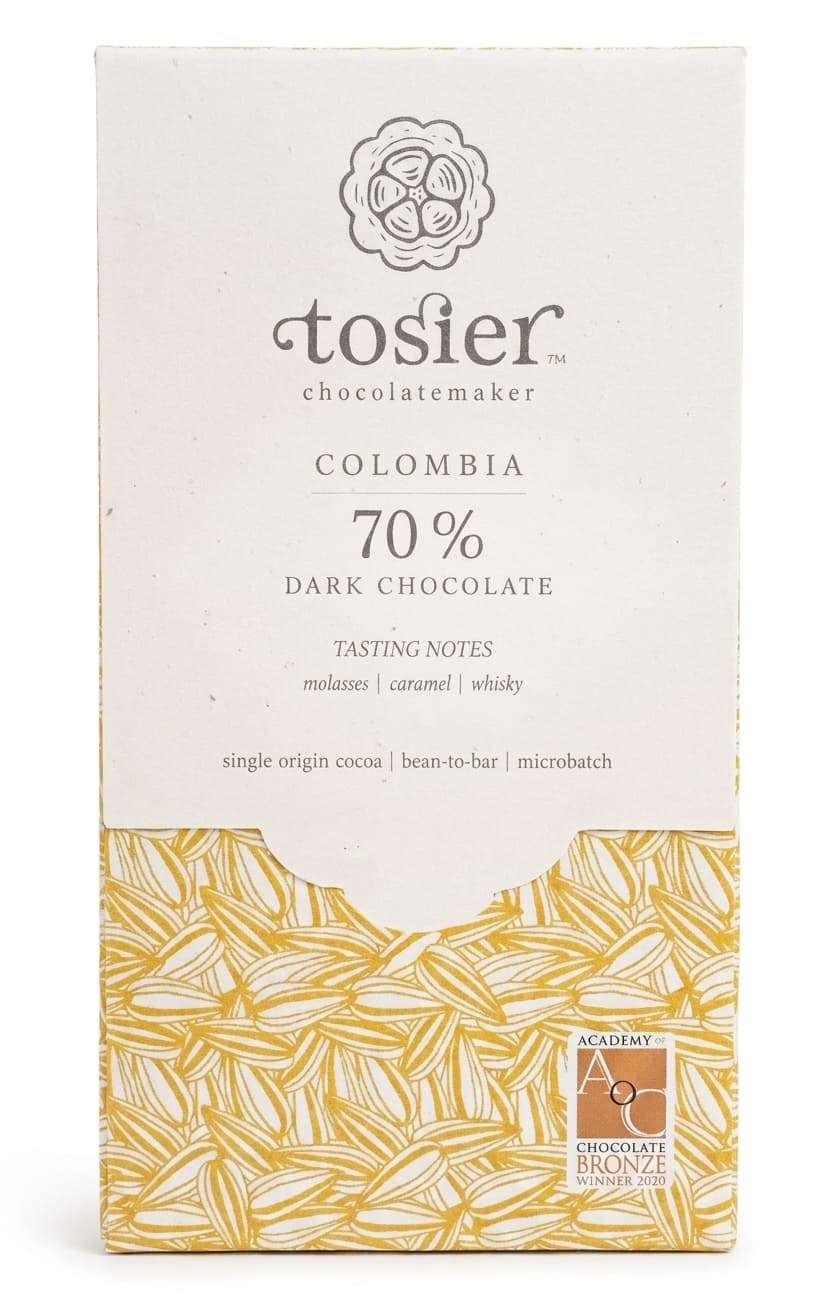
Colombia 70%
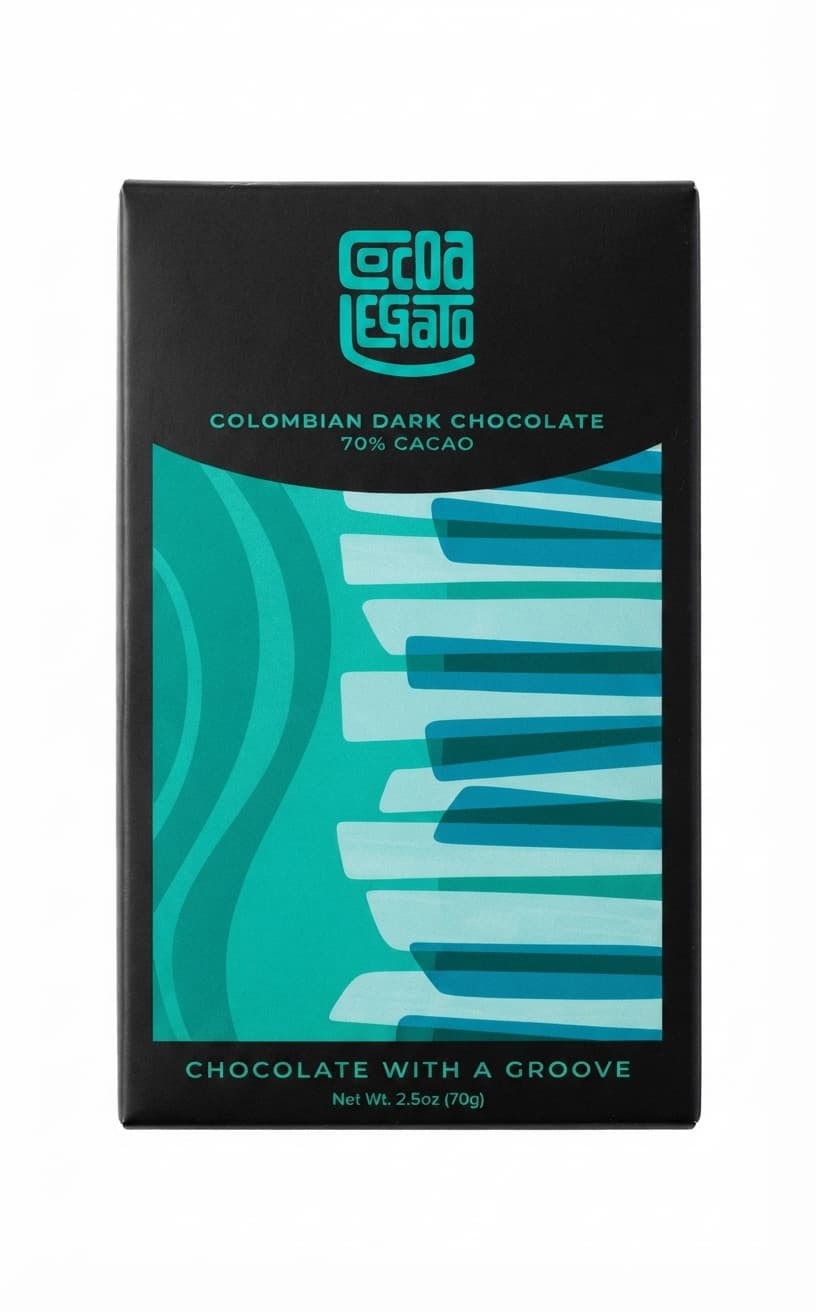
Colombia 70%
Not sure which bar to pick? Tell us which bars you’ve tried and get personal recommendations.
Or browse by category
- Top 20 chocolate barsCurated by an IICCT chocolate taster
- Browse by cacao originFrom Madagascar to São Tomé
- Browse by cocoa percentage30% milk to 100% pure cocoa mass
- Browse by chocolate typeDark, milk, white, dark milk, ruby and craft styles
- Browse by chocolate makerBean-to-bar, tree-to-bar and craft brands
- Top 20 chocolate makersHighest-rated makers by average bar quality
- Buying guideHow to choose good chocolate, by a certified taster
Frequently asked
What makes a chocolate bar good?
A good bar usually combines four things: clean ingredients (no PGPR, vegetable fats or vanillin), transparent origin (named country, ideally region or co-op), a cocoa percentage that matches the style the maker is going for, and careful processing (fermentation, roast, conching). Good chocolate does not need a high cocoa percentage to be good.
How are bars added to Chof?
Most bars are added by chocolate enthusiasts using the Chof app. Makers can also send their full range with images and details to felipe@chof.nl.
Can I filter chocolate bars by origin or cocoa percentage?
Yes. Browse bars by cacao origin at /origins, by cocoa percentage at /cocoa, by chocolate type at /type, or by maker at /makers. Each facet has its own dedicated hub page.
What information is available for each chocolate bar?
Every bar page on Chof shows the maker, cocoa percentage, origin country and region (when known), ingredients, certifications and tasting notes. Internal links connect each bar to other bars sharing the same origin, cocoa band or style.
How are the top chocolate bars on Chof picked?
The Top 20 chocolate bars list ranks bars by a combination of origin transparency, ingredient purity and how much a maker documents about how the bar was made. The list is regenerated hourly and never sorted on a single five-star number.
What is single-origin chocolate?
Single-origin chocolate is made from cacao beans that all come from one country. Single-estate or single-farm bars narrow this further to one growing region or one farm. Single-origin labelling lets you taste cacao genetics, soil and post-harvest fermentation, instead of blending them away.