Criollo Chocolate
The rarest and most over-claimed name in chocolate. 140 Criollo bars on Chof, from 70 makers, at an average of 69% cocoa.
Chof's Criollo bars come mostly from Venezuela, Peru and Colombia, and every bar lists Criollo the way its maker states it, not as a verified fact. Tasting notes that come up most often: honey, caramel, fruity, citrus, floral and raisins.
What is Criollo chocolate?
Criollo is the ancient, pale-beaned cacao the Maya prized: mild, low in bitterness, and given to notes of nuts, caramel, honey and soft fruit. It is genuinely rare and the most over-claimed word on a chocolate wrapper, because most bars sold as Criollo are really Trinitario blends.
Criollo is the aristocrat of cacao. Its beans are pale, almost white or ivory, rather than the deep purple of most cocoa, because over centuries of domestication it lost much of the pigment and polyphenol content that make cacao bitter and astringent. That is why a genuine Criollo bar tastes so gentle: soft, nutty and sweet, with very little of the harshness people associate with dark chocolate.
It is also an ancient and fragile plant. Criollo is the cacao the Maya and later the Aztec prized, and it was carried north into Central America and Venezuela long ago. But it is low-yielding and vulnerable to disease, so over the centuries it was crossed with hardier cacao until almost none survived pure, and by the late twentieth century some heritage Criollo populations were close to extinction before growers and makers began to rescue them. Cacao as a species was first domesticated much earlier and much further south, in the upper Amazon: genomic work (Cornejo et al., 2018) dates that domestication to roughly 3,600 years ago and traces Criollo to near the modern Colombia and Ecuador border, from an ancestor related to the Curaray group.
Here is the honest part, and the reason this page exists. True Criollo is rare. Estimates of how much of the world crop it represents run from well under one percent for strict, pure Criollo to around five percent for the broader Criollo-influenced pool, depending entirely on how you define it. Yet "Criollo" turns up on far more than five percent of specialty bars. The numbers do not add up. Most bars sold as Criollo are genetically Trinitario, the Criollo-and-bulk hybrid that carries a little of Criollo's finesse and much of the hardiness Criollo lacks. Nobody is necessarily lying, variety information is simply lost as beans move from farm to exporter to maker, and Criollo is a word that sells.
Where the flavour does deliver, it is gentle and sweet. Across Chof's Criollo bars, tasters most often log fresh fruit, berry, brown-sugar sweetness, and soft nutty, caramel and honey notes, with very little bitterness and at a noticeably lower average cocoa percentage than the bulk varieties. Most of it comes from Peru, Venezuela and Colombia, with the famous white-beaned Porcelana type as its most delicate expression.
How to read a Criollo claim
Every Criollo bar on Chof shows the variety as its maker lists it, not as an independently verified fact. Of the 140 that name Criollo, 62 list it as part of a blend rather than on its own; open any bar to see the full bean line its maker gave.
- A Criollo claim is more believable when the maker backs it up: a named heritage region such as Venezuela's Chuao or Porcelana country, a note about pale or white beans, or real traceability to a single farm.
- It is weaker when the label just says "Criollo" or "Criollo blend" with no origin, or pairs Criollo with Trinitario, which usually means the bar is mostly the hybrid.
- Your palate helps too. Genuine Criollo is strikingly gentle, nutty and creamy, with almost no bitterness or astringency. If a bar sold as Criollo tastes sharp and aggressive, the word is probably doing marketing work.
Best Criollo bars
Ranked by the Chof Score
- Rank 73:
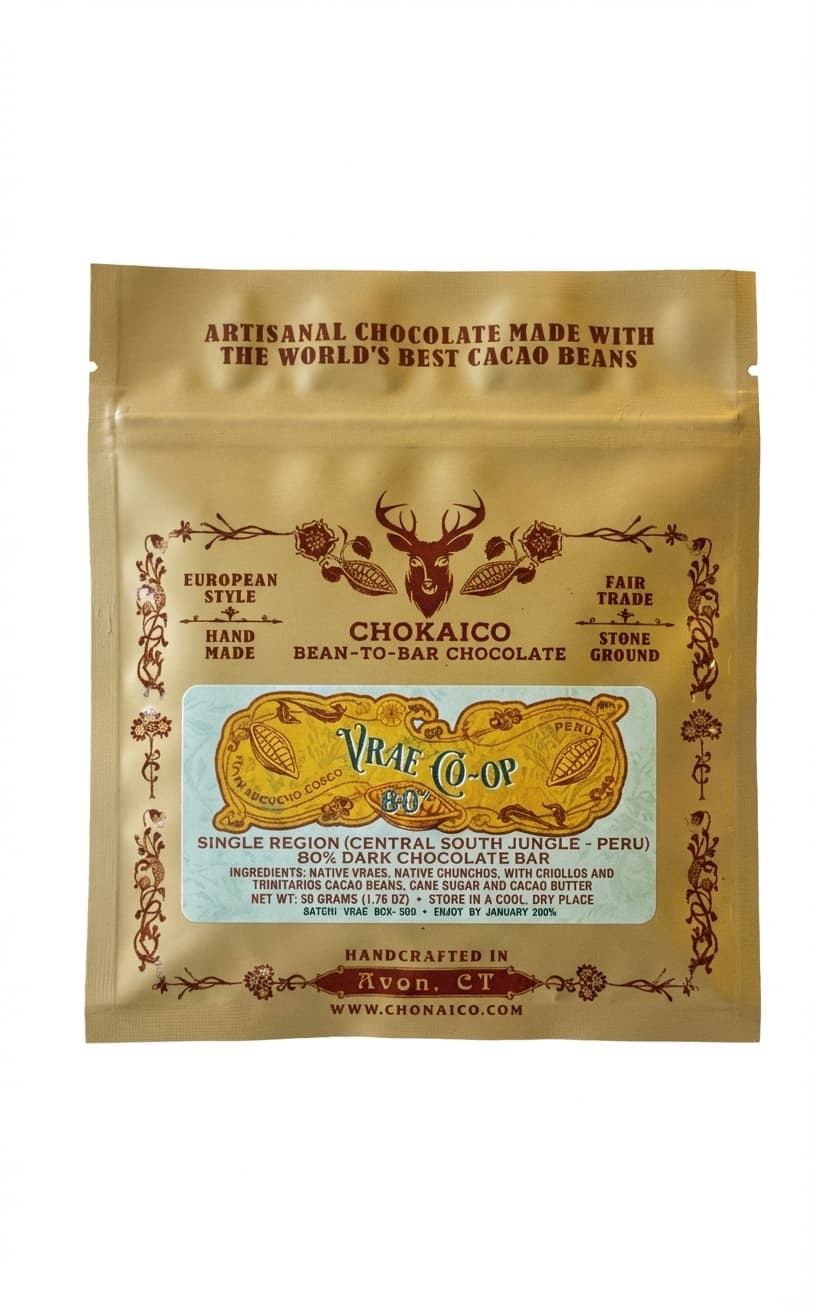 Chokaico
VRAE Co-op 80%
80%darkPeru - Rank 74:
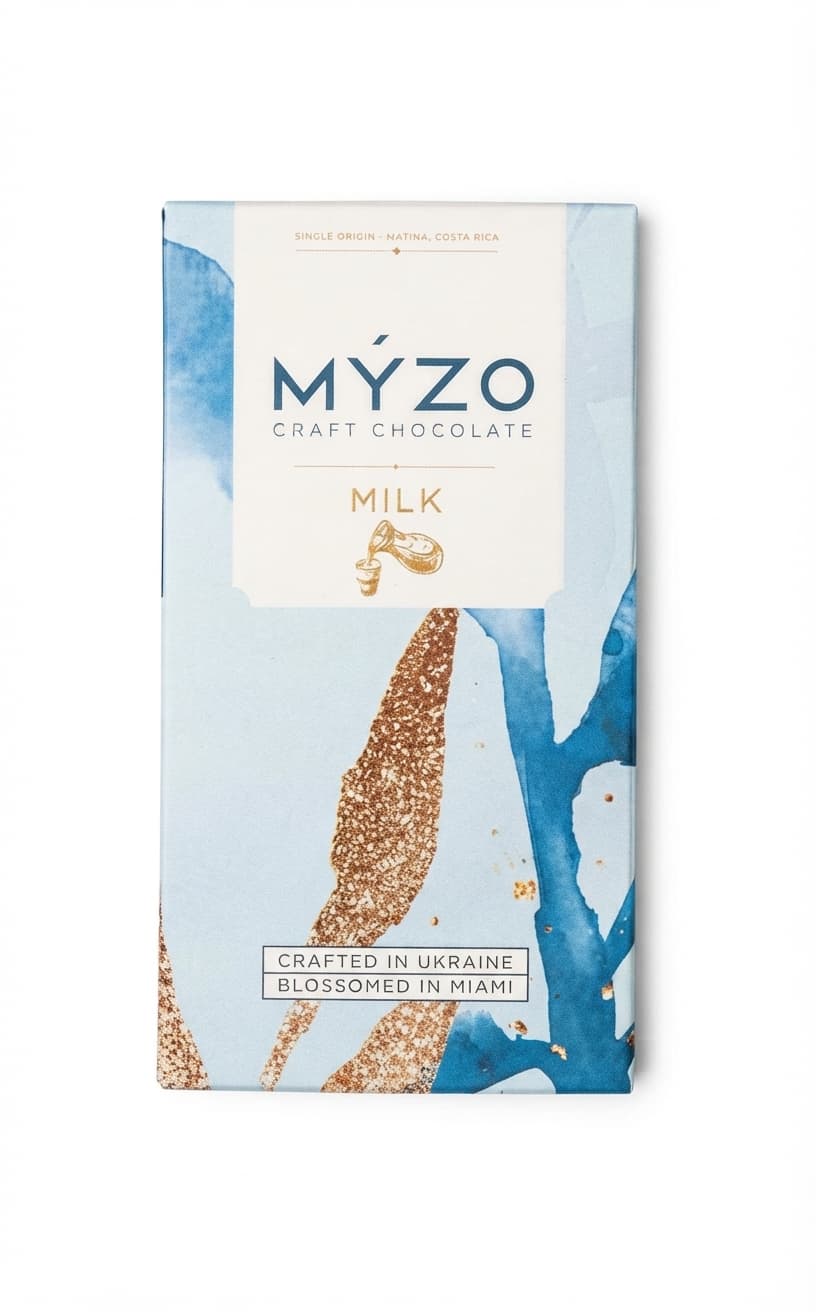 Myzo Chocolate
Matina Costa Rica Milk 48%
48%milkCosta Rica - Rank 75:
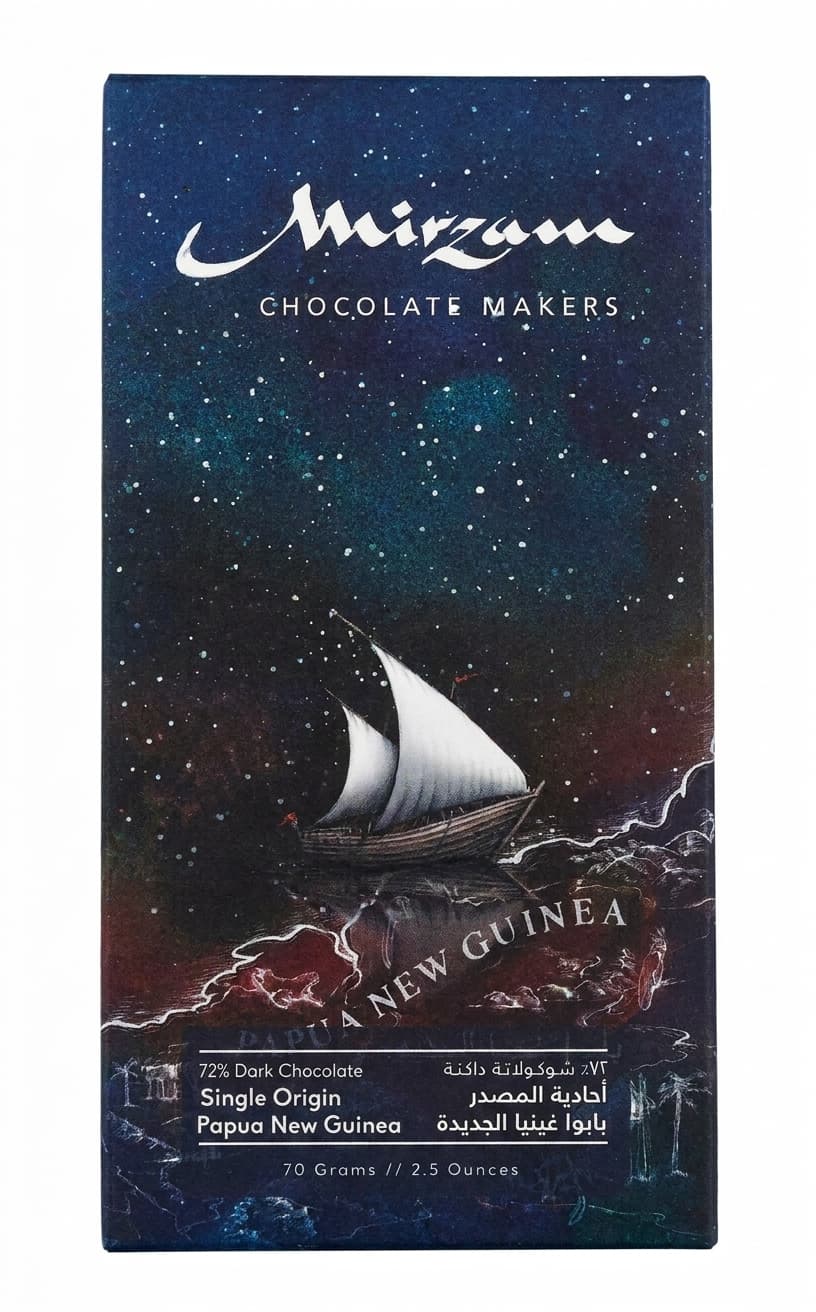 Mirzam
Papua New Guinea 72%
72%darkPapua New Guinea - Rank 76:
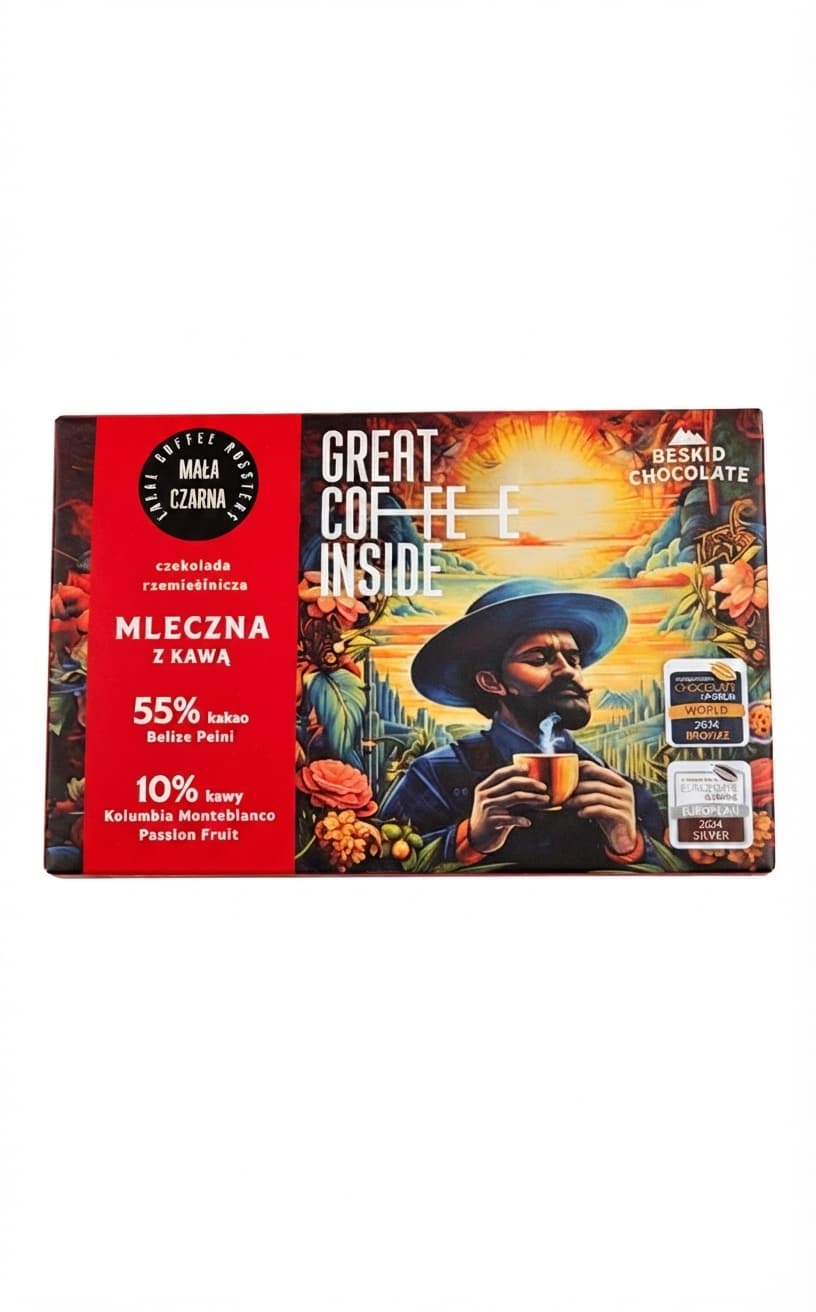 Beskid Chocolate
Mleczna z Kawą
55%milkBelize - Rank 77:
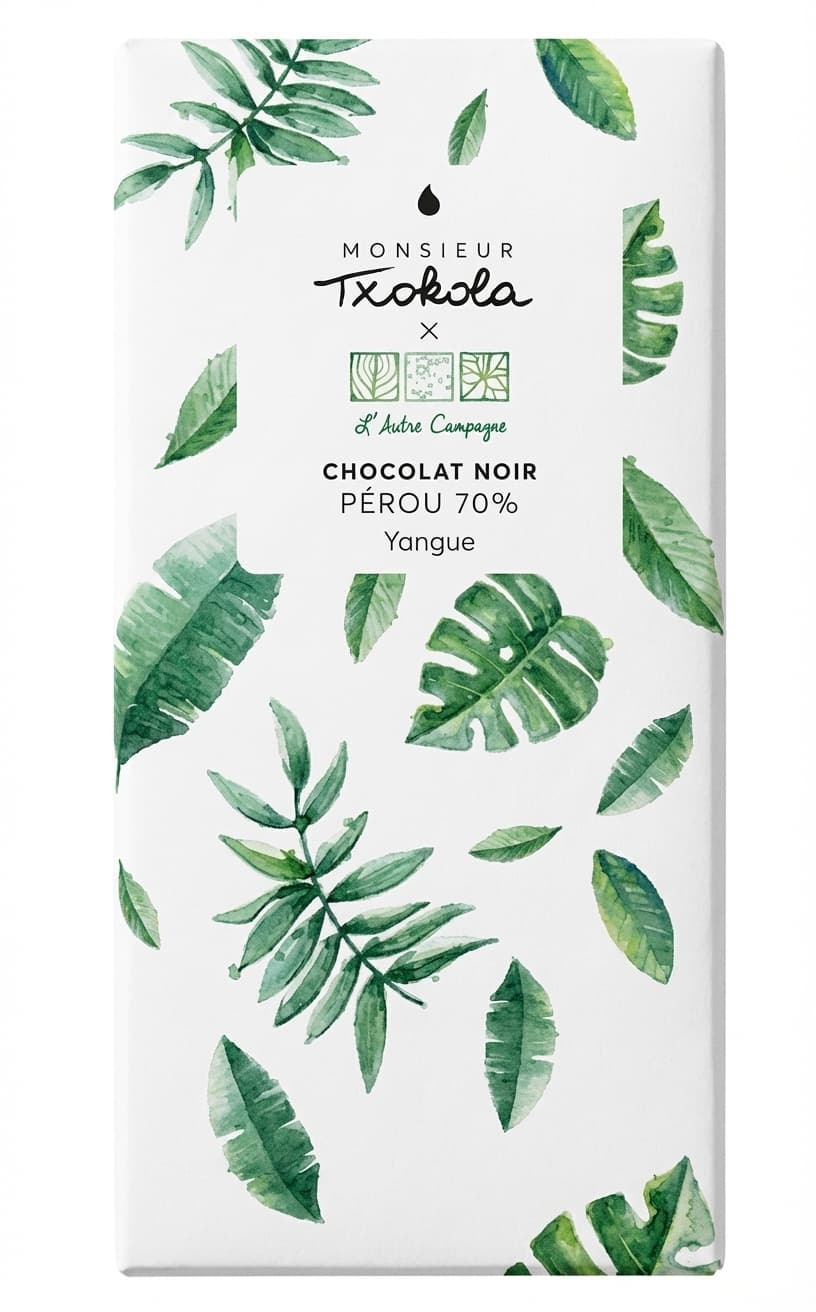 Monsieur Txokola
Pérou 70%
70%darkPeru - Rank 78:
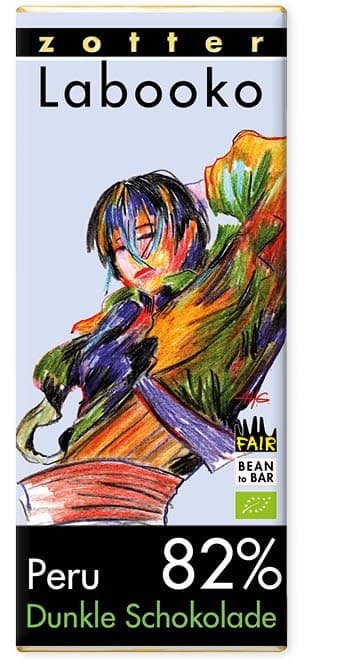 Zotter
Labooko Peru 82%
82%darkPeru - Rank 79:
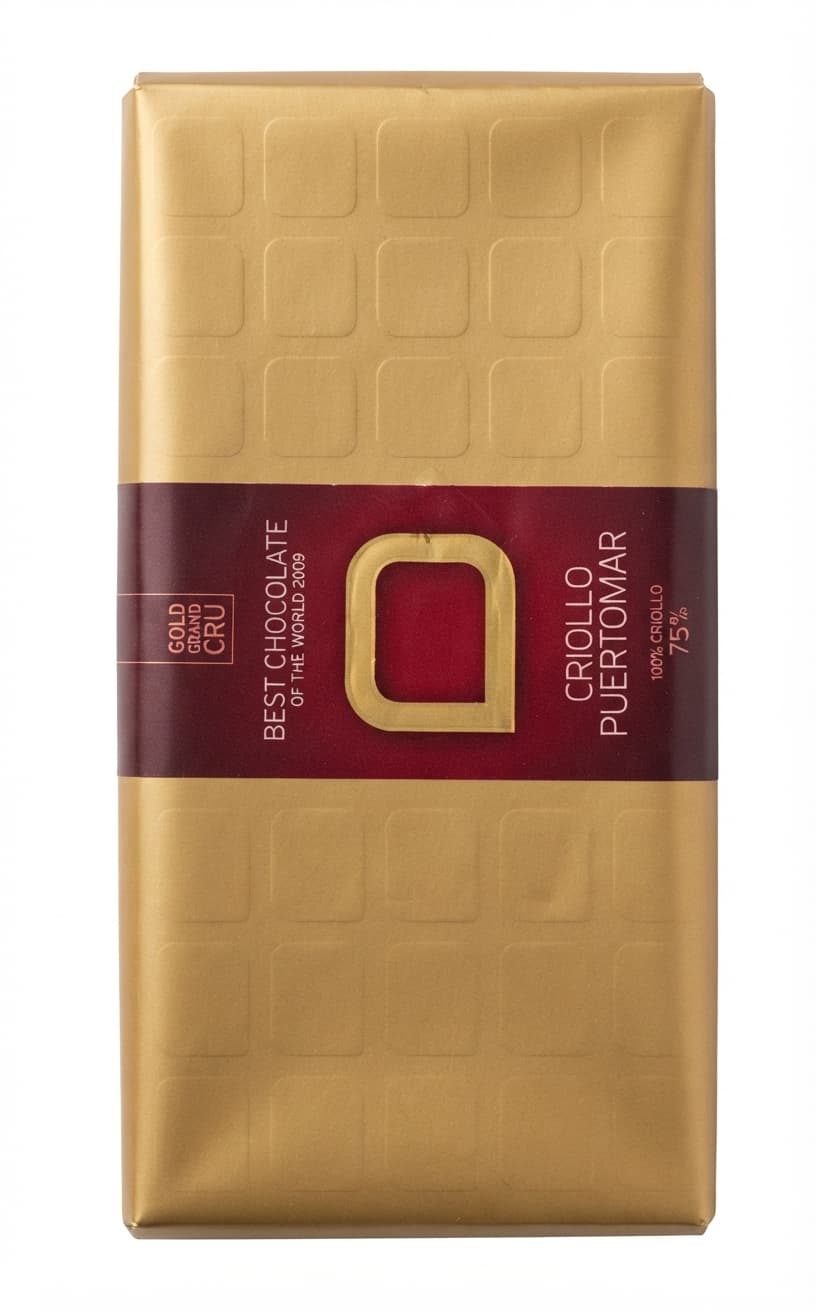 Domori
Criollo Puertomar 75%
75%darkVenezuela - Rank 80:
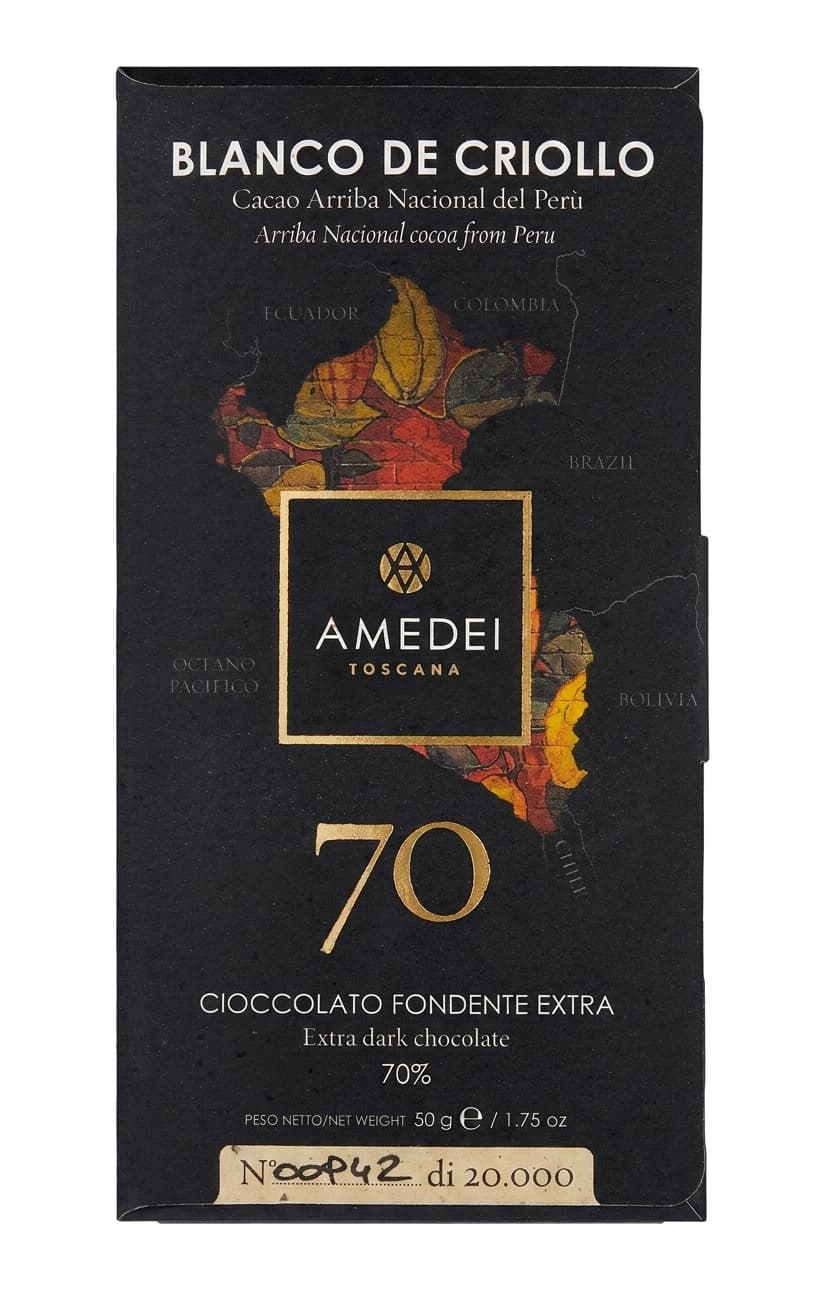 Amedei
Blanco de Criollo 70%
70%darkPeru - Rank 81:
 Bare Bones
Honduras Milk 55%
55%milkHonduras - Rank 82:
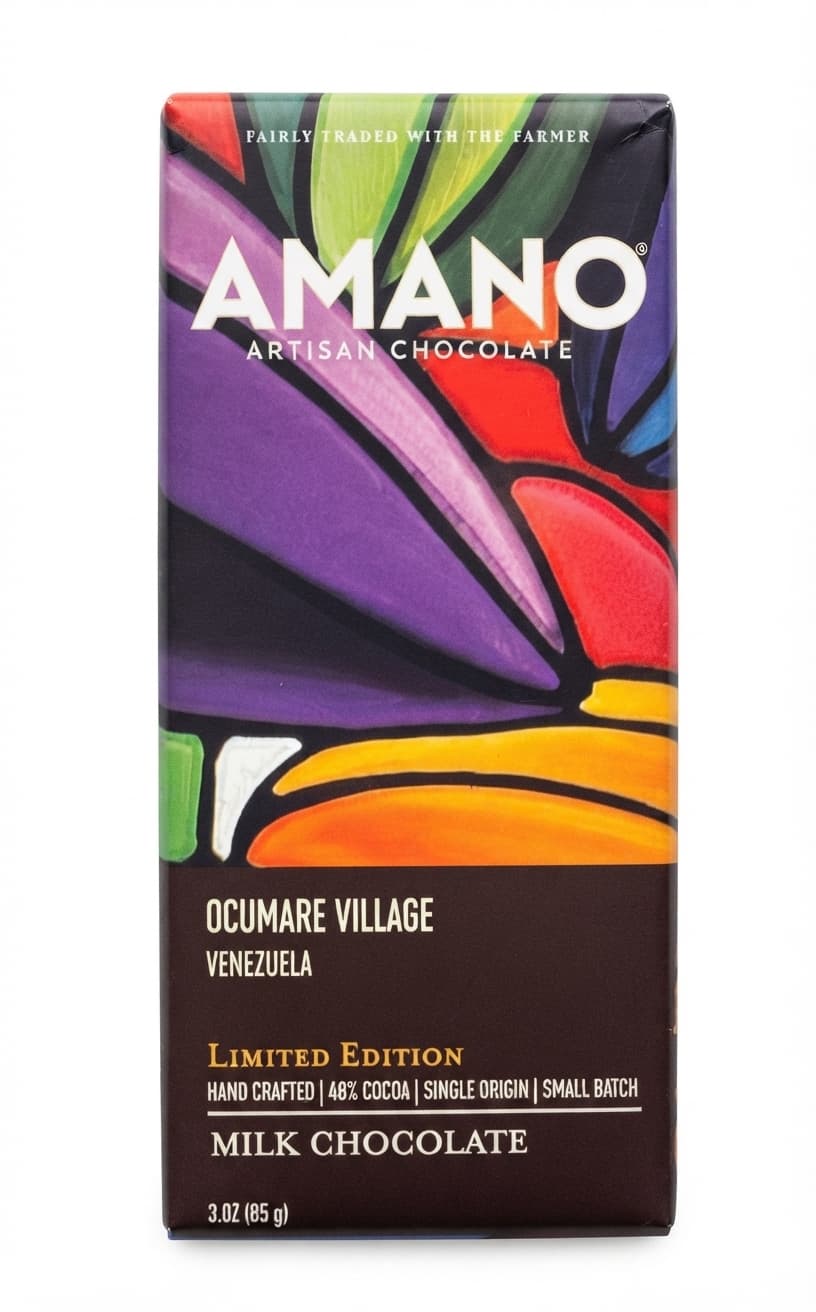 Amano
AmanoOcumare Village
48%milkVenezuela - Rank 83:
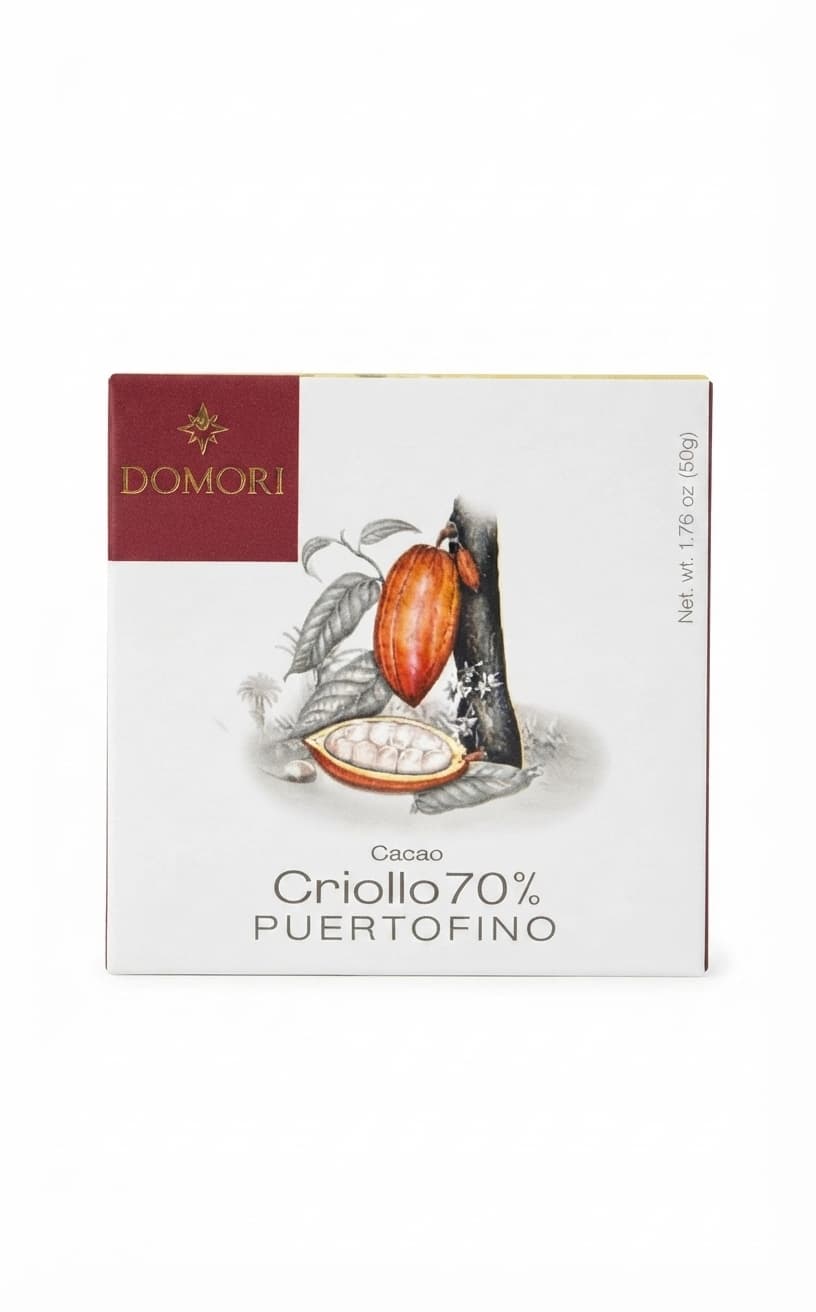 Domori
Puertofino 70%
70%darkVenezuela - Rank 84:
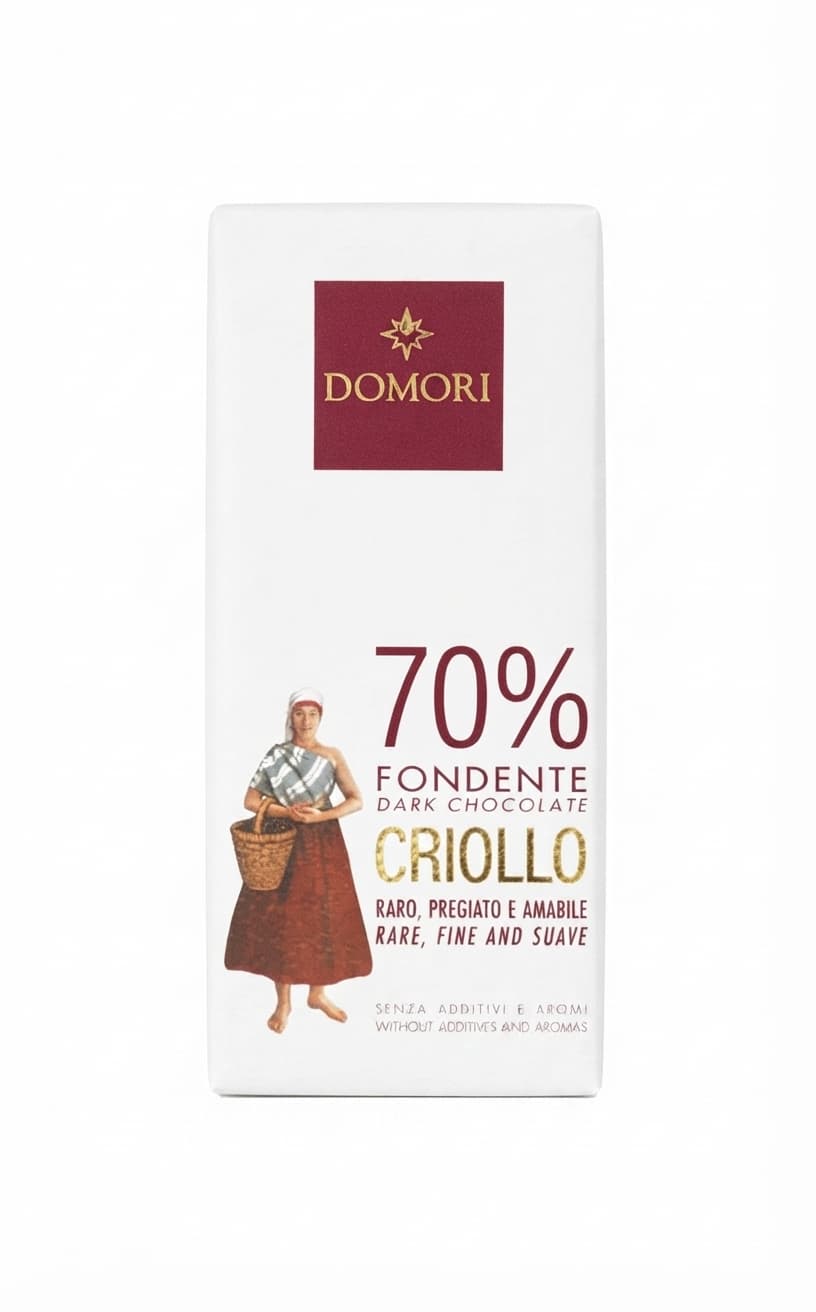 Domori
Criollo 70%
70%darkVenezuela - Rank 85:
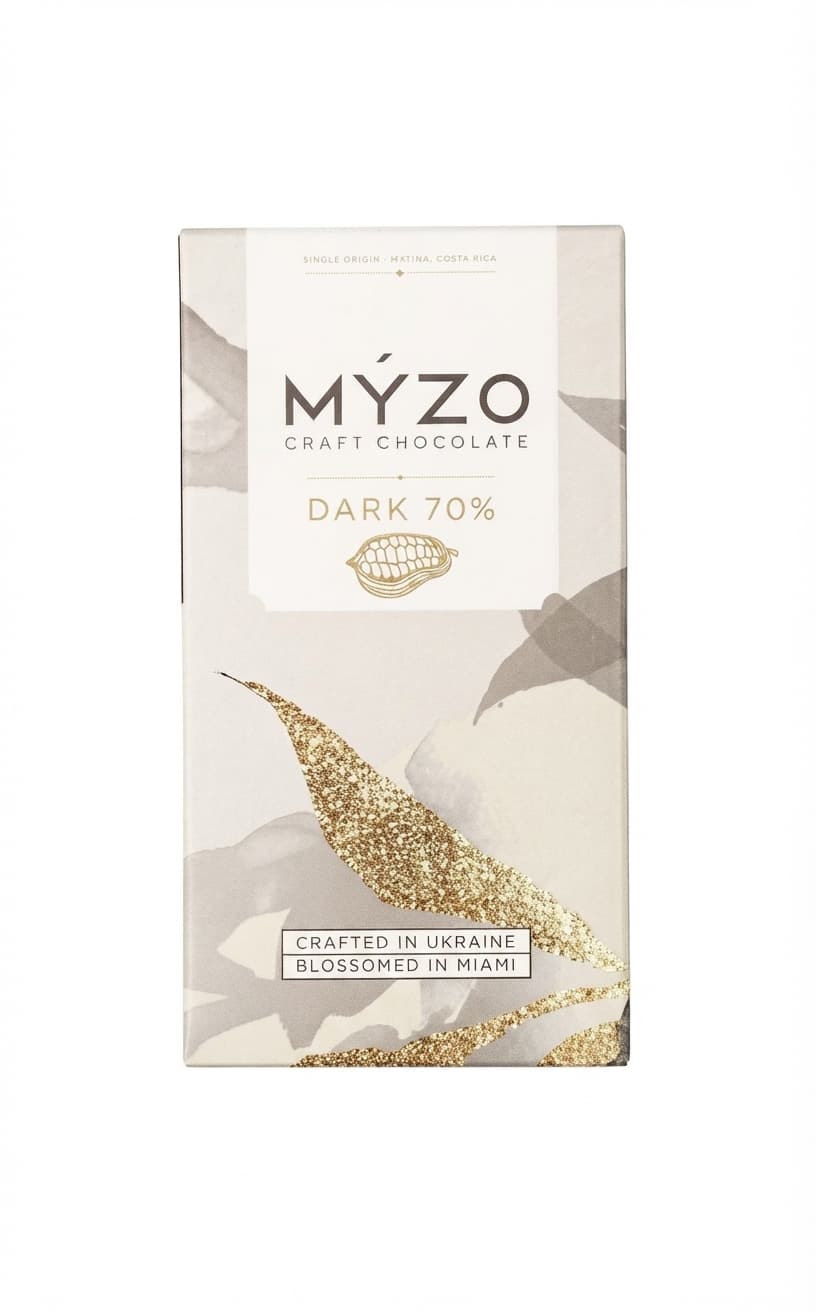 Myzo Chocolate
Matina Costa Rica 70%
70%darkCosta Rica - Rank 86:
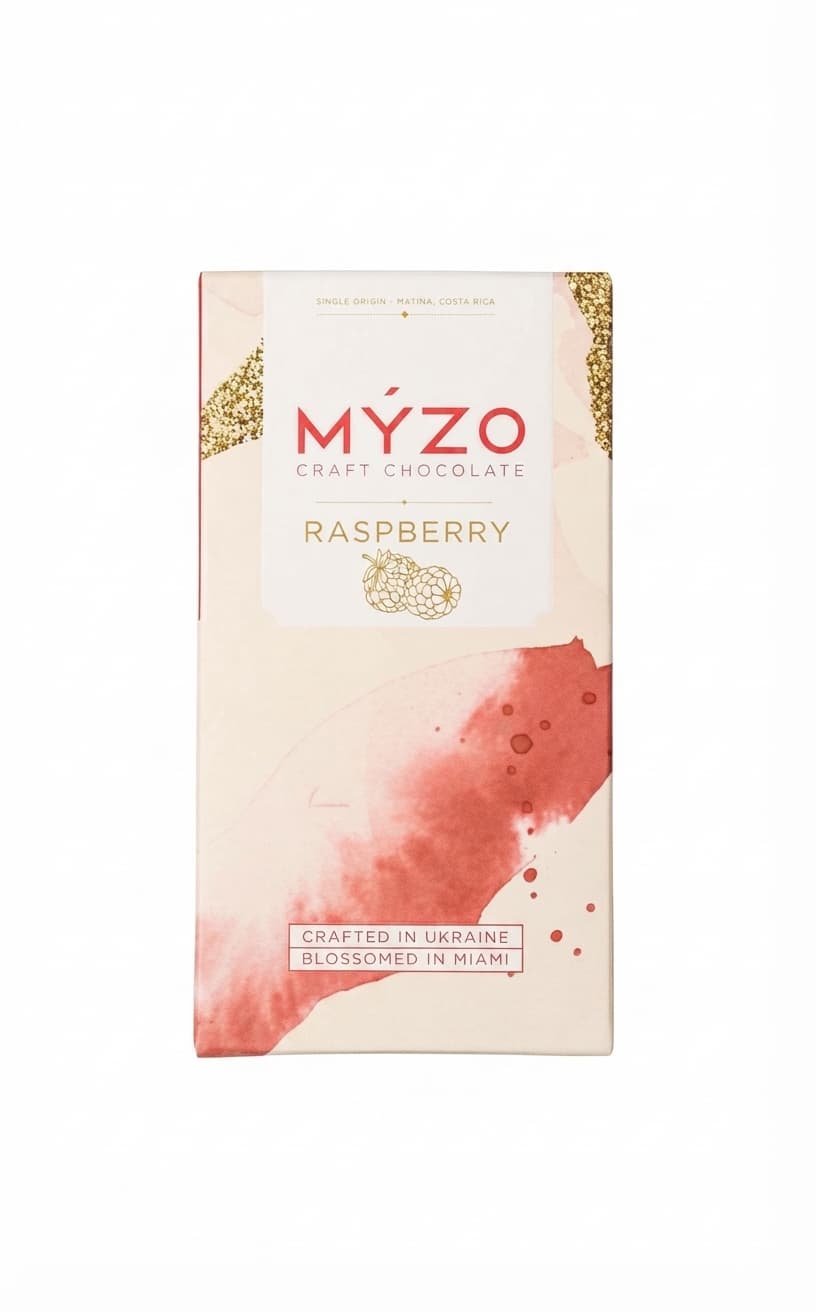 Myzo Chocolate
Raspberry 70%
70%darkCosta Rica - Rank 87:
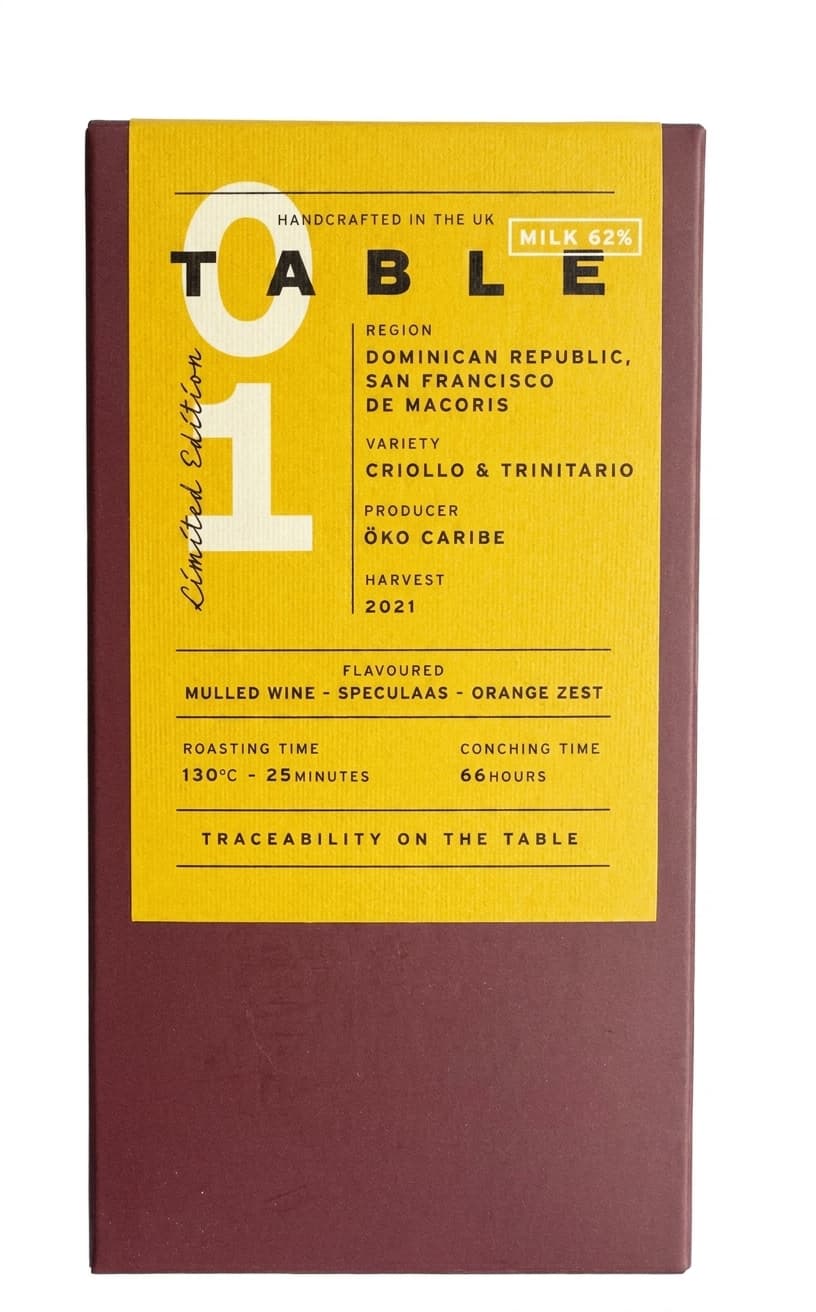 Table
Table01
62%milkDominican Republic - Rank 88:
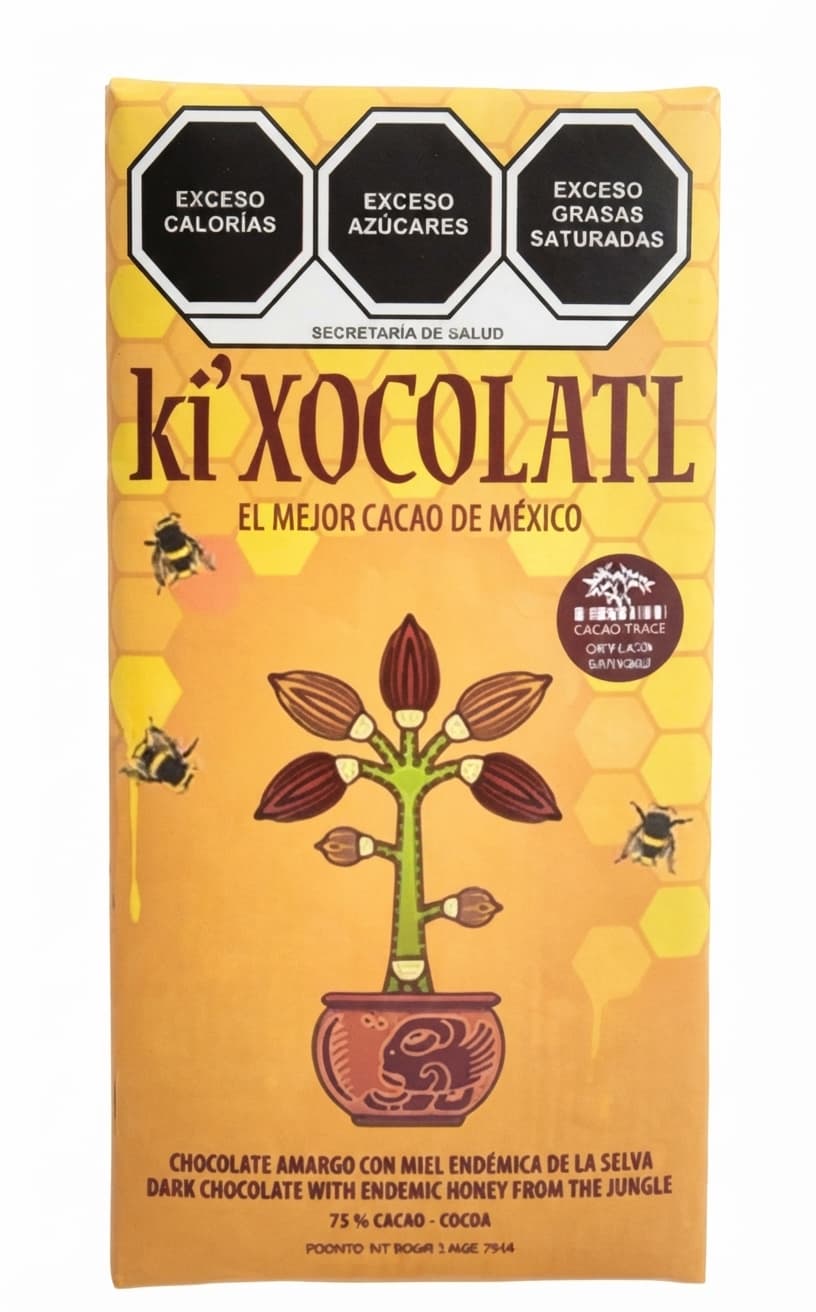 Ki'Xocolatl
Endemic Honey 75%
75%darkMexico - Rank 89:
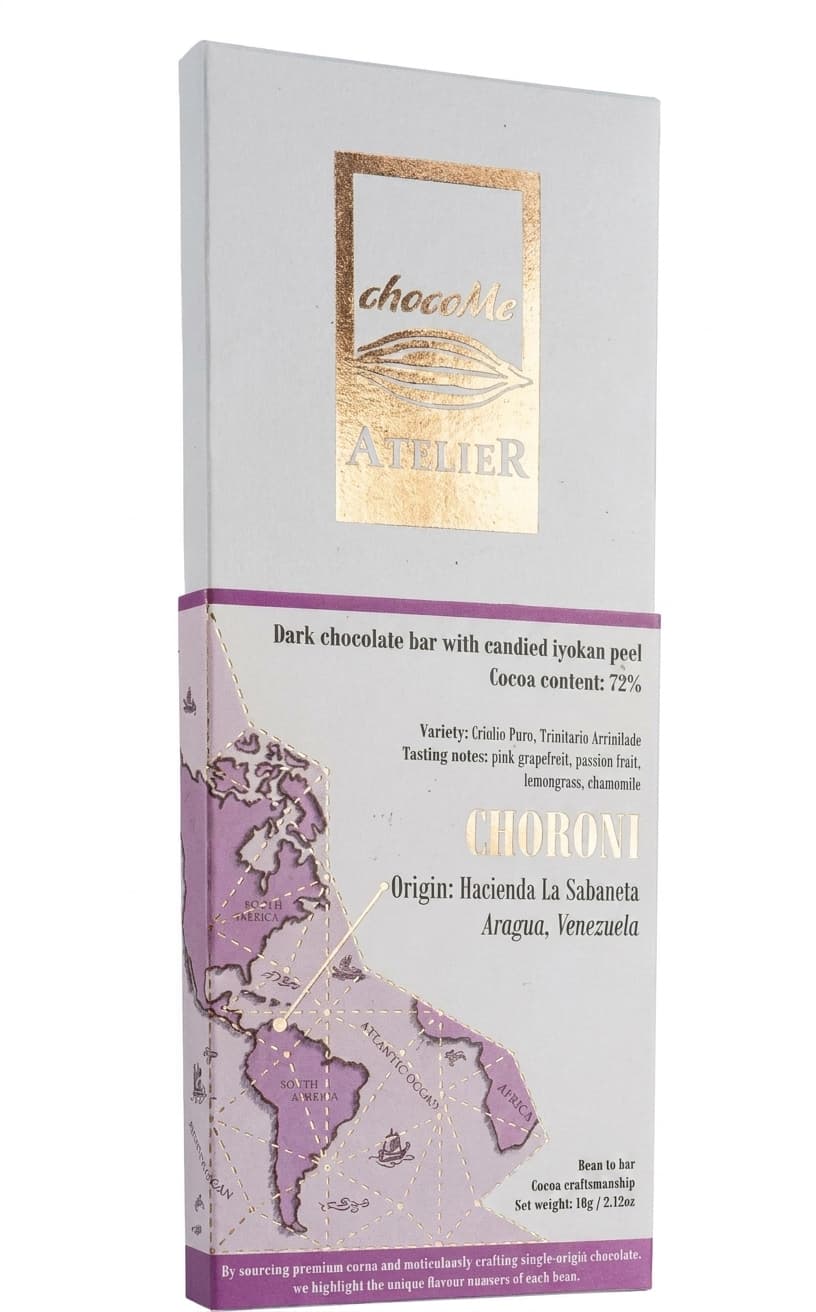 chocoMe
Choroni 72% Candied Iyokan Peel
72%darkVenezuela - Rank 90:
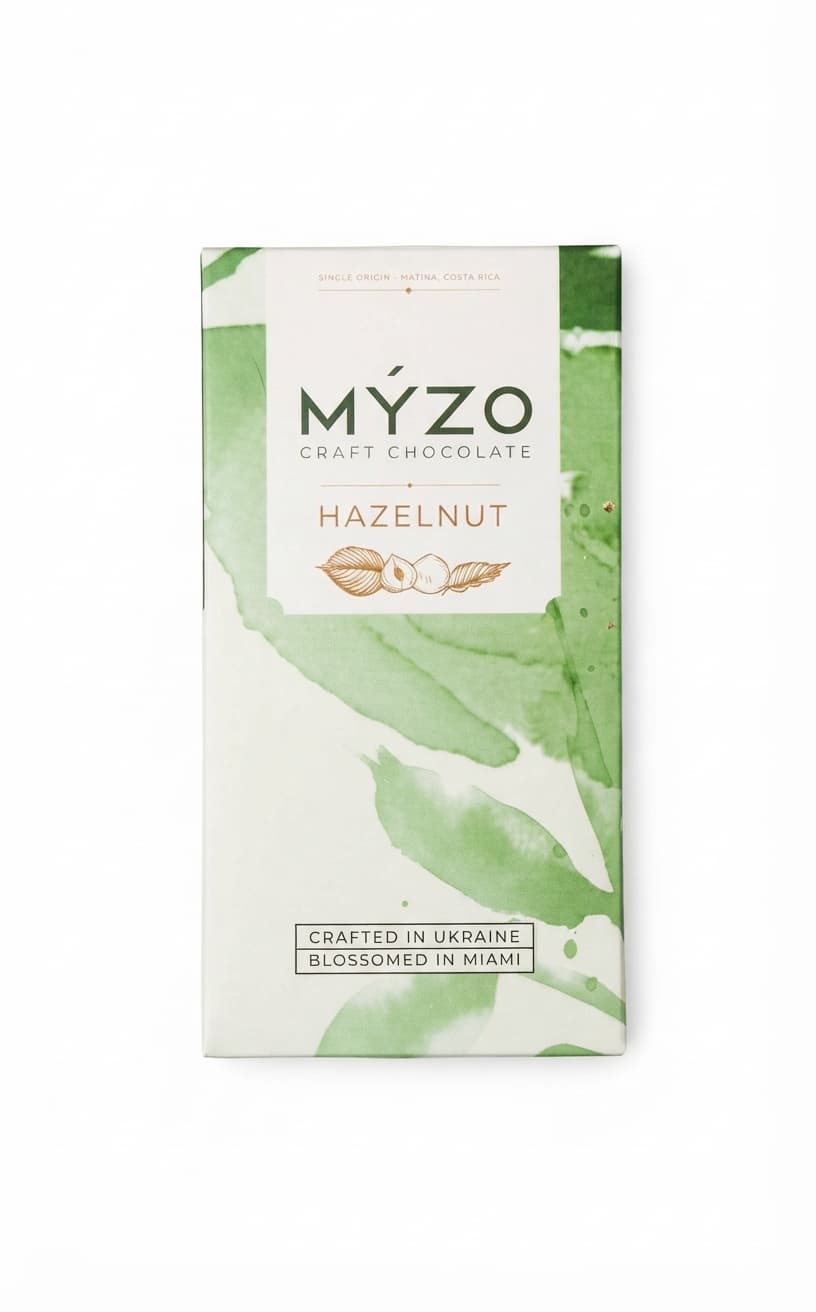 Myzo Chocolate
Hazelnut 70%
70%darkCosta Rica - Rank 91:
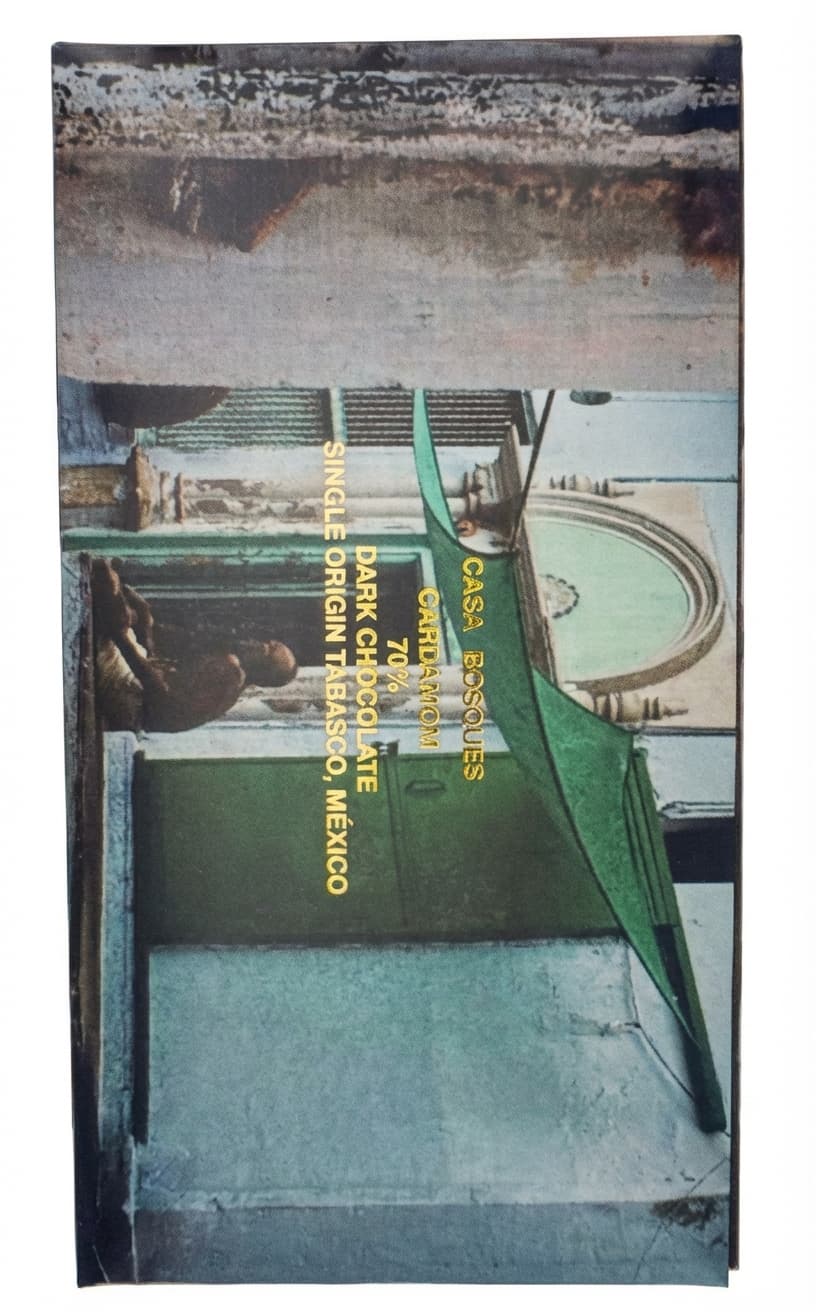 Casa Bosques
Cardamom 70%
70%darkMexico - Rank 92:
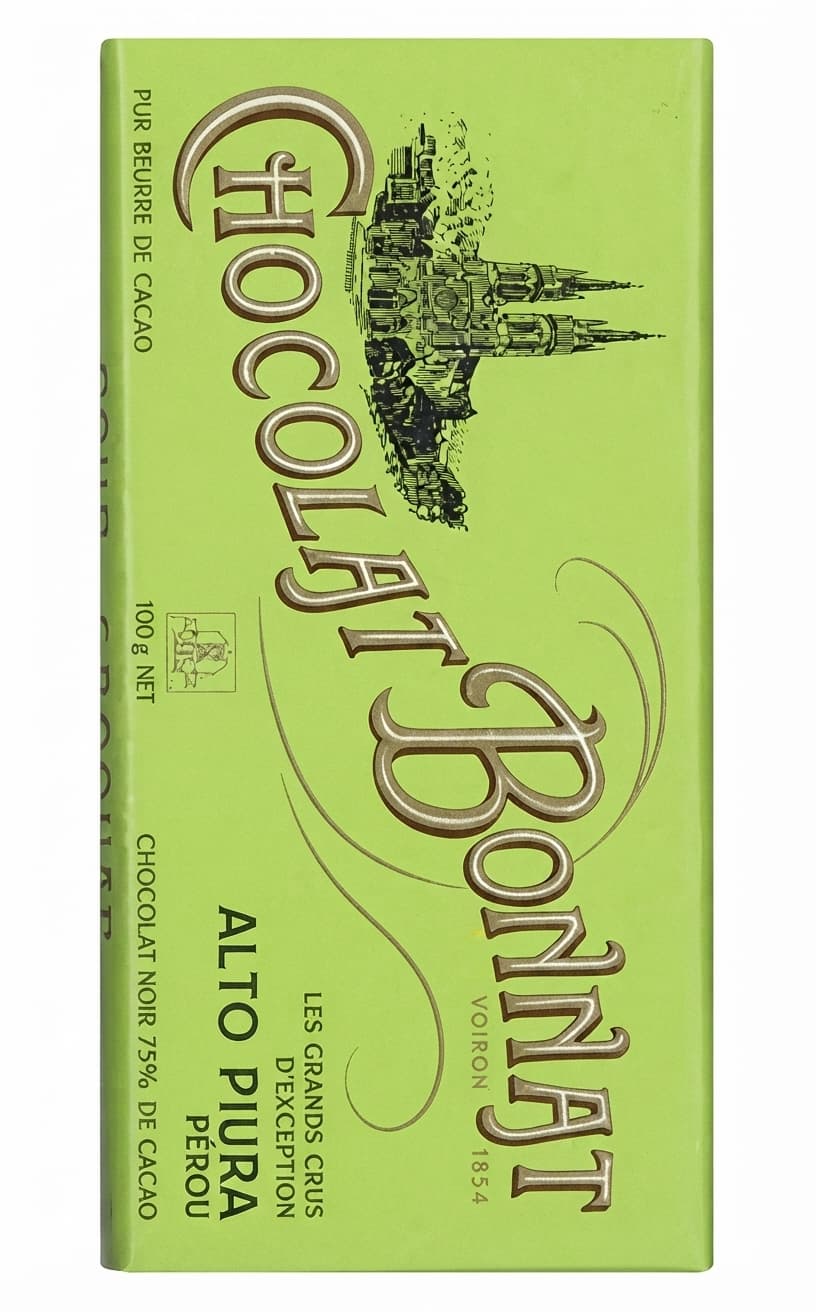 Bonnat
Alto Piura 75%
75%darkPeru - Rank 93:
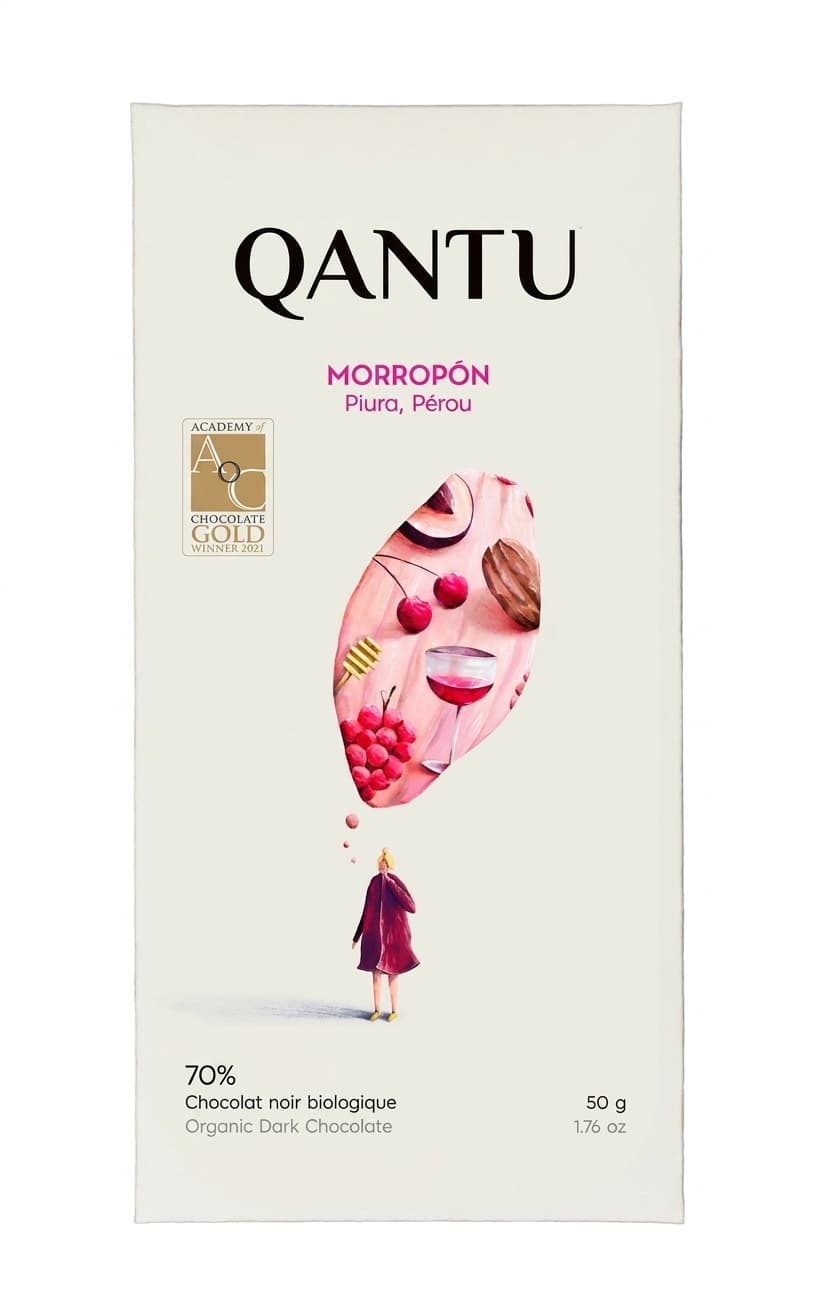 Qantu
QantuMorropon 70%
70%darkPeru - Rank 94:
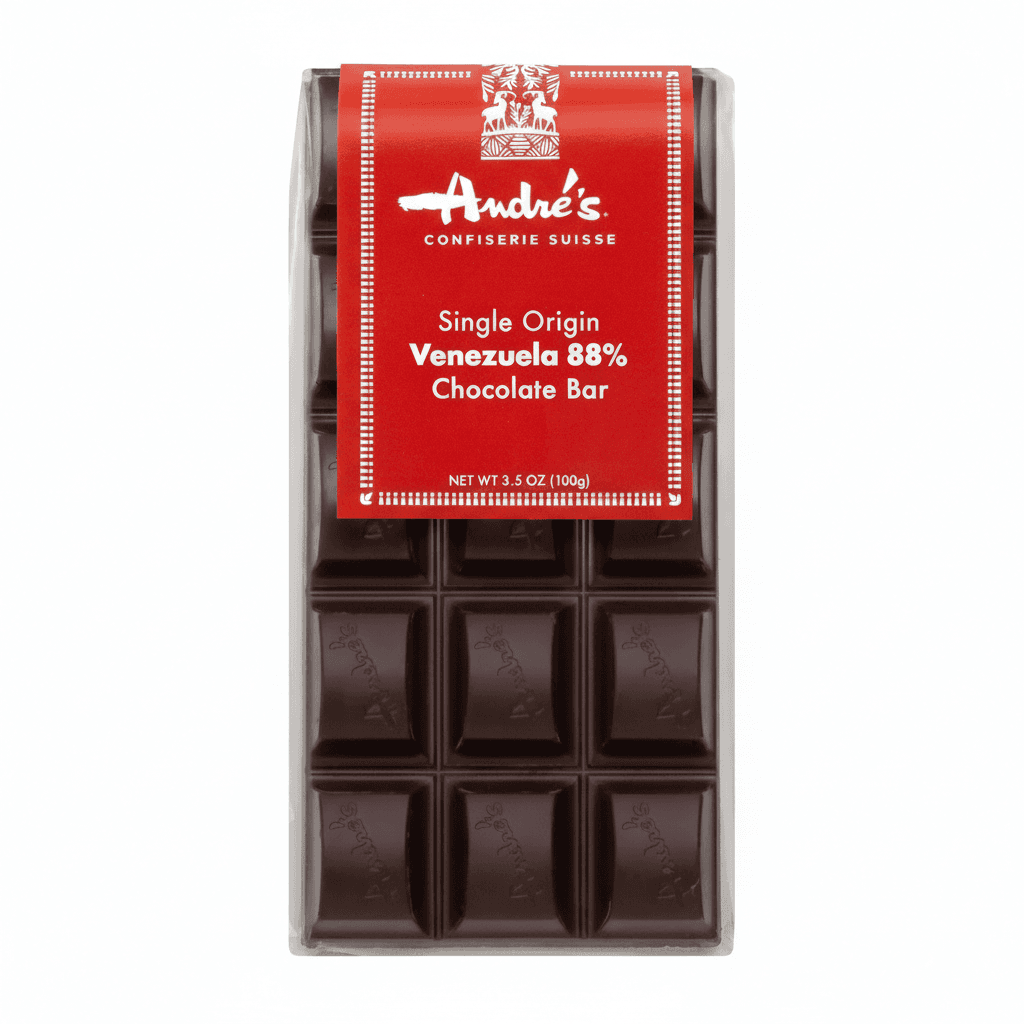 André's
Single Origin 88% Chocolate Bar
88%darkVenezuela - Rank 95:
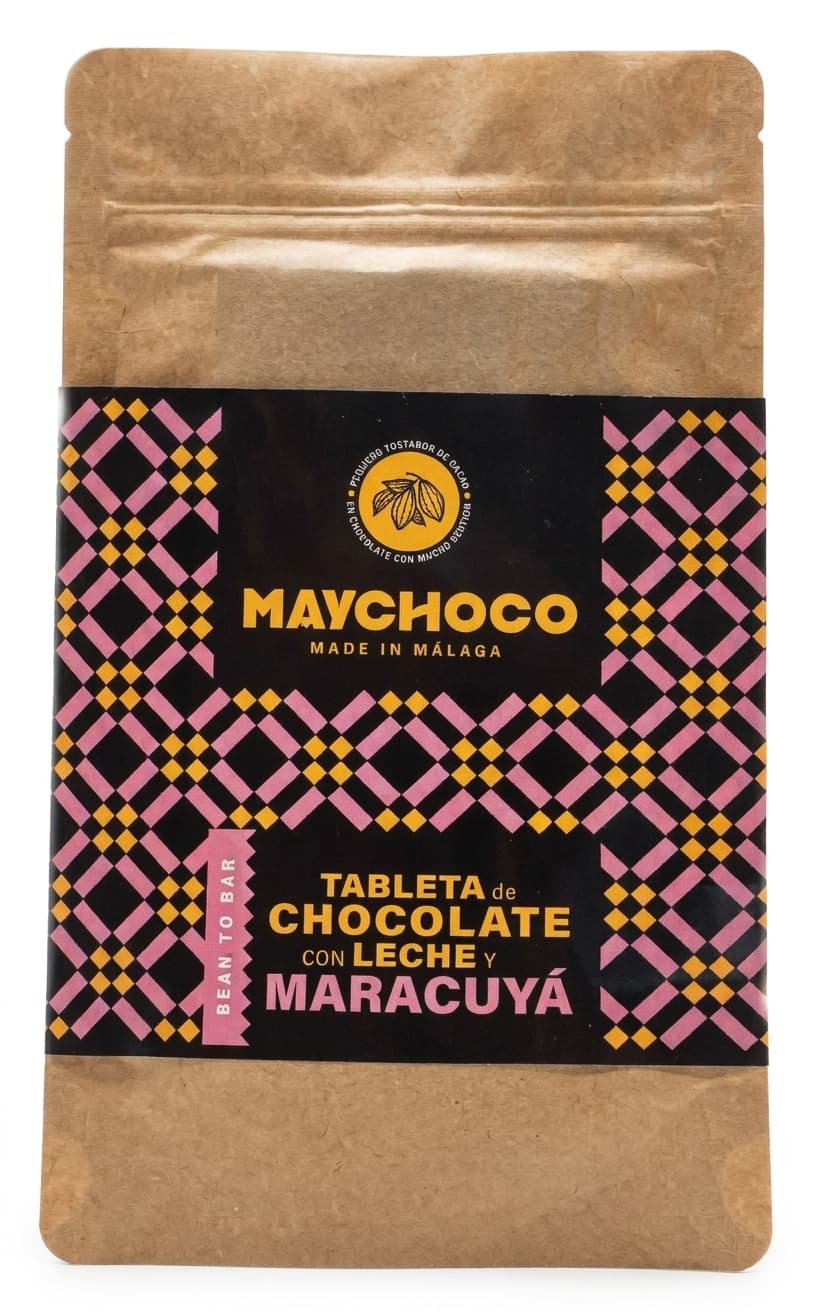 Maychoco
Leche y Maracuyá
55%milkPeru - Rank 96:
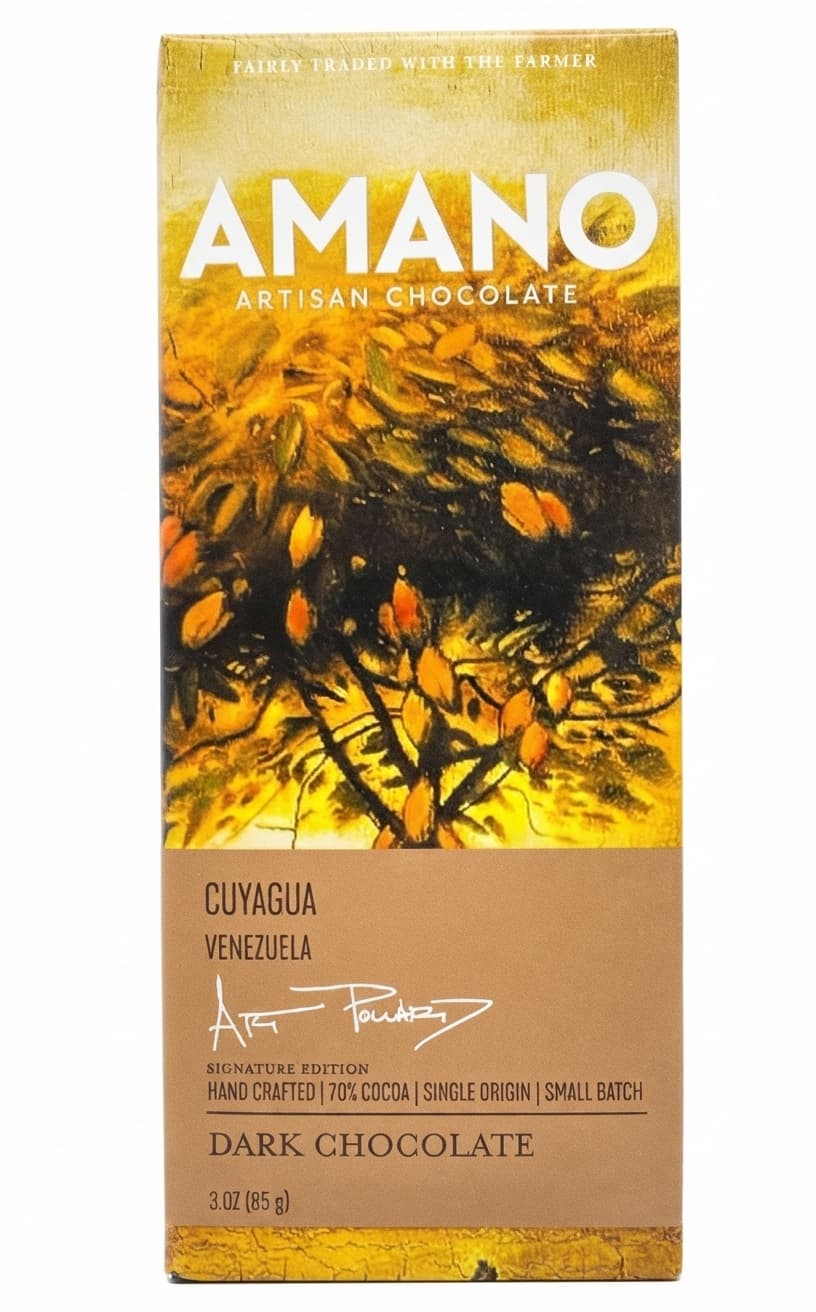 Amano
AmanoCuyagua 70%
70%darkVenezuela - Rank 97:
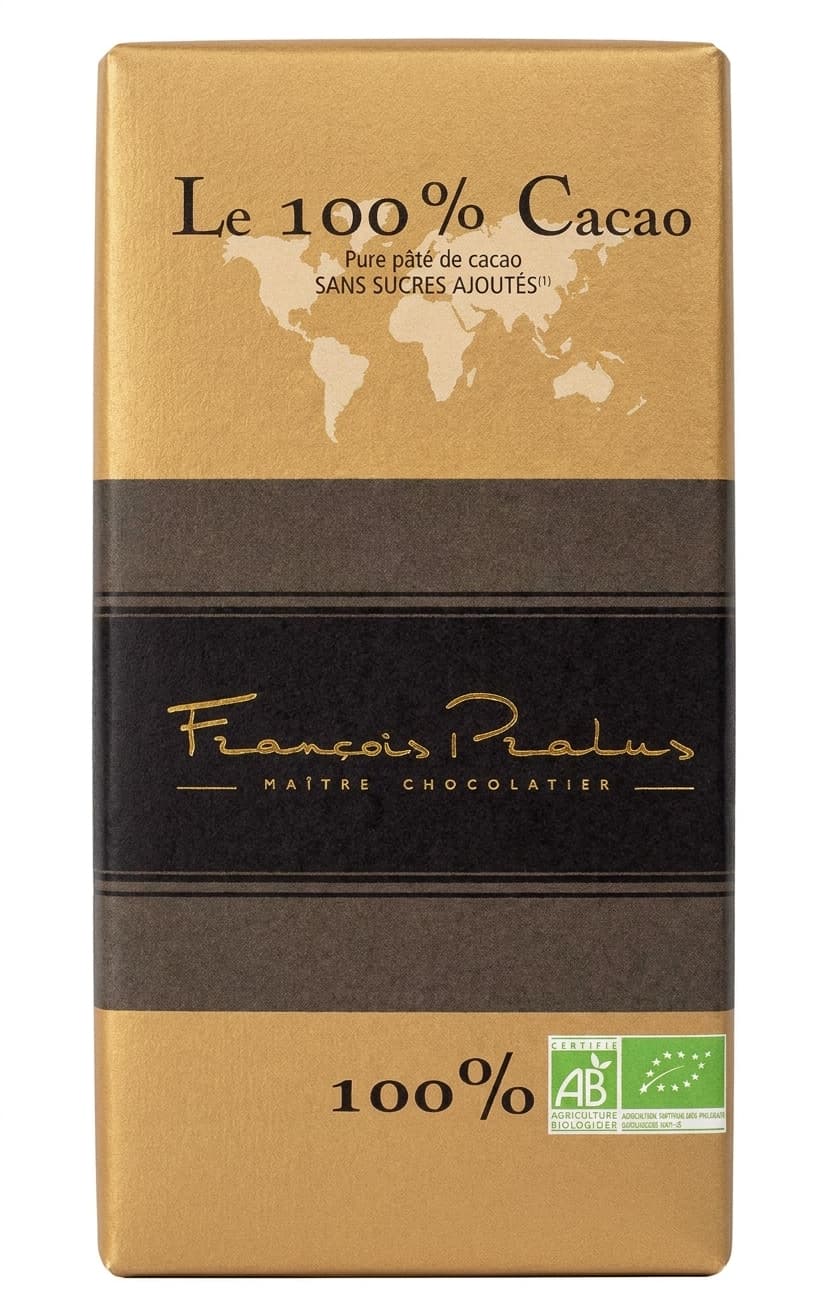 François Pralus
Le 100%
100%darkMadagascar - Rank 98:
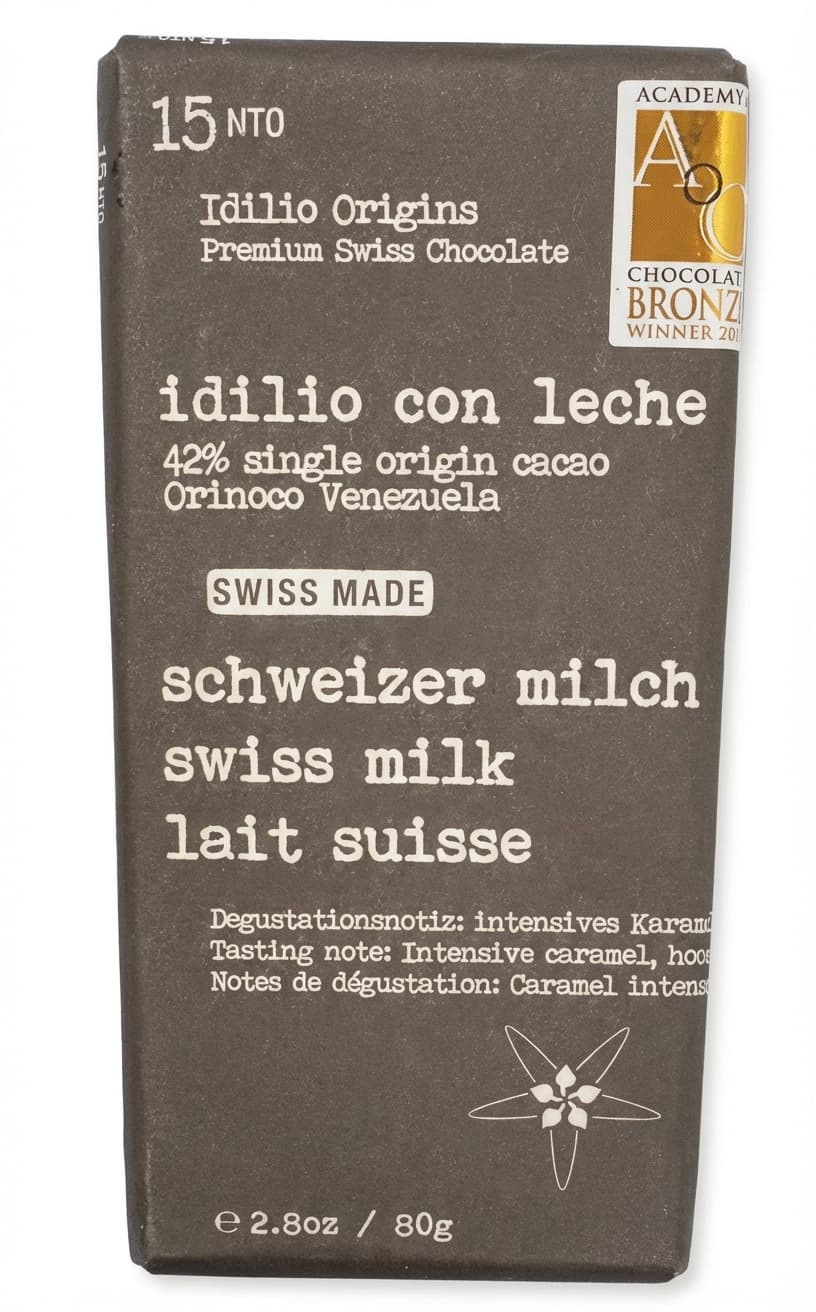 Idilio Origins
15nto idilio con leche 42%
42%milkVenezuela - Rank 99:
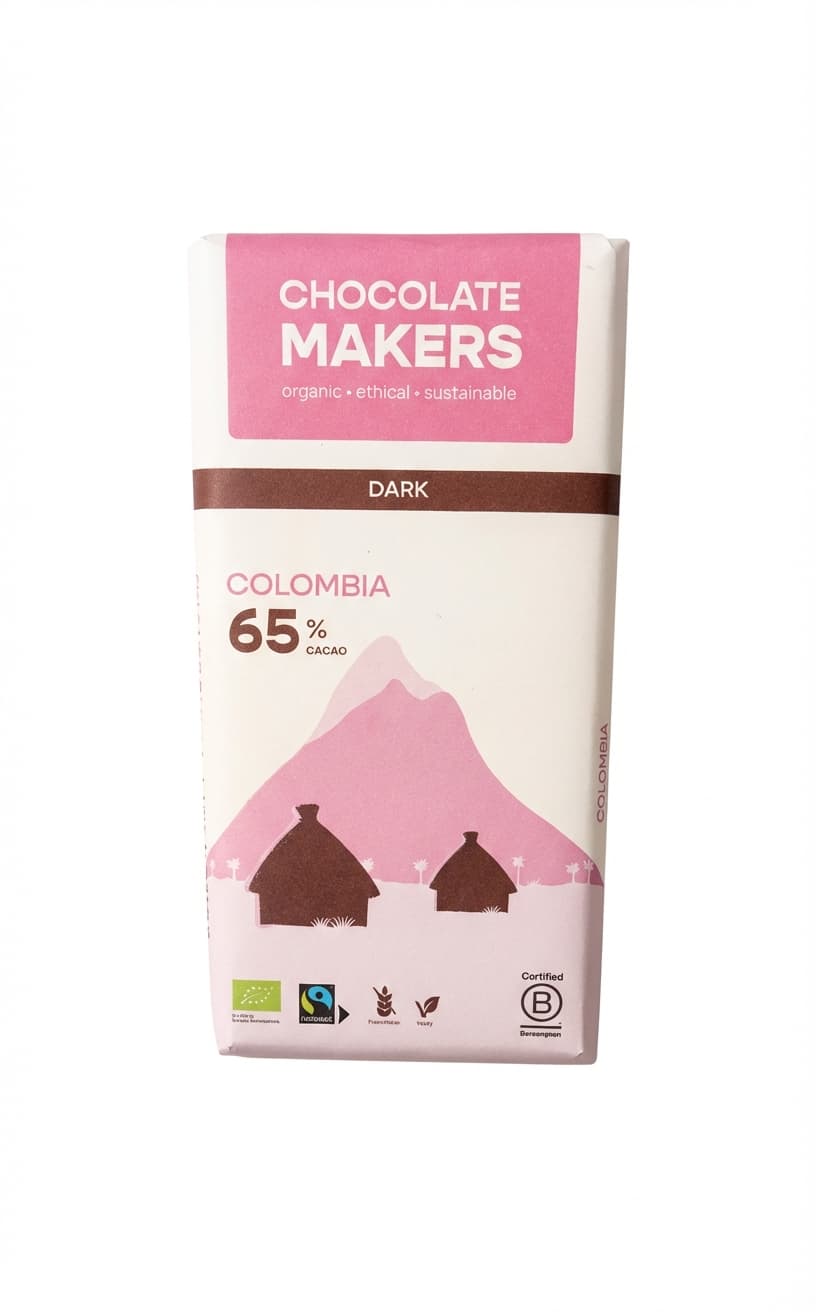 Chocolate Makers
Colombia 65%
65%darkColombia - Rank 100:
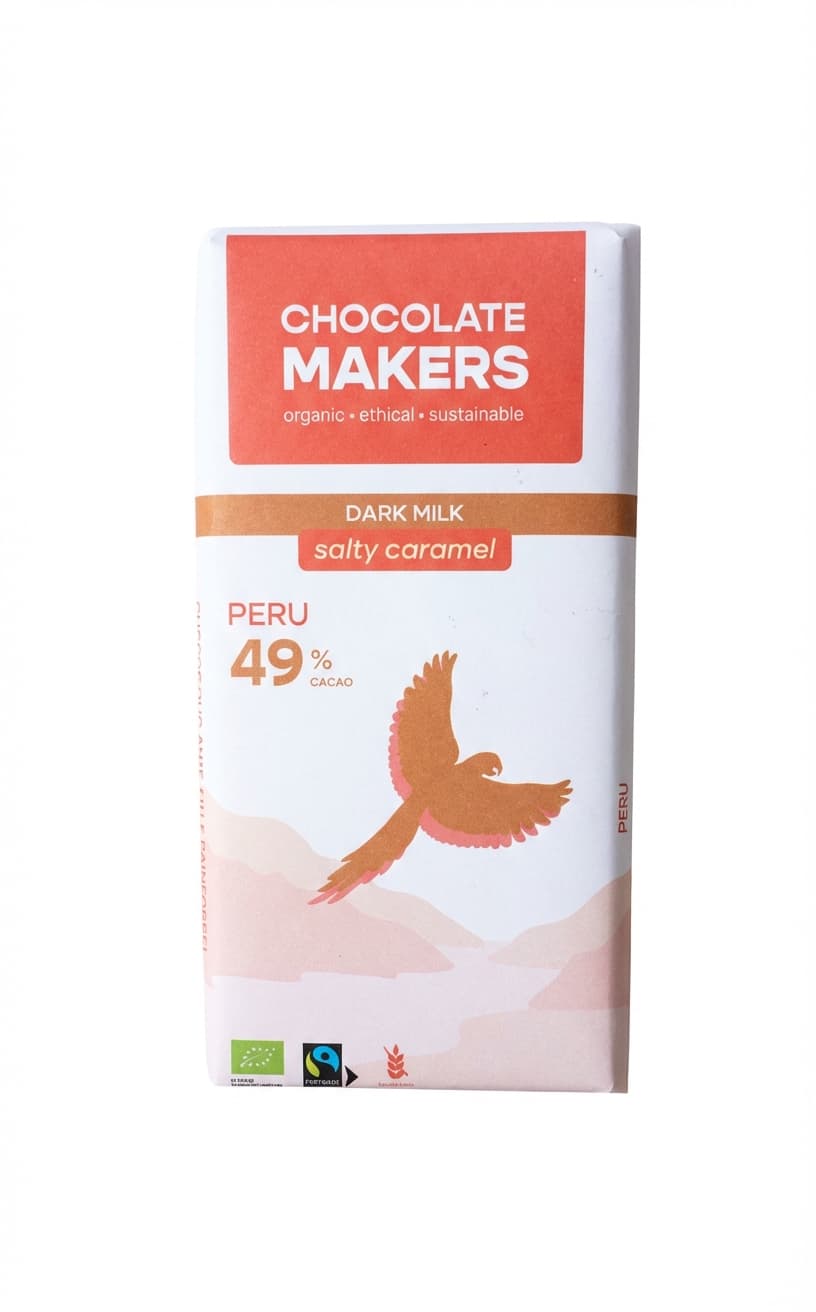 Chocolate Makers
Peru 49% Salty Caramel
49%milkPeru - Rank 101:
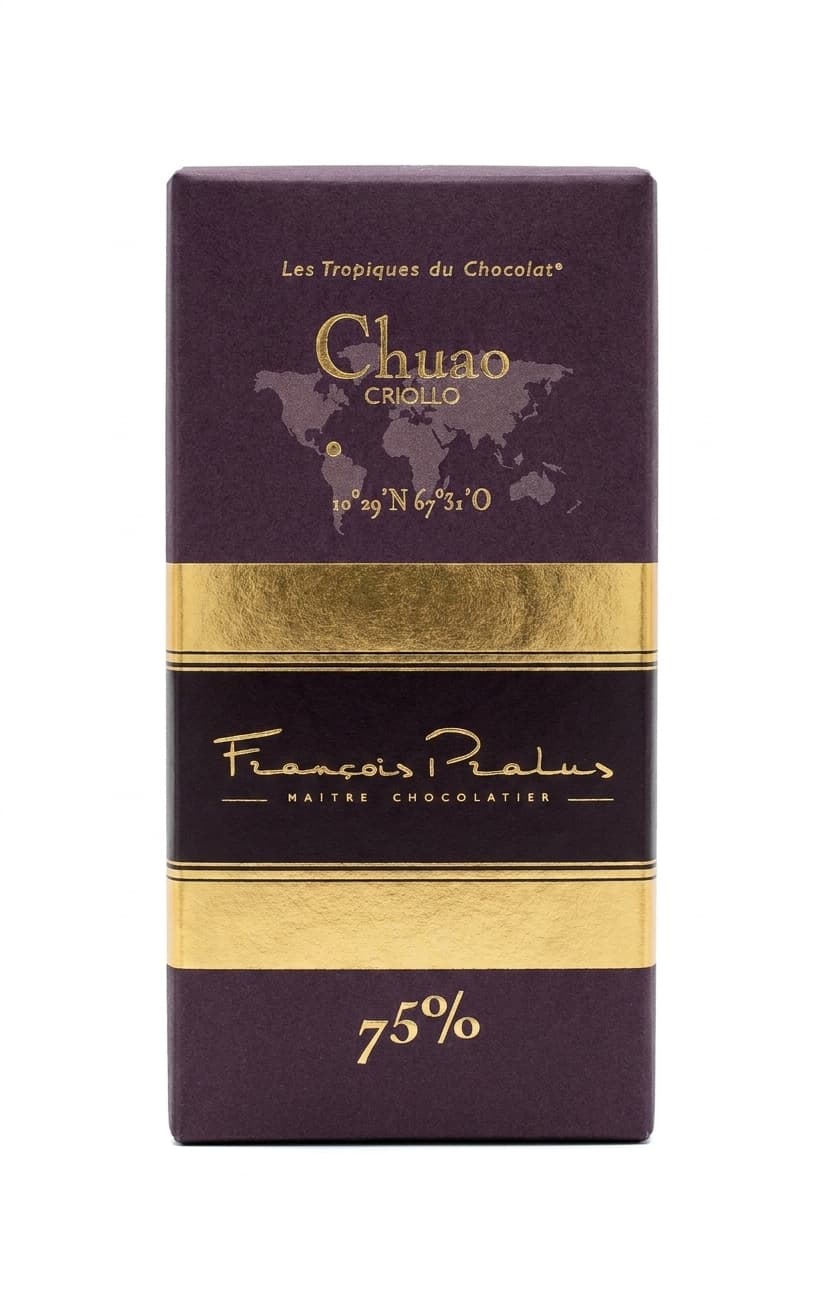 François Pralus
Chuao 75%
75%darkVenezuela - Rank 102:
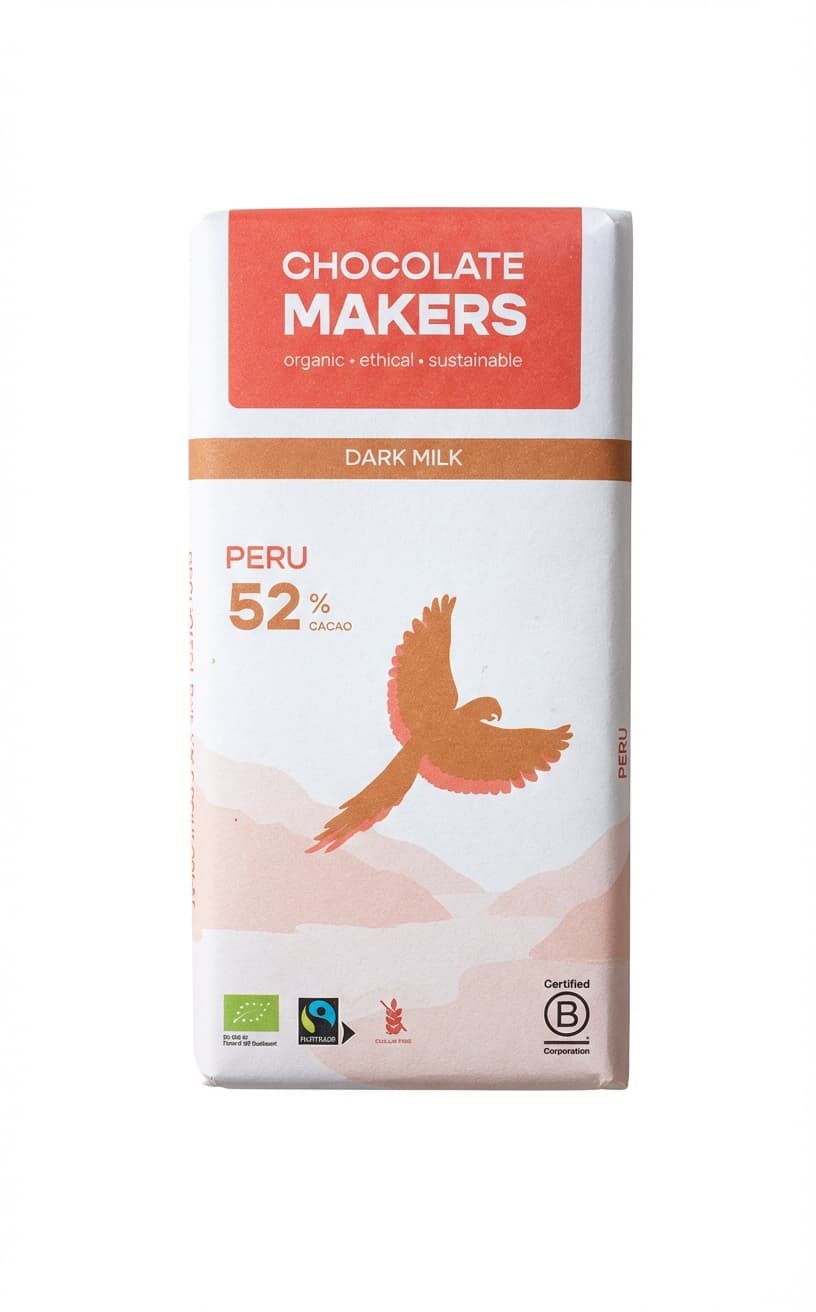 Chocolate Makers
Peru 52%
52%milkPeru - Rank 103:
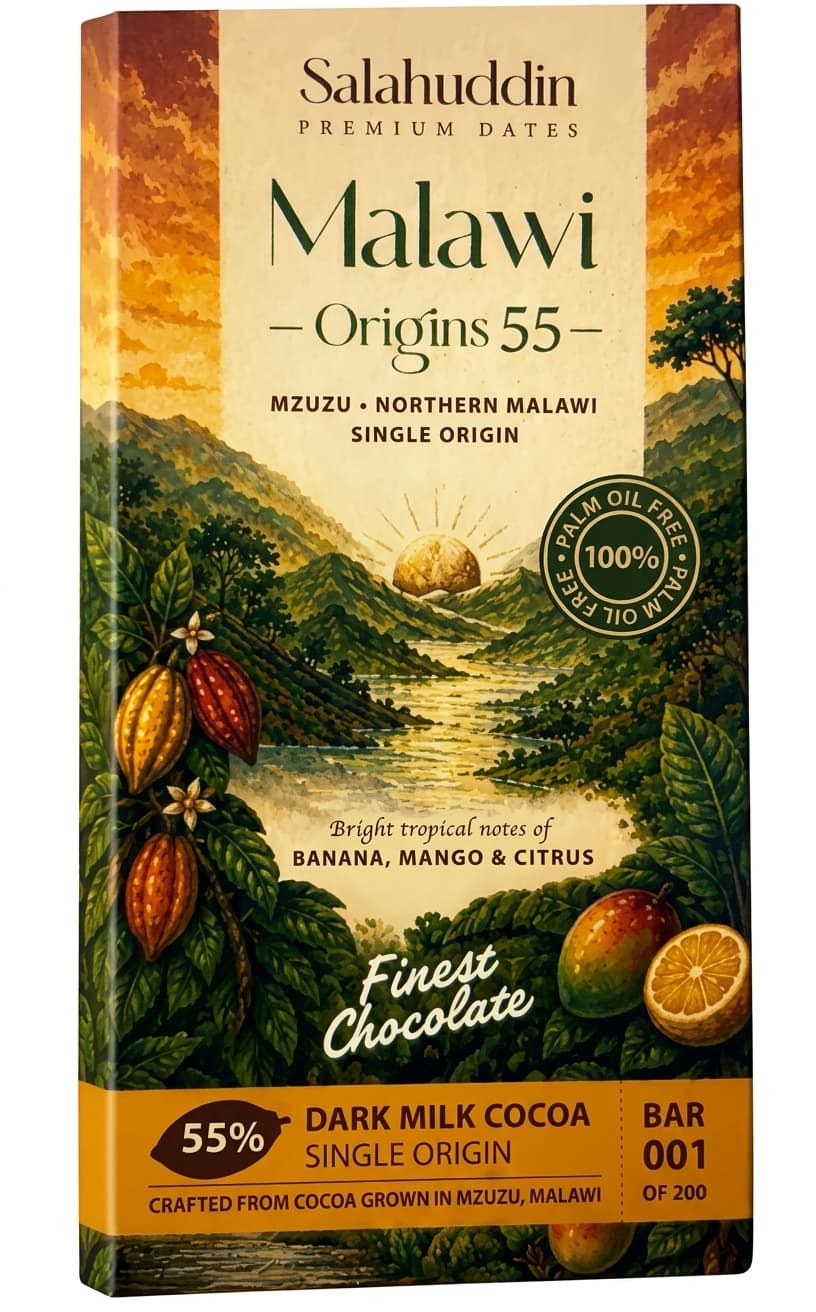 Salahuddin
Malawi Origins 55
55%milkMalawi - Rank 104:
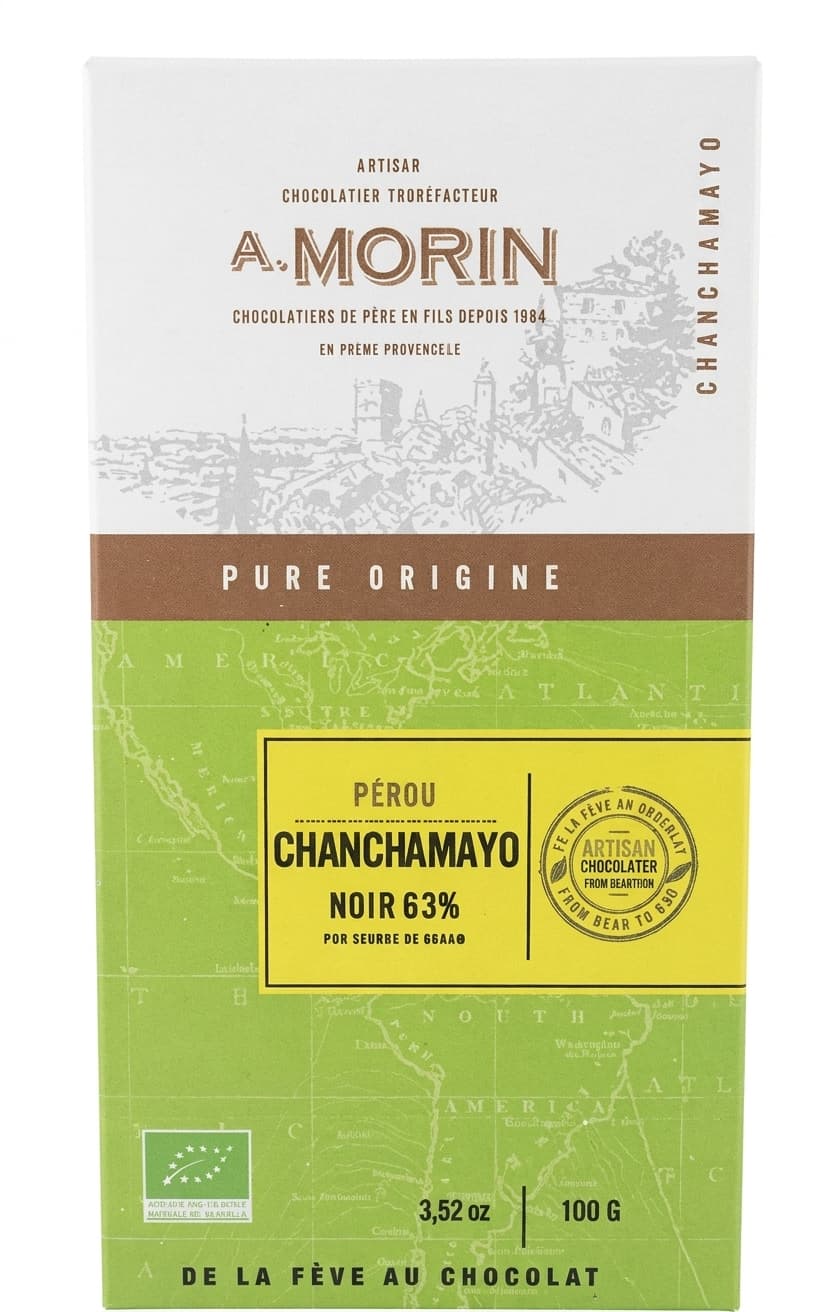 Chocolaterie Morin
Chanchamayo 63%
63%darkPeru - Rank 105:
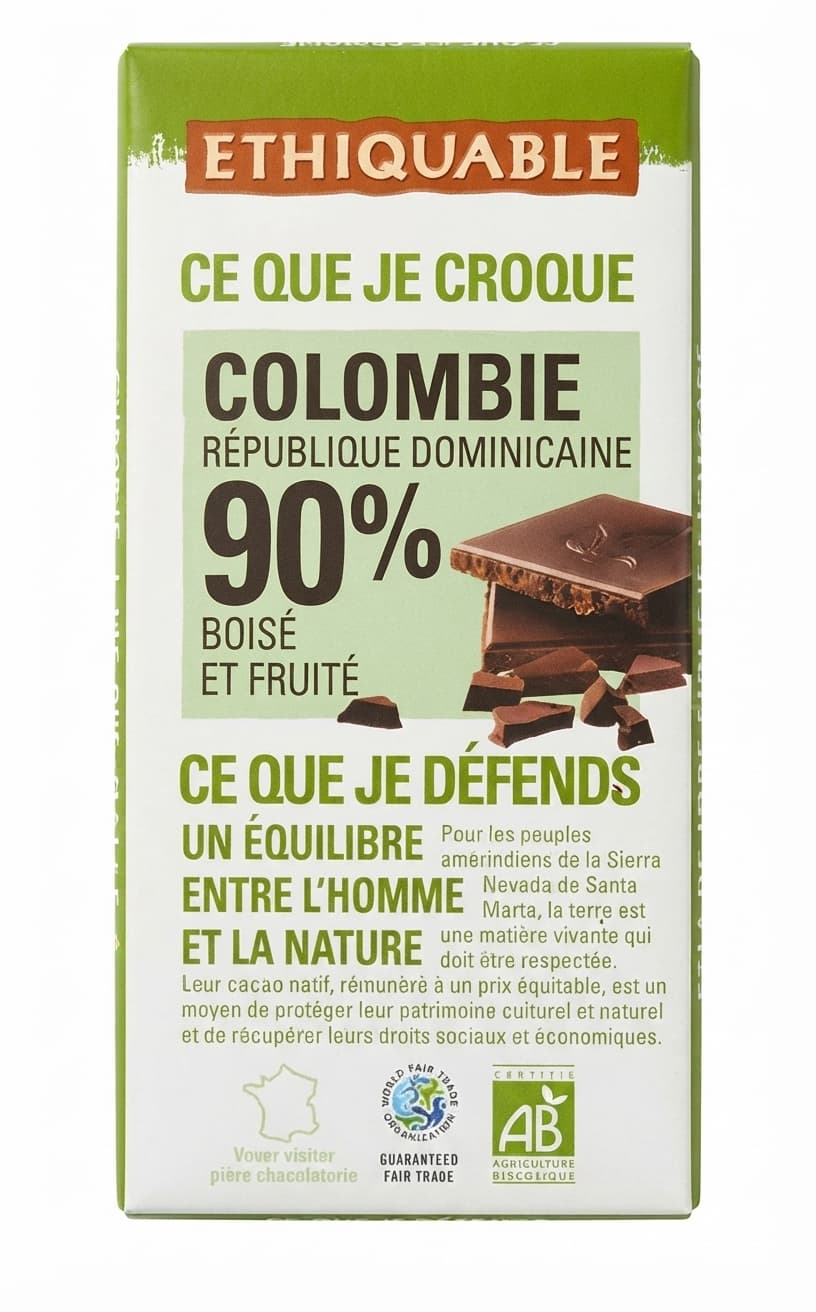 Ethiquable
90%
90%darkDominican Republic & Colombia - Rank 106:
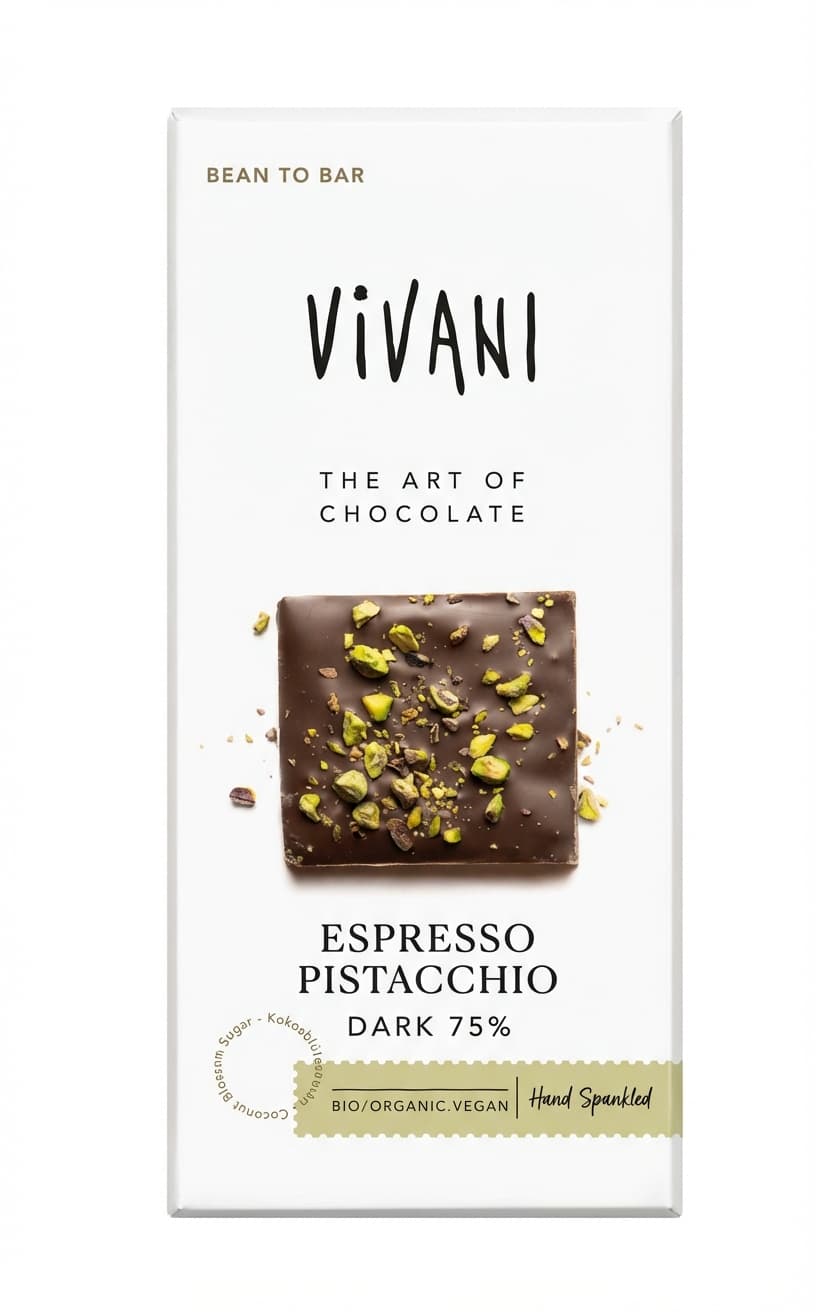 Vivani
Espresso Pistacchio
75%darkPanama - Rank 107:
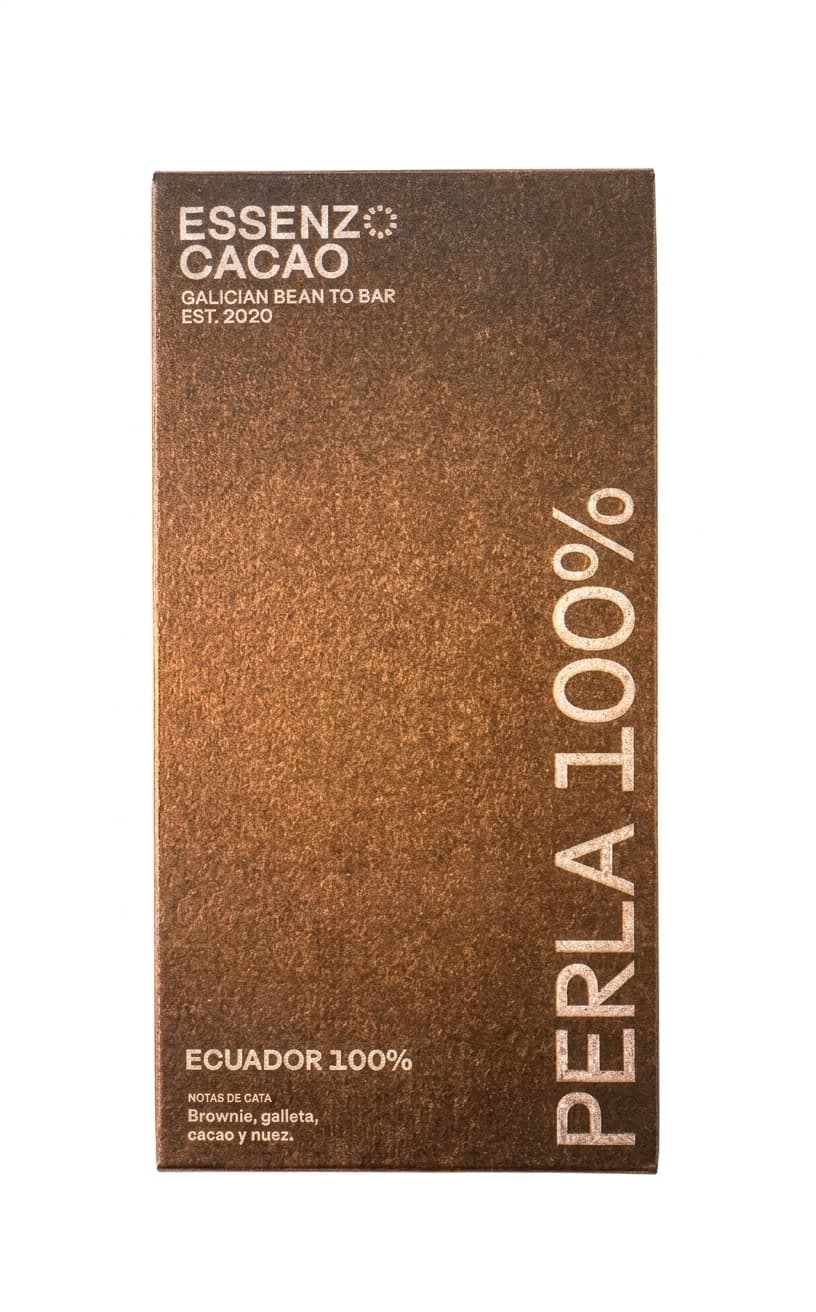 Essenzo Cacao
Perla 100%
100%darkEcuador - Rank 108:
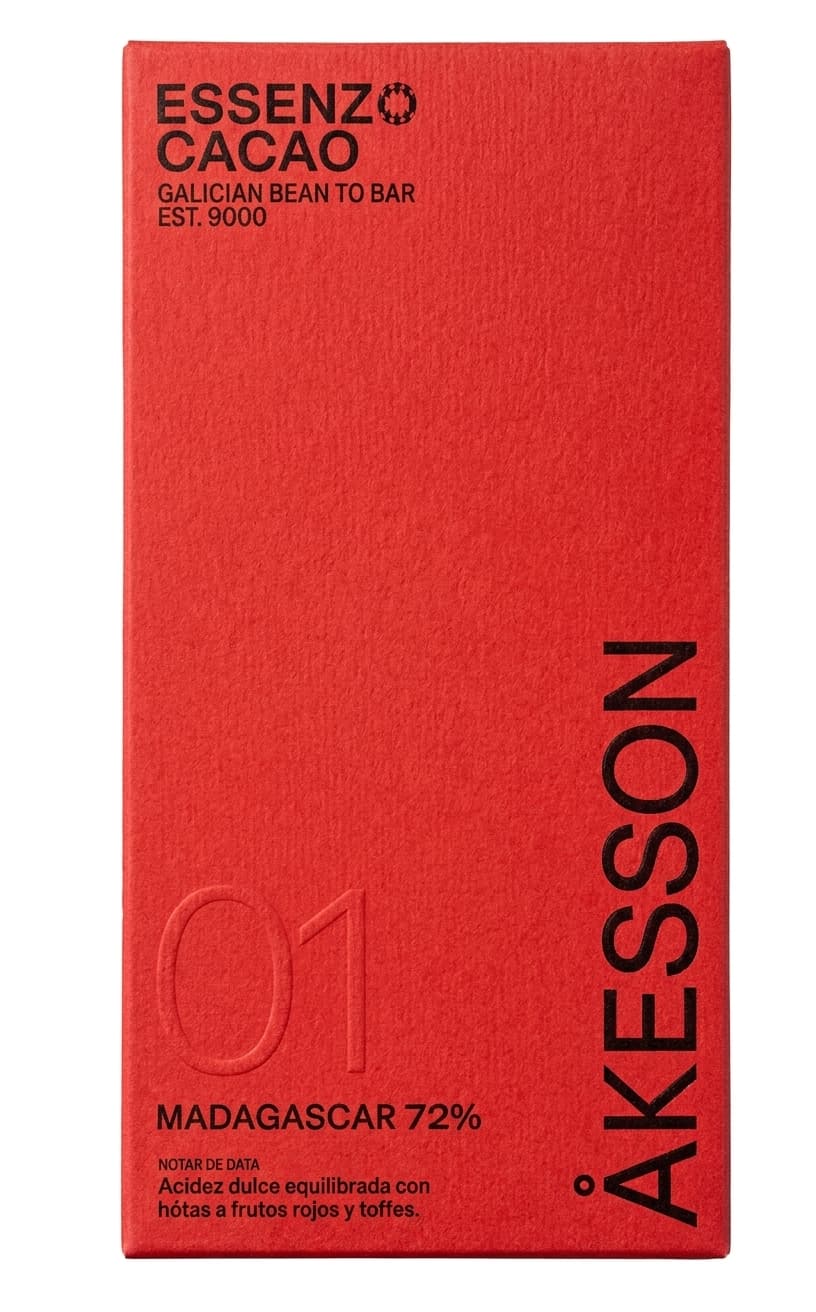 Essenzo Cacao
01 Madagascar 72%
72%darkMadagascar
Where Criollo grows
Makers working with Criollo
Common cocoa percentages
Frequently asked about Criollo chocolate
What does Criollo chocolate taste like?
Gentle and sweet. Real Criollo is mild and low in bitterness, with nutty, creamy, caramel and honey notes and soft fruit. Because it lost much of the pigment that makes cacao bitter, it tastes far less harsh than most dark chocolate, usually at a lower cocoa percentage.
Why is Criollo so rare and expensive?
Criollo is low-yielding and vulnerable to disease, so over centuries it was largely crossed out or lost, and some heritage populations were nearly extinct before being rescued. Strict pure Criollo is well under one percent of the world crop, which is why genuine Criollo bars are scarce and cost more.
How can I tell if a chocolate bar is really Criollo?
Look for a maker who backs the claim with a named heritage region, a note about pale or white beans, or single-farm traceability, and taste for Criollo's signature gentleness. A bare "Criollo" or "Criollo blend" with no origin, or a sharp, aggressive flavour, suggests the bar is mostly Trinitario.
Is Criollo better than Forastero or Trinitario?
Not automatically. Criollo has a delicate, low-bitterness style many tasters prize, but variety only sets the potential. Fermentation, roast and the maker's skill decide whether a bar is good. A well-made Trinitario can easily beat a poorly made Criollo, so it is worth rating the bar, not the bean's reputation.
Where does Criollo cacao come from?
Criollo is the domesticated line the Maya prized and carried into Central America and Venezuela. Today most of it grows in Peru, Venezuela, Colombia and Mexico. Cacao as a species was first domesticated far earlier in the upper Amazon, and Criollo's closest relative is the Caqueta group of southern Colombia.
How many Criollo chocolate bars are on Chof?
Chof lists 140 Criollo chocolate bars, from 70 makers, at an average of 69% cocoa.
Which makers work with Criollo cacao on Chof?
The most-represented makers using Criollo on Chof are Domori, Chocolate Makers, Table, Beskid Chocolate, Myzo Chocolate. Each bar links to the maker that made it.
Sources and further reading
- Motamayor et al. (2008). Geographic and Genetic Population Differentiation of the Amazonian Chocolate Tree (Theobroma cacao L.). PLOS ONE.The DNA study that regrouped cacao into ten genetic clusters, retiring the old three-name folk model.
- Cornejo et al. (2018). Population genomic analyses of the chocolate tree, Theobroma cacao L., provide insights into its domestication process. Communications Biology.Dates Criollo domestication to roughly 3,600 years ago and ties pale, white beans to disrupted anthocyanin pigment.
Related varieties
Learn more
Chof Monthly
One email a month: the bars and makers added to Chof, the highest Chof Scores among them, and where to buy them.
Scan a Criollo bar in Chof
Log your tasting, save the variety profile, and see how the claim on the wrapper compares with what you taste.