Filipino Chocolate Makers & Brands
8 Filipino chocolate makers and craft chocolate brands based in the Philippines, with cocoa percentage, origin and tasting notes where Chof has them.
Looking for chocolate made with cacao from the Philippines? See the Philippines cacao origin page.
What is Filipino chocolate making known for?
Philippine chocolate is a tree-to-bar story: the makers on Chof work almost entirely with home-grown Philippine cacao, most of it from the Davao region of Mindanao. Cacao reached the islands in the 1600s, the first in Asia, and the modern craft scene builds on a living tablea drinking-chocolate tradition.
The Philippines has the deepest cacao heritage in Asia. Spanish galleons brought cacao from Mexico in the seventeenth century, and it never left: roasted ground cacao pressed into tablea tablets for thick sikwate drinking chocolate is still an everyday tradition, not a revival.
The modern makers grew out of that heritage rather than importing one. Most Philippine bars on Chof are made from Philippine cacao, largely from Davao, which grows most of the country's crop. The scene runs from bean-to-bar workshops to genuine tree-to-bar farms, and you can explore the cacao itself on the Philippines origin page.
Filipino chocolate on Chof
What the catalogue shows for makers based in the Philippines.
Where Filipino makers source cacao
Median across the 42 scored bars from makers based in the Philippines. Chof Score scores bars on fine-chocolate signals like ingredient purity and cacao traceability, not taste. How Chof Score works.
Filipino chocolate bars
Some of the best-scoring bars from makers based in the Philippines. Tap any bar for its full breakdown.
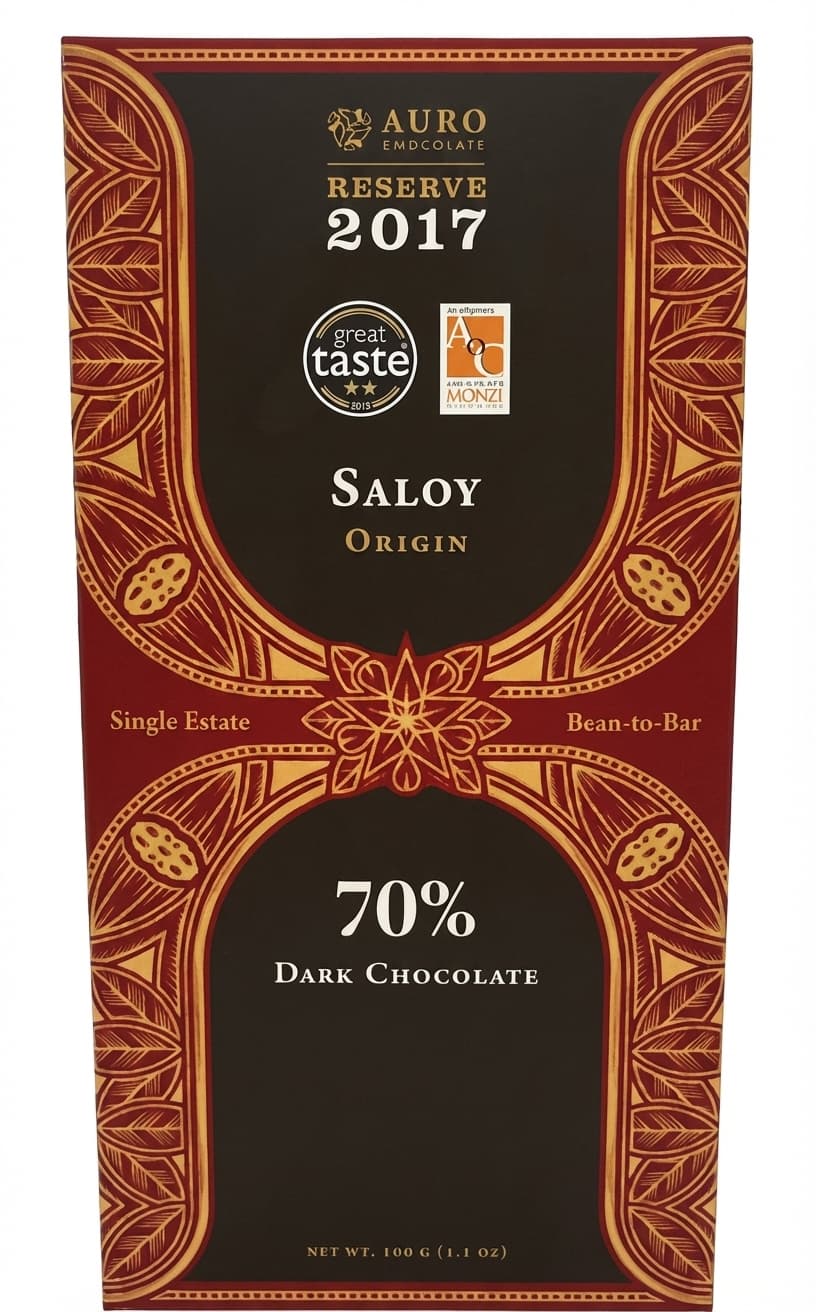
Reserve 2017 Saloy Origin
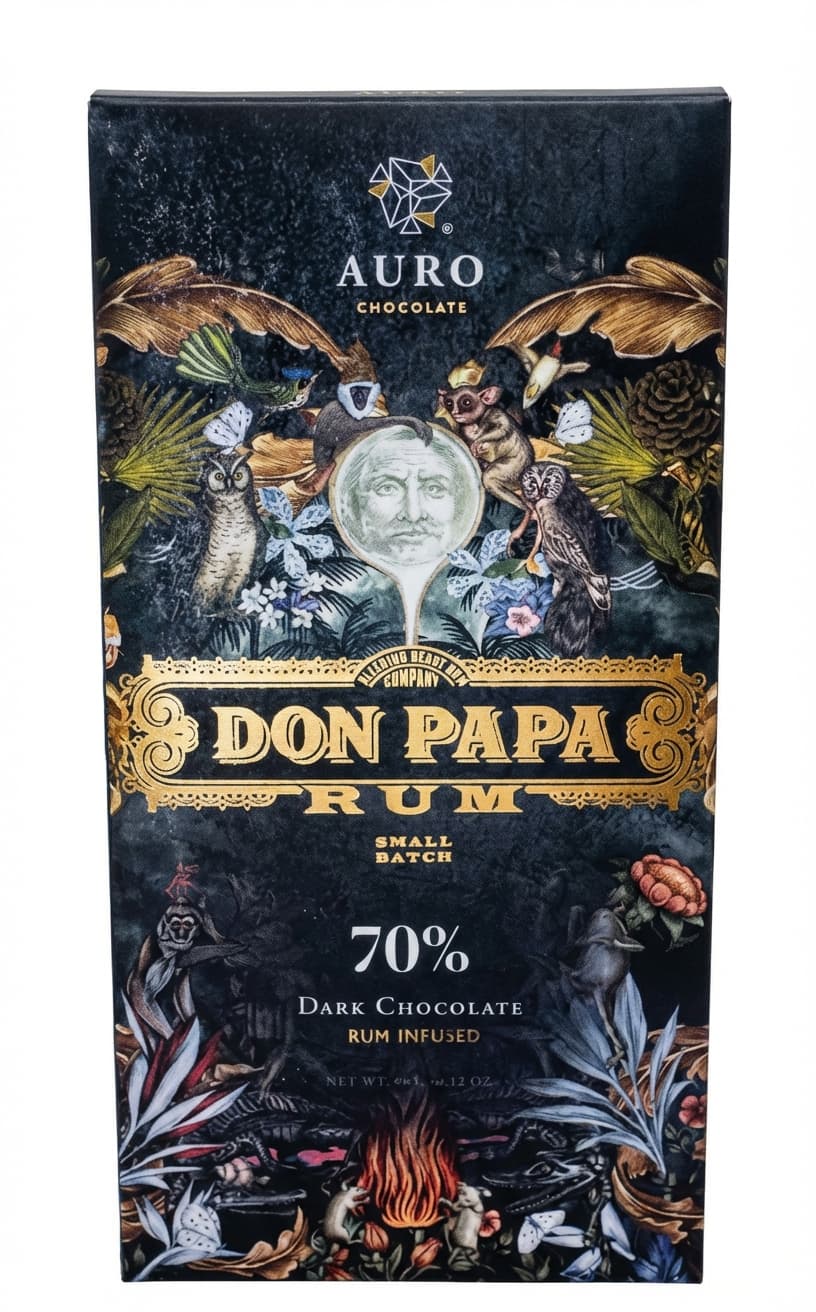
Don Papa Rum Infused 70%
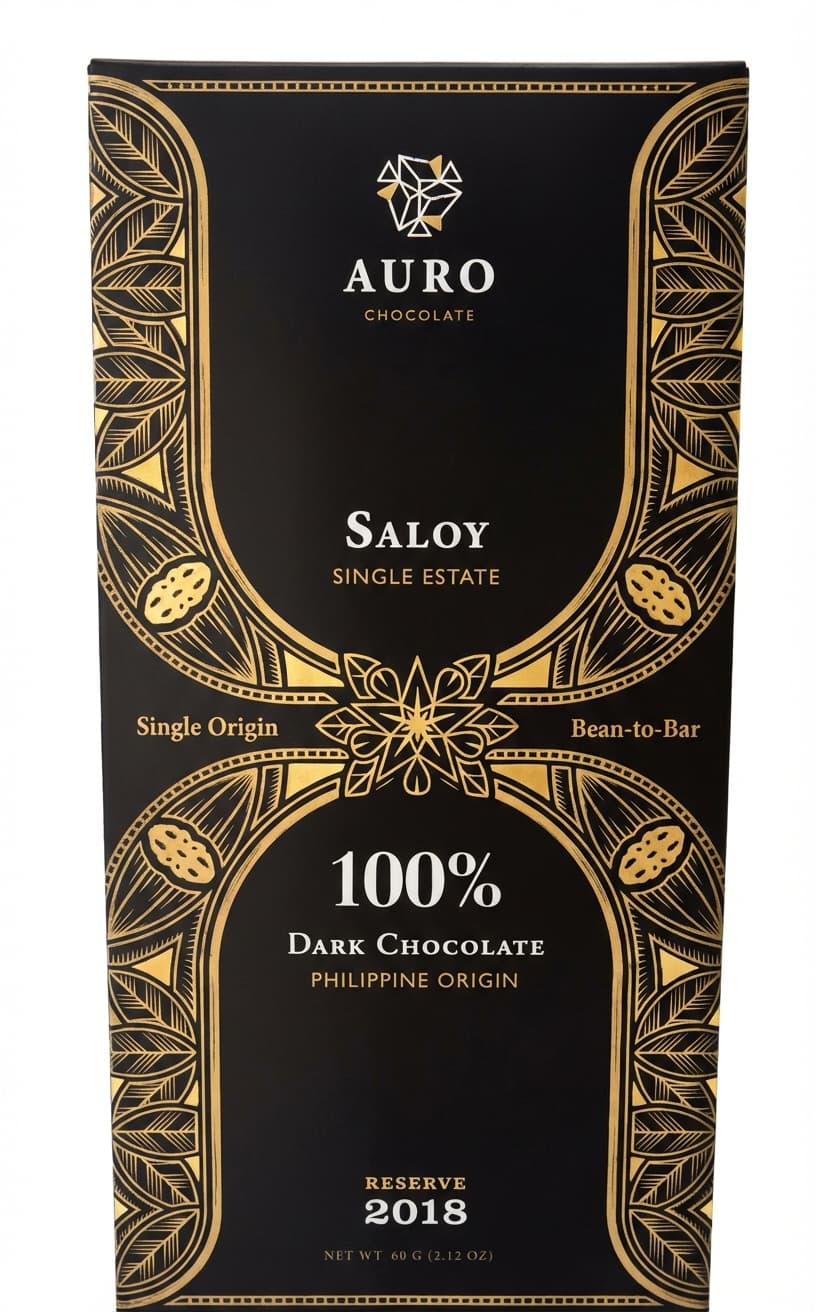
Saloy 100%
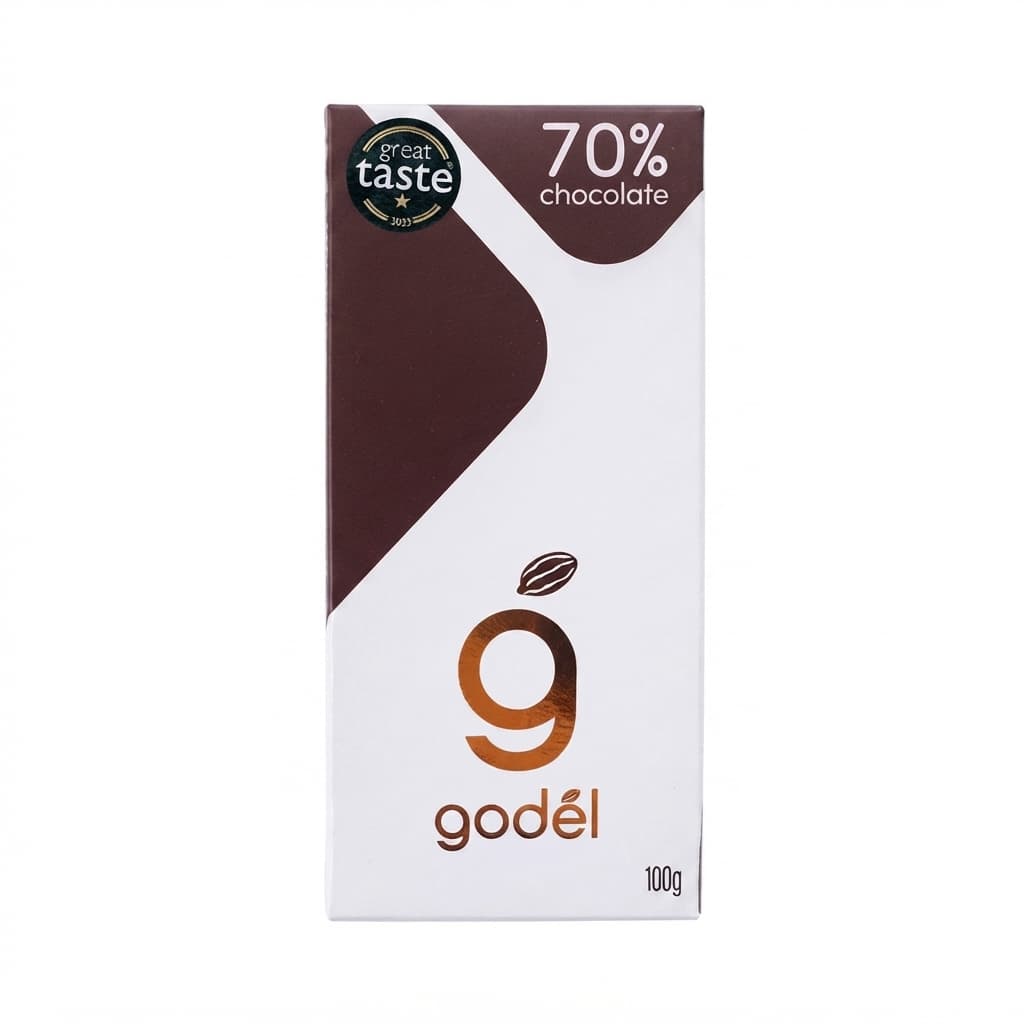
70% chocolate bar
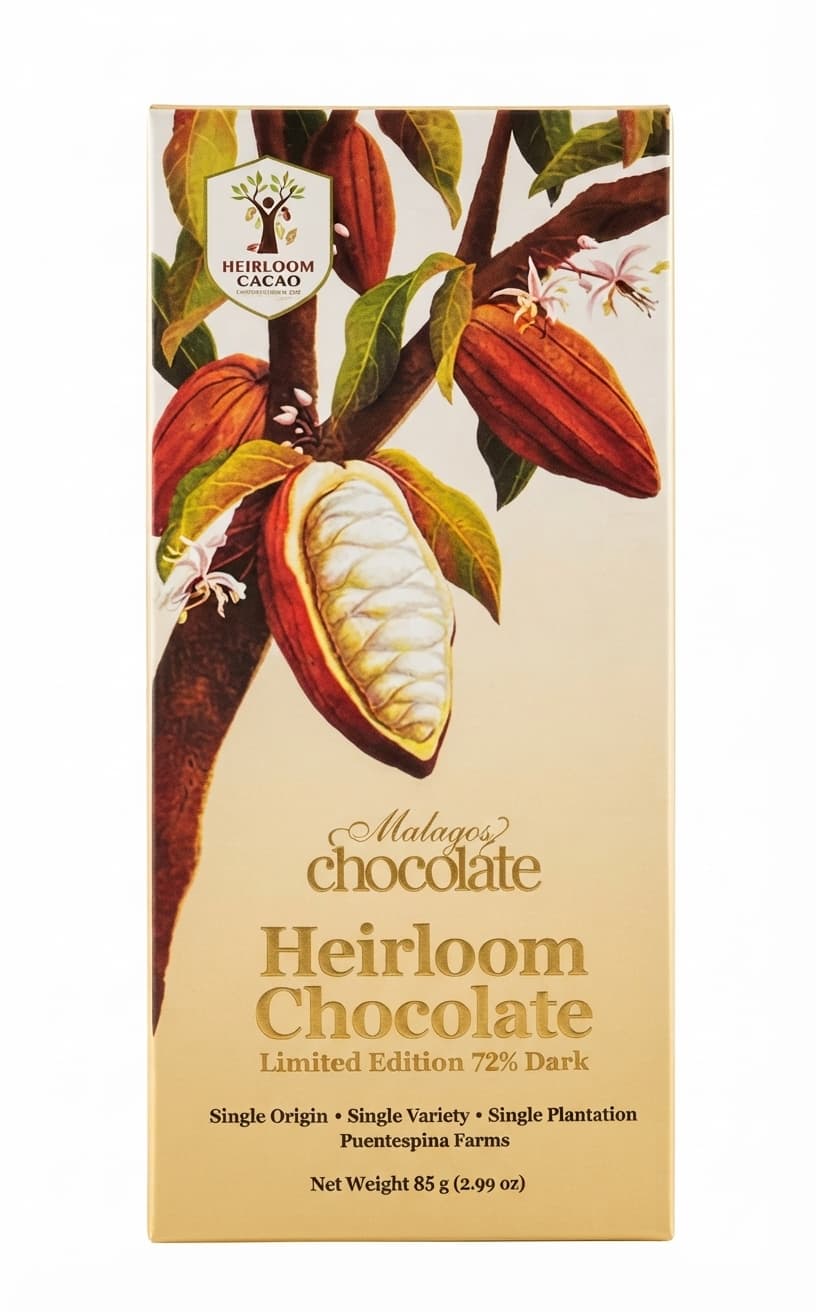
Heirloom 72%
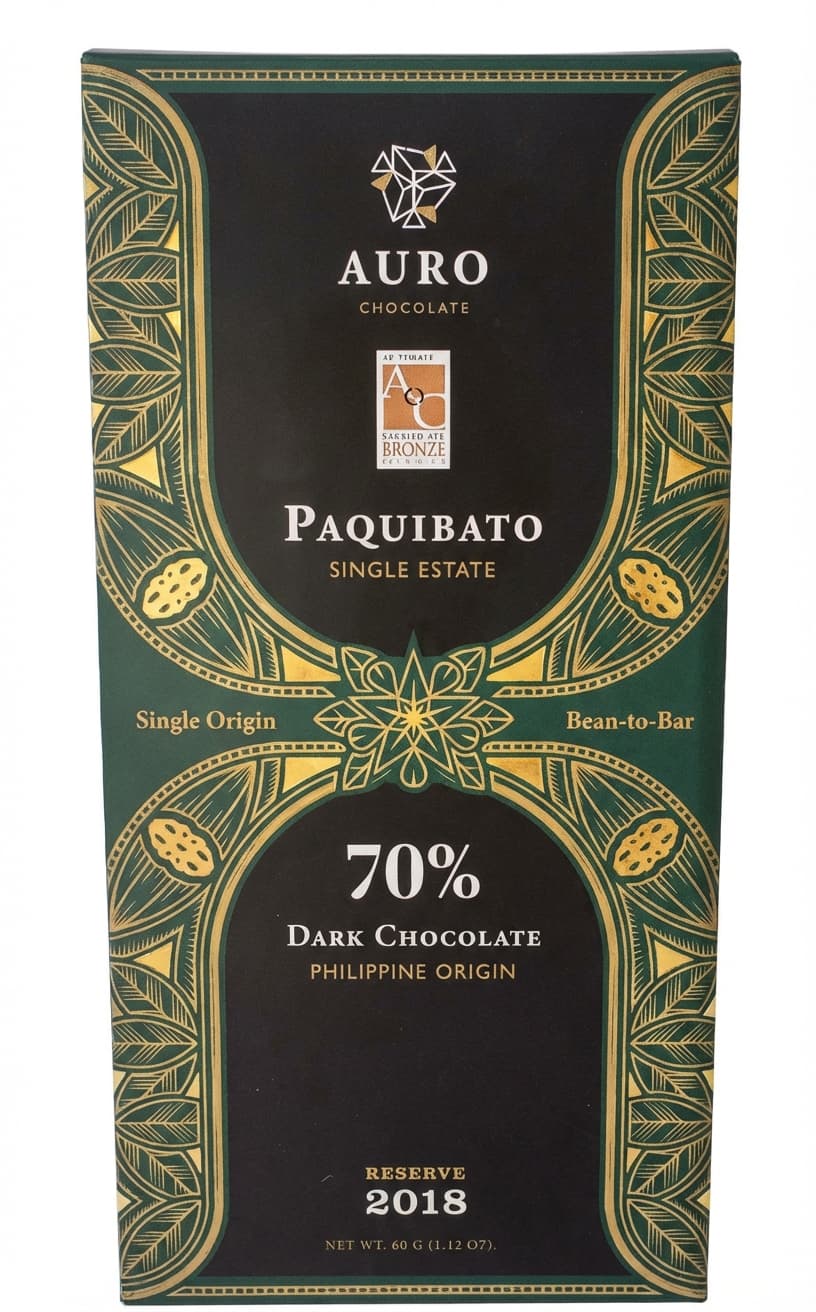
Paquibato Single Estate Reserve 2018
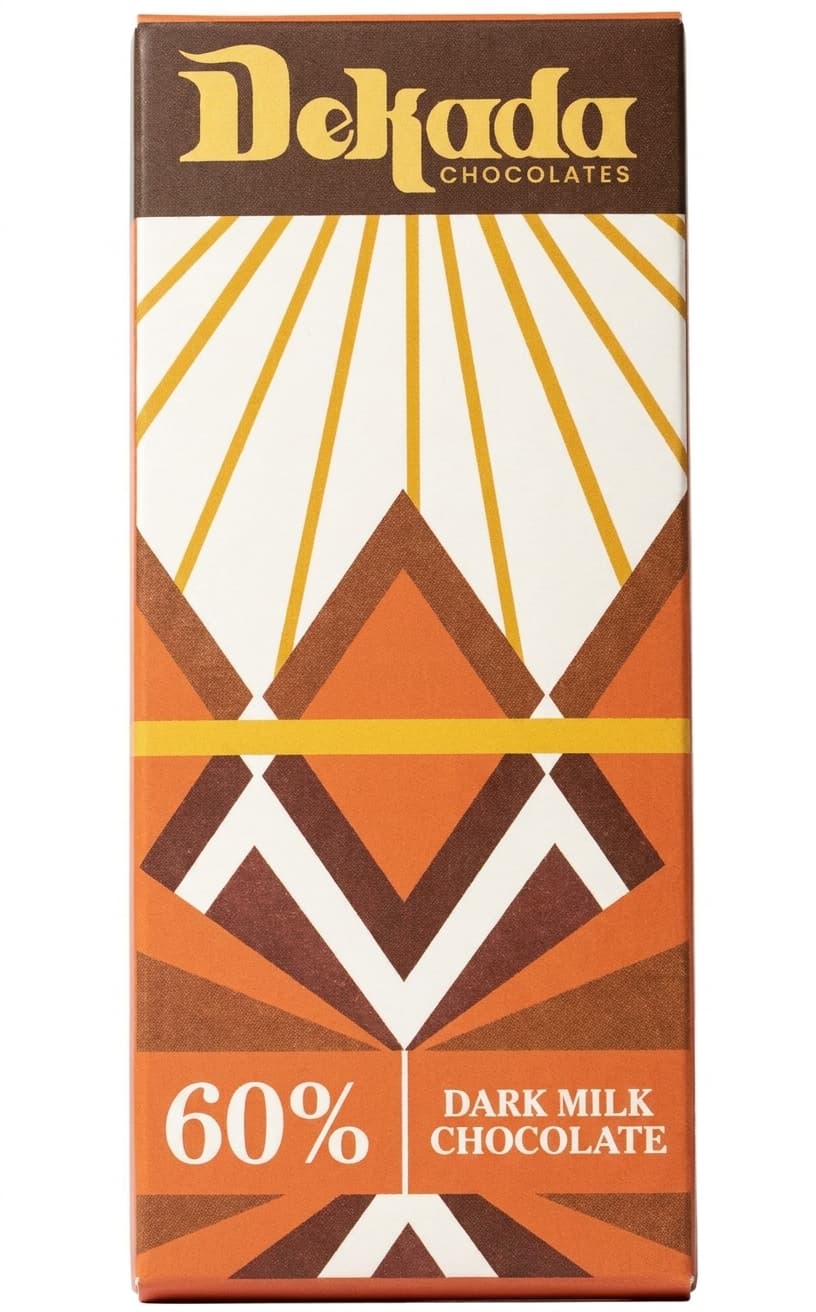
60%
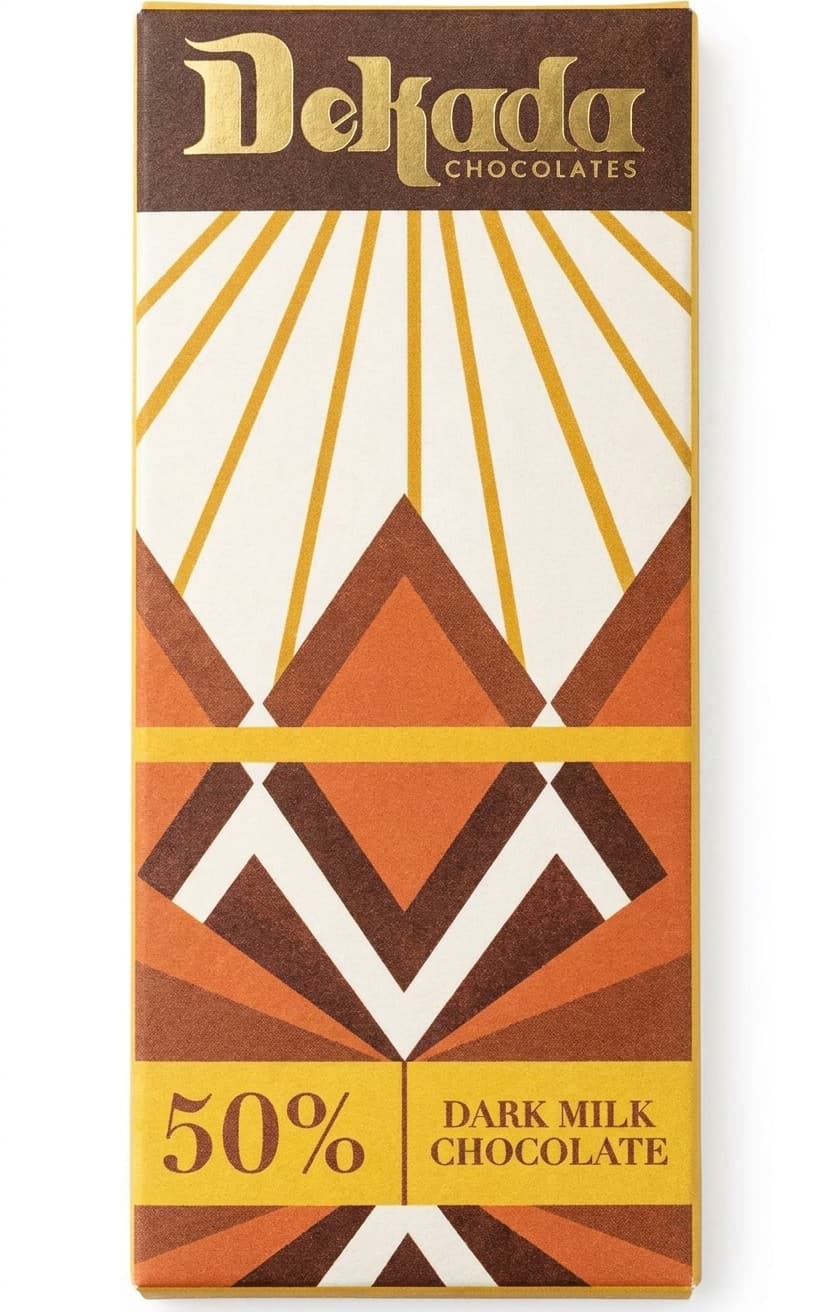
50%
Bars with awards
6 bars from makers based in the Philippines have award results on Chof, newest first. How Chof lists awards
Based in the Philippines




Frequently asked about chocolate makers in the Philippines
What is Philippine chocolate known for?
Tree-to-bar and bean-to-bar making from home-grown cacao, mainly from the Davao region, plus the tablea tradition of thick drinking chocolate. Cacao has grown in the Philippines since the 1600s, longer than anywhere else in Asia, and the craft scene builds directly on that heritage.
Do Philippine makers use Philippine cacao?
Mostly, yes. Philippine bars on Chof are overwhelmingly pressed from home-grown cacao, so the Philippines is both a cacao origin and a maker scene. You can explore that cacao on the Philippines origin page.
What are the best Filipino chocolate brands?
Chof lists 8 Filipino chocolate makers and brands. Ranked by the best Chof Score among each maker's published bars, the top three in the Philippines are AURO for its Reserve 2017 Saloy Origin, godél for its 70% chocolate bar and Malagos for its Heirloom 72%. Chof Score rates what a maker discloses about a bar: how precisely the origin is named, how clean the ingredient list is, and how much of the fermenting, drying and roasting is documented.
How many chocolate makers in the Philippines are listed on Chof?
Chof currently lists 8 chocolate makers based in the Philippines.
Are there any bean-to-bar chocolate makers in the Philippines?
Yes. Every maker listed in the Philippines on Chof works bean-to-bar. 1 of them is tree-to-bar, growing the cacao as well.
What is the median Chof Score for Filipino chocolate?
Across the 42 scored Filipino bars on Chof, the median Chof Score is 84 out of 100, and the most common maker type is bean-to-bar. Chof Score scores bars on fine-chocolate signals like ingredient purity and cacao traceability, not taste.
Where can I find Philippines cacao on Chof?
Bean origin (where the cacao is grown) and maker country (where the chocolate is made) are different things. To browse chocolate made with cacao from the Philippines, open the Philippines cacao origin page on Chof.
Learn more
Scan a Philippines bar and track what you taste
Open Chof while a Philippines bar is in your hand to log your tasting, save the maker, and compare it with related bars.