Amelonado Chocolate
The dependable backbone of the chocolate most people grew up on. 52 Amelonado bars on Chof, from 34 makers, at an average of 73% cocoa.
Chof's Amelonado bars come mostly from São Tomé and Príncipe, Brazil and DR Congo, and every bar lists Amelonado the way its maker states it, not as a verified fact. Tasting notes that come up most often: honey, caramel, citrus, coconut, floral and fruity.
What is Amelonado chocolate?
Amelonado is a real, definable Amazonian group and the backbone of everyday chocolate. Historically domesticated in the lower Amazon and carried to West Africa, it is what most people picture as a straightforward, chocolatey chocolate: solid, nutty and dependable rather than flashy.
Amelonado is the backbone of the chocolate most people grew up on. Unlike the vague Forastero umbrella it is a real, definable Amazonian group (Motamayor et al., 2008), historically domesticated in the lower Amazon and then carried across the Atlantic to become the foundation of West African cocoa.
The same genetics now turn up at both ends of the market. Amelonado is the workhorse behind bulk West African cocoa, yet single-origin lots are also sold as premium, even "grand cru", chocolate. That is not a contradiction: terroir, fermentation and roasting, not the genetic group alone, decide whether a bean becomes commodity powder or a bar worth seeking out.
That reputation for reliability is why it reads as undramatic rather than bad. Across Chof's Amelonado bars, tasters log fresh fruit and berry alongside solid nutty, creamy and brown-sugar notes, at the highest average cocoa percentage of the launch varieties. A curiosity worth knowing: Catongo, a natural white-beaned mutant of Amelonado, proves that a pale bean does not always mean Criollo.
How to read a Amelonado claim
Every Amelonado bar on Chof shows the variety as its maker lists it, not as an independently verified fact. Of the 52 that name Amelonado, 22 list it as part of a blend rather than on its own; open any bar to see the full bean line its maker gave.
- Amelonado is the benchmark of dependable, deep-cocoa chocolate rather than a fine-aroma variety, so expect straightforward chocolatey character.
- A pale-beaned Amelonado (Catongo) is not Criollo, even though both have white beans, so read the origin and maker notes.
Best Amelonado bars
Ranked by the Chof Score
- Rank 37:
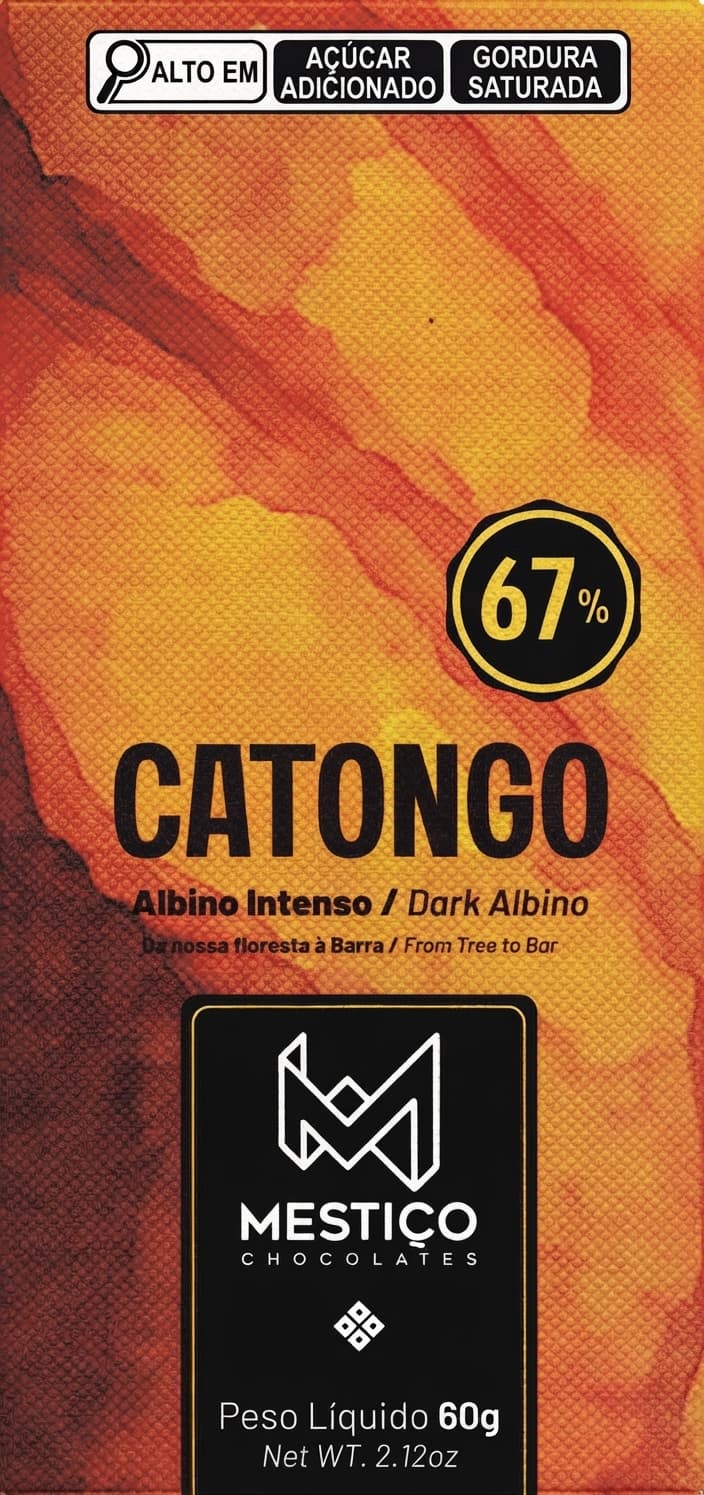 Mestiço
Catongo 67%
67%darkBrazil - Rank 38:
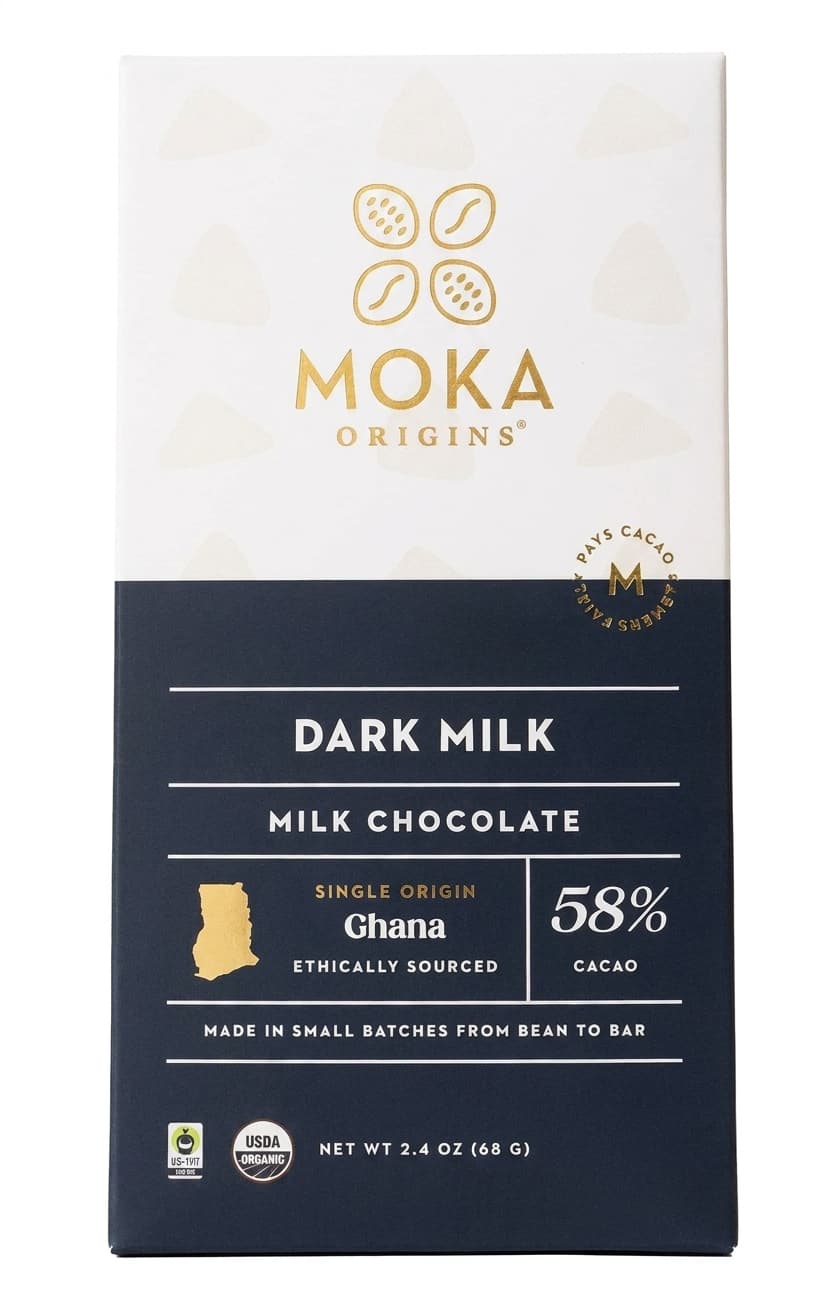 Moka Origins
Dark Milk 58%
58%milkGhana - Rank 39:
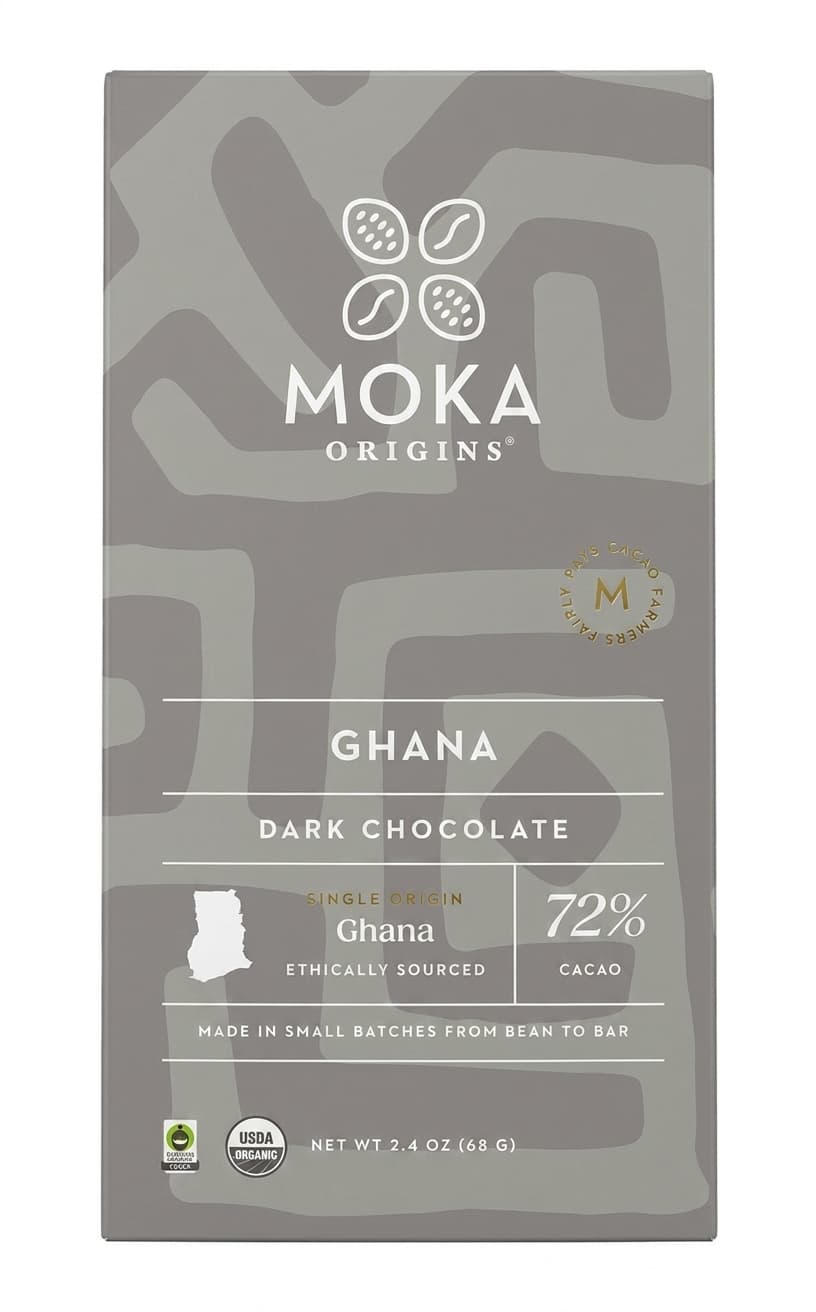 Moka Origins
Ghana 72%
72%darkGhana - Rank 40:
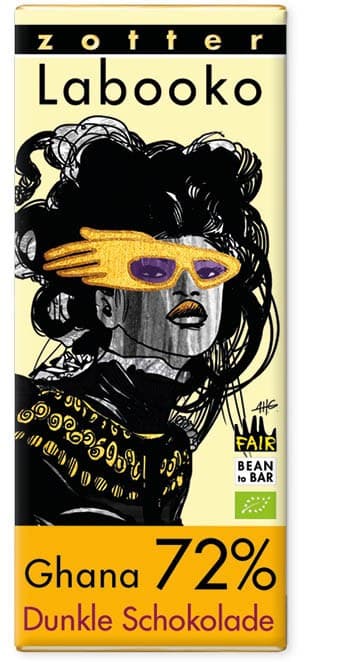 Zotter
Labooko Ghana 72%
72%darkGhana - Rank 41:
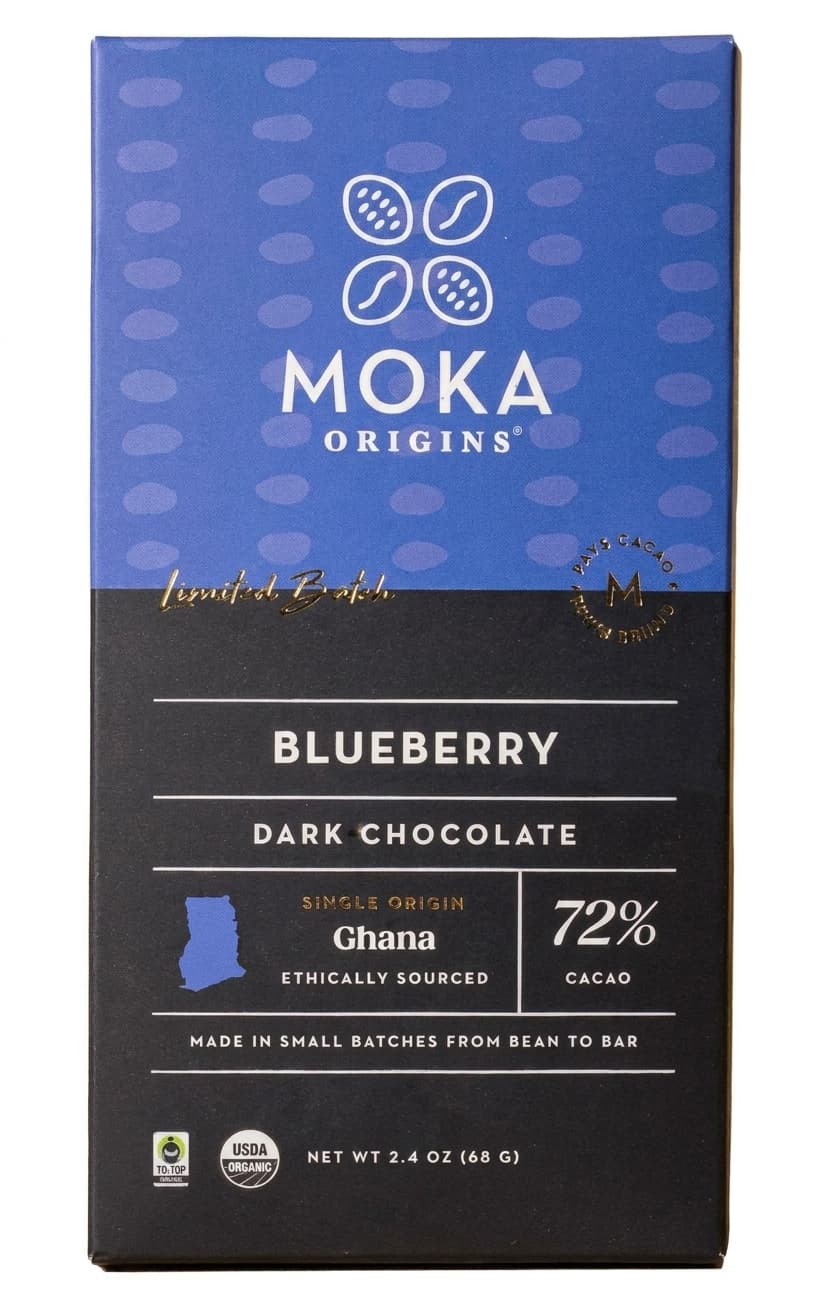 Moka Origins
Blueberry 72%
72%darkGhana - Rank 42:
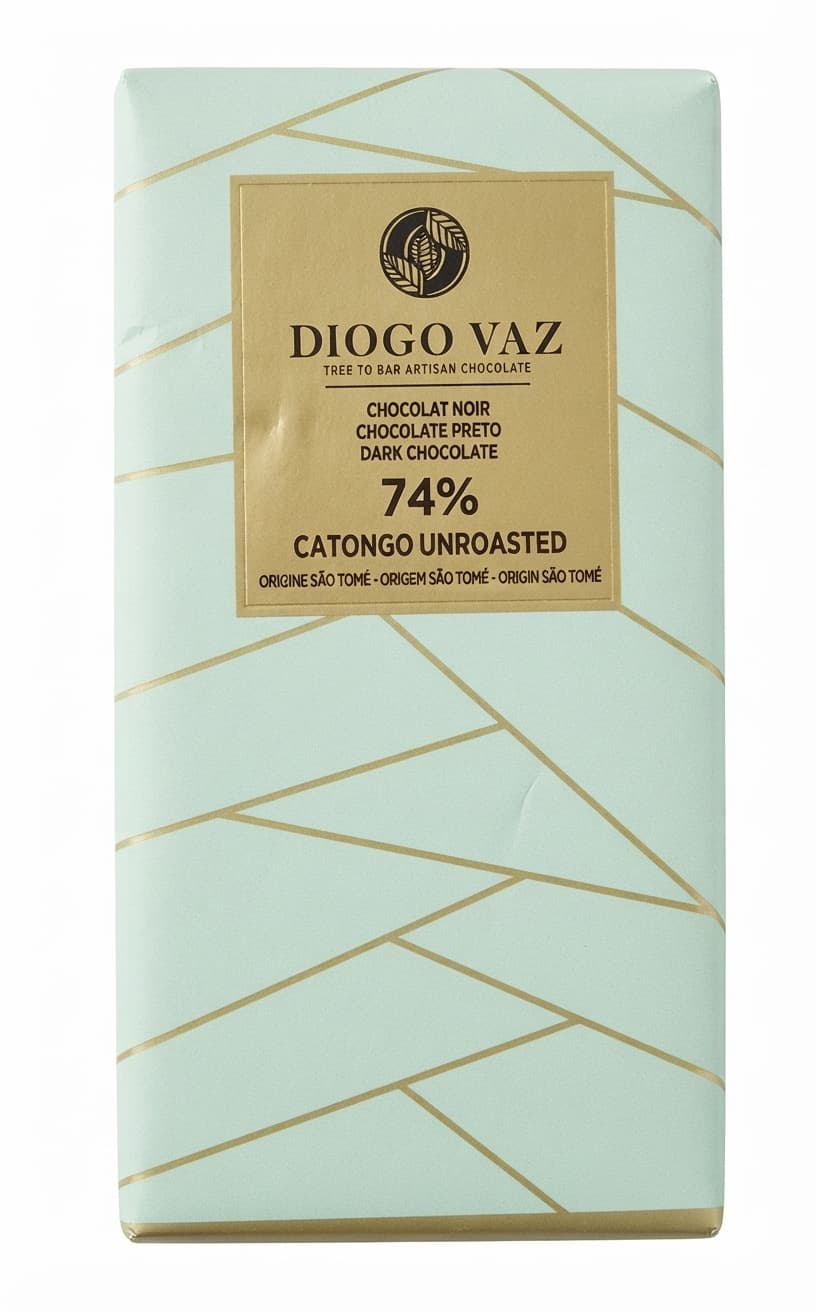 Diogo Vaz
Catongo Unroasted 74%
74%darkSão Tomé and Príncipe - Rank 43:
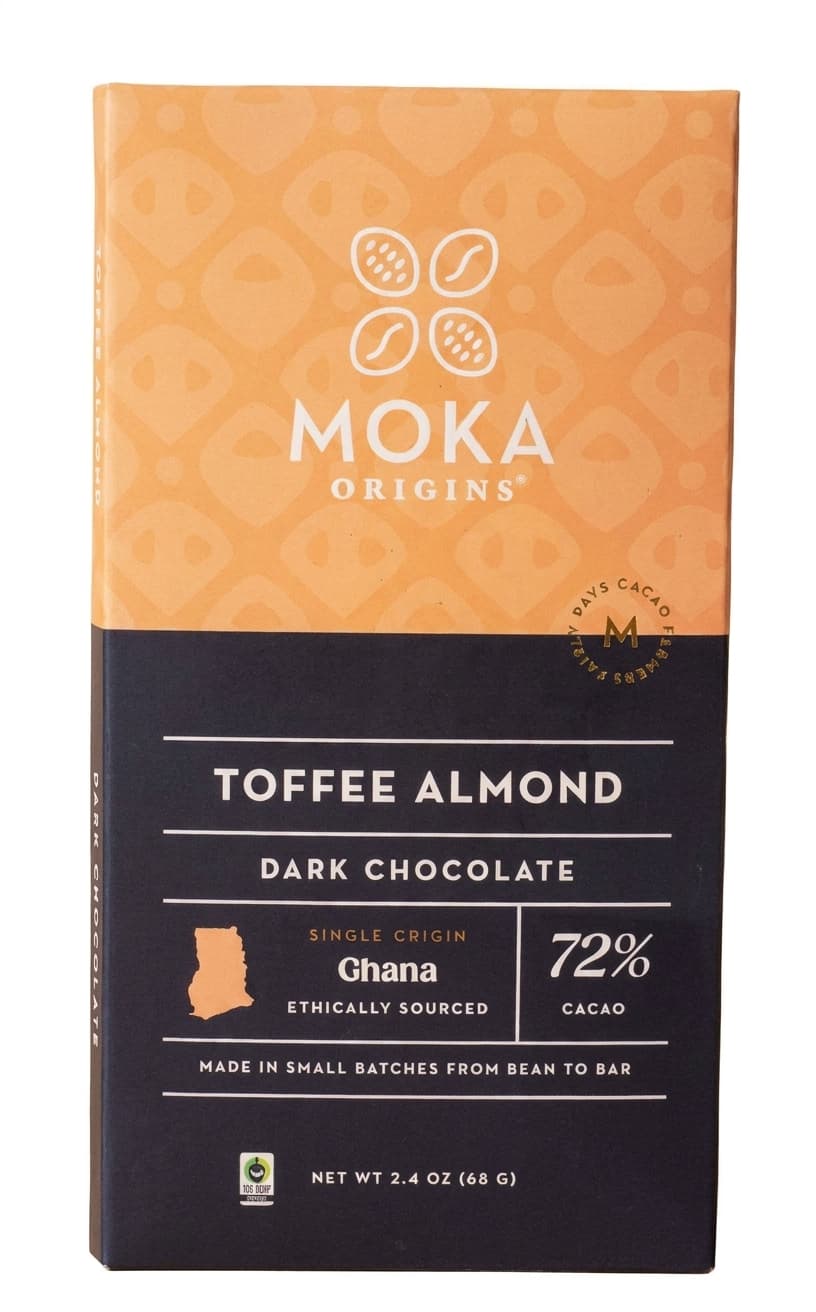 Moka Origins
Toffee Almond 72%
72%darkGhana - Rank 44:
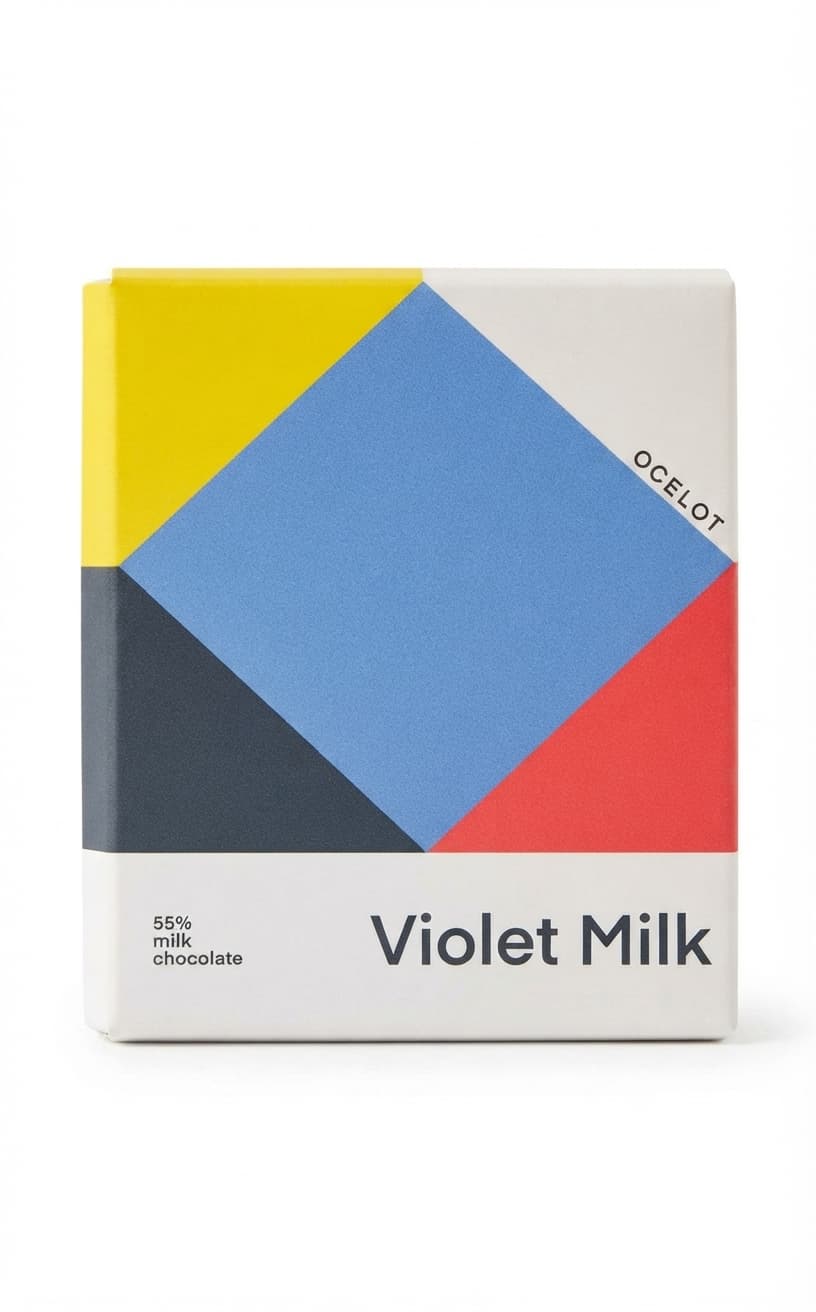 Ocelot
Violet Milk
55%milkDR Congo - Rank 45:
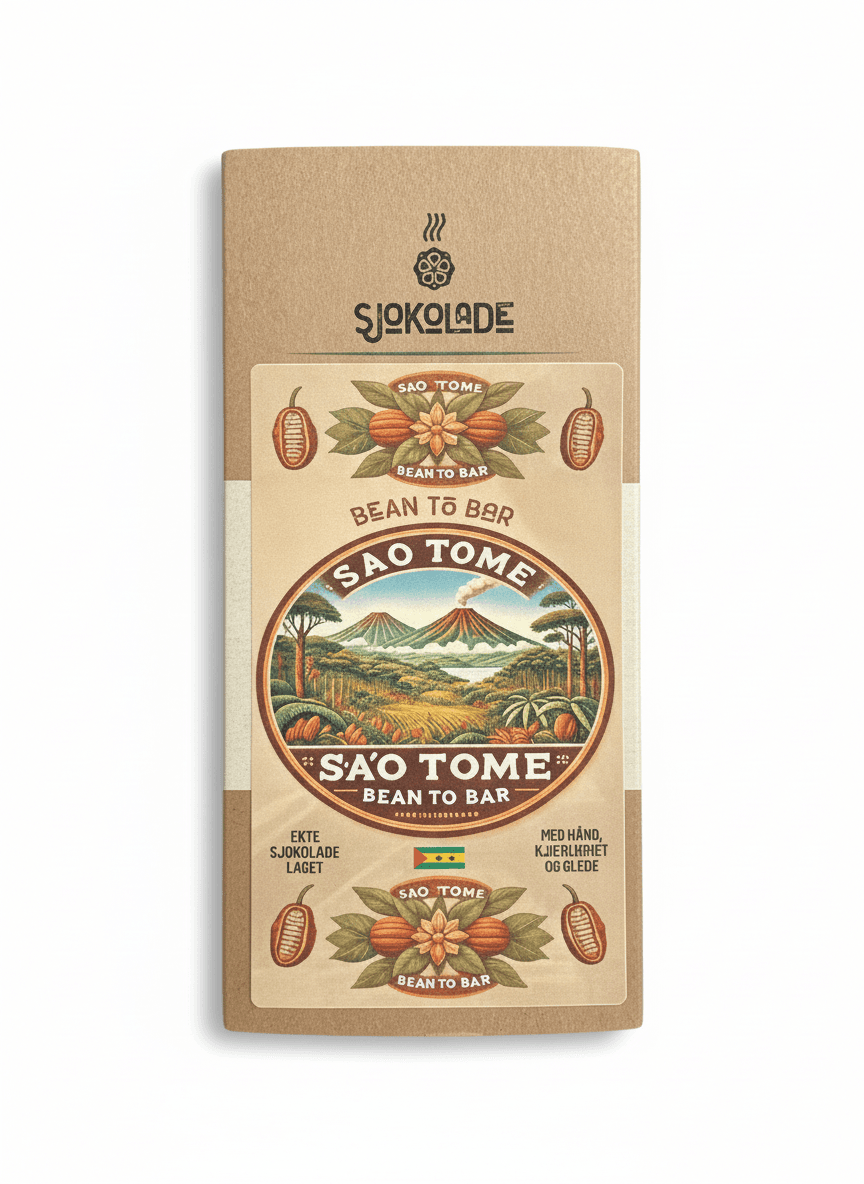 Stavanger Kaffebrenneri
São Tomé Island Bean to Bar
75%darkSão Tomé and Príncipe - Rank 46:
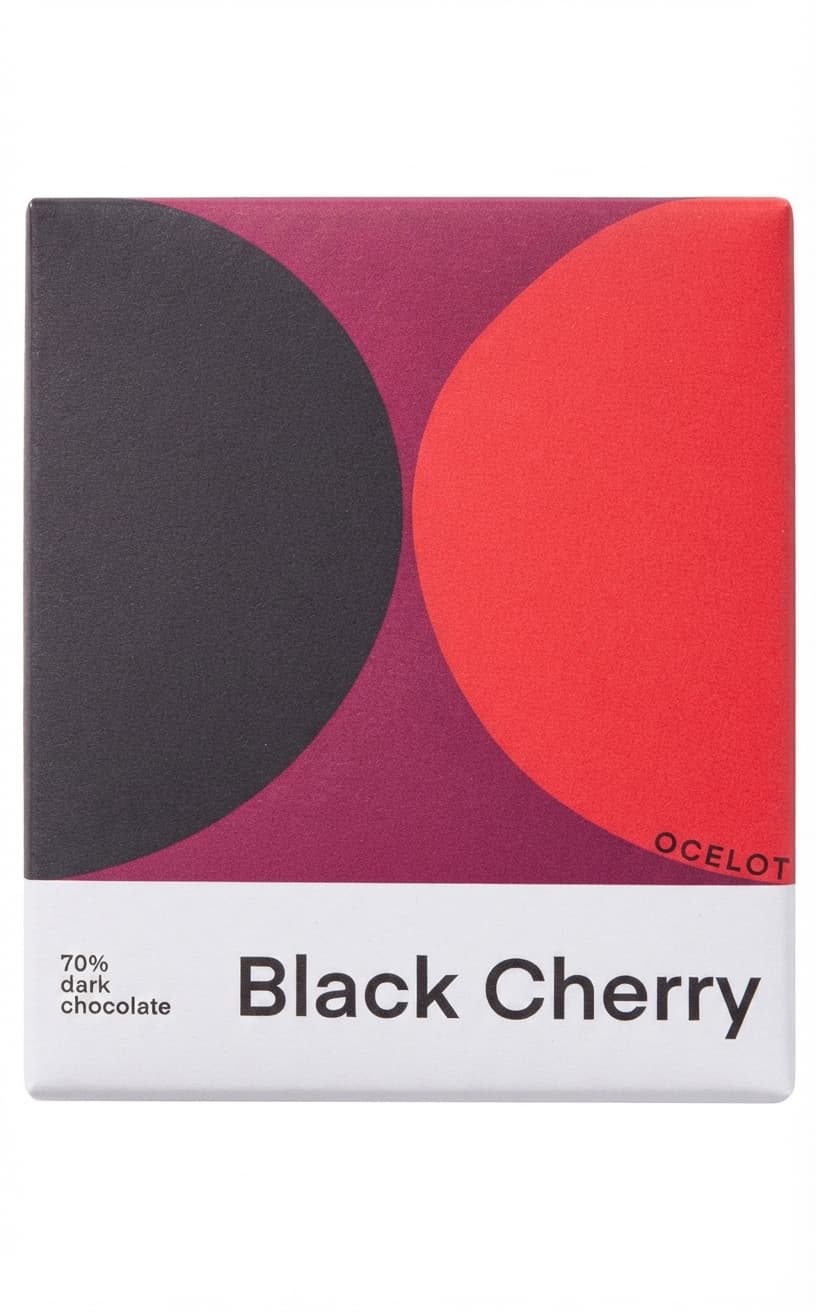 Ocelot
Black Cherry 70%
70%darkDR Congo - Rank 47:
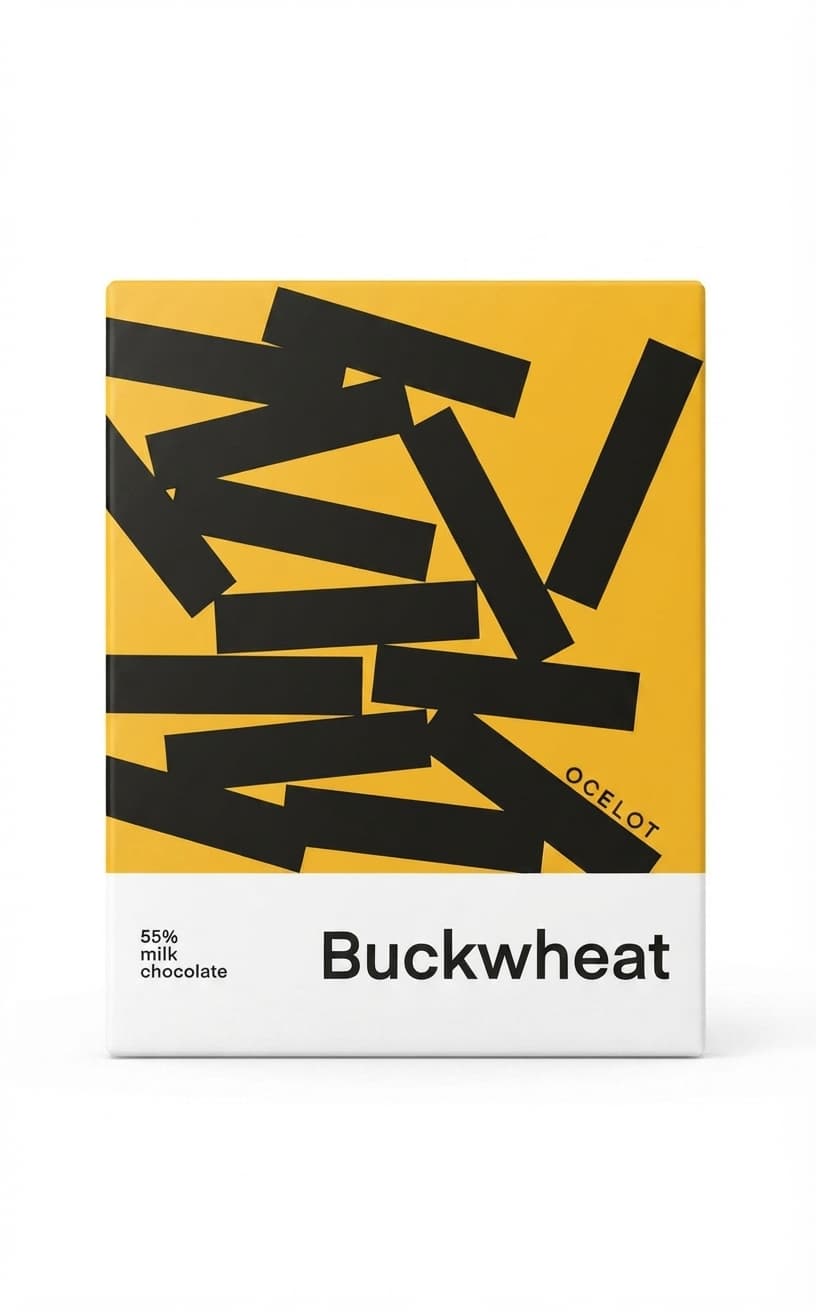 Ocelot
Buckwheat 55%
55%milkDR Congo - Rank 48:
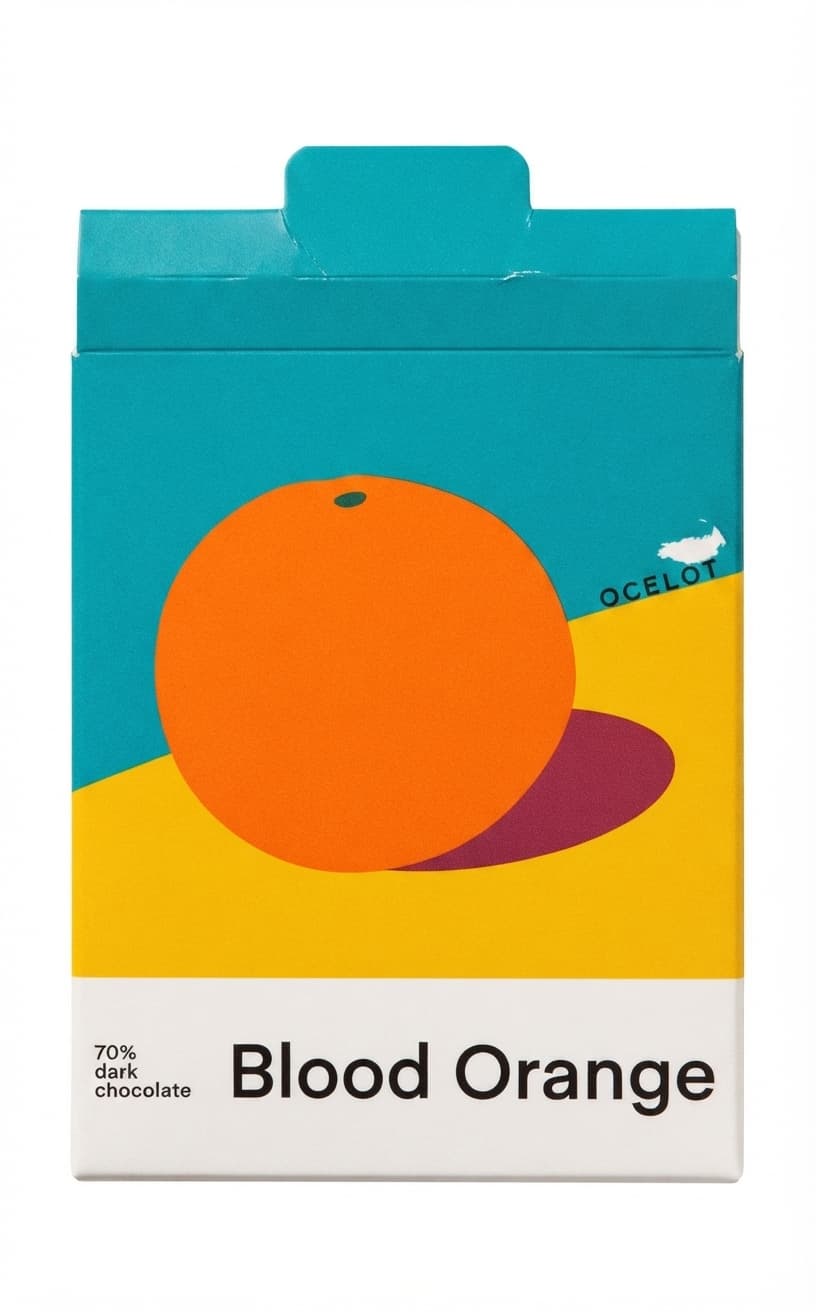 Ocelot
Blood Orange 70%
70%darkDR Congo - Rank 49:
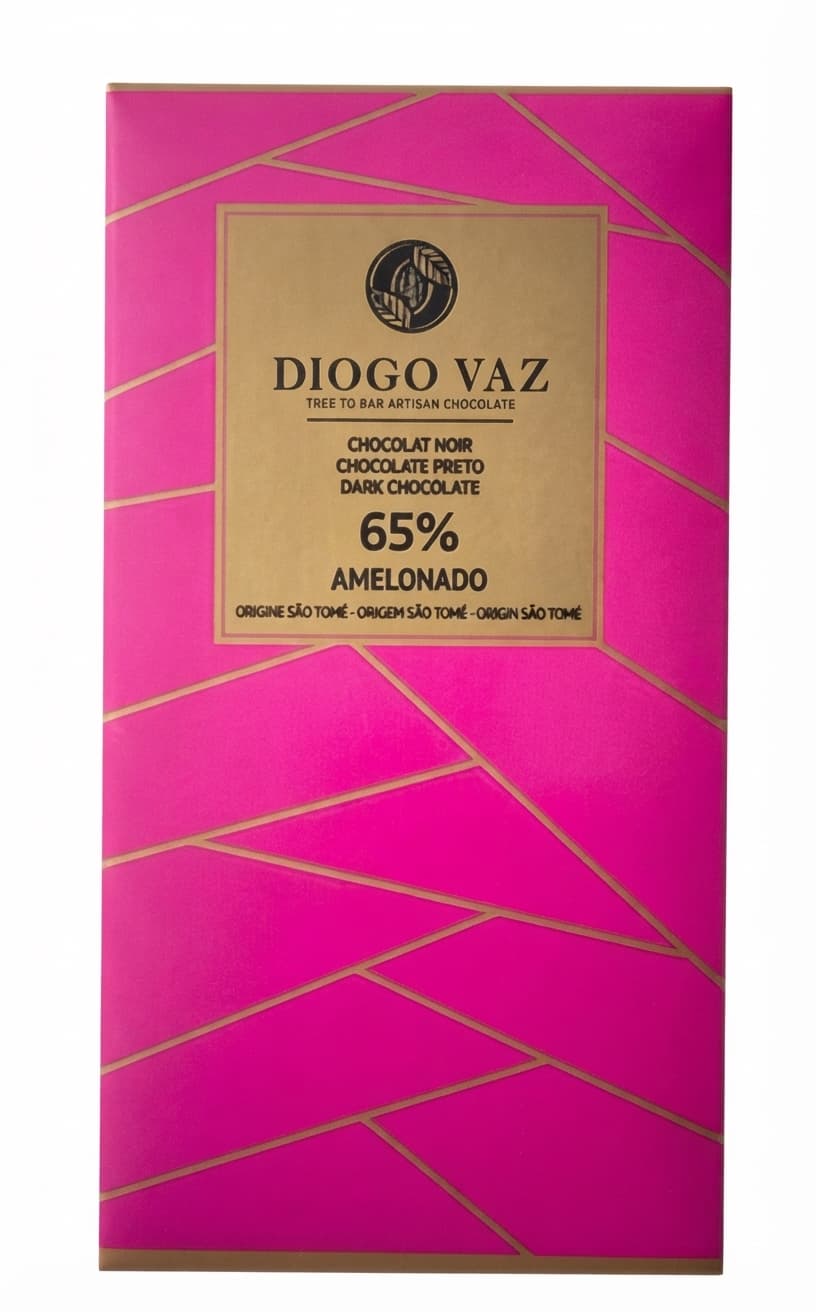 Diogo Vaz
Amelonado 65%
65%darkSão Tomé and Príncipe - Rank 50:
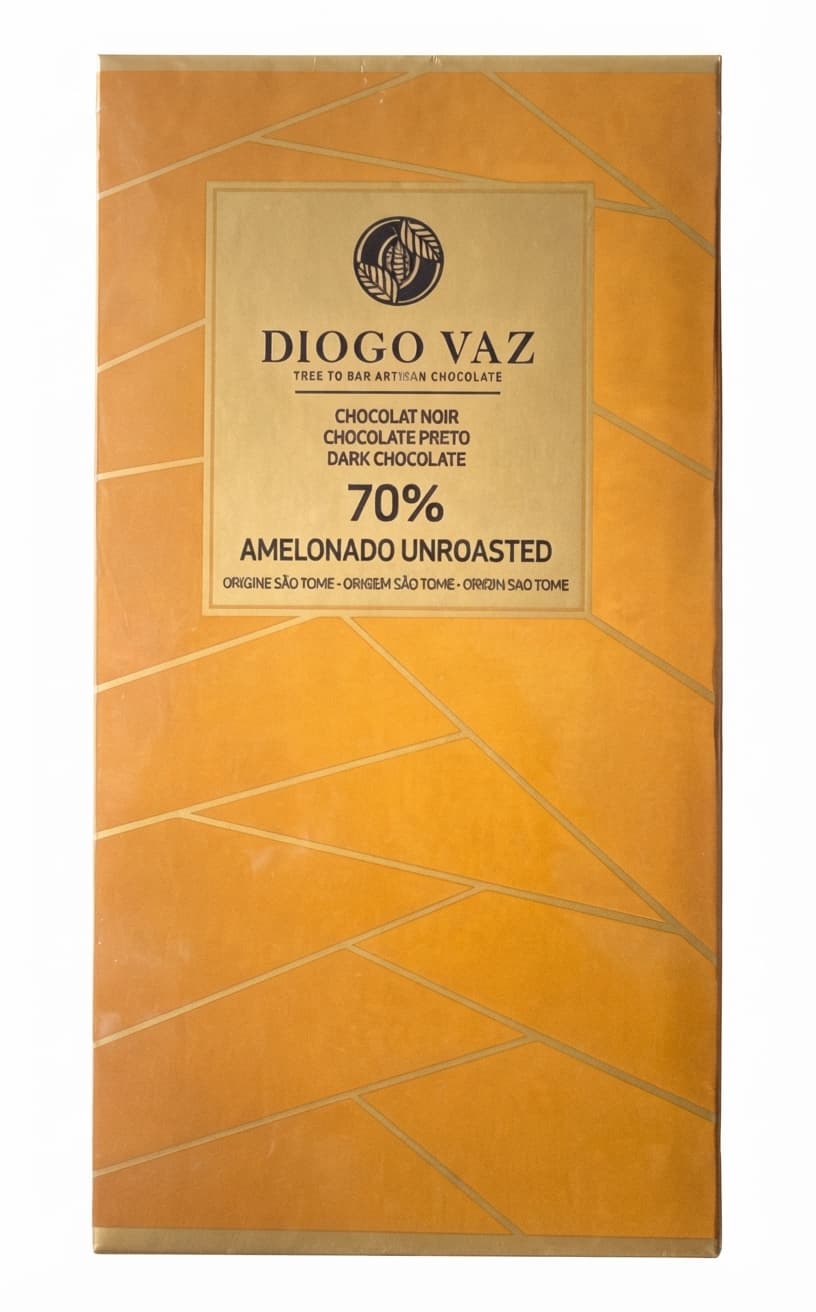 Diogo Vaz
Amelonado Unroasted 70%
70%darkSão Tomé and Príncipe - Rank 51:
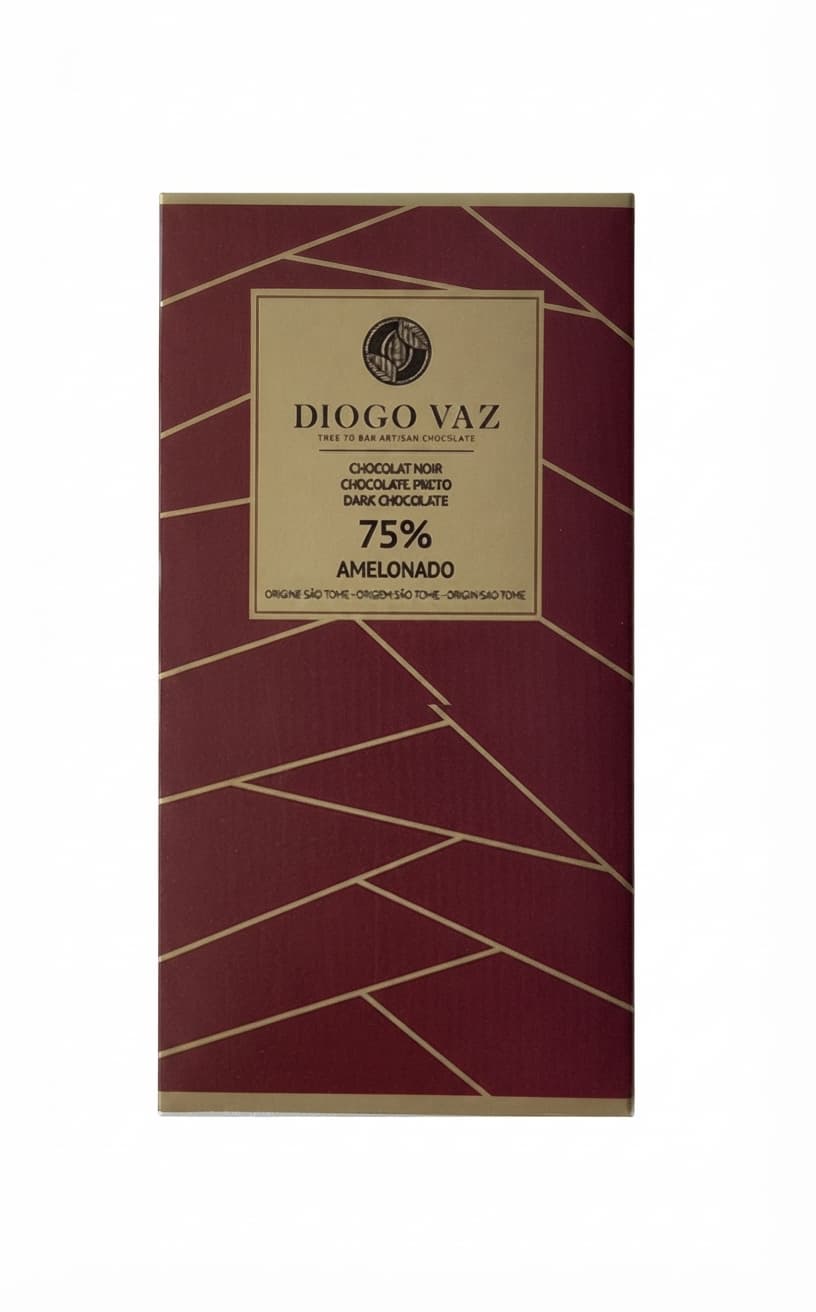 Diogo Vaz
Amelonado 75%
75%darkSão Tomé and Príncipe - Rank 52:
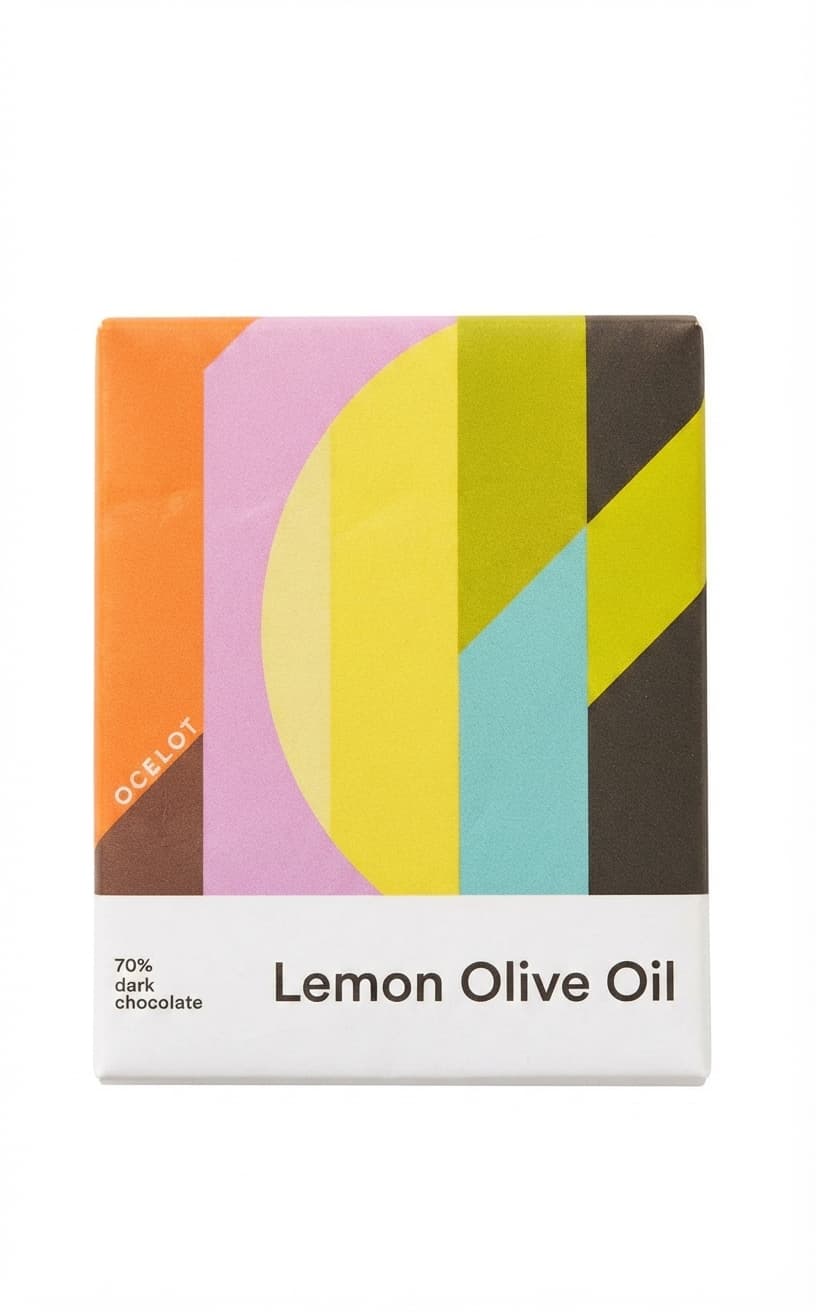 Ocelot
Lemon Olive Oil 70%
70%darkDR Congo
Where Amelonado grows
Makers working with Amelonado
Common cocoa percentages
Frequently asked about Amelonado chocolate
What does Amelonado chocolate taste like?
Straightforward and chocolatey: solid nutty, creamy and brown-sugar notes with some fresh fruit, and less floral lift than fine-aroma varieties. It is the flavour most people think of as classic dark chocolate, and it usually sits at a higher cocoa percentage.
How many Amelonado chocolate bars are on Chof?
Chof lists 52 Amelonado chocolate bars, from 34 makers, at an average of 73% cocoa.
Which makers work with Amelonado cacao on Chof?
The most-represented makers using Amelonado on Chof are Ocelot, Moka Origins, Diogo Vaz, La Brigaderie, Standout Chocolate. Each bar links to the maker that made it.
Sources and further reading
- Motamayor et al. (2008). Geographic and Genetic Population Differentiation of the Amazonian Chocolate Tree (Theobroma cacao L.). PLOS ONE.The DNA study that regrouped cacao into ten genetic clusters, retiring the old three-name folk model.
Related varieties
Learn more
Chof Monthly
One email a month: the bars and makers added to Chof, the highest Chof Scores among them, and where to buy them.
Scan a Amelonado bar in Chof
Log your tasting, save the variety profile, and see how the claim on the wrapper compares with what you taste.